ArcelorMittal reviews 5.600 EU roles, Luxembourg impact unknown
ArcelorMittal Europe has opened a new review of support functions that a European works council member said could cover 5.600 roles, about 11% of the company’s 48.500-strong European workforce, with Luxembourg exposure still undisclosed.
The European arm of Luxembourg-headquartered ArcelorMittal, one of the world’s largest steel and mining groups, has launched a fresh phase of internal assessment into an efficiency drive covering support functions such as information technology, logistics and maintenance, a review that a member of the European works council claimed could place up to 5.600 roles across 20 European countries within scope.
The council member added the initiative was discussed during an extraordinary meeting held remotely last week and described it as a new phase of analysis into reshaping support functions across the group’s European entities, including potential relocations alongside other restructuring options.
On the basis of ArcelorMittal’s European headcount of 48.500 at the end of 2024, the perimeter under review would equate to about 11% of its European workforce.
Contacted by Paperjam, a representative of ArcelorMittal confirmed the review but did not confirm any numbers. The representative said ArcelorMittal Europe was looking into the possibility of expanding the scope of its project to transform support functions “with the goal of ensuring optimisation and standardisation of activities which are currently fragmented across a large number of sites in Europe”. The representative declined to comment on whether roles in Luxembourg were part of the assessment.
The steelmaker disclosed that the work included the creation of a “business services hub in India” and the expansion of its “business centre of excellence in Poland”. It said the objective was to support a sustainable business model for ArcelorMittal Europe by aligning the company’s performance with other major companies and using global talent, modern processes and advanced IT and AI to deliver “reliable, high-quality service”.
The review comes as European steelmakers face weaker demand in core end-markets such as automotive and construction, alongside intensifying pressure from imports, particularly from Asia and China, where production is sold at significantly lower prices.
According to national statistics bureau Statec, ArcelorMittal had 3.520 employees in Luxembourg on 1 January 2025, making it likely that at least some Luxembourg-based roles could ultimately be affected through relocation or being removed altogether, even if the company has not confirmed any local exposure.
A further meeting is scheduled for 26 February at ArcelorMittal’s Luxembourg headquarters. The company representative told Paperjam that more details would be shared at the appropriate stage but did not provide a timeframe.

Responsiblesteel partners with Europe and China on global low-emission steel standards
At the COP30 summit held in Belém, Brazil, following calls for greater consistency and clarity in carbon standards, Responsiblesteel announced partnerships with Europe’s Low Emission Steel Standard (LESS) and China’s Low Carbon Emission Steel Standard (C2F Steel). These two standards cover approximately 60 percent of global steel production.
Responsiblesteel’s agreements with Chinese and European steel standards expand a common approach to greenhouse gas measurement and classification, covering more than half of global steel production. The partnerships bring together producers, consumers, and innovators under harmonized definitions of low-emission steel, accelerating the sector’s journey toward deep decarbonization.
Steel accounts for around 7–9 percent of global greenhouse gas (GHG) emissions, making it one of the largest industrial contributors to climate change. The agreements strengthen efforts to facilitate trade and investment in decarbonized steel while ensuring consistency and reliability in sustainability standards worldwide.
Achieving meaningful progress in decarbonization requires collaboration across borders and standards. Today’s agreements send a strong message of global consensus to governments regarding the “scrap-variable” approach to low-emission steel classification. This approach acknowledges that recyclable steel will be limited in the coming period and is designed to promote decarbonization across all technologies.
Already recognized by the G7 and incorporated into international standards, this approach provides a practical, science-based solution supporting the global transition to low-emission steel without compromising integrity. It prevents unproductive competition for limited scrap supply, encourages decarbonization across all steel production routes, and supports technology-neutral solutions compliant with international trade rules, removing unnecessary barriers to trade.
Responsiblesteel’s greenhouse gas accounting methodology and classification system are part of the ‘International Production Standard,’ developed through a transparent, multi-stakeholder process with participation from over 180 individuals, including more than 70 business and civil society organizations and steel producers operating blast furnace (BF) and electric arc furnace (EAF) facilities, covering a broad ESG spectrum.
Responsiblesteel CEO Annie Heaton stated: “Responsiblesteel is creating a global framework that enables comparability to establish the foundation for a global market in low-emission steel. A large portion of global steel production capacity now has the potential to use equivalency mechanisms to define low- and near-zero-emission steels. These agreements pave the way for the first real examples of interoperability between standards, providing clarity for steel producers, buyers, investors, and policymakers in a groundbreaking development.”
Jiang Wei, president of the China Iron and Steel Association (CISA), emphasized: “Collaboration is essential to harmonize greenhouse gas emission standards and accelerate the decarbonization of the steel industry. This agreement is a groundbreaking step toward that goal. CISA’s decision to collaborate with Responsiblesteel reflects our mutual commitment to steel standard principles, proven results achieved by both organizations in this area, and our shared dedication to reliable, science-based solutions. We look forward to working closely with Responsiblesteel to advance the objectives of this agreement.”
LESS secretary general Carmen Ostwald stated: “LESS is proud to partner with Responsiblesteel in this groundbreaking initiative. Our shared commitment to reliable, science-based solutions will provide much-needed clarity in greenhouse gas emissions comparison and transparency in the decarbonization process of steel production. This agreement represents a critical step toward creating global markets for low-emission steel and accelerating the sector’s transition to net zero.”
Responsiblesteel board chair Gerry Tidd emphasized: “Two dominant steel-producing regions, China and Europe, play a vital role in decarbonizing the steel industry. Responsiblesteel is proud to act as a global, multi-stakeholder facilitator, using its trusted standard to help industries achieve genuine decarbonization.”
The agreements also set an example for the Steel Standard Principles (SSPs) launched at COP28. Responsiblesteel has taken a leading role in developing interoperability between standards in collaboration with more than 60 SSP signatories.
Leading industry figures and organizations also support the agreements
Philippe Aubron, global head of automotive at ArcelorMittal, stated: “ArcelorMittal strongly supports the collaboration between Responsiblesteel, CISA, and LESS to enhance interoperability between the new standards. It is essential to create a unified framework for international reference standards to accelerate steel decarbonization and provide transparency and reliability in global markets. We believe this initiative will build trust, drive innovation, and ensure the industry meets its climate commitments consistently and rigorously.”
Wang Qiangmin, chief representative for carbon neutrality at China Baowu Steel Group, stated:
“The signing of this cooperation agreement is a key milestone for the Chinese steel industry in actively applying green development principles and integrating deeply into global low-carbon emission management. We will use this opportunity to jointly promote international recognition of low-carbon steel standards, establish a green supply chain system, and contribute to the low-carbon transformation of the global steel industry with Chinese expertise and strength.”
Frederik Van de Velde, CEO of ArcelorMittal Belgium, stated: “This partnership is groundbreaking for our sector. By aligning our standards, we not only strengthen LESS and Responsiblesteel but also establish a global consensus on the definition of low-emission steel. ArcelorMittal is proud to support this initiative, which will accelerate our joint journey toward a sustainable steel sector.”
Gunnar Groebler, CEO of Salzgitter AG and chair of the LESS board, emphasized: “Aligned standards form the backbone for meaningful change in steel production. This tool ensures companies can adopt sustainable practices with confidence while providing customers with the transparency needed to make informed decisions. Mutual recognition between standards is key to building trust in the market.”
Riccardo Savigliano, head of energy systems and decarbonization at UNIDO, stated: “These agreements represent an important step toward globally harmonized standards for low- and near-zero-emission steel, which are critical for advancing decarbonization across the sector.”
Susanne Larsson, CFO and CSO of SKF, stated: “Unified, reliable, and interoperable standards are vital for making informed sourcing decisions in complex and globalized value chains like ours. These agreements will provide the market with much-needed clarity and consistency, strengthening the foundation for genuine climate action in the steel sector.”
John Haffner, deputy sustainability director at Hang Lung Properties, stated: “Carbon emissions from steel are a fundamental challenge in the real estate sector. We welcome and applaud this announcement as the first real estate company in China to join the Climate Group’s SteelZero initiative. Promoting decarbonization across all steel production routes and establishing reliable, interoperable standards will accelerate low-carbon steel production and provide clarity and momentum to demand-driven initiatives in China and beyond.”
Esther Finidori, sustainability director at Schneider Electric, stated: “Harmonizing global standards for low-emission steel is essential to scale reliable supply and sustainable trade. Decarbonizing supply chains requires standards that are harmonized, high-integrity, transparent, traceable, and measurable. We are committed to building sector coalitions, establishing long-term partnerships, and ensuring the standardization necessary to accelerate sustainable innovation.”
Mike Peirce, executive director of system change at Climate Group, stated: “This announcement is a strong example of what collaboration can achieve. By shaping standards within a common framework, these organizations are enabling greater alignment on how we measure and classify emissions in steel, a sector critical for global decarbonization.”
Sameen Khan, senior director of steel at Climate Group, stated: “SteelZero was established to accelerate demand for net-zero steel, and this announcement represents a vital step toward that goal. Steel buyers seeking low-carbon materials need clarity and comparability at a time when multiple decarbonization standards are emerging. Reducing barriers to measurement and progress is critical to helping companies make informed choices about where to source low-emission steel. This collaboration promises to provide that clarity.”
Responsiblesteel continues to be the single, multi-stakeholder standard for sustainability in steel worldwide, with 90 certified organizations.

EU stainless flats start year slow
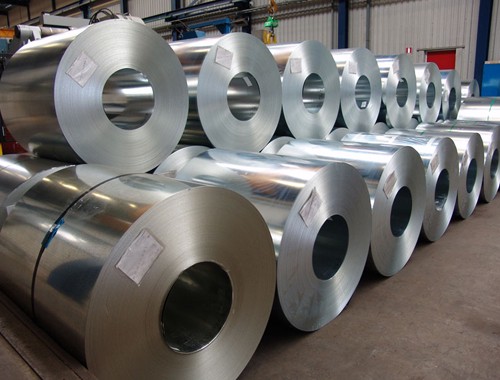
The European stainless flat steel market is experiencing a slow recovery this year, stainless steel processors and service centres tell Kallanish.
EU coil producers are increasing their prices by €20-30/tonne ($20.8-31.2/t) for March delivery. This, however, will face resistance from buyers because of the challenges in transferring the increases downstream. Certain mills are currently quoting lead times for March, while others continue to fill February order books. This year, there has been some increase in orders for sheets, a source in Italy reports. He indicates a lead time for sheets extending to the end of March. Orders for tubes, however, continue to show subdued demand.
Several coil buyers have voiced their apprehensions regarding the 8% duties they will be required to pay for coils imported from Indonesia. Prevailing sentiment among buyers discourages taking part in the import market. In northern and western Europe, stainless cold rolled coil for February delivery is at €2,450-2,460/t delivered. The market price for Italian stainless CRC stands at €2,400/t delivered. Stainless hot rolled coil in Europe, including Italy, is ranging between €2,150-2,200/t delivered.
Distribution prices are experiencing persistent downward pressure, reflecting trends observed in the fourth quarter. Distributors and service centres tell Kallanish they are struggling to implement price increases, leading to significant negative financial impacts. Flat product stocks in northern and central Europe are currently assessed as moderately low, while those in Italy are said to be higher. Current pricing for sheets in Europe is reported to average €2,550-2,600/t delivered, with Italy slightly lower at €2,500/t, according to sources. Current scrap prices are not supporting finished products. The European stainless scrap market is marked by a lack of significant activity. Scrap demand from mills in Europe is subdued, largely due to their continued procurement of cheaper slab and nickel pig iron from Asia. Steel producers are anticipated to continue sourcing these materials, whereas demand for scrap is expected to remain weak in the coming months.
“The significant contraction observed in purchasing activity aligns with the overall performance of the European industrial sector… Many believe that the current persisting demand weakness is likely to continue throughout the entire first quarter,” Italian trade association Assofermet says in a market note seen by Kallanish. This year, the market will face challenges due to rising energy costs, potentially resulting in price hikes as companies strive to restore their margins.
Natalia Capra France
Erste: European automotive suffers loses, Chinese industry booms
European automotive producers are losing out on the Chinese market, which is still crucial for their sales, according to Erste Group research.
In the past five years, the share of German brands in the Chinese market has decreased by 6 percentage points. “Earlier, for example, Volkswagen sold about a third of its global car production in China in 2023. Over the last ten years, passenger car production in Asia has increased by 33%, and in China even by 68%. By contrast, it has fallen by 11% in Europe and by 24% in Germany,” Erste notes in a report.
Moreover, Europe’s share of global passenger car production has fallen from 28% to 23%, while Asia’s has risen from 56% to 68% during 2012-2023, the document shows.
“The share of European passenger car production in total world production is falling, but European countries are still among the world’s major car manufacturers: Seven of the top-15 passenger car manufacturers are from Europe,” Erste Group notes. “Fortunately, Chinese companies have not yet established themselves in Europe. The most difficult situation today is in the German car industry. The point is that, in Germany, the unit labour costs in the automotive industry are two times higher than in Italy or Spain and three times higher than in the Czech Republic and other CEE countries.”
The most delicate situation is at Volkswagen, whose management plans to close up to three –of 10 – German factories, cut VW employee wages by 10% and conduct layoffs. The unions, on the other hand, want the carmaker to give pay rises, Kallanish notes.
According to the bank, one option is to move production to a cheaper foreign country. “This is already happening, as German production of passenger cars reached a peak before Covid-19 in 2016. It has been declining ever since. On the other hand, in countries like the Czech Republic and Slovakia, passenger car production has been rising,” the report observes.
Global motor vehicle production reached its all-time high in 2017, with 97 million motor vehicles produced worldwide, 70% of which were passenger cars, Erste Group says. Then came the pandemic and production fell by a quarter by 2020.
Production reached 93m units last year and was only 4% below the 2017 record.
Svetoslav Abrossimov Bulgaria

First long-term coil contracts struck in Europe
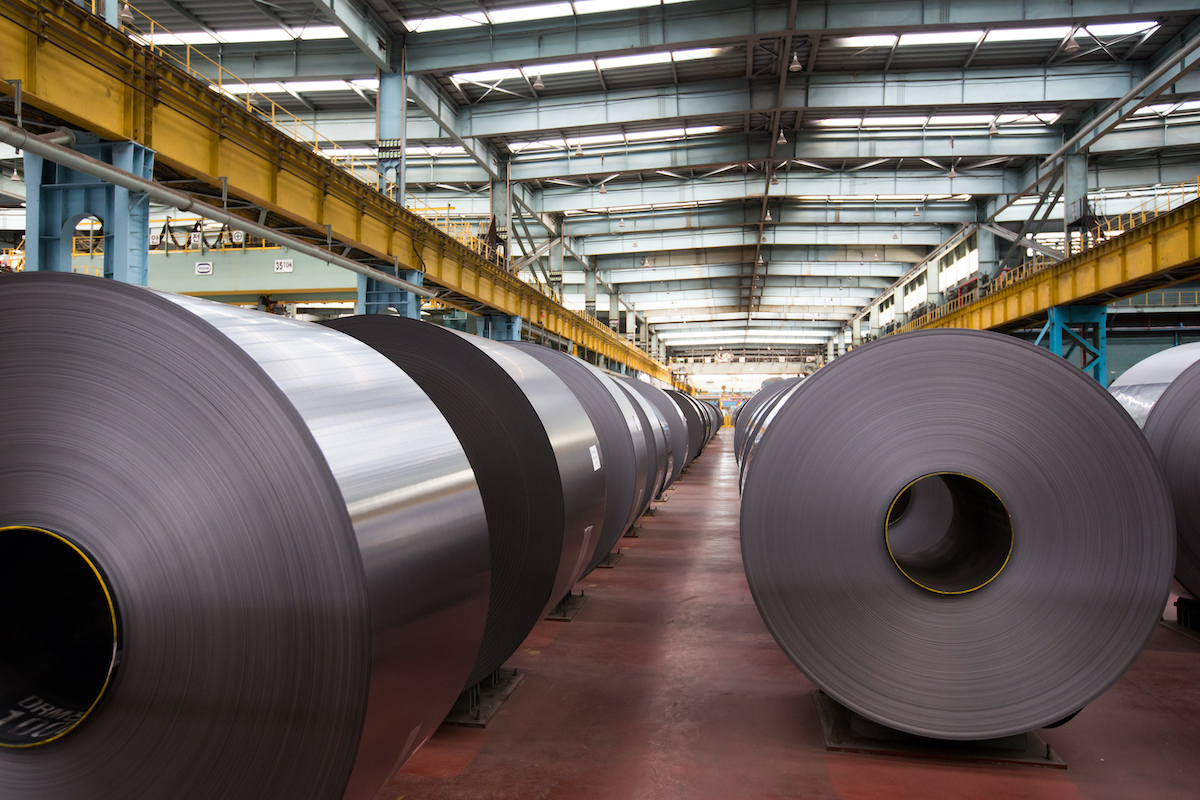
The traditional negotiations between big coil buyers and northwestern European mills have been rather subdued this year, but the first results have been obtained by Kallanish.
“Normally, the coil trade fair is the starting point of negotiations but, this time, the mills did not even give an offer,” says one participant who attended October’s Euroblech trade show in Hanover.
Some bids had already come in from buyers then, who were asking for a hefty €200/tonne ($212) reduction in comparison to the agreements struck one year ago. Against that, mills were later heard asking for a rollover, but that attempt has floundered. “Mills are not trying for that any more, certainly not in unison,” one well-connected observer says. “And for mills, a minus of €200 would break their necks,” another notes.
The slow motion of the talks this year became clear at thyssenkrupp’s annual results conference in November. A big share of the steelmaker’s output goes to carmakers and industries on long-term contracts. “They [the contract talks] are still outstanding,” a thyssenkrupp executive said during the 19 November conference. He made reference to “the beginning of the year”, suggesting deals would only be agreed in early 2025.
According to one observer, mills are currently gunning for a year-on-year reduction of €80/t and buyers for a €120/t cut. “ I think this might still drag for on a while,” he says.
One buyer concurs and says he only knew of one deal by hearsay. “Rumour has it that [one mill] signed for minus €90”, apparently with a player in the automotive industry. “That would not be too bad for mills, as long as the figure is not three digits,” he finds.
Another buyer claims his company has achieved exactly that in more than one deal signed, with a y-o-y reduction of €130 on average. The firm only agrees half-year contracts. Buyers that prefer full-year contracts might therefore have to make do with a lesser reduction.
Christian Koehl Germany

European HRC market experiences quiet start to the week
The price of European domestic hot-rolled coil remained largely unchanged, as the industry is now in the holiday season, with many market participants currently out.
Some market sources believe that mills are still attempting to test the market by increasing prices, but others remain skeptical, stating that consumer interest is not present enough in the market for there to be any change.
“I think European mills will definitely try to increase prices,” one trader said.
“Market is still too low and will be for the rest of the year,” a service center source said. “There is no activity in the market.”
With demand remaining low and supply remaining well ahead in Europe, some market sources have commented that mills are struggling to find orders.
“The market is flat, mills are desperate for quantities,” a distributor said. As long as consumption doesn’t pick up, there will not be any change in prices, the distributor added.
Platts assessed Northwest European HRC stable on the day at Eur625/mt ex-works Ruhr on July 15.
Meanwhile, Platts assessed domestic HRC prices in Southern Europe also stable on the day at Eur625/mt ex-works Italy on July 15.
Some indications were heard for carbon accounted steel, with an offer for premium reported at Eur95-140/mt, with a CO2 content around 0mt at scopes 1-2.
Platts assessed the carbon-accounted premium for HRC in Europe down Eur5/mt on the day at Eur120/mt July 15.
Geraint Moody