

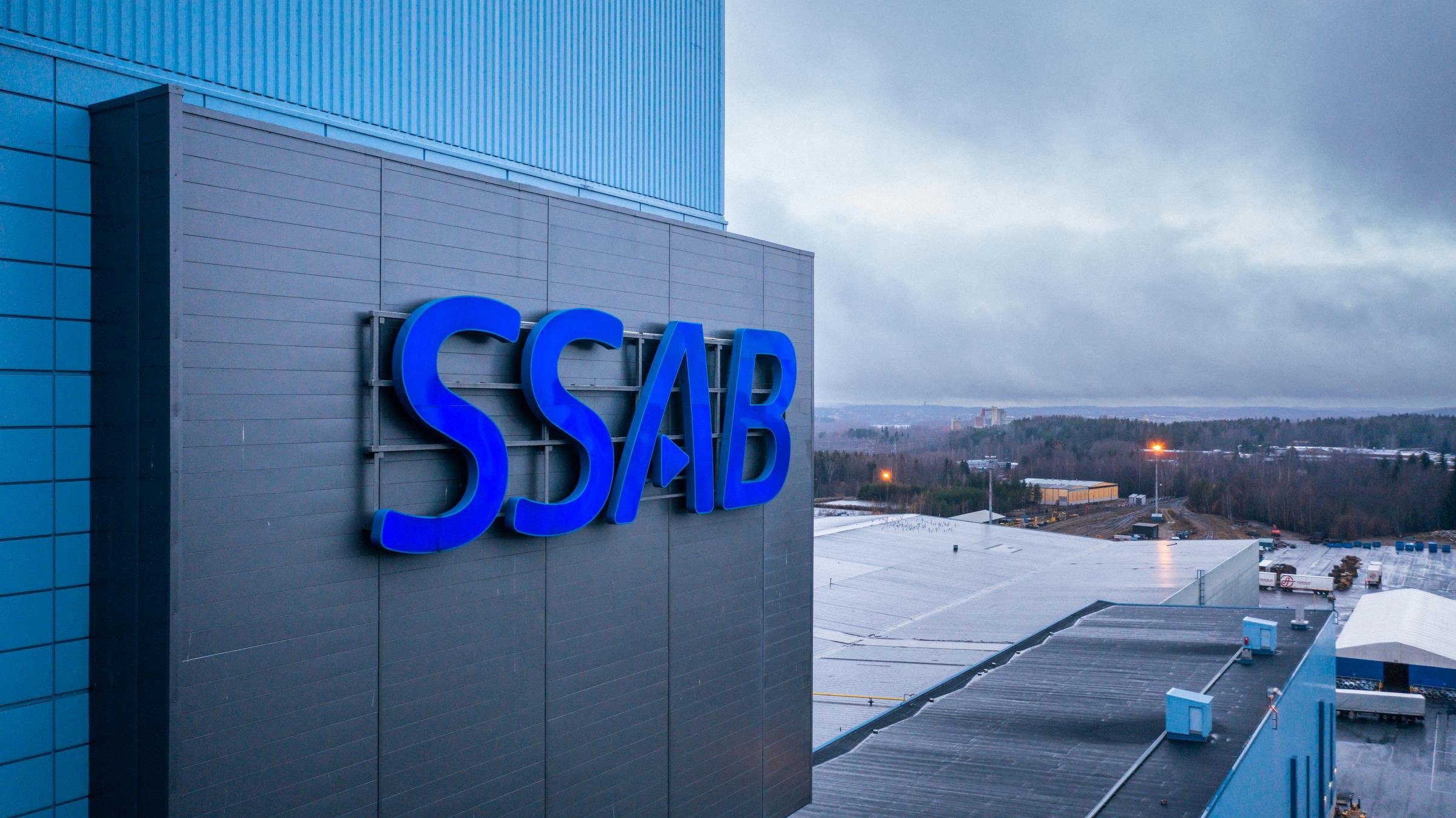
SSAB secures environmental permit for Lulea steelworks transformation
Nordic steelmaker SSAB received the necessary permit from the Land and Environmental Court in Umea, northern Sweden’s Vasterbotten County, to build and operate a mini-mill in Lulea, Norrbotten County, to replace the current blast furnace-based steel plant, it said in a Dec. 19 statement.
It said the permit enables a technology shift that would have positive effects on the environment and the climate and allow SSAB to meet the high demand for its steel products.
It further said construction preparations would now continue with detailed engineering and the building permit process. It added that once the new plant with electric arc furnaces, rolling mills, and further processing was running at full capacity, SSAB would decommission Lulea’s current blast furnace-based production system.
“This is a big day for SSAB and for the transformation to fossil-free steel production in Sweden. Now we can proceed with an investment that will result in reduced climate impact of national significance,” SSAB president and CEO Johnny Sjostrom said.
He added that the mill’s transformation would also create a more flexible and cost-effective production with a wider range of premium and special steel products with close to zero emissions and safeguard jobs in Lulea.
SSAB said the investment would result in a better cost position, higher efficiency, shorter lead times, and elimination of CO2 costs. The new mill would run on fossil-free electricity and be supplied with a mix of fossil-free sponge iron produced with its HYBRIT technology and recycled steel scrap.
Unlike traditional steelmaking, which relies on coking coal, SSAB’s HYBRIT process uses hydrogen, produced with renewable electricity, to produce sponge iron, which is then processed into steel. According to SSAB, the process emits water vapor instead of CO2 and largely eliminates CO2 emissions from the steelmaking process.
SSAB said the Lulea mill’s transformation would significantly reduce emissions to air and water, increase resource efficiency, and remove about 2.8 million mt/year of carbon dioxide emissions.
In total, SSAB’s transformation will enable a reduction of 10% in Sweden’s total CO2 emissions, of which 7% comes from Lulea and 3% from the transformation in Oxelosund, according to SSAB.
Platts, part of S&P Global Commodity Insights, assessed the daily Northwest Europe HRC carbon-accounted steel price at Eur615/mt ex-works Ruhr on Dec. 18, down 22% since the start of 2024.
EU HRC prices rise on higher European mill offers
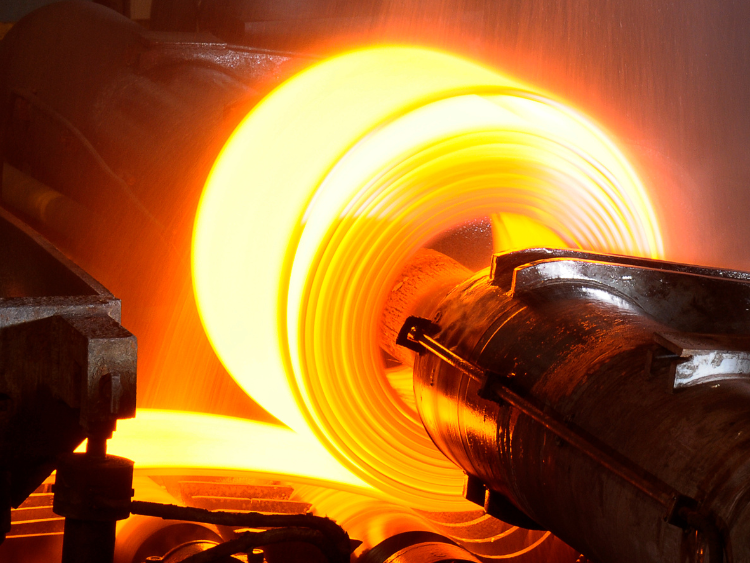
European hot-rolled coil prices rose slightly Dec. 19, as sources confirmed a large increase in offer levels by a major European mill.
Sentiment remained uncertain over the direction of price movement, with questions over whether the market would see a significant improvement in real demand for steel in 2025.
A mill source expressed “mixed feelings” over improved price stability in the European flat steel market stating that “mills are not complaining about the quantity of orders, but over margins, which are under pressure.”
“No customers want to buy too much stock at current price levels, instead, customers only buy what they need,” the source said.
Sources reported that mills and producers in Europe have been “aggressive” in their pricing strategy as they compete for low levels of demand.
“Imports are not present in the market,” a source said, stating that it’s because of their uncompetitive pricing and uncertainty over the European Commission’s newly announced safeguard review. Customer confidence in imports fell due to long delivery lead times, and the on-going risk of anti-dumping investigations.
Platts assessed Northwest European HRC at Eur560/mt ex-works Ruhr, up Eur5 on the day.
Platts assessed Southern European HRC at Eur555/mt ex-works Italy, stable on the day.
Platts assessed imported HRC in northwest Europe at Eur530/mt CIF Antwerp, stable on the day.
Meanwhile, Platts assessed imported HRC in South Europe at Eur530/mt CIF Italy, stable on the day.

The green steel revolution in 2025 – navigating a new frontier
As we prepare for the arrival of carbon emission-free steel, it is critical to understand the implications for pricing models, market dynamics, and the way supply chains will need to evolve. The key question for the industry is no longer whether zero-carbon steel will happen – it is how to adapt to a world where it becomes the norm. To succeed, stakeholders must adopt new strategies, embrace transparency, and collaborate more deeply than ever before.
Steel mills: balancing innovation with viability
Steelmakers are at the forefront of the green transition, embracing hydrogen-based direct reduction iron (DRI) in Europe and scrap-based electric arc furnace (EAF) technology in the US. While hydrogen shows great promise, its adoption is hindered by high costs, limited availability of green hydrogen, and the need for significant infrastructure upgrades.
Energy costs pose an additional challenge. In traditional EAF steelmaking, energy accounts for 15-20% of production costs, but in new hydrogen-based DRI/EAF processes, this could rise to over 40%, reflecting the energy-intensive nature of hydrogen production.
Regulatory pressures, such as the EU’s Carbon Border Adjustment Mechanism (CBAM), which comes into full effect in 2026, further complicate operations. While CBAM incentivizes decarbonization by protecting low-emission producers from cheaper high-carbon imports, it also pressures steel mills to accelerate investments in green technologies to stay competitive in a changing global market. Rising energy costs and potential supply chain bottlenecks add financial strain, requiring steelmakers to adopt more agile production and procurement strategies.
End users: the demand for decarbonized supply chains
Industries like automotive and construction face dual pressures to reduce carbon footprints while controlling costs. Green steel promises a lower-emission alternative, but its premium – which has consistently tracked at an additional cost of 20-40% across Fastmarkets’ global suite of green steel differentials – remains a stumbling block for many end users.
The solution lies in strategic partnerships between steelmakers and end users, with long-term offtake agreements that balance costs while ensuring supply chain sustainability. Certification standards, still evolving, will become critical to verifying claims and aligning procurement decisions with climate goals.
Middle players: navigating complexity and uncertainty
For middle players such as traders, distributors, and service centers, the green steel transition adds layers of complexity. Managing inventories that include traditional, low-emission, and zero-carbon products introduces logistical challenges, while pricing volatility and regulatory compliance add further strain.
The EU’s upcoming Waste Shipment Regulation, which limits scrap exports to non-Organisation for Economic Co-operation and Development (OECD) countries, will increase competition for high-quality feedstocks within the EU. Middle players must adapt to tighter supply conditions, rising prices, and shifting trade dynamics to maintain their roles in the value chain.
Raw material producers: rising demand for premium inputs
As steel production increasingly pivots to hydrogen-based and EAF technologies, raw material producers face growing demand for higher-quality inputs like DRI-grade iron ore and quality scrap. To meet this demand, these producers may need to innovate by developing methods to improve the quality of lower-grade ores or increase the efficiency of extraction processes. The EU’s upcoming restrictions on scrap exports to non-OECD countries will further disrupt traditional supply chains. Scrap producers will need to adapt by enhancing the quality of their materials through better sorting technologies or exploring regional supply chains to comply with the regulations. Strengthening relationships with steelmakers and securing long-term contracts will be key to ensuring a steady demand for premium materials as steel mills shift toward low-emission production.
Financiers: decoding risks and opportunities
Green steel projects require enormous capital investments, often without guaranteed returns in the short term. For financiers, this raises questions about risk and reward, particularly as regulatory environments evolve. Financial instruments like sustainability-linked loans and green bonds are increasingly critical, and their effectiveness depends on the availability of consistent benchmarks for green premiums.
Financiers also face pressure to align with environmental, social and governance (ESG) goals, and the complexity of valuing decarbonization efforts presents both a challenge and an opportunity. Those who can effectively quantify and mitigate risks tied to green steel investments stand to play a pivotal role in enabling the sector’s transformation.
The role of multi-stakeholder platforms
Collaborative initiatives are essential for navigating the complexities of green steel production. Multi-stakeholder efforts such as UNIDO’s (United Nations Industrial Development Organisation) Industrial Deep Decarbonisation Initiative, and the Climate Group’s SteelZero, bring together policymakers, producers, and end users to align on decarbonization goals and drive systemic change.
These platforms help stakeholders address overlapping challenges, from standardizing low-emission certifications to developing frameworks for sustainable supply chain finance. By fostering collective action, they reduce uncertainty and promote scalable solutions.
Navigating the challenges of today – trade tensions, and the just transition
The global push for decarbonization is colliding with escalating trade tensions. Tariffs on steel and its raw materials could undermine efforts to create open markets for green steel. The CBAM rollout might trigger friction with trading partners, with some viewing it as protectionist.
But this challenge opens the door to regional collaborations. Agreements between climate-aligned countries could streamline trade for green steel, providing a much-needed competitive edge for low-emission producers.
Decarbonization is as much about people as it is about technology. The shift to green steel production risks leaving traditional steelworkers behind, especially in regions dependent on emissions-intensive plants. Without investment in retraining and support, the transition could exacerbate inequality.
Yet, the human dimension also presents an opportunity. Companies prioritizing a just transition will attract ESG-driven investors, build stakeholder trust, and gain a competitive edge by integrating social considerations into their business models.
What lies ahead in 2025
The road to decarbonization in 2025 will be defined by:
• The first zero-carbon steel production in Sweden, setting a global benchmark.
• The phased implementation of CBAM, reshaping trade flows and emissions accounting.
• The fine-tuning of international standards for low-emission steel, providing long-awaited clarity for buyers and sellers.
• Supply-chain disruptions in scrap and iron ore markets, necessitating greater agility and foresight.
• Gradual energy sector transformation in Europe to feed new DRI capacities.
Navigating the transition
Reliable market intelligence will be critical for navigating this new frontier. Clarity of pricing across the entire steel value chain – from raw materials and semi-finished products to finished goods – provides a foundation for informed decision-making. Fastmarkets’ robust pricing solutions, including green steel and green ferroalloy differentials, empower stakeholders to manage volatility, enhance transparency, and build confidence in their strategies.
With the right tools, insights, and collaborations, the steel value chain can transform the challenges of 2025 into pathways for growth and leadership in a decarbonized future.
European steel beam prices flat amid slow Christmas season, disruption on Moselle river
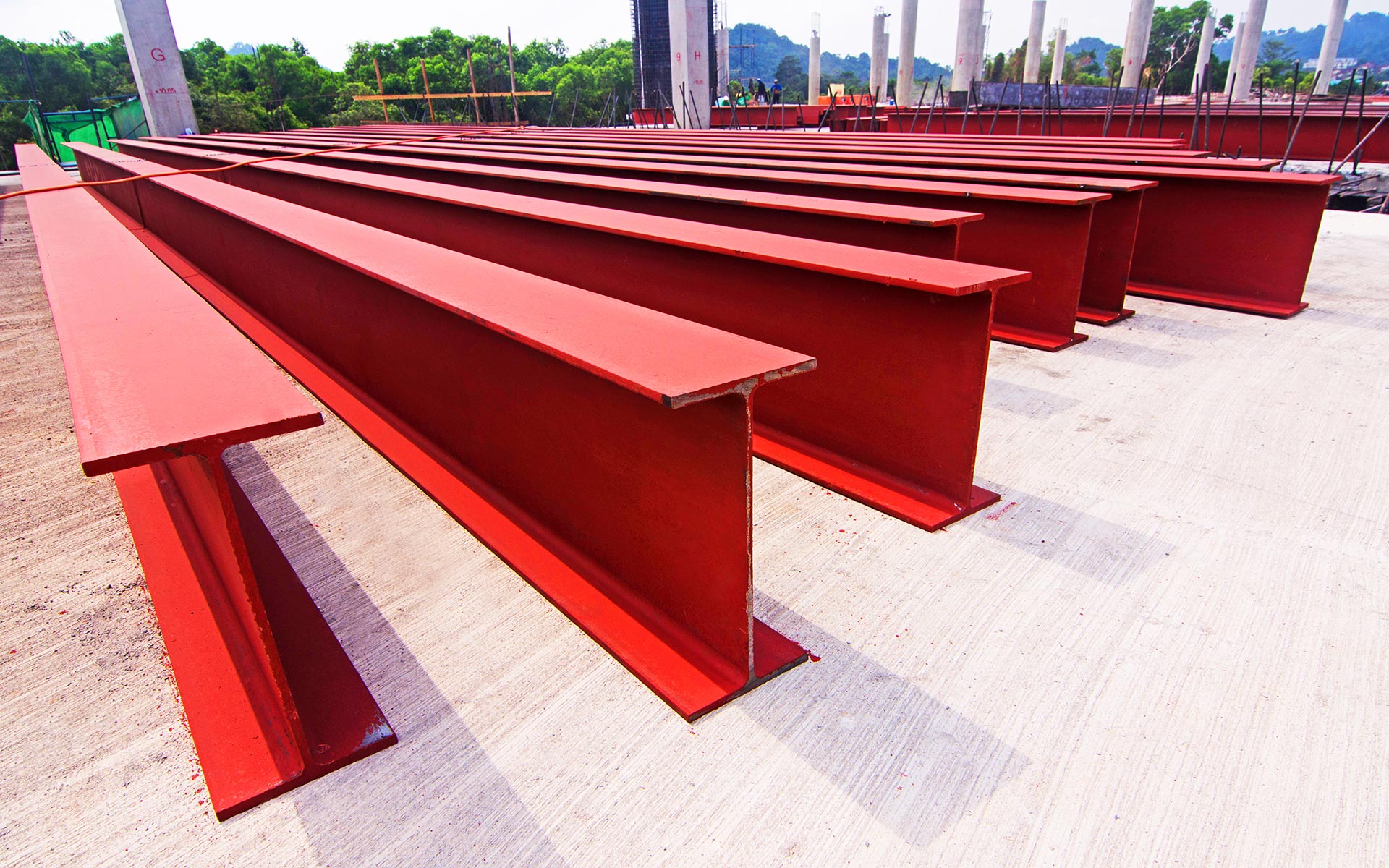
Fastmarkets’ monthly price assessment for steel beams, domestic, delivered Northern Europe was €780-790 ($816- 827) per tonne on Wednesday, unchanged from November 20.
Similarly, Fastmarkets’ monthly price assessment for steel beams, domestic, delivered Southern Europe was €780-790 per tonne on Wednesday, also flat month on month.
Sources told Fastmarkets that mills were offering material at prices €20 per tonne higher, but said the raised levels were not workable, with trade slowing ahead of the Christmas holiday period in already negative demand conditions.
Prices were also stable despite the disruption to logistics in Germany caused by a crash at the Müden lock on the Moselle river on December 8, which blocked the passage of 74 ships on their way to the river Rhine – one of Europe’s key routes for metals shipments including aluminium and steel.
As of Wednesday, 18 ships had left the lock heading in the direction of the Rhine, with the emergency, temporary closure of the lock chamber made possible using nine welded steel beams, according to Germany’s Federal Waterways and Shipping Administration (WSV).
With permanent repairs expected to last until Spring, sources said the incident could have a big impact on the delivery of materials, because the alternative road or rail transport options are far more expensive.
Overall, while the cost of steel scrap in Turkey’s bellwether market has fallen so far in December, sources said, prices climbed by 1.25% day-on-day on Wednesday due to the current supply and logistics challenges in Europe and increased demand from Turkish mills for January cargoes.
Fastmarkets’ calculation of its daily index for steel scrap HMS 1&2 (80:20 mix) North Europe origin, cfr Turkey was $348.12 per tonne on Wednesday, down $3.91 per tonne month on month from $352.03 per tonne.


European CRC, HDG prices struggle with low demand, lack clear direction
Demand for domestic cold-rolled coil (CRC) and hot-dipped galvanized (HDG) coil remained poor in Europe, with seasonal factors supporting this trend, Fastmarkets understands.
“December is usually a quiet month. Demand is very poor. We tried to work two shifts this month, but we did not succeed, and we work one shift now,” a supplier of CRC and HDG in Northern Europe told Fastmarkets.
A second supplier source from the region told Fastmarkets that the domestic HDG market was performing better, but the CRC market “was non-existent.”
But sentiment in Northern Europe brightened slightly on the news of an upcoming safeguard review by the European Commission and ArcelorMittal’s announcement of a price increase for some flat steel products.
In Northern Europe, offers of CRC for delivery in the first quarter of 2025 were heard at €670-690 ($701-722) per tonne ex-works during the assessment week.
But activity remained low, and no major deals were heard in the market.
Buyers’ estimations for the workable market level were seen lower at €640-660 per tonne ex-works.
Based on slightly higher estimations of industry sources, Fastmarkets’ weekly price assessment for steel cold-rolled coil domestic, exw Northern Europe was €640-660 per tonne on Wednesday, widening upward by €10 per tonne from €640-650 per tonne on December 11.
April-delivery CRC from India and Japan was heard offered to Northern Europe at €660 per tonne CFR Antwerp.
Industry sources from the region estimated the workable market level to be lower, at €640-650 per tonne CFR.
But imports of CRC to Northern Europe were considered unattractive, Fastmarkets understands.
“If you need the material in February, April-delivery CRC from Asia is too late. Besides, you can buy the material from local suppliers at similar levels and with shorter lead times. Payment terms for bookings from European suppliers are also better,” a buyer source told Fastmarkets, adding that the current exchange rate of the US dollar against the euro also makes imports unattractive.
Trading in the Northern European HDG market also remained subdued in the week to Wednesday.
Offers for HDG in the region were heard at €680-690 per tonne ex-works.
In addition, on Wednesday, Arcelor Mittal announced higher offers for some flat steel products across Europe, with HDG price for February/March delivery increasing to €750 per tonne ex-works or delivered, industry sources told Fastmarkets.
It remains to be seen if such a price level would be accepted by the market.
Buyers’ estimations for the workable market level were at €640-675 per tonne ex-works.
Fastmarkets’ weekly price assessment for steel hot-dipped galvanized coil domestic, exw Northern Europe was €640-675 per tonne on Wednesday, widening slightly upward by €5 per tonne from €640-670 per tonne on December 11.
Meanwhile, domestic prices for CRC and HDG in the Italian market went slightly down compared to the previous assessment week.
February-delivery CRC was on offer in Italy at €660-680 per tonne ex-works, industry sources told Fastmarkets.
But these offer price levels were seen to be too high to be workable.
“To be accepted in deals, the domestic CRC prices should be €20 per tonne lower,” a second buyer source told Fastmarkets.
Fastmarkets’ weekly price assessment for steel cold-rolled coil domestic, exw Southern Europe was €640-660 per tonne on Wednesday, widening downward by €10 per tonne from €650-660 per tonne ex-works on December 11.
CRC from India was on offer in the Italian market at €640-650 per tonne CFR.
Some limited volumes of CRC from Japan were offered in the Italian market at €630 per tonne CFR, industry sources told Fastmarkets.
Domestic offers of HDG in Italy were heard at €680-710 per tonne ex-works, with buyers estimating the tradeable market price at €660-680 per tonne ex-works.
Fastmarkets’ price assessment for steel hot-dipped galvanized coil domestic, exw Southern Europe was €660-680 per tonne on Wednesday, widening slightly downward by €10 per tonne from €670-680 per tonne on December 11.
Asian-origin HDG was on offer to Italy at €700-720 per tonne CFR, Fastmarkets understands.

European green flat steel suppliers maintain premiums at high levels
In general, European steelmakers were optimistic regarding green steel uptake in the following years, despite ongoing challenges, sources told Fastmarkets.
“We don’t see booming volumes [for green steel sales] now, but we see steady inquiries almost every week — for 100, 500 tonnes — but the interest is growing,” a steel mill in Europe said.
Sources, however, agreed, that economic crisis in Europe was slowing down decarbonization and green steel uptake in the market in general.
“It’s hard to create sustainable demand for green steel in such environment, when businesses are struggling to keep afloat,” a buyer in the Benelux region said.
“[EU] member states must intervene — we need public infrastructure projects that would stimulate buyers to ‘go green,’” they added.
Fastmarkets’ methodology defines European green steel as steel produced with Scope 1, 2 & 3 emissions at a maximum of 0.8 tonne of CO2 per tonne of steel.
Green steel suppliers in Europe maintained premiums for such steel at €200-350 ($209-366) per tonne.
Notably, a premium for steel with carbon emission of under 600 kilograms and Scope 1,2 and 3 upstream was reported at €200 per tonne.
Transactions for such steel were heard at €170 per tonne during the week, but for limited tonnages.
Premiums for steel, carbon neutral under Scopes 1 and 2 were reported at €300-350 per tonne.
And premiums for green steel, with Scope 1, 2 and upstream Scope 3 carbon emissions of less than 0.8 tonnes per tonne of steel, were reported at €200-250 per tonne.
Industry sources estimated achievable prices for such material at €100-150 per tonne.
Some bids were reported at even lower levels — €50-80 per tonne.
Producer sources said that it would be not commercially viable to sell green steel with such low premiums, considering costs of production and short availability.
“We can provide certain discounts on decent volumes [of green steel], but there is a limit — we can’t be selling green steel for free,” a second steelmaker said.
As a result, Fastmarkets calculated its weekly green steel domestic, flat-rolled, differential to HRC index, exw Northern Europe at €100-200 per tonne on Thursday, stable week on week.
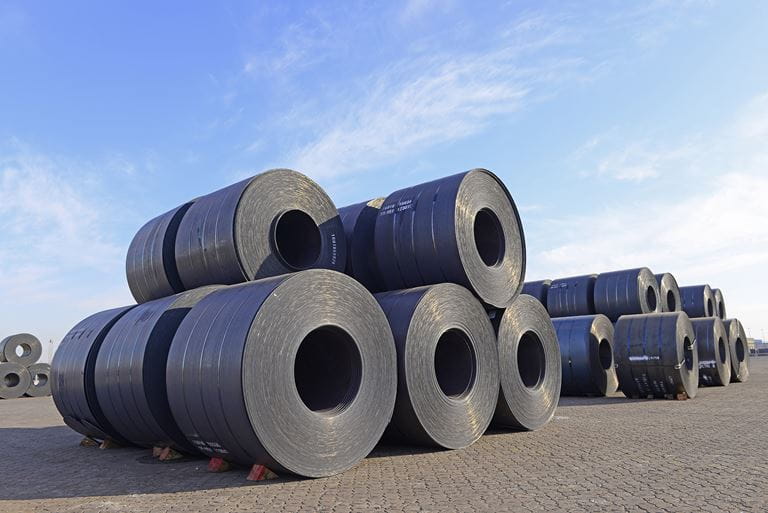
European HRC market steady: imports limited, Service Centers face challenges
Hot rolled coil prices in Italy and wider Europe have remained largely stable on-week, following a moderate increase in transaction values observed earlier this month.
Producers in Italy have strived to increase prices to €600-610/tonne ($624.9-635.4) delivered in December; however, this price point has not yet been reflected in contracts, according to knowledgeable sources.
The market is currently experiencing a lull, characterised by a lack of transactions as the holiday period approaches, during which producers will initiate extended production stoppages.
Contract prices are currently at approximately €560-570/t delivered, with any bids falling below this threshold being declined. Numerous buyers indicate there are no accessible import alternatives other than Turkish-origin HRC, which is being quoted at €580/t cfr duty paid. Service centres that spoke to Kallanish are not considering purchases from the import market, as even the prices delivered from Turkey appear to be less competitive compared to domestic HRC.
On 1 January, EU HRC buyers will clear material imported from Asia through customs. A source believes the tonnage of HRC at ports that exceeds quotas is limited after a significant reduction in purchases from Asia in recent months, driven by EU import restrictions.
Numerous service centre buyers in Italy have ceased operations this week and are continuing to implement workforce layoffs. A number of mill customers are suspending operations for one month. Downstream demand is reported low since November.
Meanwhile, ArcelorMittal is increasing coil prices by €20/t in Europe for delivery in the new year. Lead times at the steelmaker’s plants in Europe are now extended to February and March. For some downstream products, a few allocations are left for March and bookings will spill over into the second quarter.
For the few February allocations left of HRC, new asking prices are at €630/t base delivered. Prices for hot-dipped galvanised coil are also being pushed up, to €750/t base delivered.
Natalia Capra France


Italian rebar makers push up prices
Several Italian rebar producers are halting sales and seeking a €20/tonne ($20.8) increase for deliveries scheduled in January. Mills have already increased values this month and will continue to deliver material until the end of this week, Kallanish notes.
Current quotes from producers are positioned at €320/t base ex-works, applicable for orders delivered by the end of this month. For contracts executed in January, asking prices are set at €340-350/t base ex-works. This indicates a significant rise from the November asking price of €300/t base ex-works.
Current transactions, for December delivery, are positioned within the €300-320/t base ex-works range. A number of rebar mills are going to cease operations by the end of this week, with some having already suspended their facilities. Activity will resume on 7 January.
Current transactions are priced within the €560-580/t ex-works range, including size extras averaging approximately at €260/t. Domestic mesh contracts are at €410-420/t, excluding transportation costs – size extras are an additional €300/t, according to sources.
Natalia Capra France
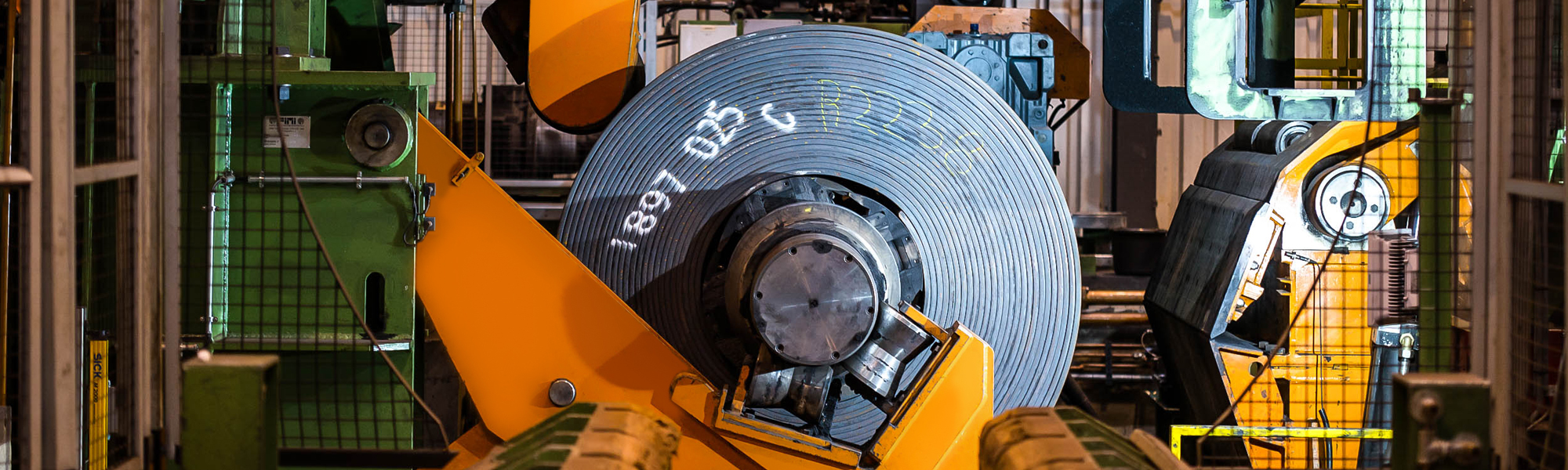
EU re-rollers increase prices on costlier HRC
Multiple Italian re-rollers, along with tube manufacturers in various European nations, are enacting price increases of €50/tonne ($52), industry sources tell Kallanis
The increase is effective immediately and is considered essential for margin recovery, given the unsustainable nature of current prices versus costs. Production costs for re-rollers are on the rise, influenced by escalating prices of hot rolled coil in Europe, coupled with additional import restrictions stemming from the EU’s safeguard measure review initiated this week.
Protectionist measures are affecting major coil processors and tubemakers, who procure substantial coil tonnages each year from third countries to meet their extensive processing requirements.
A significant number of re-rollers in Europe are expected to carry out extended production halts to align supply with demand during the holiday period.
Multiple sources confirm to Kallanish that production will cease for approximately three to four weeks. Given the present low inventory levels, the production halts are likely to result in diminished product availability, with shortages expected for specific grades.
The market is quiet after buyers finalised their purchases for December. January contract values, however, are expected to rise in accordance with the price hikes.
European HRC prices have increased in contracts to an average of €560-570/t base delivered, while derivative prices in Italy have shown stability, with tube discounts flattening on-month at 47-48 points.
ArcelorMittal is increasing coil prices by €20/t in Europe for delivery in the new year. Lead times at the steelmaker’s plants in Europe are now extended to February and March. For the few February allocations left of HRC, new asking prices are at €630/t base delivered. Prices for hot-dipped galvanised coil are also being pushed up, to €750/t base delivered.
The European Commission’s investigation will determine whether the EU safeguard measure on steel imports needs amending to reflect recent market developments, following a request by 13 Member States. The investigation will be concluded by 31 March 2025. Any resulting decision may become applicable as of the start of a new quarter – 1 April 2025 – including with a new TRQ volume.
Natalia Capra France
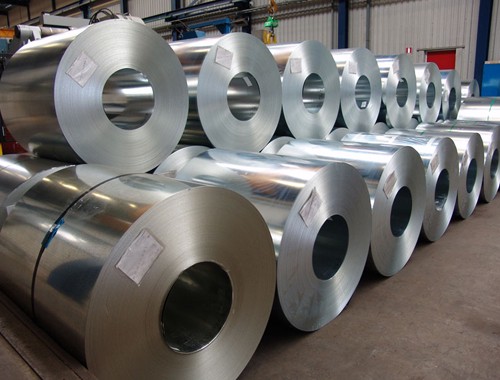
EU exempts Vietnam stainless producer from countervailing duties
The European Commission has exempted one Vietnamese supplier from EU countervailing duties on imports of stainless steel cold-rolled flat products, Kallanish notes.
It previously imposed duties on stainless steel cold-rolled flat products from Indonesia, Taiwan, Turkey, and Vietnam.
As no evidence was found that Lam Khang’s stainless steel cold-rolled flat products benefited from subsidies, the company has been granted an exemption from countervailing duties. Duties previously collected from Lam Khang-origin imports are to be refunded, with the amendment effective from 18 December and retroactively applicable from 8 May 2024.
Requests for exemptions from Trinox Metal Sanayi ve Ticaret A.Ş. (Turkey) and Yongjin Metal Technology (Vietnam) have meanwhile been rejected.
The EU’s definitive countervailing duty applies to CN codes 7219 31 00, 7219 32 10, 7219 32 90, 7219 33 10, 7219 33 90, 7219 34 10, 7219 34 90, 7219 35 10, 7219 35 90, 7219 90 20, 7219 90 80, 7220 20 21, 7220 20 29, 7220 20 41, 7220 20 49, 7220 20 81, 7220 20 89, 7220 90 20 and 7220 90 80.
Exemptions apply to the following producers:
| Country | Company |
| Taiwan | Chia Far Industrial Factory Co., Ltd. |
| Taiwan | Tang Eng Iron Works Co., Ltd.
Tung Mung Development Co., Ltd. Walsin Lihwa Corporation Yieh United Steel Corporation Yuan Long Stainless Steel Corp. |
| Türkiye | Posco Assan TST Celik Sanayi A.Ş. |
| Vietnam | Posco VST Co., Ltd.
Lam Khang Joint Stock Company |
Elina Virchenko UAE