

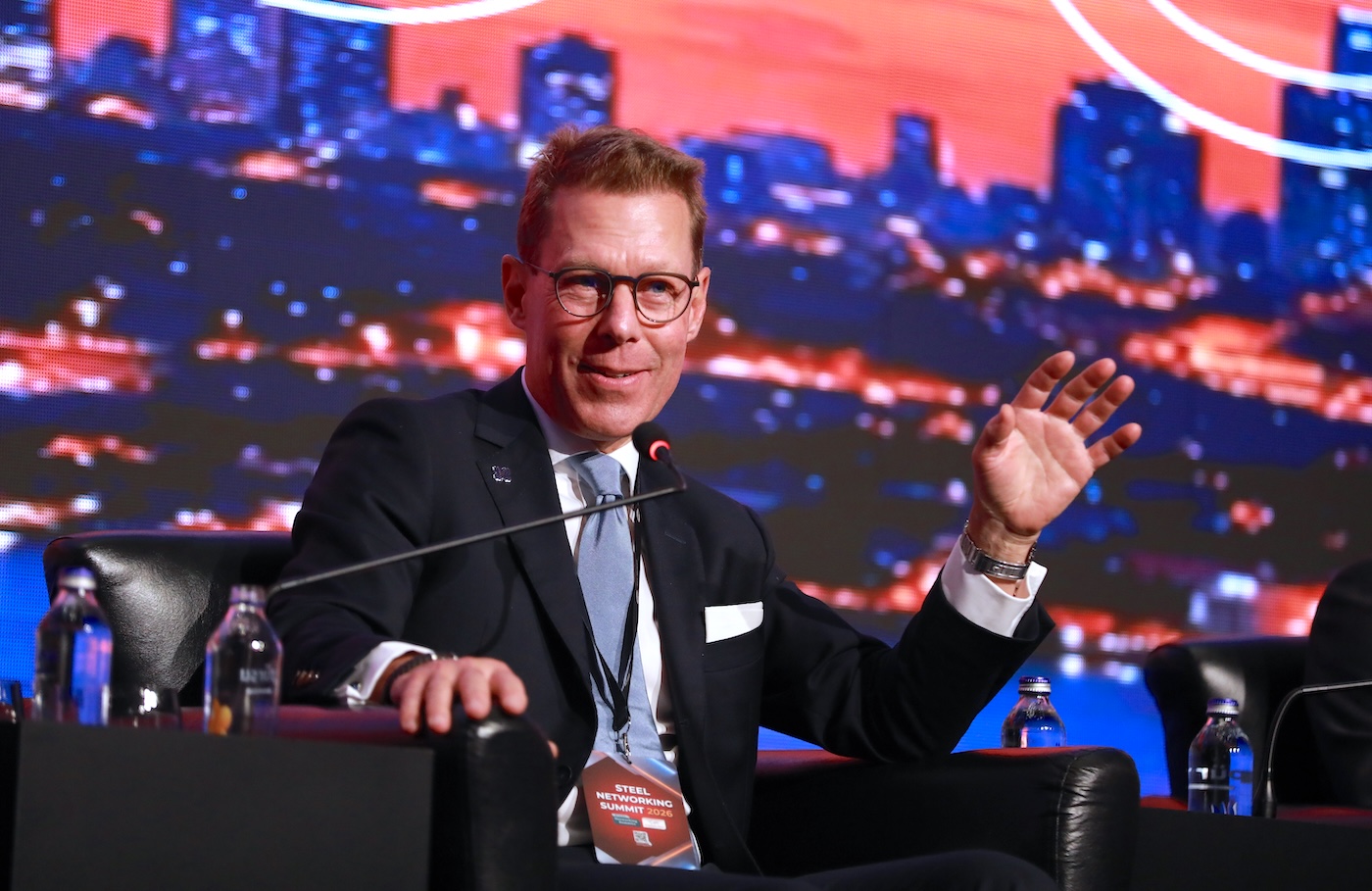
EUROMETAL: Carbon costs weaken European manufacturers’ export competitiveness

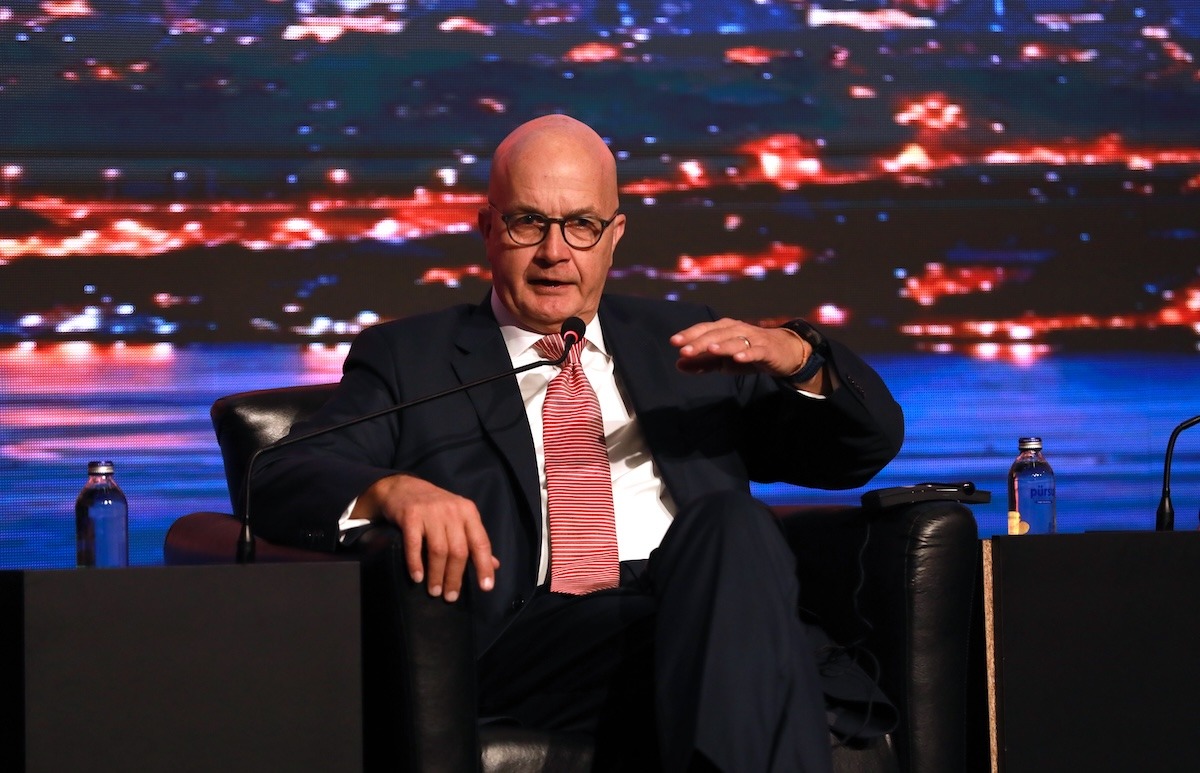
World Steel Association: The gap between global steel capacity and demand is widening
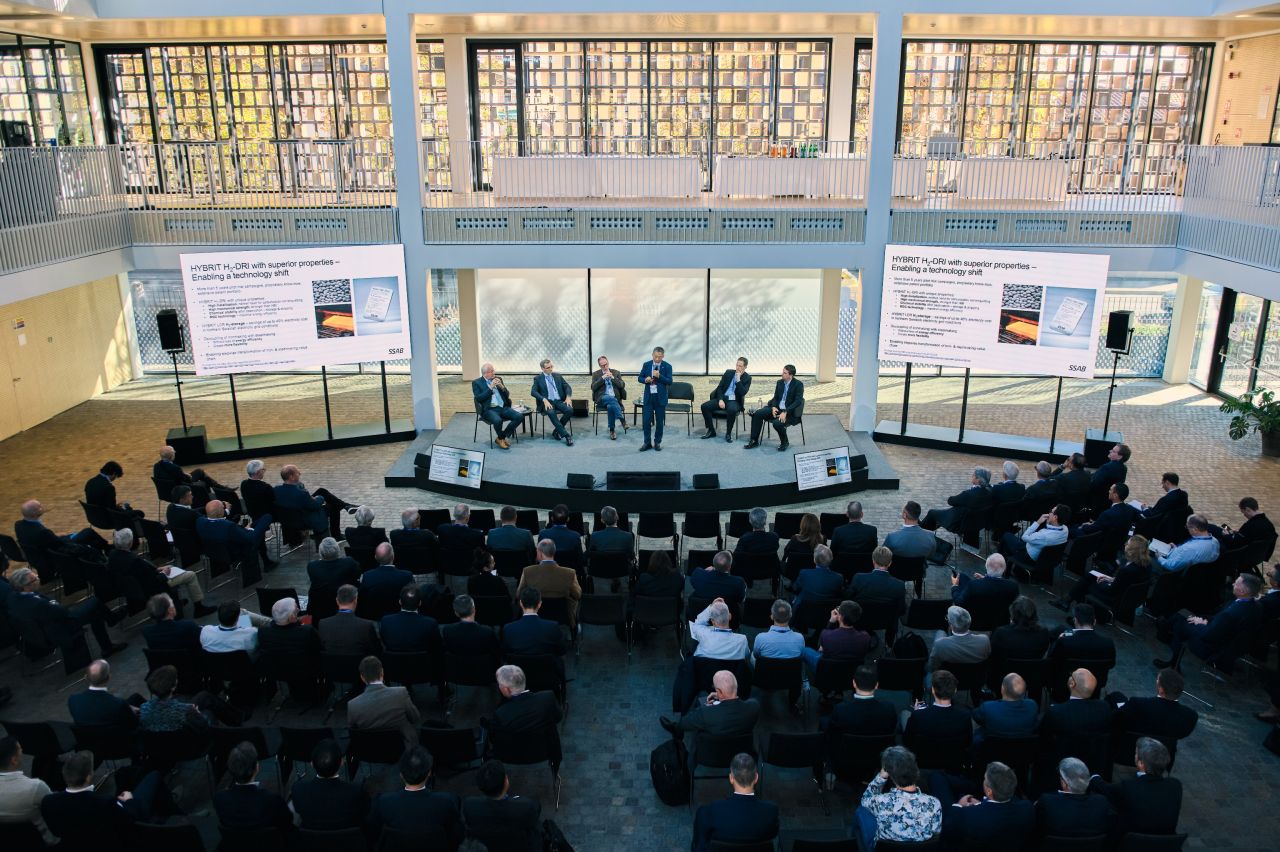
European steel future needs energy, innovation: AIST conference
Low-cost clean energy availability continues to hold back steelmaking decarbonisation in Europe, with innovation the key to breaking the deadlock. Energy infrastructure is as dependent on steel as steelmaking is on energy supply. So was the conclusion of speakers at the Association for Iron and Steel Technology (AIST)’s European Steel Forum.
“Energy is the elephant in the room,” AIST chairman Ron Ashburn said on Tuesday in his address to open the conference held in Udine, Italy, and attended by Kallanish. He was quick conceding that it is not the only elephant these days, with artificial intelligence increasingly becoming a game changer in industries.
High costs in many European countries and the shortage of green energy to convert successfully to green steelmaking are dramatic challenges for European mills. Delegates noted that this is slowing down the transition to green steelmaking.
If, for example, Austrian steelmaker voestalpine would be able to produce steel with net zero CO2 output, using 100% renewable energy, “we would account for 50% of Austria’s energy consumption,” said Thomas Bürgler, chief executive of K-1 Met. The company is a research unit of voestalpine, Primetals and Austria’s Linz and Leoben Universities.
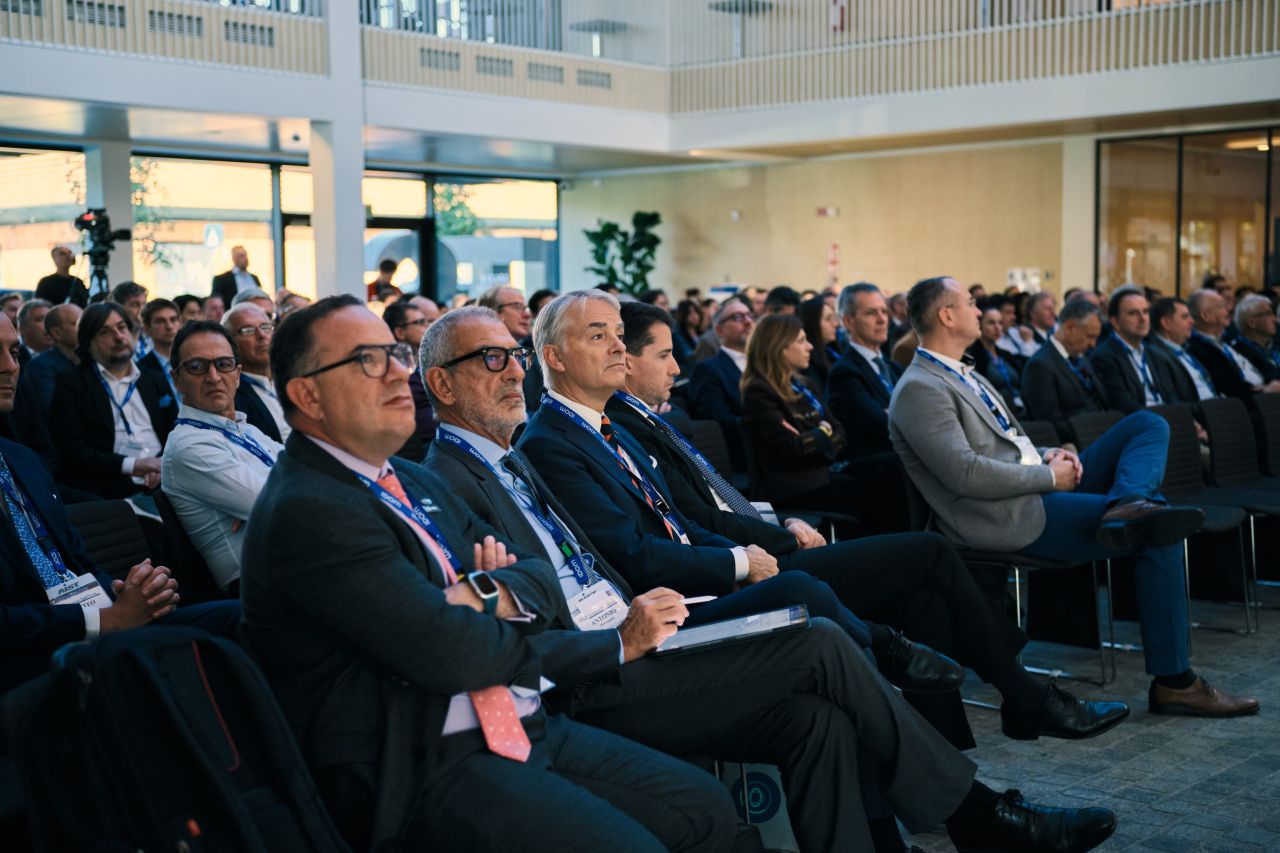
Antonio Marcegaglia, head of family-owned Marcegaglia group, expressed his own thoughts on the matter. Reasonably priced clean energy in Europe is available only in the Nordics and, to a lesser extent, harnessing solar power in the south. Hydropower and wind are not possible everywhere, he said. “We spend a lot of effort on renewable energies, but if you look at the return on investment, it is unproportional,” he noted, adding that he considers nuclear energy an option.
For Stahl-Holding Saar (SHS) and its companies Dillinger and Saarstahl, nuclear is however not an option. This is not only because Germany has banned nuclear energy, but also because of EU directives which exclude the use of nuclear energy in funding approval.
“That is how it is laid down in the Renewable Energy Directive 2,” Wim van der Stricht of the European Steel Technology Platform (ESTEP) informed Kallanish on the sidelines of the conference. The organisation is currently working on the third version of the Directive, he added.
“Just as steel needs energy, energy needs steel,” Ashburn said on the mutual dependence between the two industries. As part of this tricky relationship, “innovation will determine the winners, which will be the early adaptors”, he asserted.
He pleaded enthusiastically for the support of research and development. “If we get this right, we will improve the planet, and it will be a win-win-win game,” he said.
Closing his presentation, he directed the audience’s attention to AIST’s campaigns, supported by ArcelorMittal and SSAB among others, to raise awareness of steel’s applications among the general population.
Author: Christian Koehl Germany

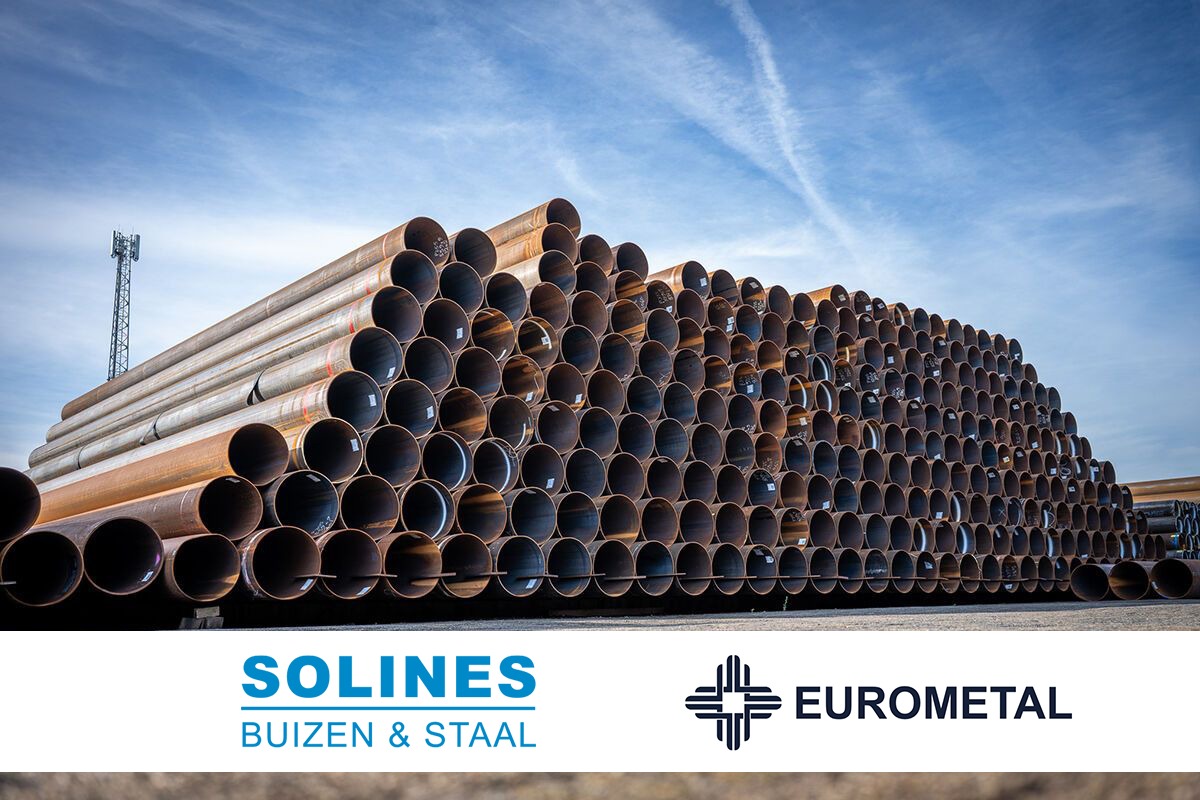
Solines joins EUROMETAL as Stockholding Member
EUROMETAL is pleased to welcome Solines B.V. and Solines GmbH as new Stockholding Members. Solines is an international stockholder and distributor specialising in steel tubes and pipes.
Read more: solines.nl and solines.de
Swiss Steel targets 1 million mt of annual low-carbon steel supply from Canada starting in 2030
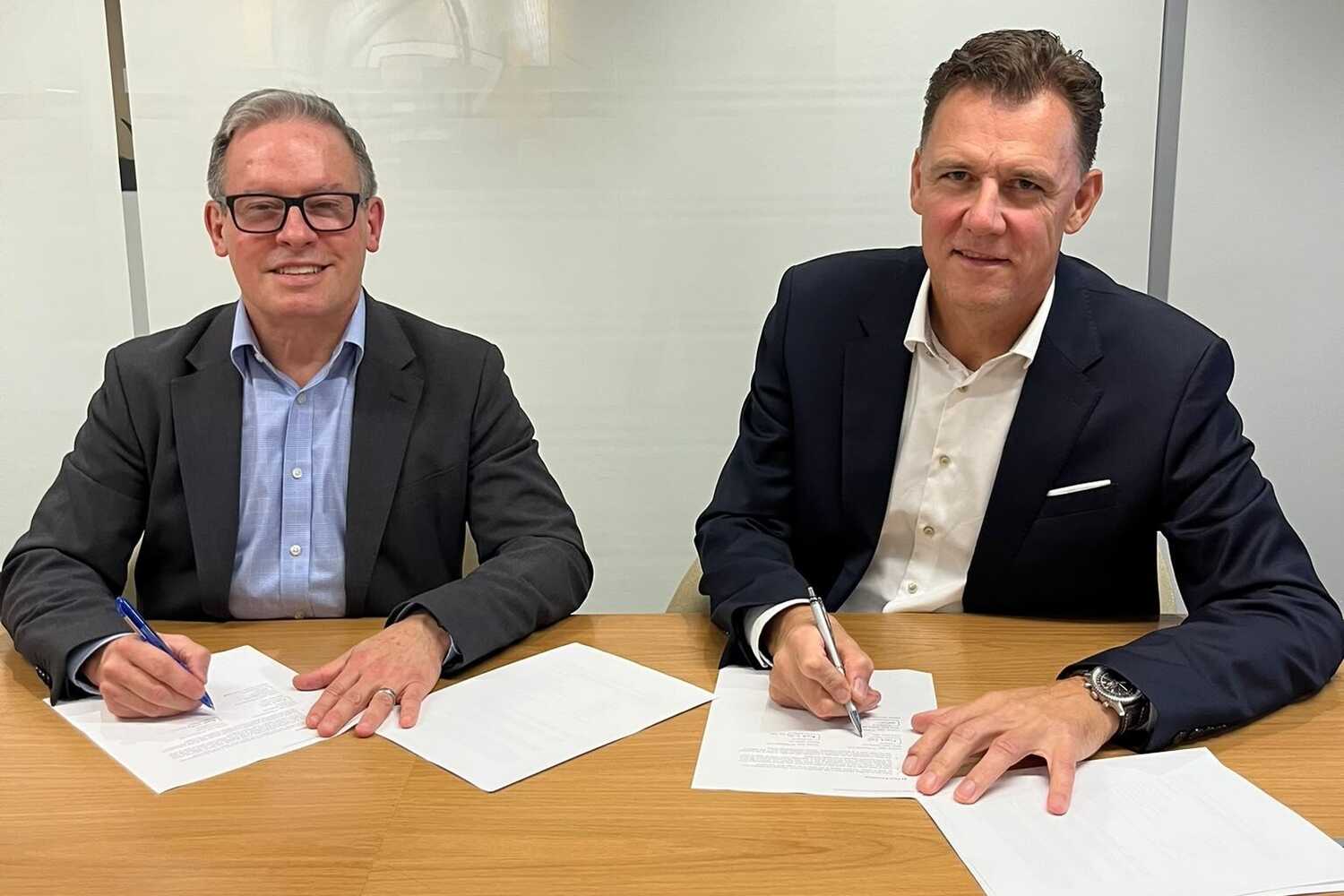
Swiss Steel Group has announced that it has signed an agreement with Canada Nickel Company outlining a potential long-term strategic partnership for the supply of low-carbon semi-finished steel products from Canada.
The agreement aims to combine Canada’s mineral resources and low-carbon energy advantages with Swiss Steel Group’s specialty steel production capabilities and established European customer network. Under the proposed partnership, Swiss Steel Group would secure exclusive access to approximately 1 million mt of low-carbon semi-finished steel products annually starting in 2030. The products, including billets and blooms, would be further processed at the company’s specialty steel production facilities.
Frank Koch, CEO of Swiss Steel Group, stated that the planned cooperation would support the company’s strategy of optimizing its industrial footprint while securing flexible access to competitive, low-carbon semi-finished steel products. He added that the companies would continue working toward establishing a commercially and technically viable long-term partnership.
NetZero Metals to supply low-carbon semi-finished steel
Canada Nickel intends to supply the products through its wholly owned subsidiary NetZero Metals, which plans to process concentrates from the company’s Crawford Nickel project into finished nickel products.
NetZero Metals also plans to convert nickel-chromium magnetite concentrate into low-carbon, potentially net-zero-carbon, semi-finished stainless and specialty steel products.
Author: SteelOrbis Editorial Team
Former Ilva faces restructuring and new legal challenges amid uncertainty over steel production
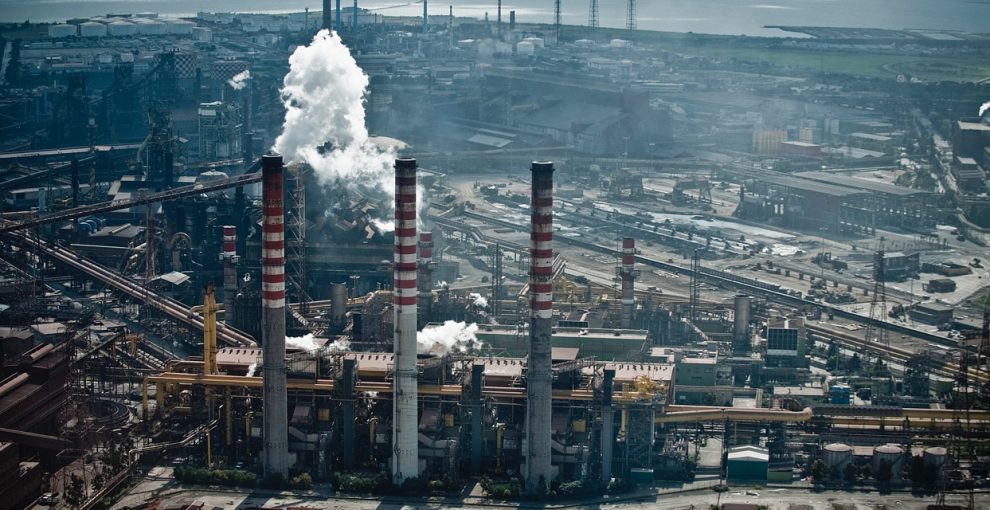
A new phase of uncertainty is unfolding at the former Ilva steelworks in Taranto, amid corporate restructuring and further legal developments. Acciaierie d’Italia (ADI), currently under extraordinary administration, has initiated a collective redundancy procedure affecting 40 executives, while a new investigation by the Taranto Public Prosecutor’s Office is targeting several former company executives. On the production front, the hot-end facilities remain in preheating mode pending a ruling by Italy’s Court of Cassation.
Corporate restructuring and upcoming deadlines
In a statement issued on October 23, ADI announced the launch of a collective redundancy procedure involving 40 of its 51 permanent executives, as part of a restructuring process linked to the reduction of production activities. The procedure does not entail immediate dismissals but initiates a consultation process with trade union representatives.
Meanwhile, following the October 25 deadline for the shutdown of the hot-end facilities, a government legislative measure allows the plants to remain in preheating mode until December 15, pending the Court of Cassation’s decision. As previously reported by SteelOrbis, the court ruling ordering the shutdown of the facilities has raised serious concerns over production continuity at the site. The extension of the preheating period will help preserve the plants’ operational readiness, although it does not guarantee the resumption of production.
A new meeting between the government and trade unions is also scheduled for today, October 27, at Palazzo Chigi, the Italian prime minister’s office, to discuss the group’s industrial and employment prospects. Regarding the sale process, the deadline for potential investors to submit binding offers remains set for November 8.
New legal proceedings involving former management
Separately, the Taranto Public Prosecutor’s Office has requested that Lucia Morselli, former CEO of Acciaierie d’Italia, and two other individuals be placed under house arrest as part of an investigation into the management of the steelworks between 2019 and 2024. The allegations concern suspected environmental offences and irregularities in the management of emissions and CO₂ emission allowances. The requests for precautionary measures are to be assessed by the judge for preliminary investigations, with preliminary questioning scheduled for November 3.
The former Ilva’s crisis therefore continues to be marked by uncertainty over production, employment and legal matters, as key deadlines approach that could determine the group’s future industrial structure.
Author: SteelOrbis Editorial Team
EU lowers antidumping duties on CR flat steel from Turkey
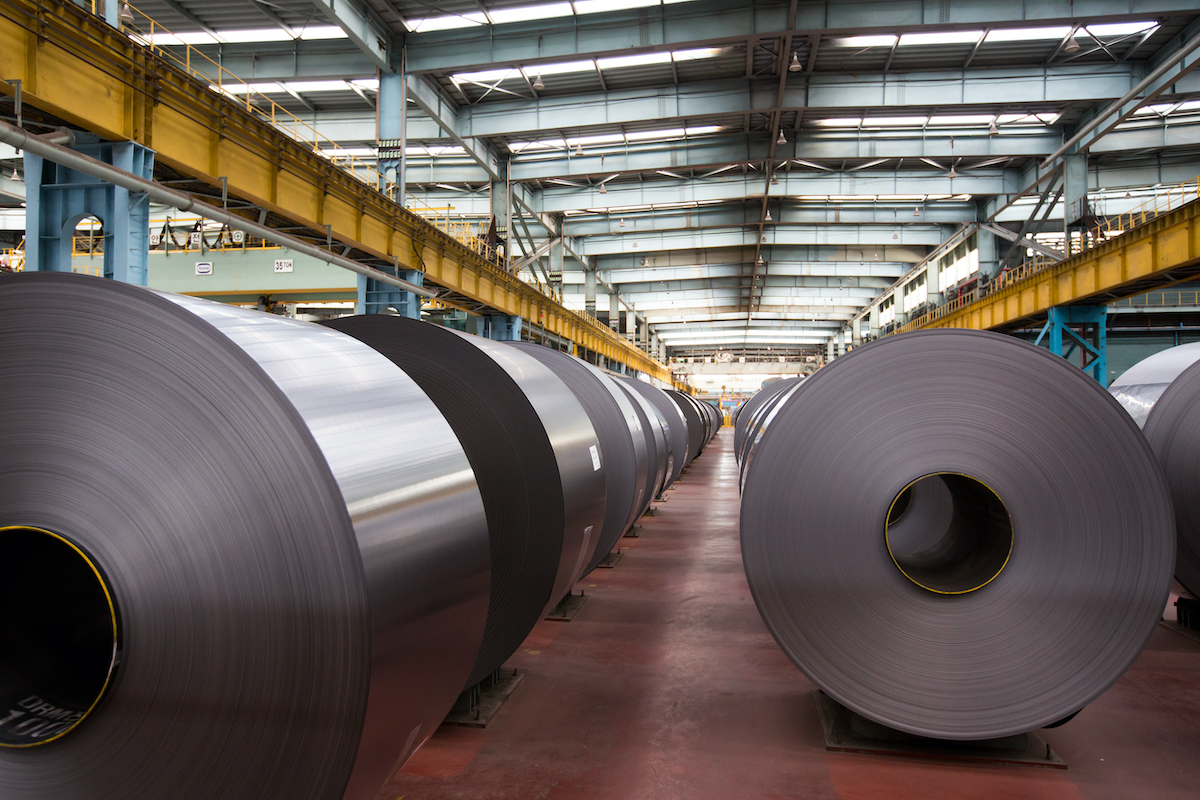
The European Commission has reportedly revised down its proposed definitive antidumping duties on imports of certain cold rolled (CR) flat steel products from Turkey following objections submitted by Turkish exporters, according to a document circulated by the European Commission.
The reported revisions lower the proposed duty for Borçelik from 9.7 percent to 7.8 percent and for Tatmetal from 5.6 percent to three percent. The rate for other cooperating Turkish producers has reportedly been reduced from 7.3 percent to 4.9 percent, while the residual rate for all other Turkish producers has been lowered from 9.7 percent to 7.8 percent.
| Turkish exporter | Initially disclosed rate in August | Reported revised rate on October 16 |
| Borçelik Çelik Sanayi Ticaret A.Ş. | 9.7 percent | 7.8 percent |
| Tatmetal Çelik Sanayi ve Ticaret A.Ş. | 5.6 percent | 3.0 percent |
| Other cooperating Turkish producers | 7.3 percent | 4.9 percent |
| All other Turkish producers | 9.7 percent | 7.8 percent |
According to the reports, Tatmetal and Borçelik challenged assumptions used in inflation adjustments, CIF and ex-works price calculations, and freight costs. The Commission reportedly accepted some of these objections and adjusted its calculations, resulting in lower proposed duty rates.
The revised disclosure does not constitute the imposition of definitive duties. The deadline indicated for the publication of definitive measures is November 16, 2026. Any definitive duties would take effect in accordance with the final regulation published in the Official Journal of the European Union. The reported revised rates therefore remain proposed measures at this stage.
The Commission initiated the antidumping investigation on September 18, 2025, following a complaint lodged by the European Steel Association (EUROFER) on August 4, 2025. The proceeding covers imports of certain cold rolled flat steel products originating in India, Japan, Taiwan, Turkey and Vietnam. Imports from the five countries were subsequently made subject to registration under a regulation dated December 3, 2025. Registration does not itself impose antidumping duties, but allows for possible retroactive collection if the relevant legal conditions are met.
Author: SteelOrbis Editorial Team
Steel Networking Summit 2026 discusses trade barriers, overcapacity and competitiveness challenges
At the second and third sessions at Steel Networking Summit 2026 conference, organized by the Turkish Steel Exporters’ Association (ÇİB) on October 26, industry representatives examined how trade barriers, geopolitical uncertainty and high energy and financing costs are reshaping steel markets, focusing on demand prospects, transatlantic trade and competitiveness across the steel value chain.
Speaking at the second session titled “The Future of Steel in a Fragmented World: Trade Wars, Economic Developments and New Challenges”, Dr. Yusuf Emre Akgündüz, deputy governor of the Central Bank of the Republic of Turkey (CBRT), noted that higher energy costs were putting pressure on inflation and Turkish steel producers’ costs, while inflation could fall relatively rapidly in the first half of 2027. CBRT would remain focused on disinflation and macro financial stability despite higher energy costs and uncertainty surrounding the Middle East conflict. Turning to geopolitical risks and energy security, Mehmet Öğütçü, chairman of Global Resources Partners, said geopolitical risks and energy security were shaping steel trade and investment. He stressed the need for economically viable decarbonization and strategic partnerships, highlighting defense, energy infrastructure and reconstruction as potential sources of steel demand. Focusing on the outlook for European steel demand, Alessandro Sciamarelli, director of market analysis and economic studies at EUROFER, has shared forecast for EU apparent steel consumption growth of just 0.1 percent in 2026 and 2.3 percent in 2027. He said 2025’s 4.5 percent increase largely reflected purchases brought forward ahead of CBAM and the new EU steel trade measure. High energy costs, overcapacity and weak demand remained key pressures, with capacity utilization below 70 percent.
During the panel moderated by Dr. Barış Esen, director of Yatırım Finansman, the participants, namely Dr. Yusuf Emre Akgündüz, Mehmet Öğütçü, Alessandro Sciamarelli, Fabrizio Di Gianni, senior partner at Van Bael & Bellis, and Matthew Nolan, counsel at ArentFox Schiff LLP, discussed how geopolitical fragmentation, trade barriers and high costs are reshaping steel trade and investment, emphasizing flexible supply chains and financial stability. They also examined the balance between industrial protection and open markets, stressing that global overcapacity requires international cooperation beyond unilateral trade measures, as they will provide only short-term relief.
Trade restrictions and CBAM reshape transatlantic steel markets
Meanwhile, speaking at the third session titled “Transatlantic Steel Outlook: Navigating Trade, Policy and Growth”, Alexander M. Julius, president of EUROMETAL, said EU steel import restrictions and CBAM were raising European manufacturers’ costs, while imported steel-containing goods faced fewer barriers. He called for a level playing field, warning that higher steel and carbon costs were weakening European manufacturers’ competitiveness in both domestic and export markets. Assessing global steel supply and demand, Philipp Englin, CEO of World Steel Dynamics (WSD), said weak demand and rising Chinese exports were pressuring steel prices and profitability, with inflation and energy costs adding risks for 2027. He highlighted US import opportunities despite 50 percent tariffs. Examining the challenges facing steel importers, Julian Verden, general manager for Europe at Stemcor Group, warned that tighter quotas, tariffs and CBAM uncertainty were increasing EU and UK trading risks. He said higher European prices would be needed to absorb additional duties on Turkish HRC, while weak investment confidence and the potential relocation of downstream manufacturing clouded the demand outlook. From the perspective of European steel producers, Mathieu Spoidenne, head of international trade at ArcelorMittal, identified global steel overcapacity as the main challenge facing European producers. He backed EU quotas, CBAM and trade defense measures, calling for downstream protection, closure of CBAM loopholes and a solution to carbon costs affecting EU exports.
During the panel moderated by Stanislav Zinchenko, CEO, GMK Center, Henrik Adam, former president of EUROFER, Mr. Julius, Mr. Englin, Mr. Verden and Mr. Spoidenne examined the diverging outlooks for the US and European steel markets, focused on Europe’s weakening export competitiveness and the effects of tariffs and carbon policies on trade, investment and supply chains, highlighting tensions regarding decarbonization investment. They emphasized supply chain cooperation to share costs and manage risks, while noting financing constraints for smaller companies.
Author: SteelOrbis Editorial Team
Overcapacity creating protectionism, trade barriers say Turkish producers
Turkish steel industry leaders have warned that global overcapacity and a wave of protectionist measures risk fragmenting the steel market, and have called for fairer treatment.
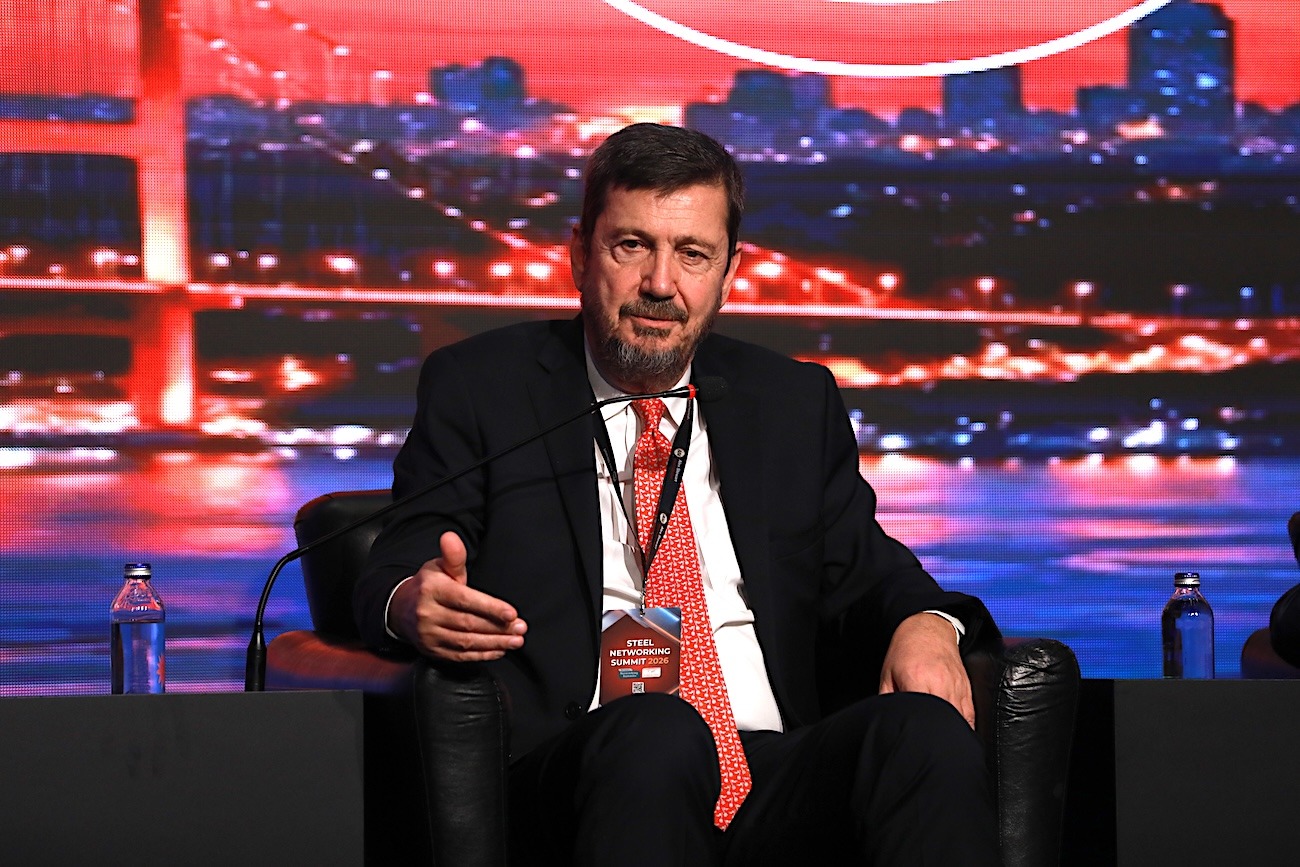
Fuat Tosyalı, chairman of Tosyali group and of the Turkish Steel Producers’ Association, and Uğur Dalbeler, chairman of the Turkish Steel Exporters’ Association (CIB), made keynote speeches at the Steel Networking Summit in Istanbul. The first edition of the event was organised by CIB and attended by Kallanish.
Both speakers identified global overcapacity as the sector’s core structural problem. Capacity created without matching demand does not stay within national borders and inevitably pressures world markets, Dalbeler said. This creates a cycle in which more capacity brings additional export pressure and more protectionism.
Tosyalı said overcapacity and the state-backed production model was making competition destructive in many markets. “The rules of the global steel industry are being rewritten. Decisions on where production will take place, with which technologies, which energy sources, and under what trade conditions are being redefined. Steel is not just an industrial product. It is a country’s production power, its infrastructure, its energy consumption and therefore its energy security, its defence industry, and the foundation of its economic independence.”
“Protecting your industry against unfair competition is one thing; turning the world into closed production zones cut off from each other is another,” he continued, adding that protectionism alone could not be a lasting industrial strategy.
Tosyalı added that it was not right for Turkey to be assessed “from the same perspective as other third countries” in Europe’s steel policies, given decades of integrated value chains with European automotive, machinery, energy and infrastructure sectors.
Meanwhile, Dalbeler called for fairer, more transparent and more predictable trade rules.
The EU’s Carbon Border Adjustment Mechanism (CBAM) and its quota measures on steel imports directly impacts the competitiveness of Turkish producers, Tosyalı noted. If producers lack access to the energy, technology and finance needed for the transition, carbon rules could “stop being a tool of the green transition and turn into new trade barriers”, he said.
Dalbeler echoed this and said decarbonisation policies must reflect differences in producers’ access to energy, finance and technology.
Tosyalı also called for countries that have affordable energy and strong infrastructure to play a larger role. He cited Turkey, Algeria and other regional production centres as offering opportunities in this regard, saying this could lower costs, make supply chains more resilient and cut total emissions faster.
“I believe we should now take our industrial relations with Europe to a more advanced level. By leveraging advantages in energy, raw materials, technology and industrial infrastructure across different geographies, we can develop new, complementary partnerships”, Tosyali added.
He set out three priorities for the sector: protecting domestic capacity against unfair competition, fair and predictable policies from trade partners led by the EU, and mechanisms to finance the move to low-carbon production.
Turkish steelmakers have been seriously affected by high energy costs, financing conditions and trade barriers, but would continue to produce, develop export markets and strengthen international partnerships. The steel sector’s problems are global, but the responses we give to them are becoming increasingly national. The future of the world’s steel sector will be decided not only by our production capacity but by our capacity to work together, he concluded.
Author: Burak Odabasi Türkiye