

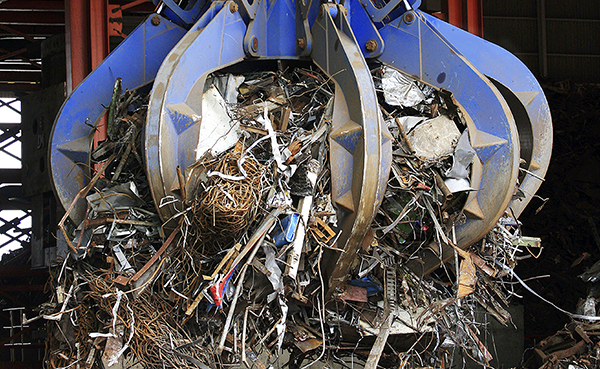
French stainless scrap seen rising again
Stainless steel scrap prices in France are seen increasing further in February due to raw materials increases. Prices have increased by €60/tonne ($72/t) on average this month compared to December.
Market participants tell Kallanish demand and sales have been high this month. They expect February demand to also be at high levels considering the strong performance and long lead times of finished flat products.
This month, offers for grade 316 are hovering at €1,600-1,640/t ($1,939-1,988) ex-works on average. This grade is being sold fast and is in short supply. Mills are paying €1,180-1,190/t ex-works for grade 304. Buyers add between €20-30/t for transport, sources say.
Meanwhile, nickel prices for cash buyers were at $17,796/t on 6 January and reached $17,906/t on 22 January.

EU safeguard extension debate heats up
The debate over the possible extension of safeguard measures beyond June 2021 is starting to heat up in Europe. This comes after 12 governments sent a letter to the European Commission formally requesting an investigation for a possible extension.
The letter, seen by Kallanish, was signed by the economy ministers of a number of European countries, including Germany, Italy, France, Spain and Belgium.
“While we are aware that steel safeguards might not solve the structural problems of the steel industry, they remain nonetheless a necessity for its survival, as the threats targeted by the safeguard measures have not disappeared,” the letter reads. “We therefore ask you to investigate extending the steel safeguards for the time and to the extent necessary.”
A source at a major steel importer expresses opposition to the letter’s content. “The biggest issue at the moment is that the European Commission will now have to decide quickly if they want to launch an investigation. If this happens, we will be again facing a lot of uncertainties because we will not be able to plan the supply of steel from June onwards,” the source observes.
“Planning imports is important for our activity and we need to do that in advance, which is impossible if a decision on the extension of safeguard is taken last minute,” the source adds.
Kallanish understands that, due to the investigation’s length, a decision on the safeguards could come only in May, weeks before the natural termination of the existing measures.
The next six months are set to be key for importers, processors and distributors of steel.
German steel production falls in 2020
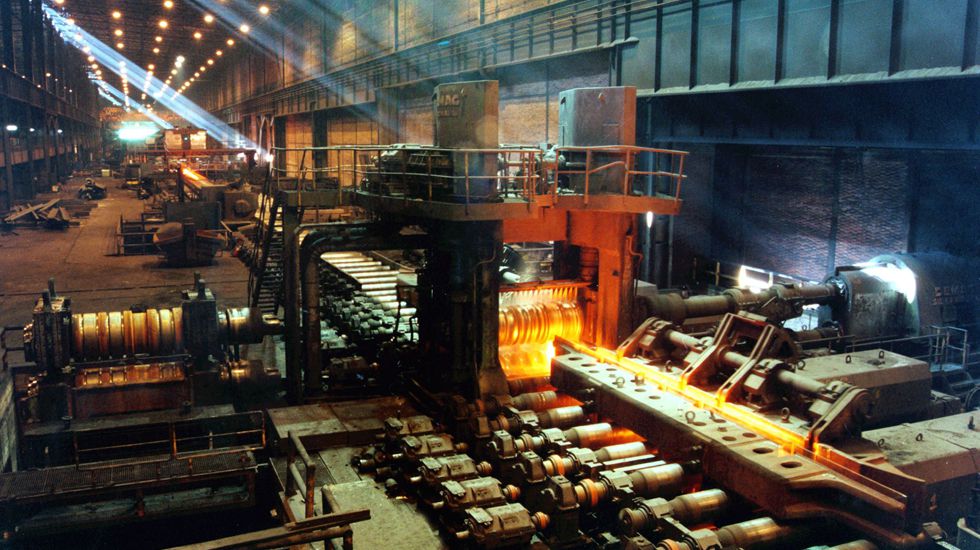
Crude steel output at German mills in 2020 dipped by -10% year-on-year to 35.7 million tonnes, according to steel association Wirtschaftsvereinigung (WV) Stahl data. Finished products output dipped by the same rate to 30.9mt.
Given that blast furnace-based flat steelmakers were most pressured to cut production, output of pig iron dipped by slightly more, -12%, to 22.6mt, Kallanish notes. Correspondingly, crude steel production at oxygen-route mills dropped by -13% to 24.1mt. Against that, production at electric arc furnace-route mills dropped by only -3.1% to 11.5mt.
In the already weak 2019, crude steel production had undercut the 40mt mark for the first time since the financial crisis in 2009. WV notes that a recovery is seemingly in progress, with production in the last three months 9% above that in the last quarter of 2019. However, this comes from a low base.
December’s crude steel production totalled 3.1mt, with both oxygen-route and EAF route steel up 10% on December 2019. The biggest surge occurred for finished products, which went up by 16%.
Liberty submits firm bid for thyssenkrupp Steel Europe
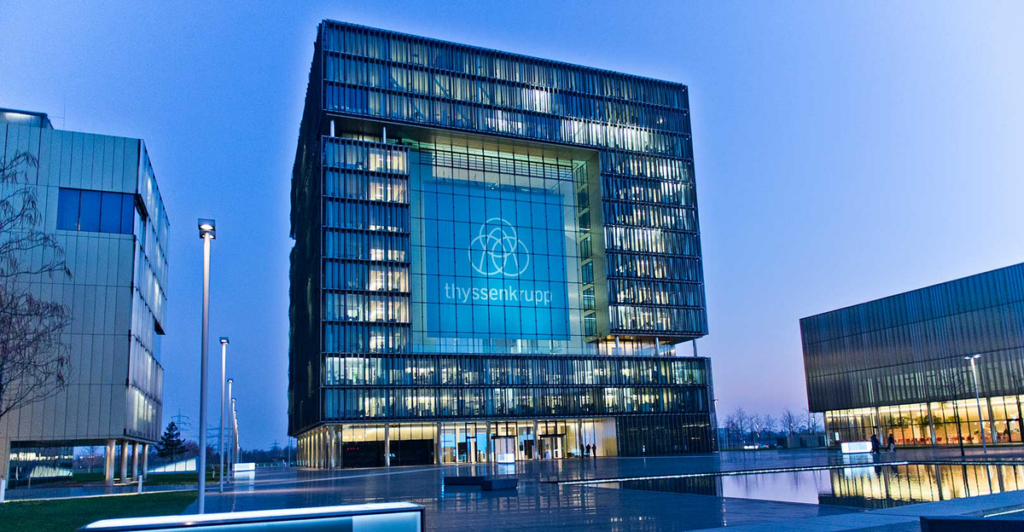
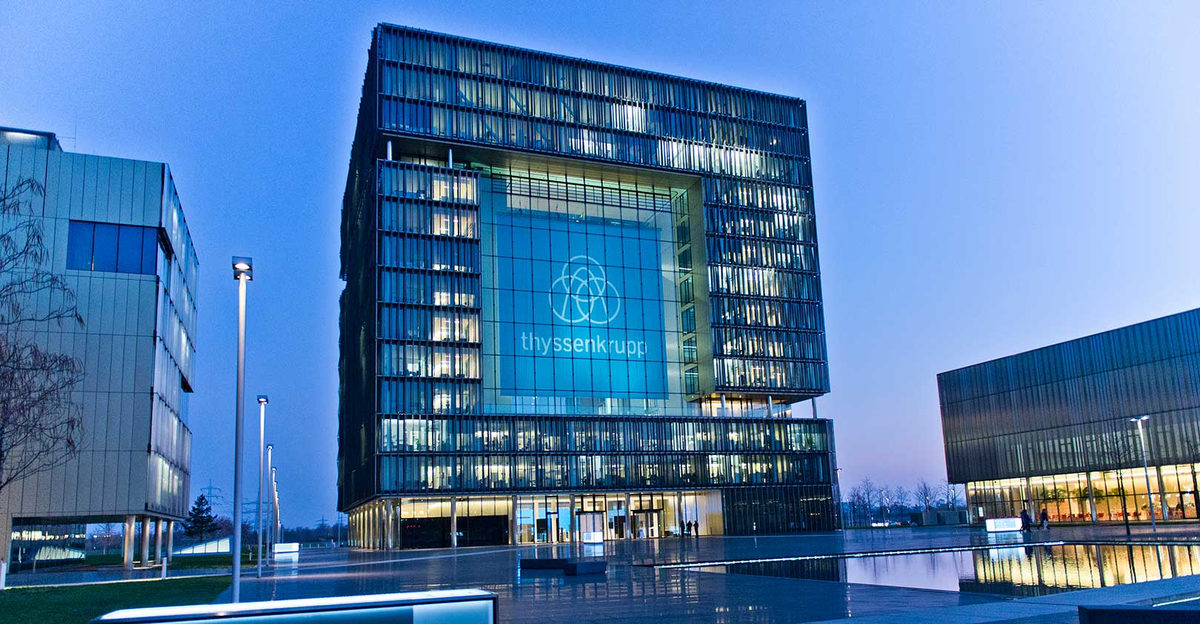
Liberty Steel has submitted a firmed-up bid for thyssenkrupp Steel Europe based on the results of the due diligence it carried out on the German steelmaker.
Liberty initially made a non-binding indicative offer to acquire the steel unit of thyssenkrupp in October (see Kallanish passim).
“This is an important step for LIBERTY demonstrating our binding commitment to the combination of the two businesses,” a spokesperson for the UK-based steel group tells Kallanish. “Due diligence and our discussions with thyssenkrupp have so far confirmed that a potential combination of thyssenkrupp Steel Europe and LIBERTY Steel is the right answer from an economic, social, and environmental perspective. We look forward to continuing to engage with thyssenkrupp, its employee representatives and its shareholders to conclude this process.”
The spokesperson gave no further details of the bid.
Korea appeals panel report regarding Korean duties on Japanese steel

Korea notified the Dispute Settlement Body on 22 January of its decision to appeal the panel report in the case brought by Japan in “Korea — Sunset Review of Anti-Dumping Duties on Stainless Steel Bars” (DS553). The panel report was circulated to WTO members on 30 November.
Given the ongoing lack of agreement among WTO members regarding the filling of Appellate Body vacancies, there is no Appellate Body Division available at the current time to deal with the appeal.
Further information will be available within the next few days in document WT/DS553/6.


SÜLZLE Stahlpartner liefert „grünen Stahl”

Rosenfeld – SÜLZLE nimmt die Selbstverpflichtung zum nachhaltigen Wirtschaften ernst und hat deshalb seinen CO2-Fußabdruck unter die Lupe genommen. Klimarelevante Emissionen wurden analysiert, reduziert und kompensiert. Seit 2020 ist die SÜLZLE Stahlpartner GmbH ein klimaneutrales Unternehmen. Als erster Bewehrungsstahlhändler in Deutschland bietet SÜLZLE seinen Kunden nun auch die Möglichkeit, „grünen Stahl” zu beziehen. Ein Meilenstein in der Bewehrungsstahlbranche, denn nachhaltige Baumaterialien sind gefragter denn je.
Für die modernen Erweiterungsbauten des Räder- und Rollenspezialisten Blickle aus Rosenfeld liefert SÜLZLE Stahlpartner erstmalig rund 4.000 Tonnen CO2-neutralen Baustahl. „Nachhaltiges Bauen ist die Zukunft. CO2-neutraler Stahl ist ein wichtiger Bestandteil – auch weil Stahl generell immer wieder recycelt werden kann”, betonen Heinrich und Andreas Sülzle, geschäftsführende Gesellschafter der SÜLZLE Gruppe. SÜLZLE Stahlpartner ist damit Vorreiter in der Bewehrungsstahlbranche und ermöglicht es Bauherren schon heute, sich für Stahl mit neutraler Ökobilanz zu entscheiden.
Freiwillige CO2-Kompensation durch Klimaschutzprojekte
Um bislang unvermeidbare CO2-Belastungen bei Stahl auszugleichen, kann der Kunde zur Kompensation hochwertige Klimaschutzzertifikate erwerben und sich beim Kauf von „grünem Stahl” seine Unterstützung von globalen Projekten und die damit verbundene Klimaneutralität für den gekauften Stahl per Urkunde bescheinigen lassen. Grundlage dafür ist der zuvor ermittelte CO2-Produkt-Fußabdruck. Globale Kompensationsprojekte sind zum Beispiel ein Wasserkraftprojekt in Uganda, ein Waldaufforstungsprojekt in Uruguay, ein Wasseraufbereitungsprojekt in Zimbabwe sowie ein Photovoltaikprojekt in Indien. SÜLZLE denkt dabei nicht nur regional, sondern weltweit, um die Zukunft von erneuerbaren Energien sowie ein nachhaltiges Wachstum in Schwellen-und Entwicklungsländern zu unterstützen.
Nachhaltigkeit über vier Generationen
„Nachhaltigkeit ist in unserer Familie schon lange ein wichtiges Thema. Wir werden deshalb Schritt für Schritt den CO2-Fußabdruck der gesamten Unternehmensgruppe reduzieren. Was man nicht reduzieren kann, wird kompensiert. Unser Bestreben ist es, Verantwortung zu übernehmen, um die 17 Ziele für nachhaltige Entwicklung zur Erreichung der Agenda 2030 der UN zu unterstützen”, unterstreichen die SÜLZLE Gesellschafter, die das Unternehmen in vierter Generation führen. Seit März 2020 ist die SÜLZLE Gruppe deshalb aktiver Unterstützer der Allianz für Entwicklung und Klima.
Die Zukunft im Blick
Die Gesellschafter der SÜLZLE Gruppe und der Blickle Räder+Rollen GmbH & Co. KG verbindet nicht nur Familientradition und unternehmerisches Denken und Handeln über Generationen. Auch ein schonender Umgang mit Ressourcen liegt beiden Unternehmern am Herzen. Beim offiziellen Pressetermin am 12. Oktober auf der Baustelle bei Blickle wurde nun die erste Belieferung mit CO2-neutralem Bewehrungsstahl der Öffentlichkeit vorgestellt. „Das Bauprojekt beim Marktführer für Räder und Rollen in unserer Heimatstadt zeigt, wie man modernen Industriebau mit „grünem Stahl” nachhaltig umsetzen kann. Ein hohes Ziel für die Zukunft, das wir nur gemeinsam mit unseren Kunden, Mitarbeitern, Lieferanten und Partnern erreichen können”, so Heinrich Sülzle. „Wir gratulieren der Firma Blickle zu den Erweiterungsbauten und freuen uns auf weitere nachhaltige Bauprojekte”, ergänzt Andreas Sülzle.
Bildtext: Offizieller Pressetermin am 12. Oktober auf der Blickle-Baustelle zur Übergabe der Urkunde „CO2-neutraler Stahl“. Bild von links nach rechts: Geschäftsführende Gesellschafter der SÜLZLE Gruppe Heinrich Sülzle und Andreas Sülzle, David Blickle und Dr. Sarah Blickle-Fenner, Mitglied der Geschäftsleitung bei Blickle sowie Walter Wager und Reinhold Blickle Geschäftsführer der Blickle Räder+Rollen GmbH u. Co. KG.
Quelle und Bilder: Sülzle Holding GmbH & Co.KG

Liberty submits firm bid for ThyssenKrupp Steel Europe
UK-based steelmaker Liberty Steel will submit its firm bid for ThyssenKrupp Steel Europe today, sources close to the situation said.
The bid values the lossmaking unit at several billion euros, and follows the non-binding indicative offer it made a few months ago. Investment bank Jefferies has valued the unit at around €1bn.
Should Liberty acquire the Steel Europe business, it would provide in-house feed for the Liege-Dudelange galvanising plants as well as all of Liberty’s downstream plants and its customers. It would also mean a move into the automotive supply chain for Liberty, which has so far been a very limited part of its European business.
The stronger demand from Liberty’s internal assets, and customer base, would boost currently low utilisation at Steel Europe, providing “many hundreds of millions” of dollars in savings, one source said. Deutsche Bank said any deal could yield savings of €200mn-300mn. Competition concerns are also likely to be lower, given the small overlap in customer base — Steel Europe is heavily automotive focused, while Liberty sells primarily into general industrial segments.
ThyssenKrupp is also exploring a spin-off of the division through an equity listing, according to recent press reports — some shareholders and unions have questioned whether or not the division should be sold to Liberty.
By Colin Richardson

EU steel sections prices hold at 12-year high, mills target further hikes
European steel mills are expected to push for further medium sections increases in the near-term, amid strong order books, market participants told S&P Global Platts the week ended Jan. 20.
Platts European medium sections price (category 1, S235 JR) was assessed at Eur735/mt delivered Jan. 20, stable on week, holding at its highest level since September 2008 when the assessment was at Eur835/mt delivered.
One distributor source reported a deal for 2,000 mt at Eur730/mt delivered Benelux in the week ended Jan. 15, with near-term prices expected to rise as high as Eur760/mt delivered Benelux.
“Mills are moving end-user price up in steps,” the source said. “Our current sales price is just above the new purchase price and demand is ok but it’s creating a [price] gap for February end-user sales which will have been bought in January – so we’ll see.”
A second distributor in the Benelux region said there is higher resistance from buyers at these elevated levels, which makes it difficult to pass these prices on to end-users. The source cited existing offers already at Eur800/mt delivered Benelux.
“These are the prices we saw in 2008 but the situation is different now,” the second distributor said. “Major cities are on lockdown. And with winter and Chinese New Year in mid-February, capacity and consumption both will be reduced.”
The source also expected softening international scrap prices to put pressure on prices.
Market sources cited shredded scrap prices for Southern European mills at around Eur350-Eur355/mt delivered in January, as remaining mills settled their monthly contracts. Platts’ assessment for southern European shredded scrap was at Eur345-350/mt delivered for January contracts on Jan. 11, up from Eur280/mt delivered in December.
However, Platts assessed the benchmark Turkish import premium heavy melting scrap 1/2 (80:20) index at $440/mt CFR Jan. 20, down $5/mt on day, and down sharply from a near 10-year peak of $482.50/mt CFR on Jan. 4.
One European mill source put tradable levels for medium sections at Eur730-Eur740/mt delivered, citing an overall bullish sentiment in the market.
“Today there is more room for customers, room they didn’t have in November and December,” the mill source said. “Now they can wait before placing orders but still order books for mills are pretty good.”
— Rabia Arif, Staff, Viral Shah


Spain’s Sidenor expands capacity as activity picks up

Spanish-headquartered steelmaker and special steels supplier Sidenor is expanding capacity and range at one of its mills. The company has confirmed its current order book secures an 85-90% capacity utilisation rate across its mills.
The Basauri rolling mill will be revamped for €90 million ($109m). This will include a new storage area for semi-finished products, a new bar straightening, control and wrapping line, and two new thermal treatment furnaces. Capacity will thus grow to 500,000 tonnes/year, while range will also be expanded.
“Thanks to this technological renovation, Sidenor’s Basauri plant is at the forefront of the special steel sector in Europe,” the company says in a note seen by Kallanish. “The new premises enable Sidenor to take a decisive step, integrating the best technological equipment available and thus meeting the highest market quality requirements.”
Sidenor will also apply for EU funding for this investment.
The company supplies mostly the automotive sector and remains positive regarding the recovery of demand from this sector this year.
Italy’s December output recovers but falls in 2020
Crude steel output in Italy recovered by 15% year-on-year in December, according to data issued by local steelmakers association Federacciai. December output amounted to 1.6 million tonnes, Kallanish notes.
In full-year 2020, however, Italian crude steel production was 20.3mt, down -12.2% compared to 2019.
Meanwhile, Italian flat products output skyrocketed in December by 36.5% to 827,000 tonnes. 2020 flats output fell by -16.2% to 9.4mt.
Italian longs production also rose, by 12.3% in December to 861,000t. It fell in 2020 by -9.5% to 11.1mt, Federacciai says.