

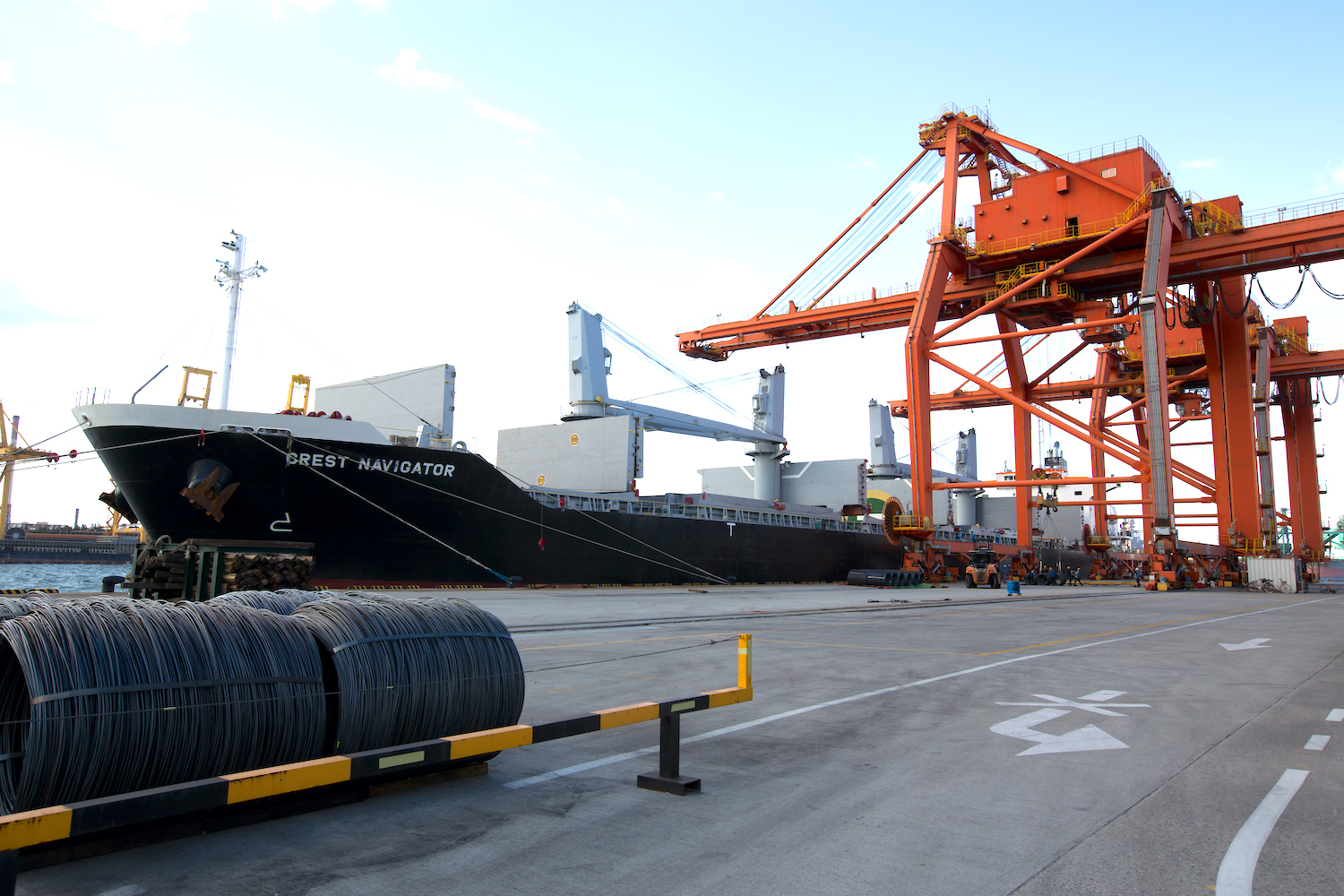
POSCO posts 6% annual fall in crude steel output for 2020 due to demand slowdown

South Korea’s POSCO produced about 35.93 million mt crude steel in 2020, down 5.5% from 38.01 million mt in 2019, the steelmaker said Jan. 28.
POSCO attributed the lower production to steps to cope with a slowdown in demand resulting from the pandemic, and a revamp of its No. 3 blast furnace at Gwangyang that restarted on July 10, 2020, after completing scheduled works that lasted 20 months.
The revamp raised the furnace’s volume to 5,500 cu m from 4,600 cu m and output by 25% to 4.6 million mt/year.
The furnace is expected to boost POSCO’s crude steel production in 2021 as it will be the first time it will be running for a full year.
“Sales of automotive, billet, and slab products slow[ed] due to decreased global demand, but partially made up through increased sales of steel raw materials to China and expansion of (the) E-sales platform,” its parent, POSCO International, said the same day. About 380,000 mt of steel were sold through the platform, known as Steel Trade, in 2020. The platform was launched in November 2019.
Along with an expected recovery in global demand in 2021 due to the development of COVID-19 vaccines, POSCO expects crude steel production to rise to 37.80 million mt this year.
The steelmaker plans to boost efficiency by upgrading its high-grade steel production capacity and expanding into smart factories.
For instance, POSCO and Tata Steel Europe will develop new steel grades and tube technologies for hyperloops, which are tubes large enough to carry passenger or freight pods at more than 1,000 km/hour while using very little energy.
POSCO also plans to produce 5 million mt of green hydrogen by 2050 to reduce its dependency on fossil fuels and move to renewable energy sources as it works to decarbonize its steelmaking by 2050 by using green hydrogen to replace coal.
South Korean steelmakers manufactured 67.12 million mt of crude steel in 2020, down from 71.42 million mt the year before, data from the World Steel Association showed.
— Clement Choo, Samuel Chin

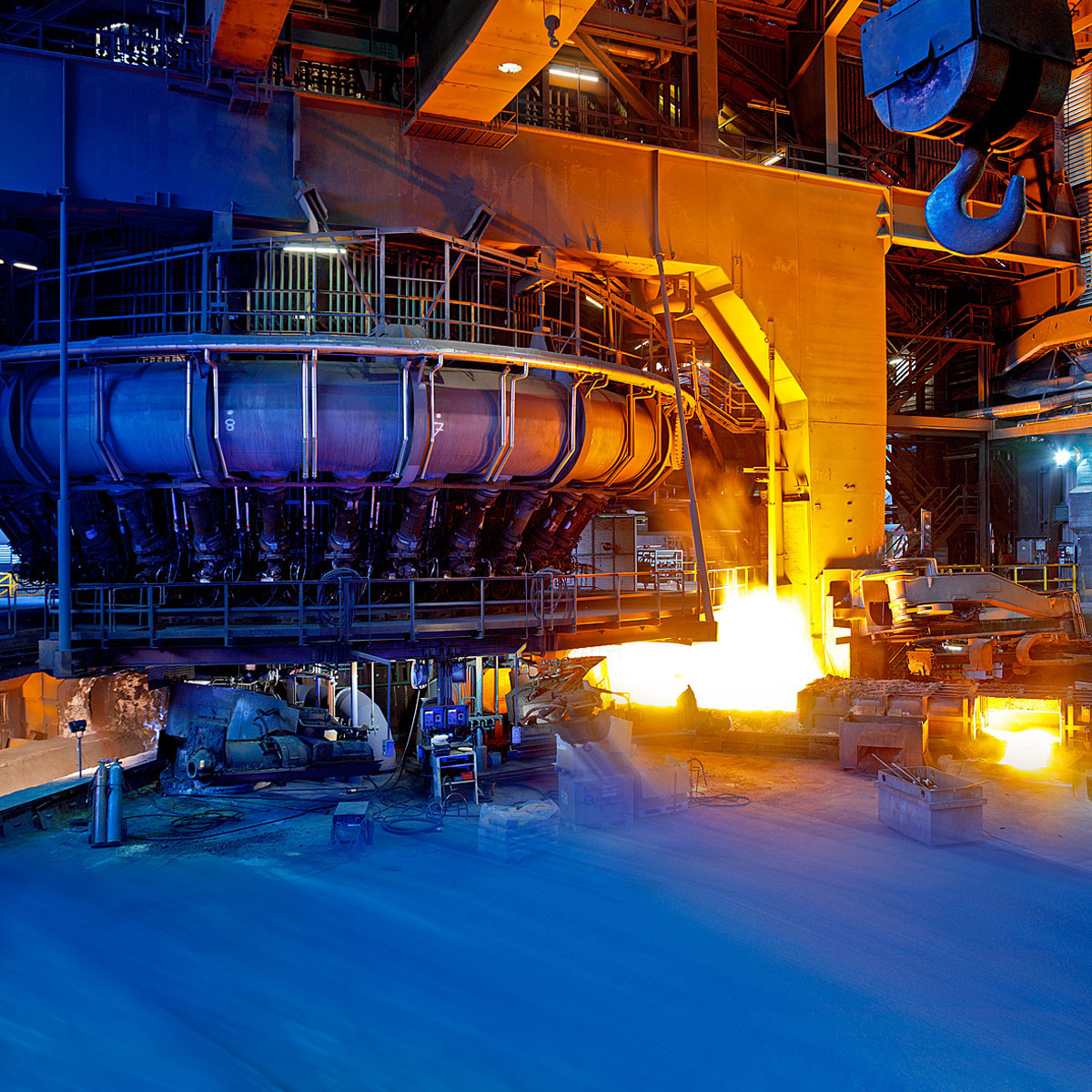
Arvedi to invest Eur227 million for green projects
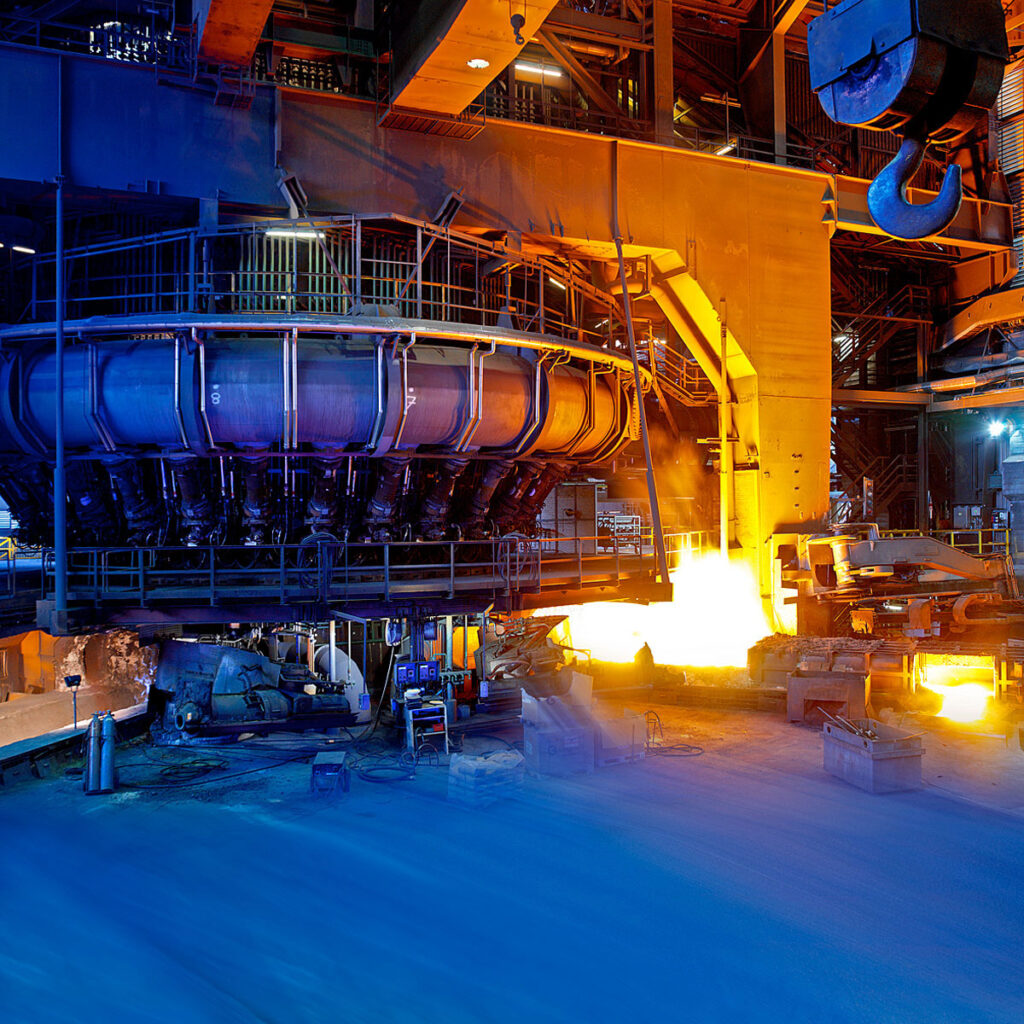
Arvedi, the second largest Italian steel producer, is going to invest around Eur227 million for the green conversion of steel mills in Trieste and Cremona, the Italian government said on Jan. 28.
The intervention will take place with the support of the Ministry of Economic Development, which will grant through Invitalia, Italy’s agency for investment promotion and enterprise development, Eur50 million with a development contract that will be co-financed with Eur200,000 by the Friuli Venezia Giulia Region and with Eur500,000 by the Lombardy Region.
Arvedi a few weeks ago in a press note said it received a large “green loan” guaranteed by SACE, the Italian Export Credit Agency specialized in supporting the growth and development of businesses and the national economy, to comply with the EU’s environmental targets. The operation, lasting six years and for a total amount of Eur240 million, was successfully closed by recording an over-subscription that gave rise to an allotment of the shares between the participating banks.
The green investments will provide for the Arvedi Trieste site Servola (in the Friuli region) the construction of new galvanizing and painting lines (with an investment of Eur86 million) and an intervention in the EAF at the Cremona site ( Lombardy Region) for Eur53 million to feed the electric furnaces with 100% ferrous scrap rather than with a mix of pig iron and scrap, the Italian government press note said.
The Green Energy for Steel coalition of electric utilities in Cremona also adheres to the development agreement, thanks to which a new high-efficiency cogeneration plant will be built for over Eur56 million to serve the production site in Trieste, with a lower-impact combined cycle environment and with greater energy efficiency than the existing power plant, the government note stated.
The investment also includes a research and development project, worth Eur32 million, linked to the investments for the Cremona plant. The goal is to obtain high quality steel production with the exclusive treatment and processing of ferrous scrap, reducing CO2 emissions.
— Annalisa Villa
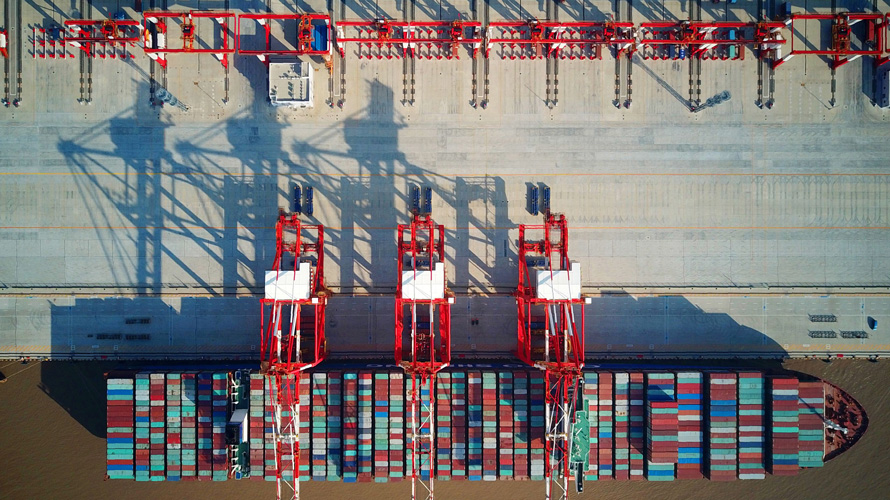
US buyers have second HRC cargo from Turkey in transit, potential for more
US buyers are waiting on their second hot-rolled coil cargo from Turkey after booking the first cargo in two years last November, market sources confirmed on Jan. 28. Record-high domestic HRC prices and a shift in Turkish input costs is leaving the window open for a potential third cargo in the short-term.
The cargoes, both of approximately 15,000 st, are set to arrive in early February and April into Houston, according to a trader. The country had remained active for value-added sheet products since the 2018 tariffs but was almost dormant on HRC sales to the US given prohibitive tariffs and limited price spreads.
After the 25% tariffs were put in place, US imports of Turkish HRC plummeted to just 10,477 st total in the two-year period of October 2018 to November 2020, according to US Department of Commerce data. US HRC imports from Turkey totaled 27,805 st in September 2018, the last month there was a large cargo.
The recent booking of HRC from Turkey left US buyers eyeing the possibility of another cargo, given the record-high domestic prices and lack of availability until late-March or April production. Buyers were showing more interest in a potential arrival before summer as anything later could be past the tipping point of domestic prices.
US HRC prices have surged more than 157% since hitting a multi-year low in August 2020 and are now at $1,134.75/st on an EXW Indiana basis as of Jan. 28. Turkish HRC export prices have also surged higher over the same period but have started to crest since the beginning of the new year at approximately $707/st FOB Turkey.
The more than $430/st spread left room for Turkish steelmakers to sell into the US market after factoring in the tariffs and freight, according to market sources.
A buy-side source who is familiar with the Turkish market saw weakening rebar sales in the area as another incentive for steelmakers with optionality to raise their HRC output. Multiple Turkish steelmakers have the ability to produce rebar and HRC at the same location. Falling rebar prices and lower input costs are likely to lead Turkish mills to utilize more HRC production. Domestic demand and export activity for Turkish rebar has recently faded, according to the source.
— Ali Oktay

Revista InfoAcero Enero 2021
En el siguiente enlace pueden acceder a la edición de enero de nuestra revista: INFOACERO ENERO 2021
A continuación destacamos algunos de sus contenidos:
- Opinión – D. José Horcajo – Junta Directiva de la UAHE.
- Evolución del Índice de Precios de Productos Siderúrgicos – UAHE.
- Formación UAHE: Cursos organizados por la asociación en el primer trimestre de 2021.
- Sector Metal: Informe de Coyuntura del Metal (Confemetal); Producción Mundial de Acero (WorldSteel Association)
- Colaboración ASCEM: Fondos Next Generation EU

EUROMETAL Letter to EU Commissioner Mr Valdis Dombrovskis – 28.01.2021
Dear Mr Dombrovskis,
On June the 18th we addressed a letter to your predecessor. In that letter, we reinforced the message that EUROMETAL was, and of course still is, in favour of fair trade, the free competition and open markets.
Since summer, most of the distributors and steel service centres across Europe, most of them covered by national federations, we have seen the market sentiment improving. At least until the moment of writing these letters. These are some good news in these months of pandemic, where most of our members have seen very dark days where our future has been put under huge consideration.
The recovery of the market demand has generated tension in the markets both in terms of tension in the supply chain as in terms of pricing, where free competition works and imbalances between offer and demand find new equilibriums.
In the steel business, however, there were additional measures taken by the Commission due to the Section 232 implemented by the US Department of Commerce. Indeed, the Commission decided to take safeguard measures to protect the European market from trade flows deviated from the US to the EU. This was a preventive action that the steel industry demanded.
As we all know, after three years, these safeguard measures should be revised. From EUROMETAL we would like to suggest you to check two elements when studying about the next steps on this topic:
- pricing evolution of the last 18 months
- stock position not customer cleared at the ports at the end of the quarter
As insiders, we believe that these elements might help you to build a case of how the market is acting, and whether the measures taken are really achieving its target.
Once more, we need the Commission to assist and care about the steel users and steel consuming industries. There will be no market for the steel production if there is not a market of consumers. There are thousands of small and medium size companies that look for free competition to defend their products and know how. We are talking about employment on manufacturing across Europe, which depends very much on all these medium and small size companies. Let’s produce locally, let’s generate value in Europe.
We offer you our contact, once again, to have point of view of a very representative layer in the steel industry as are the distributors and processors. Once again, we would like to reinforce the message, only with a strong sector of steel end users and consumers can we consolidate the industry we need to look with hope to the future.
Daniel Guinabert – EUROMETAL Managing Director
Fernando Espada – EUROMETAL President
SSAB pulls out of Tata Steel Europe deal
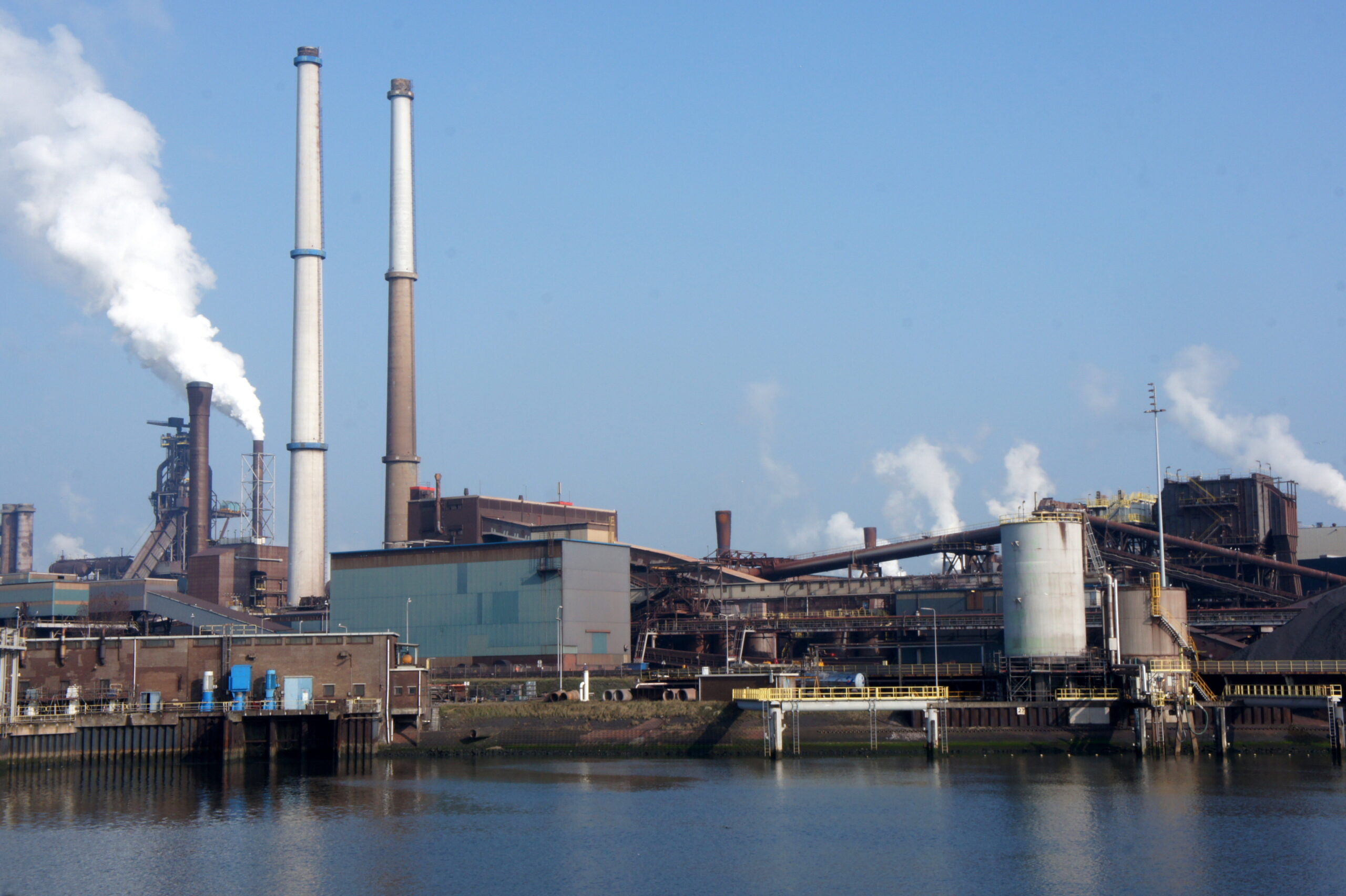
Swedish steel producer SSAB has withdrawn from discussions to buy Tata Steel Europe’s IJmuiden facility and downstream assets in the Netherlands, as there are “limited possibilities” to integrate them into its strategic framework and sustainability strategy, the company said today.
“The synergies that we saw in the transaction would not fully justify the costs and investments required for our desired transformation,” said company president and chief executive Martin Linqdvist.
SSAB intends to be a fossil fuel-free company by 2045, and to supply its first fossil fuel-free steel to the market in 2026.
“The transition to fossil-free steel is a top priority for SSAB. We are continuously on the lookout for possibilities to invest and step up the pace of this transition. Completely fossil-free steel will be a premium segment with great growth potential”, Lindqvist added.
By Colin Richardson

Trending Now: SSAB ends Tata IJmuiden acquisition talks
SSAB has concluded discussions with Tata Steel over the possible acquisition of the IJmuiden steelworks. After deeper analysis following talks that began last November, SSAB says there were limited possibilities to include the Dutch works into its strategic framework.
“We have carefully evaluated Tata Steel IJmuiden and have concluded that an acquisition would be difficult for technical reasons,” SSAB chief executive Martin Lindqvist says in a note seen by Kallanish. “We cannot be sufficiently certain that we could implement our industrial plan with the preferred technical solutions as quickly as we would wish. We cannot align Tata Steel Ijmuiden with our sustainability strategy in the way desired.”
“The synergies that we saw in the transaction would not fully justify the costs and investments required for our desired transformation. This means that overall, the transaction would not meet our financial expectations,” he adds.
The possible purchase of IJmuiden was driven by SSAB customers’ desire for a strong supplier of a broad range of fossil-free steel, the Swedish steelmaker observes. “Through an expanded range of steel products, which in the long term can be converted to fossil-free products, SSAB can become a more comprehensive supplier of fossil-free steel to existing and new customers in key segments,” it continues. “This has also been about creating synergies between existing operations in the Nordics and in IJmuiden and getting closer to the European market.”
The group’s goal is to be the first in the world, in 2026, to supply fossil-free steel to market and to be a fossil-free company by 2045. “We are continuously on the lookout for possibilities to invest and step up the pace of this transition,” Lindqvist concludes.
Tata Steel is expected to continue looking for an investor into IJmuiden after it commenced in November the separation of the Tata Steel Netherlands and Tata Steel UK businesses. The firm has said it will concentrate investment in its Indian operations going forward. It meanwhile remains in talks with the UK government to secure the long-term future of the Port Talbot steelworks.

ArcelorMittal Italia boosts output
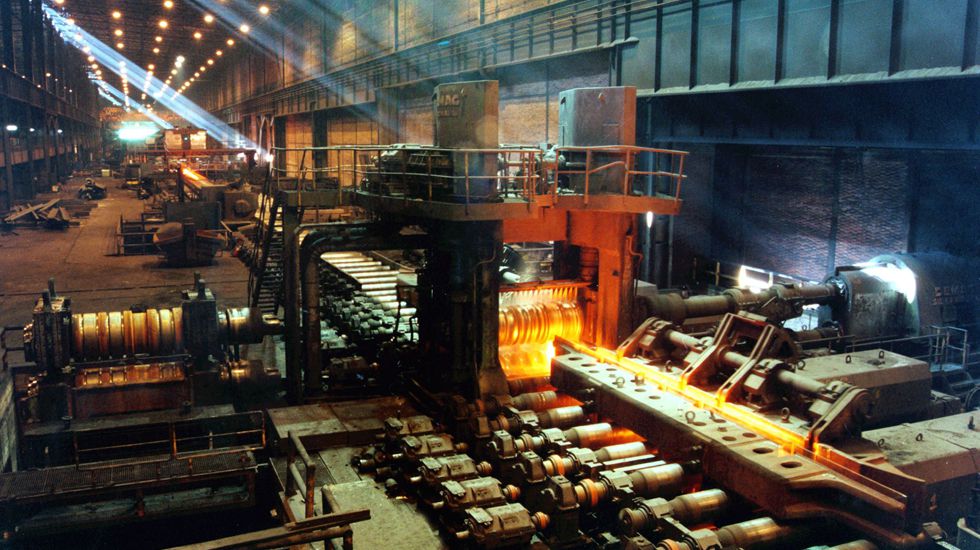
ArcelorMittal Italia has restarted meltshop no.1 and is in the process of restarting blast furnace no.2, as the firm previously promised, Kallanish learns from workers.
The plant will run with BF no.1 at 100% capacity, BF no.2 at 90% capacity, and BF no.4 at 85% capacity. Meltshop no.1 and BF no.4 will be idled in March for maintenance works but the procedure for idling BF no. 4 could start as early as 31 January, unions were told, due to environmental reasons.
After a meeting with unions in Taranto earlier this week, the company confirmed the steelworks will hit production of 5 million tonnes in 2021, up from 3.3mt in 2020.
The new 2021-2025 industrial plan for the relaunch of the former Ilva works involves an investment of €310 million ($375m) in 2021. It includes the remaking of blast furnace no.5, which has been idled since 2015, and a production ramp-up from 5mt to 8m t/year in 2025 (see Kallanish 13 January).
The current production boost is expected to ease tight coil supply in the Italian market. When contacted by Kallanish, ArcelorMittal Italia declined to comment.

Assofermet expresses concern over AST contract renegotiation

Assofermet, the Italian distributors’ association, has sent an official letter to voice its concern over the decision of sole domestic stainless producer Acciai Speciali Terni (AST) to renegotiate existing contracts due to increasing prices.
The association notes this is putting distributors in a difficult situation due to the fact the increase impacts February deliveries. The entire supply chain is risking delays in supply due to AST’s decision. This is being exacerbated by the difficulties in finding alternative supply sources in Europe or from imports, on account of trade defence measures, the association observes.
AST introduced a €214/tonne scrap surcharge for all its deliveries starting from February (see Kallanish passim). It told customers the increases are caused by the sharp scrap and raw material price rises, exacerbated by the shortage in stainless steel scrap. The move intends to rectify AST’s past and current sales prices that do not take into account the skyrocketing costs.
The move by AST is not isolated. Similar decisions have also been reported in the carbon steel sector, with large suppliers trying to renegotiate existing contracts due to the sharp increase in raw material costs seen at the end of last year, Kallanish notes.
Steel partakes in German government lightweight construction initiative
The German economic affairs and energy ministry has come up with what it calls a “Lightweight Construction Initiative” as an element for innovation and sustainability. This includes significant steel industry participation.
“Lightweight construction technologies are crucial for the sustainable transformation of the mobility sector and for the expansion of renewable energies,” the ministry says in a statement.
Lightweight construction leads to lower costs and improved functionalities through the use of less material, the ministry continues. Lower mass also means that less energy is consumed by the use of lightweight product and CO2 emissions are reduced, it adds.
The strategy is based on an extensive consultation process with more than 350 representatives from business and science. The ministry “…is providing an important impetus for Germany as a location for innovation,” a spokesman for steel federation WV Stahl comments to Kallanish. The steel industry in Germany has been extensively involved in the process of the “Lightweight Construction Initiative” and will also accompany the further steps of implementation, he notes.
The funding programmes mentioned in the context of the initiative are important for providing targeted support to companies in research activities in this field, he adds. The ministry plans packages of measures for R&D into resource-efficient lightweight construction, for expanding digital infrastructures and for lightweight construction as an enabler for the energy transition, among other things.