

EUROMETAL urges EU to ‘care’ about steel consumers
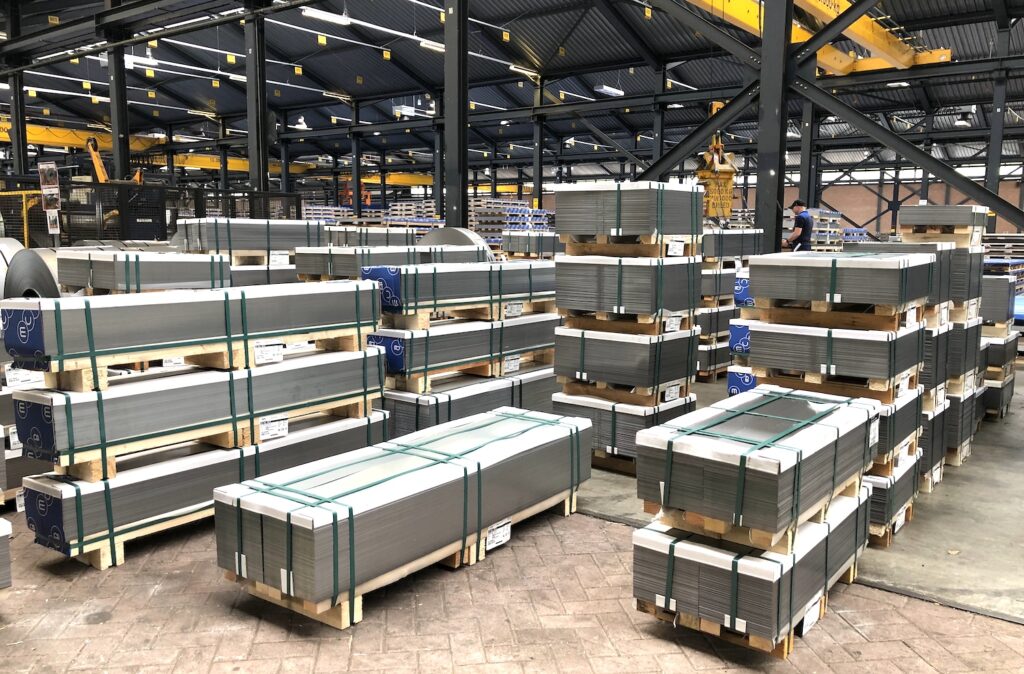
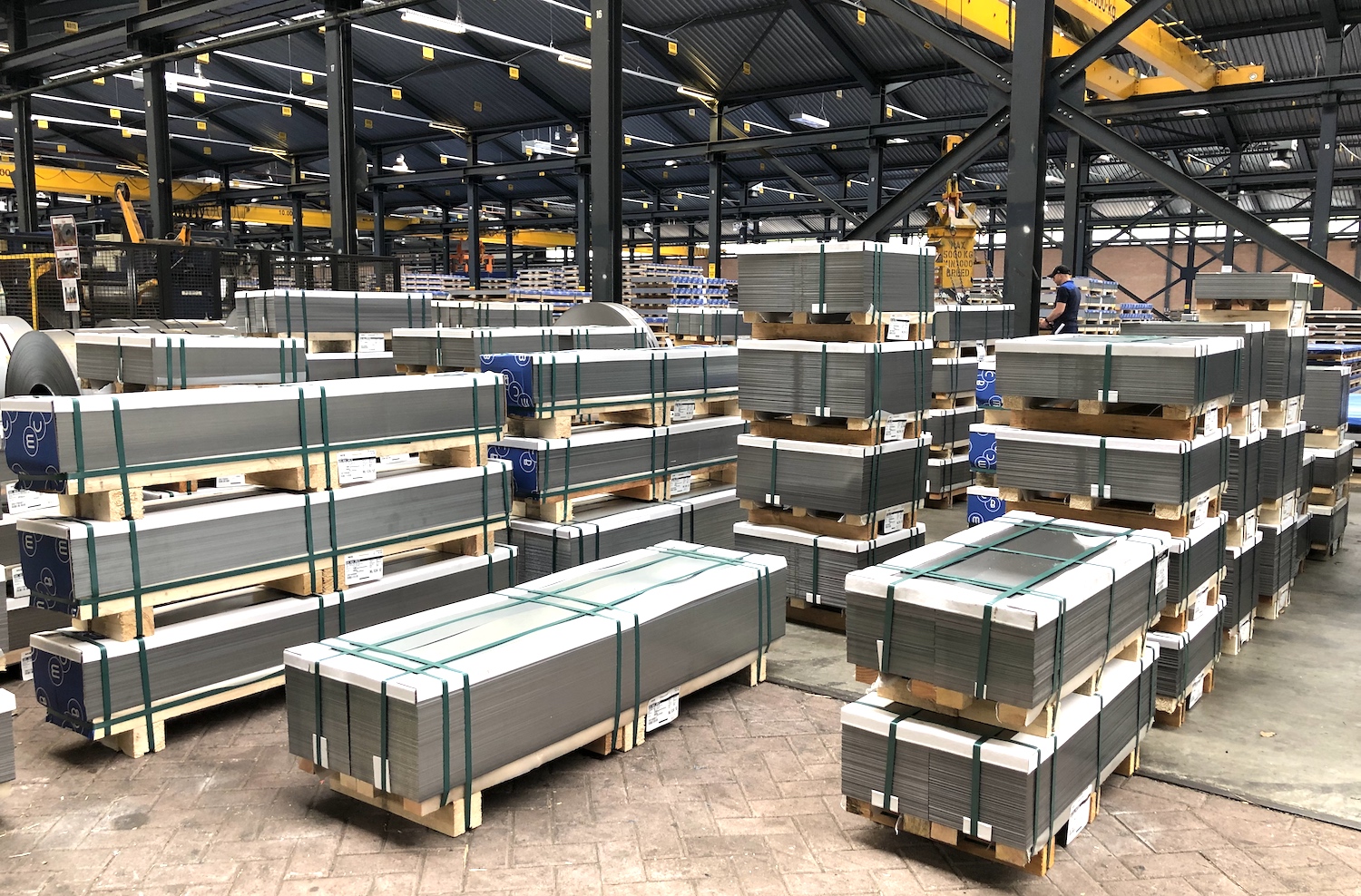
European steel distributors association EUROMETAL has written to European Commissioner for trade Valdis Dombrovskis suggesting he look at pricing evolution in steel markets over the past 18 months when reviewing the current steel safeguard, which is due to lapse in June.
“Once more, we need the commission to assist and care about the steel users and steel consuming industries. There will be no market for the steel production if there is not a market of consumers,” the letter said, which was signed by EUROMETAL president Fernando Espada and managing director Daniel Guinabert. It follows a letter by 12 European member states — supported by Eurofer — seeking a review and extension of the safeguard.
Since 3 June 2019, Argus‘ benchmark northwest EU hot-rolled coil (HRC) index has risen to €707/t from €476/t, an increase of €231/t. Pent-up demand and a lagging increase in supply since September last year has seen appetite outstrip production, leading to huge price jumps in the past few months — the index has soared by €309/t since 8 June 2020.
The surge in demand and softer supply has been exacerbated by a lack of import penetration in recent months. The EU imported just 257,813/t of HRC in November last year, Eurostat data show. This was the lowest import figure in almost eight years. The reduction was driven by a number of factors. Covid-19 impacted the European industry heavily, meaning local prices were lower than those in the rest of the world, reducing import demand over summer. At the same time, a number of regions cannot sell into Europe because of dumping duties — China, Russia, Brazil, Serbia and Ukraine all have duties that keep volumes in check. Turkey now has a provisional dumping duty, while the duty of Severstal, the only Russian producer that can still sell HRC into the EU, is being reviewed after petitions from Eurofer.
Undoubtedly, Eurofer will also be monitoring shipments of hot-dip galvanised coils from Turkish producers, given the latter are now buying competitive Chinese HRC substrate. This could further curb supply for European service centres, should action be taken.
European producers would suggest nothing has changed since the steel safeguard was implemented in response to Section 232 in the US. While Donald Trump has left office, the duties are still in place, meaning Europe could be hit with more imported material if the measures lapse.
At the same time, service centres would point to current spreads to blast furnace raw materials — at $442/t yesterday — which are at record highs. Some European mills have “derisked” their businesses by targeting the booming North American market of late, while limiting contractual tonnages for domestic buyers. Service centres would argue they should be able to procure the requisite tonnages from domestic producers, given they are protected from third-country tonnes.
By Colin Richardson

EU steel plate inventories low, demand weakens
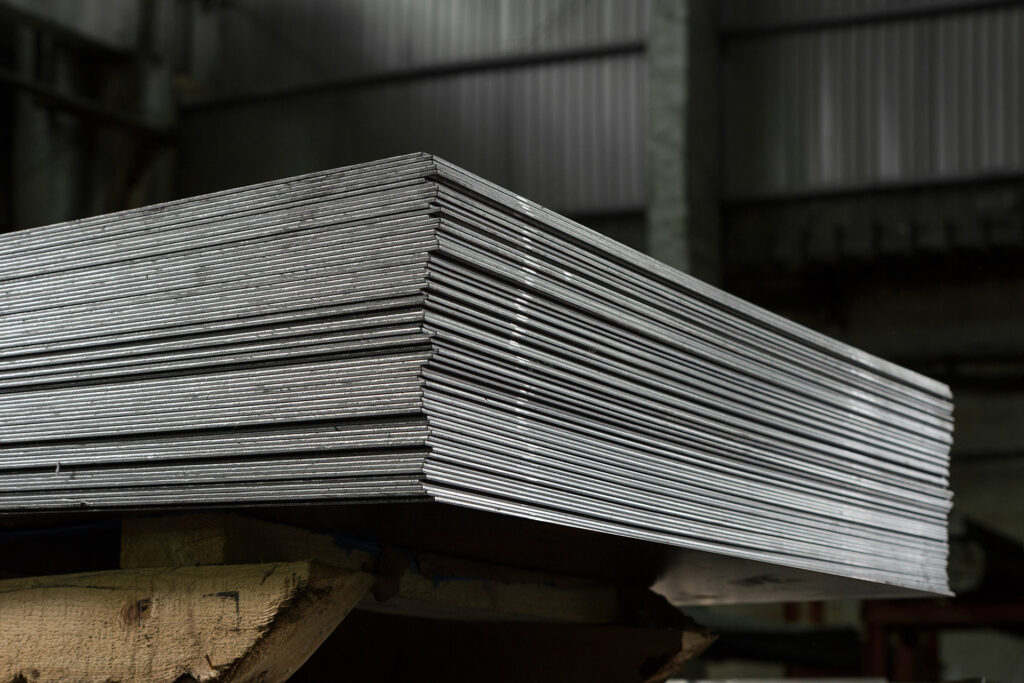
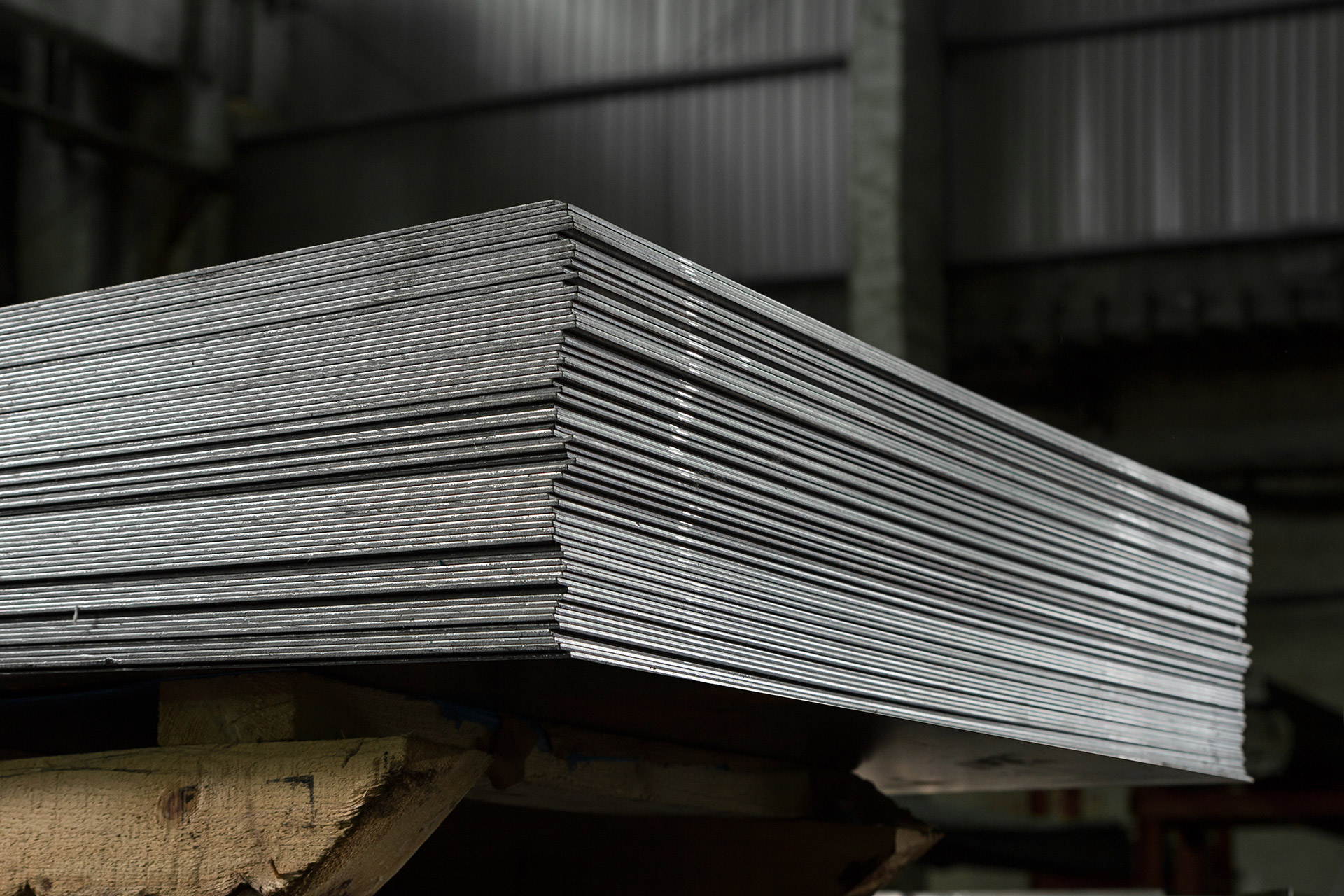
The European steel plate market was slightly higher Jan. 29 as high slab costs and depleted stocks increased plate prices, and the market calm with few enquiries due to a slowing construction sector, sources told S&P Global Platts.
North European plate offer prices were heard at Eur710/mt ex-works Ruhr, with tradable values heard between Eur680-685/mt ex-works Ruhr.
On the demand situation, an Italian trader said there were few inquiries in a ‘calm’ plate market, with Eur660/mt ex-works Italy considered workable, and offers at Eur680/mt ex-works Italy.
Lead times were heard to be longer for plate, with depleted inventories in Germany heard to be at 30-year lows.
“There are no extraordinary sales, inventories are low. The trend in Germany was always down. Inventories were reducing each month. Its been historic lows for plate inventories for the last 4-5 months,” an Italy-based mill source said. “Inventories were like this for the majority of 2020, stockholders were not buying enough and consequently not selling enough.”
Unlike the coil surge being driven by the automotive industry, the plate market has struggled due to a weakening demand from the construction sector, which normally consumes between 35%-50% of all plate in Europe.
“Coils are much better covered than plate – buyers have already booked for March-April delivery, while in plate they are just entering requirements for March,” the trader said. “Therefore, in Q2, plate should be a lot more supported.”
A Benelux trader said it would take more time for Plate prices to reach their peak and said there was still sustained interest from the construction sector in Spain.
“The demand is still there, there is a stabilized market,” the trader said.
Plate import prices from the Far East were heard at Eur640/mt CIF Italy Ports.
— Amanda Flint

EU approves Invitalia, ArcelorMittal partnership for Ilva
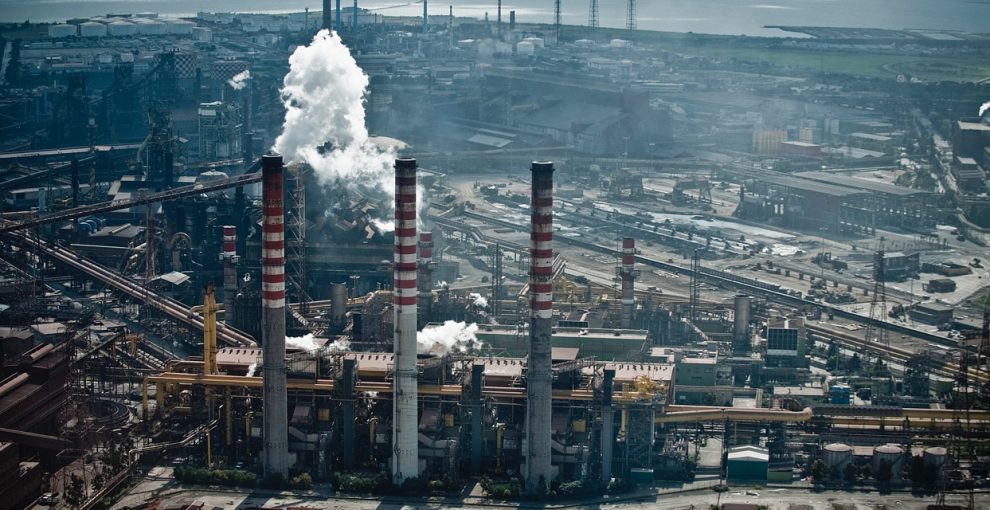
The European Commission has given ArcelorMittal’s Italian entity AM InvestCo Italy and government financial body Invitalia the go-ahead for the merger involving former steelmaker Ilva, Kallanish learns from the Commission.
On 6 January, the EU received notification of a proposed concentration by which Invitalia and ArcelorMittal are to acquire joint control of the whole of AM InvestCo Italy, controlled by ArcelorMittal. The European Commission has decided not to oppose the notified operation and to declare it compatible with the internal market and with the EEA Agreement, it says in a note obtained by Kallanish.
In December ArcelorMittal signed a binding agreement with Invitalia. The parties formed a public-private partnership. The investment agreement will result in the recapitalisation of AM InvestCo, ArcelorMittal’s subsidiary which signed the lease and obligation to purchase agreement for Ilva (see Kallanish 11 December).

Tata Steel still seeking ‘sustainable solution’ for European portfolio
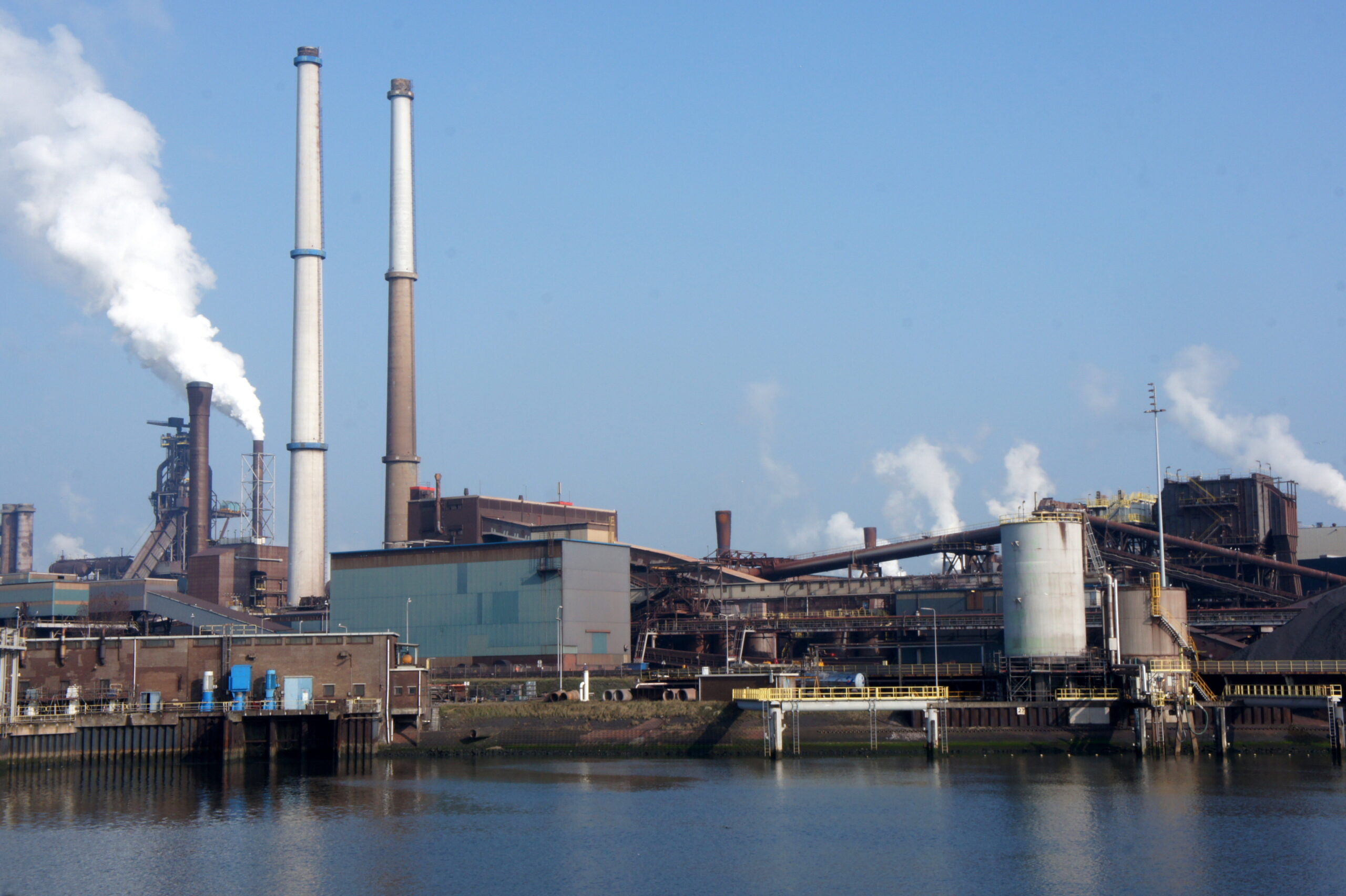
Tata Steel said Jan. 29 it remains “committed to finding a sustainable solution for its European portfolio” after talks ended with Swedish steelmaker SSAB on a possible acquisition of Tata Steel Europe’s integrated IJmuiden works in the Netherlands.
“Tata Steel confirms that SSAB has withdrawn its initial interest for Tata Steel Netherland business,” the India-based steelmaker said in a statement. “However, Tata Steel wishes to confirm that it is committed to arriving at a strategic resolution for its European portfolio. Tata Steel’s IJmuiden plant is among the most environmentally efficient and cost competitive steel producers in Europe.”
Tata Steel’s intention is to continue with the plan to separate its UK business, centered around the integrated Port Talbot steelworks, and its Netherlands business, centered around IJmuiden, as announced in November 2020, according to company sources.
In the case of the UK operations, “discussions with the UK government to seek both short- and longer-term support for Tata Steel’s UK operations continue,” a Tata Steel spokesman told S&P Global Platts.
SSAB, in talks with Tata Steel over the future of IJmuiden and related downstream assets for several months, said Jan. 29 that these talks had concluded. SSAB, which is planning to lead the market with production of the first fossil-free steel by 2026, said it could not be sufficiently certain that acquisition of IJmuiden would allow it to implement its industrial plan with the preferred technical solutions as quickly as it would wish.
“We cannot align Tata Steel IJmuiden with our sustainability strategy in the way desired,” SSAB president and CEO Martin Lindqvist said in a statement.
Lindqvist added on a conference call with analysts that he considered Tata Steel IJmuiden to be a “fantastic facility” with a “broad product program and good cost efficiency,” describing it as “probably the best integrated strip steel facility in Europe,” but adding that it did not fit into SSAB’s overall strategy “on cost-related issues.”
SSAB did not speak to the government about any matter related to the potential acquisition of Tata’s Netherlands plant, Lindqvist said.
Tata Steel is among the world’s largest steel companies with an annual crude steel capacity of 34 million mt/year, with around two-thirds of its business based in India. The company recorded a consolidated turnover of $19.7 billion in the financial year ending March 31, 2020 and said Jan. 29 it remains committed to undertaking significant deleveraging in FY21 and beyond.
SSAB still eyeing green steel M&A
SSAB will continue to look at other potential merger and acquisition opportunities in the green steel area, Lindqvist told the analysts.
“We will look at possibilities of broadening our product portfolio in this area; customers are asking us for this,” he said. “If we see an opportunity to further increase the speed to target this development (of fossil-free steel) we will definitely take a look.”
The company is in final discussions on where to locate its innovative joint-venture HYBRIT fossil-free steel demonstration plant. It expects the first batches of steel from the pilot plant produced using hydrogen early this year, and then will work with customers on prototypes, he said.
— Diana Kinch
US steel imports fall in 2020
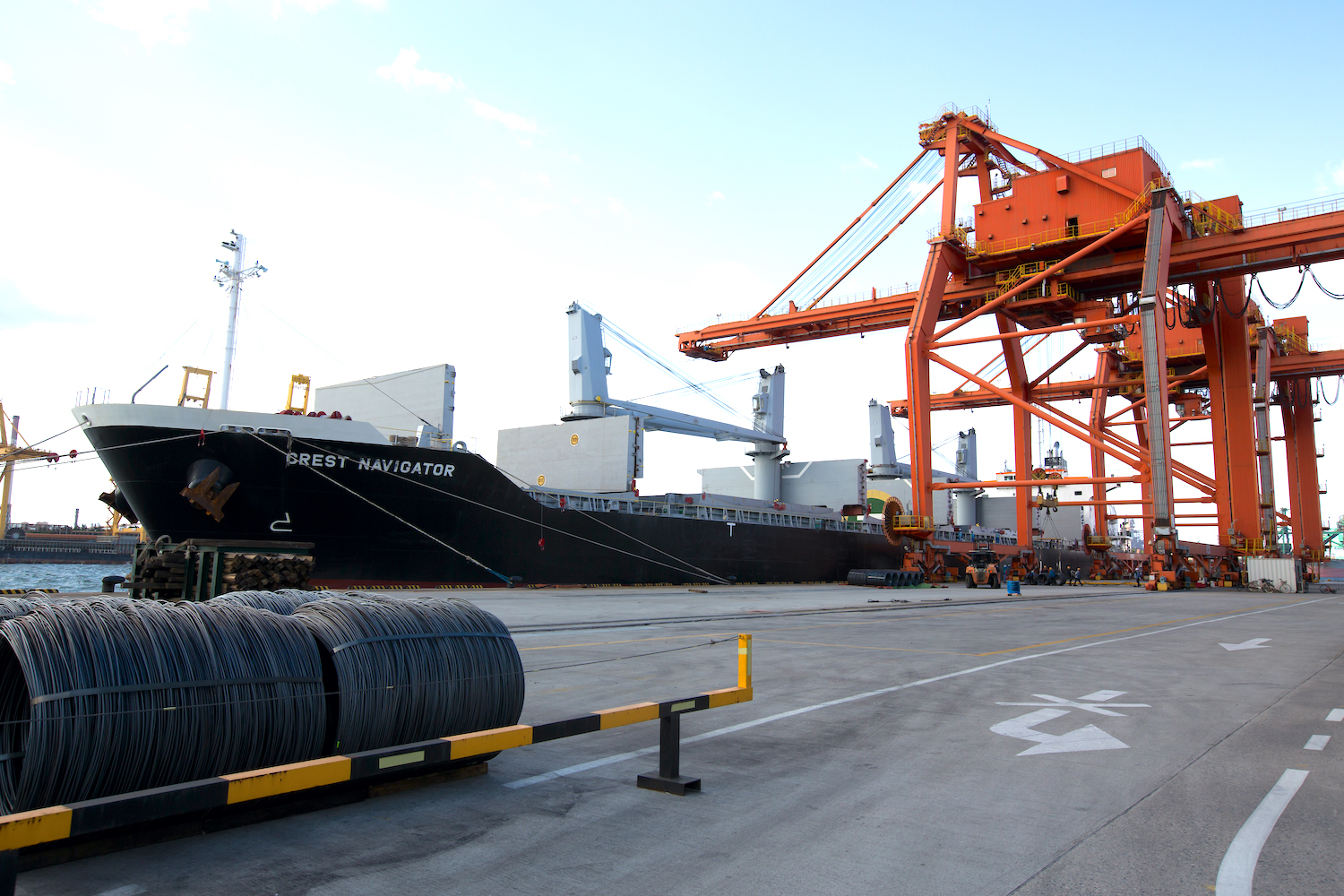
Both US total and finished steel imports fell on-year in 2020, Kallanish learns from the American Iron and Steel Institute.
According to preliminary Census Bureau data, US steel imports totalled 1.494 million short tons in December, 1.34m st of which were finished products. This is up 9% and 13.5%, respectively, from November’s final data.
On-year, however, US steel imports were down -23.3% for finished steel products and -21.2% in total. In 2020, US steel imports totalled 22.019m st, 16.139m st of which were finished products. Finished steel import market share was estimated at 18% in December, as well as on-year.
Notable on-month increases include line pipe (up 223%), oil country tubular goods (up 148%), plates in coils (up 84%), hot rolled sheets (up 36%), hot rolled bars (up 15%), cold rolled sheets (up 14%) and tin plate (up 10%).
In December, the countries with the largest volumes of finished steel exports to the US were: South Korea (222,000 st); the Netherlands (86,000 st); Germany (66,000st); Japan (56,000 st); and Taiwan (43,000 st).
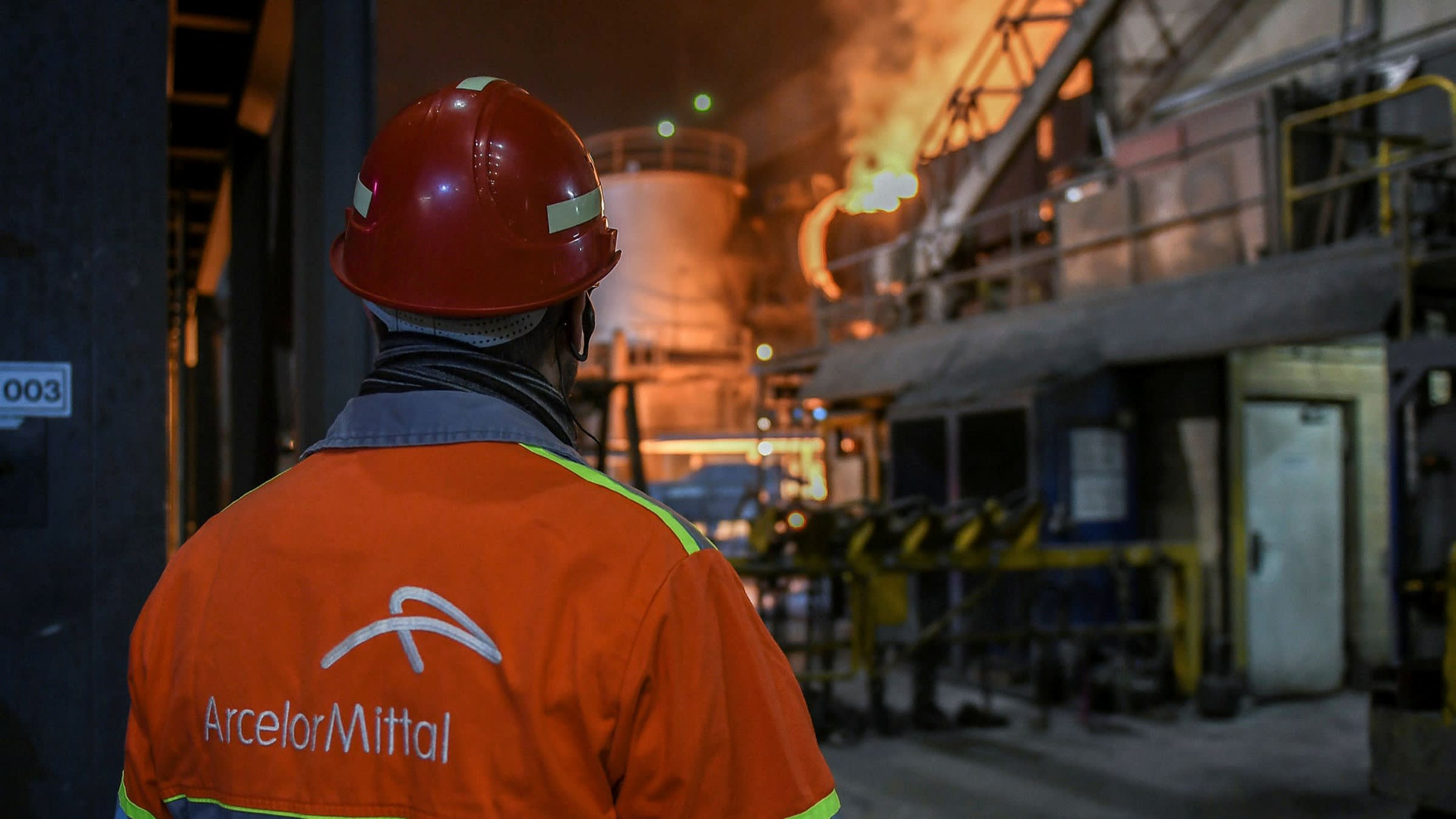
ArcelorMittal South Africa ramp up EAF on demand surge
ArcelorMittal South Africa (AMSA) will imminently increase output from its electric arc furnace in Vereeniging, known as the Vaal Meltshop, on the back of increased demand and supply shortages. Production could stay at higher levels if warranted by future demand, AMSA tells Kallanish.
The move has been driven by “…the unexpected and sudden increase in demand in South Africa and Africa overland markets, and the associated supply chain shortages,” the steelmaker says. The Vaal Meltshop was originally scheduled to be placed under care and maintenance at the end of December 2020.
“We are employing all our resources to address the current steel shortages and the Vaal Meltshop will go a long way in addressing the low supply chain stock levels in the Long Products markets,” says AMSA chief executive Kobus Verster.
The Vereeniging site has been running at around 50% capacity in recent years. Pushing this to full capacity would mean a significant increase in billet production. This will be used for specialty input material to the Gauteng operations, including Leeuwkuil Mill, tubular products, the forge operations and the small sections mill in Tshwane. It will also help reduce production requirements from the company’s Newcastle operations, which in turn will ensure more steel can be supplied to its long steel customers.
The Vaal Meltshop underwent extensive maintenance during December to ensure the plant remains reliable when production levels are increased. Full operation is expected to be achieved towards the end of February.
“With the Vaal Meltshop fully operational and supplementing our three blast furnaces in Newcastle and Vanderbijlpark, we expect that we will be more than able to meet the steel requirements in South Africa and neighbouring countries in the coming months,” Vester concludes.
AMSA said earlier this month it anticipates supply-demand imbalance, as well as cost pressures, to result in some level of price support through 2021 (see Kallanish passim).
British Steel launches new ultra-long corrosion-protected rail

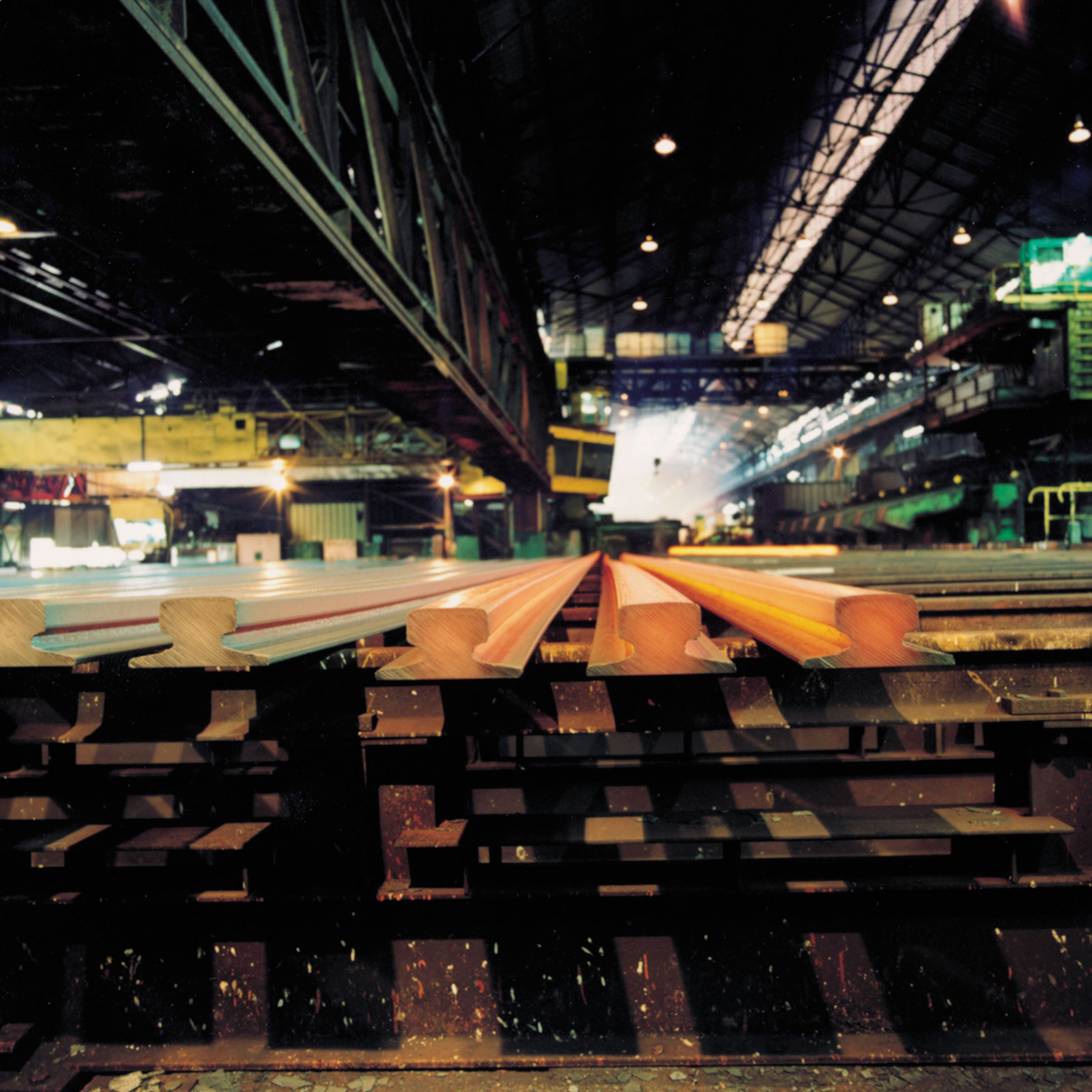
British Steel has launched what it says is the world’s first ultra-long corrosion-protected rail in a single 108m piece – or 216m with a single weld – following a seven-figure investment into new equipment. The product is an upgraded version of its “Zinoco” rail corrosion protection system, launched in 2016.
“The new and improved Zinoco is also the world’s first rail with a super-hydrophobic finish that repels water and dirt,” British Steel commercial director rail Craig Harvey says in a note sent to Kallanish. “Available in any length from 9m to 216m, the new finish enhances the protection Zinoco offers, further reducing the frequency of rail replacement programmes, which impact on network operators and passengers.”
The long-length Zinoco rail needs fewer welds, which makes installation quicker and gives the rails greater integrity, British Steel says. It is suitable for any track environment, including third (live current) and fourth (negative) rail areas, and is available on any grade and profile. It has become the only rail corrosion protection system approved for use across all Network Rail infrastructure.
In December British Steel started offering the S460M high-strength structural steel grade for the construction industry, the first product launched by the steelmaker since it was acquired by Jingye Group in March 2020 (see Kallanish passim).
Czech automotive production, exports slump in 2020

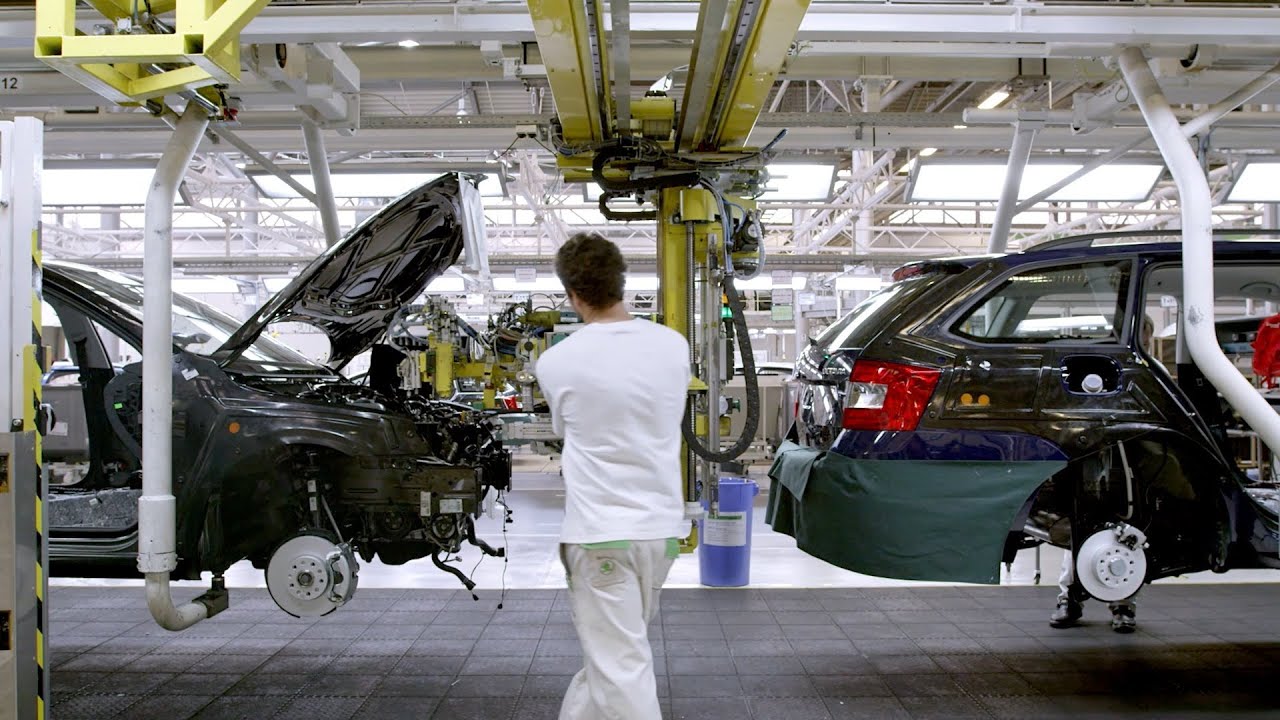
Czech automotive production fell -19% on-year in 2020 to 1.16 million units, with exports down -20% to 1.06m units, according to the latest Czech Automotive Industry Association (AIA) data seen by Kallanish. Output did however rebound in the second half-year from the earlier Covid-19-lockdown-induced disruptions.
The Czech Republic is Central and Eastern Europe (CEE)’s largest car manufacturer, sourcing automotive steel from US Steel Kosice (USSK) and ArcelorMittal among other suppliers, and producing most cars for export.
Production mainly consists of passenger and light commercial vehicles (M1+N1), whose output fell -19% to 1.15m vehicles. Hyundai saw the biggest output drop of -23%, followed by Toyota, Peugeot, Citroen (TPCA) with -22% and Skoda with -17%.
Local automotive sales fell less steeply than exports, by -11% to 99,425 units. TPCA actually saw local sales rise 44% to 295 units.
Czech production of buses, meanwhile, fell -3% in 2020 to 5,070 units.
In 2019 Czech automotive output inched down -0.69% on-year to 1.434 million units, after an annual record figure in 2018.

Chip shortage-induced automotive disruption hits scrap procurement: sources
The automotive industry is experiencing production disruptions because of semiconductor supply issues, which is having a knock-on effect on scrap supply, German scrap market participants tell Kallanish.
The shortage of electronic chips and sensors has forced most automotive producers worldwide to reduce their production.
“The actions taken by automotive companies have forced several mills and enterprises, including in Germany, to cancel their orders for scrap volumes until carmakers resolve the chip problem,” says a German merchant. “This negative effect will probably increase in the coming weeks, which may even lead to more reduction in scrap supply.”
The semiconductor shortage has been exacerbated by the actions of former US president Donald Trump against key Chinese chip factories. Another reason for the shortage is a sudden boom in demand for chips, as carmakers ramped up production following last year’s lockdowns.
“The deficit already affected Volkswagen and Daimler, but BMW for the moment is not experiencing such problems,” a German buyer says. “Ford, Subaru, Toyota, Nissan, Fiat Chrysler and other car manufacturers are also holding their production due to the chip shortage.”
Output of almost 280,000 vehicles is affected, analysts say.
The government of Taiwan, home to the world’s largest contract chip maker Taiwan Semiconductor Manufacturing Co (TSMC), said it had been contacted by foreign governments about the problem. The Ministry of Economy of Taiwan said that major international automakers are not direct customers of Taiwanese semiconductor chip makers, but other car chip makers place orders with Taiwanese manufacturers and sell them to carmakers.
The ministry said it is negotiating with domestic suppliers of microcircuits in response to inquiries from other countries and has asked the manufacturers to provide full assistance.
South Korea’s Hyundai Steel reports 10% on year decline in 2020 output

South Korea’s Hyundai Steel posted a 10.1% year on year fall in its 2020 crude steel production at 19.07 million mt, the steelmaker said Jan. 28, citing weaker global demand due to the COVID-19 pandemic and streamlining activity.
Other factors included lower steel prices and sales in the year due to a slump in industrial demand from sectors such as automobiles and shipbuilding.
South Korea produced 3.51 million vehicles in 2020, down from 3.95 million vehicles a year earlier, data from the Ministry of Trade, Industry and Energy showed.
Most the decline came from Hyundai Steel’s electric arc furnace, or EAF, production, which fell 15.0% year on year to 7.96 million mt while output from conventional blast furnaces fell 6.3% to 11.12 million mt in 2020.
The company had shutdown its EAF at Dangjin steel complex in South Chungcheong province in June due to poor steel demand along with one of its mini steel mills for renewal works.
Hyundai Steel said it streamlined its business by shutting a 1 million mt/year steel mill at its Dangjing steelworks and a 170,000 mt/year color steel plate plant at its Suncheon steelworks.
Due to the bearish factors, Hyundai Steel swung to a non-consolidated net loss of Won 456 billion ($408.31 million) in 2020 from a net profit of Won 33 billion in 2019.
Although it projects steel sales in 2021 to fall by 1.7% to 19.34 million mt, the company will focus on high-value added steel sales such as automotive steel for electric vehicles to create new demand.
Hyundai Steel expects global economies to recover in 2021 due to the development of vaccines for the coronavirus.
Amid the economic recoveries, it forecasts that South Korea’s vehicle production will rise 8.5% to 3.81 million units in 2021 while new order for ships will increase by 11.1% to 9.67 million CGT (Compensated Gross Tonnage).
Hyundai Steel has an overall crude steel production capacity of 24 million mt/year.
— Clement Choo, Samuel Chin