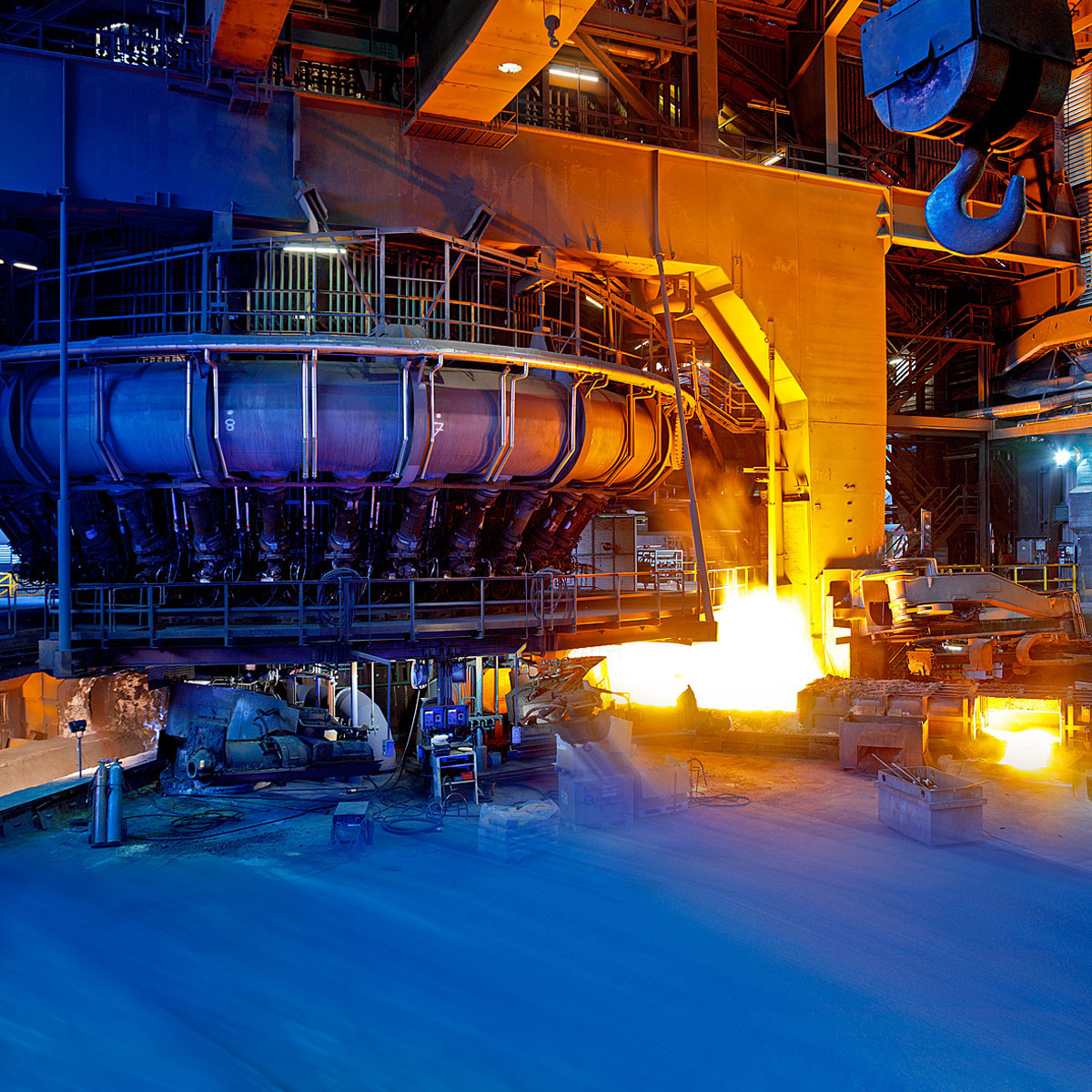
Study finds blue hydrogen feasible for thyssenkrupp steel
Norwegian-based energy company Equinor, gas transmission system operator OGE, and thyssenkrupp Steel Europe have concluded their joint feasibility study on blue hydrogen for tk Steel’s mills.
The study finds that the decarbonised production and supply of “blue” hydrogen from natural gas to Germany’s largest steel plant in Duisburg is technically feasible, the partners say. Going forward, they intend to continue working on further details and build the basis for potential investment decisions.
According to tk Steel, blue hydrogen allows for significant CO2 reductions via a nearly climate-neutral steel production in the short- and mid-term. Other types of hydrogen, especially green, are expected not to be available in this period in sufficient quantities to meet demand, Kallanish notes.
The study’s premise has been the production of hydrogen from natural gas with permanent offshore storage of CO2 accrued in the process. The study has evaluated several options for sourcing and transport of hydrogen to Duisburg, as well as options for transport and storage of CO2.
Considering potential sites for hydrogen production, the study has confirmed three locations as principally suitable for a hydrogen plant: a potential production site on the Dutch coast in Eemshaven and two other potential sites on the German North Sea coast.
Among other things, the study concludes that economically viable transport via pipeline is possible with the cost of pipeline transport being minor compared to the cost of hydrogen production. Based on market forecasts by renowned external market analysts, the study estimates a price for blue hydrogen of approximately €2.1 ($2.55) per kg – corresponding to €58/MWh – based on an expected future and long-term average natural gas price of €23/MWh.

Salzgitter’s plate mill starts new treatment technology

Salzgitter’s plate unit, Ilsenburger Grobblech, has begun operation of new heat treatment equipment involving an X-Roll MultiFlex-Quench (MFQ) line supplied by SMS group.
The new line will process more than 200,000 tonnes/year of heavy plate, Kallanish learns from the technology supplier. It is designed to handle plate of 5-175mm thicknesses and widths up to 3,500mm. The equipment will enable the mill to expand its product range to also include particularly demanding grades, SMS claims.
Its proprietary MFQ technology allows to implement any cooling strategies, from extremely slow cooling to fast quenching, with freely selectable cooling-stop temperatures, Kallanish is told by SMS.
A pre-requisite for homogeneous cooling and optimal product properties of the plate is high temperature uniformity during both plate heating and the tempering process that follows quenching, SMS explains. For this purpose, it supplied two state-of-the-art roller hearth furnaces, which both feature energy-efficient heating systems and modern low-NOx burners for low-emission operation.


Ford closes Brazil plants
Ford Motor Company says it is closing its three production lines in Brazil after a century of operations. The decision is part of the South American unit restructuring following the impact of the coronavirus on its performance, Kallanish learns from the US car manufacturer.
“The Covid-19 pandemic expands the industry’s persistent idle capacity and reduced sales, resulting in years of significant losses in Brazil,” says Ford president and chief executive Jim Farley. “With more than a century in South America and Brazil, this is a very difficult but necessary action to create a healthy and sustainable business.”
The company will continue its activity in the country as a distributor with maintenance and warranty assistance.
Ford ceased production at the Camaçari and Taubaté plants as from 11 January. The Troller plant will continue to operate until the fourth quarter.
Manufacturing operations and sales centres in other South America markets are not affected.
“Ford will serve customers in the region with a portfolio of increasingly electrified SUVs, pickups and commercial vehicles sourced from Argentina, Uruguay and other markets,” the company adds.
Ford closed 2020 as the fifth-largest car seller in Brazil with a 7.14% stake in the domestic market. The company’s overall sales reached 139,897 vehicles last year, -39% lower compared to 2019.
Ford will maintain its development centre in Bahia, as well as its South American headquarters in São Paulo.
According to Brazilian media reports, the closure of the three production lines will affect around 5,000 employees in Brazil. The decision will also affect Ford’s largest steel suppliers, ArcelorMittal and Ternium.
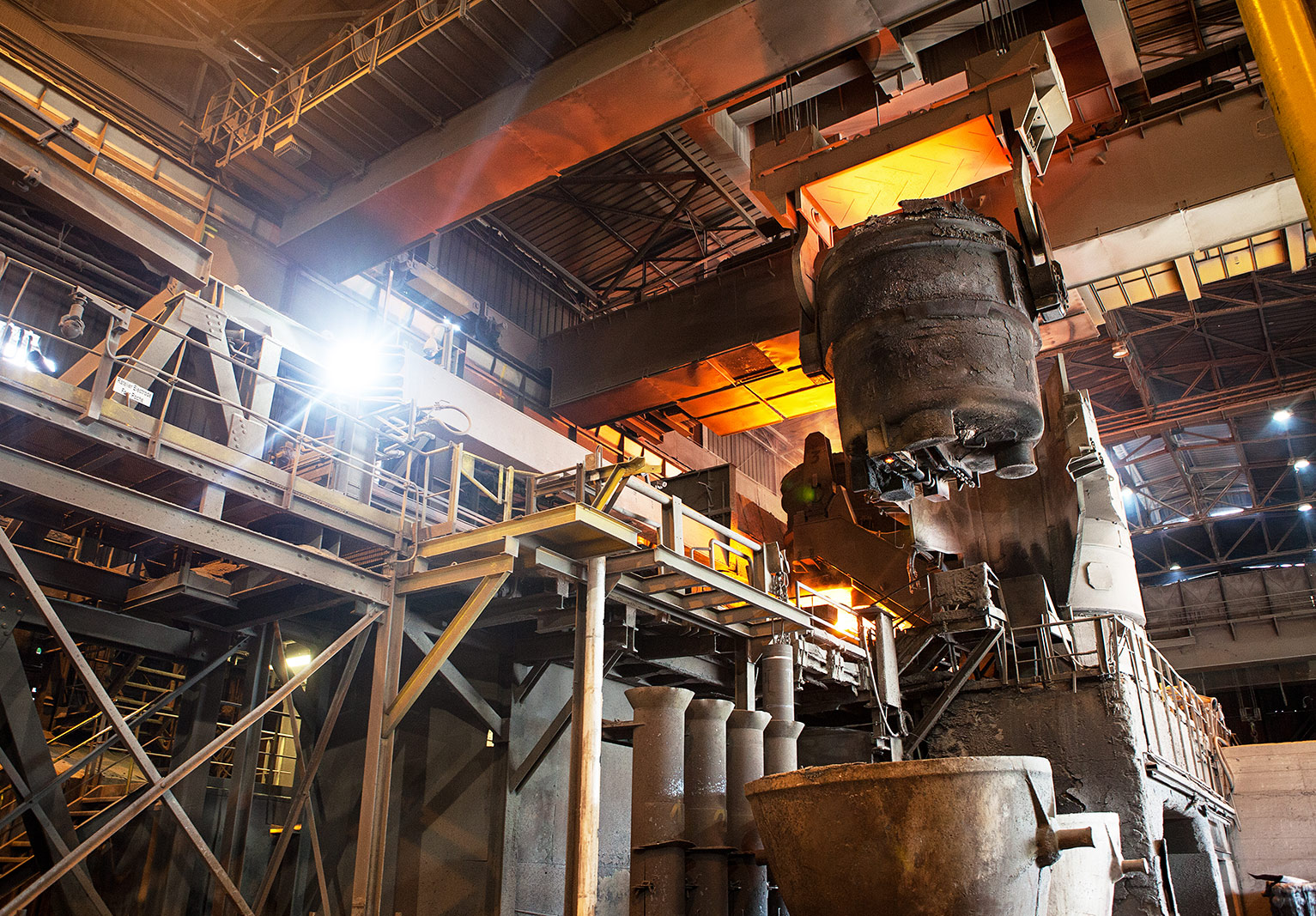
Weekly US steel mill capability utilization rises above 75%
US raw steel capability utilization increased last week, rising to 75.4% from 74.6% the previous week, the American Iron and Steel Institute reported on Jan. 11.
Production increased by 3.6% to 1.709 million st during the week ending Jan. 9, up from 1.65 million st the previous week, according to the data.
Last week’s production was still down 10.3% compared to the same week a year earlier, when capability utilization was at 82.4% and production totaled 1.906 million st.
Adjusted year-to-date production through Jan. 9 totaled 2.18 million st, with a capability utilization rate of 75.2%. The total is 10.4% lower than the 2.432 million st produced during the same period last year, when the utilization rate was 82.4%.
Despite week-on-week decreases in production in the Northeast and the Western region, total production rose amid an 8.7% week-on-week increase in production in the Southern district.
Last week’s production totaled 155,000 st in the Northeast; 601,000 st in the Great Lakes region; 184,000 st in the Midwest; 699,000 st in the Southern district and 70,000 st in the Western region.
The tonnage data is estimated, compiled from weekly production data provided by 50% of domestic producers combined with monthly production data for the remainder.
— Ingrid Lexova
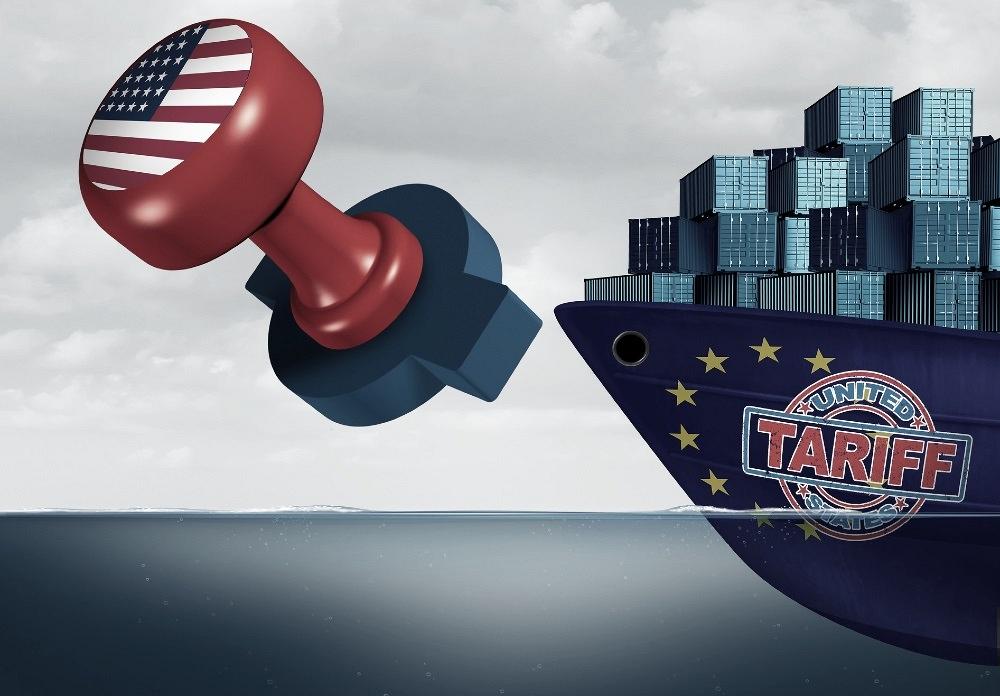
US trade groups ask Biden to retain 232
A coalition of US steel trade groups is asking president-elect Joe Biden to retain President Donald Trump’s 232 tariffs, Kallanish learns from a joint letter.
The American Iron and Steel Institute, Steel Manufacturers Association, United Steelworkers labour union, The Committee on Pipe and Tube Imports, and the American Institute of Steel Construction all point to the necessity of the 2018 tariffs to combat growing global overcapacity and repair the damage wrought by Covid-19.
“Given the critical role of the industry to our nation’s defense and its critical infrastructure, the US government imposed a comprehensive program of tariffs and quotas on steel imports in 2018 to protect our national security,” the coalition says in a jointly-signed letter. “This allowed the industry to restart idled mills, rehire laid-off workers, and begin investing tens of billions of dollars in new and upgraded plants. Unfortunately, the steel industry’s recovery was set back by the Covid-19 pandemic, which caused a significant drop in demand last spring, forcing painful job cuts as steel mills, fabricators and pipe and tube mills either cut back production or shut down entirely.”
Citing the Organisation for Economic Co-operation and Development, the coalition predicts global overcapacity hit 700 million tonnes in 2020, or eight times the output of the US.
“China, Vietnam and Turkey, among others, continue to increase their steel production even as the pandemic has caused demand for steel to drop around the world. Others, such as Korea, Russia, Ukraine and Indonesia, continue to export large and increasing shares of their steel production to other markets,” the coalition writes. “We must not repeat the experience of the 1990s, when the demand shock of the Asian Financial Crisis resulted in surges in steel imports from many regions of the world and led to widespread steel industry bankruptcies and job losses.”
President-elect Joe Biden is slated for inauguration on 20 January.
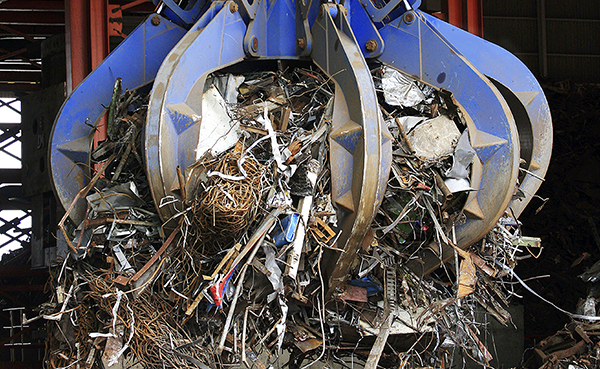
Derichebourg to merge with Ecore GDE
French recycling specialist Derichebourg has entered negotiations to buy out Luxembourg-based Ecore group. Ecore Group owns French scrap merchant GDE, Kallanish notes.
Derichebourg intends to buy a 100% shareholding in Ecore. The French group says it benefits from “…top-range financial support” to secure the necessary funds for the acquisition. The merger will be subject to the go ahead of the antitrust authority, Derichebourg observes.
Meanwhile, GDE Ecore Group has bagged a large contract with shipbuilder Chantiers de l’Atlantique for the collection and recycling of 20,000 tonnes of ferrous and non-ferrous waste (see Kallanish 11 January).
GDE Ecore counts 68 sites in France, and it employs 1,339 workers for a turnover in 2019 of €1.16 billion ($1.41 billion). GDE is also purchasing two industrial sites from Suez Group, located in Blainville sur Orne and Saint-Sulpice sur Risle in Normandy. Ecore controls all activities in the recycling chain, from end-of-life material collection to the marketing of new secondary raw materials.
Derichebourg has a turnover of almost €2.5 billion and employs 4,600 workers. Its services cover the collection, management, recycling and recovery of end-of-life equipment and consumer articles, recoverable materials and industrial waste including end-of-life vehicles. Each year it recycles 3.1 million tonnes of ferrous material.
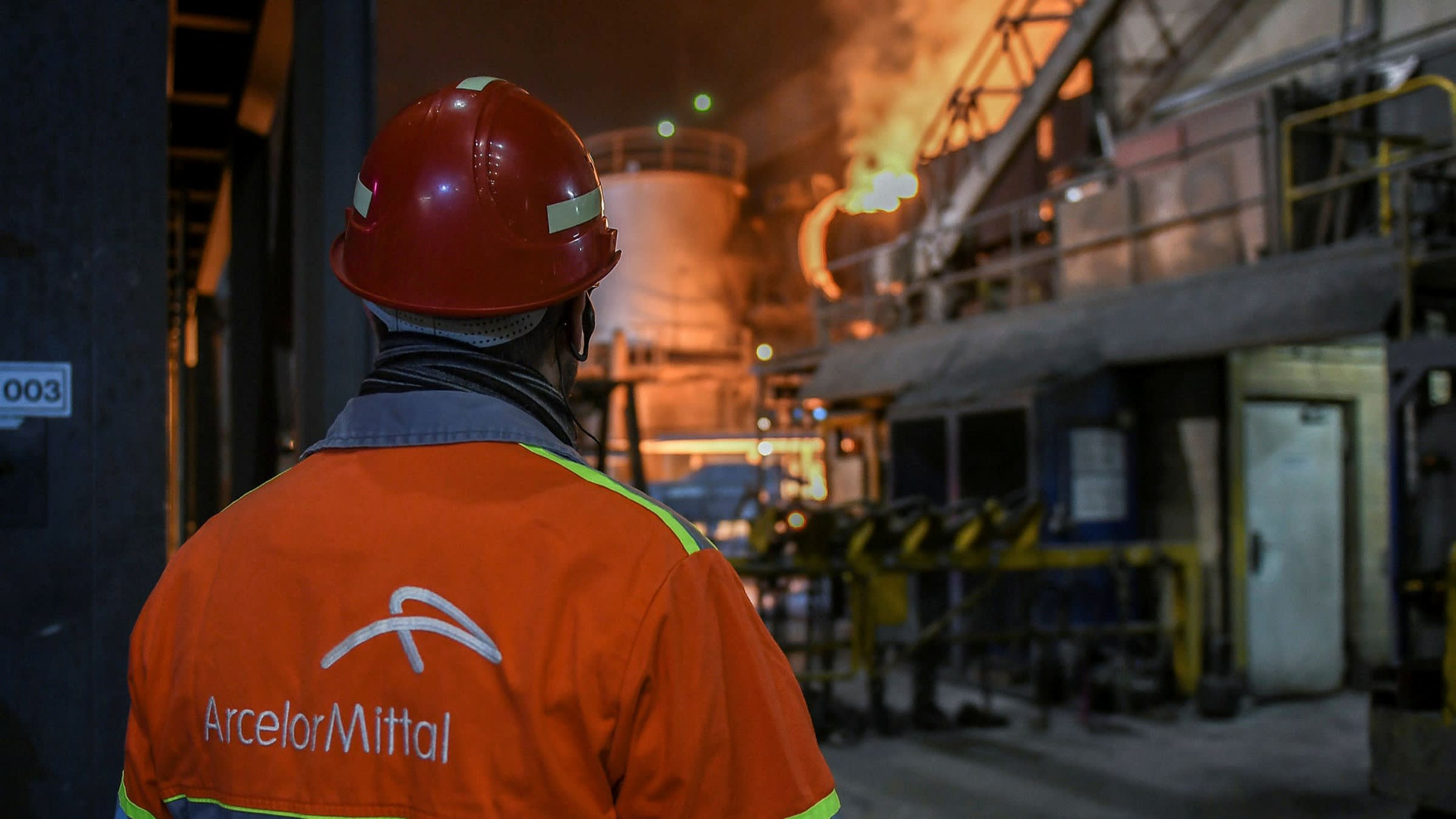
ArcelorMittal Eisenhüttenstadt plans blast furnace natural gas conversion
ArcelorMittal will convert the blast furnaces at its Eisenhüttenstadt mill to operate on natural gas, to make the production of steel products more sustainable. To this end, it has also forged a cooperation with Leipzig-based utility VNG (Verbundnetzgas) Handel & Vertrieb, Kallanish learns from the steelmaker.
ArcelorMittal Eisenhüttenstadt initially plans to reduce CO2 emissions in steel production by around -5% per year from 2021 through the conversion of fuels for the blast furnaces. To achieve this, it will use natural gas in the blast furnace to reduce coal requirement.
Apart from cutting CO2 emissions, the conversion will also bring down energy costs, the steelmaker claims. The furnace conversion is scheduled for completion by mid-2021, with the cost of this investment amounting to around €4 million ($4.9m).
Also, together with VNG, AM Eisenhüttenstadt intends to add CO2-neutral hydrogen in a later step, as soon as it is available in sufficient quantities and at economic cost. This goes together with the group’s European climate strategy to cut CO2 emissions by -30% until 2030, and to have climate-neutral production by 2050.
China’s Dec vehicle sales firm; strong outlook for 2021

China’s vehicle sales in December 2020 rose 5.4% year on year to 2.8 million units, sending total sales in 2020 to 25.27 million units, down 1.9% year on year, according to estimates by China Association of Automobile Manufacturers, which has helped support cold-rolled coil demand and prices.
CRC spot market prices in Shanghai rose 11% month on month in December to an average of Yuan 5,592/mt ($865/mt), Platts data showed.
For 2021, CAAM expects vehicle sales to reach 26.3 million units, up 4% year on year, on the back of a stable macroeconomic recovery and China’s stimulus policy.
China’s Ministry of Commerce published a notice early January to further stimulate vehicle consumption in rural regions. One such example is the sales promotion of new energy vehicles to China’s countryside, which reached 180,000 units in over four months last year.
CAAM reported that profits of the car manufacturing sector increased 7.2% year on year over Jan-November, which was 0.6 percentage points higher than the growth recorded over Jan-Oct.
— Analyst Sylvia Cao


The Brexit transition period has now ended

Changes have now come into effect for businesses that trade goods with Europe or represent businesses who do. Register on our webinars to find out what you need to do now to keep trading with the EU.
The free trade agreement announced on 24 December is the first that the EU has ever reached based on zero tariffs and zero quotas. We have always been clear that this means there will be new customs processes on goods moving between GB and the EU.
By registering for our webinars below, or watching our videos on HMRC’s YouTube channel you can familiarise yourself with the new customs processes and what you need to do before you trade goods with the EU.
The trader checklist is also still available on GOV.UK to help you ensure you’re familiar with the new rules that affect you.
Webinars to register for now:Exporting: Actions you need to take now:
An overview of the actions you need to take now before you export goods from Great Britain to the EU and move goods between Great Britain and Northern Ireland.Key processes include – staged border controls, zero-rated VAT, customs declaration, using an intermediary as well as licences, certificates, and authorisations.
Please register to take part if you’re planning to export.
Trader responsibilities when using an intermediary:
You now need to complete import or export declarations to trade goods with the EU. These are complex and a lot of businesses choose to use an intermediary to do these for them.This webinar explains your responsibilities as a trader if you choose to use an intermediary.
Please register to take part if you’re planning to import or export.
What are customs import declarations?:
If you import goods, you now need to make customs import declarations on controlled goods and all goods by the end of June. This webinar will help you understand what they are in more detail. This includes what is needed for simplified declarations, supplementary declarations, how to make them, and delayed import declarations.
Please register to take part if you’re planning to import.
Importing: Staged controls and how to prepare to use them:
This webinar will walk you through the three stages of the new border controls introduced on 1 January 2021, and what actions you need to take for each stage.
Please register to take part if you’re planning to import.
Protect yourself from scams
Stay vigilant about scams, which may mimic government messages as a way of appearing authentic. Search ‘scams’ on GOV.UK for information on how to recognise genuine HMRC contact. You can also forward suspicious emails claiming to be from HMRC to phishing@hmrc.gov.uk and texts to 60599.
Access the National Cyber Security Centre’s new guide on how to stay secure online and protect yourself or your business against cyber crime by searching ‘Cyber Aware’ on GOV.UK.
Yours sincerely,
Katherine Green and Sophie Dean – Directors General, Borders and Trade, HMRC

Argus White Paper: Daily pricing key as case for steel indexation strengthens
Indexation is surprisingly uncommon in the European hot-rolled coil market, given the price risk endemic throughout the supply chain. Where it does occur, it is usually against a price set monthly. In this white paper, Argus explains why a daily index is the best tool for risk management — even for monthly pricing.
About Argus Media
As a leading authority on energy and commodity markets across the globe, Argus is uniquely positioned to provide in-depth analysis and expert thought leadership. Our white papers are carefully written by Argus specialists from across our company. Each white paper focuses on a topical theme, exploring areas such supply and demand dynamics, price trends, trading activity and changing regulations. We always aim to provide a balanced view, underpinned by data and insight gathered first hand from the market.
Visit argusmedia.com for more information