

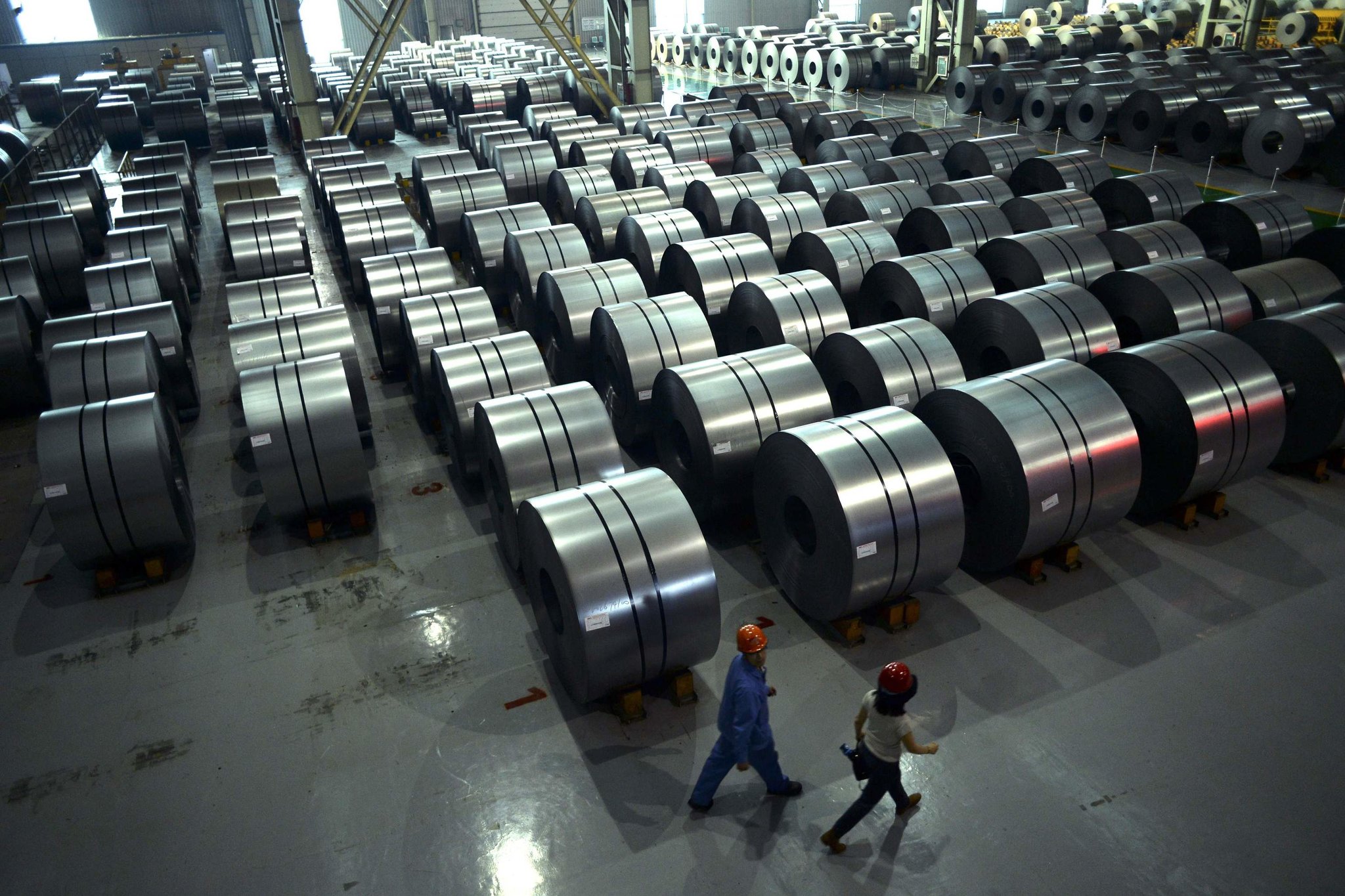
European steel coil market set for Q1 price boost from tight supply
The European steel coil market was set to see higher prices early in 2021, with EU mills sold out until the second quarter and lead times extending as far out as May, industry sources said.
Hot-rolled coil, cold-rolled coil and hot-dipped galvanized products have become difficult to acquire, with buyers who once relied primarily on imported material now seeking orders from domestic sellers.
“Customers just follow whatever [price] is available. There is a lot of interest from people who do not [normally] buy from us, or who have not bought from us in years,” one European mill source said. “They hope we can help them.”
While Indian players were offering HRC at Eur685/mt ($840/mt) CIF Italy ports and CRC at Eur780/mt CIF Antwerp, long delivery times and the European Commission’s anti-dumping investigation against Turkey has seen cautious buyers hesitate in taking foreign material.
EU mills ride price wave
HRC spot prices were expected to touch Eur700/mt by mid-Q1, sources said, even though increased offers from ArcelorMittal in December saw HRC hit a nine-year high.
Mills had been pushing to finalize deals ahead of the year-end break in order to capitalize on the forward pricing momentum, sources said, with mill-side players confronted with a backlog of requests from customers eager to book material at prevailing prices.
While prices were expected to move higher, “if we reach the level of Eur700-800/mt ex-works Italy, I believe that the Koreans, Taiwanese, Vietnamese and Turks might think of coming back to Europe,” an Italian trader said.
“For European mills, it could be very risky to keep increasing prices.”
Capacity issues
The supply tightness facing the EU steel market was initially a result of coronavirus pandemic-induced production cuts in March, followed by unexpected automotive demand that mills have struggled to accommodate and — to some extent — found difficult to understand given the lack of customer demand for cars.
Approximately 31 million mt of blast furnace capacity was idled during the first wave of the pandemic, with just 8 million mt having restarted in September, according to data from UBS.
“Producers took out their blast furnaces to a minimum level [during the pandemic], and now mills are not able to adjust their production to current demand,” a German trader said.
There was talk the supply tightness will intensify as the extra capacity from blast furnaces returning online will be canceled out by delayed maintenance and decommissioning.
In the Italian market, a service center source said he was unable to fulfill previously agreed quantities due to the shortage. “We speak with customers and say for Q1 we can only sell you 90% of the volume we agreed because the situation is an emergency.”
Sources said the unexpected surge in demand from the automotive industry since last summer period had led to orders exceeding available steel capacity.
A German service center source said the restocking phase which began in the fourth quarter may eventually lead to a supply glut. “We could see an overstocking situation after Q1 … we will see pressure from the second quarter onwards,” the source said. “Volumes will be [arriving] in the supply chain in the next months.”
Other market participants said rising scrap, iron ore and coking coal costs would prevent any price correction in H1 2021.
“There won’t be a situation in the market that would reduce Q2 prices. It all depends on additional capacity, lead times, and if imports come back,” an Italian trader said.
Germany
Crude steel output in November in Germany – Europe’s biggest producer – was 15% higher year on year at 3.38 million mt, according to steel federation WV Stahl, as production recovered after the first wave of COVID-19.
“This is the second time in a row that the result is above that of the same month last year and the cautious upward trend has continued,” WV Stahl said. “However, the increase of 15% must be seen against the backdrop that production in November 2019 was extremely weak.”
For the first 11 months of 2020, German crude steel production was down 12%.
“After 2009, 2020 will, in all probability, be the weakest year in [steel] production since German reunification,” WV Stahl said.
— Amanda Flint

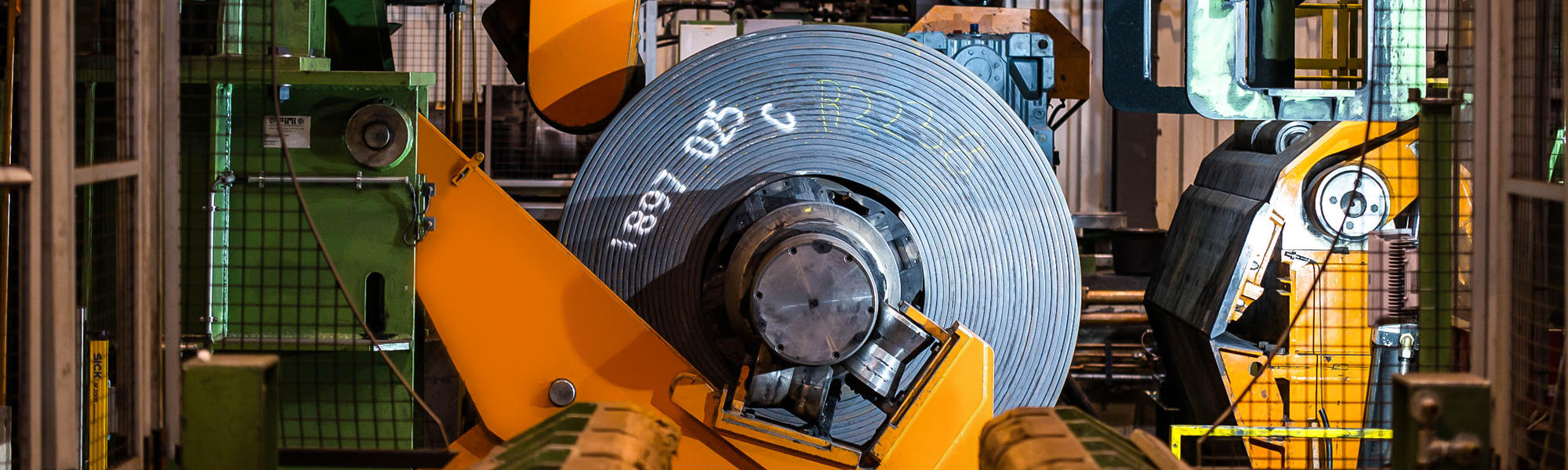
Russel closes on Sanborn buy in Wisconsin
Toronto-based North American service centre chain Russel Metals has finalised its buy of Sanborn Tube Sales of Wisconsin, Inc, Kallanish reports.
Sanborn’s extant location in Pewaukee, Wisconsin, is close by three Russel facilities. While financial details for the transaction were not disclosed, Sanborn generated about $19 million in sales during 2019 “…across a diverse base of industrial customers.”
“Sanborn is a well-established company that dovetails nicely into our existing business in the Midwest region. Sanborn has been both a customer and supplier to Russel’s Wisconsin division, Russel Metals Williams Bahcall, and Sanborn’s value-added processing capabilities accelerate our strategic plans in the area,” said Russel ceo John Reid when the deal was initially disclosed in late December.


UK safeguard measures remain despite EU, Turkey deals
Most imports of steel products from the EU and Turkey into the UK will continue to be subject to the safeguard measures announced last autumn by British authorities. This is despite the recent trade deals signed days before Brexit became effective.
In the autumn the UK announced it would maintain the safeguard system created by the EU until the end of June 2021. Authorities published the list of products included and the volumes of tariff free quotas allocated for all importers, including the EU and Turkey (see Kallanish passim).
Shortly before the turn of the year the UK signed new trade deals with the EU and Turkey in which it specifically mentioned the decision to avoid any additional tariffs on the trade of steel goods.
These deals will help the continuation of steel trade between the UK and EU, as well as Turkey, but safeguard measures will remain in place as non-preferential measures. Preferential trade agreements, such as the ones signed with the EU and Turkey, have no direct impact on non-preferential rules for trade, Kallanishnotes.
In the release related to the new agreement signed with Turkey, for example, the UK authorities said the deal “…will ensure preferential trading terms for UK businesses that exported more than £1 billion worth of machinery, and iron and steel exports worth £575 million, to Turkey in 2019”.
It is still not certain if the UK will decide to start a fresh anti-dumping investigation on hot rolled coil imports from Turkey. The EU is soon to officially announce provisional AD measures on such imports, but these will not be applying to the UK as they will become effective after Brexit. Existing AD measures in place before Brexit can be implemented by the UK directly without the need of a new investigation under WTO rules.

French construction sector outlook improves significantly

French construction industry business managers’ opinion about the sector improved significantly in December, according to a l’Institut National de la Statistique et des Études Économiques (Insee) report monitored by Kallanish.
The outlook for expected activity in the next three months is considerably more optimistic compared to November. Slightly more business managers in the building industry than in the previous month reported that their recent activity increased over the past three months, the report says.
In December, the balance of opinion of business leaders on employment prospects for the next three months continued its recovery which began in June, and therefore remains above its average.
Also last month, slightly more construction companies than in November considered that their order books were higher than normal. Given their present staff size, companies consider that their order books provide 8.2 months of work, slightly more than in November and much more than the long-term average, Insee explains.
Last month, however, the capacity utilisation rate fell despite remaining above its long-term average. At the same time, production bottlenecks have loosened and concern 36% of the construction companies surveyed, a much lower share than the November figure of 41%.
The share of construction companies reporting to be hampered from increasing their production due to workforce shortage fell again slightly in December, while remaining above its long-term average, the report concludes.
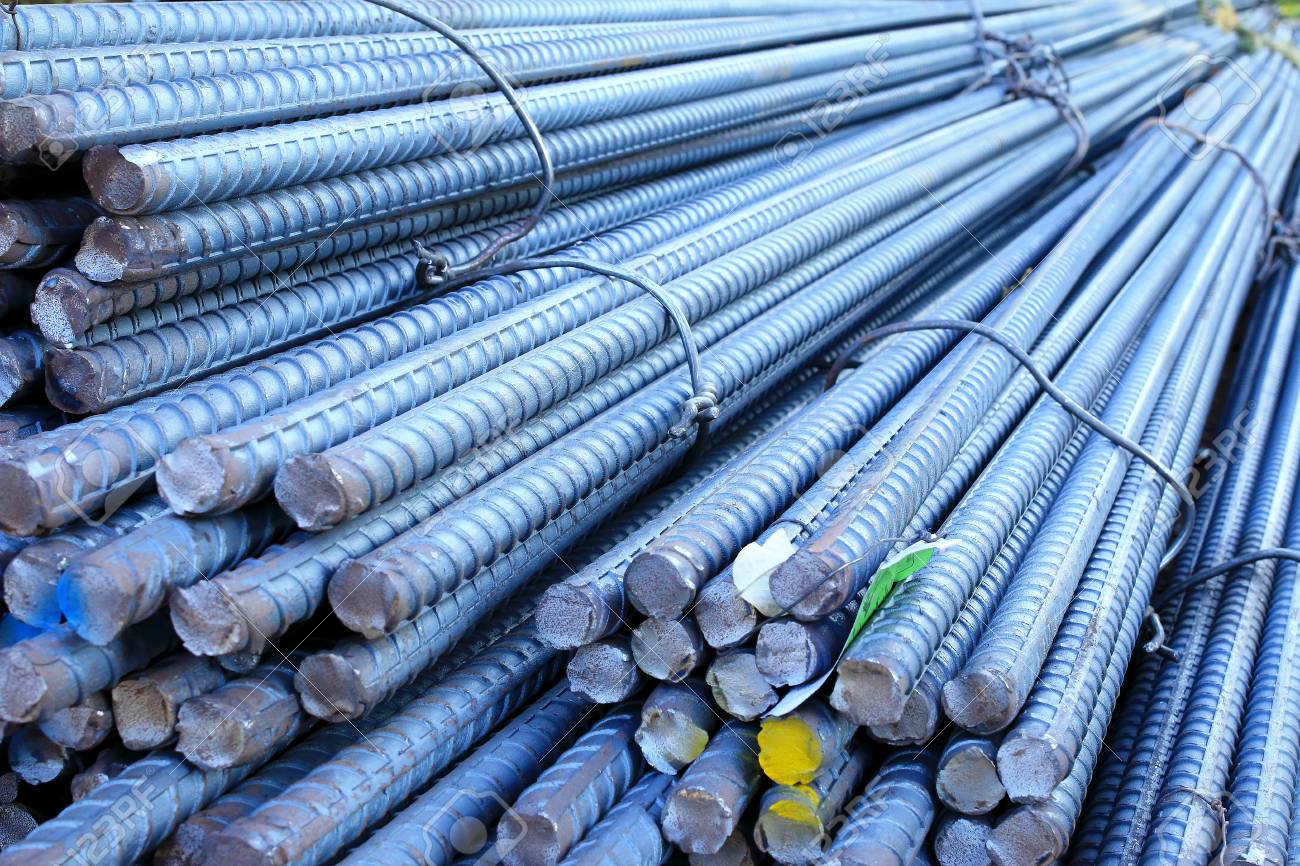
Hong Kong becomes Turkey’s 3rd largest rebar market
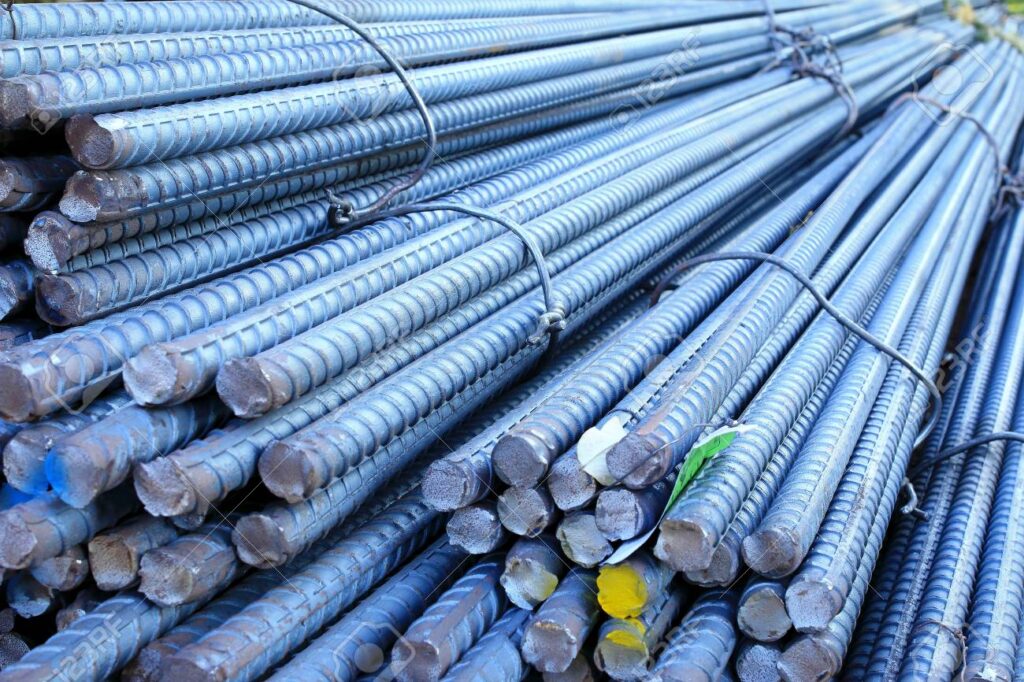
Turkish rebar producers have focused more on shipments to East and South East Asia in recent years to overcome declines in some of their main export markets.
As Chinese mills focused more on domestic demand rather than exports, Turkish mills managed to raise their market shares notably in East Asia in 2020.
Hong Kong became Turkey’s third largest rebar export destination in this sentiment, as shipments to that country reached 532,900 mt in the first eleven months of 2020, sharply higher than 214,800 mt exported in the same period the previous year.
Although Turkish mills’ rebar exports to the Middle East region, previously one of Turkey’s top rebar export destinations, have fallen significantly due to increased steel production there, Yemen and Israel remained large importers of Turkish rebar in the region.
Yemen imported 855,000 mt of in January-November, relatively flat on year, while rebar exports to Israel totaled 849,900 mt, 5% higher on year.
The US, which was one of Turkey’s top rebar export destinations before the Trump administration imposed Section 232 tariffs in June 2018, regained that status in 2020, as prices in the US market rose notably due to the tariff, making exports to that country profitable again for Turkish mills.
Turkish mills’ rebar exports to the US reached 386,400 mt in the first eleven months of 2020, more than four-fold the 85,700 mt shipped in the same period the previous year.
Turkish mills’ rebar exports to the US are expected to reach around 400,000 mt this year. However, this export figure is still notably low taking into account that the US was Turkey’s main rebar export market in 2016, buying 1.38 million mt that year.
Turkey’s rebar exports to the EU region declined notably in the first eleven months of 2020, amid quotas and the negative effects of the pandemic.
Turkish mills’ overall rebar export volumes in the first eleven months of the year remained below last year, declining to 5.29 million mt from 5.45 million mt exported in the same period the previous year, S&P Global Platts observed from the latest Turkish Statistical Institute (TUIK) data published Dec. 31, 2020.
— Cenk Can
Weekly US steel mill utilization increases to 74.6%
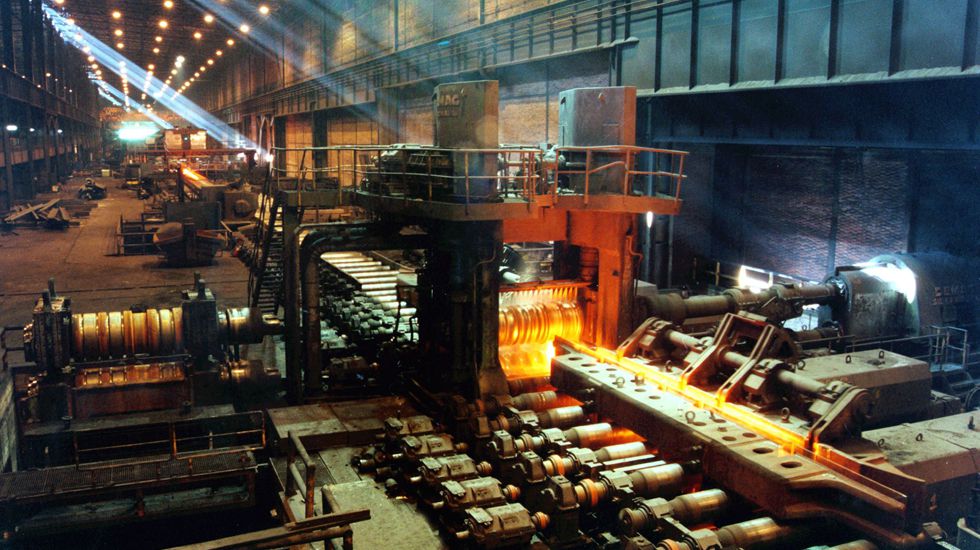
US raw steel capability utilization moved higher last week, rising to 74.6% from 72.3% the previous week, the American Iron and Steel Institute reported on Jan. 4.
The raw steel capability utilization rate has not surpassed 74% since the week ended Mar. 21, 2020, when the utilization rate stood at 79.4%.
Production increased by 3.1% to 1.65 million st during the week ending Jan. 2, up from 1.6 million st the previous week, according to the data.
Last week’s production was still down 10.4% compared to the same week a year earlier, when capability utilization was at 80.1% and production totaled 1.841 million st.
Last week’s production totaled 159,000 st in the Northeast; 591,000 st in the Great Lakes region; 182,000 st in the Midwest; 643,000 st in the Southern district and 75,000 st in the Western region.
The tonnage data is estimated, compiled from weekly production data provided by 50% of domestic producers combined with monthly production data for the remainder.
— Ingrid Lexova

EU quotas apply to Britain-Northern Ireland trade
UK authorities continue talks with the European Commission to increase steel quotas for direct movements of steel from Great Britain to Northern Ireland. In the meantime, any steel moving in this direction will be subject to EU steel quotas.
Steel moving from Great Britain to Northern Ireland does not incur any tariffs if it meets certain conditions. These are that it is produced in the UK and meets the relevant rules of origin, it is subject to one of the EU’s product specific quotas, and the EU’s quota for the specific good has not been filled.
In a letter to steel industry representatives, the UK Customs authority has advised businesses to check there is an EU quota still available on the goods they wish to move before moving them.
“If you wish to utilise this interim solution you should notify BEIS [the Department for Business, Energy and Industrial Strategy] within 24 hours of each movement of goods that you want to claim the quota on,” says HM Revenue & Customs says.
“This is an interim solution, and we will provide further information in early 2021,” the authority concludes.
The European Commission recalculated the volume of Tariff Rate Quotas (TRQs) as part of its steel safeguard measures effective 1 January 2021 to consider the UK a third country following Brexit (see Kallanish passim). As an example, Russia and Turkey have tariff quotas for hot rolled sheets in the first quarter of 395,909 tonnes and 313,792t respectively. The UK has a 114,460t quota.

Traders concerned over UK steel quotas

UK steel traders and importers face increasing uncertainty over the state of January-March safeguard quotas, now in force following Brexit, as the system failed to update yesterday.
The UK system did not update because of “technical issues”, so quota claims will be accepted even though certain product quotas could already be exhausted. Once a quota claim has been made, the goods are in “free circulation” and cannot be put into storage or a bonded warehouse to avoid duties becoming payable.
Participants will be paying particular attention to rebar, hollow sections and hot-dip galvanised coil, which typically have been the quickest to exhaust under the European steel safeguard. Trading firms suggest hollow sections could exhaust quickly, although not to the extent that they have in Europe. The European quota system did update yesterday, showing more than 106,000t of Turkish hollow sections were awaiting allocation, already surpassing the duty-free quota of 66,577t for the January-March period.
Russian rebar was also close to its limit, with more than 48,000t awaiting allocation out of a total quota of 56,951t.
By Colin Richardson

Russian, Ukrainian steel companies remain resilient: Fitch
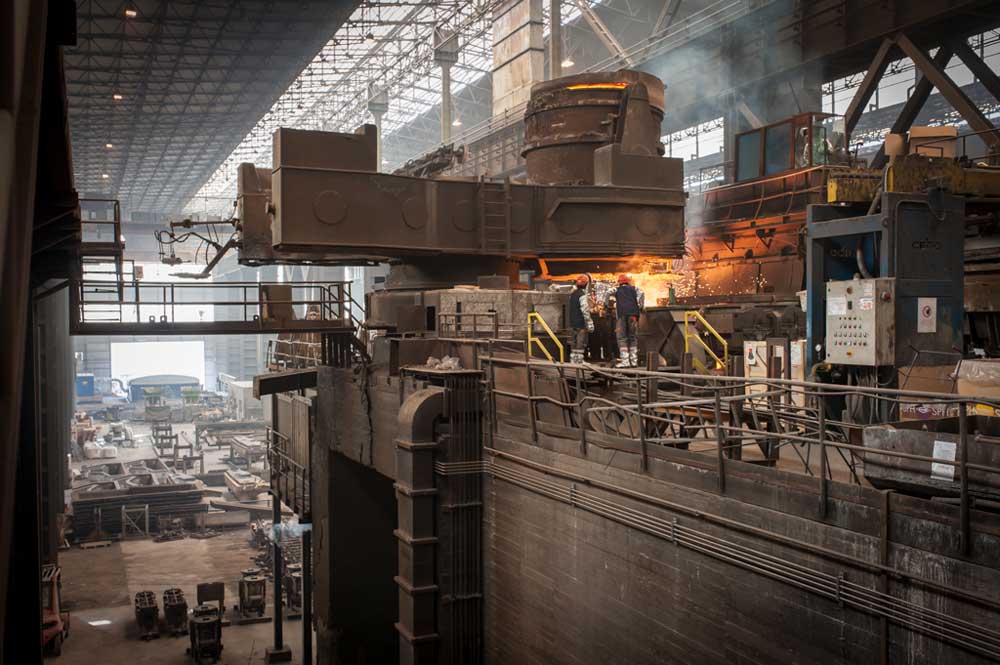
The Covid-19 pandemic has demonstrated that a company’s cost position is among the key factors for through-the-cycle competitiveness, with Russian steelmakers in a strong position, Fitch Ratings says.
“Leading cost positions of Russian steel producers has allowed them to sustain sales volumes and reasonable cash flow generation during lockdowns by enabling them to redistribute sales to exports, despite a drop in demand and prices,” the agency comments in a report seen by Kallanish.
Steel producers in Ukraine have higher costs than those in Russia but are competitive on export markets and benefit from their proximity to seaports, it adds.
Russian and Ukrainian steel companies rated by Fitch entered 2020 with comfortable financial metrics, leverage among the lowest compared to global peers, and high margins due to integration in raw materials. The companies also revised their capital expenditure and dividend pay-outs at the outbreak of the pandemic.
“We therefore expect only a short-term spike in leverage, returning to a comfortable level in 2021,” Fitch says. “We anticipate that earnings will remain below pre-pandemic levels as it will take longer for steel demand to recover despite the current upswing driven by low inventories and strong demand in China.”
Russian and Ukrainian companies generally score relatively low on diversification and share of high-value-added products because more than half of the production mix consists of commoditised types of steel, with the exception of dedicated pipe producers, the agency observes.
Fitch foresees, as steel markets remain structurally oversupplied and face weak demand growth, protectionist measures could intensify and affect exports of Russian producers and more export-oriented Ukrainian mills.
“A medium-term risk for steel exporters is the EU’s introduction of a carbon border tariff, which will affect most regional steel producers as they use carbon-intensive steelmaking and lack the emission-reduction plans of their European peers,” it concludes.
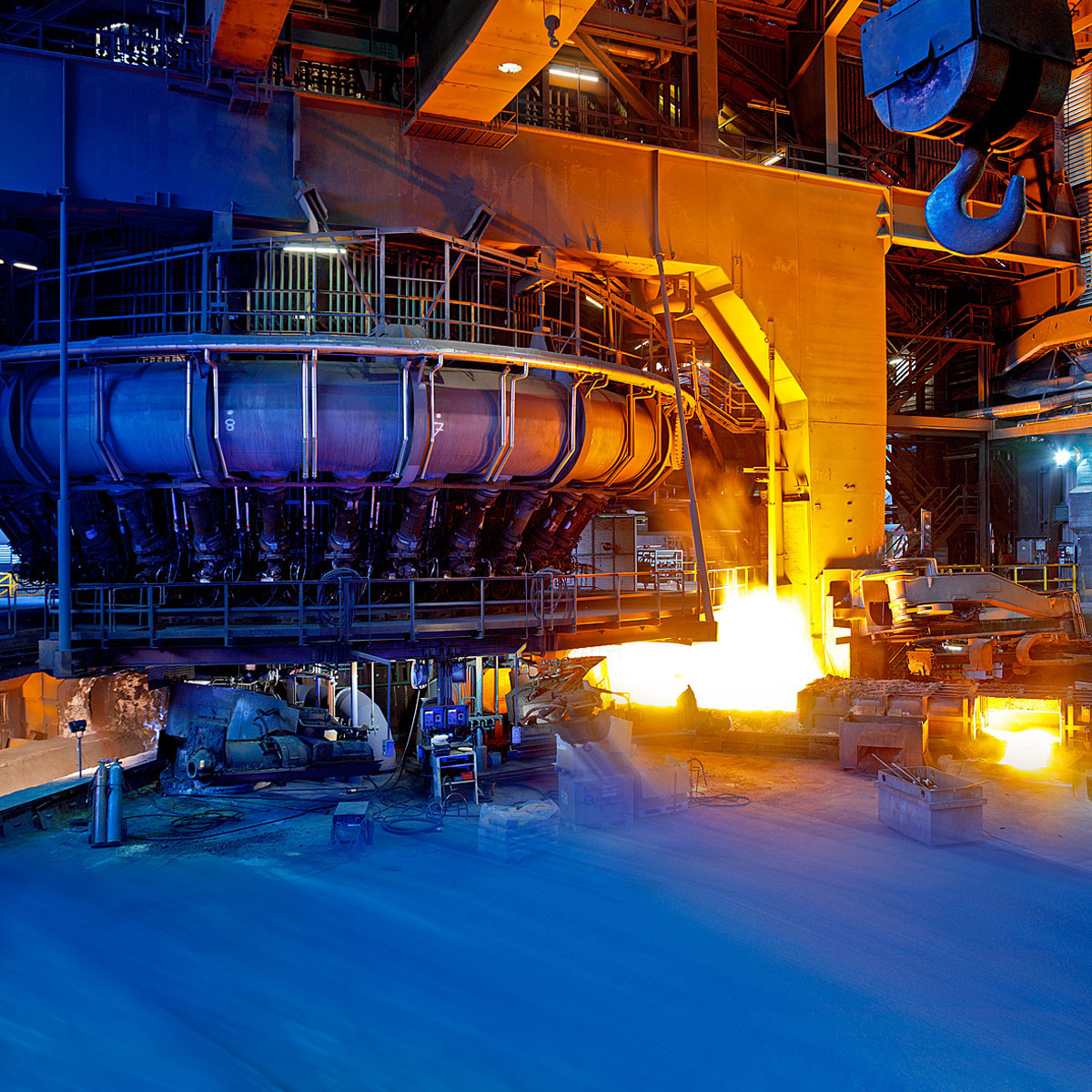
Asia metallurgical coal prices edge higher
Asia-Pacific metallurgical coal prices to China moved slightly higher on firm expectations while the FOB market continued to see active trading for competitively priced premium coals.
S&P Global Platts assessed Premium Low-Vol HCC up $1/mt on week at $102.50/mt FOB Australia Dec. 31, while delivered prices to China were up $1/mt to $202.00/mt CFR China.
In China, trading activity was thin but near-term expectation was firm on limited availabilities of spot tonnages from non-Australian suppliers. Market participants said that tight supply of domestic and Mongolian coals as well as restocking demand might keep prices supported.
In the coke segment, Chinese domestic steelmakers accepted an 11th round of price increases by Yuan 100/mt, sources said, bringing the total increase to Yuan 600/mt. Market participants said that the upward momentum was expected to continue in Q1 2021.
High steel production rates are expected to leads to firm demand for coke, while production cuts cause supply shortages. This imbalance in demand-supply dynamics has supported a surge in coke prices, and the tightness will only ease when new capacity is implemented and able to run at high rates, an industry source said.
In the ex-China market, buying interest was seen for competitively priced premium coking coal materials. However, prices were still hovering around $100/mt FOB Australia as market fundamentals remained largely unchanged, market sources said.