

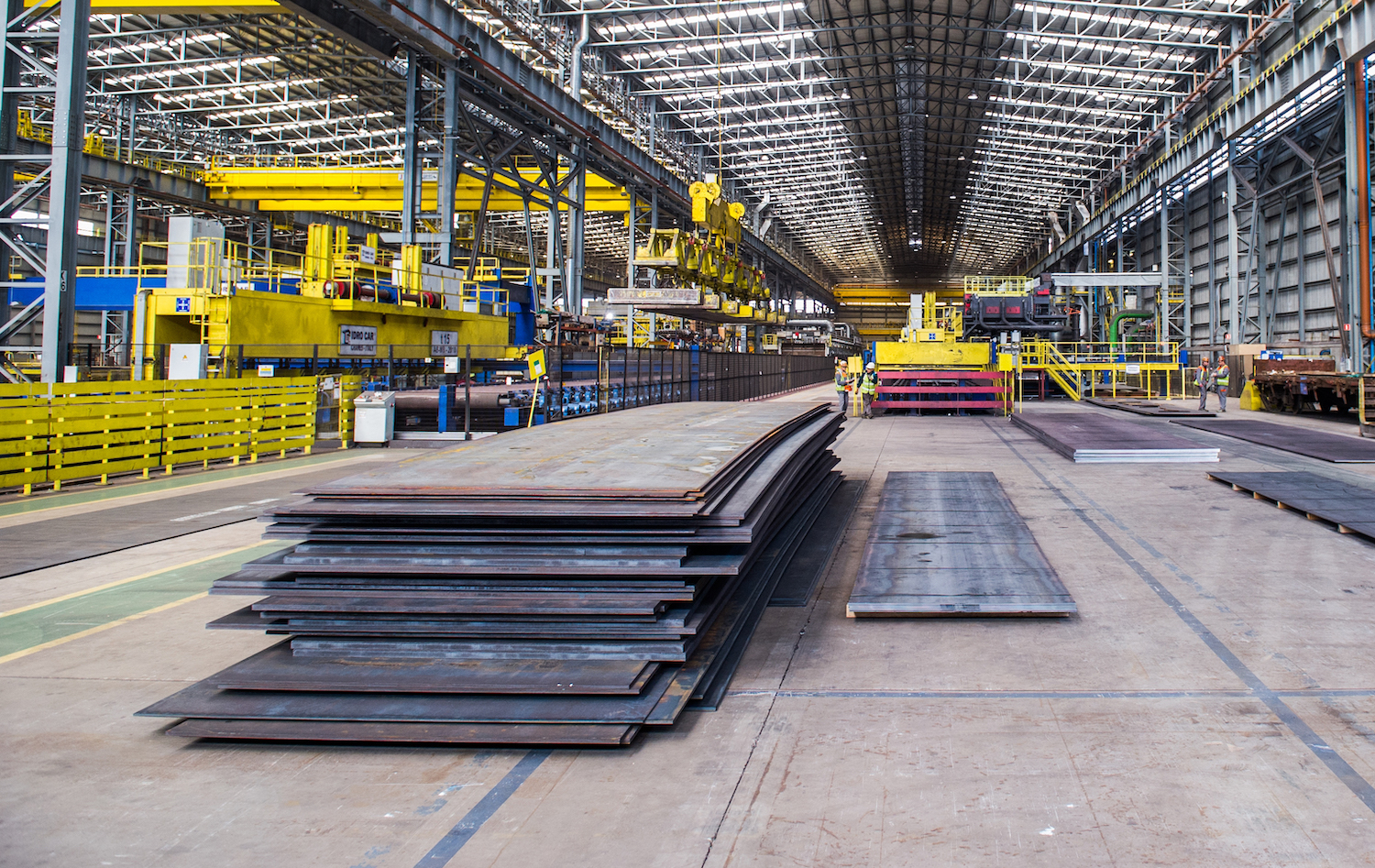
Plate maker Dillinger France receives Eur1.8 million green steel subsidy

Plate producer Dillinger France has received Eur1.8 million in state subsidy by the French government to drive up green steel production, German parent company Dillinger said Jan. 14.
The funding will be used to increase the furnace performance by 11% and save 12 GWh of natural gas annually, said Dillinger. This corresponds to a reduction of CO2 emissions by 2,300 mt/year, or 2.7% of the overall emissions produced at the site. The overall costs of the project are Eur10 million said the company.
The pusher furnace no. 2 which is currently undergoing the modernization is scheduled for startup in July 2021. The upgrade will also include increasing slab steel heating capacity for the rolling of heavy plates.
Dillinger wants to save CO2 emissions by installing new “high-performance” burners, a heat recovery system for the waste heat inherent in the flue gas, the limitation of thermal losses, and the utilization of new IT-based furnace operation management models.
The project at Dillinger France is part of the group’s Green Steel initiative, which included the start of injecting hydrogen-rich coke gas in its blast furnaces following an Eur14 million investment in August 2020.
The group has already realized a reduction in energy consumption by about 6% as well as CO2 emissions by 5% during the past seven years, according to the company.
All major steelmakers across Europe are currently investing in green steelmaking projects in an effort to meet carbon reduction targets of 55% by 2030 proposed by the European Commission.
— Laura Varriale

UK steel trade body seeking duty-free trade to Northern Ireland
UK steel trade association ISTA urged the UK government to not impose an automatic 25% duty on steel imports into Northern Ireland from non-GB and non-EU sources, an ISTA letter to Cabinet Minister Michael Gove said.
In the letter sent Jan. 14, ISTA said they were concerned to learn that a duty would apply automatically, regardless of quota import levels.
“Such an arrangement is grossly unfair and puts suppliers at a 25% disadvantage to EU competitors. Furthermore, it runs contrary to the concept of the ‘level playing field’ laid down in the Trade Agreement,” said the ISTA letter.
“The government should put in place arrangements to waive or reimburse tariffs, or to compensate businesses affected by the tariffs to provide, as you stated, ‘an automatic guarantee that businesses will not pay those tariffs for the steel that they need.’”
Minister Gove said in UK parliament Jan. 13 that steel tariffs would provisionally apply only to steel from the rest of the world, not to steel from Britain or the EU entering Northern Ireland.
“We are looking at ways in which we can provide, through either the quotas or appropriate rebates, an automatic guarantee that businesses will not pay those tariffs for the steel that they need,” Gove said.
Trade uncertainty since Jan. 1
UK traders were not impressed by the uncertainty that has unfolded since the end of the transition period between the EU and UK on Jan. 1 this year. From the beginning of the year, the UK has set up its own steel import quota levels, similar to the system the EC has in place. EU-UK steel trade also involves quotas now but the case for Northern Ireland is more complex as Northern Ireland remains part of the EU Customs Union.
“It’s a wait-and-see on the Northern Ireland. ISTA and various other routes are pushing for imports to be free from duty,” said an England-based source.
Another GB-based source said they were urgently waiting for clarification as they are due to deliver material to Northern Ireland.
Northern Ireland is home to steel-using companies such as bus maker Wrightbus and shipyard Harland & Wolff.
— Laura Varriale
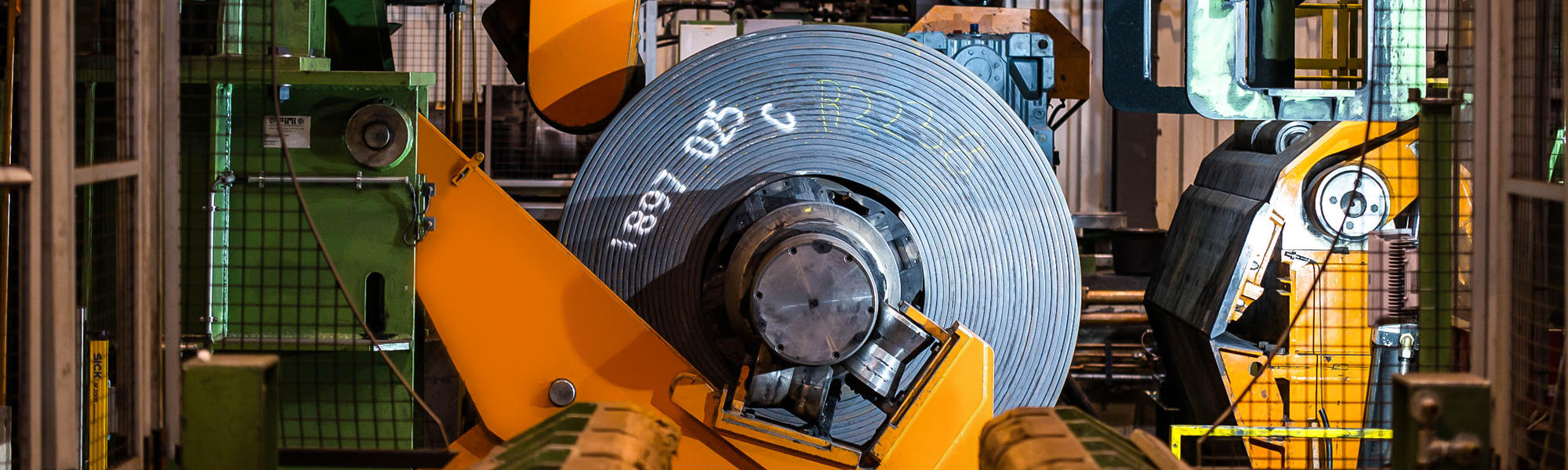
European coil price rally continues on 13-year high
European coils prices remained elevated at 13-year highs as further price hikes are anticipated, sources told S&P Global Platts Jan. 14.
One Benelux buyer said due to delivery delays at European mills caused by supply shortage, he had started to search for material at steel service centers, hoping for a quicker delivery.
“But also, SSC said they don’t have material for Q1 and Q2 as they suffer from the same problem that mills are late with orders to them,” the buyer said.
An Italian reroller said that delivery times would be 16 weeks now, unlike the usual six weeks.
“There is no material in the market, in our business this is a new situation,” said the reroller.
With import prices on par with European domestic prices and European lead times as long as import shipping times, Europe is finding itself in a – albeit temporary – situation where material is hard to come by.
Another Benelux stockholder believed that more material will come on the market before the end of Q1 which could stabilize the continuing price rally.
For now, however, the stockholder said he heard ArcelorMittal will be upping offers by Eur20/mt from its current Eur730/mt offer across Europe soon.
Sources put the spot market value at Eur700/mt EXW Ruhr for HRC, with quarterly contracts discussed at Eur730/mt EXW Ruhr.
The daily Platts HRC assessment for Northern Europe remained stable Jan. 14 at Eur700/mt EXW Ruhr. The Southern European assessment moved up Eur5/mt on day to Eur705/mt EXW Italy, with a deal heard at Eur730/mt base delivered.
The cold-rolled market, which is seeing an even tighter supply shortage than HRC was reported at Eur800/mt EXW Ruhr, with a deal heard at Eur820/mt delivered.
— Laura Varriale

EU files WTO panel request against illegal export restrictions by Indonesia on raw materials for stainless steel
EU has requested the establishment of a panel at the World Trade Organization (WTO) to seek the elimination of unlawful export restrictions imposed by Indonesia on raw materials necessary for the production of stainless steel, notably nickel ore and iron ore. The measures the EU is challenging concern an export ban on nickel ore and domestic processing requirements on nickel ore and iron ore. These measures illegally restrict access for EU steel producers to raw materials needed for stainless steel production.
Executive Vice-President and Commissioner for Trade Valdis Dombrovskis, said: “Following repeated attempts to resolve this issue directly with Indonesia, the EU is now forced to take action and refer this issue to the WTO. We will always act to protect the rights of our economic operators and safeguard the level playing field for EU producers. The fact is that no WTO member is permitted to restrict exports of raw materials in this way, imposing illegal restrictions to favour domestic producers. We will take the necessary measures to restore fair conditions for the EU steel industry, as is our right, and as we have undertaken to do as part of our implementation and enforcement agenda. These are very challenging times for the EU steel sector, which is faced with global overcapacity, illegal subsidisation and other trade-restrictive measures, as well as the COVID-19 economic crisis. We will take every possible action to support our steel operators in this difficult environment.”
While the EU industry has reached its lowest level of stainless steel production in 10 years, Indonesia is set to become the second largest producer in the world after China, fuelled by unfair and illegal advantages like the ones challenged in this dispute.
In its panel request, the EU is challenging Indonesia’s long-standing and varying restrictions of nickel ore exports. Since January 2020, Indonesia has introduced a full ban on exports of nickel ore, reserving it for Indonesian stainless steel production.
Indonesia also applies domestic processing requirements on nickel ore and iron ore, which oblige businesses to subject their raw materials to certain processing or purification operations in Indonesia prior to exporting them. This further unduly restricts exports of unprocessed raw materials.
These measures are clearly inconsistent with the prohibition of export restrictions in Article XI:1 of the General Agreement on Tariffs and Trade (GATT) 1994.
Next steps
The EU will at the next meeting of the WTO Dispute Settlement Body on 25 January 2021 request the establishment of a panel to rule on the legality of the Indonesian measures at hand.
Following the establishment of the panel, the EU will proceed to request the composition of the panel. Once the panel has been composed, the panel will present a timetable for the case.
Background
The EU has raised this issue with the Indonesian authorities repeatedly and over a long period of time, without success. The current panel request comes after consultations were held with the Indonesian government on 30 January 2020, which failed to resolve the matter. The EU is determined to bring to the relevant dispute settlement bodies other countries’ policies that, by circumventing trade rules, have unfair negative effect on EU businesses.
The EU stainless steel industry turnover reaches around €20 billion and secures €420 million a year in investments. In total, 30,000 direct jobs and combined more than 200,000 direct, indirect and induced jobs depend on the stainless steel industry in Europe. The four major stainless steel flat producers in the EU recently announced plans for more than 1,000 permanent job cuts by the end of 2021.
About the EU’s trade enforcement strategy
Ensuring that our trading partners respect their commitments in international or bilateral agreements is a key priority of the von der Leyen Commission. Since the start of this Commission, several steps have been taken to strengthen and target EU implementation and enforcement efforts.
This includes:
- the appointment of a Chief Trade Enforcement Officer;
- the creation of a new Directorate in DG Trade for enforcement, market access and SMEs;
- the establishment under Access2Markets of a single entry point for complaints from EU stakeholders and businesses on trade barriers on foreign markets and violations of sustainable trade commitments in EU trade agreements;
- the strengthening of the EU’s Enforcement regulation to empower the EU to protect its trade interests when necessary; and
- developing a legislative proposal on an anti-coercion instrument by the end of 2021.
For more information
EU request for WTO panel establishment
EU demand pulls Turkish coated coil exports above 1.5 million mt
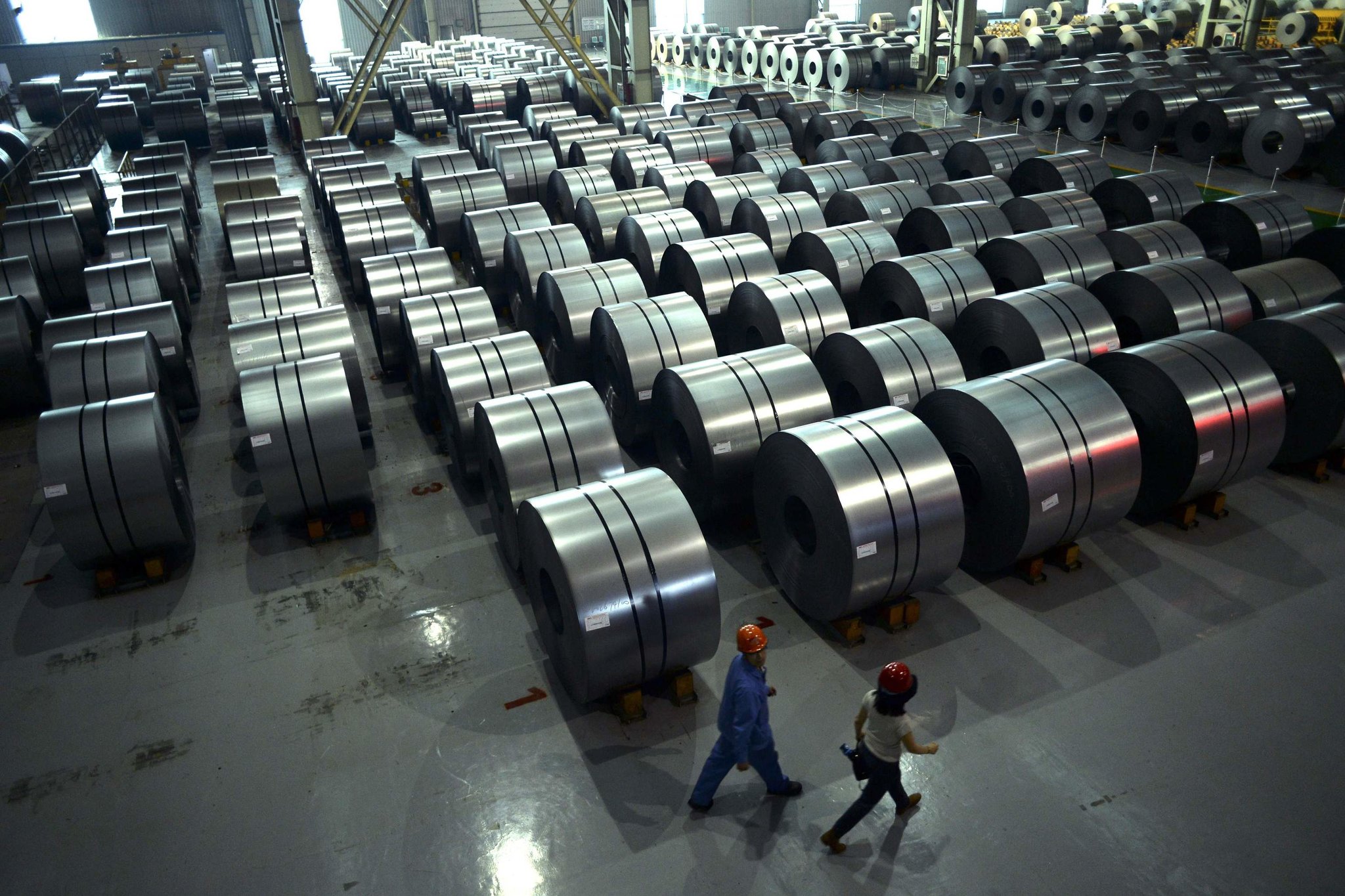
High demand from the EU region, especially from Spain and Belgium, notably pulled up Turkish mills’ coated coil exports in the first eleven months of the year.
Turkish mills exported 1.54 million mt of coated coil in widths of 600 mm and above in January-November, up 19% on year, according to the latest Turkish Statistical Institute (TUIK) data observed by S&P Global Platts.
Spain became Turkey’s main buyer in the eleven-month period, importing 316,200 mt, 37% higher on year, while Turkish mills’ coated coil exports to Belgium reached 195,000 mt in that period, significantly higher than the 45,500 mt imported in the same period the previous year.
Israel imported 125,200 mt of coated coil from Turkey in January-November, around double year on year, while exports to Iraq reached 108,500 mt, up 35% on year.
Turkish mills’ other big coated coil export destinations in that period were: Italy (95,600 mt), Greece (92,800 mt), Ukraine (75,900 mt), Romania (65,500 mt), Portugal (60,000 mt) and Egypt (59,900 mt), the latest data showed.
After rising above $1,000/mt ex-works as of the last weeks of 2020, representing a $300/mt rise since mid-October, due to strong demand from EU and higher HRC costs, Turkish mills’ hot-dip galvanized coil offer prices have begun to show some softening in recent days on slowed demand in the domestic and export markets.
The direction of the prices will be determined by demand from Turkey’s traditionally main export market, the EU region, in the coming weeks, sources observed.
— Cenk Can

NLMK ramps up HRC production, focuses on upgrades
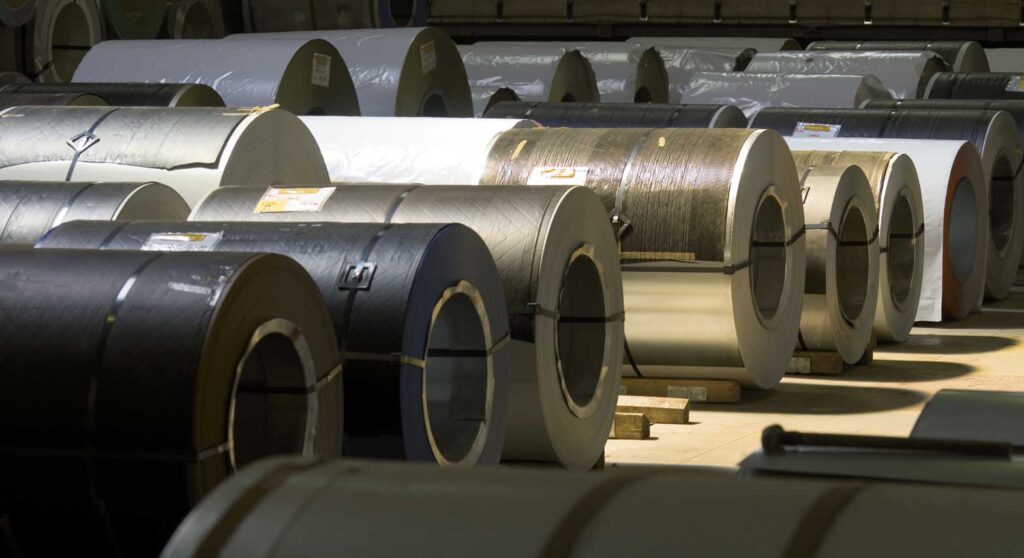
NLMK increased output of hot rolled coil last year, the company says. Volume amounted to more than 6.51 million tonnes, up by 6.2% on-year, Kallanish notes.
This is the maximum production volume over the past 30 years, which is close to the all-time historical record posted in 1989 of 6.55mt, the enterprise claims.
“NLMK plans to expand production of new grades of high-strength steel and improve product quality,” it says. “We will achieve these new goals with reconstruction of the equipment of heating furnaces, main drives of stands and conveyor line of the mill, as well as installation of new systems of ultra-fast strip cooling and technological lubrication.”
NLMK previously said that global business activity began to recover gradually in the third quarter of 2020, driving an uptick in demand for steel in traditional sales markets and an increase in steel prices (see Kallanish passim). The company’s strategy is to ramp up iron ore output and continue with development projects in 2021.
Consolidated crude steel output in Q3 totalled 3.9 million tonnes, up 3% on-year and flat on-quarter, and sales grew 11% on-year to 4.4mt. Nine-month-through-September output of crude steel remained flat at 11.9mt, but sales grew 3% on-year to 13.3mt.
EU traders: Indian-origin HRC offers remain most competitive
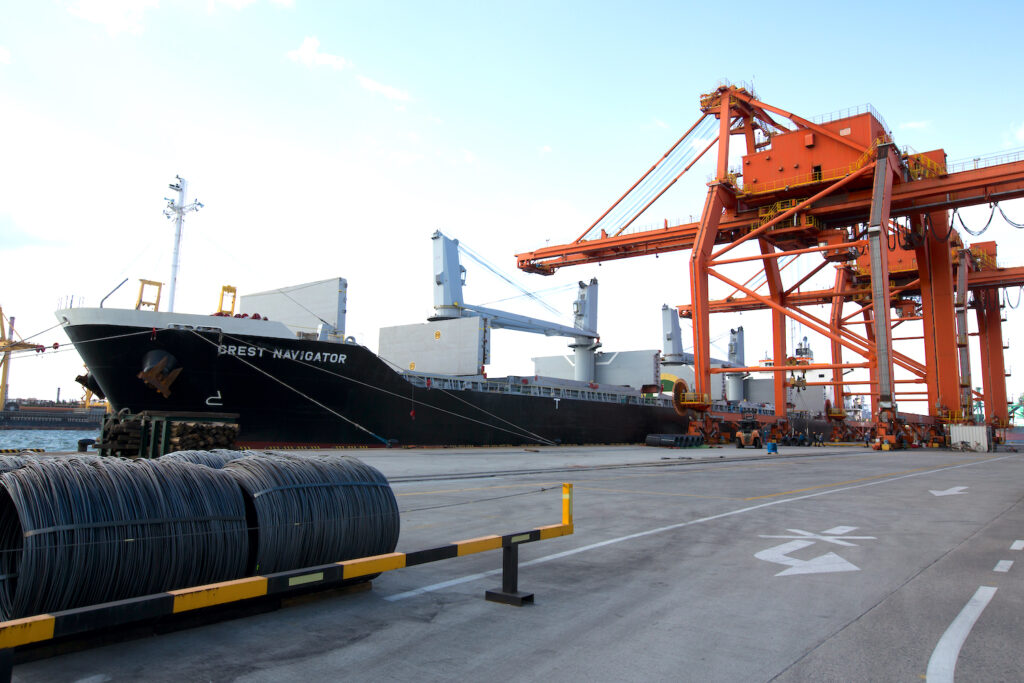
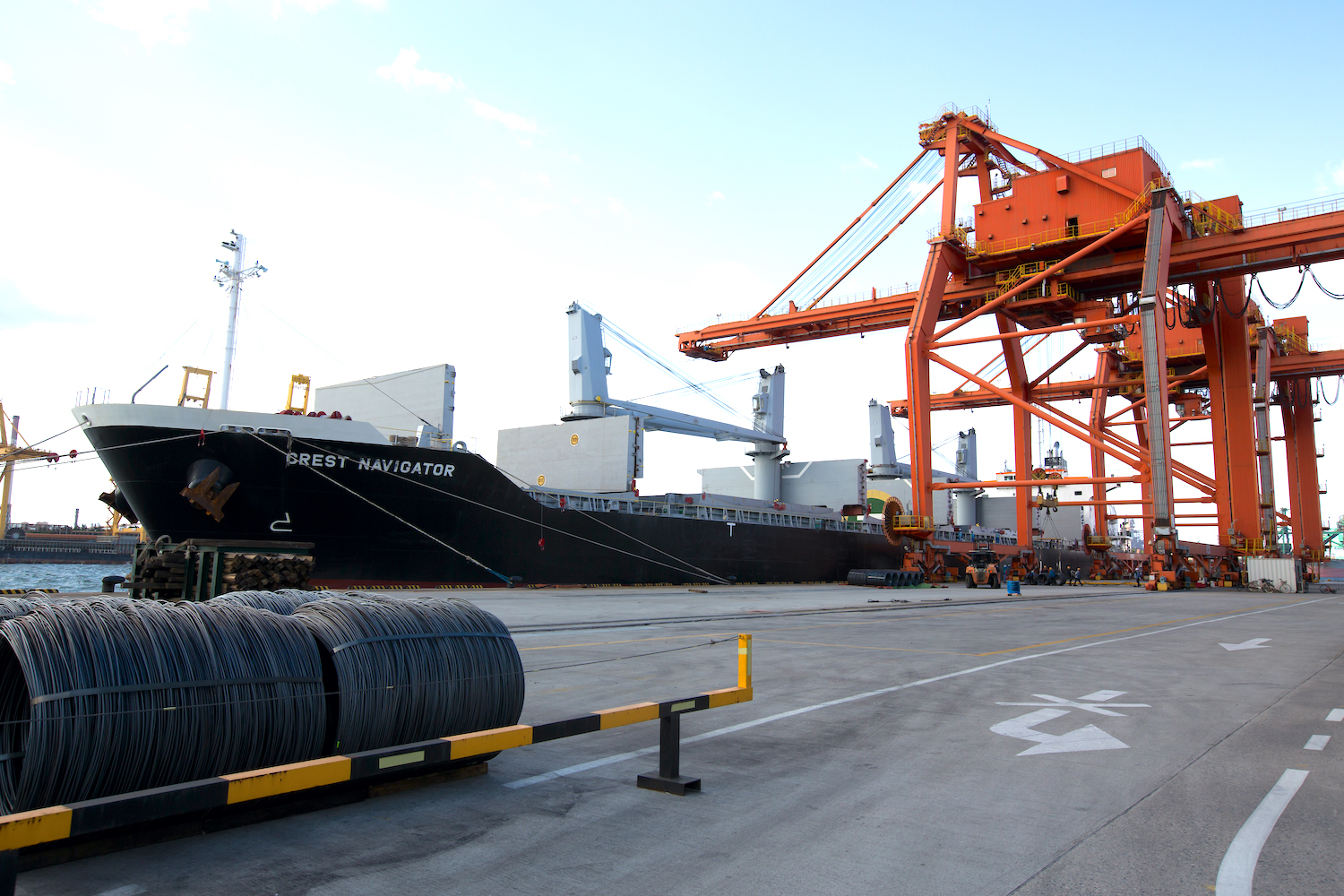
European traders have confirmed this week that Indian mills remain the most competitive for hot rolled coil import offers into the EU.
Since the beginning of the new year, major Indian mills have been sending offers to Europe at €695/tonne ($845) cfr southern Europe. The price is reasonably in line with domestic offers, though the appetite for imported material remains small, Kallanish notes.
Turkish suppliers have left the market after provisional anti-dumping measures were imposed. Earlier in December competitive offers from Korea and Egypt were heard, but these are not available now.
Rumours have also been circulating of competitive Chinese offers returning after the slight price correction seen since end-December; nevertheless, traders remain sceptical. “We are monitoring the Chinese situation, because prices moved down a little there just before Christmas,” a trader says. “Having said that, Chinese mills remain not interested in the European market and the existing duties of 18.1% and above make most offers uncompetitive.”


Siegerland service centre gets new leveller from Georg

Service centre EMW Stahl Service has commissioned a new high-performance leveller at its site in Neunkirchen, North Rhine Westphalia, Germany.
The new machine was supplied by Heinrich Georg Maschinenfabrik (Georg) and replaces a machine that could process strip of 300 N/mm2 yield strength at the maximum.
The main target of the project was to broaden the supply range of coils to include strips with yield strengths between 600 and 1,000 N/mm2 and thicknesses between 1.0 and 1.5mm, Georg informs Kallanish.
The new machine is equipped with 19 levelling roller sets of six-high configuration. All levelling rollers have a diameter of 50mm. The machine is suitable to process strips with surfaces as challenging as electro-galvanized steel sheet and grades for car body shells, for example.
EMW processes hot-rolled coil – pickled or galvanized – and cold rolled coil with inorganic or organic coatings.
Tenaris to invest in hydrogen steelmaking in Italy
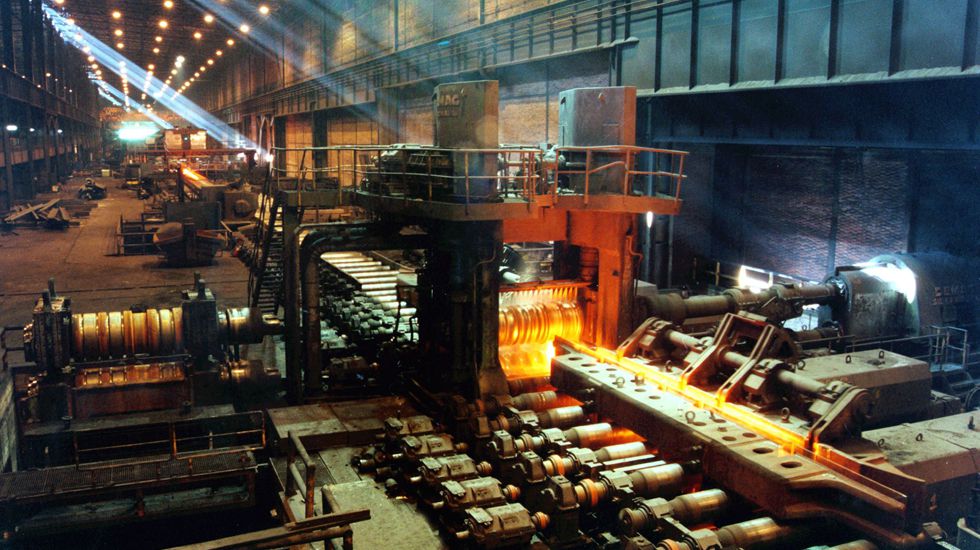
Tubemaker Tenaris has signed an agreement with Italian energy suppliers Edison and Snam for a project aimed at using hydrogen in some steelmaking operations at the Tenaris Dalmine seamless tube plant in Italy.
The project will focus on studying the supply of hydrogen to the plant and adapting the mill to use the gas in the steelmaking process. Dalmine is an electric arc furnace-based steelmaker, and the use of hydrogen could further lower CO2 emissions from the site, Kallanish notes.
The agreement is part of the Dalmine Zero Emissions project launched by Tenaris for its Italian unit, putting the mill at the forefront of sustainability in the steel sector.
After initial tests, further applications of hydrogen beyond steelmaking will be evaluated at the mill.
Duferdofin changes name to Duferco Travi e Profilati

Italian sections producer Duferdofin, part of Duferco, has been renamed to Duferco Travi e Profilati after the exit of former US partner Nucor, Kallanish learns from a company statement.
The extraordinary general meeting gathered at the company’s steelworks in San Zeno Naviglio has appointed Franco Monteferrario and Augusto Mario Gozzi as Duferco Travi e Profilati president and chief executive respectively.
In December Duferco and Nucor signed the financial closing that ended their partnership in joint venture Duferdofin, owner of the San Zeno beam mill in northern Italy.
The Covid-19 pandemic and consequent cut in Nucor’s overall investment budget was at odds with Duferco’s intention to proceed with the already deliberated and approved €180 million ($218m) investment in San Zeno. The plant has a 1 million tonnes/year production capacity, Kallanihs notes. Nucor left its Italian joint venture with Duferco 12 years after its creation.