


UK, Turkey set to sign trade accord embracing steel, automotive sectors
The UK is set to sign a trade agreement with Turkey Dec. 29 aimed at ensuring the tariff-free flow of goods and protecting vital UK-Turkey supply chains in the automotive, manufacturing and steel industries, sources close to the UK Department for International Trade told S&P Global Platts Dec. 28.
The agreement will be “significant” for both countries and will secure preferential tariffs for the 7,600 UK businesses that exported goods to Turkey in 2019, the UK government sources said.
“The deal we expect to sign this week locks in tariff-free trading arrangements and will help support our trading relationship, worth £18.6 billion last year,” Liz Truss, the UK’s International Trade Secretary, said in a statement. ”It will provide certainty for thousands of jobs across the UK in the manufacturing, automotive and steel industries. We now look forward to working with Turkey towards an ambitious tailor-made UK-Turkey trade agreement in the near future, as we aim to open new global markets.”
Turkish steel sources told Platts they hoped the accord would correct Turkey’s steel trade deficit with the UK. International steel trade sources Dec. 28 questioned what stance the UK would now take to the European Union’s provisional antidumping duties to be imposed next month on imports into the EU of hot-rolled coils from Turkey, given that the UK on Sept. 30 introduced its own steel-import safeguards system, based on the methodology of the EU system, ahead of the end of its transition period to exit the EU on Dec. 31.
DIT said the new UK-Turkey deal is the fifth biggest deal it has negotiated – after deals with Japan, Canada, Switzerland and Norway.
The signing of the accord is subject to European Union approval on Turkey’s side, which is expected to be a formality, the UK sources added. This will be the first new trade accord to be signed by the UK since it reached a trade agreement with the EU on Dec. 24, days before the end of its Brexit transition period.
Preparations for the signing of a free trade agreement between the UK and Turkey were at a final stage, the Turkish Foreign Ministry said Dec. 25.
Turkey seeks to correct steel trade deficit
Veysel Yayan, general secretary of the Turkish Steel Producers’ Association, said Dec. 28 the association “hopes that the trade deal will remove the imbalances in steel trade between the two countries, as Turkey faced trade deficit in steel trade with the UK in the six of the last 10 years.”
The UK is Turkey’s second largest trading partner following Germany in general terms. This week’s trade deal is expected to improve trade relations between the countries by removing the uncertainties after Brexit, Turkish steel industry sources said.
Turkish mills imported 122,100 mt of hot-rolled coil from the UK in the first 10 months of 2020, up 12% on year, while Turkish mills’ HRC exports to the UK fell by as much as 87% on year to just 7,000 mt, Turkish Statistical Institute data showed.
Turkish mills’ coated coil exports to the UK also fell significantly in the same period: by 78% on year to 22,300 mt, while mills’ pipe exports to the UK fell sharply by 40% on year in that period to 97,300 mt.
Turkish mills’ rebar exports to the UK totaled 13,300 mt in January-October 2020, sharply down from the 83,400 mt exported in the same period of the previous year, the data showed.
The UK is one of Turkey’s largest scrap suppliers. Turkish mills imported 1.85 million mt of UK scrap to Turkey in the first 10 months of 2020, up 4% on year.
— Diana Kinch and Cenk Can


Stahlmarkt am Jahresende 2020: Wie Phoenix aus der Asche

Das hat niemand kommen sehen: Am Ende eines Stahljahres, das lange unter dem Vorzeichen einer großen Krise stand, zeigen die Märkte eine fulminante Aufwärtsbewegung. Stahl- und Rohstoffpreise haben inzwischen nicht nur das Vor-Corona-Niveau übertroffen, sondern langjährige oder sogar historische Höchststände erreicht. Dies gilt nicht nur für Deutschland, sondern weltweit. Stahl ist derzeit ein knappes Gut und die Preise steigern sich in einen regelrechten Rausch. Woran liegt das? Und: kann das gutgehen?
Stahlmarkt im Dezember 2020: Erinnerungen an 2008
Selbst „alte Hasen“ des Stahlmarktes haben eine solche Entwicklung nur ganz selten erlebt: seit der zweiten Novemberhälfte sind weltweit heftige Preissprünge zu verzeichnen. Spotmarktpreise steigen tagesweise, heute noch gültige Angebote können morgen schon ohne Wert sein. Nicht der Preis ist in vielen Fällen das Thema, sondern die Versorgung. Während zunächst vor allem Flachstahl betroffen war, sind aktuell auch bei vielen Langprodukten und Halbzeugen deftige Preissprünge zu beobachten.
Eine Auswahl von Meldungen zeigen die Dramatik: In der EU sind die Spotmarktpreise für das Referenzprodukt Warmbreitband seit Juni um ca. 200,- €/t oder 50% gestiegen. In den USA äußern Marktteilnehmer ernsthaft die Sorge, dass ein Mangel an Stahl demnächst zu Produktionsstillständen bei Verarbeitern führen könnten. Die Preise für feuerverzinkte Bleche sind dort seit August um fast 500,- $/t gestiegen. Indien meldet bei den Warmbandpreisen das höchste jemals erreichte Niveau, in China ist der höchste Stand seit neun Jahren erreicht. Die Preise für Eisenerz liegen bei ca. 160,- $/t auf einem historischen Höchststand. Am türkischen Importmarkt haben die Schrottpreise bei über 400,- $/t den höchsten Stand seit acht Jahren erreicht. Die Liste ließe sich beliebig verlängern. Marktkenner kommen zu dem Schluss: so etwas hat man eigentlich nur im Stahlboom 2007/2008 erlebt.
Der Treiber: Übertroffene Erwartungen
Es ist ziemlich eindeutig, dass nicht die Rohstoffpreise die Stahlpreise treiben. Umgekehrt ziehen hohe Stahlpreise die Rohstoffe nach oben, tatkräftig unterstützt durch eine von den Zentralbanken ausgeschüttete Liquiditätsflut und spekulative Investoren.
Kern der Entwicklung ist, dass die im Sommer vorherrschende Erwartung einer nur zögerlichen Erholung der Industrie und des Welthandels von der tatsächlichen Entwicklung überholt worden ist. Dies zeigt sich vor allem in der Automobilindustrie, die mehr als andere Industriezweige von der schnellen Erholung in China profitiert. Nach rasanten Wachstumsraten in den vergangenen Monaten wird der dortige Markt wahrscheinlich auf Jahressicht nur minimal schrumpfen.

Hierzulande hat nach den Daten des statistischen Bundesamtes die Produktion von Teilen und Zubehör im Oktober 2020 das hohe Niveau von Anfang 2019 übertroffen. Die große Lücke zur Inlandsproduktion von Kraftwagen (siehe Grafik) spricht dafür, dass ein erheblicher Teil dieses Anstieges auf Zulieferungen für ausländische Standorte entfällt. Die Ausfuhr von Kraftwagen und Zulieferteilen hat im Oktober den höchsten Wert des Jahres erreicht und das Niveau vom Oktober 2019 nur knapp verfehlt.
Die unerwartet schnelle Erholung hat mit Blick auf die Stahlnachfrage zwei Effekte: Es wird in kurzer Zeit wieder viel mehr Material benötigt. Und bessere Produktionserwartungen lassen den Wunsch nach wieder höheren Lagerbeständen aufkommen, nachdem diese noch zur Jahresmitte weitgehend geräumt worden waren. Der Trend zu Bestandsaufstockungen wird durch schnell steigende Preise und Versorgungsprobleme noch verstärkt. Im Ergebnis haben die Auftragseingänge der deutschen Stahlhersteller zuletzt das starke Niveau vom Jahresanfang 2018 erreicht.

Klar ist aber auch: In nicht allen Stahlabnehmerbereichen ist der Aufschwung so stark. Die Stahlrohrproduktion lag im Oktober noch um 18% unter dem Vorjahresmonat, im Maschinenbau betrug das Minus 10%. Und alle großen Abnehmerbereiche mit Ausnahme der Bauwirtschaft werden im Gesamtjahr ein kräftiges Produktionsminus zwischen 10 und 25% einfahren. Es kommt nicht so schlimm wie ursprünglich erwartet, aber die Produktion der Stahlverarbeiter ist – mit der Ausnahme China – insgesamt weit von einem Boom entfernt, der die aktuellen Preissprünge rechtfertigen würde. Die aktuelle Enge des Marktes ist durch die so nicht erwartete Dynamik der Nachfrage in Verbindung mit einer im Vergleich nur träge anziehenden Stahlerzeugung entstanden.
Aus vielfältigen Gründen steigt vor allem die hochofenbasierte Erzeugung nur in Trippelschritten. Viele zuvor stillgelegte Hochöfen gehen nur zögerlich wieder in Betrieb. Nur in China wurde die kleine Corona-Delle vom Jahresanfang schnell wieder ausgebügelt. Schon seit Mai liegt dort die Erzeugung auf konstant hohem Niveau. In Deutschland wie auch im Rest der Welt hat sich die Produktionskurve erst im Oktober wieder dem Vor-Corona-Niveau genähert (siehe Grafik). Daraus ist die Knappheit entstanden, die jetzt die Preise treibt.
Viele Fragen, nur Bauchgefühl als Antwort
Kein Experte hat die jetzt am Stahlmarkt entstandene Lage kommen sehen, auch der Schreiber dieser Zeilen nicht. Daraus resultieren viele Fragen: Sind die Prognosen, die von einer nur zögerlichen Erholung des weltweiten Automobilmarktes ausgehen, zu pessimistisch? Welchen Anteil haben temporäre Lagereffekte an der aktuell starken Stahlnachfrage? Werden die starken Konjunkturpakete in der EU im kommenden Jahr zu einem neuen Nachfragetreiber? Wird China wie auch in den vergangenen Jahren auch 2021 alle Bedarfsprognosen weit übertreffen? Führt das Wiederaufflammen der Corona-Pandemie zu einem neuen Konjunkturrückschlag? Wird die Stahlproduktion aufgrund des hohen Preisniveaus nun schneller steigen oder halten die Hersteller das Angebot knapp? Wann gibt es in Europa wieder attraktive Importangebote?Aus diesem immer komplizierter werdenden Puzzle Stahlpreiserwartungen korrekt abzuleiten, ist kaum möglich. In einer solchen Situation ist vielleicht das eigene Bauchgefühl nicht der schlechteste Ratgeber. Und das sagt in diesem Fall: Stahl- und Rohstoffpreise haben sich von der fundamentalen Wirklichkeit entkoppelt und sind aktuell überhitzt. Solche stimmungsgetriebenen Märkte können sich für eine gewisse Zeit halten, aber nicht auf Dauer. Die Wahrscheinlichkeit einer deutlichen Korrektur noch im ersten Halbjahr 2021 ist groß.
Der Beitrag stammt vom Leverkusener Stahlmarkt-Berater Andreas Schneider, StahlmarktConsult.
Foto: StahlmarktConsult und Fotolia
Der Gastkommentar spiegelt die Meinung des Autors wider, nicht notwendigerweise die der Redaktion von marketSTEEL.
28.12.2020 von Andreas Schneider

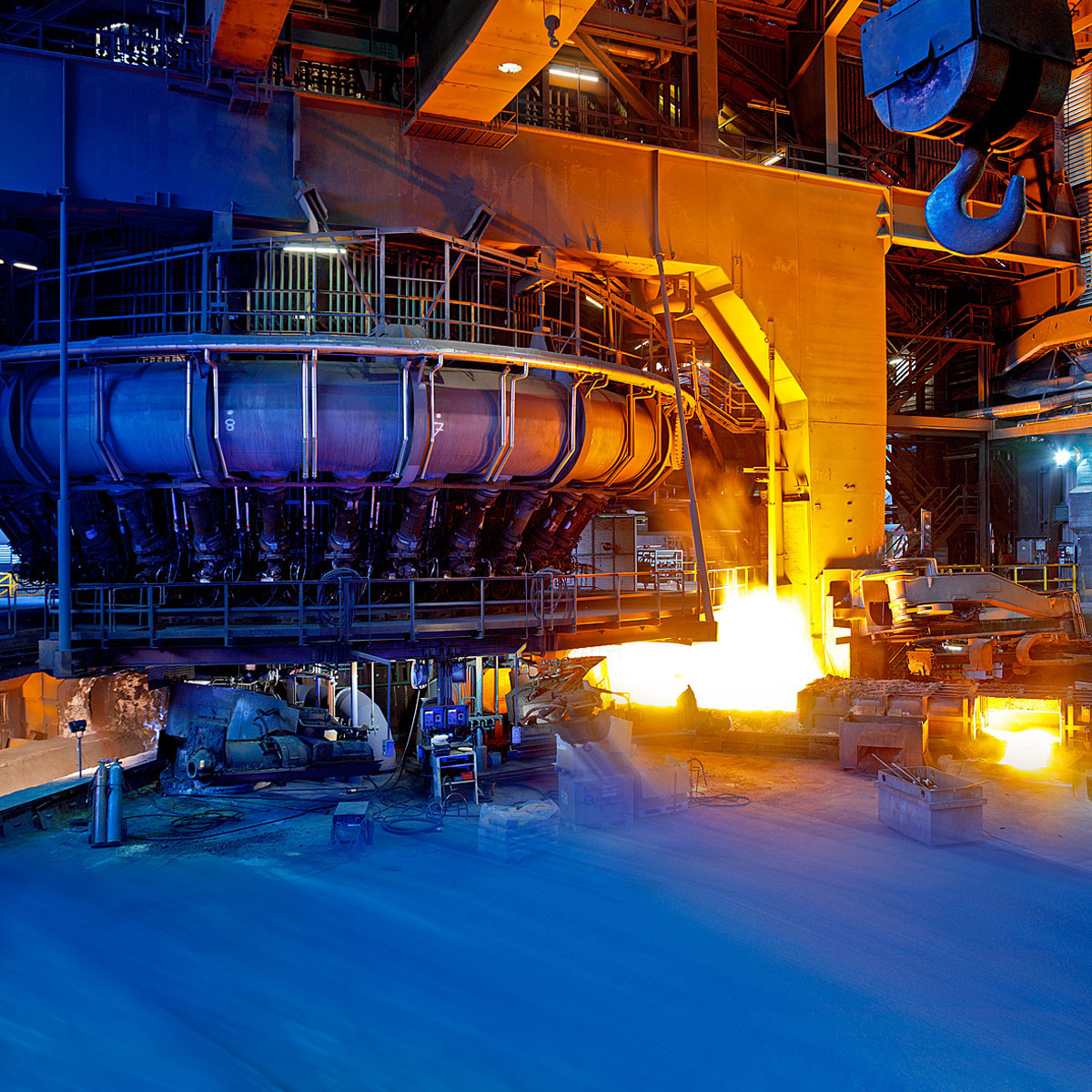
Badische Stahlwerke postpones EAF modernisation
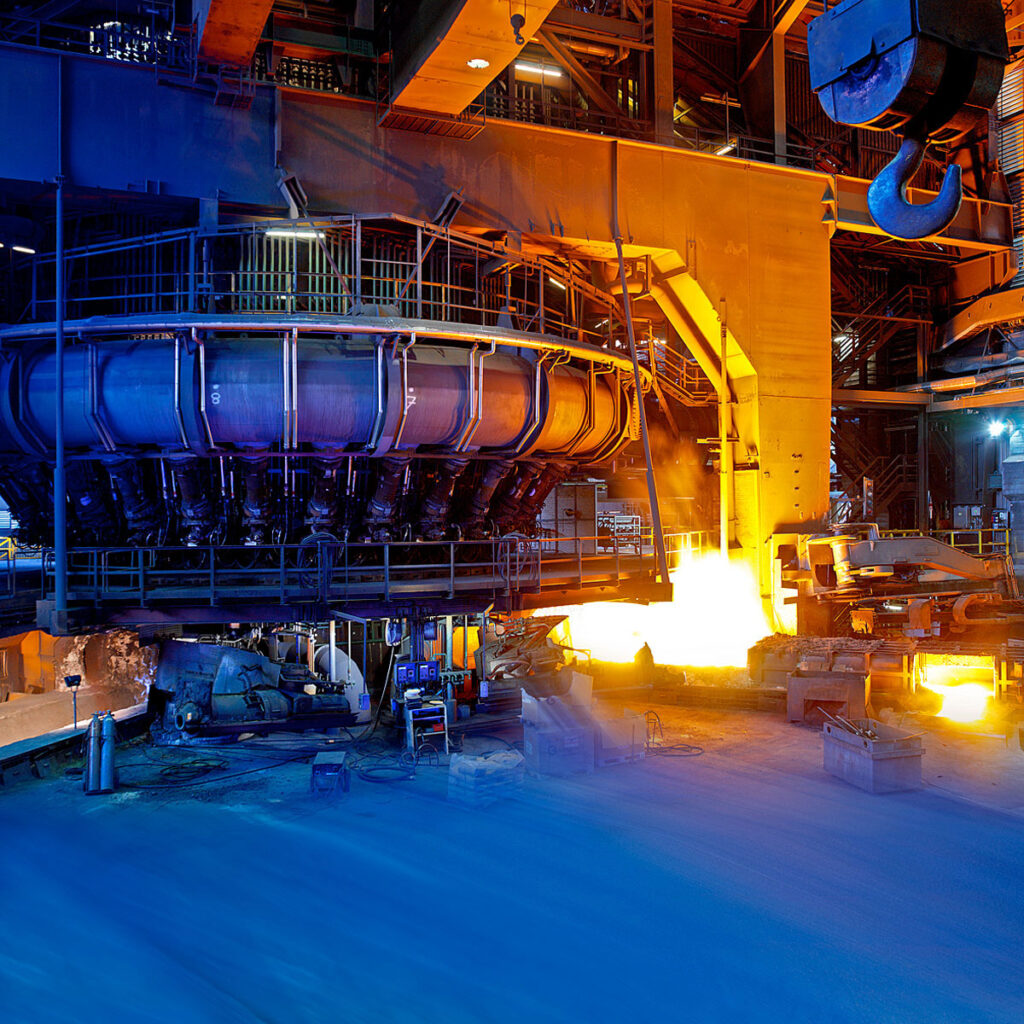
German rebar mill Badische Stahlwerke has postponed the overhaul of one of its electric arc furnaces, a measure which many buyers had feared would aggravate the prevailing shortage of rebar.
Badische has two production lines. One of its EAFs would have been revamped during a period of around six weeks, Kallanish hears from an insider. An official statement was not forthcoming. The measure would have meant a company-wide production outage for almost the full duration of the revamp. Although the measure was to be carried out only on one line, the neighbouring unit would have been affected by the works as well, the source explains.
The postponement is not directly related to the critical supply-demand balance for rebar, but to the risks associated with the coronavirus, he adds. “There would have been contracted companies involved, so we would have more traffic of personnel,” he explains. The company therefore decided to postpone the revamp to avoid the risk of contagion.
Badische will now have a regular winter shutdown of two weeks, with production resuming around 6 January. The upgrade measure is now projected to be carried out next winter, the source says.

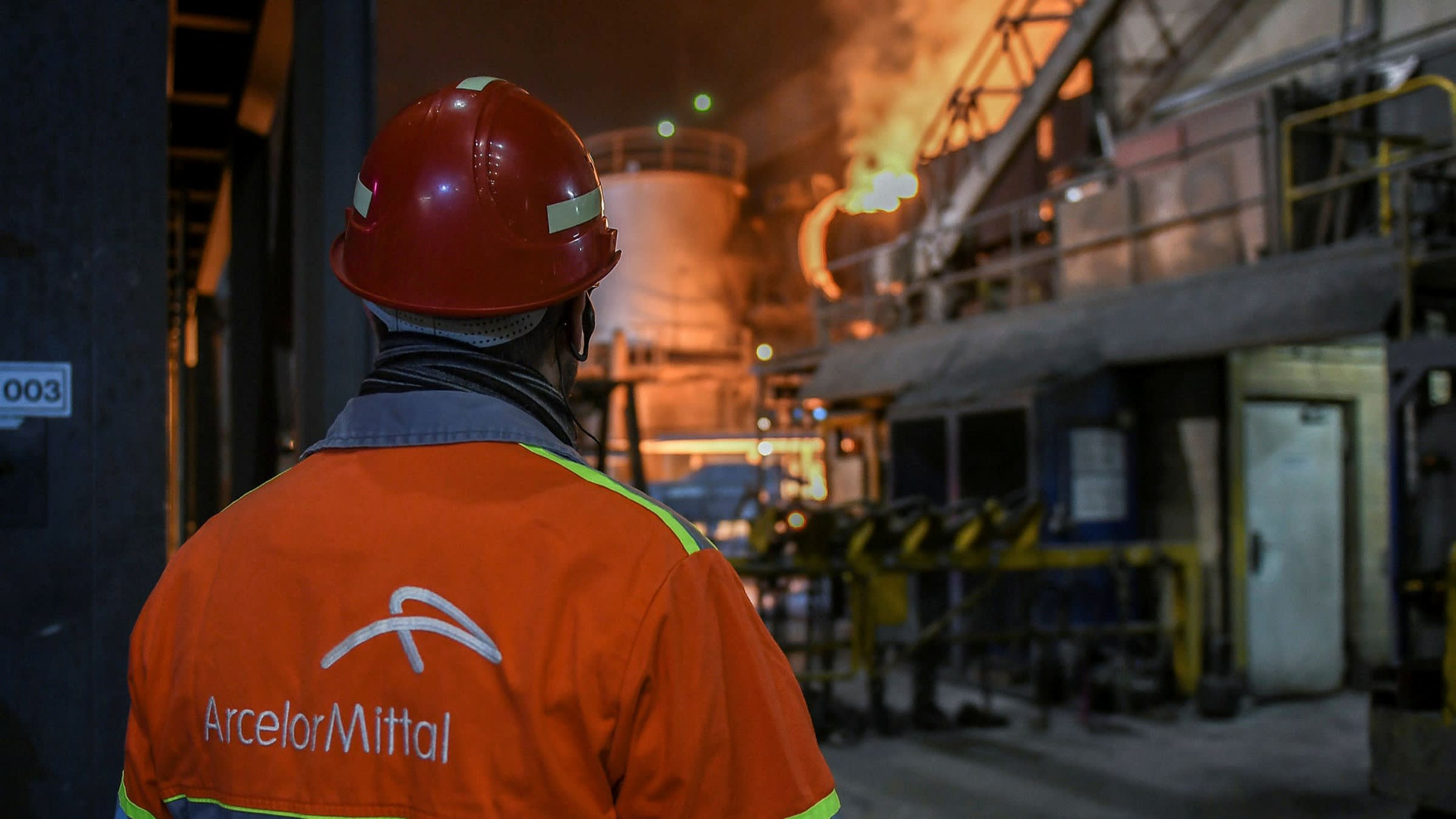
ArcelorMittal plans high 2021 production rate at Gijón
ArcelorMittal has communicated to trade unions in Spain that its integrated site located in the north of the country is expected to have a high production rate during the first half of 2021, Kallanish learns from trade unions sources.
In recent days the company’s management and unions held a number of meetings to put an end to the ongoing labour conflicts at the plant. The company is planning to somewhat reduce the workforce at its rail and wire rod units in Gijón; after months of conflict, unions agreed to the latest proposal presented by the company.
It is understood the two blast furnaces at the integrated site in Gijón will now continue to operate at high rates during the first six months of 2021, supported by improving demand in Europe. One blast furnace in Gijón was halted temporarily earlier this year in response to the slump in demand connected to the Covid-19 pandemic; it was then restarted in September.

German rebar mills take winter break
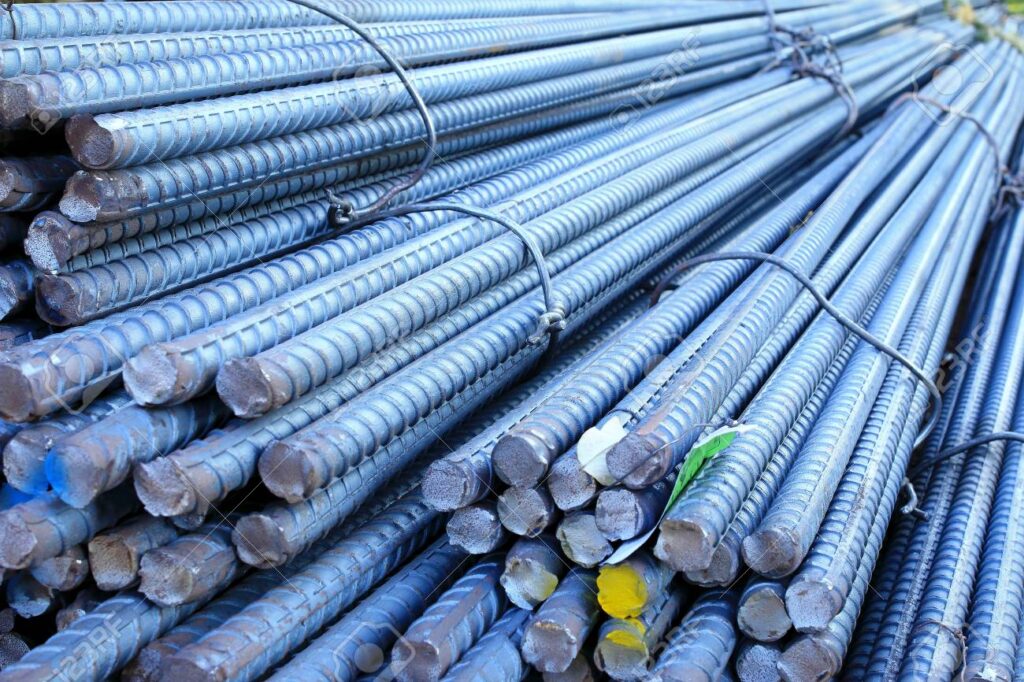
With rebar prices gaining critical momentum, mills in Germany are still taking their traditional winter break, some for longer than others.
Riva’s two mills, Hennigsdorf near Berlin and in Brandenburg city, will stop producing for two weeks, basically like any other year, Kallanish hears from a source there.
Another Italian-owned mill, Feralpi’s Elektro-Stahlwerke Riesa (ESW), will disappear from the busy market for as much as four weeks, also a regular winter break length for that mill. According to a statement on its website, the break will be used for maintenance work that involves third parties, which requires a longer period. “The production facilities need their time to cool down, before we can start repairs with other companies,” says managing director Christian Dohr.
A source at Badische Stahlwerke says the policy of each mill dictates whether it takes a short or long break, and that this decision does not necessarily reflect market movement. Badische recently decided to confine itself to a short break and postpone an electric arc furnace modernisation (see separate story).
ESW, furthermore, emphasises that it recently had an environmental audit carried out, for which it received the EMAS label, which it has received annually since 2012. It claims it is one of two German mills to do so on a yearly basis.
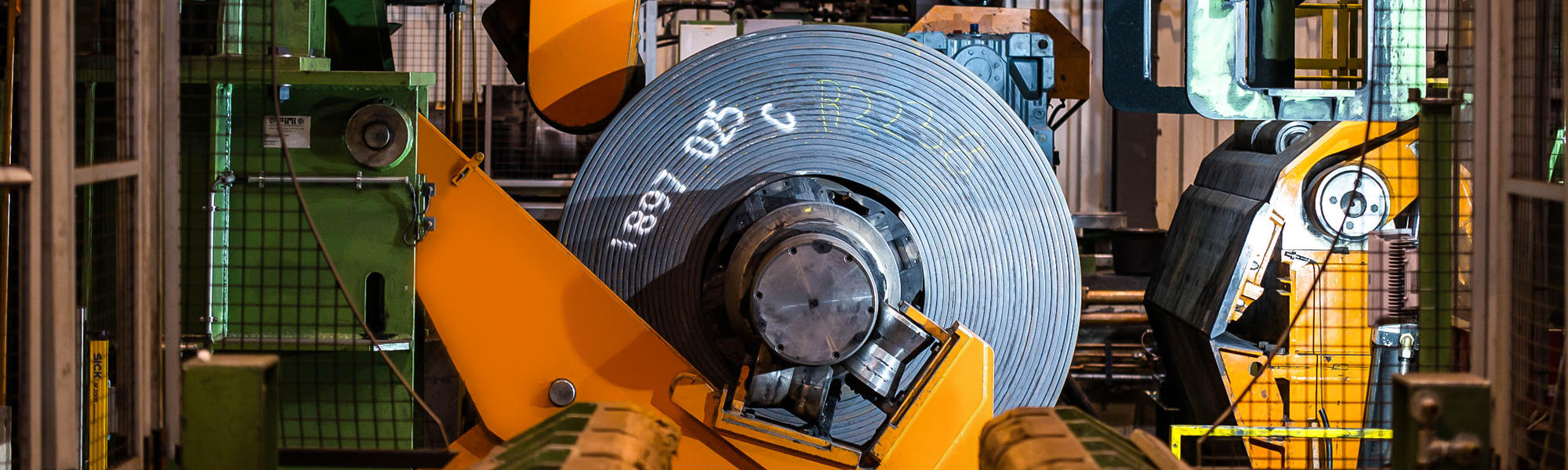
Italian service centres enjoy strong demand
Italian service centres are enjoying unprecedented demand from the appliances sector, as well as the automotive industry which is ordering at pre-Covid-19 levels. The market, however, remains complicated due to the short supply of coils and the rapid price uptrend, Kallanish learns from market sources.
Demand from the appliances sector is more than double on-year, but spot contract buyers are trying to resist the steep price hikes. While service centres are improving their margins, they are having a hard time following the increases, as well as finding supply. When they can, they renegotiate contracts already signed months ago to slightly adapt their values.
The service centres who are well stocked are working at good levels and benefitting from the price rally as they are successfully passing on the increases to their customers. Some, however, are beginning to doubt that demand from the automotive sector will remain at current levels in the new year once stocks at European carmakers are replenished.
Cold rolled and hot-dip galvanized coil contracts this week are between €740-750/tonne base ex-works. Hot rolled coil values are at €650/t ($791) base ex-works in transactions. Local coil producers, however, are not quoting or quoting only for limited quantities, sources say. In January producers are expected to push up prices for HRC to €700/t base ex-works and €800/t each for CRC and HDG, sources say.

EU-UK confirm trade and cooperation agreement

The EU and UK have confirmed a comprehensive trade agreement that will allow both sides to avoid a major disturbance following the end of the Brexit transition period on 31 December.
“It’s fair and a balanced deal,” European Commission president Ursula von der Leyen said. “It’s the right and responsible thing to do for both sides.”
UK prime minister Boris Johnson echoed the sentiment. “We can do fantastic things with this treaty,” he said. The deal also had “good” language about equivalence of financial services, Johnson said, “but not as much as we like”.
Von der Leyen said there was the possibility of EU action if the UK does not adhere to the agreement, notably with respect to fair competition.
“If they do not want to follow the rules, then there will be quotas and tariffs,” Von der Leyen said. But she said that the EU and UK will still co-operate in major fields and specifically mentioned energy and climate change.
The agreement also provides a new model for trading and interconnectivity, as well as guarantees for competition, offshore safety standards, renewables and a legally enforceable commitment on carbon pricing.
The commission will propose application of the agreement on a provisional basis until 28 February 2021. But the EU’s council of ministers will need to unanimously adopt a decision to authorise provisional application as of 1 January 2021.
The UK’s parliament will have to be recalled to vote on the agreement before the end of the Brexit transition period on 31 December.
Members of the European Parliament have expressed concern about practical difficulties in approving provisional application of the deal before formal approval.
Belgian Philippe Lamberts, member of the European Parliament’s Brexit co-ordination group, said the devil is in the detail. “We insist that the European Parliament is given the proper time to scrutinise and potentially ratify such a wide-ranging deal,” Lamberts said.
By Dafydd ab Iago

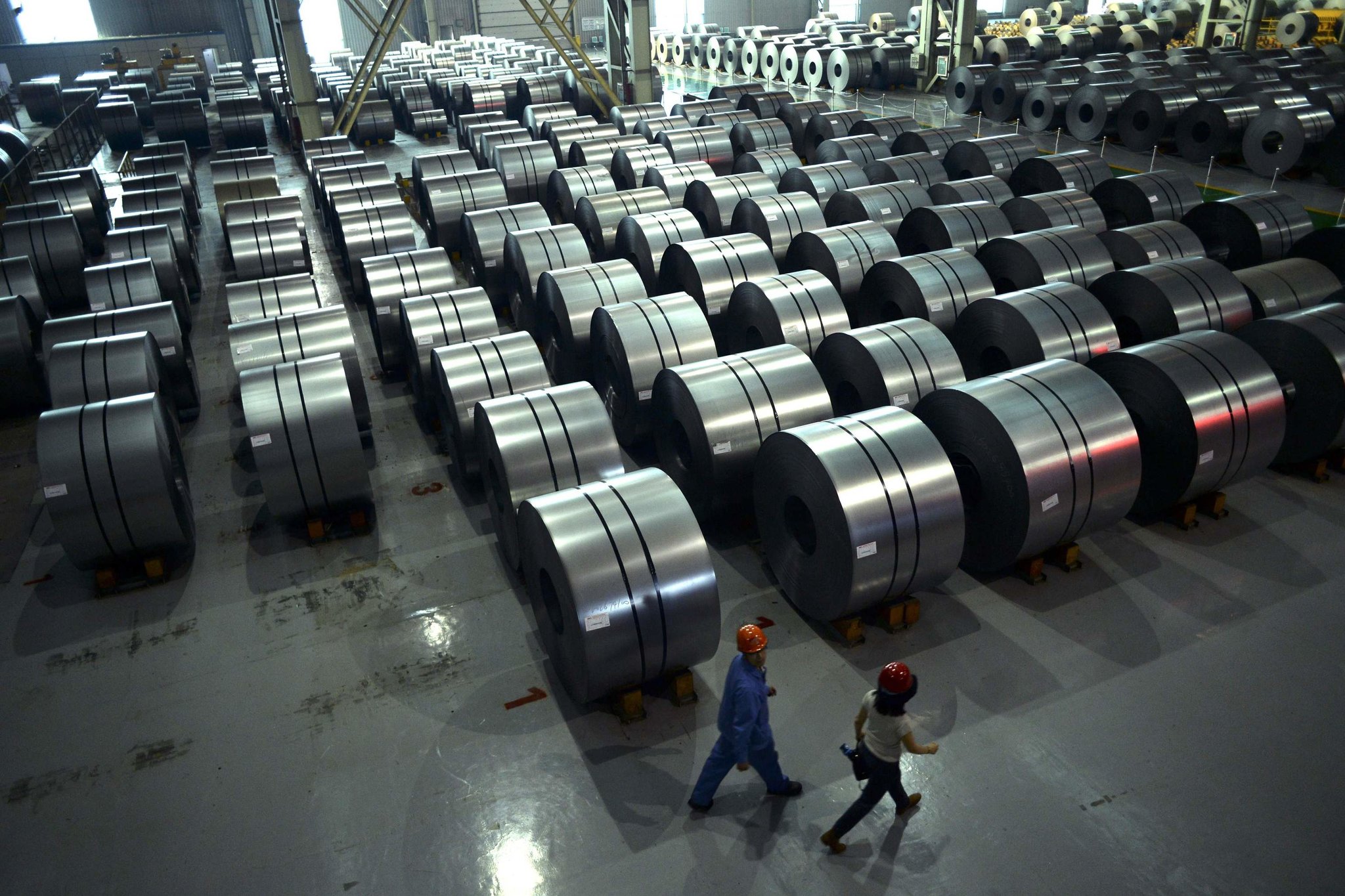
Steel production up 6.6% in Nov on year amid Asia, EU output rises: worldsteel
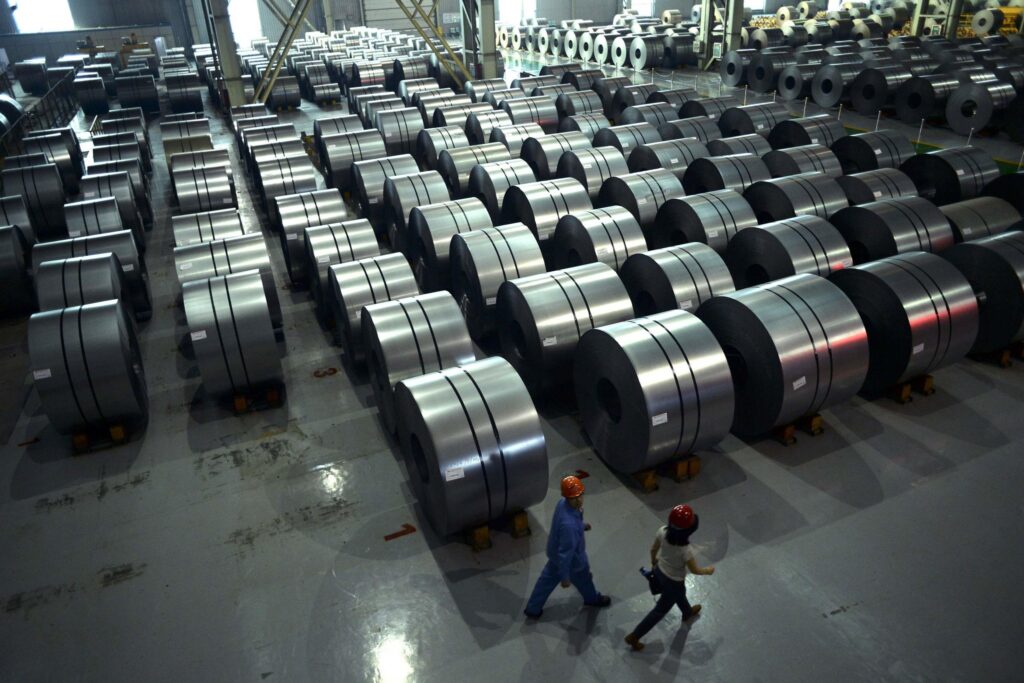
Crude steel production in the 64 countries reporting to the World Steel Association rose 6.6% on the year in November to 158.3 million mt, led by increases in Asia as well as hikes in Europe, Turkey and CIS countries, the association reported Dec. 22.
In Asia, total crude steel production last month increased by 8.6% year on year to 116.4 million mt, with China producing 87.7 million mt, marking a rise of 8% compared with November 2019. India produced 9.2 million mt of crude steel in November, up 3.5% on the year.
Bucking the trend, Japan produced 7.3 million mt of crude steel in November, down 5.9%, while South Korean production dropped by 2.4% to 5.8 million mt.
In the EU 28, November’s output rose by 5.5% to 12.8 million mt, with the largest EU steel producer, Germany, registering an increase in domestic production of almost 15% year on year to 3.4 million mt. Italy produced 2.0 million mt of crude steel in November, up 3.2% on November 2019. France also registered an increase of 3.7% year on year to 1.1 million mt of crude steel.
In the CIS countries, production is estimated to be 8.2 million mt in November 2020, up 7%. Ukraine produced 1.7 million mt of crude steel, up 31% on the year.
Turkey’s crude steel production for November was 3.2 million mt, up by 12% on November 2019.
In South America, Brazil produced 3.0 million mt of crude steel in November 2020, up 11% on November 2019, while in North America, the US produced 6.1 million mt of crude steel, a drop 14% on the year.
— Annalisa Villa

EUROMETAL presidency member at MMSteelClub online conference

Alexander Julius, member of the EUROMETAL presidency and managing director of Macrometal participated in the online C-Suite Session, organized by MMSteelClub 777 on Friday December 18, 2020.
Friday’s are exclusively reserved for C-Suite members from the Steel, Metals and Mining Industry.
MMSteelClub is an executive club for leaders and key decision makers within the international steel and metals industry. The concept behind MMSteelClub is to connect steel and metals industry professionals around the world and provide a platform to exchange ideas through exceptional interactive events; varying from gala dinners, golf tournaments, social gatherings, discussions and conferences.
Recording will be available soon.

Price growth to halt in three months: Severstal
Severstal forecasts that the rise in world steel prices will last for about another three months, says ceo Alexander Shevelev.
“I believe that the shortage in the steel market will drive prices up for some time to come,” Shevelev says. “However, sooner or later the market should be balanced: the deferred demand will end, the supply will react to the rise in prices. Most likely, this will happen on the horizon of three months.”
Indeed, prices made a leap and are now at almost 10-year highs, Shevelev notes. He explained the growth by several factors, the main of which are good demand in China, high prices for raw materials, low inventories against the background of the fact that there were expectations of new lockdowns. Another important factor, he said, was the unprecedented low bank deposit rates in Russia and in the world.
“Given the devaluation, people have no choice but to invest in purchases – housing, cars, household appliances, which logically leads to an increase in demand and hence prices for steel,” Severstal’s ceo concludes.
When asked about the proposal by Russian pipe producers to introduce much higher export duties on scrap, he said that the situation is difficult, Kallanish notes.
“The steelmakers are experiencing a serious shortage of ferrous scrap, because many companies have not fully formed winter stocks and scrap steel shortages have already triggered a more than 25% increase in scrap prices during the fall, with prices continuing to rise,” Shevelev said. “Any government measures restricting the export of scrap metal could help stabilise the situation.”
The utilisation of Severstal’s pipe division in 2020 was not complete due to a decrease in market demand; at the moment it is reduced by -30%-50%, he observes.
“Taking into account our export plans and the fact that our Izhora Pipe Plant won the tender for the supply of 320,000 tonnes of LDP for Gazprom, we see that we will be able to ensure almost 100% capacity utilization in 2021.”