

Klöckner’s outlook improves on recovering market
Klöckner & Co says it was able to benefit disproportionately from the positive market developments of recent weeks, and has therefore adjusted the earnings figure it forecasted for the full year.
It now expects an Ebitda before material special effects of €105-115 million ($128-140m) for 2020, contrary to previous expectations of €75-95m, and still a significantly positive cash flow from operating activities.
“In the course of the fourth quarter, the recovery in steel demand continued more strongly than previously expected,” the German-based steel distributor writes in an ad-hoc announcement sent to Kallanish. At the same time, improved price levels have already had a positive impact on the group’s operating income, it continues.
Looking ahead, Klöckner believes the market recovery will continue at the beginning of the new year. The group states that it has benefited from “…rapidly increasing digitalisation and restructuring effects” from its “Surtsey” project. It expects this programme to considerably boost income in the first quarter of 2021, compared to the same quarter of the previous year.

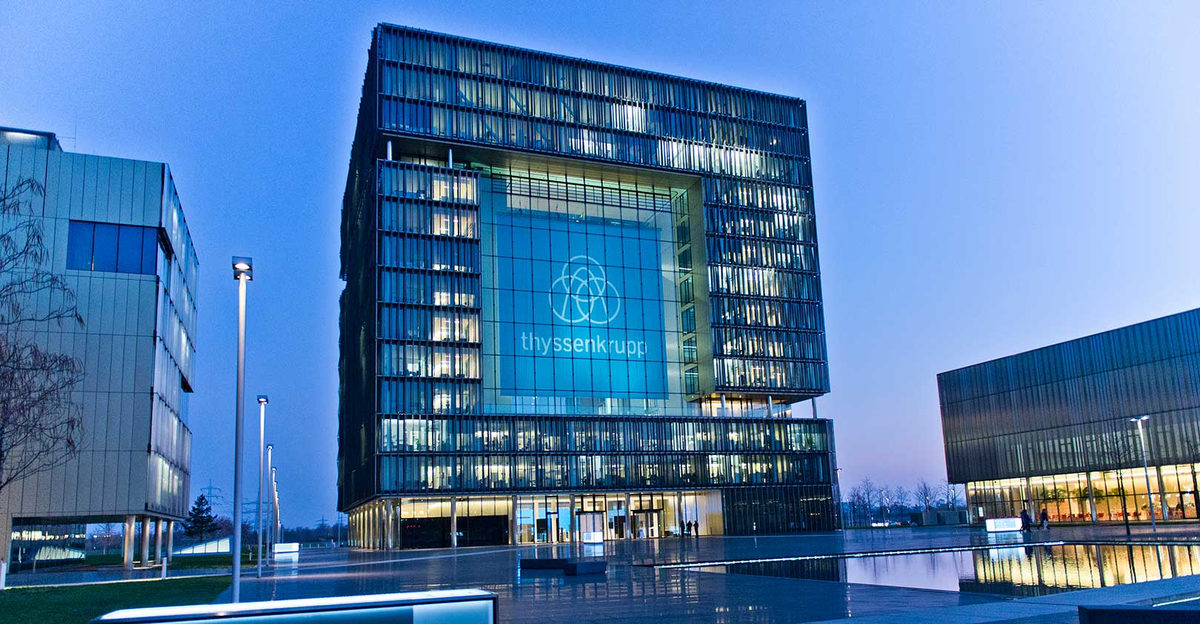
Thyssenkrupp confirms plate mill closure by September 2021
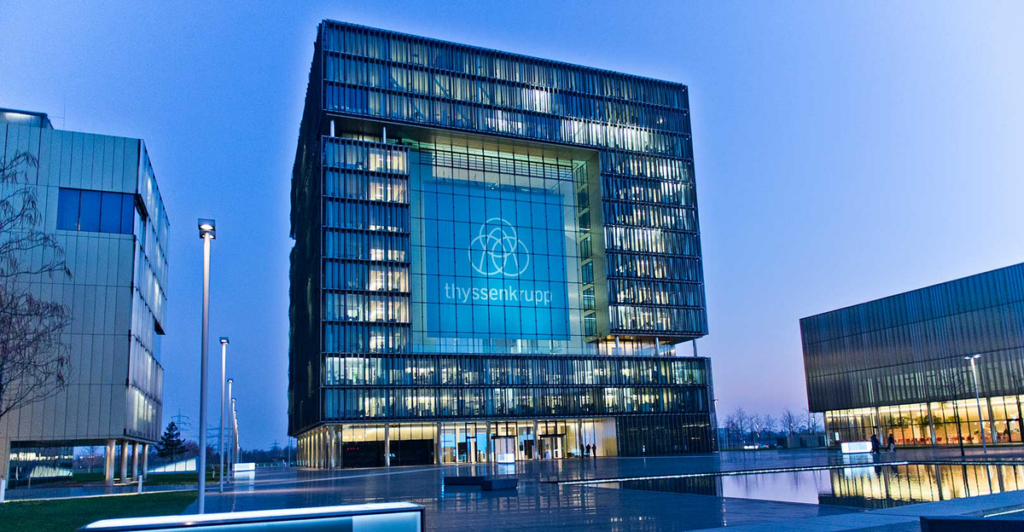
Thyssenkrupp has now made the final decision to cease production of quarto plate. The company says it “…does not see a future for the business unit Heavy Plate anymore,” and intends to close the Hüttenheim, Duisburg plant for good by end-September 2021. In the meantime, it will be confined to fulfilling existing orders.
Thyssenkrupp could not find a buyer for the mill, “…even after renewed efforts in recent days,” it writes in a statement sent to Kallanish upon request. The aforementioned efforts might refer to Dillinger-Saarstahl group, which, according to local media, was the last to hold talks with thyssenkrupp in this matter.
At a Dillinger-Saarstahl press conference some weeks ago, its new chief executive, Karl-Ulrich Köhler, gave a vague response to questions about Dillinger’s interest in thyssenkrupp’s plate mill (see Kallanish passim).
The Hüttenheim mill has been making losses for years, without the prospect of a sustainable recovery, thyssenkrupp observes. Its product range includes wear-resistant steels for construction machinery, pipeline steels, plate for shipbuilding and for mobile cranes. The mill has been operating since 1963.
The company notes that 90% of the approximately 800 employees will be employed at other operations of thyssenkrupp Steel in Duisburg, and that early retirement schemes will be offered to others. It reiterates that the site in Antwerp, Belgium, will be unaffected by the closure of the reversing mill, and that it will continue to cut plate from hot-rolled strip.
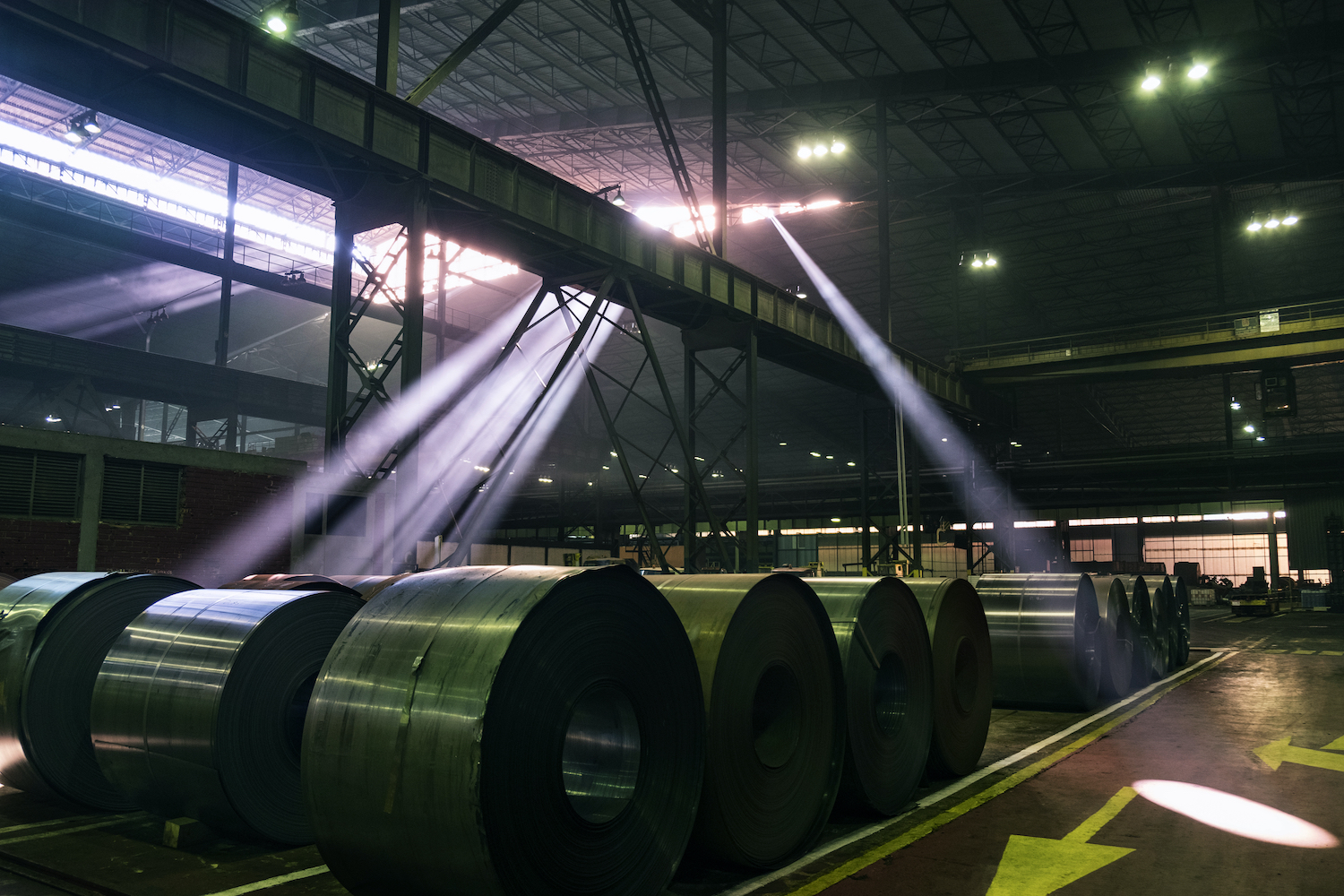
CSN Lusosider confirms EU HRC supply challenges

The tight availability of hot rolled coil and other coil products in Europe has affected most market players in recent months. Brazil’s CSN also recently confirmed that its rolling mill in Portugal, Lusosider, is facing challenges in finding HRC feedstock supply.
In an interview published in the Brazilian press, Luz Fernando Martinez, commercial director of CSN, noted that the group is supplying Lusosider with coil from Brazil. It is thereby paying a duty of €53/tonne ($64) due to the existing measure on Brazilian HRC imports imposed by the European Commission.
Other coil rolling mills, such as Liberty’s units in Luxembourg and Italy, as well as those of NLMK in Belgium have confirmed difficulties in finding supplies during the last weeks, Kallanish notes.
Lusosider produces cold rolled coil and hot-dip galvanized coil for the Iberian Peninsula market. According to the latest results from CSN, the company sold 94,000 tonnes of finished products in the third quarter, up 26,000t on-quarter 23,000t on-year.
CSN has been trying to sell the Portuguese unit for some years now, but no advance in the negotiations has been reported recently.
German carmakers receive additional state support
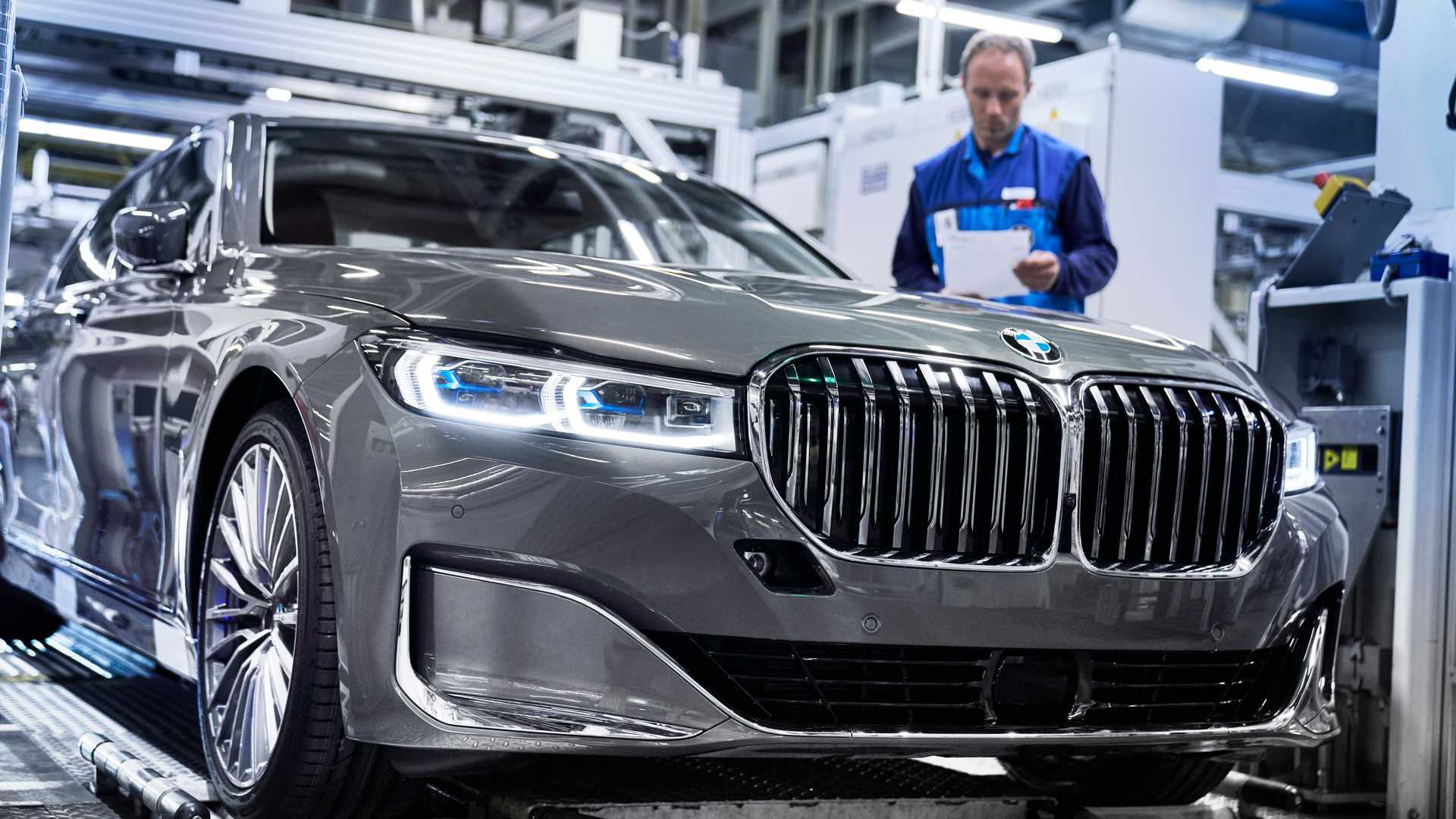
Germany will allocate another €3 billion ($3.6 billion) to support the country’s automotive industry amid the Covid-19 pandemic, says government spokesman Steffen Seibert. As a result, the total volume of support for automakers will amount to about €5 billion, Kallanish notes.
Seibert justifies the need to provide funds with long-term structural changes, which, he says, are fraught with great difficulties. At the same time, he notes that after a sharp drop in sales in the first half of the year, the industry is now showing the first signs of recovery.
From the announced amount, €1 billion will go to the fund for the future of the automotive industry, which is intended to finance medium- and long-term transformation strategies for the sector. A further billion in aid will go to a planned fleet renewal programme for trucks.
In the summer, Berlin extended compensation payments to buyers of electric and hybrid vehicles until the end of next year, but now it has been decided to extend them until 2025.
“The payment extension is helping to protect the climate and economic development,” says the head of the VDA automotive association, Hildegard Müller. “Every week, thanks to us, 12,000 new electric vehicles appear on the streets of Germany.”
In January-October Germany’s car production totalled 2.8 million units, a massive -30% down on-year (see Kallanish passim). However, the gap has become noticeably narrower, with output in October only -2% down on-year at 382,300 units. In September, the y-o-y decline was still -9%.
Observers in the strip steel market believe that carmaking plants are intensely compensating for the losses incurred during the strict lockdown after March when Covid-19 broke out in Europe. However, some argue that the pace of car production might be reduced again, given the overall economic slowdown brought by the second lockdown.
Geschäftsrückblick der ArcelorMittal zum Jahresende
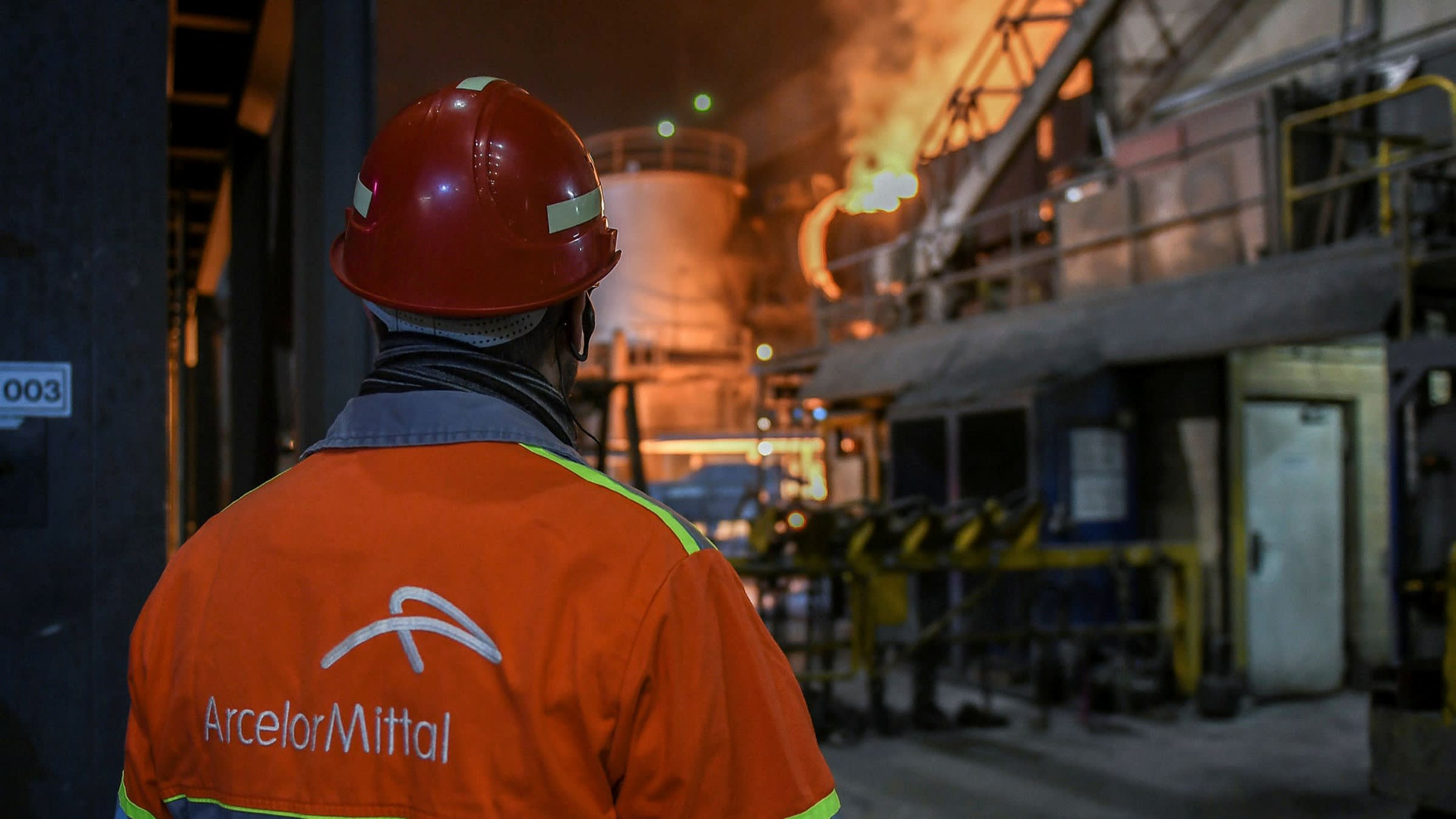
Die finanzielle Leistung hat sich 2020 deutlich verbessert, das Bergbau-Segment zeigt sich weiterhin stark und stabil und das Nettoschuldenziel ist mit 7,0 Milliarden US-Dollar zum 30. September 2020 auf dem niedrigsten Stand seit der Fusion. Damit ist der 2008 begonnene Schuldenabbau abgeschlossen.
Die Neupositionierung des nordamerikanischen Marktes mit dem Verkauf von ArcelorMittal USA sorgt für die Optimierung des Portfolios und den Ausbau der Führungsrolle im Bereich Innovation in der Produkt- und Verfahrensentwicklung.
Auch die Innovationen beim Thema Nachhaltigkeit schreiten voran: Die Zukunft der grünen Stahlherstellung wird immer konkreter. So hat sich die gesamte ArcelorMittal-Gruppe dem europaweiten Netto-Null-Ziel bis 2050 verpflichtet – ein deutliches Zeichen für die gesamte Industrie und ein entscheidender Schritt für den Konzern. Ab Ende dieses Jahres sollen außerdem die ersten Lieferungen mit grünem Stahl versendet werden. In den kommenden zwei Jahren ist ein Anstieg des Lieferumfangs auf 600.000 Tonnen geplant.
Trotz der positiven Entwicklungen der vergangenen Monate bleibt die COVID-19-Pandemie ein ständiger Begleiter. Damit bleiben auch die damit verbundenen Risiken bestehen. Die Todesfälle in Europa steigen im Rahmen der zweiten Welle an und die Auswirkungen auf die Stahlindustrie sind derzeit noch nicht absehbar. ArcelorMittal setzt deshalb auf Sicherheit und Agilität – so können die verschiedenen Segmente auf Kundenanfragen reagieren und die Gesundheit der Mitarbeitenden garantieren.
Quelle und Foto: ArcelorMittal Germany Holding GmbH
11.12.2020 von Hubert Hunscheidt
Italienischer Staat Mehrheitseigentümer von ArcelorMittal-Stahlwerk Ilva
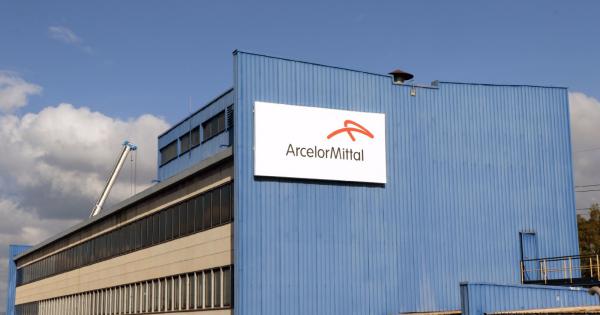
Für sein Stahlwerk Ilva im süditalienischen Tarent konnte der weltgrößte Stahlkonzern ArcelorMittal den italienischen Staat als Mehrheitseigentümer gewinnen. Invitalia zahlt für einen Anteil von 60 Prozent an der zuständigen ArcelorMittal Gesellschaft AM InvestCo knapp 1,1 Milliarden Euro bezahlen.
Die erste Tranche über 400 Millionen Euro soll Ende Januar 2021 fließen. Dafür erhält Invitalia 50 Prozent der Stimmrechte von AM InvestCo. Die zweite Tranche von 680 Millionen Euro soll über eine Kapitalerhöhung bei AM InvestCo im Mai 2022 eingebracht werden. ArcelorMittal steckt bis dahin bis zu 70 Millionen Euro in AM InvestCo. Im Ergebnis wird dann das Regierungs-Investmentvehikel Invitalia 60 Prozent der Anteile an AM InvestCo halten und ArcelorMittal die restlichen 40 Prozent.
Die italienische Regierung will eigenen Angaben zufolge versuchen, alle jetzigen 10 700 Arbeitsplätze in Ilva zu erhalten. Zudem soll in kohlenstoffärmere Stahlerzeugungstechnologien investiert werden. Das Stahlwerk Ilva soll den aktuellen Plänen zufolge 3,5 Millionen Tonnen Stahl pro Jahr produzieren.
ArcelorMittal hatte die Ilva-Gruppe 2018 gekauft und seitdem mit dem italienischen Staat über eine Rettung der später in Schieflage geratenen Ilva-Gruppe verhandelt.
Quelle und Foto: ArcelorMittal
11.12.2020 von Hubert Hunscheidt

RSC Röhrenhandel devient Hoberg & Driesch Processing
Düsseldorf – Hoberg & Driesch baut seine Aktivitäten bei der Rohranarbeitung und weiterverarbeitung aus: Der nächste zentrale Schritt dafür wurde jetzt mit der Umfirmierung der RSC Röhrenhandel GmbH in Hoberg & Driesch Processing GmbH gemacht. Ziel ist es, den Marktanteil als einer der führenden Anbieter im Bereich der Rohrbearbeitung noch weiter zu erhöhen. Hoberg & Driesch Processing bietet Kunden ein Komplettprogramm für das Outsourcing der individuellen Bearbeitung von geschweißten, gezogenen und nahtlosen Präzisionsstahlrohren.
Hoberg & Driesch ist eines der führenden europäischen Großhandelshäuser für Stahlrohre. Als Teil einer 2015 angestoßenen langfristigen Diversifizierungsstrategie erweitert die Unternehmensgruppe kontinuierlich ihre Marktanteile im Bereich der Rohrweiterverarbeitung. „Mit der 2018 erfolgten Akquisition der RSC Röhrenhandel GmbH und ihrer nun abgeschlossenen Umfirmierung in Hoberg & Driesch Processing wollen wir unsere Aktivitäten im Bereich der Anarbeitung ausbauen, sie sichtbar machen und so unsere Marktposition noch weiter stärken“, sagt Hanns-Jörg Westendorf, Geschäftsführer der Hoberg & Driesch Unternehmensgruppe.
Full-Service-Dienstleister für die Rohrbearbeitung
Die neue Marke Hoberg & Driesch Processing entstammt dem Unternehmen RSC Röhrenhandel, einem 1987 in Wesseling gegründeten und im Markt etablierten Anbieter von Rohren und Fixlängen. „Durch die Erweiterung des Fokus auf die Rohranarbeitung und -weiterverarbeitung wollen wir sukzessive die Wertschöpfung und damit den Mehrwert für unsere Kunden erhöhen“, erklärt Brandolf Schneider, der gemeinsam mit Thomas Horstmann die Geschäftsführung von Hoberg & Driesch Processing übernommen hat. „Wir verstehen uns als Full-Service-Dienstleister, wenn es um Rohrprodukte geht. Mit unserer One-Stop-Shopping-Philosophie orientieren wir uns komplett an den Bedürfnissen unserer Kunden – und das ohne Einschränkungen durch unser Herstellungsprogramm oder durch festgelegte Prozesse.“
Hoberg & Driesch Processing begleitet seine Kunden von der ersten Entwicklungsidee über die Herstellbarkeitsprüfung bis hin zur Definition von kosteneffizienten Lieferketten für die Just-in-time-Serienproduktion. Zum Anarbeitungsportfolio zählen unter anderem das Sägen, Fasen, Strahlen, Biegen, Prägen und Stanzen. Darüber hinaus bietet Hoberg & Driesch Processing auch die Endenumformung sowie die Fertigung von ganzen Baugruppen mit einem hohen Maß an Automatisierung.
Über Hoberg & Driesch Processing
Die Hoberg & Driesch Processing GmbH ist einer der führenden Dienstleister im Bereich der Rohrbearbeitung. Das 1987 in Wesseling als Anbieter von Rohren und Fixlängen gegründete Unternehmen ist heute Full-Service-Dienstleister für alle Produkte rund ums Rohr. Hoberg & Driesch Processing begleitet seine Kunden von der ersten Entwicklungsidee über die Herstellbarkeitsprüfung bis hin zur Definition von kosteneffizienten Lieferketten für die Just-in-time-Serienproduktion. Mit einer One-Stop-Shopping-Philosophie orientiert sich das Unternehmen komplett und ohne Einschränkungen durch das Herstellungsprogramm oder festgelegte Prozesse an den Bedürfnissen der Kunden. Diese erhalten ein Komplettprogramm für die individuelle Bearbeitung von geschweißten, gezogenen und nahtlosen Präzisionsstahlrohren. Zum Anarbeitungsportfolio zählen unter anderem das Sägen, Fasen, Strahlen, Biegen, Prägen und Stanzen von Rohren. Darüber hinaus bietet das Unternehmen auch die Endenumformung sowie die Fertigung von ganzen Baugruppen mit einem hohen Maß an Automatisierung. Bei Hoberg & Driesch Processing erhalten Kunden ein Komplettpaket rund um das Rohr mit einer herausragenden technischen Betreuung und wirtschaftlichen Vorteilen durch das Outsourcing der Rohrbearbeitung.
Quelle und Vorschaubild: Hoberg & Driesch / Hoberg & Driesch Processing GmbH
12/11/2020 par Angelika Albrecht
Lieferungen der EU-Stahlservicecenter im Minus
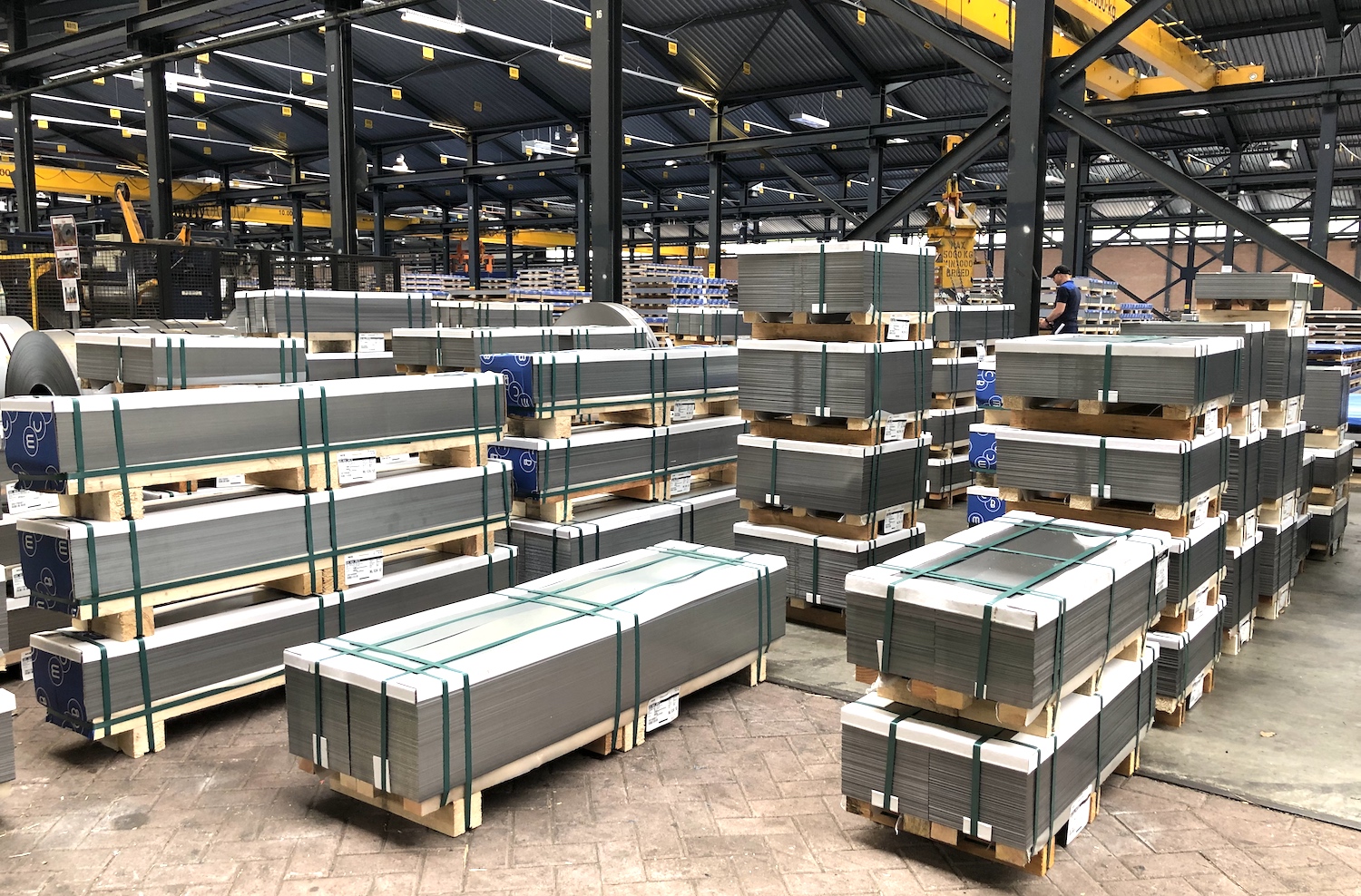
In den ersten 10 Monaten des Jahres gingen die Stahllieferungen der europäischen Stahlservicecenter bei den Flachprodukten um 14,0 Prozent zurück. Die Liefertage beliefen sich im Oktober auf 57 Tage, verglichen mit 71 Tagen im Oktober 2019.
Die Gesamtlieferungen der Mehrproduktstähle gingen im Jahresvergleich um 11 Prozent zurück.
Quelle: Eurometal
ArcelorMittal agrees Invitalia majority stake to restart Ilva
ArcelorMittal has signed a binding agreement with Invitalia, the Italian state-owned company investing in former steelmaker Ilva. The parties have formed a public-private partnership.
The investment agreement will result in a recapitalization of AM InvestCo, ArcelorMittal’s subsidiary which signed the lease and obligation to purchase agreement for Ilva. Invitalia will invest in AM InvestCo in two tranches. The first investment of €400 million ($485) will be made by 31 January 2021 subject to EU antitrust authorization, providing Invitalia with joint control over AM InvestCo. The second tranche of up to €680m is payable on closing of AM InvestCo’s purchase of Ilva, which is subject to the satisfaction of various conditions to be met by May 2022, at which point Invitalia’s shareholding in AM InvestCo would reach 60%.
ArcelorMittal will also invest up to €70m, to retain a 40% shareholding and joint control over the company, AlrcelorMittal reveals in a note sent to Kallanish. The conditions precedent to closing include the amendment of the existing environmental plan to account for changes in the new industrial plan, the lifting of all criminal seizures on the Taranto plant, and the absence of restrictive measures being imposed against AM InvestCo in the context of criminal proceedings where Ilva is a defendant, ArcelorMittal explains.
The updated industrial plan agreed between AM InvestCo and Invitalia involves investment in lower-carbon steelmaking technologies, including the construction of a 2.5 million tonne/year electric arc furnace. The industrial plan, which targets reaching of 8mt of production in 2025, involves a series of public support measures including ongoing government funded employment support. AM InvestCo’s governance would be based on the principle of joint control starting from Invitalia’s first investment, the company concludes.
Bekaert restructures in Belgium on Covid crisis
Belgian wire specialist Bekaert is to reorganize its global engineering activities, several functional department areas serving the Group’s global or local business needs, and a number of support and technical roles in the production plants in Zwevegem. The restructuring plan will affect 160 jobs in Belgium and the intended implementation is scheduled from 2021 onwards.
“The impact of the Covid-19 pandemic on economies and demand will have significant lasting effects. Bekaert has determined a number of actions to enable the Group to adapt to the new environment,” the company says in a note seen by Kallanish. The Group will invest further in shared services to consolidate expertise and activities in business areas that serve the global footprint. This may include decisions to relocate or outsource such activities.
The engineering organization in Belgium is to become a global knowledge center for the development of innovative equipment solutions. The design, service and project management teams will focus on the implementation of new and digital technologies and Equipment Lifecycle Management (ELM). The plan includes the discontinuation of workshop activities in Belgium and the move of expertise activities and a prototype lab from Ingelmunster to Deerlijk. The intention to restructure the Belgian engineering activities would affect 95 jobs, the company warns.
Bekaert is also developing stronger centers of excellence across its Group Services division, accelerating the adoption of digital capabilities in the areas of operational, commercial and administrative process excellence to create new value for the business and its customers. This would lead to a reduction of 46 white collar workers and managers in Belgium. The production plants in Zwevegem will realign and regroup a number of support and technical functions. The new set-up would affect 19 white collars and managers in the respective plants, Kallanish notes.