

Acerinox names new EU ceo
Acerinox has named Fernando Gutiérrez González as its new ceo for Europe.
The executive will take the role from the beginning of 2021, reporting to the coo of the group, Hans Helmrich.
Gutiérrez González has been part of the Acerinox group since the early 2000s. In 2018 he was named head of strategies and raw materials. He has worked closely for many years with the London Metal Exchange.

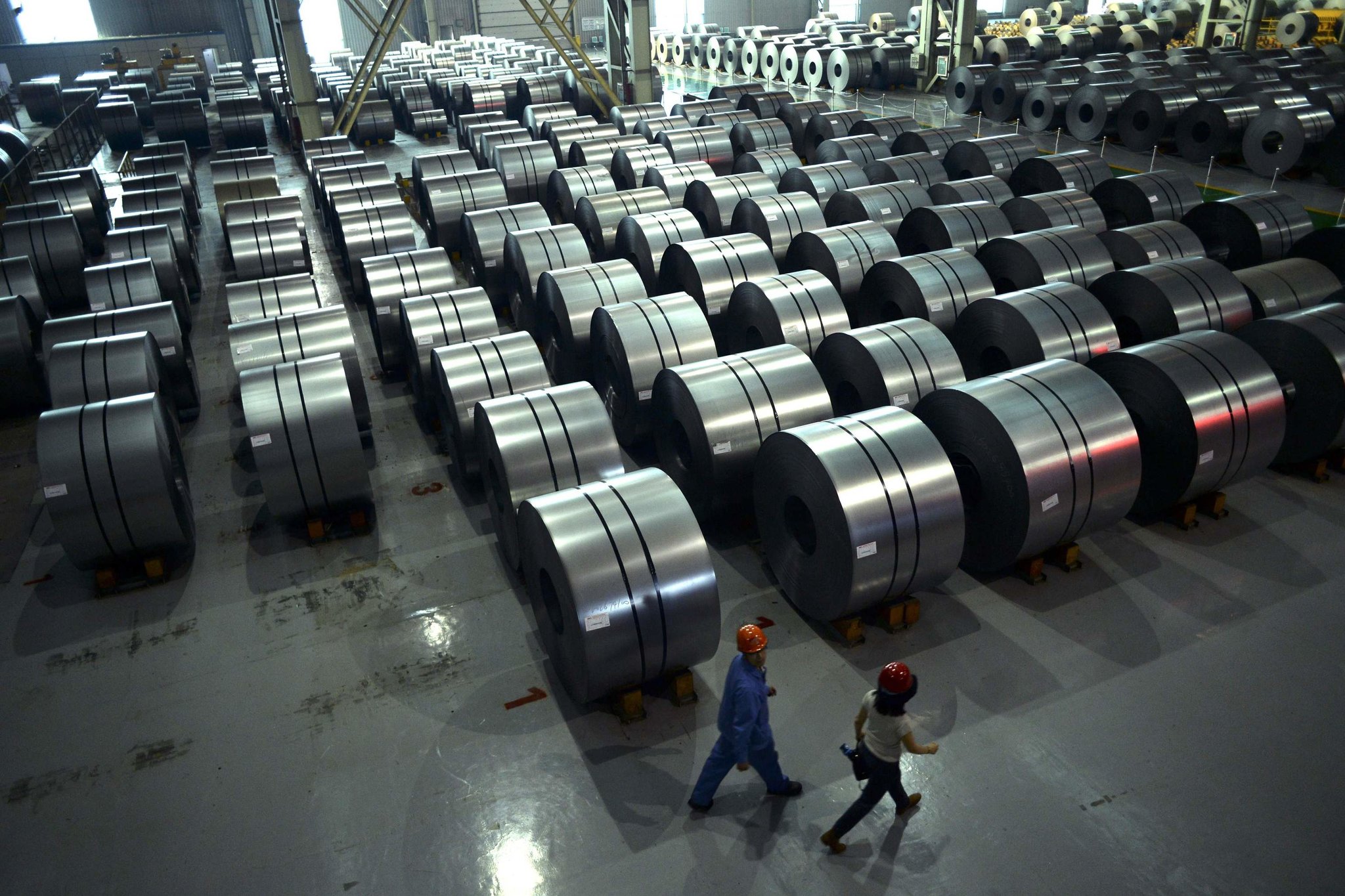
EC approches provisional Turkish HRC duties: sources
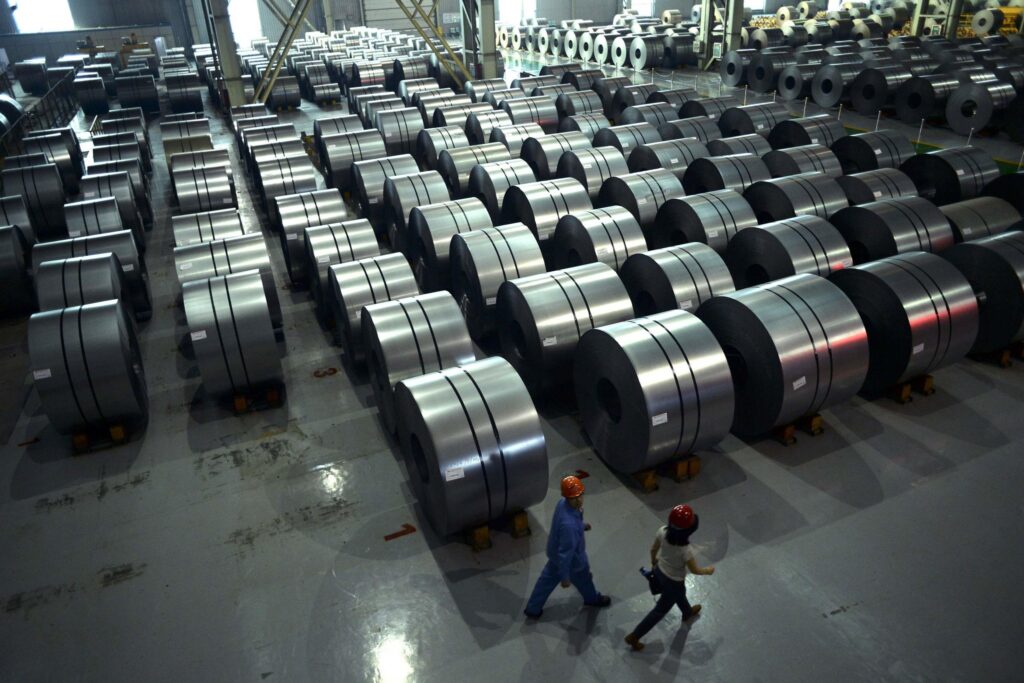
The European Commission is closing on provisional anti-dumping duties for HRC imports from Turkey, Kallanish learns from sources in the market.
According to documents circulating in the market, sent to interested parties involved in the investigation process, the provisional duties should be set at 4.8-7.6% depending on the supplier. The lowest level of duties should be imposed on Habas material, while Colakoglu should have the highest duty. Erdemir is expected to face a provisional duty of 5.4%, sources noted.
A final decision on provisional measures is expected to be officially announced in mid-January. At that stage it will also be clear how these will be applied retroactively.

AD on Turkish HRC leaves one mill offering
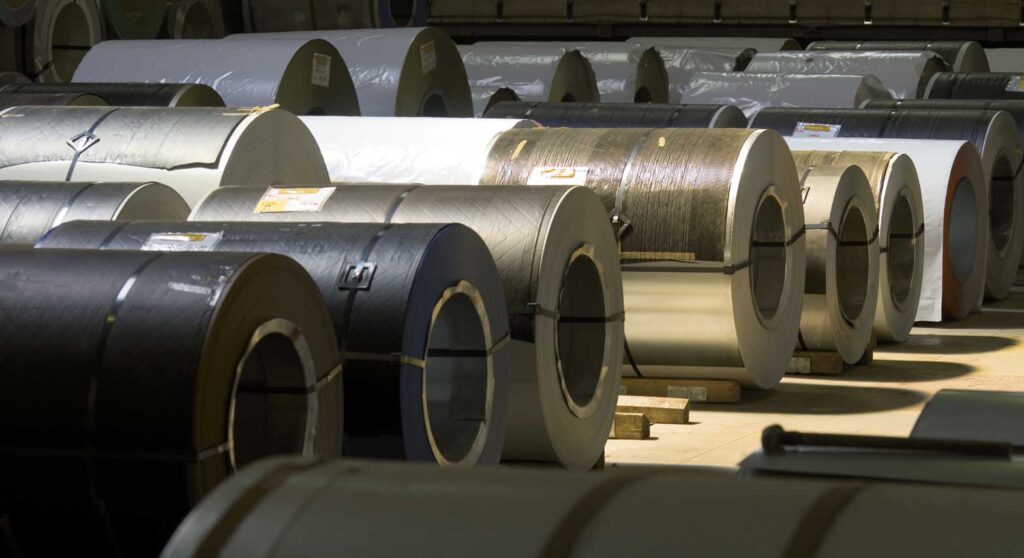
The decision to impose provisional anti-dumping duties on hot rolled coil imports from Turkey may only leave one mill, Habas, being able to supply HRC to the EU, “…like Severstal is the only mill that can supply from Russia,” market sources told Kallanish in the wake of the news circulating in the market on Thursday.
Habas’ prices are traditionally the lowest out of all Turkish mills, due to a number of quality and terms specifics. It received a lowest provisional duty rate of 4.8%, as compared to 7.6% given to another prominent Turkish exporter Colakoglu. Both mills were selling in the export market in the last quarter, with buyers taking on the “…importer of record” status in case duty is implemented, at a 3-5% rate. Given the increasing prices, and a higher than expected duty, sources calculate at least a $30/tonne discount needed on Colakoglu material at current price levels to be able to compete. And considering prices are rising almost daily, this discount will widen too, they note.
Colakoglu ceo Ugur Dalbeler told Kallanish that in the company’s experience, the EU commission is no different in its approach to the US DOC. “
The US set us a duty in 2017, we worked in the courts for three years and zeroed it,” he says. He adds that the calculation methods appear to have been distorted, and appear to be protecting particular companies by any means. “We have seen how much the EU has contributed to the issue in the last two years. We have expressed our concerns, and we hope the commission’s hesitation in replying will disappear. No company deserves these rates. We will continue to persevere,” he adds.
Indeed, in the EU there is a strong push from buyers to preserve the historical Turkish trade. Turkish imports guarantee competitive quality, delivery times and pricing, one tells Kallanish, emphasising the current paradigm of a shortage of material from domestic suppliers. Turkish counterparts were moderate about the situation, suggesting the two mills will simply replace each other in export and domestic markets, with Habas selling more to Europe and Colakoglu – in the domestic and non-EU markets.
Offers to the EU are at $740/t fob ($800/t delivered, duty paid) from the mill and $750-760/t fob from traders. It is understood the producer is about to revise its offers upwards again, being one of a few mills that are able to deliver to Europe in April, and considering the leading European producer’s price increase to €700/t ($859/t) on Thursday. Asian supply is available at $800-820/t cfr, but for May delivery, and Russian at $810/t cfr for Northern European distribution hubs for late April/early May loading.
EC to impose duty of up to 7.8% on some Turkish steel imports: Colakoglu
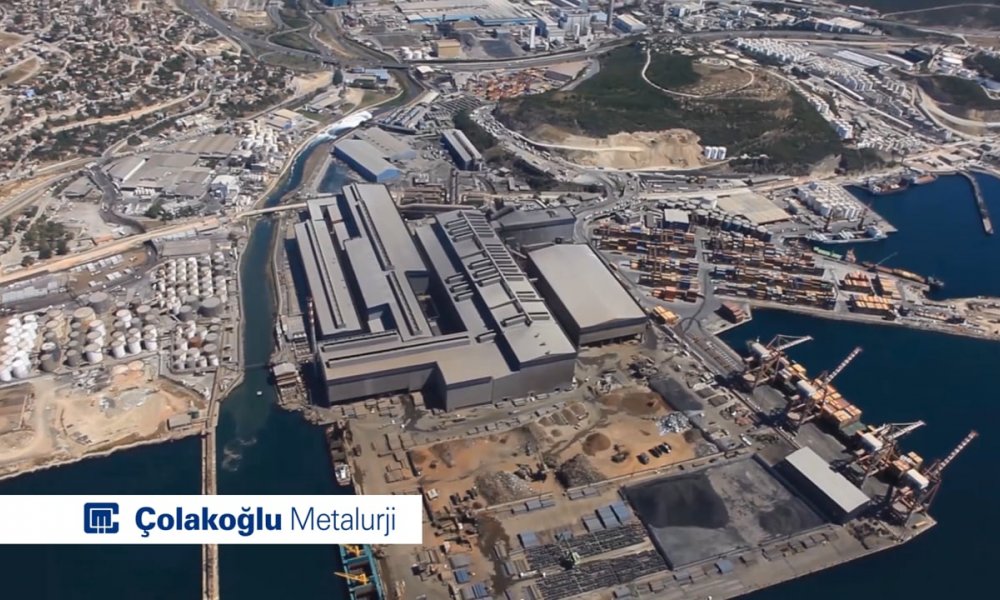
The European Commission is to impose an anti-dumping duty of 4.6%-7.8% on imports of some Turkish steel products, the CEO of major Turkish steelmaker Colakoglu told S&P Global Platts on Dec. 17.
The EC launched an anti-dumping investigation into imports of certain hot-rolled flat products from Turkey in mid-May following a request by European steelmakers group Eurofer.
“The EU Commission latest duty decision is another step to block imports from Turkey,” Colakoglu CEO Ugur Dalbeler, said. “As long as Turkey will not respond to the EU with counter measures, it seems that they will continue their moves in this regard.”
According to the EC’s decision document, seen by Platts, Colakoglu is subject to the highest provisional duty of 7.6%, while Turkey’s largest integrated steel producer, Erdemir Group (Erdemir and Isdemir), has a duty rate of 5.4%.
Habas has the lowest duty at 4.8%, while Borcelik and Agir Haddecilik will face a duty of 5.9%. All other Turkish companies will have a provisional duty of 7.6%.
The EC said in November that imports of hot-rolled flat steel from Turkey would be subject to registration from Nov. 13 as part of its anti-dumping investigation, meaning retroactive duty also can be applied from this date.
The EU is Turkey’s main HRC export market and the duty decision could limit Turkish mills’ exports.
Despite quotas and safeguard investigations, Italy remained Turkey’s main HRC export market over January-October at 785,500 mt, according to Turkish Statistical Institute (TUIK) data. The total was lower than the 867,100 mt in the same period of 2019.
Spain became Turkey’s second-biggest export destination in the first 10 months of 2020 at 308,700 mt, again sharply lower than 516,600 mt a year earlier.
The EC has not formally confirmed its intention to impose the duties.
— Cenk Can


Holland International Distribution Council Brexit webinar
On Thursday, December 17 the Holland International Distribution Council has organized the last Brexit webinar in a series of three this year. Head of UK Trade David Besseling from Samskip, senior Policy Advisor Enforcement and International Affairs Rick Ligthart and corporate Advisor & Post Brexit Specialist Raimond Nicodem of Nicodem & Company informed the attendees about all the ins and outs around Brexit.
With two weeks to go until Brexit, it will be difficult for companies to switch to other modalities for their goods, let alone set up a completely new supply chain in two weeks. Raimond Nicodem’s strategic analysis therefore mainly looked at the first half of 2021. The border between the UK and EU is then a fait accompli. Rick Ligthart explained what the role of Customs is in such a case and to what formalities this will lead to. David Besseling advocated the use of short sea solutions as an alternative to traditional truck transport.
Questions and answers
Q: When the Brexit Emergency Plan comes into force, will that release us temporaily from customs formalities for a maximum of 6 months?
A: No, in the national emergency plans this can’t be decided so starting on January 1st 2021 all the customs formalities need to be fullfilled,
Q: Are the future UK regulations similar as currently in Switzerland or any other non eu country or will there be a special relation UK-EU as per other countries
A: The EU and the UK are negotiating a Free Trade Agreement. The outcome of that process will determine the relation between them.
For the UK regulations please check https://www.gov.uk/government/publications/the-border-operating-model
In this document the UK Government has published the procedures and formalities for trade between the EU and the UK from January 1, 2021.
Note:The negotiations are ongoing, the future relation is discussed and at this moment we don’t know the outcome.
LMC Automotive: 2020 Automotive Sector Impact Report

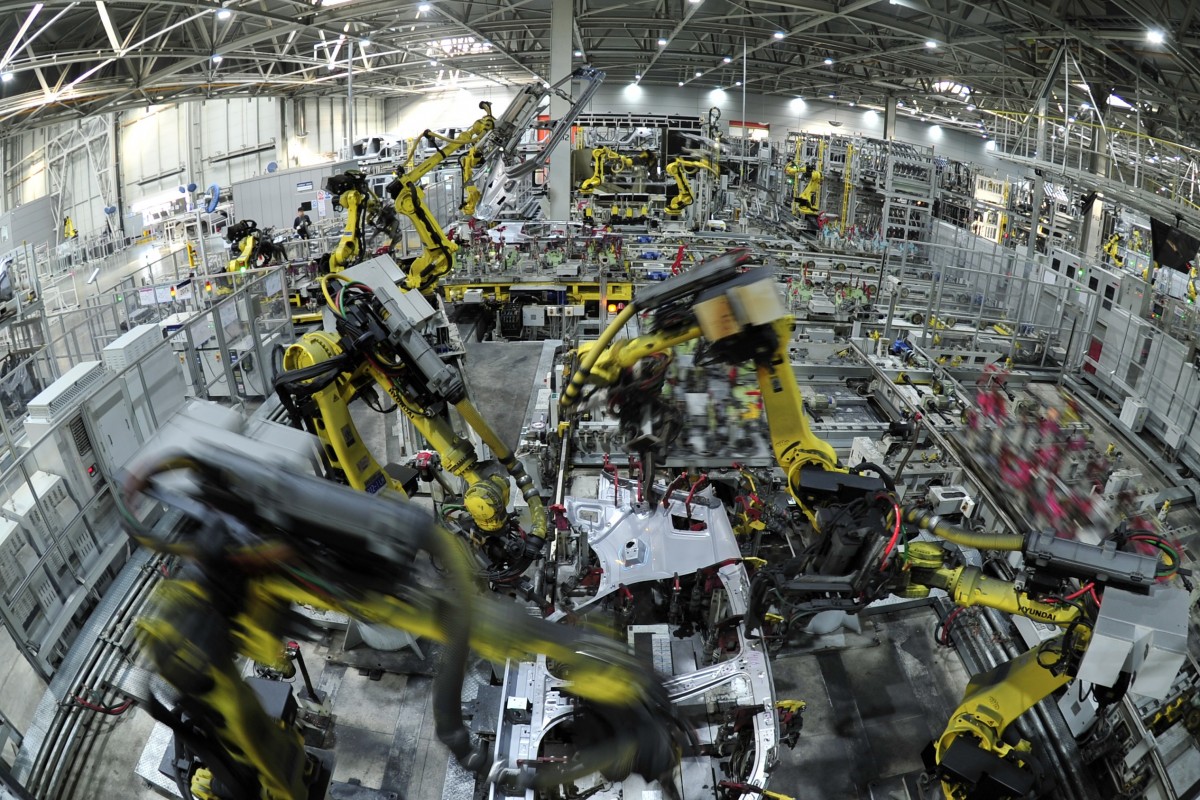
As production and Light Vehicle sales continue to make a slow recovery, the ongoing impact of COVID-19 may have produced an unlikely winner in the form of Battery Electric Vehicles. Click below to access our 2020 Automotive Sector Impact Report.
European coils prices increase, capacity expected to return in Q2
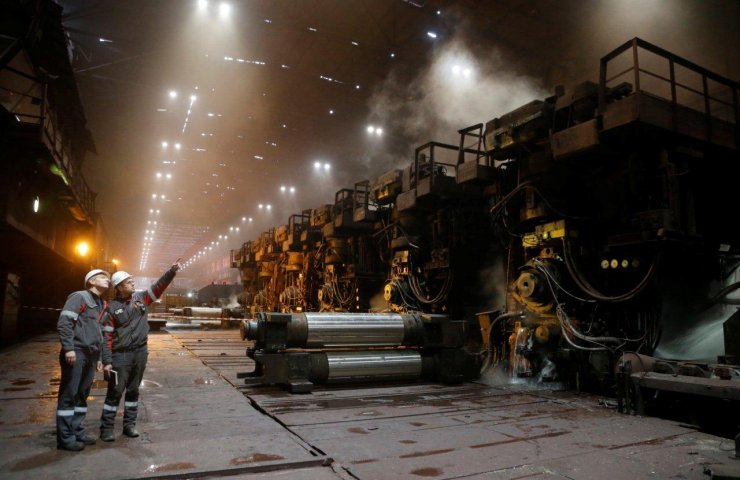
The European hot-rolled coil market continued its upward rise as tight supply woes, extended lead times and sold out mills elevated prices further, with any relief in cost not expected by buy-side sources until at least the second quarter, market participants told S&P Global Platts Dec. 16.
Even those in seemingly more secure positions due to contracts are finding mills late with deliveries, or unable to fulfil them at all, with material increasingly hard to come by in the first quarter.
“I hope they stop [increasing prices] before Christmas,” an Italian service center source said. “Everyone is trying to put material back in their stocks. They are conscious prices could push up again.”
The Platts TSI index for North Europe increased by Eur7/mt on the day to Eur639.50/mt EXW Ruhr and the Platts TSI index for Italy went up Eur7/mt to Eur629/mt EXW Italy Dec. 16.
An Italian distributor source said the market was “booming” due to the supply issue, and warned it was not reflective of real demand.
“We received a call from the appliance sector, and they are looking for huge amounts of coils, they are begging for material. We are having difficulty delivering on time, the lead times are as far out as March-April,” the distributor said.
The source added that the assurance of long-term contracts was not enough to guarantee the timely delivery of material, and that most of the supply tightness was concentrated in those seeking galvanized material.
On Dec. 16, the remaining balance for HRC imports to the EU stood at 1.9 million mt (116%), the European Commission’s monitoring tool showed. Nearly 180% of the remaining balance was non-country specific.
Of the five countries with assigned quota, Russia’s allocation, the highest of all at 421,690 mt, had a remaining balance of 325,089 mt, India at 16,494 mt, Korea — 27,507 mt, and Serbia with 60,943 mt left.
Turkey’s allocation is nearing exhaustion, with just 934 mt remaining of an initial 344,891 mt, and 117,310 mt currently awaiting allocation at EU ports.
— Amanda Flint

Laminoir des Landes invests in Tarnos steelworks

French plate producer Laminoirs des Landes is operating a new, hydraulic hot shear in Tarnos provided by Italian equipment maker Danieli.
After a brief and smooth commissioning, the Danieli shear performed all the cuts in time and to the necessary quality, exceeding the design capability in terms of thickness and temperature. The new hot sheer cuts hot plates between 600-900 °C to thicknesses up to 50 mm and widths up to 3,500 mm, Danieli says in a note sent to Kallanish. The new shear is powered by two in-house designed hydraulic cylinders fed individually by servo-valves and controlled for position and force. Thanks to the hydraulic knife-angle and knife-gap adjustment systems, the machine is able to perform an optimal cut with excellent edge quality for thick and thin products. This new shear design reduces requirements for maintenance time and number of spares parts.
Danieli hydraulic shears are a solution to reduce CapEx compared to common, electromechanical rocking-type shears, the note comments.
The rolling plant in Tarnos started operations in 2018 with the production of heavy plates. It has a capacity of 500,000 tonnes/year, which it had planned to achieve within 3 years. According to local press reports the company has reached a level of output of over 120,000 t/y. Spanish steel company Hierros Añón SA has a 60% stake in Laminoirs des Landes. The Swiss Sipro Stahl Holding AG holds the remaining 40%, Kallanish notes. The re-roller produces S235, S275 and S355 plate grades with thickness between 8-150mm together with unalloyed, low-alloyed and special steels for pressure vessels and boilers, normal strength and high-strength shipbuilding steels. Lamonoir des Landes also produces tempering steel, heavy plates for large-diameters pipes, plates resistant to atmospheric effects and hot-rolled slabs, or semi-finished products with higher thicknesses than those of heavy plates.
Nippon Steel, Rio Tinto to develop low-carbon steel technologies
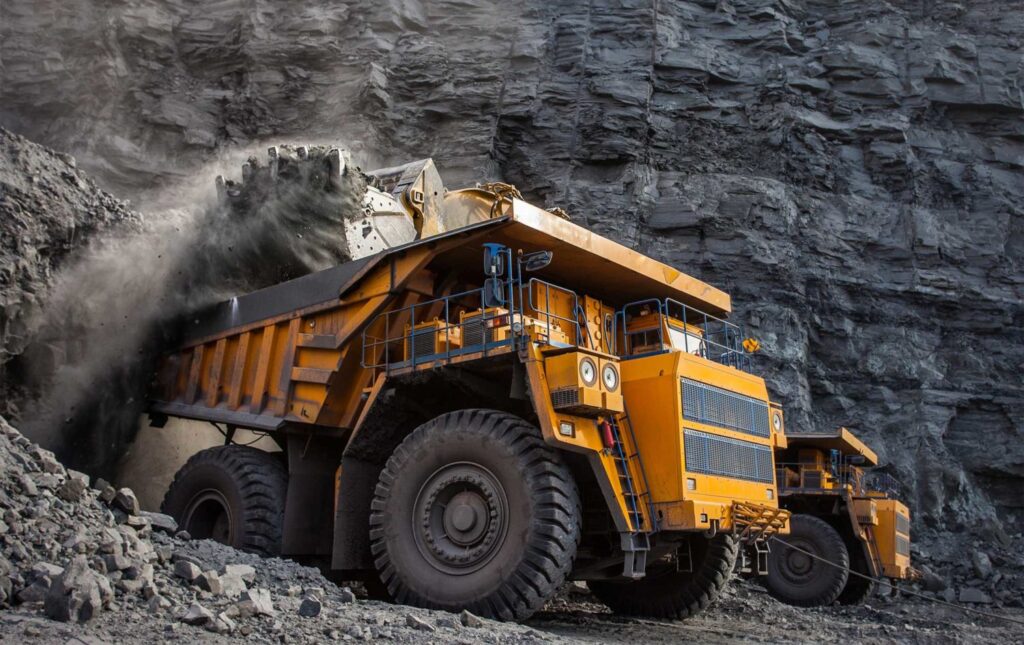
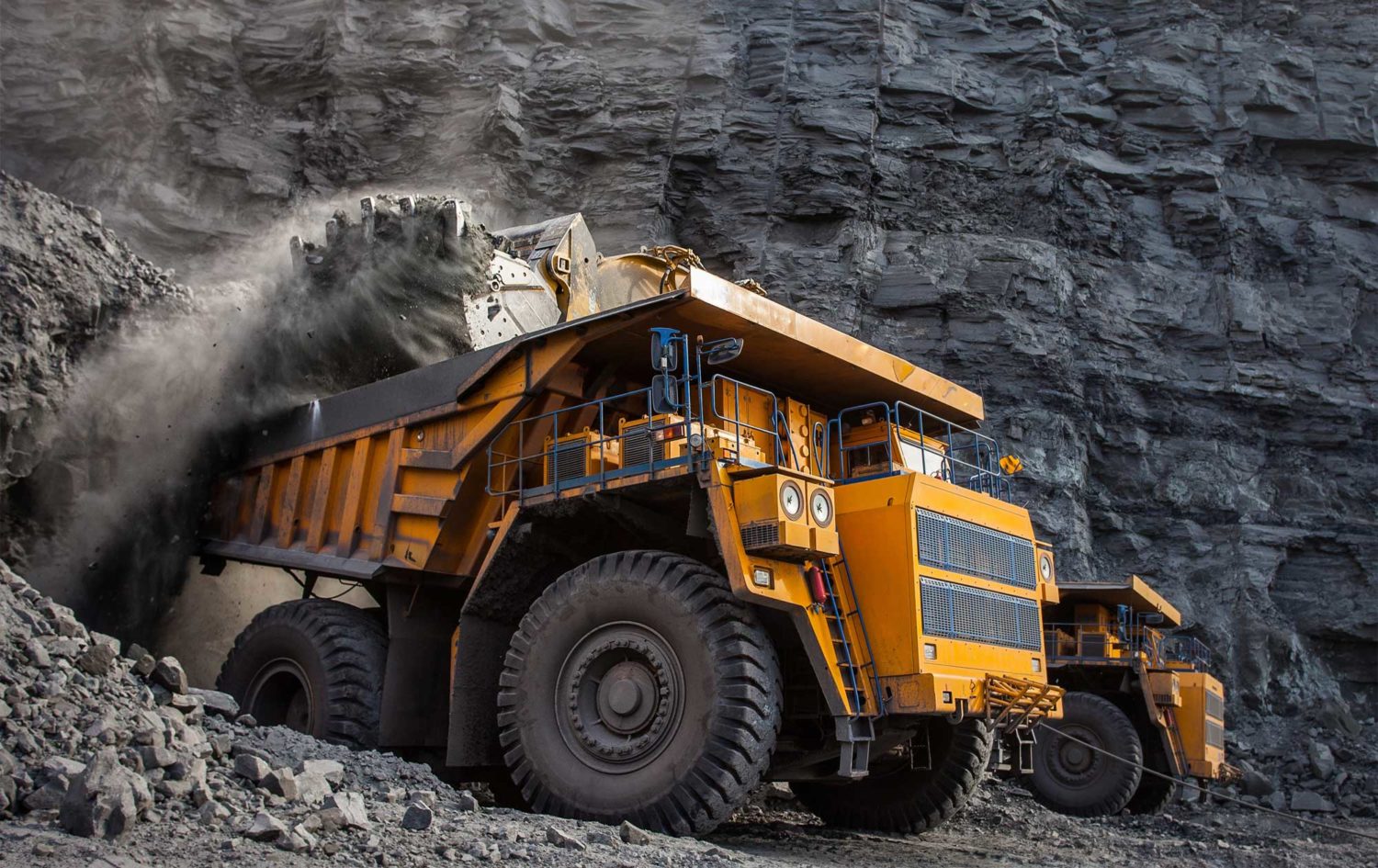
Japan’s Nippon Steel and Australia’s Rio Tinto signed a memorandum of understanding to research and develop technologies for low-carbon emission steel, both companies said Dec. 16, creating a tie-up between a major steelmaker and an iron ore producer.
“With this MoU, Nippon Steel and Rio Tinto are looking to enhance their long-standing relationship by extending it into new areas in support of the shared goal of significantly reducing carbon emissions across the entire steel value chain,” they said.
Citing the objectives of the MoU, Nippon Steel noted the technologies will cover “decarbonization of the entire steel value chain from iron ore mining to steelmaking, including integrating Nippon Steel’s steelmaking technology and Rio Tinto’s iron ore processing technology to establish an innovative steel manufacturing process with low carbon emissions.”
The MoU comes after the Japanese steelmaker joined a group in July to develop technology to produce paraxylene from carbon dioxide.
Nippon Steel owns a total crude steel production capacity of about 52 million mt/year through 15 blast furnaces located across Japan, while Rio Tito produced and shipped about 326.7 million mt and 327.4 million mt of iron ore, respectively, from its Pilbara operations in 2019.
— Clement Choo

Outokumpu sees stronger-than-expected demand recovery
Outokumpu is registering a stronger-than-expected market recovery, the Finnish firm says in a note sent to Kallanish.
The company now expects deliveries to increase 5-10% on-quarter in the fourth quarter. This would mean quarterly deliveries are set to return to the level of 500,000 tonnes for the first time since Q1 2020.
Together with rising deliveries, Q4 Ebitda should also be higher than in Q3, improving the outlook to stable.
The group’s deliveries in January-September reached 1.6 million tonnes, down 139,000t or -8% on-year. In Q3 alone deliveries fell -9% on-year. In Q4, nevertheless, deliveries could be up more than 10% y-o-y if the latest outlook by the group is confirmed.