

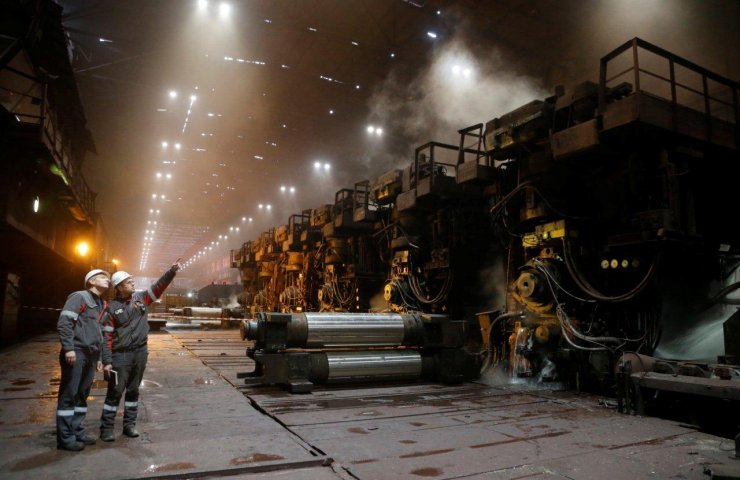
Ilyich ships new galv grade to European market
Metinvest’s Ilyich steelworks has produced and delivered 20,000 tonnes of galvanized steel of European quality, the company says.
The cold-rolled shop at Ilyich now produces galvanized steel with a zinc coating of Z100 (100 g/m2), in accordance with the requirements of EN 10346 standard, the enterprise claims.
The workshop has managed to produce new products, which are in demand not only in Ukraine, but are purchased by customers from Poland, Slovakia, Bulgaria, Montenegro, Iraq, Czech Republic, Serbia and Greece.
So far this year, Ilyich steelworks has started the production of 15 new types of steel products. One of these is in the continuously cast semi-finished products segment, 13 are finished rolled products and one is in the pipe segment, the firm observes.
The plant increased crude steel production in January-September to 3 million tonnes, up by 3.2% on-year (see Kallanish passim). Pig iron production increased by 3% to 3.52mt, while production of rolled products was more by 3.2% at 2.67mt.

Thyssenkrupp prepares customers for plate mill closure
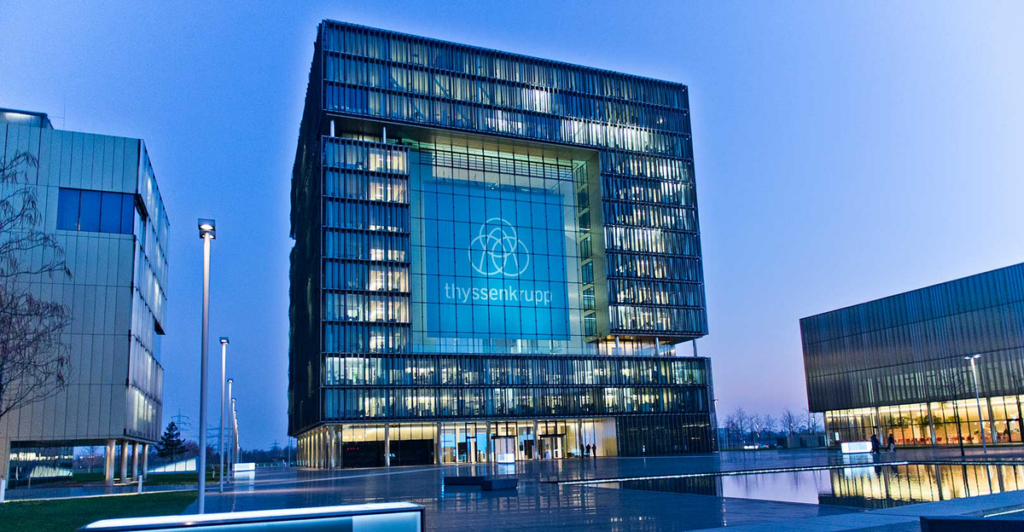
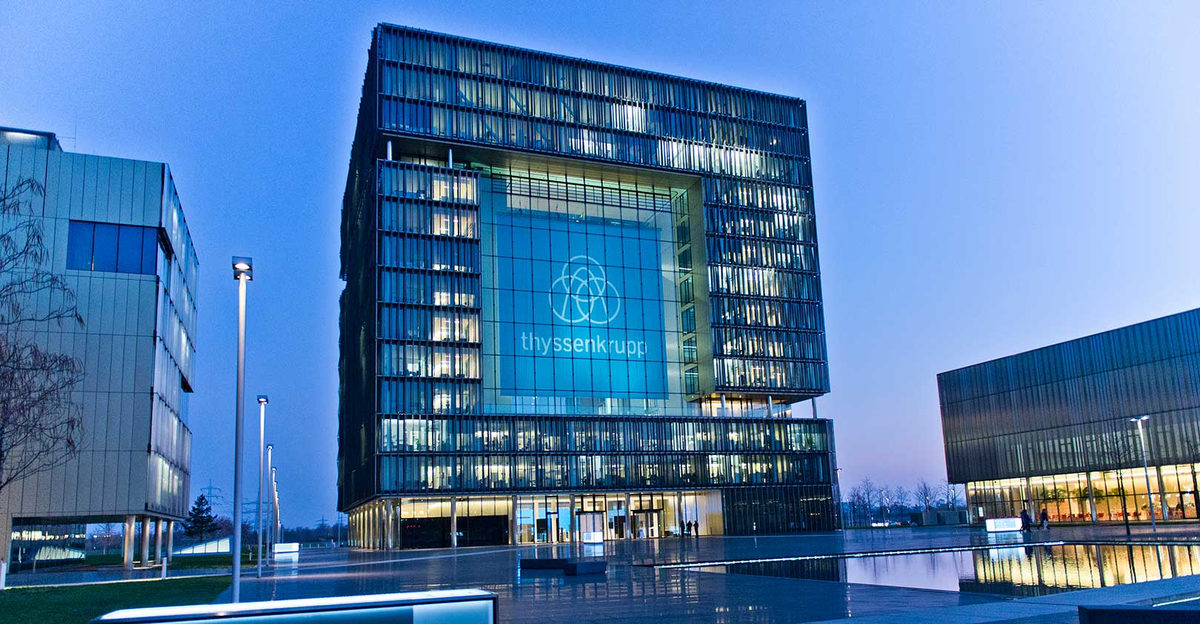
Thyssenkrupp Steel is becoming more outspoken about the looming closure of its plate mill in Duisburg. Late in November, it sent a letter to its customers which many took as a declaration that its operation would cease by the end of thyssenkrupp’s fiscal year through September 2021.
Tk Steel’s press office did not quite confirm the nature of the message; a spokesman upon inquiry said that “…a possible closure is getting more and more likely as time runs out.” The company initially set itself the deadline of 31 December to find a buyer for the operation.
The tone of the letter seen by Kallanish, however, appears clearer. “Since we could not find a buyer to this date, we must assume that the plate mill will be closed by 30 September 2021 at the latest,” it reads. “There is no option of a successful development under the roof of thyssenkrupp.”
“We will have to reduce our volume of orders there because we cannot rely on it,” one stockholder’s buyer told Kallanish in October. “We are getting prepared that production will be discontinued,” he added. Another buyer of mostly high-end plate, stated that “…I hold little contact with thyssenkrupp these days because I don’t see a future,” although he deals with the higher-end grades thyssenkrupp makes.
Thyssenkrupp notes the hot strip cutting line in Antwerp will remain unaffected, and will continue operation.

TCUD: EU continues unfair trade
Approximately 50% of Turkish steel consumption being met by imports in recent months has prevented capacity utilisation from increasing significantly, despite an improvement in the market, says the Turkish Steel Producers’ Association (TCUD).
“The EU Commission has continued to restrict our steel exports,” says TCUD general secretary Veysel Yayan. “Following the quota implementation which is revised and tightened every six months, dumping investigation and countervailing duty investigation, in November, at the request of Eurofer, the EU commission decided to register imports to impose historical taxes.”
The European Commission continues to unilaterally implement the provisions of the ECSC Free Trade Agreement, in line with its own interests, and to prevent Turkish steel exports, Yayan says. Yet no action has been taken against the EU, he adds.
Turkey’s crude steel production increased by 19.4% on-year in October to 3.2 million tonnes, according to TCUD. Production rose 4.2% on-year in January-October to 29.1mt.
October finished steel consumption was 2.5mt, up 27.6% on-year. Ten-month consumption was up 16.2% to 24.4mt.
Exports of flat and long steel products only decreased in October by -1.6% to 1.5mt. January-October exports declined -10.5% to 13.3mt and -18% to $6.8 billion, Kallanish notes.
October imports increased 2.2% to 963,000t. January-October imports grew 8.2% to 10.4mt.
The ratio of exports to imports in January-October fell to 109:100 versus 127:100 last year due to the increase in imports and decrease in exports.
“The Turkish steel industry, which exports to more than 100 countries of the world, expects the EU’s trade-restricting attitude to be terminated as soon as possible and to increase mutual efforts to return to fair trade in accordance with the agreements between us,” TCUD concludes.
Liberty, thyssenkrupp confirm due diligence for takeover
Liberty Steel and thyssenkrupp have confirmed they will be entering the due diligence process which could eventually lead to a takeover of thyssenkrupp Steel Europe by Liberty.
“Thyssenkrupp and Liberty Steel Group have agreed to enter a further process phase,” the UK-based group writes in a statement sent to Kallanish. It “…will shortly begin a detailed due diligence and thus gain insight into key business data of thyssenkrupp’s steel business.”
A statement of similar wording has been issued by thyssenkrupp. Last week already, insiders told news agencies the next step of the takeover talks was in the offing.
Meanwhile, the economy minister of the state of North Rhine Westphalia, Andreas Pinkwart, was cited in the local press as having a positive attitude towards the negotiations. “It is a reasonable basis for discussion,” he was quoted as saying about Liberty’s non-binding offer after talking to Liberty chief Sanjeev Gupta. Pinkwart said Liberty’s concept is substantial, and he welcomed the group’s apparent willingness to push the transformation towards green steel.
At the same time, Pinkwart expressed scepticism about a possible participation of the state in thyssenkrupp as a stakeholder. Legal requirements are such that the option is virtually not feasible, he was quoted as saying.
Liberty confirms Dudelange, Magona HDG line supply disruptions

Liberty has confirmed its Liege-Dudelange and Magona plants, in Belgium, Luxembourg and Italy, have been temporarily impacted by supply disruptions, affecting shipments to customers as a result.
The units are mainly specialised in the production of hot-dip galvanized coil using hot rolled coil as feedstock. Sources in the market note the disruptions have hit customers, who are being informed they will be affected by delivery delays or cancellation of orders in some cases.
“The issues are being resolved using our normal commercial mechanisms,” a Liberty Steel spokesman tells Kallanish. “We apologise to any customers impacted by this issue and expect shipments to return to normal soon.” The issues are still considered an effect of the problems created by the pandemic in Europe, he adds.
The coil market across Europe has been heavily impacted by tight availability since October. This has resulted in higher prices and longer lead times across the continent, Kallanish notes.
WTO says S Korea’s tariffs on stainless steel bars from Japan inconsistent with its rules

The World Trade Organization has ruled that South Korea’s anti-dumping duties on stainless steel bar imports from Japan were inconsistent with the WTO’s anti-dumping agreement.
“We conclude that, to the extent that the measures at issue are inconsistent with certain provisions of the Anti-Dumping Agreement, they have nullified or impaired benefits accruing to Japan under that Agreement,” the WTO said Nov. 30. “…we recommend that Korea bring its measure into conformity with its obligations under the Anti-Dumping Agreement.”
The WTO’s decision comes after Japan, in June 2018, lodged a request with the WTO over the duties that were initially imposed in July 30, 2004, and were extended three times following sunset reviews. The duties were set at 15.39% on stainless bars imported from Japan from June 2, 2017.
In January 2020, South Korea started a fourth sunset review of the duties. As such, the current extension will continue until South Korea “decides whether or not another extension measure should be imposed on the product in question based on the fourth sunset review,” the Japanese Ministry of Economy, Trade and Industry said Dec. 1.
METI data showed that exports of stainless steel bars from Japan to South Korea fell to 3,791 mt in 2019 from 9,269 mt in 2002.
The WTO’s agreement sets the rules for allowing members to take action against dumping in order to defend its domestic industries.
— Clement Choo


SMS eyes acquisitions and digitalisation in tough 2021
SMS group believes that 2021 will be another hard year marked by the Covid-19 pandemic, but is optimistic that key performance figures will rebound as of 2022.
The family-owned German plant-builder normally reveals its annual figures in the summer, but this year postponed its press conference to the end of November. In 2019, the company still saw its essential key figures increasing, with revenue up 4.6% on-year to €2.9 billion ($3.5 billion), order intake up 2.2% to €3.2 billion, and pre-tax profit up 127% to €126 million. The order book at the end of the year stood at €3.85 billion, 6.3% higher than in late 2018.
In the current full-year, SMS expects order intake to drop by one third, chief executive Burkhard Dahmen said at a conference call attended by Kallanish. Apart from a drop of investment spending among mills, the pandemic has caused other problems. Chief operating officer Michael Rzepczyk noted that “…the actual construction site remains our main working place, and here we had to cope with massive hygienic regulations, and also with employees infected with the virus.”
He continued: “Thanks to augmented reality and video conferences that seemed to last all year through,” the firm managed to finished projects despite the hurdles. In fact, this year has seen the number of employees in the SMS Digital division more than treble, according to digitalisation officer Katja Windt. She predicted that services and maintenance, powered by digitalisation, will make up 50% of the company’s revenue by 2030.
SMS says it will continue to supplement its organic growth with acquisitions of suitable start-ups or established specialists. This year, it acquired shares in two Brazil-based companies, Viridis and Vetta, both based in Belo Horizote, to create a competency centre for industrial digitalisation. In Italy, with the acquisition of OMAV and Hydromec, SMS expanded its product range in the extrusion plant and forging press sectors.
Severstal ramps up production for train-building industry

Russian steelmaker and miner Severstal has entered the market of special profiles for rail transport, the company says.
The enterprise estimates the potential for sales in Russia to be 64,000 tonnes/year, which corresponds to approximately 40% of the market, Kallanish notes.
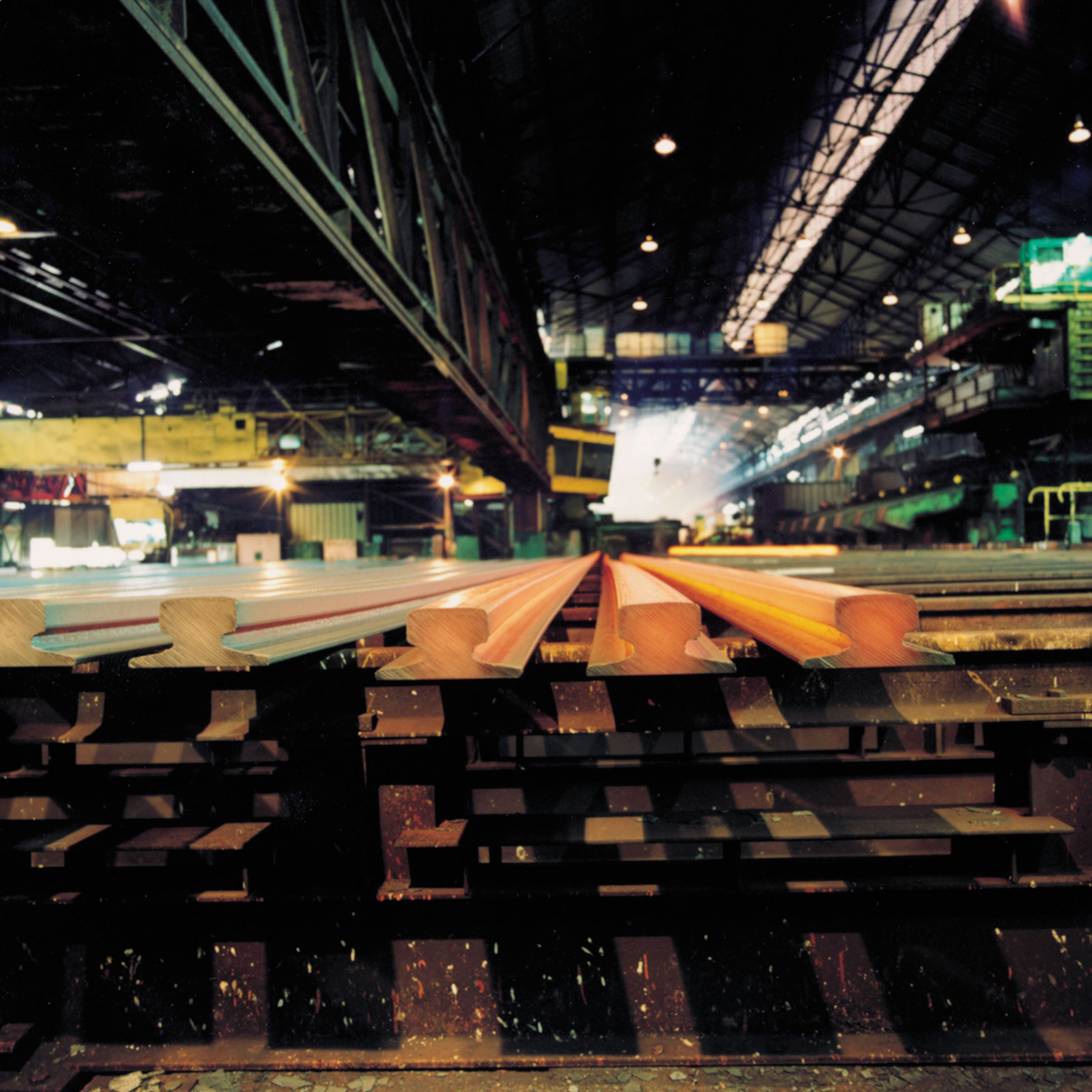
Severstal has begun the production of this product and has prepared for dispatch another pilot batch of special profiles to a train-building plant in Russia.
Hot-rolled steel for freight train bodies is produced at mills 2000, 2800 and 5000 at its Cherepovets steelworks. In addition to hot rolled sheet, the company supplies train builders with shaped tubular products.
The product portfolio will now be supplemented with a special profile made of hot and cold rolled steel, which is used as a load-bearing element for stiffening train body structures.
“Severstal has a historical presence in the railway engineering market; we are interested in expanding our product line and since 2020 our company has been the largest supplier of flat products,” says director for relations with machine-building Georgy Argunov. “From the beginning of 2021 we will be ready to participate in tenders and carry out industrial supplies.”
Severstal’s third-quarter crude steel output increased by 3% on-quarter to 2.9 million tonnes (see Kallanish passim).
Invitalia promises huge investment, full employment for Ilva
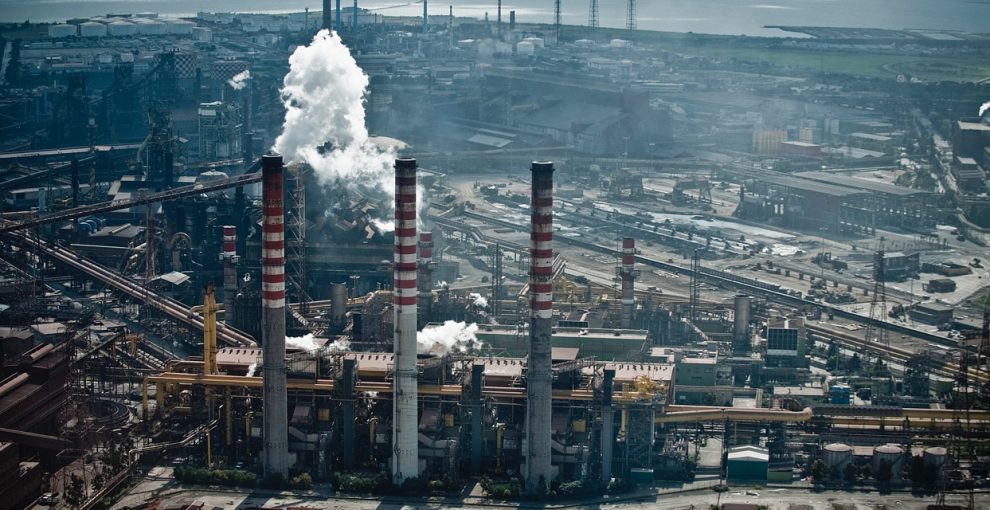
The new 50:50 joint venture between ArcelorMittal Italia and Invitalia will invest €2.1 billion ($2.5 billion) into the relaunch of the steelmaker formerly known as Ilva, said Invitalia chief executive Domenico Arcuri during a meeting with unions. He also promised full employment by 2025.
Despite the initial 30 November deadline being postponed, Arcuri said the agreement is almost ready. The parties are compiling a memorandum of understanding that describes the main points of the agreement. The deal is now expected to be signed on 11 December (see Kallanish 1 December).
The objective of the new industrial plan is to gradually reach 8 million tonnes/year of crude output starting from a level of 5mt next year. Part of the new plan will be a gradual decarbonisation, two electric arc furnaces and a direct reduced iron plant, together with the reconstruction of blast furnace no.5.
The longer-term target is to create Europe’s largest plant for green steel, union sources who took part in the meeting tell Kallanish. While the use of a furlough scheme will continue this and next year, by 2025 Arcuri foresees full employment.
The Italian state and ArcelorMittal Italia will enter into a 50:50 partnership until 2022 when the government will become the majority stakeholder at 60%. From now until 2022 the state will inject €800 million into the new company.
The managing board composed of six stakeholders should see equal participation from the two parties, with the president appointed by the state and the chief executive by ArcelorMittal. This year Taranto’s output is not expected to surpass 3mt.

Made in Steel 2021 will take place from 26 to 28 May
It has been in the air for a few weeks, and now it is official. The ninth edition of Made in Steel has been postponed following the numerous requests from exhibitors and trade operators and given the continuation of the Covid-19 pandemic.
The new dates are 26, 27, and 28 May 2021, at fieramilano Rho, Halls 22 and 24.
2020 has been a “suspended” year, with strong economic, political and social uncertainty affecting all sectors worldwide. Because of this scenario, also the leading international events in the steel industry have had to be cancelled or postponed. That’s why Made in Steel 2021 will be more important than ever, a unique opportunity for Italian and European steel operators to meet again and resume the relationships that had been disrupted.
“Let’s not waste the opportunities of this great global crisis that can bring the entire steel industry to a new beginning. People are social animals. They need contacts. They need to see each other and spend time together. Made in Steel is important for the operators of the steel supply chain, to meet, exchange ideas, and review business models. It is the beginning of the steel rebirth” – Emanuele Morandi, President and CEO of Made in Steel.
Made in Steel 2021 will be held in conjunction with Lamiera, the international exhibition of sheet metal forming, cutting, and working machines, automation, and related technologies, promoted by UCIMU-SISTEMI PER PRODURRE.