

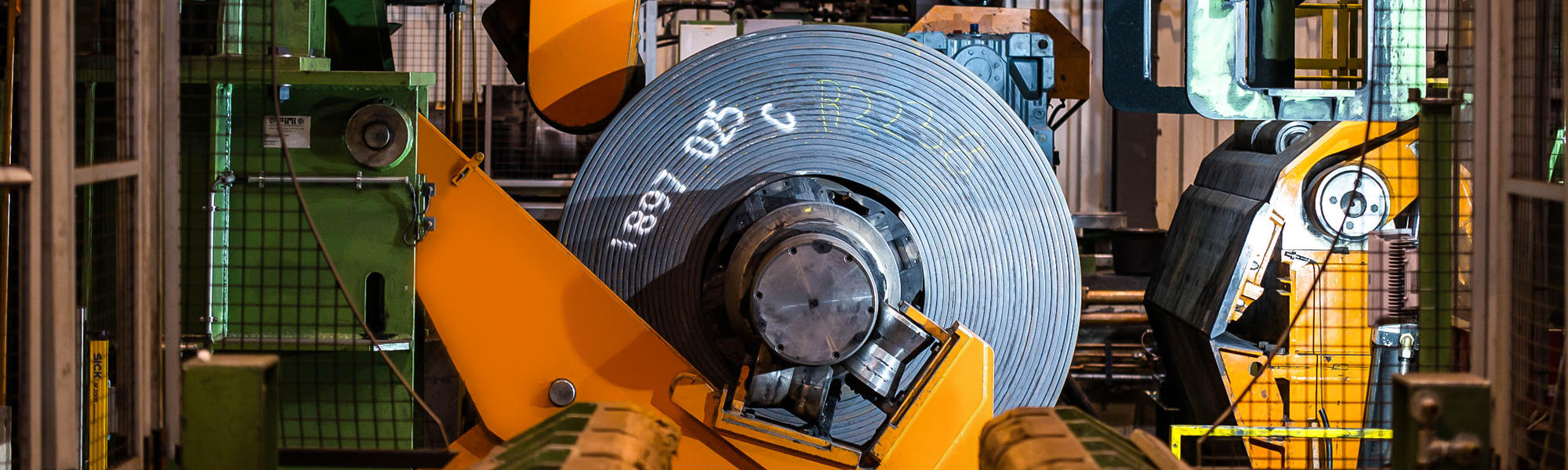
EU service centres report October sales growth: EUROMETAL
European flat steel service centres (SSC) saw strip mill product shipments rise 3.3% on-year in October, slowing from 4.7% on-year growth in September, says EU distributors’ association EUROMETAL.
When expressed in days of shipments, stocks at EU SSC reached 57 days in October versus 71 days in October 2019.
January-October shipments nevertheless still fell -14% on-year, Kallanish notes.
Multi product and proximity steel distributors however reported a -2.3% drop in total shipments in October. Only strip mill products showed positive growth.
Stock volumes in October were at 66 days of shipments versus 71 days in October 2019.
Ten-month total shipments fell -11%.


Goldman Sachs’ Currie predicts ‘long-lasting bull market’ for virtually all commodities

The world is entering a “long-lasting bull market” for commodities, with even oil set to benefit as recent underinvestment, dollar weakness, government spending and the energy transition boost demand across the board, Goldman Sachs’ global head of commodities research, Jeffrey Currie, said Dec. 8.
Speaking at an FT Live event, Currie said “every single commodity market with the exception of wheat is in a deficit today” and highlighted the example of oil, saying capital expenditure in the oil sector had fallen an unprecedented 40% in the first half of the year. He argued that even oil demand would be boosted by spending on the energy transition, due to the volume of oil consumed in the course of green energy infrastructure projects.
Goldman Sachs has a “target” price for oil of $65/b for the end of 2021 and is forecasting rapid demand recovery, with global demand set to reach 102.5 million b/d in 2022, he said, up from the International Energy Agency’s estimate that oil demand in 2019 was at 100.1 million b/d.
“It’s important to separate the vaccine, which is a tactical upside catalyst, from the pandemic itself, which is a structural catalyst to a longer-lasting bull market. As we look out to 2021 the vaccine creates that V-shaped recovery… but looking beyond that we believe it’s the beginning of a structural bull market not only in oil, but across the entire commodity complex,” Currie said.
Despite a reduction in oil demand for business travel, “we think the market’s going to be in substantial deficit throughout the end of next year and beyond into 2022… You have structural under-investment in supply — we call it the revenge of the old economy. It’s not just oil, it’s metals, mining, the entire old economy has shortages in investment,” he said.
Redistribution
“The second theme, policy, sits at the center of the demand story. The big catalyst that the pandemic shifted is that policy after 2008-9 was directed at market stability: whether it was OPEC, the [US Federal Reserve,] the Chinese five-year plan, everything was around financial stability. Now, all the policy is around social need, and social need creates a redistribution of wealth towards lower-income, income-constrained households that consume a lot more… Demand is relatively strong across the board,” Currie said.
“We call it revving commodity demand — redistributional policies, environmental policies … and then there’s the versatility in supply chains” in the form of stockpiling of commodities by countries such as China, he said.
“Policy-driven demand is going to create a capex cycle that is bigger than the BRICS in the 2000s, not quite as big as the ’70s, but we’re talking about that kind of a bull market in commodities,” Currie said.
“It’s the same three legs everywhere — redistribution, Green, and then something to deal with the resilience of supply chains — all [governments] are focused on that, whether it’s the US, Europe or China,” he said, arguing the policy side of the new cycle would be kick-started by a potential $500 million stimulus likely to be approved by the US Congress in the coming days.
Currie went on to argue that a weakening US dollar was also providing “tailwinds” for the commodity sector, with the effect already evident in price rises in oil and commodities such as copper and iron ore, with iron ore prices hitting seven-year highs on Dec. 7. “This is not something we’re forecasting for the future — we’re inside it right now,” he said.
On the topic of energy transition, Currie played down some of the more optimistic forecasts by his fellow panelists on the pace of progress in battery technology, and the rise of electric vehicles, highlighting among other factors limitations in lithium availability.
“Right now Tesla and Apple consume 50% of the world’s lithium market. These metals markets cannot accommodate scaling up these battery technologies at the rates that are potentially anticipated here,” Currie said, going on to voice skepticism about the pace of improvement in battery technology.
— Nick Coleman
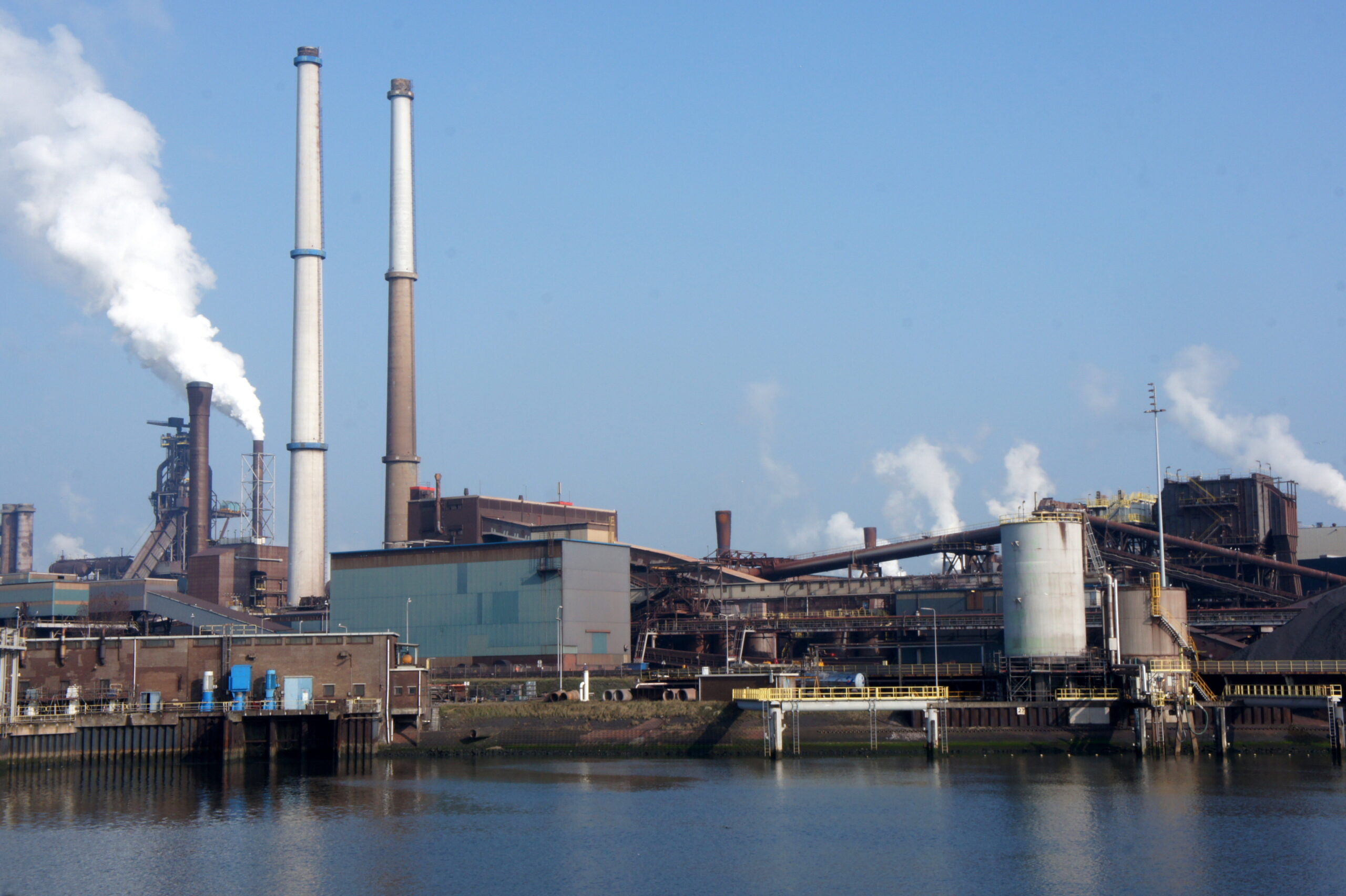
Tata Steel unveils Eur300 mil environmental plan for Dutch IJmuiden plant
Tata Steel has launched a Eur300 million ($363 million) environmental-improvement plan, dubbed “Roadmap+”, to reduce emissions at its IJmuiden plant in the Netherlands, the steelmaker said on Dec. 8.
The measures include the planned Eur150 million construction of a facility at IJmuiden’s pellet plant, which will reduce emissions significantly by cutting output of nitrogen oxides and heavy metal particulates by more than 90%. The project will also include an investment of Eur50 million in improvements to the coke unit and Gas Plant 2 (CGP2) at the site, helping to cut odors and emissions of particulates.
As part of the Roadmap+ program, Tata Steel Netherlands will work closely with local authority and government leaders in the province of Noord Holland to ensure the measures exceed environmental laws.
“Tata Steel is taking additional action to build on its Roadmap 2030 plan with the announcement today of Roadmap+, which will enhance the environment in and around the IJmuiden plant. We are absolutely committed to sustainability as a strategic priority across the company, of which these measures are the latest example.” Tata Steel Europe CEO Henrik Adam said.
The company has also published a progress report on Tata Steel’s Roadmap 2030 sustainability program involving 25 projects to enhance its environmental performance. According to the statement, the latest environmental measures at IJmuiden follow Tata Steel’s wider commitment to becoming carbon neutral by 2050 and to maintain its position as a global leader in low-emission steel production per tonne.
Tata IJmuiden has a design capacity of 7.5 million mt/year of crude steel, with two blast furnaces.
They company said Nov. 13 it is to separate its UK and Dutch units after having entered into talks to sell the IJmuiden mill and downstream assets to Swedish steelmaker SSAB.
S&P Global Ratings on Nov 13 revised its Tata Steel outlook to “stable” from “negative” on a solid earnings rebound.
Tata Steel’s earnings outlook is more positive than previously expected following a rebound in the second quarter of fiscal year 2021 — ending March 31, 2021 — helped by steel price increases and lower raw materials costs.
— Annalisa Villa

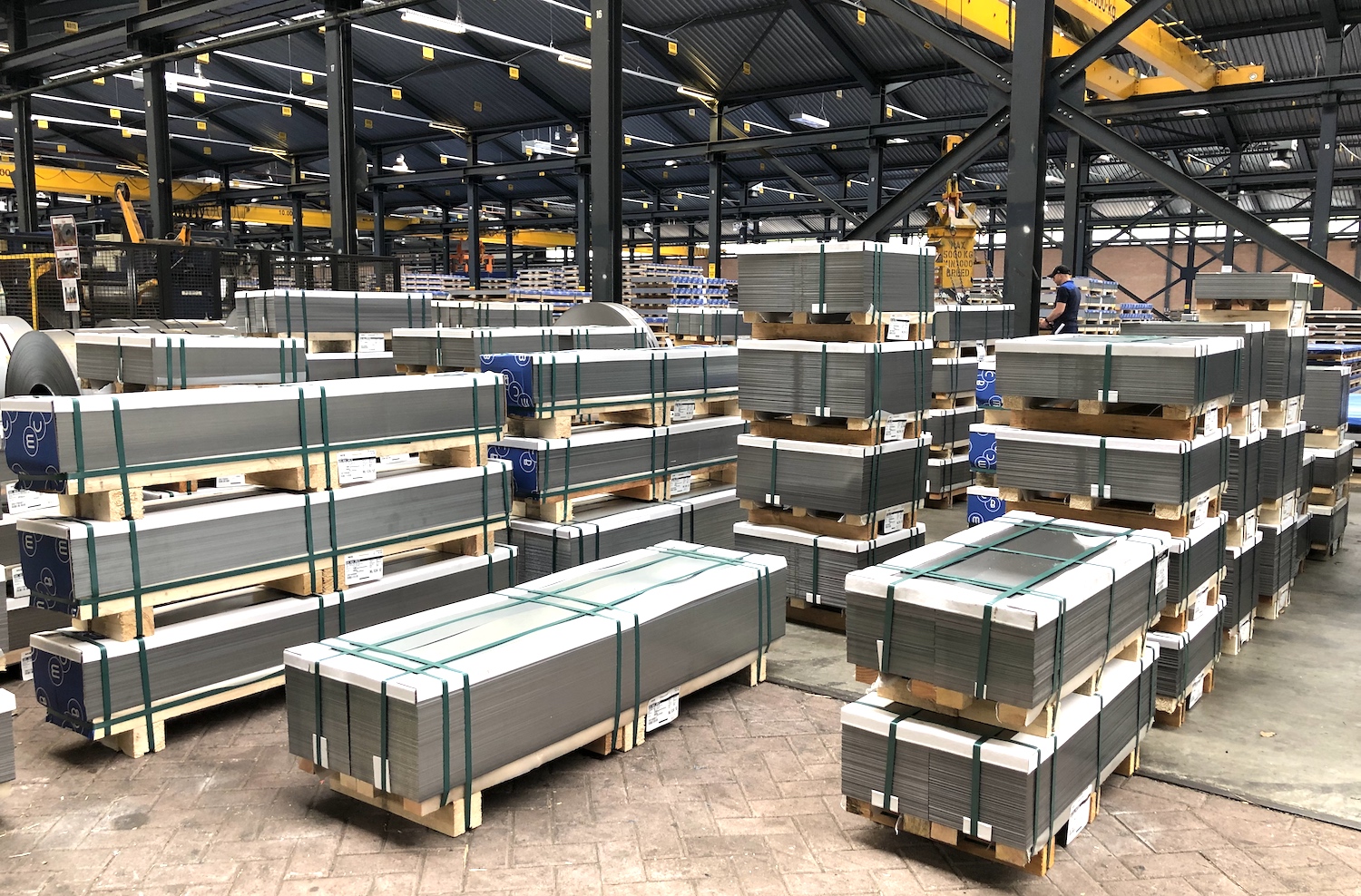
EU steel service center shipments rise 3.3% on year in Oct
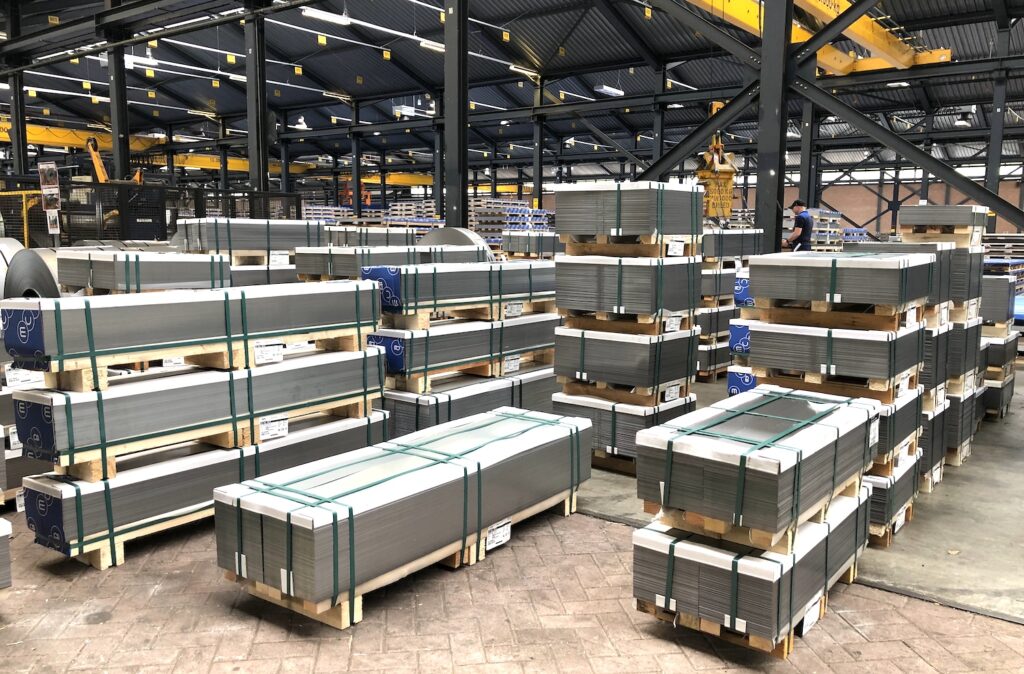
Flat steel shipments from EU service centers rose 3.3% year on year in October, indicating a buoyant market, while stocks fell, service center and distributors’ association EUROMETAL reported Dec. 8.
The October index of stock volumes of flat steel dropped to 88 from 110 in October 2019.
Expressed in days of shipments, stocks at steel service centers reached 57 days in October 2020, down from 71 in October 2019.
Although shipments rose compared with October last year, shipments by steel service centers dropped 14% on the year in January-October.
Stockholders’ distribution of multi-product and proximity steel — including long steel products — was 11% lower in January-October, and fell 2.3% year on year in October. Only strip products experienced an upward trend, according to EUROMETAL.
Expressed in days of shipments, stock volumes of multi and proximity steel dropped to 66 days of shipments in October from 71 in October 2019. Stock volumes were at 83, down from 91 October 2019.
— Laura Varriale
2020: Das schlechteste Autojahr seit 30 Jahren

Der Verband der Internationalen Kraftfahrzeughersteller (VDIK) rechnet für dieses Jahr mit 2,9 Millionen Pkw-Neuzulassungen. Das ist das niedrigste Niveau seit 1990. Indes boomt die Elektromobilität. Der Absatz von Batterie-Elektroautos und Plug-In-Hybriden verdreifacht sich. VDIK-Präsident Reinhard Zirpel betonte heute beim Jahrespressegespräch des VDIK: „In diesem Jahr ist nichts so wie immer. Corona hat unsere Branche und die ganze Welt fest im Griff. Die Automobilmärkte müssen nie dagewesene Einbrüche verkraften. Wir verlieren 700.000 Neuzulassungen, die wir auch nicht mehr aufholen werden. Umso erfreulicher ist es, dass 2020 trotz der Corona-Krise das Jahr des Durchbruchs für die Elektromobilität wird.“
Deutscher Pkw-Markt
Bis Jahresende werden in Deutschland schätzungsweise rund 700.000 Pkw weniger neuzugelassen als 2019. Erwartet hatte der VDIK einen Rückgang um höchstens 250.000 Einheiten. Auffällig ist die stark unterschiedliche Entwicklung der beiden Halbjahre. Nach minus 35 Prozent in den ersten sechs Monaten, kam es im zweiten Halbjahr zu einer leichten Erholung (minus 4 Prozent).
Zirpel erläuterte: „Ab Juli zog die Pkw-Nachfrage wieder spürbar an. Das lag erstens an der allgemeinen wirtschaftlichen Erholung im dritten Quartal. Und zweitens hat die Mehrwertsteuersenkung bei den Privatkunden Wirkung gezeigt und den einen oder anderen Interessenten zum Kauf ermutigt.“
Internationale Hersteller
Die VDIK-Mitglieder werden bis zum Jahresende rund 1,16 Millionen Pkw absetzen. Das sind über 200.000 Fahrzeuge weniger als 2019. Sie sind damit etwas weniger stark betroffen. Ihr Marktanteil steigt damit erstmals auf über 40 Prozent. Zirpel: „Vier von zehn neuen Autos in Deutschland tragen das Logo einer internationalen Marke.“
Durchbruch der Elektromobilität
Im Gegensatz zum Gesamtmarkt erleben wir bei Batterie-Elektroautos und Plug-In-Hybriden einen Boom. Er wurde vor allem von der so genannten Innovationsprämie ausgelöst. Reinhard Zirpel: „Wir rechnen damit, dass 2020 über 350.000 batteriebetriebene Elektroautos, Plug-In-Hybride und Brennstoffzellenfahrzeuge neu zugelassen werden. Der Zuwachs gegenüber 2019 beträgt sage und schreibe 220 Prozent. Der Anteil am Gesamtmarkt steigt von knapp drei Prozent im Vorjahr auf nun 12 Prozent. Damit wird 2020 zum Jahr des Durchbruchs der Elektromobilität in Deutschland.“
Die VDIK-Mitglieder bieten inzwischen über 80 elektrifizierte Pkw- und Nutzfahrzeugmodelle an und tragen damit erheblich zur Verbreitung emissionsarmer Antriebe und zum Klimaschutz in Deutschland bei.
Nutzfahrzeugmarkt
2020 werden voraussichtlich rund 350.000 Nutzfahrzeuge neu zugelassen, das ist ein Minus von 15 Prozent. Die internationalen Hersteller werden ihren Marktanteil von knapp 30 Prozent in etwa halten. Ähnlich wie bei den Pkw brachen auch hier die Zulassungszahlen im ersten Halbjahr mit minus 29 Prozent besonders stark ein.
Prognose Pkw und Lkw
Nach Schätzung des VDIK könnte der deutsche Pkw-Markt 2021 um 7 Prozent auf etwa 3,1 Millionen Neuzulassungen zulegen. Zirpel: „Für eine kräftigere Erholung sehen wir im Moment noch keine ausreichende Basis. Die aktuelle Unsicherheit wegen Corona dürfte sich bis weit ins nächste Jahr hinein fortsetzen.“ Für den Nutzfahrzeugmarkt rechnet der VDIK mit etwa 370.000 Einheiten, also plus 6 Prozent.
Der Boom der Elektromobilität dürfte weitergehen. „Nächstes Jahr könnten in Deutschland 500.000 bis 600.000 Batterie-Elektroautos und Plug-In-Hybride neu zugelassen werden“, so Zirpel.
Quelle: Verband der Internationalen Kraftfahrzeughersteller e.V. (VDIK)
04.12.2020 06:00:00 von Hubert Hunscheidt
Bowim improves profitability, expects lighter pandemic restrictions
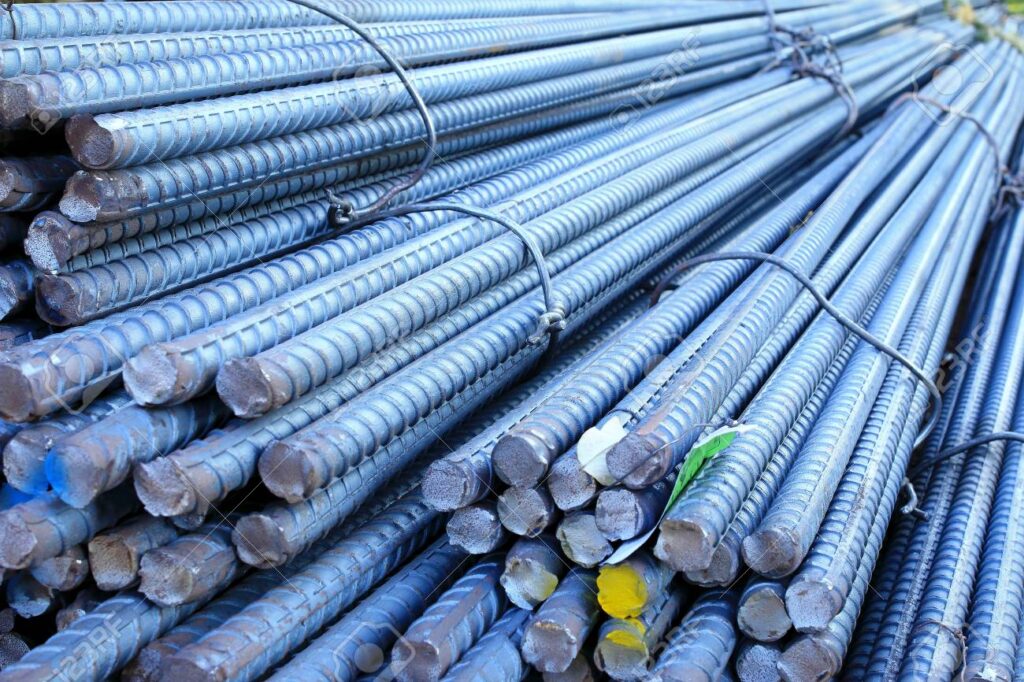
Bowim’s consolidated sales fell -6% on-year in the nine months through September to 371,123 tonnes, with sheet sales down -10% to 131,486t. Pipe and profile, and rebar shipments declined -1% and -8% respectively to 74,132t and 65,668t, Kallanish notes.
Consolidated revenue fell -15% to PLN 876.1 million ($237.8m) due to the impact of the Covid-19 pandemic on steel demand and prices. Operational costs fell more steeply than revenue, helping the firm turn to a net profit of PLN 5.1m versus a year-earlier loss of PLN 1.6m. In terms of procurement, imports accounted for 28% versus 35% a year earlier.
The third quarter saw a certain market stabilisation after the pandemic ravaged business in Q2, but the crisis is worsening again now, the Polish distributor says. However, management does not expect pandemic-related restrictions to be as severe as in the spring.
Numerous social and economic restrictions throughout the year have slashed demand, forcing the firm to cut costs to adapt to the changes. Another unfavourable factor for Poland’s industry is its energy mix, which is based mainly on coal and therefore incurs large costs from EU climate policy, Bowim says.
Declining EU automotive production has resulted in increased competition among the region’s sheet suppliers. Polish car production fell -40% on-year in January-September and is not forecast to return to pre-pandemic levels until 2023.
European steel coils supply tightens as mills hold back capacity

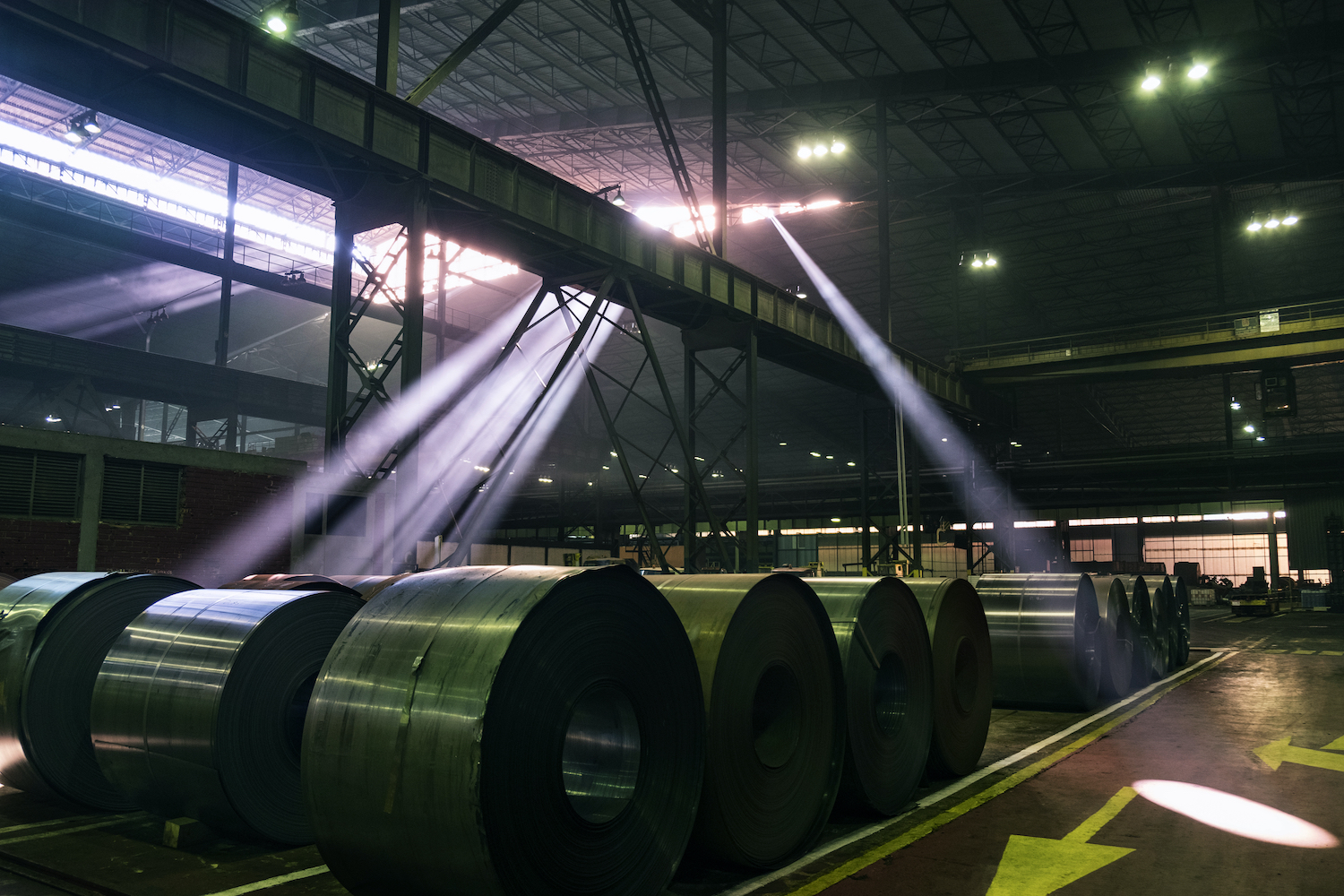
The European hot-rolled coil market has seen prices soar to a two-year high in recent weeks, exacerbated by an ever-tightening supply shortage, with mills staunchly curbing production until “real demand” resurfaces and customers are desperate to secure volumes for Q1 irrespective of price, sources told S&P Global Platts Dec. 3.
Several market-leading mills are sold out of the market until April, with hot-rolled coil and hot-dipped galvanized products increasingly hard to secure as unprecedented automotive demand, long delivery times and undesirable import offers leave secondary customers short with few alternatives.
Sources said steel producers would continue to limit output until at least the second quarter as they assess the demand progression from the automotive sector.
“We are moving prices up further as availability is very low and imports are not there,” a European mill source said. “Everyone [mills] is working on it but maintenance issues and low working capital are making it difficult. Auto is one of these elements but not the only one.”
With coil prices at Eur555.50/mt ex-works Ruhr and Eur554.50/mt ex-works Italy, an Italian mill source said he did not understand the incentive to keep production at lower-than-maximum capacity.
“Mills are not losing out, they are earning money,” the source said. “I’m expecting utilization rates to be between 80-90 percent in 2021. Utilization rates will return to normal.”
Since the start of November, Northern European hot-rolled coil prices increased by Eur43.50/mt month on month, and in Italy, hot-rolled coil prices went up by Eur63/mt.
In the European Union, crude steel production fell for the 10th consecutive month in October, data from the Worldsteel Association showed.
Production dropped 5.6% to 12.61 million mt on year, with the largest European producer, Germany, producing 3.4 million mt of crude steel in October, up 3.1% year on year. The second largest, Italy, produced 2.1 million mt of steel in the month, down 4.6% from a year earlier, and in Spain output dropped 7.7% to 1.1 million mt.
A German trader said supply tightness was initially a result of pandemic-induced production cuts back in March, followed by unexpected automotive demand that mills have struggled to accommodate ever since.
“Producers took out their blast furnaces to a minimum level [during the pandemic], and now mills are not able to adjust their production to the current demand,” the trader said.
The coil shortage dilemma is not limited to Europe, however, as Japanese mills have been equally unprepared for the surge in inquiries brought on by the automotive sector.
“The Japanese reduced to absolute minimum and then auto came back. Now they’re struggling to meet those needs and the export allocations have been reduced considerably,” the same trader added.
According to Worldsteel, Japan produced 7.2 million mt of crude steel in October, down 11.7% from October 2019.
An Italian service center source said he was unable to fulfil entire quantities for most of his orders due to the short supply, causing some friction with customers.
“We speak with customers and say for Q1 we can only sell to you the 90% of volume we agreed because the situation is an emergency, but for them it’s a big problem because it’s not possible for them to afford a situation like this,” he said.
The source was adamant that until European mills restarted their blast furnaces, the European Commission must do more to allow imports from nearby CIS countries back into the EU.
“We have to open the doors to Russia and Turkey,” the source said. “We’re waiting for mills to restart their blast furnaces and [bring back] 10 million-20 million mt of steel to the EU but [until then] we need to receive material from everywhere.”
Hot rolled coil import offers were heard Dec 3. at Eur580/mt CIF Antwerp ex-Russia for March delivery, and from India at above Eur600/mt CIF Antwerp.
— Amanda Flint
Iron ore surges on mill confidence
Seaborne iron ore prices have continued to surge. Expectations for the new year have continued to drive prices higher despite weaker steel prices.
The Kallanish KORE 62% Fe index jumped another $2.11/t to $137.56/dry metric tonne cfr Qingdao. The Kallanish KORE 65% Fe index gained $2.15/t to $149.19/dmt cfr, and the KORE 58% Fe index increased $1.62/t to $126.30/dmt cfr.
On the Dalian Commodity Exchange January 2021 iron ore settled up CNY 10/t at CNY 932.5/t ($142.03/t), while on the Singapore Exchange January 62% Fe futures settled up $2.52/t at $132.54/t. The same contract for 65% Fe and 58% Fe futures settled up $1.76/t at $146.38/t, and up $0.71/t at $121.02/t respectively. In Tangshan, billet prices fell CNY 10/t to CNY 3,580/t, and steel futures prices have also declined (see separate article).
In addition to falling port stocks, iron ore prices are partly being supported by optimism for demand in the second quarter of 2021. Some mills are preparing to restock this month as they prepare for high production ahead of the peak demand period after the Chinese New Year.
Although domestic steel demand and prices have come under pressure from the winter, mills are confident. Chinese steel market inventories have been declining, and with international prices finally increasing over Chinese levels, they believe they will be able to export any excess production.
Italian sections producers seek increases
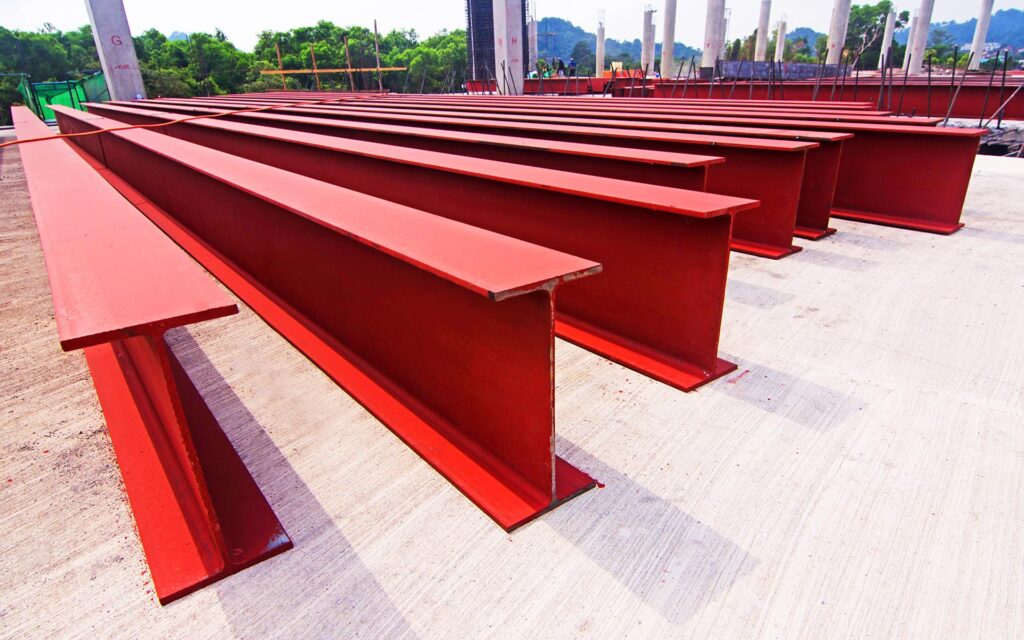
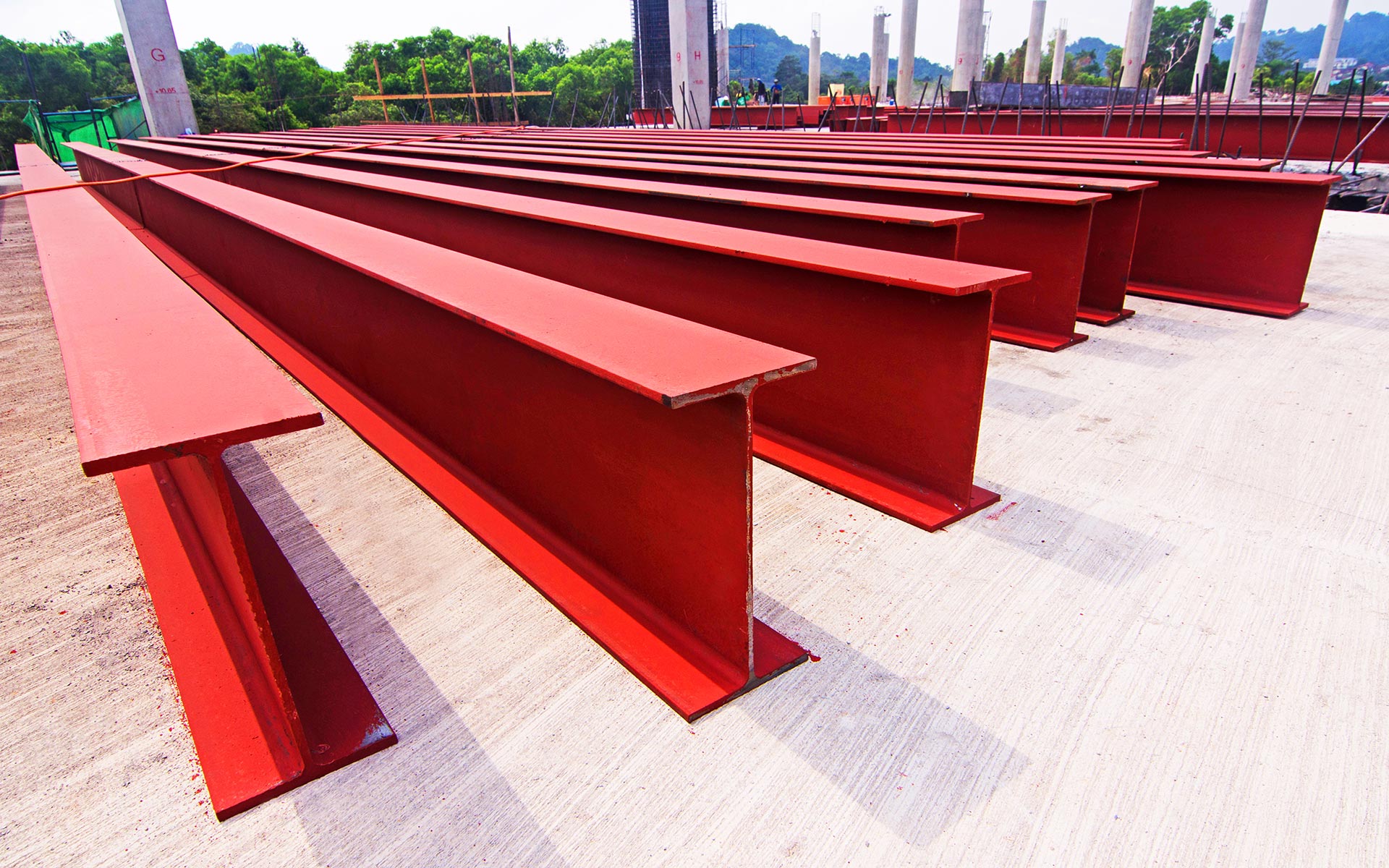
Italian heavy sections prices are increasing this month, in line with increasing scrap values, market participants tell Kallanish.
While most long products are going up in Italy due to good demand and costly scrap, sections and rebar seem to be struggling as sales are hampered by continuing unreliable demand. Pushing up sections prices has been a challenge for suppliers over the past two months despite the scrap increases. Domestic beam sales volumes remained moderate in November, distribution and producer sources say.
Steelmakers are now quoting the first category of beams at €190/t base ex-works, while transactions in November were between €140-160/t. Including €385-390/t size extras, contracts remain on average at €525-550/t ex-works, or delivered depending on point of delivery and tonnages purchased. Prices increase by €20/t for each subsequent category, sources say.
Fast EU quota fulfilment slashes Turkey’s pipe exports
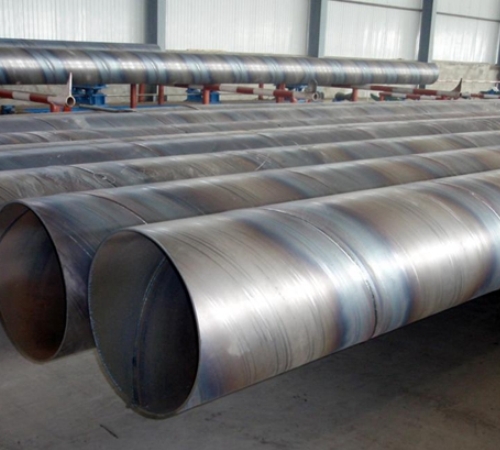
Turkish welded pipe exports fell -26.2% on-year to 134,799 tonnes in October, according to Turkish Statistical Institute (TUIK) data monitored by Kallanish. This was also down from 219,788t in September, mainly due to the absence of European shipments which were completed in September.
The average value of October exports dropped to $684/tonne from $722/t in October 2019. It was, however, up from $630/t in September 2020.
The most-exported product was rectangular hollow sections whose shipments decreased -31.3% on-year to 56,787t. Iraq was the largest destination with 23,331t of intake, up 36.3% on-year. Romania, a major destination, took in only 5,082t in October versus 14,937t last year due to EU safeguard quotas being filled much faster by Turkish exporters this year. Georgia sourced 4,048t, down -2.8% on-year, and Israel took 3,544t in October, up 4.6% on-year.
Last year’s largest buyers, the UK with 9,749t and Belgium with 7,793t, sourced only 387t and 1,241t respectively in October, again due to the rapid fulfilment of quotas.
Exports of welded tube under 406.4mm diameter also declined -13.3% on-year to 47,374t in October. Romania was the largest destination with 5,934t, down -7.9%. However, Iraq followed with 5,644t, up 72%, and the US sourced 5,204t, up 61.8%.
Italy took 3,080t, up 23.4%, but Germany sourced 2,414t, down -9.4% on-year. Poland sourced 1,924t in October versus 2,652t last year. Canada’s intake fell significantly to 1,848t in October from 4,565t last year. Israel sourced 1,840t, down -11.1%. Spain took 1,819t in October versus only 198t last year.
In January-October Turkish welded pipe exports increased 0.4% on-year to 1,448,048t. Rectangular hollow sections had the largest share in welded pipe exports with 658,375t.