


Benelux scrap prices edge up
Scrap prices in the Benelux continued their uptrend last week, reaching their highest level in two years.
Dock prices in the Benelux continued increasing gradually throughout last week and have reached €255-260/tonne delivered for HMS 1&2 80:20.
A Benelux scrap supplier tells Kallanish: “The increase in prices is unbelievable. We started the week at €235/t, saw €245 on Thursday, and the other day it was €255-260/t delivered for HMS. I am sure I can achieve even higher prices if I just supply some material to an exporter’s competitor.”
Turkish scrap demand continued throughout last week, ending with numerous scrap bookings, mostly from the Baltic and the EU, while US suppliers were out of the market. Consequently, EU-origin HMS 80:20, which was at below $340/t cfr at the beginning of the week, rose to $346-347/t cfr Turkey by the end of the week.
UK-origin HMS 80:20, meanwhile, reached $350/t cfr with a booking concluded at the weekend. A mill in western Turkey bought 19,000 tonnes of HMS 80:20 at $350/t and 6,000t of shredded at $360/t cfr, for December shipment. Turkish mills continue paying a premium for shredded scrap to replace costlier pig iron.
EU-origin scrap prices in India and Pakistan have also increased and reached the highest levels in the last two years. This was mostly the result of higher freight costs arising from the lack of containers, rising scrap prices and strong scrap demand in the global market.
Following bookings last week at $365-370/t cfr, offer prices for shredded scrap stood at above $375/t cfr India/Pakistan on Monday. On the same day, a buyer in Pakistan bought 500 tonnes of containerised shredded scrap from the UK at $374/t cfr. Market participants expect prices to reach $380/t cfr by the end of the week.
Scrap demand in Egypt is also strong, with almost all mills opening scrap import buying tenders. European suppliers are expected to conclude sales to Egyptian mills this week.
Meanwhile, European mills are also expected to start December purchases this week.
While dock prices increase, the euro now fetches almost 1.2 dollars, increasing European exporters’ costs. Due to the strong demand versus limited supply and higher costs, EU-origin HMS 80:20 offers are expected to appear at above $355/t cfr Turkey.


Nicht unfairer Wettbewerb, sondern abwandernde Kunden sind das Problem der Stahlindustrie
Prof. Dr. Roland Döhrn, RWI: Nicht unfairer Wettbewerb, abwandernde Kunden sind das Problem der Stahlindustrie
Der deutschen Stahlindustrie ging es im internationalen Vergleich lange gut. Die deutsche Wirtschaft produziert sehr stahlintensiv. Etwa 500kg Stahl werden im Jahr pro Kopf verwendet. In Frankreich sind es nur rund 230kg, in Großbritannien sogar nur 165kg. Der Grund ist die hierzulande hohe Bedeutung von Branchen wie der Automobilindustrie und den Maschinenbau. Diese benötigen große Mengen von Stahl, und sie waren bislang auf dem Weltmarkt sehr erfolgreich. Davon profitierte auch die Stahlwirtschaft.
Zurzeit bläst den industriellen Stahlverwendern allerdings der Wind ins Gesicht. Die Automobilindustrie produzierte derzeit rund 15% weniger als vor einem Jahr und der Maschinenbau knapp 10%. Entsprechend sinkt auch die Nachfrage nach Stahl. So wurde im vierten Quartal 2019 im Vorjahresverglich 9% weniger Walzstahl erzeugt.
Soweit es sich dabei um ein Konjunkturschwäche handelt, kann man hoffen, dass auf schlechte wieder bessere Jahre folgen. Was aber, wenn die aktuell sinkende Produktion dauerhafte Änderungen ankündigt? Dies könnte insbesondere in der Automobilindustrie der Fall sein. Zum einen dürfte die inländische Nachfrage nach Autos künftig sinken: Die Umweltpolitik verteuerte die Nutzung des Autos; moderne Kommunikationstechnologie fördern das Car-Sharing, und die Zahl potenzieller Autokäufer dürfte im Zuge des demografischen Wandels sinken. Zum anderen dürften die deutschen Hersteller ihre Fahrzeuge demnächst dichter am Kunden, also im Ausland produzieren. Eine Rolle spielen dabei zwar protektionistische Tendenzen. Doch verlieren mit dem Übergang zur E-Mobilität die in Deutschland gut funktionierenden Wertschöpfungsketten an Bedeutung. Zudem ist die Batterie teuerste Komponente eines E-Autos, und diese wird derzeit nicht in Deutschland produziert. Warum sie also zuerst aus Asien nach Deutschland bringen, um sie später als Teil des Autos zurück zu transportieren?
Für die Stahlindustrie sind das schlechte Nachrichten: Ihr wichtigster Kunde, der ein Viertel des in Deutschland verfügbaren Stahls abnimmt, könnte dauerhaft weniger produzieren und damit auch Stahl benötigen. Tritt dies ein, wird ein Kapazitätsabbau und damit auch einen Verlust an Arbeitsplätzen unvermeidlich. Solche Anpassungen könnte dadurch beschleunigt werden, dass in der Stahlerzeugung ebenfalls technische Änderungen zu erwarten sind. Sollen die CO2-Emissionen weiter reduziert werden, muss nämlich Koks als Reduktionsmittel ersetzt werden. Hierfür bieten sich Erdgas oder Wasserstoff an. Dies setzt umfangreiche Investitionen voraus. Die Frage ist allerdings, wo diese neuen Stahlwerke entstehen und für welche Kapazität sie ausgelegt sein werden.
Der „Nationale Stahlgipfel“, der nun aber auch schon mehr als ein Jahr her ist, identifizierte unfaire Handelspraktiken und die Energie- und Umweltpolitik als Hauptprobleme der Stahlindustrie. Ein viel größeres Problem könnte allerdings entstehen, wenn wichtige Kunden abwandern. Dies ist vor allem mit Blick auf die Automobilindustrie ein realistisches Szenario.
mehr Info finden Sie unter https://rdcu.be/b0Hwb
17.02.2020
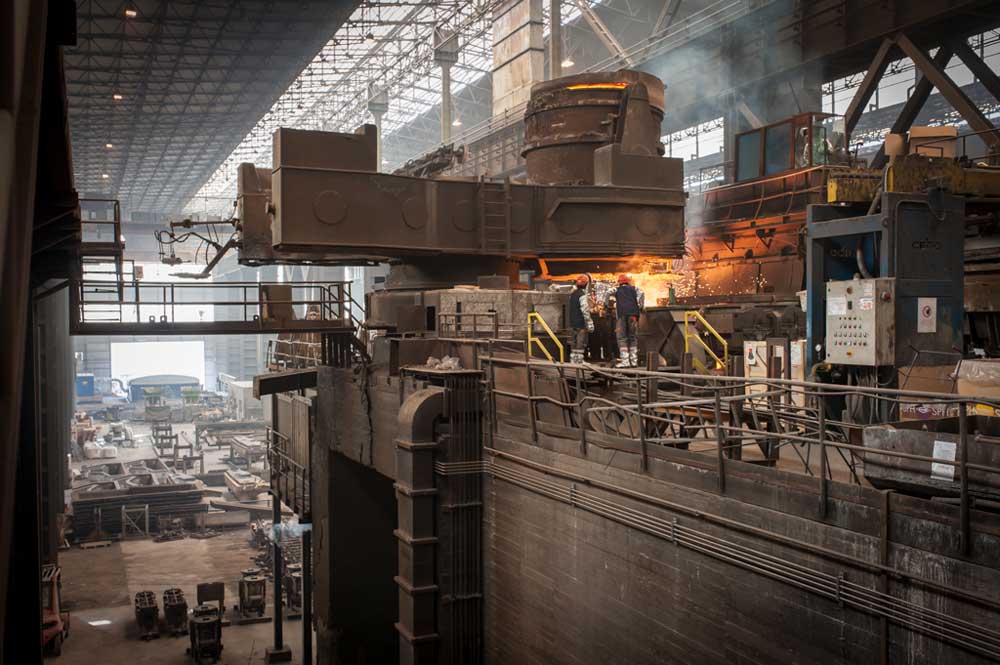
Quo vadis europäische Stahlindustrie?
Die Gespräche zwischen der schwedischen SSAB und Tata Steel Europe über eine Übernahme des Stahlwerks IJmuiden in den Niederlanden ist eines von vielen im Rahmen der weiteren Entwicklung der europäischen Stahlindustrie.
Als Beispiele dienen auch die Verhandlungen von ArcelorMittal über die Übernahme der früheren ILVA-Werke in Italien oder die geplante, von der Europäischen Kommission abgelehnte, Fusion zwischen Tata Steel Europe und Thyssenkrupp.
Bei dieser Gelegenheit stellt sich die Frage, ob es bei diesen Bemühungen um eine Konsolidierung oder, angesichts der Überkapazitäten, um eine Neuordnung innerhalb der Branche geht.
Um den Erwerb abzuschließen, war ArcelorMittal gezwungen, sich aus Wettbewerbsgründen von verschiedenen Vermögenswerten innerhalb der EU zu trennen, statt das italienische Werk in sein Portfolio zu überführen und damit die Gelegenheit zur Rationalisierung der Produktion zu haben.
Mit der Liberty Steel Group, einem relativen Neuling auf der europäischen Bühne, fand sich ein Hauptnutznießer dieser Entwicklung. Innerhalb kurzer Zeit konnte sie ihre Präsenz auf dem Kontinent mit Produktionseinheiten von Belgien bis Rumänien ausbauen und fügt sich nunmehr in die Riege der zehn führenden Stahlunternehmen der Welt ein.
Die notleidende British Steel wurde unlängst von dem chinesischen Konzern Jingye erworben. Dieser hat sich zum Ziel gesetzt, die Produktion zu steigern und damit die überschüssigen europäischen Kapazitäten zu erhöhen. Die Eigentümer an der europäischen Stahlindustrie sind heute breiter verteilt als noch vor einigen Jahren und auch ein Verkauf von Tata IJmuiden an SSAB würde lediglich die Kapazität an einen bereits bestehenden Akteur übertragen, aber nicht konsolidieren. Auch die Tata UK fährt hohe Verluste ein und sorgt damit für Missstimmung bei den indischen Eignern,
Für die niederländischen Arbeitnehmer wäre eine Übernahme durch SSAB ein Segen, sehen sie darin doch die beste Möglichkeit zum Erhalt ihrer Beschäftigung. So scheint auch die Erkenntnis, dass bei Tata UK, ILVA oder Thyssenkrupp der Staat eingreifen sollte, eine verständliche Reaktion zu sein, um nationales Gut und qualifizierte Arbeitskräfte zu erhalten.
Quelle: MEPS
24.11.2020 06:00:00 von Hubert Hunscheidt

WTO panel issues report regarding Korean duties on Japanese steel

On 30 November the WTO circulated the panel report in the case brought by Japan in “Korea — Sunset Review of Anti-Dumping Duties on Stainless Steel Bars” (DS553).
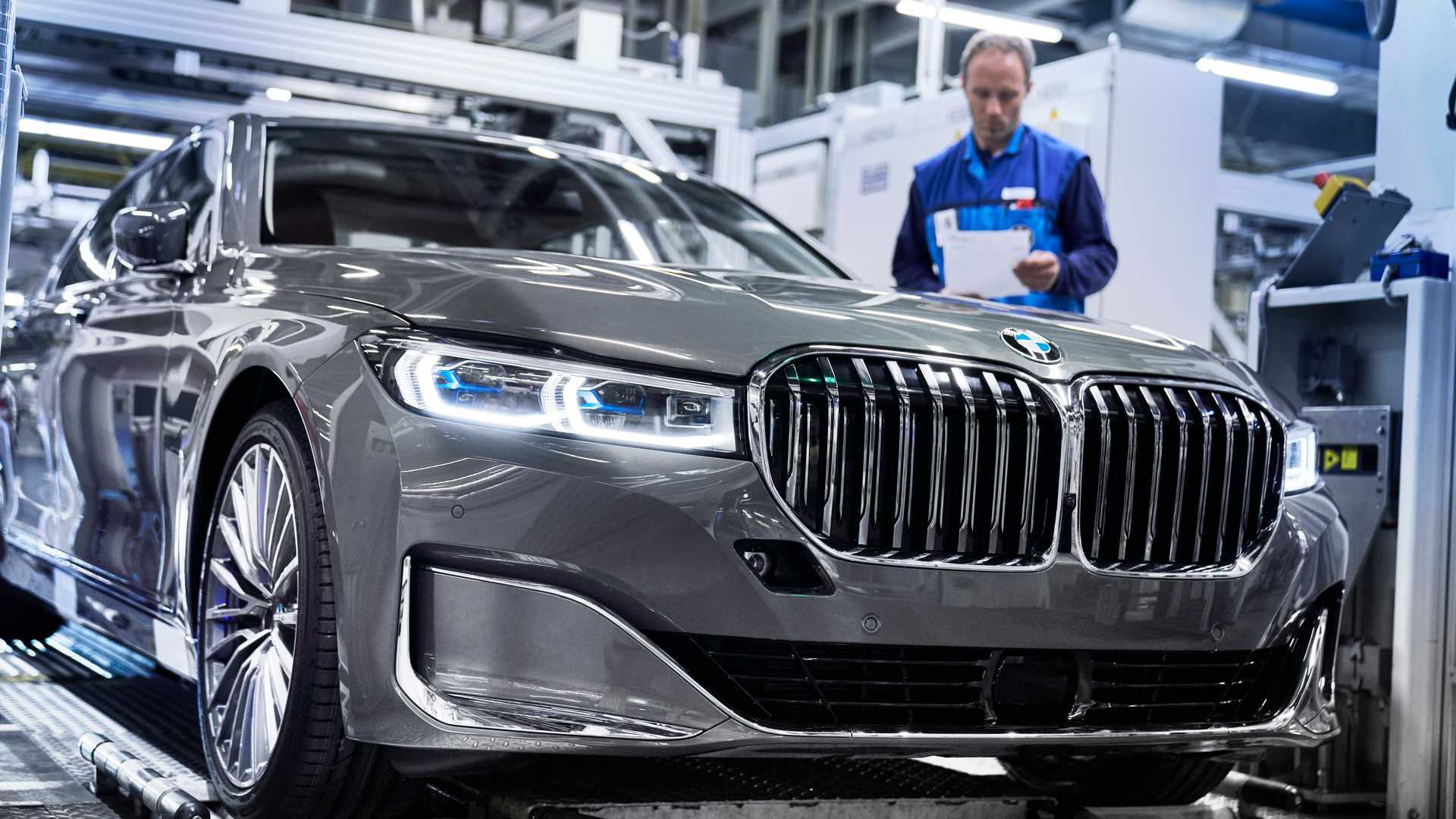
German car production catching up
October was the thirteenth month in succession in which production of passenger cars at German assembly lines was down year-on-year, Kallanish learns from automotive association VDA.
From January through October, production totalled 2.8 million units, a massive -30% down on the first ten months of 2019. However, the gap has become noticeably narrower, with output in October only -2% down on-year at 382,300 units built. In September, the y-o-y decline was still -9%.
Observers from the strip steel market in particular believe that carmaking plants are intensely compensating for the losses incurred during the strict lockdown after March when Covid-19 had broken out in Europe. However, some argue that the pace of car production might be reduced again, given the overall economic slowdown brought by the second lockdown.
Meanwhile, automotive suppliers are standing “with their backs against the wall,” says ArGeZ, the working group of automotive suppliers within the association of steel and metals working companies, WSM. According to ArGeZ, automotive suppliers are facing a year-on-year production drop of -25% in 2020.
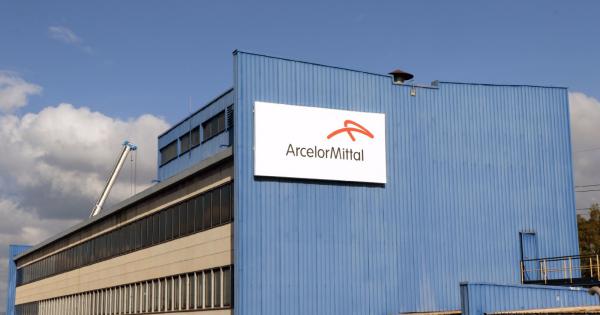
ArcelorMittal, Italian state may be 50-50 partners
Kallanish understands from union sources that the Italian state and ArcelorMittal Italia will enter into a 50-50 partnership for the relaunch of the former Ilva. Local broadsheet Il Sole 24 Ore also reveals that after 2022 the government could become the majority stakeholder. The value of the equipment and the company’s debt in 2022 will determine the value of the majority stake. The managing board should see an equal participation from the two parties with the president appointed by the state and the ceo, Lucia Morselli at present, appointed by ArcelorMittal.
The agreement on employment may only be reached after this preliminary deal is agreed by 30 November, when ArcelorMittal’s Italian entity, AMinvestCo, has a right of withdrawal, subject to an agreed payment of €500 million ($595m). The company told the unions that meltshop No. 1 will restart in January when Taranto is seen boosting production in light of the current shortage of coils in Italy. This year Taranto’s output will reach approximately 3 million tonnes, Kallanish notes.
ArcelorMittal is reorganising its commercial structure to shield the Italian unit from its other European activities. Former chief marketing officer Carlo Malasomma was replaced with Alessandro Faroni, a director under the former Riva ownership (see Kallanish 10 November).
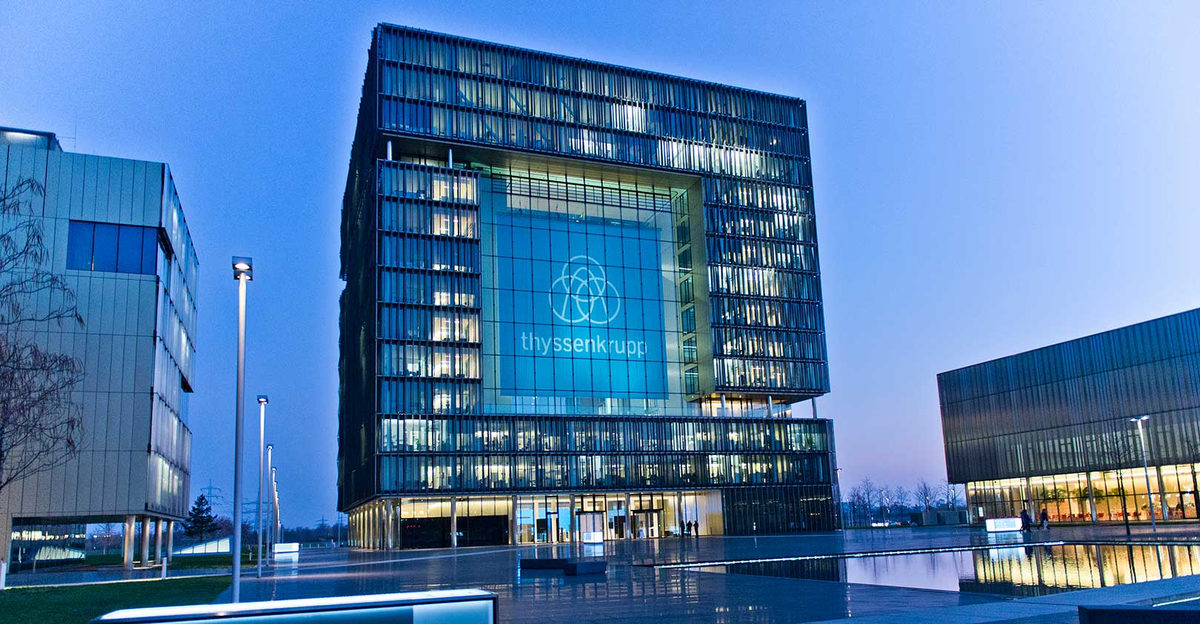
Liberty-thyssenkrupp talks nearing due diligence – sources
The approach of Liberty Steel for thyssenkrupp’s steel division could take a step forward as soon as December. According to press reports, the two groups might agree to start a due diligence process – meaning Liberty will get exclusive insight into thyssenkrupp Steel’s records – next week. Bloomberg as well as Reuters are citing insider sources claiming that the German conglomerate will open its books to Liberty.
Last month, Liberty came forth with an official non-binding takeover offer over, which was confirmed by thyssenkrupp. Both sides have since entered talks, on which no details have been revealed so far. Upon request by Kallanish, thyssenkrupp’s press department declined to give a comment; Liberty’s parent group GFG Alliance did not reply to inquiries before press time.
Liberty’s bid for a takeover rather than a joint venture partnership does not conflict with thyssenkrupp’s wider plans, which encompass a stand-alone development for Steel, as well as considering partnerships and a spin-off. At thyssenkrupp’s annual press conference last week, chief executive Martina Merz said that a decision should come in the spring.
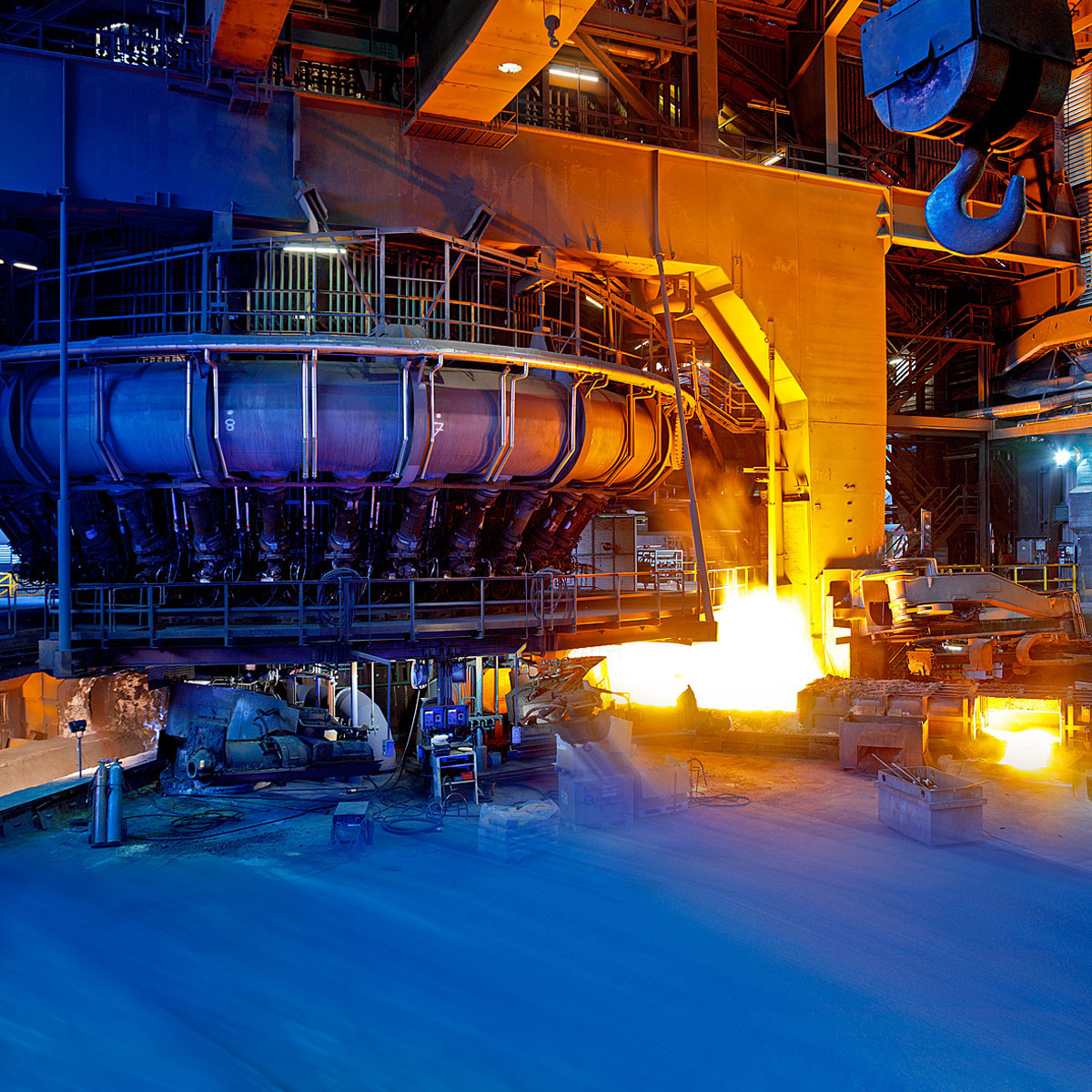
British Steel set to increase production, eyes UK infrastructure drive
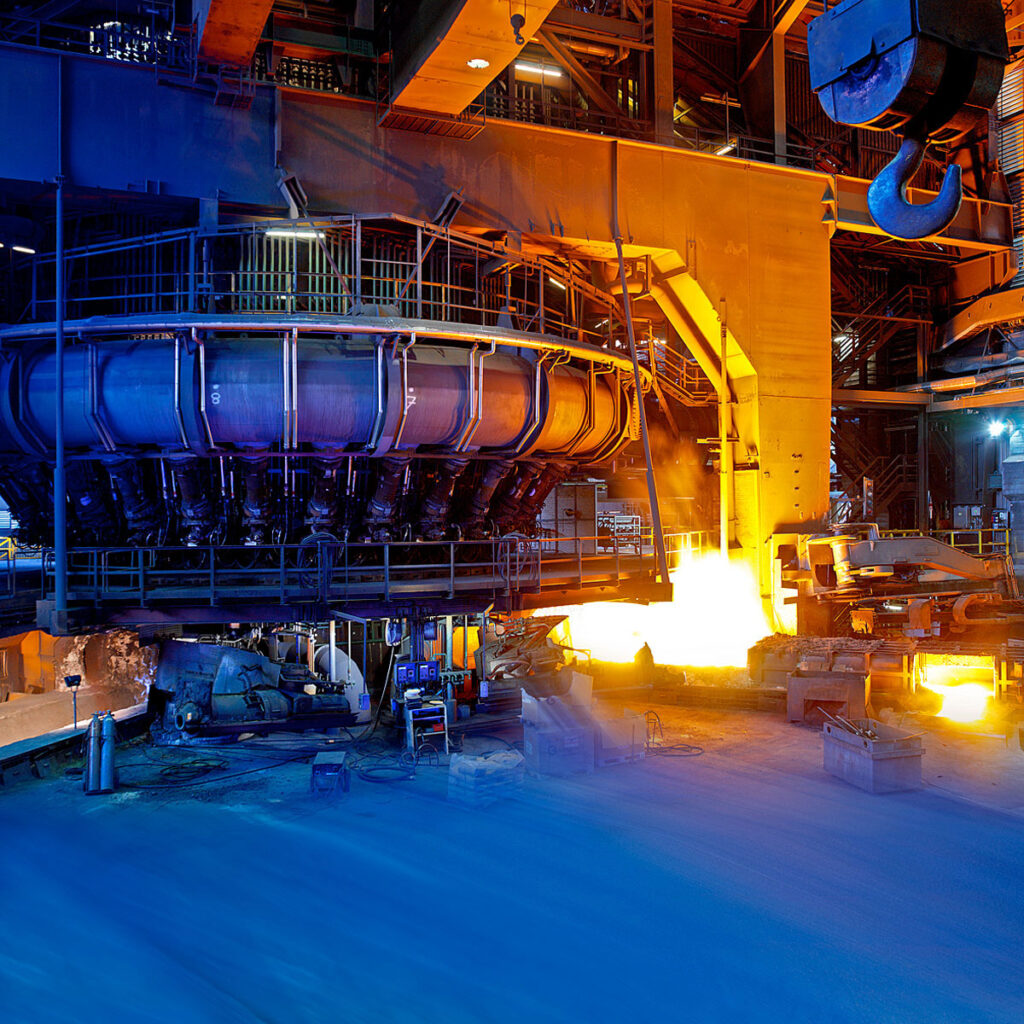
UK-based integrated steelmaker British Steel is embarking on a recruitment drive to support increased production at its operations in Scunthorpe and Teesside, the company said Nov. 26.
The company, with a crude steel capacity of about 3 million mt/year gave no tonnage details on the production boost. However, it had said in September that it was developing new products to support the UK’s infrastructure drive, entering new markets and modernizing its plant, with plans to install an electric arc furnace to complete its existing blast furnace operation.
News of the recruitment signals that progress has been made on the steelmaker’s turnaround since its was acquired by Chinese private-sector steelmaker Jingye Group in March. Previously owned by Greybull Capital, British Steel had entered compulsory liquidation in May 2019. It is the UK’s second largest steelmaker behind Tata Steel.
British Steel said the company has maintained stable production throughout the COVID-19 pandemic and is fully operational. The company produces steel for the yellow goods (construction and earthmoving) sectors as well as rails and related products which it is expected to supply to the UK’s HS2 high-speed rail project.
It is looking to recruit 41 people into manufacturing roles at its Special Profiles business in Skinningrove, where around 300 people are currently employed, and which will move from a 5-day to a 7-day working week in the Spring, according to a company statement. A further 25 people will be accepted into trainee positions at its headquarters in North Lincolnshire, it said.
These new jobs are in addition to the 40 the company created in May, which has enabled it to introduce an extra shift at its Teesside Beam Mill, it said.
— Diana Kinch

Liberty Liege-Dudelange supply disruption causing steel shipment delays

The Liberty Steel Group is experiencing supply disruption at its Liege and Dudelange mill sites in Belgium, affecting shipments to customers, Liberty confirmed to S&P Global Platts Nov 26.
“Continuing COVID-19 and commercial related supply disruptions have temporarily impacted shipments from Liberty Liège-Dudelange,” a Liberty spokesperson said.
“We apologise to any customers impacted by this issue and expect shipments to return to normal soon,” the spokesperson said.
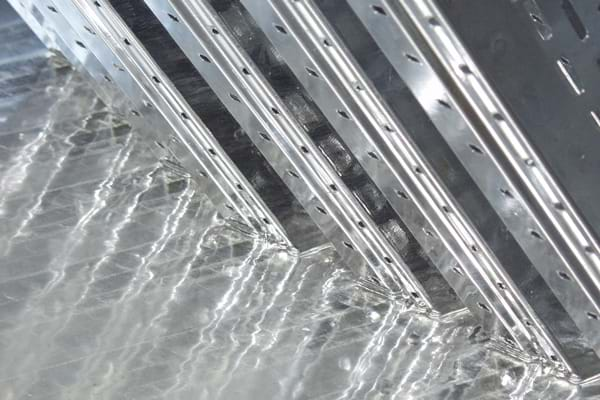
According to market sources, the supply of galvanized coils is particularly impacted and primarily caused by pre-material supply problems.
“It’s the feedstock issue they have,” said a German stockholder.
A UK trading source said customers received a letter from Liberty saying that their requested volumes for Q1 delivery could not be delivered. “An astonishing amount of volumes. The situation is not helping the material tightness in Europe,” said the trader.
Customers looking at other mills
A European mill source said that customers from Liberty were now trying to source the material elsewhere but due to the serious lack of material available on the market are unlikely to be successful. There is little coil availability left for Q1 and while there are some offers for April delivery for hot-dipped galvanized (HDG) material, most European mills are still out of the market for Q2.
The European coils market is currently facing severe material tightness while mills are working through an orders backlog. European mills are still running production below full capacity utilization following production cuts during the first wave of the pandemic. There is also a lack of imported material with import sources such as Turkey hiking offers on spiking scrap prices.
European coils prices have jumped over the last few weeks following mill price hikes, with the daily Platts index for hot-rolled coil at Eur548/mt EXW Ruhr Nov 26, seeing a Eur6/mt increase on-day, while the weekly Platts hot-dipped galvanized assessment increased Eur9.50/mt on-week Nov 25 to Eur640/mt EXW Ruhr for DX51D grade. Both HRC and HDG have increased by more than Eur150/mt since the lowest point in June this year with further price increases expected.
Not the first delivery disruption
The supply problem for the production of galvanized coils has been a recurring issue at Liberty. The company confirmed to Platts in February that there were temporary supply issues.
The operations at Liege-Dudelange were bought from steelmaker ArcelorMittal in July 2019 in a Eur740 million ($707 million) deal and were part of the remedy package imposed by the EU for ArcelorMittal to take over Italy’s Ilva.
According to analysts at Jefferies Research Services, Dudelange and Liege in total have annual capacities of 1.6 million mt of galvanized/coated steel, 300,000 mt of cold-rolled coil and 200,000 mt of tinplate.
— Laura Varriale
German fabricators catch up on production
Steel and metal processing companies in Germany increased production by 20% on-quarter in the third quarter, according to their association, Wirtschaftsverband Stahl- und Metallverarbeitung (WSM).
The association speaks of a “…rapid recovery” from the preceding production trough caused by the coronavirus impact. Compared with 2019, production was still -10.6% down in Q3 and down -15.7% in the nine months through September.
In Q4 it should be possible to further reduce the gap to the previous year, despite the renewed pandemic-related restrictions on public life in November, WSM believes. Its economist, Holger Ade, confirms the forecast for full-year 2020 given earlier, that the on-year production drop should be between -12% and -15%.
Exports fell more sharply than domestic deliveries in Q2, but with a growth of 23.2% in Q3 they also recovered much more strongly than sales in Germany. Year to date, domestic and foreign deliveries declined -17.4% and -17.9% respectively.
However, the current development in coronavirus infection levels across Europe could endanger the further recovery in exports, Kallanish hears from WSM.
This has nevertheless not shown so far. Orders from abroad in Q3 increased by 45% compared with the previous quarter, while domestic orders rose by 35.4%. In September, total incoming orders were again up year-on-year by 5.8%, WSM notes.