


Italian government ArcelorMittal both set to be part of the new Ilva: sources
Talks on the future of ArcelorMittal Italia, the largest Italian steelmaker, have intensified between the government and company representatives as the Nov. 30 deadline to define its future structure approaches.
Sources said the parties involved are close to finalizing the company’s future. It is considered possible that the Italian government will take a stake in ArcelorMittal Italia via Invitalia, Italy’s agency for investment promotion and enterprise development, and that ArcelorMittal will stay in the company, unless a “coup de theater” occurs at Ilva, as has sometimes been the case in the past.
Reinforcing this market talk, Invitalia CEO Domenico Arcuri a few days ago told unions that Invitalia could take ownership of the former Ilva with “not a minority” stake and this would included modernizing both Blast Furnace 5, the largest in Europe, with a production capacity of around 3.5 million/mt/year, and idled in 2015, and Blast Furnace 1, still in operation. In addition, two electric-arc furnaces should be “introduced” to the steel plant, to “maintain a production capacity of 8 million mt per year,” a move probably capable of maintaining current employment levels, said Arucri, as confirmed by an Invitalia spokesman Nov. 17.
At stake are the jobs of around 10,700 workers at the plant, which is why it is so important for the Italian government to keep the company operational.
Industry sources said that as steel demand has slumped throughout Europe due to the pandemic and steel overcapacity is likely to continue to be a problem, it is unlikely that the Taranto works will be able to maintain a very high crude steel output for the foreseeable future. However, some sources with knowledge of the plant underscored the necessity for Taranto to operate at a rate of at least around 6 million mt /year to stay in the black.
Sources said that as ArcelorMittal has worked very hard to achieve its $7 billion net debt target and is now prioritizing cash returns to shareholders, it is possible that the company wishes to keep Ilva out of its consolidated earnings in the newCo.
So If is likely that both Invitalia and ArcelorMittal will be in the newCo, Arvedi — the country’s second-largest flat steel producer – is expected by informed sources not to be interested in any minority stake, as had previously been suggested.
Arvedi and ArcelorMittal declined to comment when reached by Platts.
ArcelorMittal Italia CEO Lucia Morselli had been expected to update unions about the ongoing negotiation on Nov. 17, but the meeting has been postponed to next week.
Currently, ArcelorMittal Italia is working at one of its lowest-ever rates, casting around 7,300-7,500 mt/d, from just two of its four blast furnaces.
ArcelorMittal agreed to buy Ilva in 2018 under a lease-and-purchase agreement for Eur1.8 billion and to invest another Eur2.4 billion to clean up and modernize the plant, which has been dogged by environmental issues. Following legal issues with the Italian state, ArcelorMittal in early March reached an accord with Italian authorities over the future of the former Ilva group, amending the existing lease and purchase agreement. The agreement left ArcelorMittal with the right to withdraw from its Ilva purchase by the end of November 2020, subject to the payment of a fine of Eur500 million. The lease-and-purchase agreement may extend until May 2022.
— Annalisa Villa

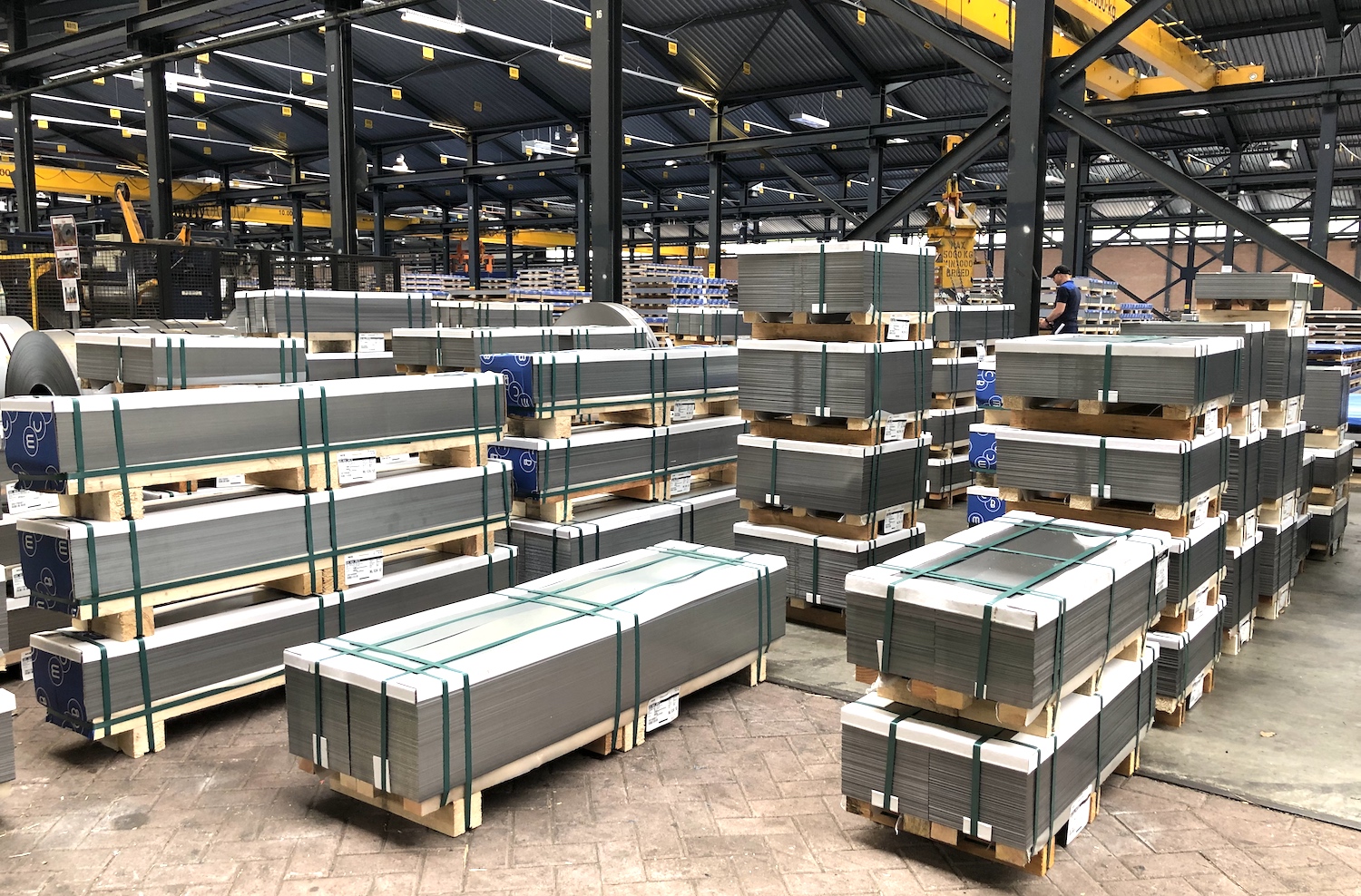
Short supply hampers Italian service centre sales
While Italian coil prices are fast increasing, service centres are sometimes struggling to pass on the steep hikes to end-users and contractors.
Demand is booming. Since September, the automotive industry has been ordering at pre-Covid-19-pandemic levels, the appliances sector is also responsible for high demand and service centre order books are filled until February.
Cold rolled and hot-dipped galvanised coil producers are filling February order books, while hot rolled coil makers have completed January order books. However, the more prices increase, the more buyers resist due to the difficulties they are having in passing on further hikes to their customers.
At the same time, the frenzy of price hikes is not forecast to stop as the country is suffering from a systemically short supply of coil, with no imports available. As the increases are happening too quickly, some customers are putting off purchasing, and risk being left without any material to sell.
Some flat product prices are not yet following the increases of HRC. Price increases are needed and expected for coated sheet, which is still at €560-570/tonne base ex-works. With HRC at €500/t base ex-works, this level is no longer sustainable. Producers tells Kallanish they intend to push up values for this product to €600/t ($710) base ex-works.
With no imports, ArcelorMittal Italia producing at minimum levels and still not taking orders for HRC, and Arvedi’s output reduced, the entire supply chain remains disrupted in the country. Business opportunities are being missed because of the lack of material, Kallanish notes.
Domestic CRC and HDG are at between €580-600/t base ex-works, while HRC is at €500/t base ex-works, sources suggest.

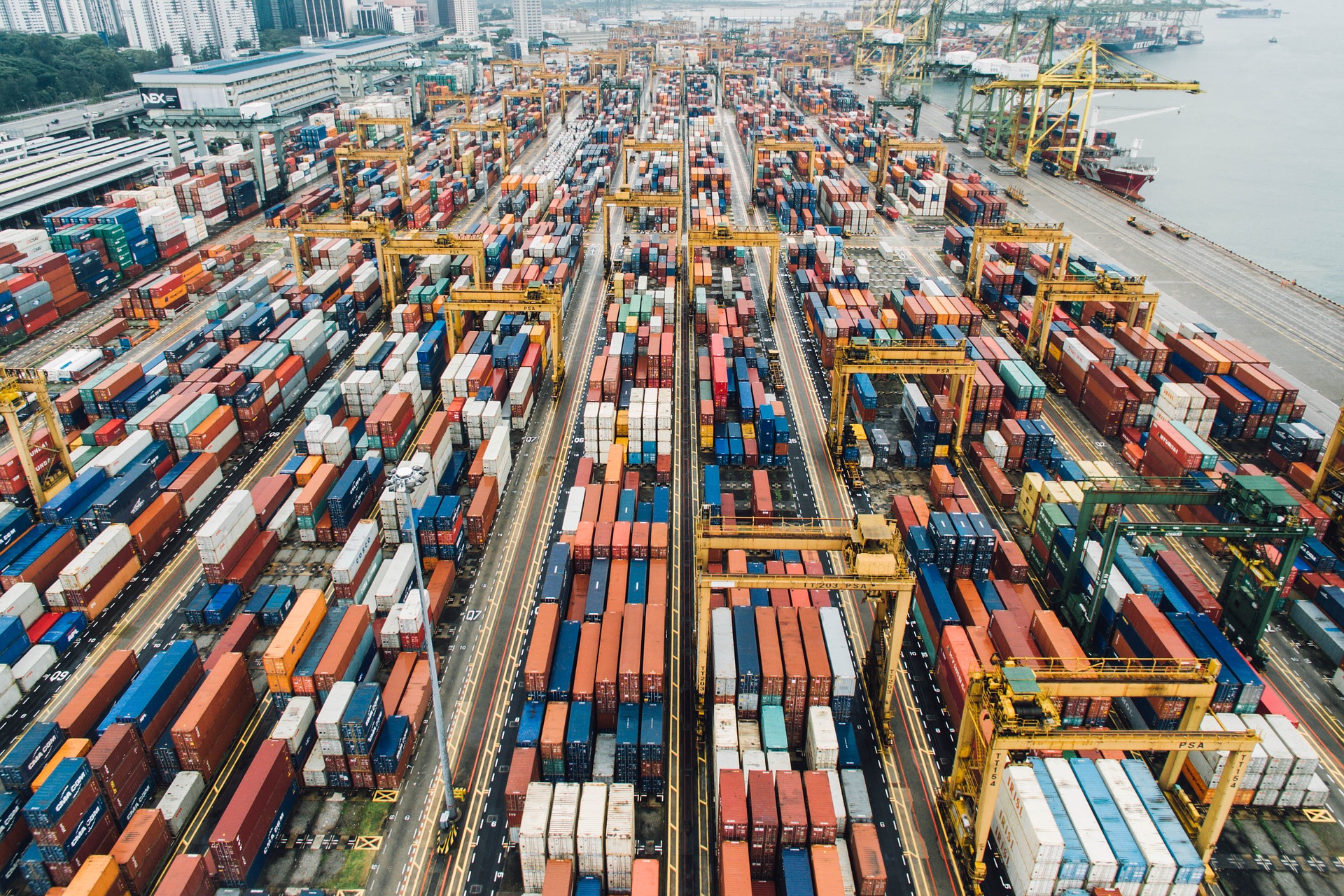
RCEP to promote tariff reduction on steel imports
The Regional Comprehensive Economic Partnership (RCEP) is expected to promote free trade between member states, especially to reduce trade barriers by cutting tariffs on goods, Kallanish notes.
The pact was signed by 15 governments via video conference on 15 November.
Besides the ten ASEAN countries, China, Japan, South Korea, Australia and New Zealand also signed the agreement. India withdrew from negotiations in 2019, in part over concerns over reduced steel import tariffs. Market analysts have commented that the influence of RCEP could reach the level of the North American Free Trade Area or the EU Customs Union.
China Futures Daily pointed out that after the RCEP takes effect, more than 90% of goods will avoid tariff collection in trade between these countries. In future, this may increase to 95%. The zero-tariff policy will be achieved once agreements are finalised for specific products, and some should reach zero tariffs over the following ten years.
Under this framework, China and Japan could reach bilateral tariff reductions for the first time. For Japan, almost 90% of auto parts shipped to China will become tariff-free. Tariffs on gasoline engine parts as well as some steel products will be dropped when the agreement takes effect, Nikkei Asia said. As for Japan’s exports to South Korea, 92% of goods will be waived from duties, up from the current 19%.
South Korea will also now benefit from greater access to Japanese and Chinese markets. China already has a free trade agreement with ASEAN, but imports from the other signatories and exports to those countries will become tariff-free once the tariff schedules are finalised.
However, local petrochemical and steel industry professionals in Taiwan are worried that the local industry will be hit because Taiwan will be marginalized by the RCEP countries. The Taiwan Screw Industry Association said the exchange rate would have to be devalued by 15% to compensate for the potential impact of the agreement.
The sections on rules of origin could also support local crude steel producers. Before RCEP, each country and region had its own specific rules of origin, but RCEP institutes a single set of rules. For steel, products are deemed local if at least 40% of the value of the product was locally produced. This means, for example, that cold rolled coil produced from RCEP-member hot rolled coil could qualify for reduced tariffs, while that rolled from externally-sourced HRC may not.

Voestalpine sees digital sales channels booming
The High Performance Metals division of voestalpine has significantly increased sales via its online shop, and is preparing a smartphone application to further enhance digital business.
The trend was fuelled by the coronavirus crisis and related restrictions. At the Swedish distribution subsidiary Uddeholm, online sales more than doubled between February and August. “There are many suppliers on the market for standard products such as precision flat steel, but hardly anyone who also offers machined material online,” says Wolfgang Friedl, head of e-commerce in the Value Added Services division.
Products include conventional flat and round steel and custom-made products for customers. So-called “shelf” products such as powder for 3D printing, welding rods, precision flat steel or erosion blocks are also sold over the virtual counter.
Voestalpine will soon offer an app which will proactively inform about the status of the order by means of push notifications, including document downloads. Under development is also a new service module using artificial intelligence, Kallanish notes.

Celsa Huta Ostrowiec acquires fabricator

Celsa’s Polish unit, Huta Ostrowiec, has acquired Polish steel fabricator Stal-Service from construction company Porr.
Stal-Service, based on the northern outskirts of Warsaw, can produce up to 90,000 tonnes/year of construction reinforcement and 10,000 t/y of prefabricated construction elements. It sells mainly to the domestic market, as well as to Sweden, Norway and Czech Republic, Kallanish notes.
Huta Ostrowiec produces rebar, merchant bar, special bar quality and profiles. It supplies some of Poland’s largest steel distributors, including Konsorcjum Stali and Bowim.

Eurofer welcomes Turkish-origin HRC imports registration
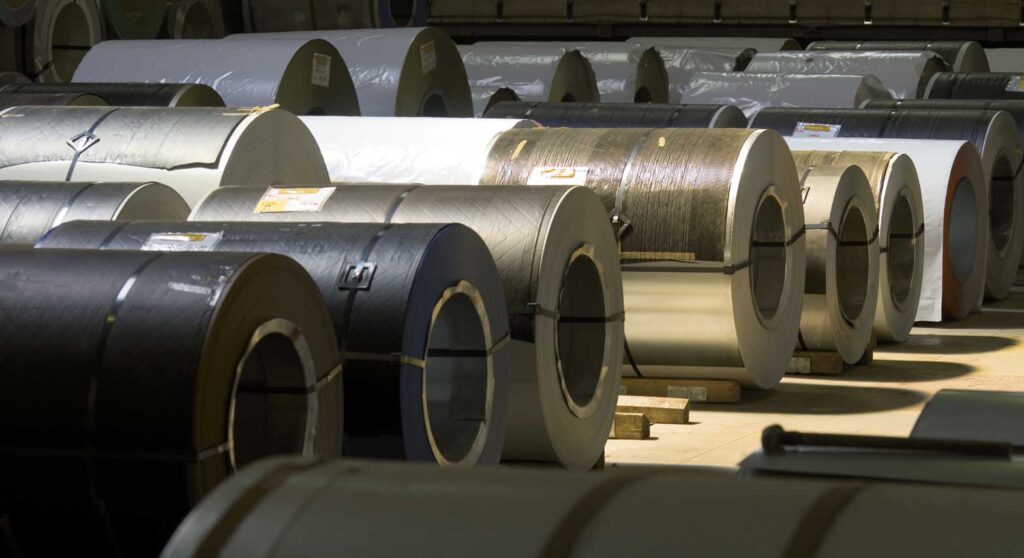
European steelmakers’ association Eurofer has welcomed the confirmation that EU hot rolled coil imports from Turkey will be subject to registration, with the investigation over potential anti-dumping duties still ongoing.
“Given the rules laid down in the basic trade defence regulation, the registration of imports is a condition for retroactive application of anti-dumping of possible provisional duties in January,” Eurofer tells Kallanish.
“The registration helps avoid opportunistic import surges ahead of the imposition of later duties,” it continues. “Practically, any imports entering the EU from Turkey as of 14 November 2020 could be subject to anti-dumping duties in the future.” The measure is a good tool to tackle the slowness of investigations on the continent, it adds.
The registration process was formally requested by Eurofer in September and has become active as of the end of last week. Provisional measures could be imposed by mid-January.
According to Eurofer data, Turkish-origin HRC imports this year could surpass 2.1 million tonnes, down almost 700,000t from the peak registered in 2018. Import activity from Turkey was impacted by both the ongoing investigation and the reduction in demand caused by the pandemic in Europe.
Tata separates Dutch unit, discusses sale to SSAB
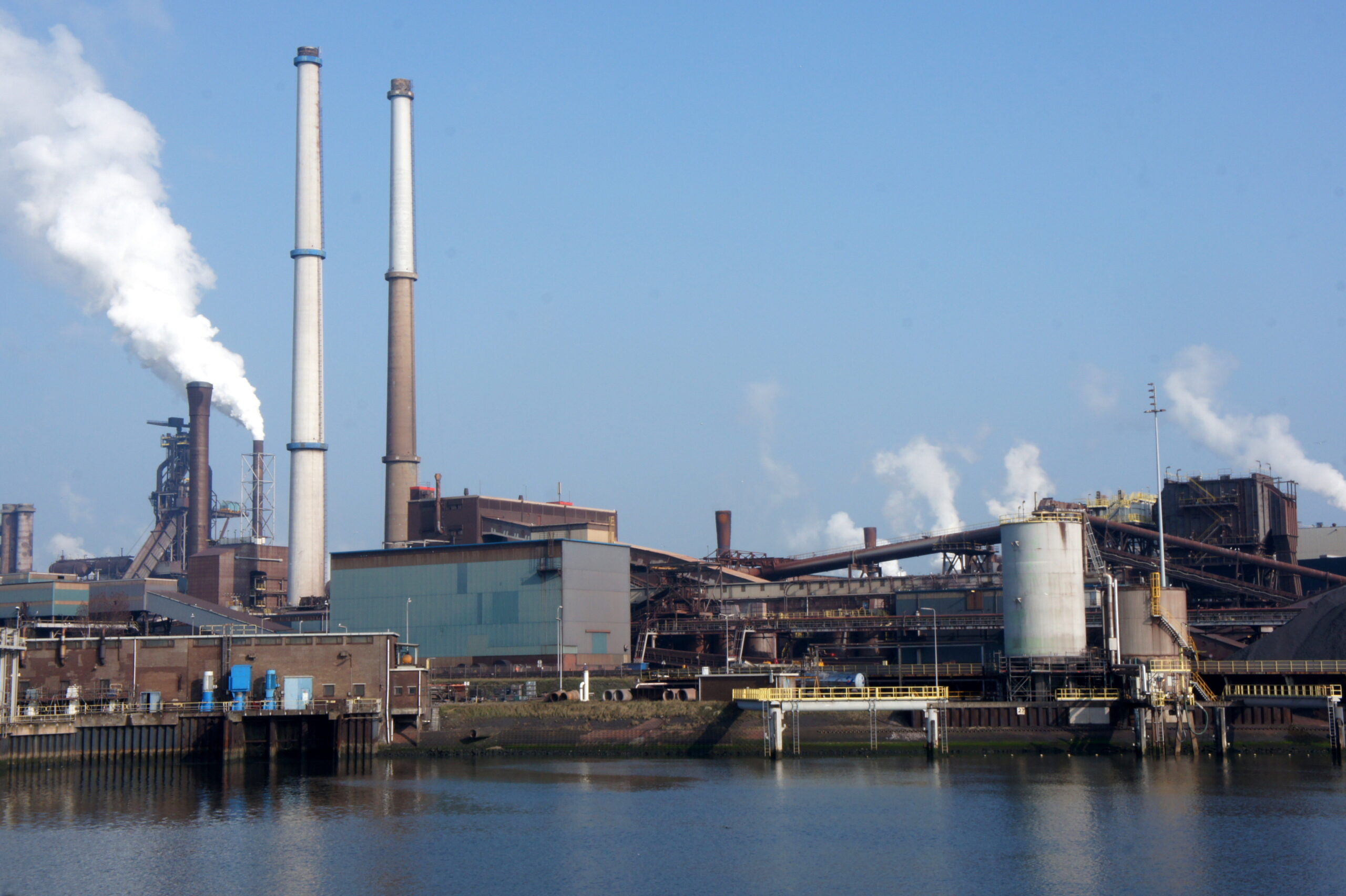
Tata Steel confirms it is in talks with Sweden’s SSAB over the potential sale of its unit in the Netherlands.
Group management is in talks with the supervisory board and management of Tata Steel Netherlands, and the process will move to the next stage including due diligence and stakeholders’ consultations, it says. Proceeds of any strategic restructuring will be deployed towards additional deleveraging of the balance sheet, it adds.
“The company has initiated the process to separate Tata Steel Netherlands and Tata Steel UK and will pursue separate strategic paths for the Netherlands and UK business in the future,” Tata Steel says in a note seen by Kallanish.
The steelmaking group adds that it continues talks with the UK government on potential measures to “…safeguard the long-term future” of Tata Steel UK. It is “…also reviewing all options to make the business self-sustaining without the need for any funding support from Tata Steel India in the future.”
SSAB says it “…has participated in several different discussions concerning consolidations in the European steel industry. The discussions with Tata are on-going but no decisions have been made. There can be no certainty that any transaction will materialize, nor as to the terms of any such potential transaction. Further announcement will be made in due course.”
Rumours about the future of Tata Steel Europe assets have circulated the market for many years. Last year the European Commission blocked the proposed merger between Tata Steel Europe and thyssenkrupp’s steel unit on competition concerns. However, observers agreed the next European steel industry consolidation move would involve Tata Steel and its strategic Ijmuiden site. This has two blast furnaces and is capable of producing some 7.5 million tonnes/year of coil.
If SSAB reaches an agreement to include Tata Steel Netherlands in its group, it will represent a significant further increase to its capacity after its acquisition of Finland’s Rautaruukki in 2014.

EUROMETAL Steel Trade Day 2020 – Facing the Slide in Global Steel Trade
Dear members and colleagues,
Trade restrictions are closing global steel supply chains in a year threatened by Covid-19 contamination.
This unprecedented pandemic has shaken steel demand and supply forecasts.
EUROMETAL Steel Trade Day, to be convened online on 20 November 2020, will address the status of consultation on EC planned Carbon Border Adjustment Mechanism (CBAM), anti-Circumvention investigation on HDG products from China, AD measures to several other product categories imported from China, UK safeguard measures and the reaction of the EU in terms of adapting its own safeguard measures following, RCEP free trade agreement and overcapacity in the world steel industry.
AGENDA
Welcome & Compliance: Daniel Guinabert (EUROMETAL)
Webinar Moderator: Alexander Julius (Macrometal / EUROMETAL)
14h05 David Boublil (European Commission DG Taxation and Customs Union)
- Status of consultation on EC planned Carbon Border Adjustment Mechanism (CBAM)
14h35 Yuriy Rudyuk (Van Bael & Bellis)
- Anti-Circumvention investigation on HDG products from China
- AD measures extended to several products imported from China
- UK safeguard measures and the reaction of the EU in terms of adapting its own safeguard measures following 1 January 2021
15h05 Emanuele Norsa (Kallanish Commodities)
- Overcapacity in the world steel industry
- Regional Comprehensive Economic Partnership (RCEP) free trade agreement between China and ASEAN countries
15h35 Alessandro Sciamarelli (Eurofer)
- View on the expected steel demand and supply situation 2021, and the relevance of imports
16h05 Conclusions: Fernando Espada (EUROMETAL)
Register now for this outstanding free online event.
(20 November 2020 from 14h to 16h30)
REGISTRATION
Tata to separate European units, enters SSAB talks for Dutch unit sale
Steelmaker Tata Steel will separate its UK and Dutch units as it has entered talks to sell the Dutch IJmuiden mill and downstream assets to Swedish steelmaker SSAB, Tata Steel said Nov. 13.
According to Tata Steel, the takeover talks were initiated by SSAB. Discussions with the Supervisory Board and Board of Management of Tata Steel Netherlands have begun and the process will move to the next stage, including due diligence and stakeholder consultations, Tata Steel said.
SSAB confirmed to S&P Global Platts that it would be in talks with Tata to “potentially” acquire the IJmuiden mill and downstream assets but said no specific timeline could be provided at this point.
Tata Steel said in a statement Nov. 13 that the separation of the European units would ensure “separate strategic paths”. Tata Steel would still seek support for the struggling UK arm.
“Tata Steel continues its dialogue with the UK Government on potential measures to safeguard the long-term future of Tata Steel UK and is also reviewing all options to make the business self-sustaining without the need for any funding support from Tata Steel India in the future,” Tata Steel said.
The SSAB-Tata talks are signal further potential major M&A activity in the European steel sector that has struggled not only under a coronavirus-related economic downturn but also overcapacity within Europe raising questions over how a shake-up of the landscape might lead to capacity cuts.
SSAB had been previously rumored to take over German steelmaker Thyssenkrupp’s steel unit, Europe’s second-biggest steelmaker after ArcelorMittal, but steelmaker Liberty made a non-binding offer to take over Thyssenkrupp in October which took the steel market largely by surprise. Thyssenkrupp reiterated that the company remains in non-exclusive talks with several potential partners.
— Laura Varriale
Nucor leaves Italian JV
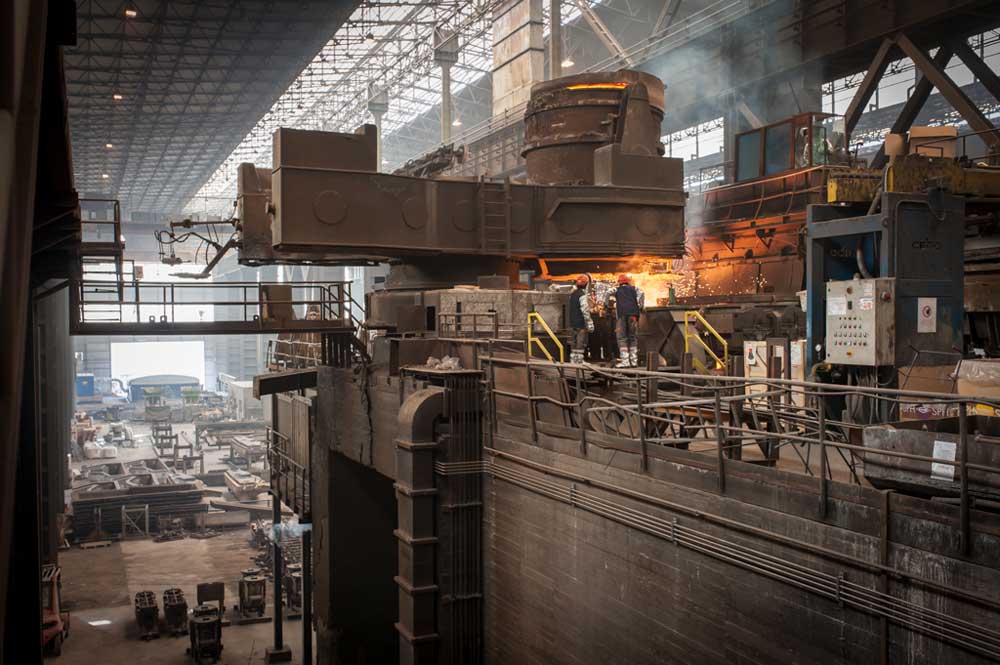
US steel producer Nucor is leaving its Italian joint venture with Doferdofin, part of Duferco, 12 years from its creation, Kallanish learns from Duferco.
The parties have come to an amicable agreement that will see Duferco buying Nucor’s 50% share of Duferdofin, becoming the sole shareholder of the company. Duferco has confirmed the €180 million ($212m) investment in the new section rolling mill at Duferdofin’s plant in San Zeno Naviglio, near Brescia.
Financial closing is scheduled for the first days of December, after the go-ahead from the European anti-trust authority, Duferco reveals in a note.
Nucor saw its profits drop to just one-tenth of their prior-year levels in Q1 this year, primarily due to issues with its Italian joint venture. The drop was largely due to a one-time impairment charge of $250m “…related to our equity method investment in Duferdofin Nucor,” the company said in its Q1 financial statement (see Kallanish 28 April).
The plant on San Zeno Naviglio has a capacity of the 1 million tonne/year.