

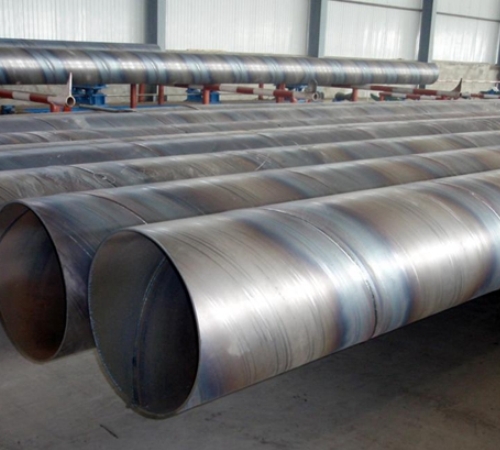
Turkish mills’ pipe exports to EU rise, exports to US slump
Turkish producers’ pipe exports rose by 10.2% year on year to 1.5 million mt in the first nine months of the year, despite unfavorable market conditions, amid the coronavirus pandemic. However, revenue generated from these exports fell by 1.9% on year to $1.1 billion, the latest data from the financial report of a Turkish pipe producer showed.
The EU region continued to be Turkey’s main pipe export destination in January-September at 818,000 mt, up 12.3% on year, despite quotas and the pandemic. The largest buyers of Turkish pipe in the EU region were Romania, UK, Belgium, Germany and Italy, respectively.
Romania saw a sharp 63.6% on-year rise in Turkish pipe imports in the nine-month period, taking in 358,000 mt, while Iraq became Turkey’s second largest pipe export destination in that period at 160,000 mt, also up 15.1% on year, despite ongoing political uncertainties in the region.
Israel was another main pipe export destination in January-September at 103,000 mt, up 41% on year, while exports to the UK fell by 53.4% on year in that period to 103,000 mt.
Turkish pipe mills’ exports to North America fell by 46.3% on year in the first nine months to 62,000 mt, as exports to the US fell significantly due to the Section 232 tariff.
The US was one of Turkey’s largest pipe customers in previous years, importing around 300,000 mt every year before the tariff was levied in 2018.
— Cenk Can

Swiss Steel eyes recovery, but shipments still low
Swiss Steel Holding, formerly Schmolz+Bickenbach, registered a cautiously positive recovery in the third quarter after two disappointing quarters due to the Covid-19 pandemic impact. But higher steel demand did not translate into increased sales volumes and revenue.
“Sales normalised in the second half of August after production capacities were ramped up smoothly following the summer break,” says chief executive Clemens Iller. “The first signs of improvement have come from the automotive industry, while the recovery in mechanical and plant engineering as well as in the energy segment, especially with oil and gas, remains sluggish.”
However, the company reported an -18% on-year decrease in Q3 sales to 332,000 tonnes, Kallanish notes. This was especially pronounced in quality and engineering steel, whose shipments fell -19.8% as the automotive demand recovery filters through to sales volumes with a delay. In addition, the fall in demand in mechanical and plant engineering continued in Q3.
Volumes also fell in the stainless steel and tool steel segments, but with less sharp declines of -13.9% and -12.5% respectively. The average sales price/tonne of steel was €1,534/tonne ($1,805) versus €1,654 in Q3 2019. This was despite the slightly positive movement in prices for scrap and alloy surcharges following the pandemic-related slump.
Swiss Steel’s Q3 revenue declined -24% on-year to €509.4 million. The decrease was most pronounced in the quality and engineering segment, at -27.5%. Revenue from stainless steel was down by -21.3%, and for tool steel by -19.9%. Geographically, all regions and countries suffered a double-digit decline in revenue, except for China which saw growth of 10.6% on-year. Adjusted Ebitda was negative €21.1m, against positive €32.9m a year earlier.
“We expect that automotive will continue to recover in the fourth quarter,” a company executive concludes. “The will narrow the gap to the prior-year level, while recovery will be sluggish in the mechanical and plant engineering as well as energy sectors.”

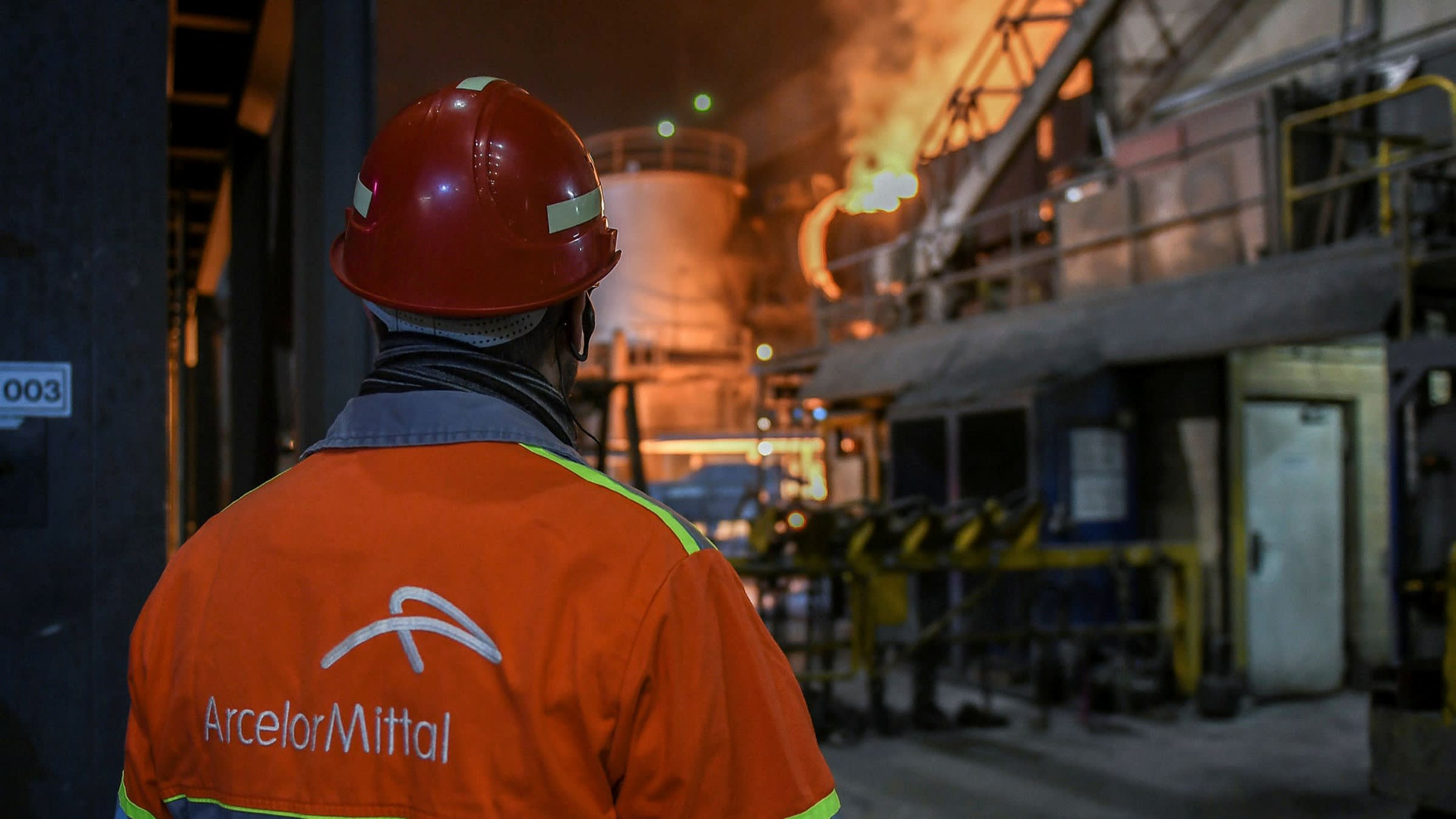
Demonstrations stop production at ArcelorMittal Genova rolling mill
ArcelorMittal Italia says it has temporarily stopped production at its rolling mill located near Genova, formerly known as Ilva Cornigliano.
The temporary stoppage was implemented because of the strikes and blockades imposed by trade unions and workers at the site since the beginning of this week. Workers are staging protests against the firing of a number of colleagues as well as to request further clarity over the future of the plant.
The rolling mill located in Genova processes hot rolled coil supplied by other group facilities, including Taranto and Fos-sur-Mer, to produce hot-dip galvanized coil and tinplate, among other products.
ArcelorMittal is still negotiating with Italian authorities the amount of planned public investment into the assets formerly known as Ilva (see Kallanish passim). A final agreement between ArcelorMittal and Italian authorities needs to be reached by the end of November.

S. Korea and Japan become Turkey’s top HRC suppliers in September
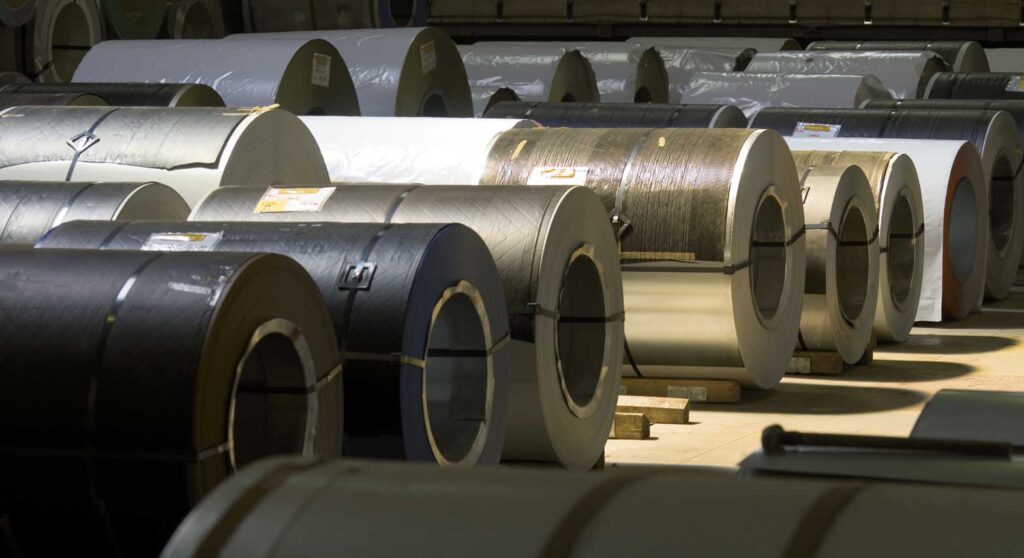
Turkish buyers’ imports of hot-rolled coil remained strong in September at 371,500 mt, with imports especially from South Korea and Japan rising significantly year on year. These two East Asian countries became Turkey’s top HRC suppliers in September, S&P Global Platts observed from the latest Turkish Statistical Institute (TUIK) data.
South Korea became the largest supplier at 65,600 mt, a roughly four-fold increase on year. Turkey’s nine months’ HRC imports from South Korea totaled 238,650 mt, significantly higher than 54,250 mt imported in the same period the previous year.
According to the terms and conditions of the Free Trade Agreement (FTA) signed by Turkey and South Korea in 2013, the gradual reduction period in customs duties finished Jan. 1, 2020 and the customs duty on all steel products from South Korea zeroed, as Platts has reported.
Turkish imports of HRC from Japan, totaled 65,000 mt in September, 62% higher on year. Turkey’s overall HRC imports from Japan in the nine-month period totaled 224,100 mt, a more than fourfold increase on year.
Turkish industry sources attributed the sharp rise in imports from these East Asian countries to the FTA with S.Korea and these mills’ lower export offer prices to Turkey compared to their sales prices in their own markets.
Imports from Turkey’s traditionally largest HRC supplier, Russia, continued its declining trend in September and fell to 64,000 mt, lower than 80,100 mt supplied in the same month the previous year. Turkey’s HRC imports from another CIS country, Ukraine, totaled 51,600 mt in September, up 11% on year.
France was another large HRC supplier in September at 33,100 mt, while the UK shipped 27,000 mt, followed by Italy (24,800 mt), Germany (9,200 mt) and Belgium (8,400 mt).
— Cenk Can
Austrian steelmaker Voestalpine back at full flat steel production
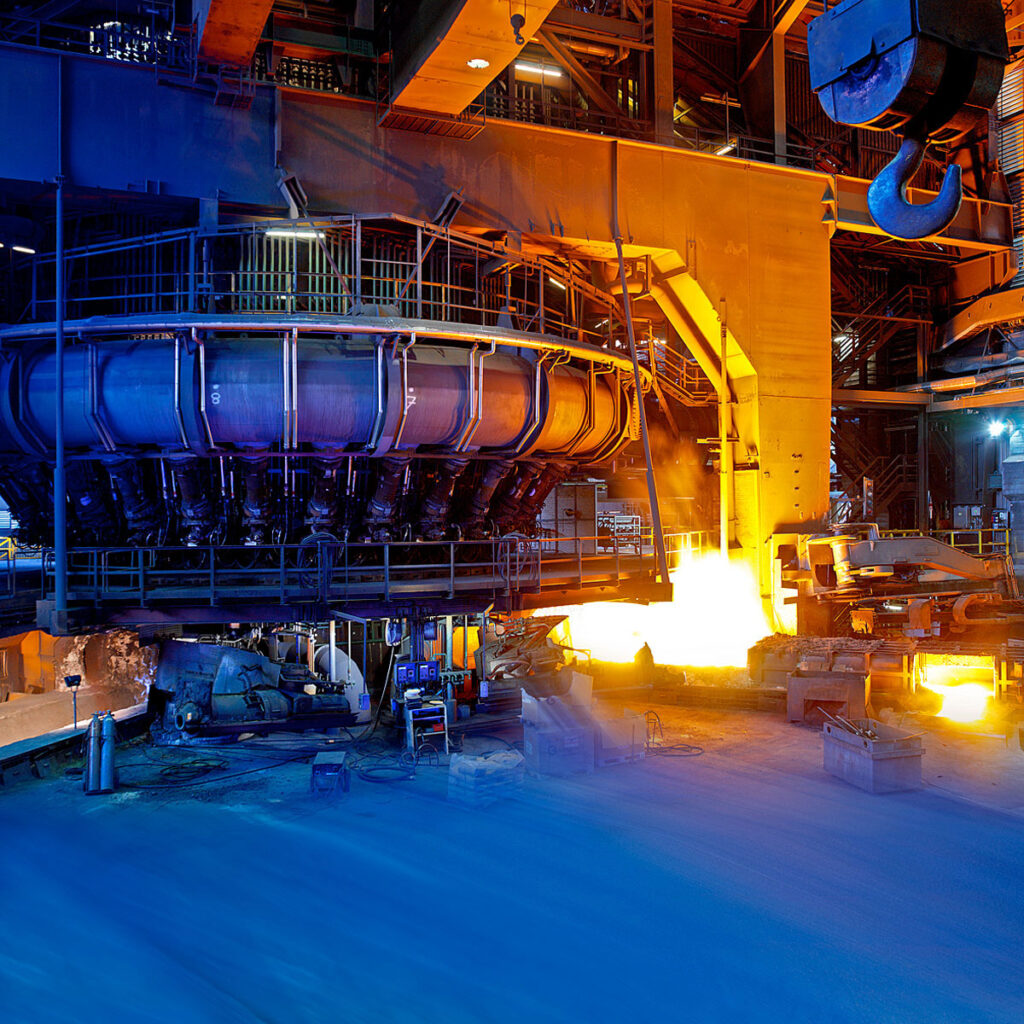
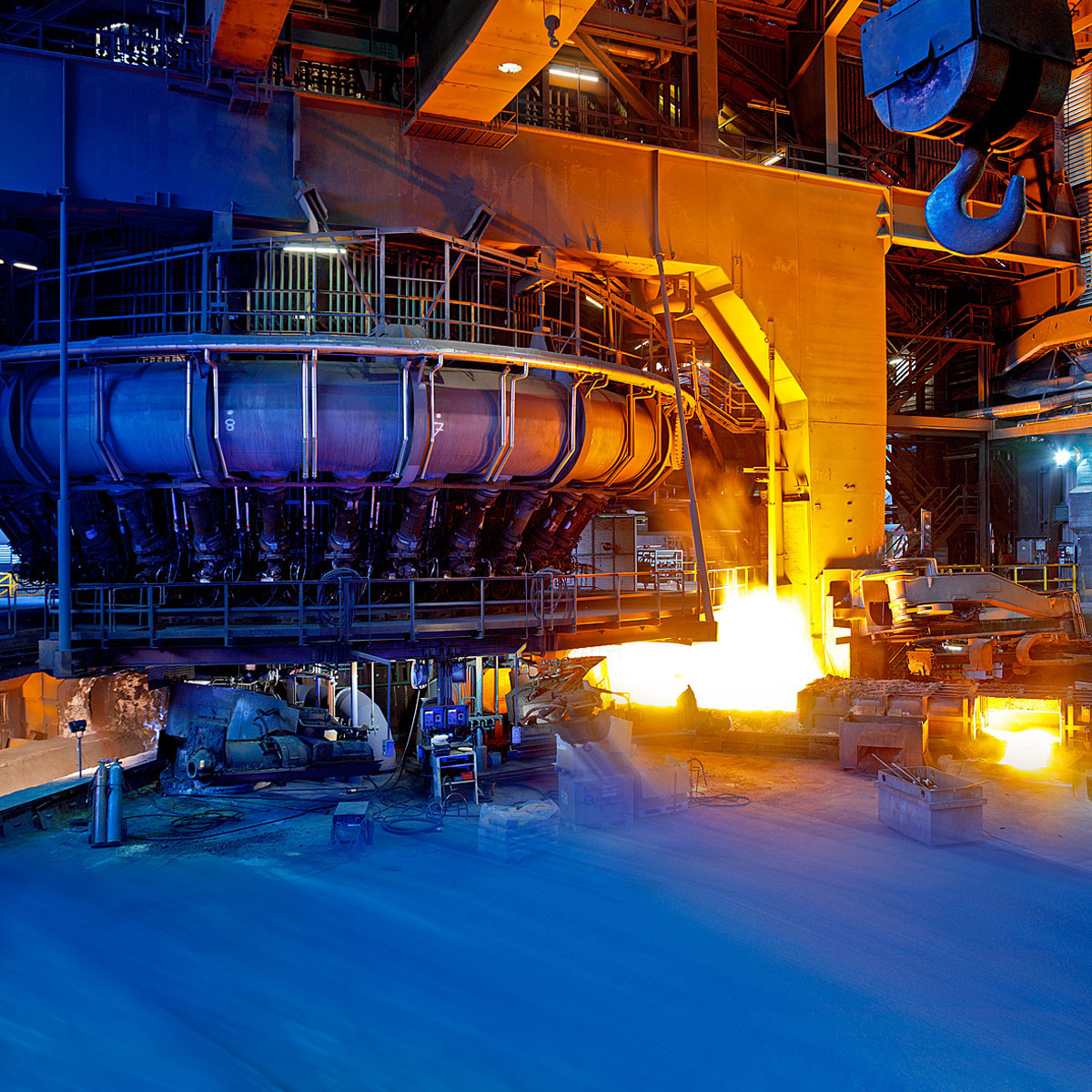
Austrian steelmaker Voestalpine is running its flat steel production at full capacity, while long steel production remains curbed, CEO Herbert Eibensteiner said Nov. 10.
The company still said that, due to rising COVID-19 infection rates in Europe, the economic forecast looks more uncertain but that overall Voestalpine is registering more demand from the automotive industry, recovery in consumer goods and building industry as well as improvement in the mechanical engineering industry.
During a press call on the company’s financial first-half results (April-September 2020), Eibensteiner told S&P Global Platts that flat steel production would be at 90-100% capacity utilization following the restart of one blast furnace that had been temporarily idled. However, one smaller blast furnace at the long steel mill remains out of operation after a completed reline in October until “probably” January 2021.
Q2 saw improvement, but outlook unclear
The company sees no recovery in the aerospace or oil and gas sector yet and said that particularly in the aerospace business a normalization of the situation within the supply chain would likely take two years.
Voestalpine keeps around 2,500 on reduced working hours in Austria which is considerably down from 10,000 in spring, but will proceed with decreasing the tubulars workforce by 250 and workers at special steel site Kapfenberg by 300.
The steel division saw a revenue improvement from Q1 at Eur834.9 million to Q2 at 995.6 million but remains 13% behind last year’s Q2, based on increasing shipments in flat steel particularly while cash flow management remains high priority.
“The substantially positive operating result (EBITDA) and the increase in cash flow show that our consistent cost-cutting and efficiency enhancement programs have taken hold. At the same time, this performance reflects rebounding demand in major customer segments during the business year’s second quarter. But it remains to be seen despite positive market signals how the renewed lockdown measures in Europe will impact the economy,” said Eibensteiner.
Voestalpine said it was possible to limit backdrop from steel price declines on the spot market during that time due to long-term contracts with customers secured ahead of the pandemic.
“The Steel Division had to contend with price declines in its short and medium-term business also. Thanks to the contracts’ structure, however, these were not as dramatic as those in the spot markets. The structure of the contracts leads to a situation where price increases do not take hold until after a minor delay,” Voestalpine said.
The direct reduction plant in Texas, US, delivered a substantially lower operating performance due to lower demand from the customer base and acquiring new customers in the Far East helped to offset this weakness “only in part”, according to the company.
The company expects iron ore prices remain supported by the Chinese steel market and Eibensteiner expects iron ore to remain at $100-120/mt.
Regarding a possible change to trade policies in the US following the elections, it would be too early to suggest there would be any substantial change to the current status quo, he said.
— Laura Varriale

Digital platform emerges to auction excess European steel, capacity
Around 15 European steel suppliers, including a major Czech Republic mill, have signed up to auction their excess steel via a digital platform, in an initiative arising out of the COVID-19 market crisis, one of the platform’s four founders told S&P Global Platts in an interview.
The platform, Vanilla Steel, aims also to allow mills and processors to auction the use of free production capacity, particularly in the rolling mill area, said co-founder Alexis Ducros.
Carbon and stainless steel flat and long products and tubes are made available on the platform for a four-day period each week at a minimum price and incoterms defined by the supplier, said Ducros, who claims the Berlin-based platform is the only independent venture in Europe offering this kind of service, as mills typically sell their own products.
Highest bids in Euros per metric ton are visible on the platform except in “blind” auctions and so far there have been “a few hundred” customers, mainly traders, service centers and processors. Suppliers and customers are located in 22 countries in western and eastern Europe, including Portugal, Turkey and the UK, said Ducros, naming one supplier mill as Vitkovice, the largest manufacturer of steel plates in the Czech Republic.
“We’re very upstream-oriented, connected to the mills,” Ducros said. While the mills have commercial agreements with the platform, all sales transactions take place outside the platform, directly between supplier and buyer, he added. Access to the platform is free for buyers.
Inventory displayed on Vanilla Steel’s platform is owned by the mills and the average lot sold is a truckload, typically 20 mt- 25 mt. As the platform commands “a huge presence” in Antwerp, material can be sold for port shipment also, according to Ducros.
Constant excess, COVID ‘slow-movers’
While quantities sold are currently relatively low – 1,000 mt in the first four months of the platform’s operation – potential exists for considerable expansion, given that up to 10% of the total production output of the European steel industry could typically be classed as “excess,” according to Ducros, a former investment banker with experience in starting up digital platforms across various industries.
“There has been constant excess material – up to 10% – generated by the steel producers,” Ducros said. “It’s always around but COVID slow-moving material has additionally increased the stock eligible for inventory management. Some mills have been working at less than full capacity. We’re at the beginning of the story: we want to bring more simplicity to the steel world through innovation.”
The EU produced 99.4 million mt of crude steel in the first nine months of 2020, down by 17.9% compared to the same period in 2019, according to the World Steel Association, indicating the EU steel sector is working at considerably below its installed capacity levels.
Excess material includes steel produced with no defined customer, including over-rollings, excess prime and semi-finished products. Ducros notes that basic oxygen furnace mills, used by the majority of European steelmakers, require continuous operation and can’t be turned off when demand slumps.
Excess material can also include “de-classified” material, which may fail a standards test perhaps because of a surface defect such as scratching and for which it may be difficult to define a price outside auction, but which can be re-used, as well as “slow-movers” that need to be sold quickly to free up space and capital for new inventory, Ducros said.
“We’re talking about sustainability and extending the life of steel products,” he said. “You don’t need to scrap everything!”
— Diana Kinch

ArcelorMittal Italia changes personnel, exit rumours re-surface
ArcelorMittal Italia, the unit of ArcelorMittal controlling the operations of the former Ilva, has replaced its chief marketing officer, Kallanish learns from sources.
Carlo Malasomma, the chief marketing officer at ArcelorMittal Italia since the company agreed to take over the former Ilva back in 2018, is being replaced by Alessandro Faroni.
It is also understood that ArcelorMittal is reorganising its commercial structure to shield the Italian unit from its other European activities. However, further information is yet to be divulged. Views among sources close to the company diverge as to whether this move is merely to improve the organisation, or whether it signals the preparation for an exit from Italy by ArcelorMittal.
Negotiations between ArcelorMittal and Italian authorities on the future of the former Ilva assets are still ongoing. The parties have until the end of November to reach a final agreement on the planned investment by Italian authorities aimed at supporting the revival of the steelworks. In the event an agreement is not reached, AM InvestCo has a withdrawal right, subject to an agreed payment of €500 million ($591m).
Voestalpine leaves one Donawitz furnace idle

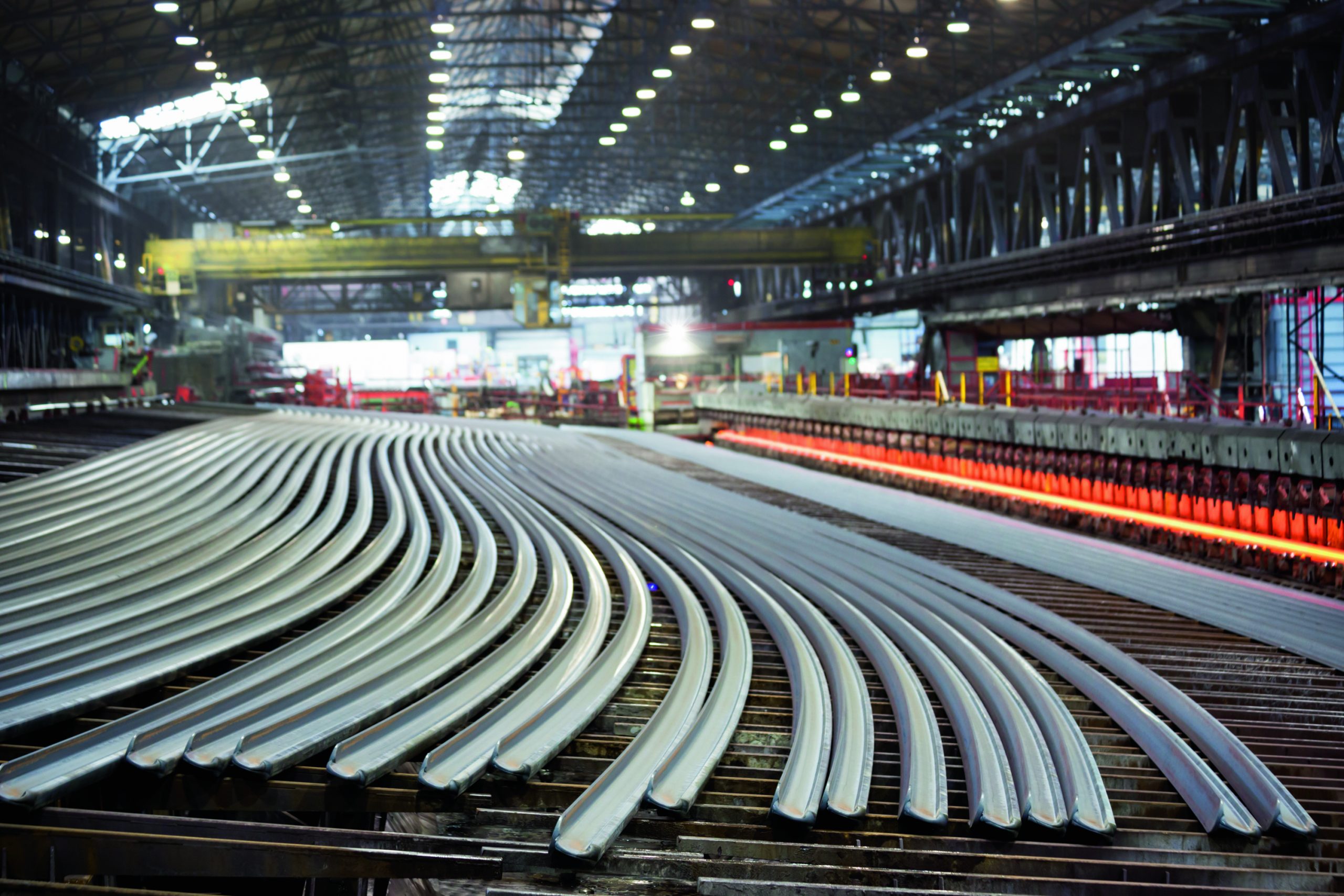
The blast furnace at voestalpine’s Donawitz plant that has been relined in recent months will not be put back into operation for the time being, the firm says. Donawitz has two blast furnaces with a combined capacity of 1.5 million tonnes/year of pig iron.
At the group’ strip mill in Linz, one furnace was temporarily taken out of operation during the first Covid-19 wave in spring, and restarted in late August. Linz is now back to full operation, meaning a utilisation of 90% or more.
Against that, the products typically produced by voestalpine’s Metal Engineering division using steel from Donawitz, such as drawing-quality wire and seamless tube, are still suffering from low demand. Even before the outbreak of Covid-19, the group stated that production in this segment via the oxygen route means a cost disadvantage especially for long products. Competitors in these segments mainly use electric furnace technology for producing semi-finished product.
Voestalpine chief executive Herbert Eibensteiner noted during a conference call monitored by Kallanish that the firm has mastered the crisis “…better than competitors”. During the first Covid-19 wave, 10,000 of its Austrian staff registered for short-time work; that figure had come down to some 2,500 at the end of the second fiscal quarter (July-September).
Since the end of the reporting period, many EU member states have re-imposed lockdowns of varying severity, “…and the impact of that cannot be foreseen in detail”, the company states. “What is certain, however, is that the uncertainty regarding forecasts of future developments is much greater now.”
European Commission drops China, Indonesia stainless HRC probe
The European Commission says it is dropping its anti-subsidy investigation into imports of stainless hot rolled coil from China and Indonesia.
The investigation was opened following a complaint last year lodged by Eurofer. The same association, nevertheless, dropped the complaint in September this year.
“The investigation had not brought to light any considerations showing that a continuation of the case would be in the Union interest,” the European Commission explains.
Currently, investigations are ongoing to determine the possible imposition of anti-dumping duties on stainless cold rolled coil from India and Indonesia. An expiry review of the existing measures against stainless CRC from China and Taiwan is also ongoing, Kallanish notes.

Steel players see no early end to protectionism with new US president

European and Middle Eastern steel players see no early end to protectionism in steel markets with Democrat Joe Biden’s confirmation as the next US president, market sources said after and immediately before Biden’s victory in the presidential race was called over the weekend. Many however expect trade tensions with certain countries and regions will be eased.
The Section 232 import tariffs on steel, instituted in March 2018 by President Donald Trump, are widely expected to remain with the new president, the sources believe. These led to the EU’s introduction later the same year of an import safeguards scheme, which regional steelmakers are seeking to extend after its scheduled expiry in June 2021, particularly as no immediate change is expected in the Section 232 tariffs.
“We at ArcelorMittal believe that EU safeguards should continue due to global overcapacity that continues in the market, I don’t expect a significant impact on the 232, considering Biden has suggested in his campaign that he will maintain 232,” said Aditya Mittal, President and CFO of ArcelorMittal and CEO of ArcelorMittal Europe, in the company Q3 results call late last week.
“For the steel industry Donald Trump will be memorable for his basket of measures aimed at restricting international trade, which is quite an unusual move for the US,” said Ilya Gushin, vice president sales for Russian steelmaker NLMK. “From what we know about Biden, we believe as a president he may well be bound for measures that will ease the existing tensions [in world trade].”
“If Biden wins, we might see some slack in the trade war with China, but that’s it,” a Turkish mill source said. “I don’t see much impact on the steel market otherwise.”
European steel market assessments remained largely stable Nov. 9, confirming perceptions last week that the market was already “pricing in” a Biden win after recent price gains.
S&P Global Platts assessed North European hot-rolled coil domestic prices steady at EUR519/mt Nov. 9 while Northwest European domestic rebar prices were up EUR2.50/mt to EUR462.50/mt.
Deepsea Turkish import scrap prices were unchanged as market participants held back amid sharp lira/dollar exchange rate volatility, sources said.
Platts assessed Turkish imports of premium heavy melting scrap 1/2 (80:20) at $298/mt CFR on Nov. 9, unchanged on day.
Stimulus package
Biden’s program provides for a huge short-term economic stimulus package of $2 trillion dollars, which includes infrastructure projects as well as the expansion of digitalization and renewable energies, noted Karl Haeusgen, president of the German mechanical engineering association VDMA. “The European capital goods industry should also benefit from this. However, government contracts are expected to be awarded to American companies whenever possible.”
“A lot depends on the US dollar exchange rate as we understand Biden wants to start a lot of governmental projects, such as in infrastructure,” an EU steel recycler said. “This means the US national debt may go up, which is not good for the exchange rate.”
Relations with Turkey
Eyes will be focused on steel relations between the US and Turkey.
President Trump raised tariffs on imports of Turkish steel from 25% to 50% in August 2018 under Section 232, amid increased political tension between the countries over Turkey’s detention of a US religious leader. Turkey’s tariff rate on steel was dropped back to 25% in May 2019, on improved relations between the countries. Turkey’s rebar exports to the US slumped to 108,300 mt in 2019, from pre-232 levels of more than 1 million mt/year, although a recovery to 363,950 mt has been reported for January-September 2020.
In turn, Turkey imposes a tariff on coal imports from the US. For coking coal, the current tariff is 5% based on a delivered basis, which was reduced from a 10% rate in 2019. The US exported 1.76 million mt of coking coal to Turkey in January-July, up by 172% on the comparative period in 2019.
Murat Cebecioglu, chairman of the International Rebar Producers’ Association (Irepas), said in September he believed Turkey would not be easily able to regain pre-Section 232 steel export levels to the US as its market share has been replaced by domestic producers and by exporters from other countries including Italy, Spain and Portugal, which jumped into the gap when Turkey’s tariff rose to 50%.
“Biden is likely to toughen the US stance on Turkey,” a Turkey-based steel trader said. “In terms of trade policies, I don’t expect any additional Section 232 measures as they would be unconstitutional. However, the US political establishment might try to put pressure on Turkey with the long-running issues of the purchases of Russian missile defense systems and the Halkbank money laundering and Iranian sanctions evading case. In doing so, however, I still believe they will still first try to win Turkey over to their side, as Turkey was and will be a strategically important ally to the US.”
Turkey’s vice president, Fuat Oktay, stated Nov. 8 that: “The outcome of the US elections does not have an impact on ties with Turkey, as Ankara will continue to activate diplomacy channels with the NATO ally as it always did.”
Iran sanctions: Chinese winners
Some steel sector sources in Tehran believe the biggest losers of President Trump’s latest rounds of sanctions against Iranian steel have been European engineering companies which have been prevented from completing or embarking on new works contracts in Iran.
“Iranian companies have worked closely with European companies such as Danieli and SMS for many years, but they were forced to turn toward China and some other countries to meet their requirements due to the US sanctions,” a Tehran-based analyst said, noting that the sanctions have not stopped Iran pursuing its ambitious steel expansion program.
According to the World Steel Association, Iranian companies produced around 18 million mt of crude steel in 2016, when Trump was elected. Four years later, at the end of his term, Iran’s steelmaking capacity has reached more than 32 million mt/year, official sources report.
— Diana Kinch with Annalisa Villa, Viral Shah, Cenk Can, Rabia Arif, Laura Varriale, Katya Bouckley and Hector Forster