


Michael Mockenhaupt: Geschäftsführer der Schäfer Lochbleche

Die SCHÄFER WERKE Gruppe hat zum 1. Oktober 2020 eine Veränderung in ihrer langjährig erfolgreichen Geschäftsführung vollzogen. Neben dem geschäftsführenden Gesellschafter und Unternehmensgründer Theo Schäfer, wird die Unternehmensgruppe zukünftig von Marcus Düber, Michael Mockenhaupt und Guido Klinkhammer geleitet.
Mit dem Management-Team geht die SCHÄFER WERKE Gruppe, bestehend aus EMW Stahl-Service-Center, SCHÄFER Lochbleche, SCHÄFER IT-Systems, SCHÄFER Container Systems und VIZUU sowie den zentralen Verwaltungsbereichen, neue Wege und legt damit die Geschicke der Unternehmensgruppe in die Hände von vier erfahrenen Führungskräften mit unterschiedlichen Stärken und Aufgabenschwerpunkten. Als ausgewiesene Experten sei das Management-Team die ideale Besetzung in Zeiten eines herausfordernden Marktumfeldes, so Theo Schäfer, geschäftsführender Gesellschafter.
Marcus Düber verantwortet seit 1. Oktober 2020 als kaufmännischer Geschäftsführer die Verwaltungsbereiche der SCHÄFER WERKE Gruppe. Der diplomierte Betriebswirt ist innerhalb der Unternehmensgruppe schon seit September 2016 als kaufmännischer Leiter bei der tschechischen Tochtergesellschaft SCHÄFER Sudex tätig und verantwortet seit Oktober 2018 die Ressorts Finanzen und Controlling.
Michael Mockenhaupt führt bereits seit November 2013 erfolgreich die Geschäfte des EMW Stahl-Service-Centers. Als Geschäftsführer verantwortet der diplomierte Kaufmann nun zusätzlich den Geschäftsbereich SCHÄFER Lochbleche. Somit liegen insbesondere die Geschicke der traditionellen Stahlblech-Sparten der SCHÄFER WERKE in Herrn Mockenhaupts Händen.
Guido Klinkhammer wechselte zum 1. Oktober 2020 als Geschäftsführer die Chef-Etage vom D.S.I. Getränkearmaturen Hersteller zu seinem ihm gut vertrauten ehemaligen Arbeitgeber SCHÄFER WERKE. In seinem Verantwortungsbereich befinden sich nun SCHÄFER WERKE, SCHÄFER Container Systems, SCHÄFER IT-Systems, VIZUU, die Auslandsgesellschaften SCHÄFER Sudex und SCHÄFER Container Systems North America. Einen Arbeitsschwerpunkt sieht der studierte Manager in dem weiteren Ausbau der Digitalisierungsprojekte der Unternehmensgruppe sowie dem strategischen Innovations- und Produktmanagement. „Wir stehen im Rahmen des digitalen und wirtschaftlichen Wandels vor spannenden Chancen, denen wir gemeinsam sehr positiv entgegensehen“, erklärt Guido Klinkhammer, Geschäftsführer SCHÄFER WERKE Gruppe.
Rainer Bröcher hat sich zum 30. September nach 8 Jahren erfolgreicher Tätigkeit als Geschäftsführer der SCHÄFER WERKE Gruppe verabschiedet. Die Unternehmensgruppe bedankt sich für die gute Zusammenarbeit und wünscht Herrn Bröcher weiterhin viel Erfolg.
Quelle und Foto: SCHÄFER WERKE GMBH
Autor: von Hubert Hunscheidt
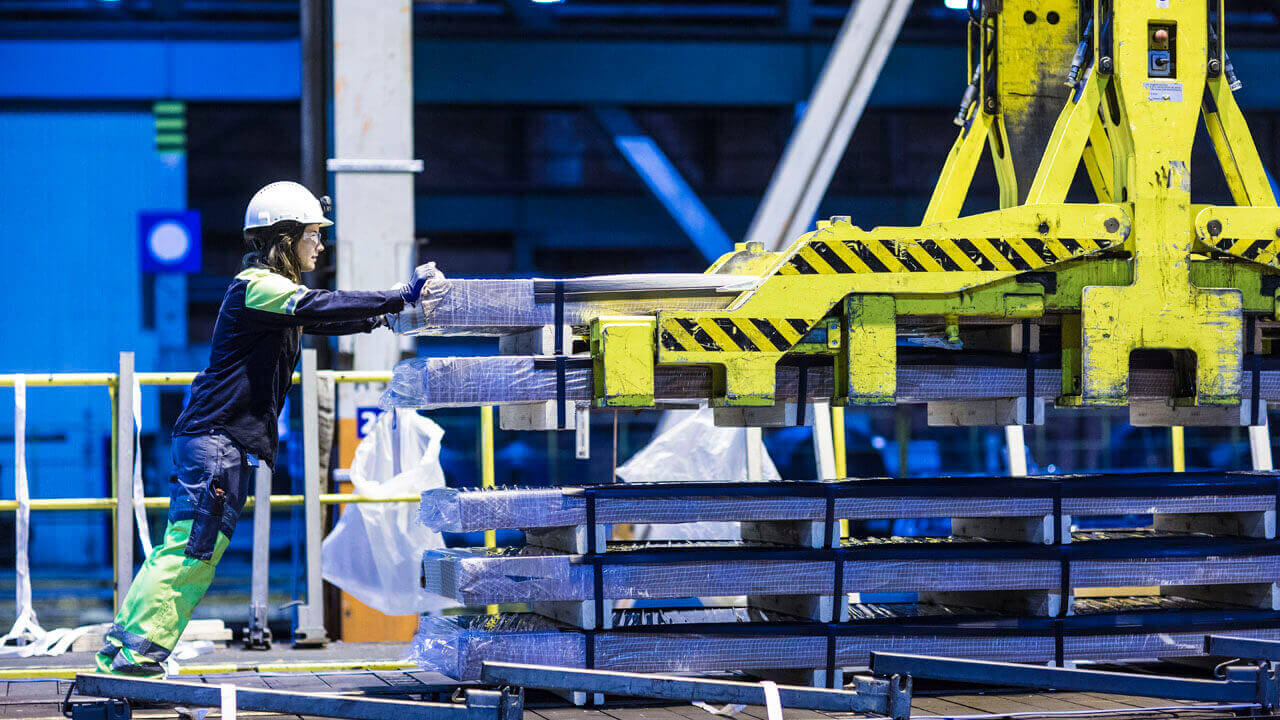
SSAB hat Interesse am Tata Steel Stahlwerk IJmuiden
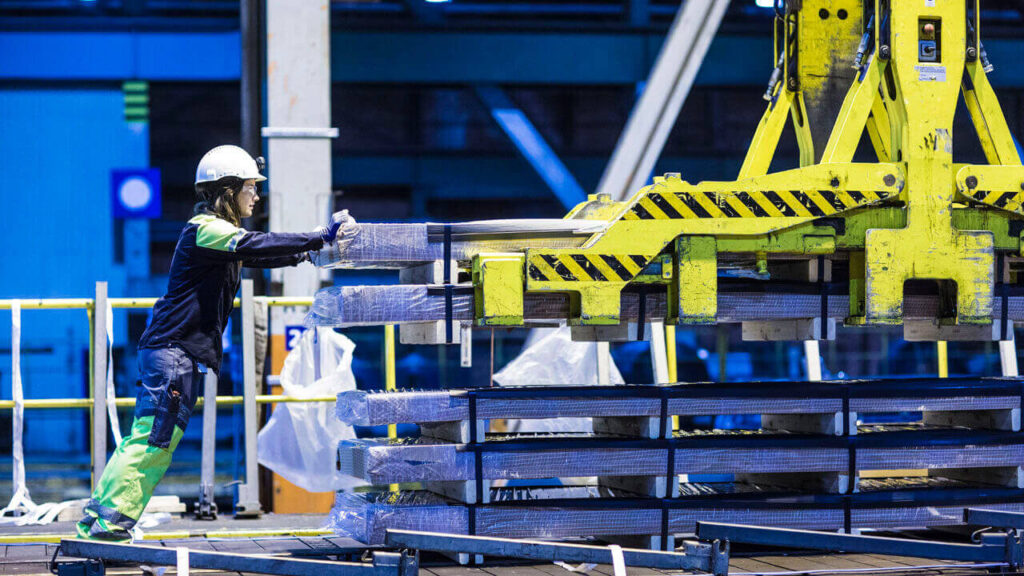
Der schwedische Stahlkonzern SSAB zeigt ernsthaftes Interesse an der Übernahme der niederländischen Aktivitäten von Tata Steel, berichtete das Handelsblatt am Wochenende.
SSAB war zunächst an der Übernahme des Stahlgeschäfts von Thyssenkrupp interessiert, doch nachdem Mitte Oktober die Liberty Group ein Angebot für die verlustbringenden Aktivitäten abgegeben hatte, laufen derzeit Gespräche zwischen SSAB und Tata Steel im niederländischen IJmuiden.
Im April hatte Tata Steel eine Umstrukturierung seiner europäischen Aktivitäten wegen der Coronakrise angekündigt. Das Unternehmen hatte 3.000 Arbeitsplätze abbauen und Kosten senken wollen, um die Profitabilität wiederherzustellen. Fast 1.000 der 11.000 Arbeitsplätze in IJmuiden wären gestrichen worden. Im Juni bestätigte das Unternehmen jedoch, dass es keine obligatorischen Entlassungen in IJmuiden geben wird, wenn das Unternehmen sich neu organisiert und der aktuelle Beschäftigungspakt, der bis Oktober 2021 läuft, eingehalten wird.
Quelle: Handelsblatt / Vorschaufoto: Tata Steel
Autor: von Hubert Hunscheidt
Feralpi converts Profilati Nave to reinforcing steel producer
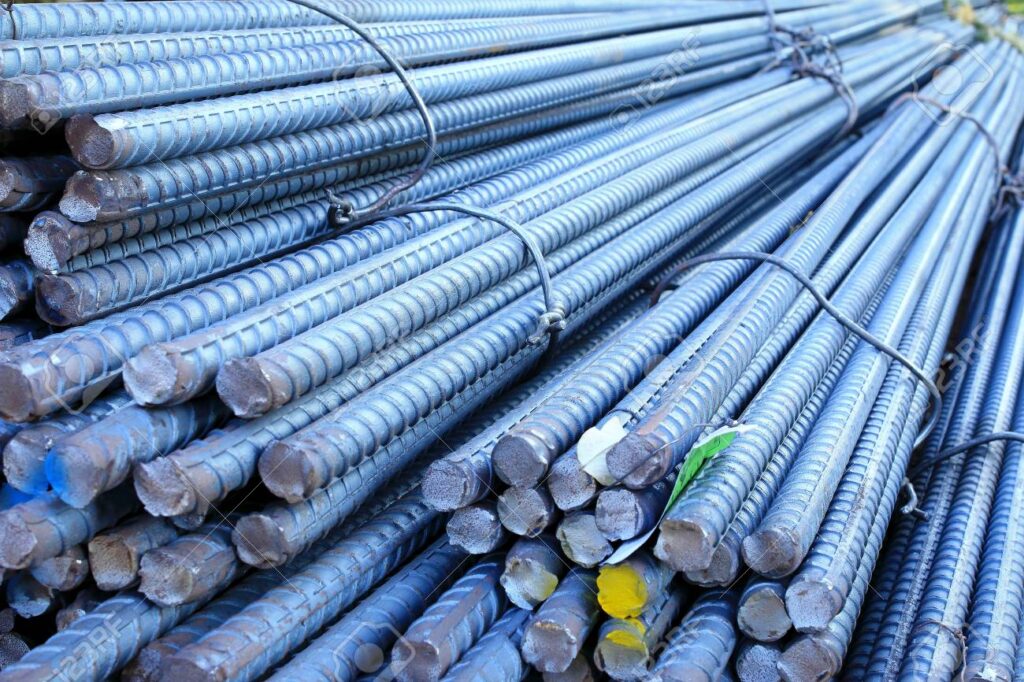
Italian rebar maker Feralpi is boosting its reinforcing steel output with new investments at Profilati Nave, Kallanish learns from the company.
Profilati Nave is a former merchant bar maker, acquired in 2016 by Feralpi subsidiary Fer-Par for €10 million ($11m). Under Feralpi’s new strategy to boost its core business in reinforced concrete steel products for the domestic and international markets, Profilati Nave has stopped producing merchant bar and will re-roll cold-drawn construction steel products.
It will also pass from Fer-Par to Presider, another Feralpi subsidiary, specialised in pre-shaped reinforcing steel in bar and welded mesh, as well as designing, making and installing preassembled elements.
Presider has a re-rolling capacity of 150,000 tonnes/year and is a supplier to large infrastructure projects in Italy and abroad.
In 2019 Feralpi produced 2.5 million tonnes of steel for a €1.3 billion turnover, stable on 2018. Ebitda stood at €125m against €126m in 2018.

Automotive could rebound next year: Eramet

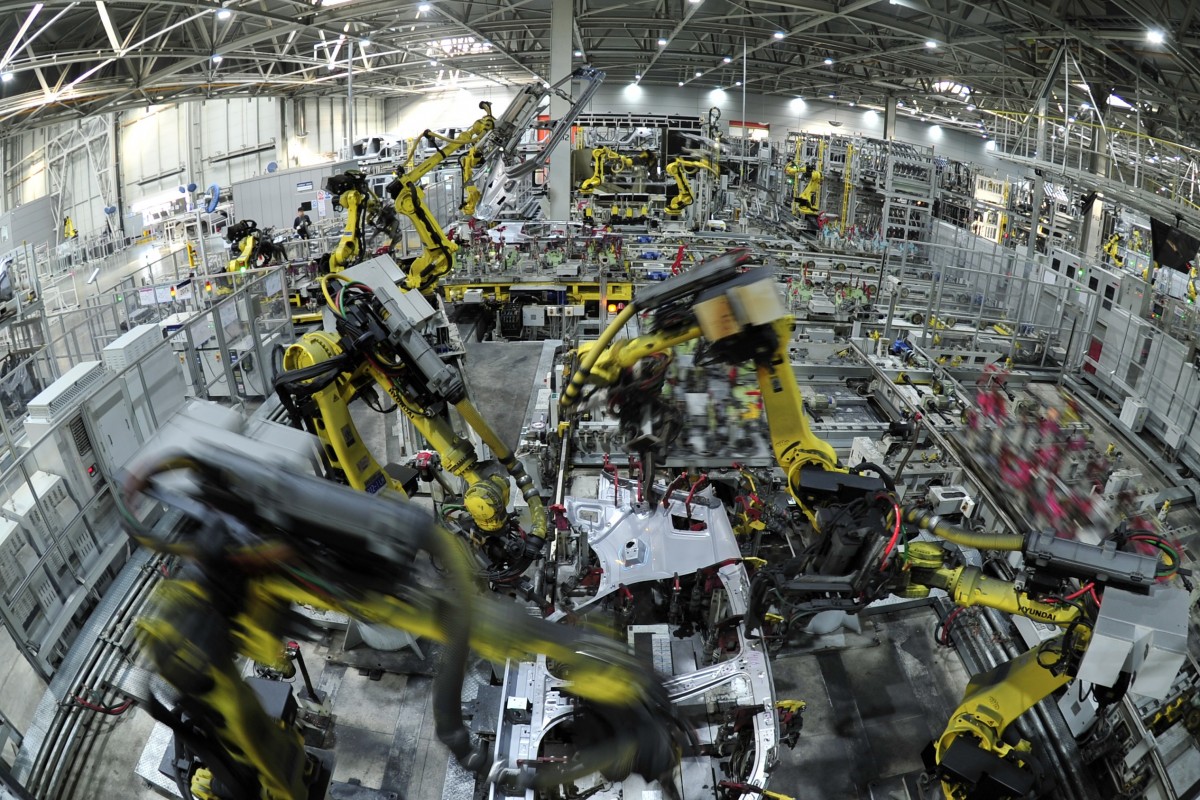
A rebound could take place as early as next year in the automotive sector, says French miner Eramet in its third-quarter financial report monitored by Kallanish.
The collapse of the aerospace sector and the steep downturn in the automotive sector continued to weigh heavily on the High-Performance Alloys division in Q3. The automotive industry, which accounts for nearly half of French subsidiary Erasteel’s sales, remained very depressed over the quarter, with the exception of a marked rebound in China.
Erasteel’s Q3 sales were down -26% on-year to €32 million ($37.4m). Production was also hampered by the continuing weak market environment, being adjusted to meet customers’ immediate needs, the firm says.
Eramet is envisaging the divestment of French subsidiary Aubert & Duval (A&D), at which sales declined by -18% to €122m in Q3. The aerospace sector, which represents approximately 70% of A&D’s sales, has been very hard hit by the Covid-19 crisis, with an extremely marked slowdown in air transport.
In particular, at end-September Airbus announced it had delivered 341 aircraft since the beginning of the year, nearly -40% down on-year. Aircraft manufacturers continue to adjust their production rates to demand.
The impacts could be deeper and more extended for wide-body aircraft. However, the defence, energy and nuclear markets are stable, particularly thanks to public investment programmes, the report adds.
EU adjusts steel safeguard quotas for post-Brexit era
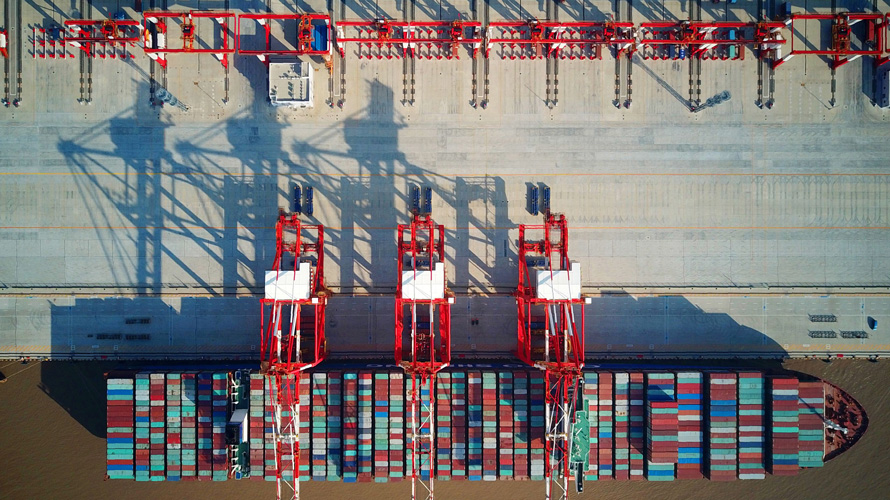
The European Commission is recalculating the volume of Tariff Rate Quotas (TRQs) as part of its steel safeguard measures effective 1 January 2021 to consider the UK a third country following Brexit, Kallanish notes.
To do this, the Commission has established import volumes of countries subject to measures in the EU-27 during 2015-2017, and added to this amount the level of UK imports into the EU-27 in the period. Finally, it has added to the resulting amounts, per product category, a 5% (to reflect the top-up of February 2019) and the liberalisation increases (two increases each of 3% in July 2019 and 2020 respectively).
The changes will be valid at least until 30 June 2021 when the current EU safeguard measures are due to expire.
The requirement to qualify for a country-specific TRQ remains unaffected by the latest development.
The Commission is inviting interested parties to comment exclusively on the proposed new TRQs resulting from the adaptation, with submissions required within five working days of 30 October.
The full list of amended quotas is available from the European Commission. As an example, Russia and Turkey have tariff quotas for hot rolled sheets in the first quarter of 395,909 tonnes and 313,792t respectively. The UK has a 114,460t quota.
India’s first-quarter cold rolled sheet quota is 143,355t, while the UK has 76,843t. Ukraine has a 209,860t HR plate quota, while the UK has 47,680t.
As for rebar, Turkey and Russia have 58,827t and 56,951t respectively. The UK has no country-specific quota.
As part of the changes, United Arab Emirates no longer has country specific quotas for hollow sections and other welded pipe, while Turkey has been excluded for large welded pipe. China, on the other hand, has been subjected to measures for seamless stainless pipe.
In reaction to the EU’s quota announcement, UK Steel director general Gareth Stace says: “Receiving the formal notice from the European Commission of Tariff Rate Quotas helps all steel companies in the UK to give their European customers a greater level of certainty that deals done today, for delivery in 2021, will not automatically be subjected to a crippling 25% tariff, resulting out of the EU Steel Safeguards.”
Turkey’s Colakoglu to raise hot-rolling mill capacity by 50%
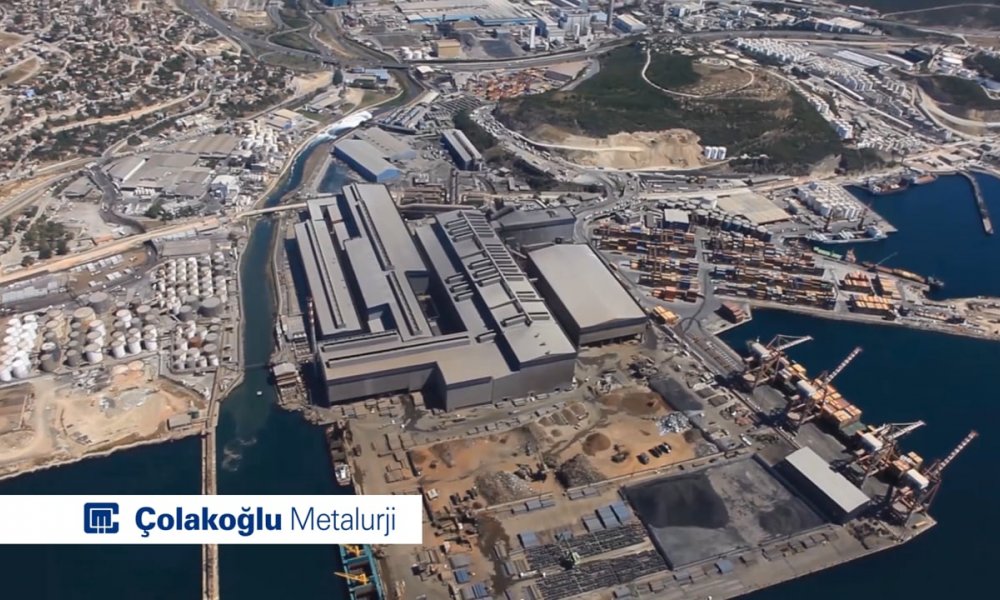
Major Turkish steelmaker Colakoglu Metalurji is targeting to raise its hot-rolling mill capacity by 50% to 4.5 million mt with a new annealing furnace. The company submitted its project in this regard to the Turkish Ministry of Environment and Urbanisation and the environmental impact assessment process has already started. S&P Global Platts confirmed this info from Ugur Dalbeler, CEO of the company, on Oct. 30.
The investment is expected to start following the ministry’s approval in the coming months.
After becoming a net hot-rolled coil exporter in 2018, with the support of strong European demand,Turkey’s HRC import volumes exceeded export volumes in 2019, as trade barriers, especially EU quotas, restricted Turkish mills’ HRC export volumes notably.
Turkish HRC exporters shipped 3.4 million mt of HRC in 2019, lower than the 3.9 million mt exported in 2018, while Turkish imports of HRC totaled 4.3 million mt in 2019, higher than 3.8 million mt imported in 2018.
Although the coronavirus pandemic hit domestic demand especially in April and May, Turkish buyers’ imports of HRC in the first half reached roughly 2 million mt, only slightly lower year on year, as competitive import offers spurred notable buying interest in Turkey.
With the notable rise in Colakoglu’s HRC production capacity with this investment, imports of HRC into Turkey are expected to decrease in the coming years. Another Turkish steel producer is also planning to raise its HRC production capacity, Platts heard, but couldn’t confirm as of Oct. 30.
Colakoglu started production of special grades of stainless sheet at the beginning of October, in line with the company’s target of focusing more on value-added steel as Platts has reported.
The steelmaker currently has bar output capacity of 1 million mt/year and HRC production capacity of 3 million mt/year.
— Cenk Can


European Commission announces import quotas on steel imports from UK
The European Commission has announced safeguard measures with a tariff-rate quota on steel imports from the UK into the EU from Jan. 1, 2021, the EC said in a notice published Oct. 30.
The announcement comes as the UK will cease to be part of the EU Customs Union from 2021, while uncertainty continues to hang over a trade deal between the two parties.
Trade body UK Steel and trade union Community said in a joint statement Oct. 30 that the announcement would provide “reassurance” to customers from UK companies and the UK steel industry. “Without this UK specific allocation of steel export tariff-free quota, the UK sector could have faced an GBP80 million bill, from EU Steel Safeguard tariffs in the first half of next year,” the statement said.
Once a quota volume has been filled, a 25% duty applies, in line with material imported from other countries outside the EU. The quotas will mostly affect UK steel producers Tata Steel, Liberty, Celsa UK and British Steel.
The EU is the UK’s biggest export market and the trade union Community said more work was needed to ensure seamless trade. “These quotas are necessary but not sufficient to secure our future,” Roy Rickhuss, general secretary of Community, said. “As a top priority steelworkers expect [the UK] Government to deliver on promises that UK steel producers will be front of the queue for taxpayer-funded contracts as we move forward and rebuild our economy.”
EU importers will be able to source 114,460 mt of HRC from the UK tariff-free in the first quota period in 2021, which is set for Jan. 1 to March 31. The second quota period ends June 30, 2021.
The quota volume for cold-rolled material has been set at 76,842 mt in the first period, while the metallic coated sheets levels for categories 4a and 4b — used primarily in the automotive industry — have been set to 31,075 mt each. The quota for merchant bars and sections has been set at 86,672 mt.
Other changes announced by the EU to the safeguard measures include the exclusion from safeguards for imports from the UAE for hollow sections and (non-large) welded pipes, Turkey for large welded tubes and China for seamless stainless tubes and pipes.
The import quota for Turkish rebar imports has been lowered to 58,826 mt from 75,123 mt.
The EU will consider feedback on the announced changes within five working days of the announcement.
The UK government also recently announced import quotas for EU material imported to the UK, causing some concern for UK buyers.
A UK trader said the quotas allocated to UK buyers by the UK government were not sufficient for HRC, while another source said quotas for metallic coated sheets would be too small.
— Laura Varriale, Amanda Flint
China likely to become a net steel exporter again in October
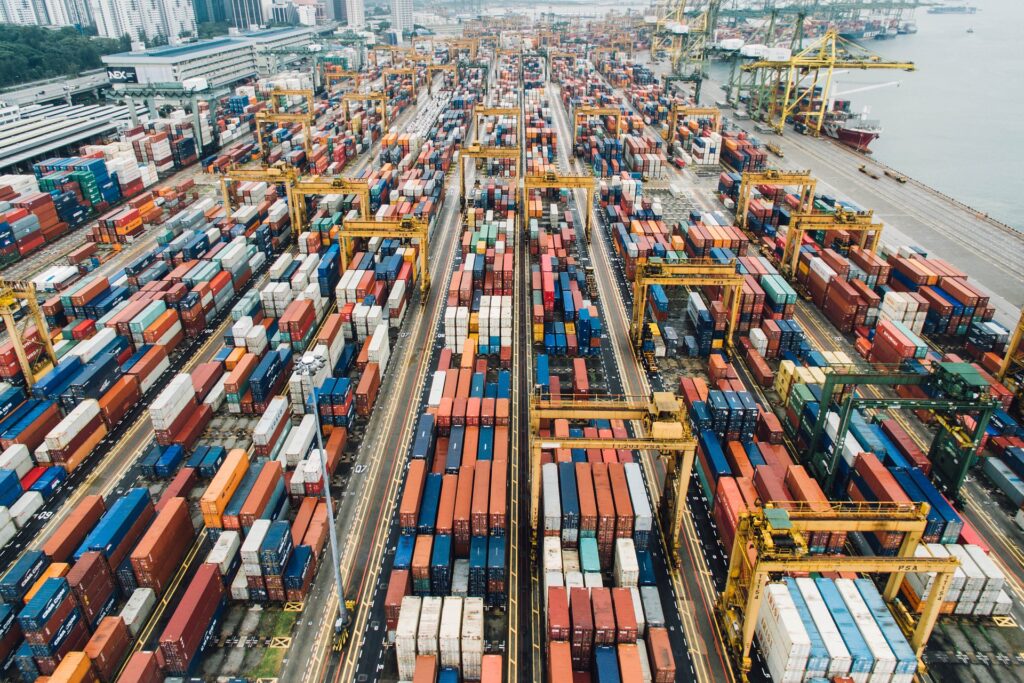
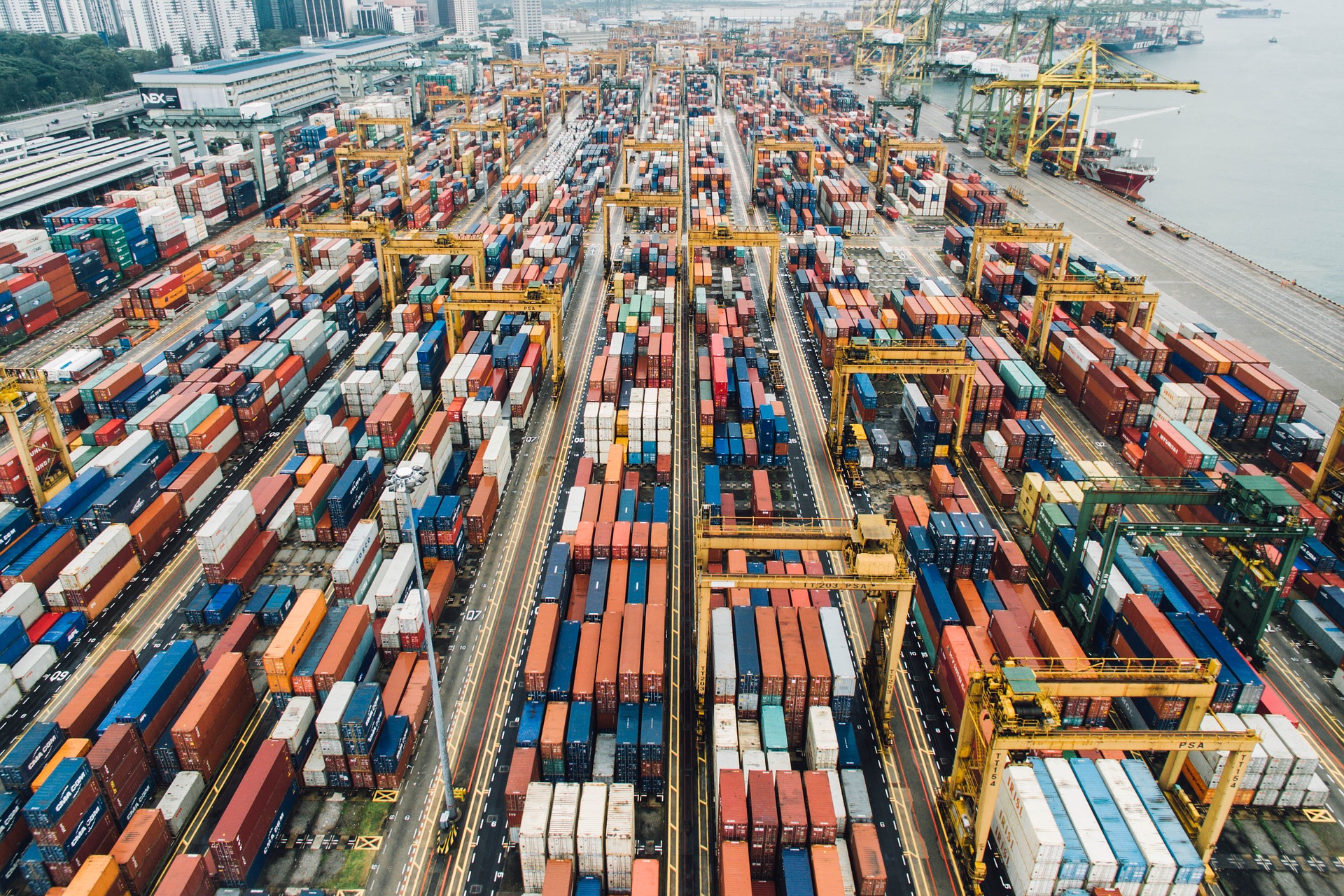
China is likely to become a net steel exporter again in October, after being a net steel importer for four consecutive months from June to September. However, the volume of net exports over October-December is
expected to be limited, and unlikely to ease steel supply in the domestic market in the coming winter season, according to data from the China Iron & Steel Association, or CISA.
China imported 2.79 million mt of semi-finished steel products in September, comprising mainly billet and slab, up almost seven-fold on the year, but already down 14% from August, according to China customs data.
When added to finished steel imports, it took China’s total steel imports in September to 5.67 million mt, surpassing the total steel exports of 3.83 million mt.
However, semi-finished steel import volume is expected by market sources to drop sharply in October, as the import orders booked by Chinese buyers in August and September slumped, due to improved overseas
demand, which has reduced the need to sell into the Chinese market, and plateaued Chinese domestic strength.
Meanwhile, CISA foresaw China’s finished steel imports to retreat over October-December as well, to an average of 1.54 million mt/month, after peaking at 2.89 million mt in September.
According to CISA, China’s total finished steel imports in 2020 are likely to increase by 60% year on year to 19.69 million mt.
CISA expected finished steel exports to decrease by 15% year on year to 54.65 million mt in 2020, indicating the monthly exports over October-December would average 4.75 million mt, up 24% from September.
The average net finished steel exports thus are likely to average 3.22 million mt/month in Q4, up 144% from Q3, but still 8% lower on the year.
Some Chinese traders said imports of semi-finished and finished steel will rebound now and then in a foreseeable future, but China is unlikely to be a net steel importer again at least in 2020-2021.
This is because while overseas demand has gradually recovered, China’s stimulus, issued in the first half of 2020 to boost its economy from the pandemic hit, has gradually faded away, some sources said, adding the
Chinese domestic strength therefore is unlikely to largely surpass overseas market again.
— Analyst Jing Zhang

Steelmaker thyssenkrupp gets new funding for emissions projects
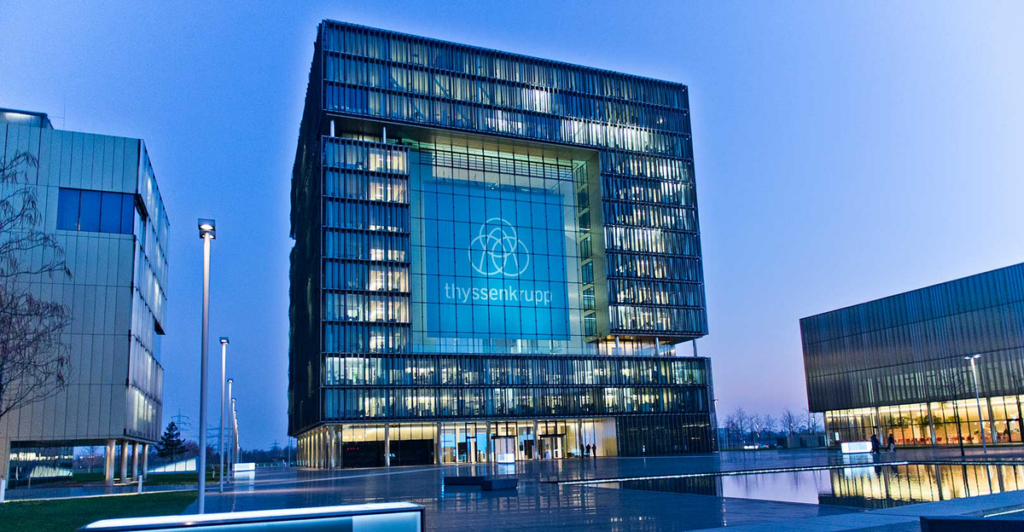
German steelmaker thyssenkrupp’s project to convert steel mill emission gases into chemicals and reduce CO2 emissions has received another Eur75 million in funding after proving commercial viability, thyssenkrupp said Oct. 29.
The German government provided further funding for the period through 2024 following the confirmation of technical feasibility and commercial viability. The government previously provided Eur60 million for the first phase of the project in 2016.
The “Carbon2Chem” project is expected to help reduce CO2 emissions at thyssenkrupp’s steel mill by 30% by 2030, while the steelmaker aims to be carbon neutral by 2050.
Thyssenkrupp started the project at the Duisburg mill in 2018 to convert mill emission gases, including the CO2 they contain, into chemicals. Thyssenkrupp’s separate hydrogen route involves replacing coal with “green” hydrogen as the reducing agent for blast furnaces so that in the long term no CO2 is created in the production of steel.
Thyssenkrupp will now test long-term stability in the interactions between steel production and chemical synthesis, show the technology can be upscaled and try to extend the process to other industries.
“Carbon2Chem can help CO2-intensive industries in particular on the road to climate neutrality – this applies not just to steel but also, for example, to cement or lime production,” said Klaus Keysberg, thyssenkrupp CFO.
The German government adopted a “hydrogen strategy” earlier this year giving funding to CO2-heavy industries to make necessary changes to reduce emissions.
— Laura Varriale

Revista Infoacero Octubre 2020
En el siguiente enlace pueden acceder a la edición de octubre de nuestra revista: INFOACERO OCTUBRE 2020
A continuación destacamos algunos de sus contenidos:
- Opinión – D. Juan Ramón Fernández – Junta Directiva de la UAHE.
- Evolución del Índice de Precios de Productos Siderúrgicos – UAHE.
- Ayudas Pymes: Compra de Maquinaria Industrial. Pymes Comunidad de Madrid afectadas Covid-19
- Información Asociativa: Resumen XVI Forum de la Distribución de Productos Siderúrgicos. Asamblea General UAHE- 17 Noviembre
- Sector Metal: Informe Coyuntura del Metal y Comercio Exterior- Confemetal