

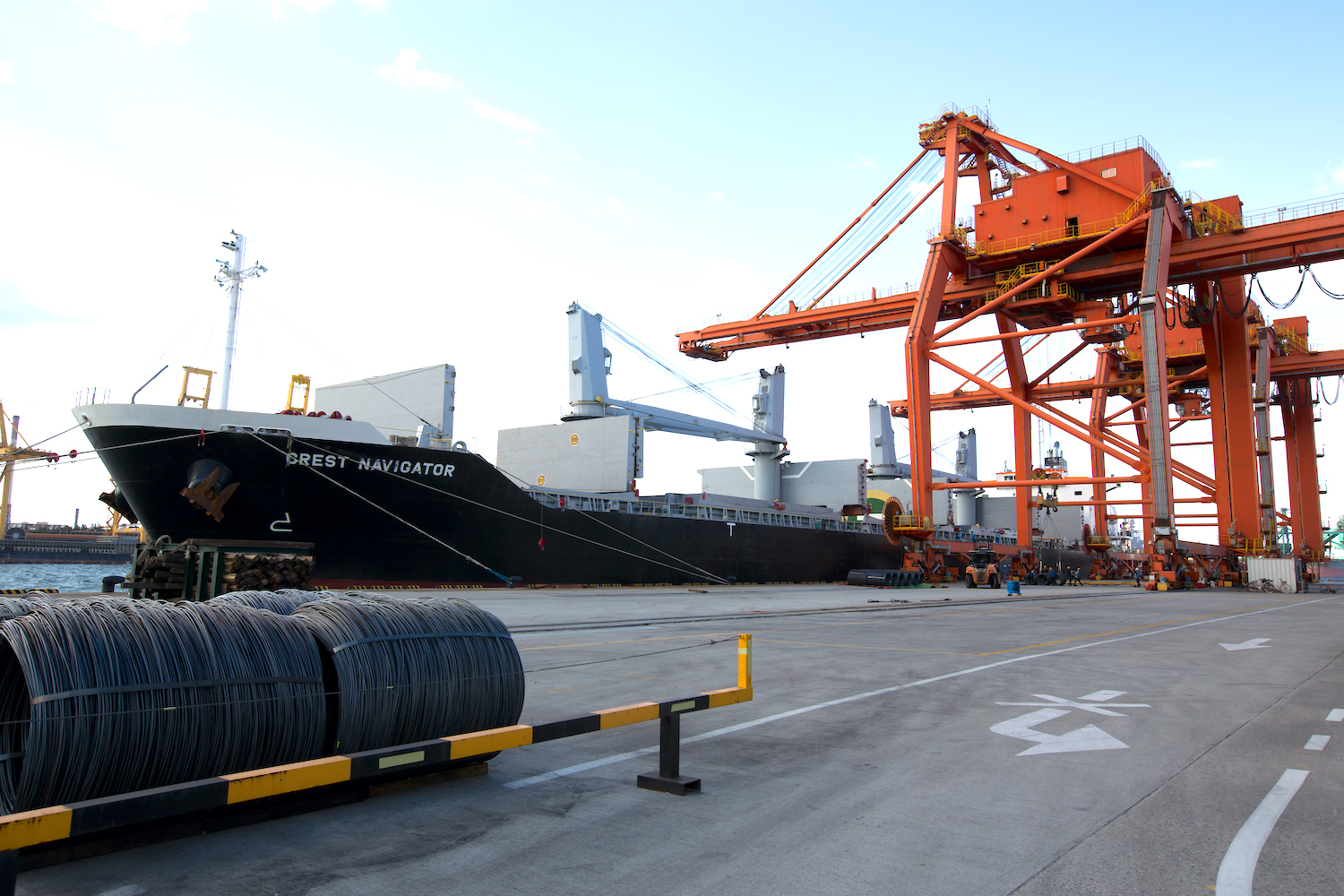
EUROMETAL Steel Trade Day on 20 November 2020
Facing the Slide in Global Steel Trade

Trade restrictions are closing global steel supply chains in a year threatened by Covid-19 contamination.
This unprecedented pandemic has shaken steel demand and supply forecasts.
EUROMETAL Steel Trade Day, to be convened online on 20 November 2020, will address the status of consultation on EC planned Carbon Border Adjustment Mechanism (CBAM), anti-Circumvention investigation on HDG products from China, AD measures to several other product categories imported from China, UK safeguard measures and the reaction of the EU in terms of adapting its own safeguard measures following and some and some suggestions solving overcapacity in world steel industry.
SAVE THE DATE for this outstanding free online event.
(20 November 2020 from 14h to 16h30)

Ford expects 10% North America revenues from electric
US Big Three auto producer and sheet consumer Ford plans to eventually reap 10% of its North American revenue from electric vehicles, Kallanish learns from the company’s third-quarter conference call.
Ceo Jim Farley told analysts during the call that Ford’s strategy is being undergirded by cap-ex investments and a big-volume strategy.
“There’s been a lot written about the electrification of our industry and Ford’s bet is different,” he says. “We’re betting on a full lineup of commercial electrified vehicles. We’re building a plant at the Rouge. We’ve been the number one nameplate in US industry. We sell over one million F-series [light trucks]. We have an enormous customer base who are looking to reduce the cost and so I’m not going to get into forecasting the volumes, but we really see in this first inning of electrification – and it’ll be a long game that plays out over many years – that we have tremendous volume opportunity.”
Farley adds that Ford doesn’t plan to pursue the “$100,000-plus market,” like ostensible competitors Lucid and – until recently – Tesla.
“These are affordable vehicles,” he says, naming a range between $20,000-70,000. “We’re talking about these vehicles being 10% plus of the revenue pool in North America at their price. So they look great financially for us. But I guess we aren’t looking at electrification for the propulsion. We think the real change here is the connectivity, and to run a business based on the data.”

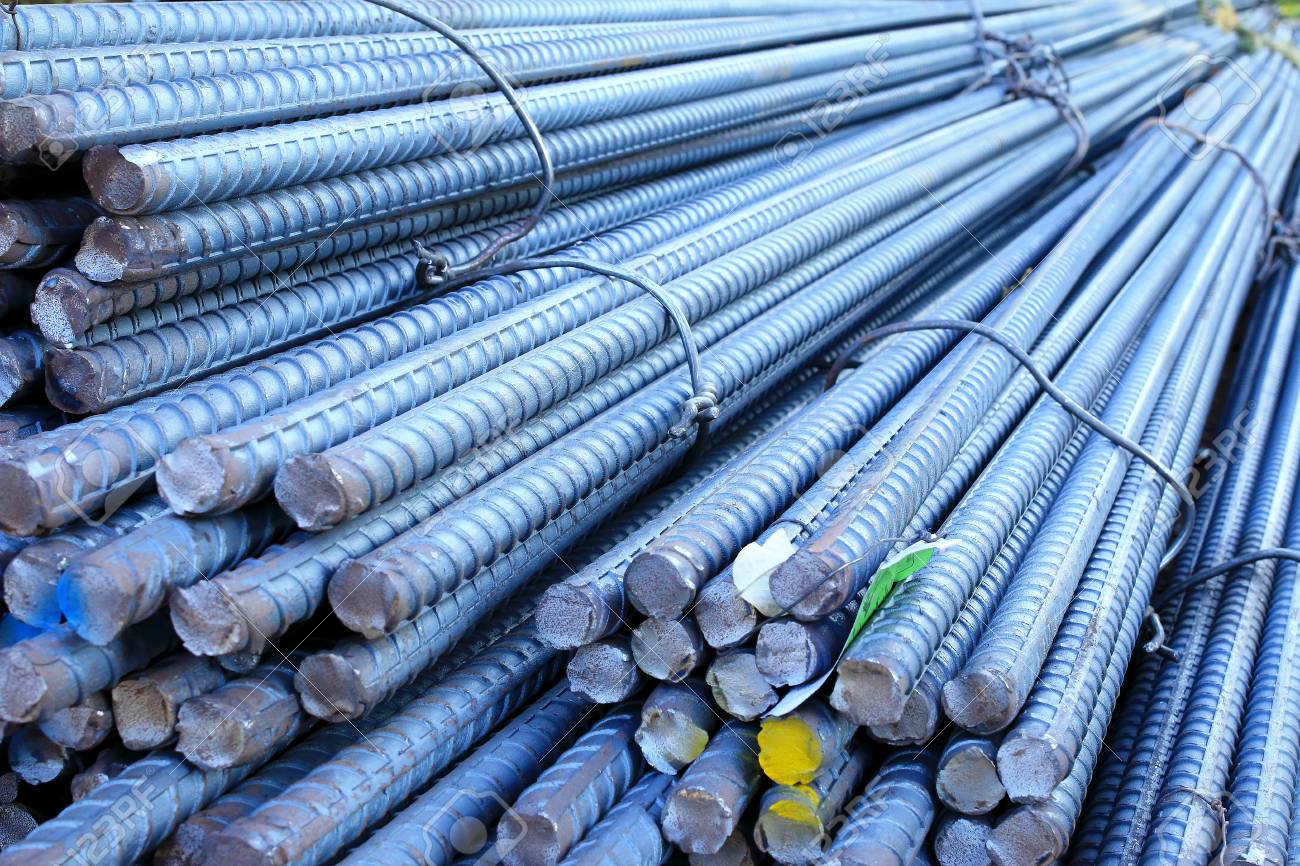
French longs demand to continue despite lockdown
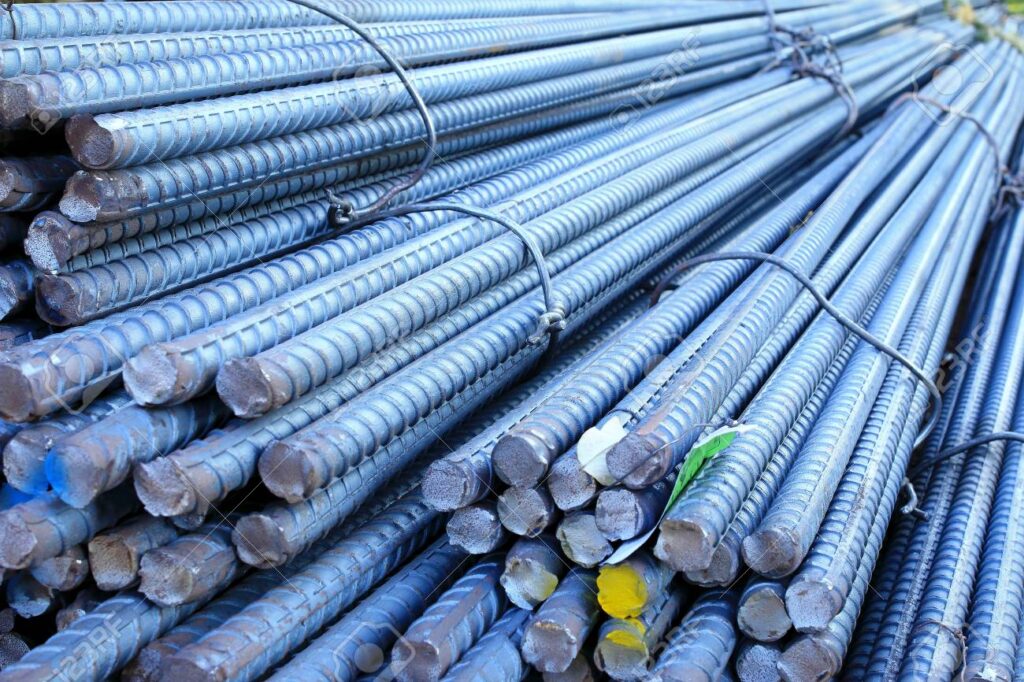
Despite October proving to be a worse month than September in terms of sales volumes, French distributors say demand for their products generally remains at good levels. The new lockdown announced in France this week is not expected to reduce sales activity. The general outlook on future activity remains optimistic.
According to new lockdown rules, steel companies and building projects are allowed to continue to work. However, a slowdown may take place in the coil market as it is still unclear whether car dealers will be allowed to remain open.
Prices for reinforced concrete steel products are not seen decreasing in November and should remain stable in France at the current high levels. With no change from last week, distributors are selling rebar at €200-210/tonne ($234-246) base delivered. Including €260-270/t size extras, the latest finished delivered price for French rebar remains at €470-480/t on average. Prices from the country’s main producers remain at €160-170/t base ex-works, sources tell Kallanish.
The domestic market is not being disrupted by competitive imports, with Italian material not being offered in France at cheaper prices at present, Kallanish is told.
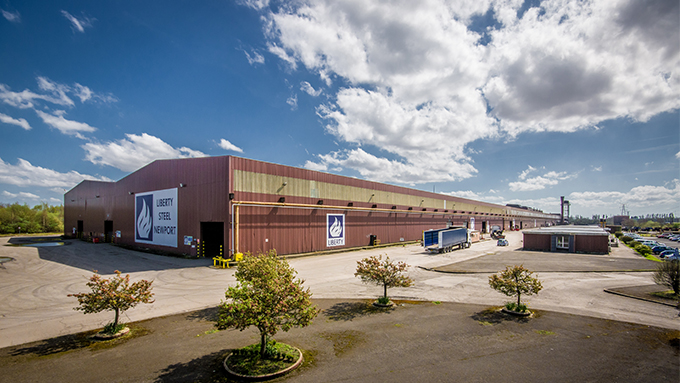
Liberty Newport fire fails to hamper production
The fire that broke out at Liberty Steel’s Newport re-rolling mill on Wednesday evening did not impact or relate to production activities, a company spokesman tells Kallanish.
According to reports, firefighters were called to the Newport plant at about 19:40 GMT and managed to get the fire under control by 22:50, with no one being injured.
Over the summer Liberty said it had recruited Danieli to supply a “Q-One” electric arc furnace and create a 1.5-2 million tonnes/year capacity compact direct strip plant at Newport producing hot rolled coil for the UK market (see Kallanish passim).
The development is contingent on a competitive investment environment and the completion of SIMEC Atlantis Energy (SAE)’s sustainable power station conversion project at the adjacent Uskmouth power station in South Wales. This power station would feed the EAF at Newport with power.

NLMK suffers Covid-19 delays at Belgian service centre
NLMK confirms to Kallanish that its Belgian coil service centre located in Manage is suffering from production delays linked with the second wave of the coronavirus.
“The situation generated by Covid-19 has been deteriorating day by day in Belgium for a few weeks,” a company spokesperson says. “This causes disruption at the Manage plant, as the cut-to-length and slitting machines can no longer operate at the expected rate. This causes production delays.” The situation is only temporary, the spokesperson adds.
The facility has a slitting line capable of processing some 200,000 tonnes/year of sheet. More than half of output is dedicated to the automotive sector, with the rest going to general industry including construction and metal furniture. The Manage unit is located near the La Louviere plant and supplied mostly by it.
The delays at the NLMK service centre confirm the overall delays heard in the coil market across Europe. These are the result of a shortage of supply as well as new uncertainties created by the rapid resurgence of the virus across the continent.
Eurofer lifts steel demand outlook but uncertainty looms
European steelmakers’ association Eurofer says the uncertainty created by the second Covid-19 pandemic wave is set to impact apparent steel demand further in the fourth quarter.
According to the association’s latest outlook published Wednesday, apparent steel demand in Europe is now set to fall by -14.6% year-on-year in 2020. Back in August, the association issued a more negative outlook of -16.6%. This should recover in 2021 by over 13% on-year, meaning it will still remain below 2019, pre-coronavirus levels.
For real consumption, Eurofer expects it to fall by -11.5% this year and recover 9.3% in 2021, Kallanish notes.
Alessandro Sciamarelli, director for market analysis at Eurofer, notes that a rebound in market confidence was tangible in June and July, but a further slowdown could be seen in October due to the second wave.
Q2 should have marked the trough of the negative cycle for end-use sector performance, but the recovery will be slow nonetheless, Eurofer points out.
This year all of the main steel using sectors will register important drops in activity: construction will be down -3.6% y-o-y and automotive by -20.6% y-o-y. Next year the construction sector will jump back by more than what it lost this year, thanks to the support of public investments. As for the automotive sector, the rebound will be strong but still not enough to recover the negative impact of 2020.
EU steel imports remain a threat: Eurofer
European steelmakers’ association Eurofer has reiterated that imports continue to remain a threat for the region’s industry, despite the slump in volumes seen so far this year.
According to the data analysed by Eurofer through August, overall finished steel imports could fall by -19% year-on-year in 2020, after the drop of -13% y-o-y seen in 2019.
Despite the volume reduction, the association calculates that market share taken by imports is not reducing significantly. European steelmakers will have to continue to cope with the competition from imports, especially if demand recovers further into 2021, it says.
Eurofer notes that imports first-quarter steel market share was some 23.5%; in Q2 this remained at 24% despite the big drop in demand created by lockdowns in Europe in March and April.
It is worth noting, nevertheless, that the impact on imports from a fall in demand is usually seen following a delay, meaning their market share could reduce in Q3 and Q4, Kallanish notes.
In a webcasted press conference on Wednesday, Eurofer added that the issue of imports should further be addressed by the European Commission. However, it remains sceptical over the way safeguard measures have been reviewed lately.
Eurofer has asked in the past for the safeguard quotas to be reduced, in line with the fall of demand currently being seen in the market. This reduction has not been implemented, but the association is still lobbying for the existing safeguard measures to at least remain in place further beyond their expiry date in July 2021.
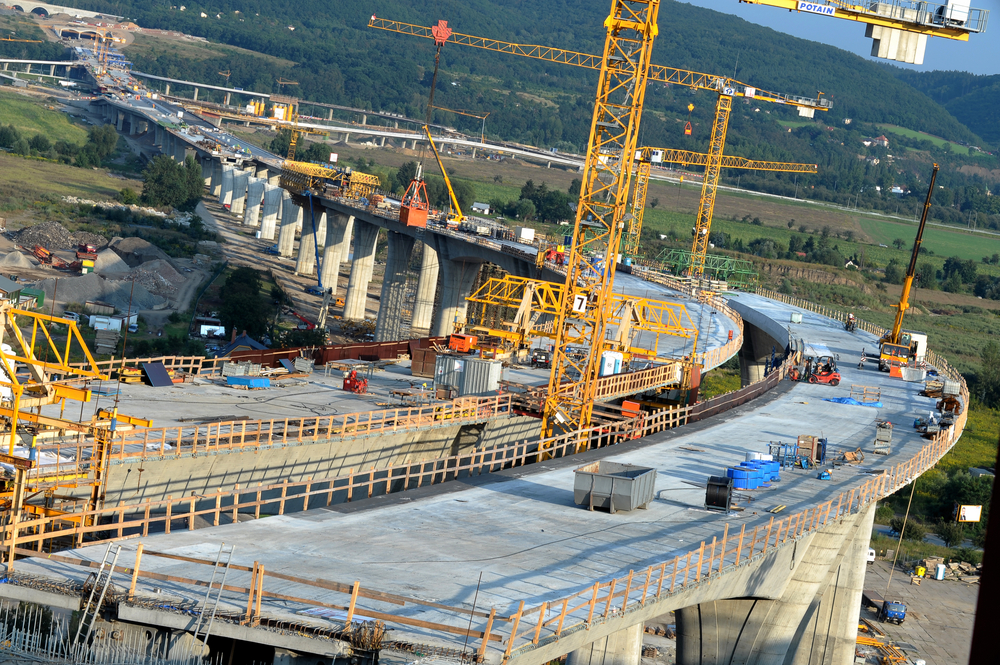
Eurofer improves forecast for EU steel demand; proper recovery not until 2021
The European Confederation of Iron and Steel Industries forecasts EU apparent steel consumption for 2020 to decline by 14.6% on the year, an improvement from its previous 16.6% decrease, and to potentially rebound by 13% in 2021, Eurofer said Oct. 28.
EU’s real consumption is likely to fall by 11.5% in 2020, recovering by 9.3% in 2021 on the back of expected output growths in major steel-using sectors, Alessandro Sciamarelli, director of economic research and market analysis at Eurofer, said at the State of the EU steel market webinar.
Due to the rise of a new wave of COVID-19 infections in recent weeks all over Europe, October is likely to show a decline in Economic Sentiment and Industrial Confidence indicators after their upturn between June and September.
The IHS Markit PMI, another major industrial’ health parameter, after a strong rebound over the summer, had also slowed back towards stagnation in September despite EU manufacturing output that month rising at the fastest pace it was ever capable of during the last two-and-a-half years.
The EU’s GDP is expected to contract by 7.9%-8.3% this year from 2019 after the region experienced the harshest 14% GDP fall on record over Q2.
Eurofer noted such economy support measures as Next Generation EU, a Eur750 billion reinforcement of the EU’s 2021–27 budget, and the European Central Bank’s pandemic emergency purchase program have been unprecedented, even bigger than the Marshall Plan. However, they are still subject to political negotiation and will considerably increase public debt.
End-user sectors
Although recovery should be apparent in Q3 statistics, a proper rebound is not expected until 2021, the year when Eurofer forecasts growths in all major steel-using sectors, but only relative to 2020 dips ranging from 4.6% for domestic appliances to 18% for automotive.
The association cautioned that while its forecast is based on the assumption there will be no major economic shocks, it is still subject to a degree of uncertainty and may be revised over the next few quarters depending on the evolution of the pandemic and sustainability of the recovery in early 2021.
So far, the construction industry looks to be the least affected steel-using sector by the pandemic. According to Eurofer, construction in the EU may contract by no more than 3.6% this year versus 2019.
This outlook for construction, which uses 34% of steel consumed in Europe, is based on announcements by EU governments of their intentions to provide impetus to public construction and infrastructure projects, and the latter will comprise the main driver supporting the construction industry in the EU over the next few years.
“Despite high urbanization rates, we do not see residential construction, especially private residential construction, as a source of growth,” Sciamarelli said. “Aside from pandemic consequences, the current demographics is not favourable to residential construction,” he said, adding the pandemic has also slashed demand for offices and commercial buildings in city centers all over Europe.
The automotive sector, which had already recorded two consecutive years of recession, appears to be the steel end-user sector most hit by the coronavirus outbreak: its output is likely to see a year-on-year fall of 20.6%, the most severe on record.
Eurofer expects an 18% rebound in its production in 2021. Car demand, which has been extremely weak, will not fully recover relative to 2019 as no significant improvement in household incomes looks likely.
An 11% year-on-year drop in mechanical engineering and 5.8% contraction in domestic appliances are expected for 2019 could be followed by 7.4% and 4.6% growth rates, respectively, projected for the sectors in 2021.
Eurofer emphasized the fact steel-using sectors suffered from worsening conditions in global trade and the weakening manufacturing cycle already in 2019-18. Last year, mechanical engineering, automotive and domestic appliances outputs contracted by 0.4%, 5% and 1.7% year on year, respectively, and only the construction industry demonstrated a 3.6% growth.
Steel imports still an issue
Reflecting the negative trends in major steel-using sectors, apparent steel consumption of the EU has been falling since early 2019.
EU steel imports fell even more between Q4 2019 and Q2 2020 due to EU safeguard limits and weakening demand.
Despite the continuous decrease in imports (these fell year on year by 13% to 2.1 million mt in 2019 and by 19% to 1.8 million mt in January-August 2020), the share of imports in the EU’s apparent steel consumption increased slightly from 23.5% in Q1 2020 to 24% in Q2.
Overall, Eurofer expects a 19% drop in FY2020 import volume, but provided the EU market will see stable recovery in 2021, European steelmakers will have to cope with increasing import pressure, as the safeguard measures do not reflect the size of the market in which these imports arrive, alerted Eurofer.
When demand does rise again, the safeguard will do nothing to stop imports because it is set at the level relative to historic record years of 2015-17 and the one irrelevant to the fact the market has since collapsed, according to Eurofer spokesman Charles de Lusignan, who sees that level as high enough to enable all the imports to come in and their market share to become far larger as a result.
— Ekaterina Bouckley

EU-UK trading relations: another layer of complication

As we edge ever closer to January 2021, when a new EU-UK trade relationship becomes operational, agreement between the two sides appears increasingly elusive. Our base forecast, in line with that of our partner Oxford Economics, continues to assume that a free-trade agreement will be achieved, reflecting the need for a workable Northern Ireland solution and a desire to protect vulnerable industries. It will, however, see trade barriers in the form of customs bureaucracy and some regulatory barriers introduced. Despite this working assumption, the probability of negotiations eventually following this path, versus no agreement being reached, is finely balanced and each one leads to somewhat different prospects for the automotive sector, certainly on a regional and country-specific basis.
The alternative hard-Brexit path, in which the two parties revert to WTO trading terms, is bound to have a negative impact on vehicle demand through a number of key channels: tariffs being imposed on imported vehicles to the UK from the EU (almost 70% of Light Vehicles) and vice versa; a drag to economic growth; and currency fluctuations potentially exacerbating or offsetting tariff imposition. In view of the ongoing challenges that coronavirus is presenting to economic and automotive activity, this adds another layer of complication to planning for 2021.
Taking the above factors into account, away from our current base forecast for global Light Vehicle demand of circa 85 million units for 2021, modelling work undertaken in conjunction with Oxford Economics suggests that a no-deal situation could see the auto market pulled down by around 600,000 units next year alone. On the global stage, and with the impact of the pandemic fresh in our minds, this might not seem like a major impact, but with well over three-quarters of this loss centred on Europe, and focused particularly on the UK, those more heavily exposed locally will surely feel the impact if no deal is agreed. Considering that the demand drag would continue beyond next year – with a cumulative loss expected to be over 2 million vehicles to 2024 – and bearing in mind that over half of Light Vehicle production from the UK makes its way to the EU and that the vast majority of non-domestic UK automotive content is from the EU, the threat to future investment and, indeed, the viability of mass automotive manufacturing in the UK would certainly be called into question.

Italian flats output tumbles as Taranto limitations continue
Italian flat products output decreased again year-on-year in September after tumbling each month since March due to the coronavirus pandemic, says local steelmakers’ association Federacciai. Long products output, meanwhile, also slumped last month, Kallanish reports.
September flats output declined year-on-year by -33.4% to 694,000 tonnes. Over the first nine months output fell by -22.1% compared to the same period in 2019, reaching 6.8 million tonnes. Italian longs output declined by -1.5% in September to 1.1mt. It tumbled over January-September by -14.5% to 7.9mt.
Crude steel output in Italy fell significantly in September, by -18.7% to 1.7mt. In the first nine months of the year Italian steelmakers produced 14.5mt of crude steel, down -17.2%, Federacciai says.
A supply shortage has caused activity to stall in the Italian flats market (see Kallanish 26 October). ArcelorMittal Italia will end the year with a crude steel production of 3mt, as the company is producing between 7,000t and 10,000t of steel per day, an informed source from the former Ilva Taranto steelworks comments.