


Arvedi’s AMCLN takeover faces delay after EC withdrawal
Italian steelmaker Acciaieria Arvedi has withdrawn its notification to the European Commission for the takeover of service centre ArcelorMittal CLN Distribuzione Italia (AMCLN), according to an EC document seen by Kallanish.
Arvedi notified authorities of the deal in September, seeking sole control of AMCLN through a share purchase. The antitrust decision was expected in early October and could delay the sale. The document does not give a reason for the withdrawal.
According to union sources, another Italian company has lodged an appeal with the EU against the deal. A withdrawal usually allows the parties to refile the notification later. Arvedi may need to refile to address the complaint, allowing a longer review.
Arvedi had not commented by the time of publication.
The unions have repeatedly urged a quick decision, warning of the risk to jobs. AMCLN employs about 400 people across six sites in Italy.
“We hope the EU antitrust authority will rule quickly on the Arvedi group’s acquisition of AMCLN. We remain puzzled by the appeal lodged with the European institutions by an Italian business, which, in our view, has acted irresponsibly. Its appeal is unfounded compared with the only binding offer, and it puts jobs and industrial continuity at risk,” Uilm union national secretary Guglielmo Gambardella and Giovanni Galgano, Uilm Basilicata secretary say in a note.
AMCLN is a joint venture between ArcelorMittal and Italian group CLN. It processes and distributes flat steel, mainly for the automotive sector.
ArcelorMittal had planned to take full control, and the Commission cleared that deal in May. However, ArcelorMittal pulled out after the Italian government imposed conditions under its golden power rules.


Spanish rebar stable, scrap anticipated to fall
Spanish rebar prices remain unchanged, with most local mills still assessing production levels and demand amid a downturn in the market, Kallanish notes.
Local scrap values remained unchanged at the start of this week and continue to lag in reacting to the price declines observed in other major European markets.
“We are seeing a slowdown in the construction sector ahead of the early general election [in Spain] scheduled for 29 November,” one source comments. “Several major public infrastructure projects are under way, while others already planned will need to be delayed.”
According to a market participant, long steel distributors remain sceptical about sales returning to normal levels by year-end. This is despite a partial recovery in works activity observed at the beginning of the fourth quarter, he adds.
The monthly index for Spanish domestic rebar prices in September decreased slightly compared to the previous month, show data published by the Spanish Chamber of Commerce. The index stood at 243.56, or 0.46% less than in August. However, it was 22.17% higher year-on-year. The index is based on a value of 100 in 2014.
16mm rebar is currently offered in Spain at €488-498/tonne base ($545.5-556.7/t). An additional €262/t for size extras and loading expenses brings transaction values to €750-760/t ex-works.
In the case of scrap, local market prices are seen moving down by €10-20/t in the next few days for the new E8 quality.
“We have been waiting for price reductions in the last week, but everything remains unchanged,” a local merchant says. “We believe price cuts are imminent given the latest downturn in the Turkish market. Higher electricity costs and low demand for new steel are set to cause a sharp fall.”
The week started with new E8 grade scrap and shredded type E40 being offered in Spain at €330/t. Other qualities, E3 and E1, are respectively at €315/t and €280/t delivered.

Italian plate prices increase, lead times lengthen
Italian heavy plate prices are increasing in new contracts compared to the beginning of September, while lead times have lengthened, Kallanish hears.
Mill sources describe activity as average. Consumption is not strong, but import restrictions are pushing buyers towards domestic material, keeping supply and demand well balanced. “The new quotas system has wiped off 1 million tonnes of imports per year,” one source says.
Distributors and service centres paint a different picture. They report relatively sluggish downstream demand, with customers reluctant to commit to volumes.
Mill lead times now stretch to the end of November.
Mills are considering increasing prices of S275 to €800/tonne ($895/t) base ex-works. This is driven by rising energy and slab prices. Slab prices are stable on-month at $570-580/t cfr depending on quality and volumes.
Current plate prices for S275 plate are at €780/t base ex-works or delivered, depending on customer, while S355 is fetching a premium of about €20/t.
Meanwhile, Northwestern European plate prices have stabilised, and after a period of weakness in the summer months are now back to the relative highs reached earlier this year.
Polish plate S235 is offered at $780/t ex-works, Eastern German customers asking for S355 could then calculate this to delivered prices of around €830/t. For the longer distances to Ruhr-based customers, the price could reach to €850/t ddp, and still be accepted by buyers (see Kallanish 2 October).

Energy prices and competitiveness top EU leaders’ agenda

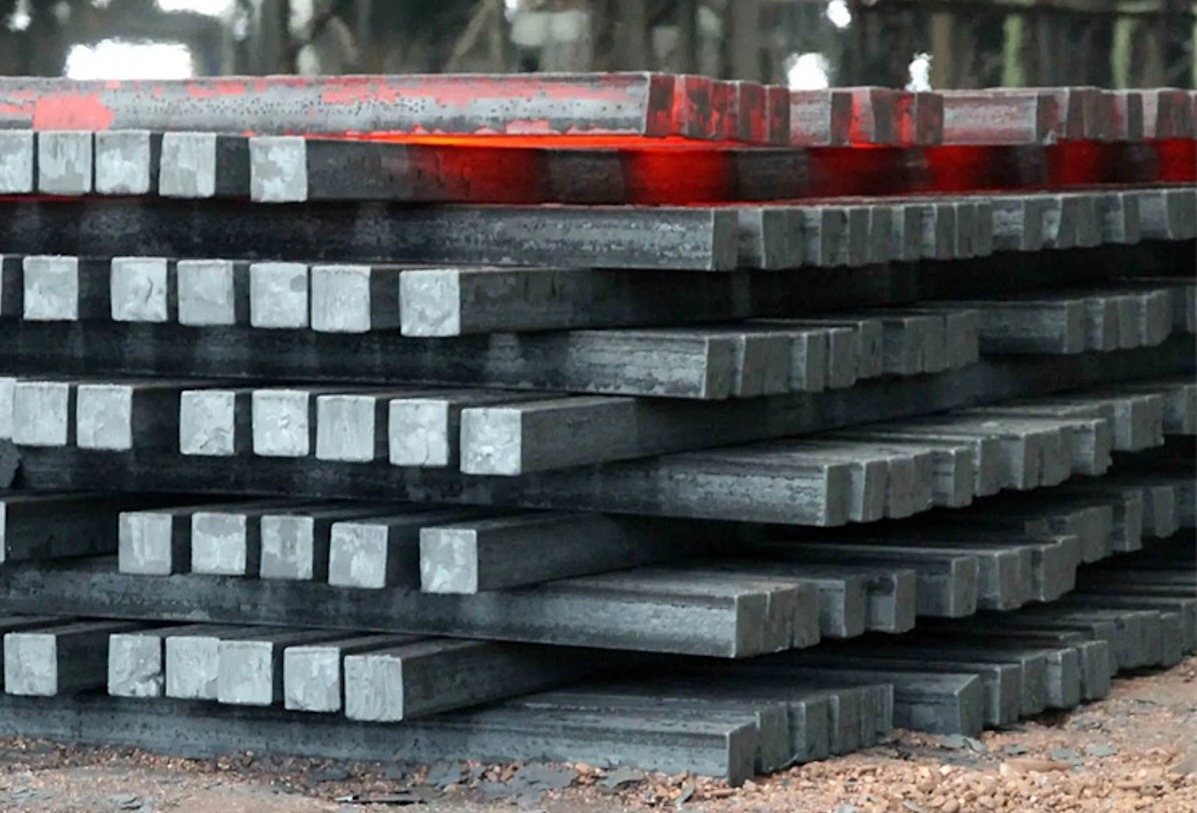
European steel industry brings 10 million tons of capacity back
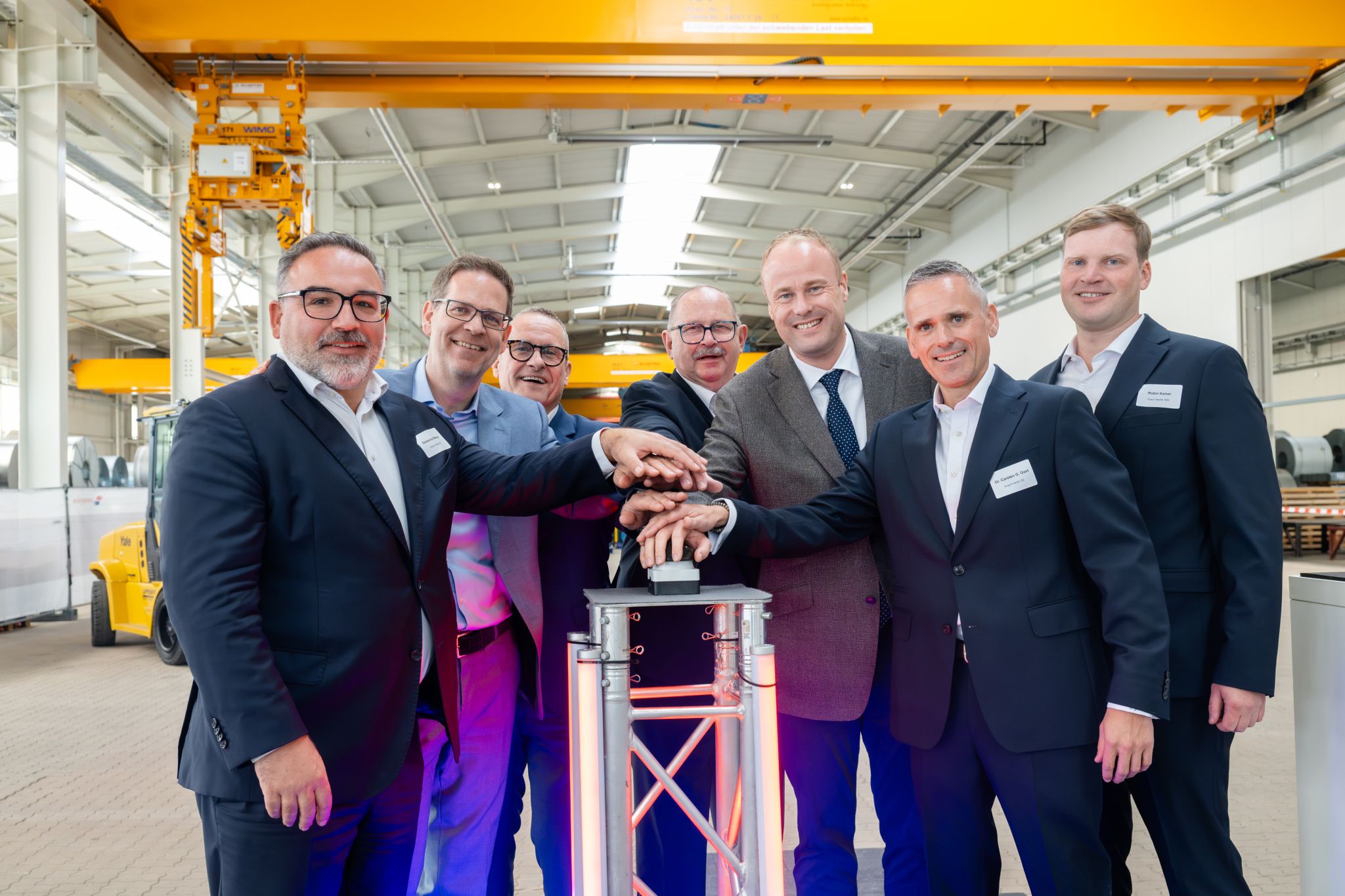
Knauf Interfer inaugurates Barsinghausen expansion and new cut-to-length line
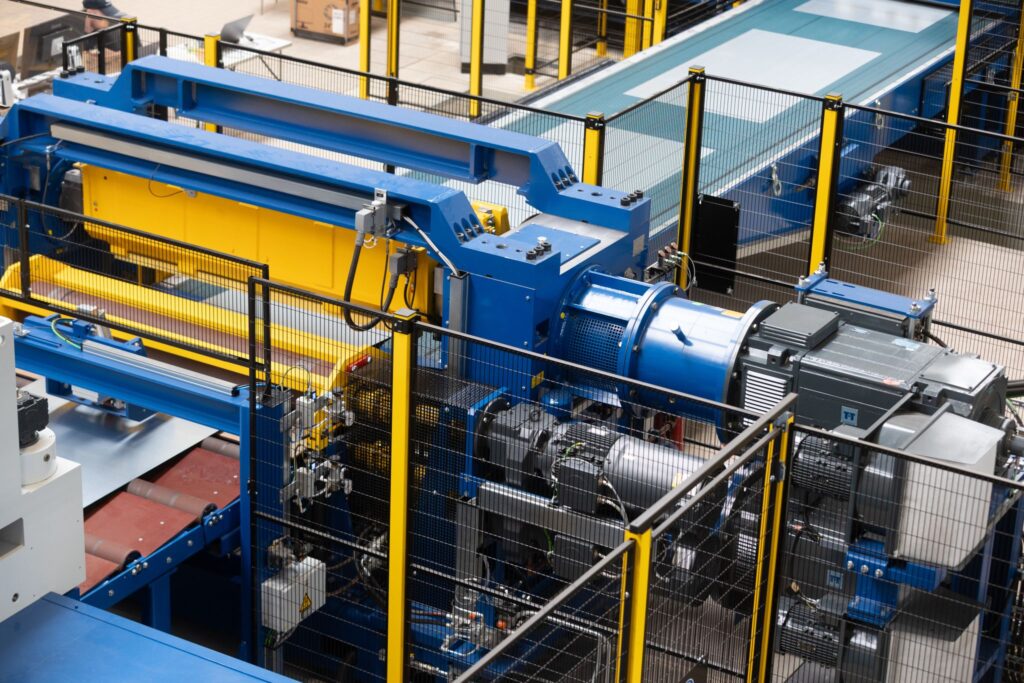
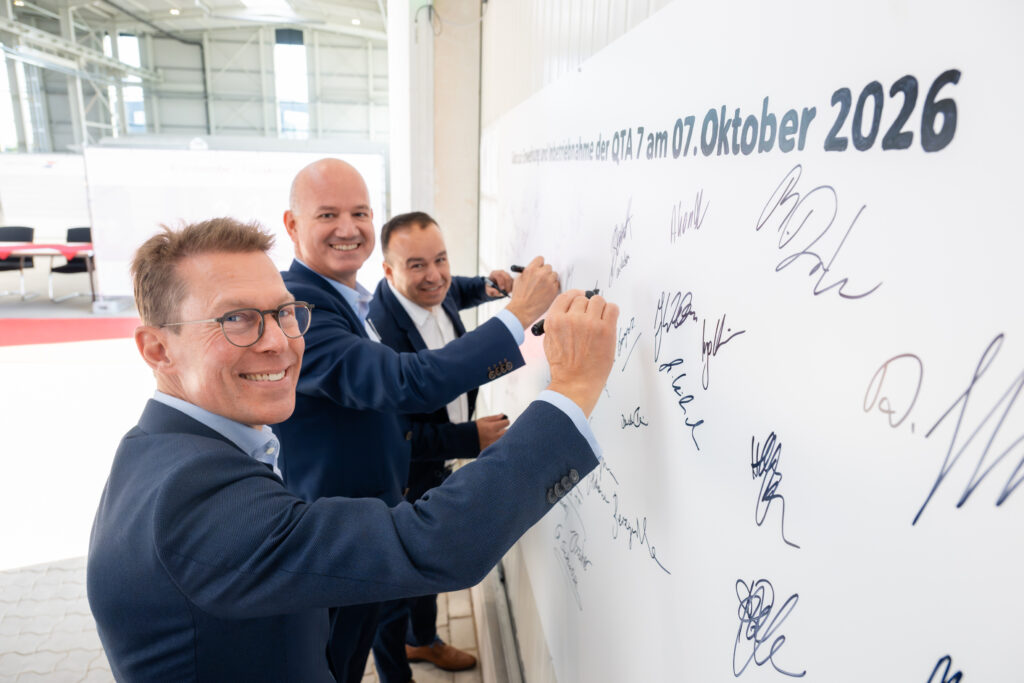
Knauf Interfer Stahl Service Center GmbH inaugurated two new hall sections and commissioned a highly automated cut-to-length line at its Barsinghausen site on 7 October 2026. EUROMETAL President Alexander Julius participated in the opening ceremony, addressing the current challenges in European steel distribution.
The investment strengthens Knauf Interfer’s steel service centre network, balancing economic and environmental objectives across production, storage and logistics. The project added 6,000 m² of hall space and installed the new QTA 7 line in approximately one year following the start of construction, while production continued.
Designed around actual customer requirements, the new line marks a significant milestone in the site’s development. Customers and guests attended the commissioning ceremony alongside representatives of the company’s Supervisory Board, management and project team, followed by factory tours and networking.
Domenico Marino, Group Chief Operating Officer at Knauf Interfer, highlighted the courage behind the investment, the commitment of employees and the trust of customers, thanking everyone involved in bringing the project to completion.
Knauf Interfer is a longstanding member of EUROMETAL and is represented on its Board by Thomas Niederhofer. EUROMETAL congratulates the company and all those involved on this milestone.
Photos © Knauf Interfer

Event Insights: Steel & Green Steel Day 2026
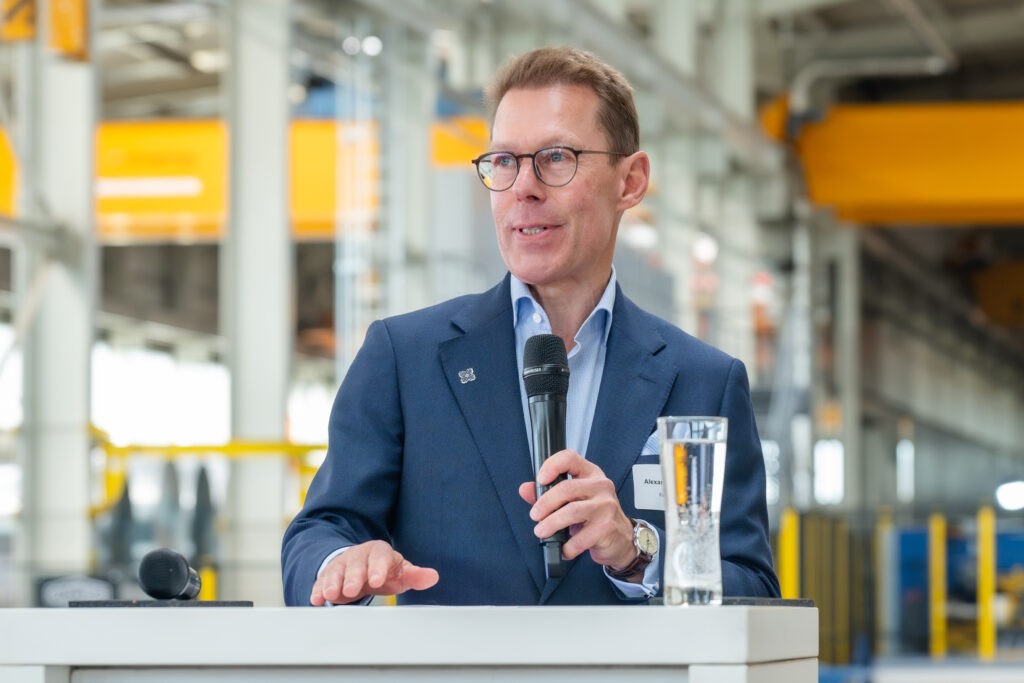
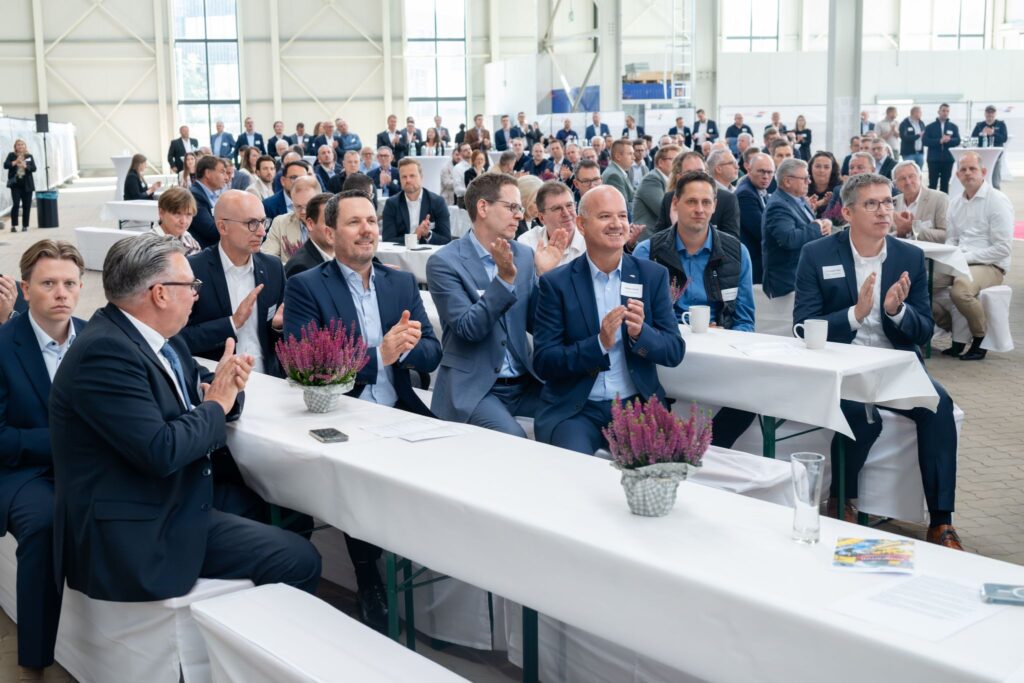
On 6 October, Dow Jones Energy hosted its second annual Steel & Green Steel networking event in Düsseldorf, Germany. Main themes running through the event were legislation, the green transition, and global trade, with a particular focus on the European steel market. In this article, we present a summary of the key topics discussed.
The turnaround year for European steel: Redefining pricing, supply chains and trade
The recovery of flat steel prices in Europe in 2026 has been mainly driven by the effects of the new tariff-rated quotas (TRQs) and the Carbon Border Adjustment Mechanism (CBAM). The regulations have restricted EU buyers’ access to imports, prompting them to switch to local steelmakers. This has granted domestic producers a larger market share, even as real demand has remained largely unchanged.
During the event, several distributors commented that imports of finished steel were becoming increasingly difficult and risky, with in-quota volumes largely taken up by big companies, with no material left for smaller ones. Some importers have switched to either steel-containing goods or semi-finished steel to substitute for missing volumes. These solutions, however, might be short-lived, since steel derivatives are already proposed to be added to the CBAM framework, and there have been discussions regarding a possible extension of quotas to these goods.
The EU is also likely to attempt to restrict semi-finished steel imports. This, however, would be challenged by both distributors and re-rollers. The majority of European heavy plate producers use imported slab as feedstock due to a lack of local steelmaking capacity in the segment and a largely non-existent domestic slab market. Several event participants drew comparisons with the attempted ban on Russian slab imports to replace the quotas in place under sanctions in 2025, which was met with resistance from re-rollers and plate consumers, and the quotas were extended until 2028.
The green steel market remains small in volume compared with the traditional steel segment. The size of the market is still hard to estimate, as deals represent a mix of sales from existing plants, off-take agreements with greenfield projects, and commitments from steelmakers based on new equipment that has not yet been installed. However, the number of buyers showing interest and making trial purchases has been gradually climbing. Premiums achieved in those trades were around €150-160/t, while spot deals for bigger lots have been settled with premiums of around €100/t.
Demand for low-CO2 steel is stronger in the Nordics, and it gradually decreases towards southern European markets. End consumers, notably those in the automotive and construction sectors, remain the largest buyers of green steel.
Making sense of new regulatory environment: CBAM, ETS, new trade measures
Dow Jones’ presentation focused on the increasingly prevalent traceability mechanisms featured across recent and upcoming policymaking relevant to Europe’s steel sector, including the EU’s steel overcapacity trade measures, and CBAM. It detailed how new tools to enhance Europe’s supply chain transparency, or ‘resilience’, are considered central to the European Commission’s pursuit of low-carbon reindustrialisation. These measures will likely intensify despite the compliance burden on market participants.
Subsequent discussions on the regulatory landscape covered issues such as the upcoming verification procedures for next year’s CBAM declarations. One large-scale consumer of in-scope steel CBAM goods that imports significant volumes from suppliers across Asia, expects fewer than 5% of its suppliers – perhaps 10 companies – to successfully verify their embedded emissions before the September deadline. The full use of actual emissions values, requiring physical on-site verification of all supplying producers across a product’s supply chain, is not expected for at least another 5 years, especially if CBAM is extended to complex downstream steel-containing goods, as indicated by EU lawmakers.
Market participants are still adapting to the EU’s recently intensified steel trade defences, such as tiered shared-access quotas for the EU’s Free Trade Agreement (FTA) and non-FTA partners – with various exclusions across product categories and origins – as well as quota blocking periods, customs drawbacks, pro-rata first-come-first-served duty dynamics, and, most recently from October, requirements to provide Mill Test Certificates (MTCs), or alternative evidence of an international steel’s origin of ‘melt and pour’ when clearing customs.
Generally, importers say they are able to navigate these new dynamics in isolation, but when combined, the uncertainties become a significant burden. An example discussed with a steel service centre executive was the additional risks presented by new administrative hurdles to clearing imported material into the new quota framework. For instance, any issues or delays in providing MTC ‘melt and pour’ evidence could result in missing the pro-rata division of initial out-of-quota volumes, triggering costly 50% duties on the entire lot.
Fragmentation of the global steel industry
One of the major trends for the steel industry over the past few years has been deglobalisation, as regional markets are increasingly shaped by local dynamics, leading to widening price differentials. This is particularly evident in the growing gap between US and other regional prices. Historically, the gap between US and European HRC prices ranged between $50–100/t; after Section 232 was introduced in 2018, it jumped to over $200/t and has averaged $328/t so far this year. CBAM and enhanced trade protection in the EU are starting to push European prices higher as well, a trend set to accelerate given the growing regulatory focus on the EU steel sector.
The main factor driving the divergence between regions is the rise in trade barriers. Based on data tracked in the monthly Global Trade Protection Measures Database, the number of steel trade protection cases has risen by over 20% since the database was launched in February 2025. Unsurprisingly, China is the primary target, accounting for almost a third of all trade cases. However, China has adapted to this environment by shifting from exports of flat steel, where trade actions are concentrated, to long and semi-finished steel products, allowing overall exports to continue rising.
Looking ahead, risk remains the overarching theme, driven by mounting trade barriers and the evolving impact of the conflict in the Middle East. Two main conflicting forces are at play here: rising costs pushing steel prices upward, counterbalanced by slowing growth momentum among key steel end-users.
Green steel: separating promise from probability
One of the central topics at the event was the ongoing global decarbonisation of the steel industry. In a best-case scenario, Europe alone is projected to add more new low-CO2 steel capacity than its entire current output from conventional blast furnace-basic-oxygen furnace (BF-BOF) production, effectively replacing this carbon-intensive route.
While the overarching trajectory is clear, the pace and chosen technologies vary considerably by region and depend heavily on individual corporate strategies, trade policies, state support and emerging innovations. This shifting landscape also means that some of the later phases of decarbonisation projects have not yet been finalised or fully configured, leaving the post-2030 outlook highly tentative.
However, a representative from a European greenfield project currently raising capital expressed optimism about the market for green steel, while noting that demand conditions remain fragmented across Europe.
Attendees also voiced concern over the lack of a standardised official taxonomy, which creates ambiguity around what genuinely qualifies as “green” steel, such as whether switching from BF-BOF to a direct-reduced iron (DRI)/scrap-electric-arc furnace (EAF) route alone meets the benchmark. One major European steel consumer speculated that China could emerge as the leading supplier of green steel despite CBAM regulations, driven by its rapid expansion of EAF-based production and decarbonisation technologies. For now, that prospect remains theoretical. Chinese producers predominantly offer standard BF-BOF steel, a trend clearly reflected in our Global Steel Product Carbon Intensity Database. However, trial sales of low-CO2 slab to Europe at price premiums of just around $20/t indicate that competition in the EU green steel market will only intensify.
Dow Jones Energy will continue to monitor this evolving market and track new emerging trends. Thank you to everyone who joined us in Düsseldorf—we look forward to seeing you at our next event.
Author: Benjamin Steven, Maria Tanatar, Marina Maliushkina, Sergey Babichenko


European Commission won’t renegotiate quotas with Ukraine
The European Commission has no plans to engage in fresh negotiations with Ukraine over its quotas following recent Russian airstrikes, which have stopped production at all major Ukrainian steel plants.
“There are no discussions planned with Ukrainian counterparts to renegotiate export quotas under the current EU’s Deep and Comprehensive Free Trade Area (DCFTA),” a European Commission’s spoke person tells Kallanish. “Trade data so far proves the fair and balanced nature of the revised amount covered by the TRQs as envisaged in the revised DCFTA.”
In July, the European Union cut annual tariff-free import quotas for Ukrainian steel by nearly half, reducing quotas to about 1 million tonnes, and introduced out-of-quota duties of 50%.
Metinvest’s chief executive Yuriy Ryzhenkov has previously urged for free access to the European market, as a key condition for the recovery of the Ukrainian industry after Russian strikes.
During August-September, Russia launched a series of targeted missile strikes on key Ukrainian steel plants, resulting in the suspension of operations by Zaporizhstal and Kametstal of the Metinvest Group, ArcelorMittal Kryvyi Rih (AMKR), and Interpipe.
ArcelorMittal has told the Ukrainian government it cannot safely and sustainably resume operations at AMKR. AM expects to record a non-cash impairment charge of approximately $1 billion, principally reflecting the impairment of its property, plant and equipment.
In 2027, Ukraine risks not producing a single tonne of steel and iron ore production could fall 37% year-on-year in 2026 and a further 55% in 2027.
Ukraine’s crude steel production has fallen sharply in September after the Russian attacks, according to national steel association Ukrmetallurgprom. Ukrainian metallurgical enterprises produced only 131,000 tonnes of steel during the month, a 52.7% decrease month-on-month and slumping 78.5% y-o-y.
Pig iron production amounted to 113,000t compared to 257,100t in the previous month, which was down 83.4% on-year while rolled production amounted to 137,000t compared to 269,500t in August, falling 76.7% on-year.

Dillinger France invests in Dunkirk plate mill
Dillinger France is investing in its Dunkirk heavy plate mill to process more advanced high-strength steel grades, Kallanish notes.
SMS group will upgrade the mill’s cold plate leveller and install the latest version of its X-Pact plate leveller control system. The project will be completed by December 2027. The new system allows higher over-stretching during levelling.
This improves plate flatness and the removal of residual stresses. A new process model calculates the optimal roll position, bending forces and torque distribution for a wide range of steel grades. An integrated 9/5-roll mode also extends the leveller’s operating range without roll changes.
“This modernisation will help us meet future quality requirements while maximising the value of our existing assets,” says Philippe Nawracala, Dillinger France site director in a joint note.
“By applying enhanced levelling strategies, the new process control system unlocks the full potential of the existing leveller while helping Dillinger France maintain the technological competitiveness of its heavy plate production,” adds Thomas Koch from SMS Automation & Digital Solutions.
The new process model will first run in “shadow mode”, tested against the current production process, to ensure a smooth start-up.
Dillinger France produces over 600,000 tonnes/year of heavy plate for the offshore wind sector, mechanical engineering, line pipe and boiler construction.

Italian coil buyers split over HRC import risks
The Italian coil market has been split into two camps: buyers of imported HRC, and those who stayed away because of uncertainty over the final cost of importing, including financing, CBAM, and the risk of incurring duties, Kallanish hears.
Market sources had expected Turkish hot rolled coil to oversubscribe its EU fourth-quarter tariff-rate quota (TRQ) on the opening day, 1 October.
Many Italian buyers kept importing until September. However, one source from the cautious camp believes import and CBAM costs have been underestimated. In his view, the idea that CBAM will cost only €30/tonne ($33.7/t) on material from the least polluting producers is unrealistic.
Other cautious buyers say they have not imported any material in recent months, apart from small ddp volumes. “The complexity of the system introduced by the European Commission leaves many questions unanswered,” one comments.
Two large buyers and service centre sources say they have imported very little HRC and are turning to European producers instead.
The “non-buyers” argue that only material loaded on vessels this year can be booked in 2026 accounts. Anything loaded in 2027 will go into next year’s accounts.
“At the end of the year when we actually know how much import will cost in total, we will be able to understand if it is worth it and I think there will be surprises. I do not think it is financially viable anymore,” one buyer says.
All sources had expected material from some origins to exceed set quotas. Some 90,000 tonnes of Turkish HRC will now either stay in storage at ports or pay the applicable duty.
Another source who has not imported material says that even at €570/t cfr, Turkish material ends up too expensive once all costs are included. It comes close to European prices, with far more hassle.
Financing and storage costs for keeping material at port for three to six months, until quotas reset, are heavy. CBAM costs are uncertain and depend on the producer, ranging from €30-40/t to around €100/t. And if quotas are exceeded, which sources see as certain, clearing material through customs could become extremely costly. A buyer notes that material left at port for months starts to rust.
Some buyers who kept importing had little choice. Their large requirements forced them to take the risk. Some European service centres who bought imports confirm they did so to diversify their supply.
Service centres and re-rollers remain squeezed between high prices upstream and unreliable demand downstream.
Sheet and tube prices are expected to rise again in November as HRC prices climb. For December, HRC is seen reaching €800/t base delivered, with cold rolled and hot dip galvanized coil at €900/t.
This time, producers are seen as reasonable in their increases. “They are gradually going up, not exaggerating,” a source says.
With HRC at €750/t base delivered on average and sheet at €820/t delivered, service centres are not making margins. They expect sales volumes to stay subdued, with no sign of a recovery in downstream demand. Late payments are now common in some countries, including Italy and France.
No HRC purchases have been made for 2027 yet, and producers are not quoting for next year.