

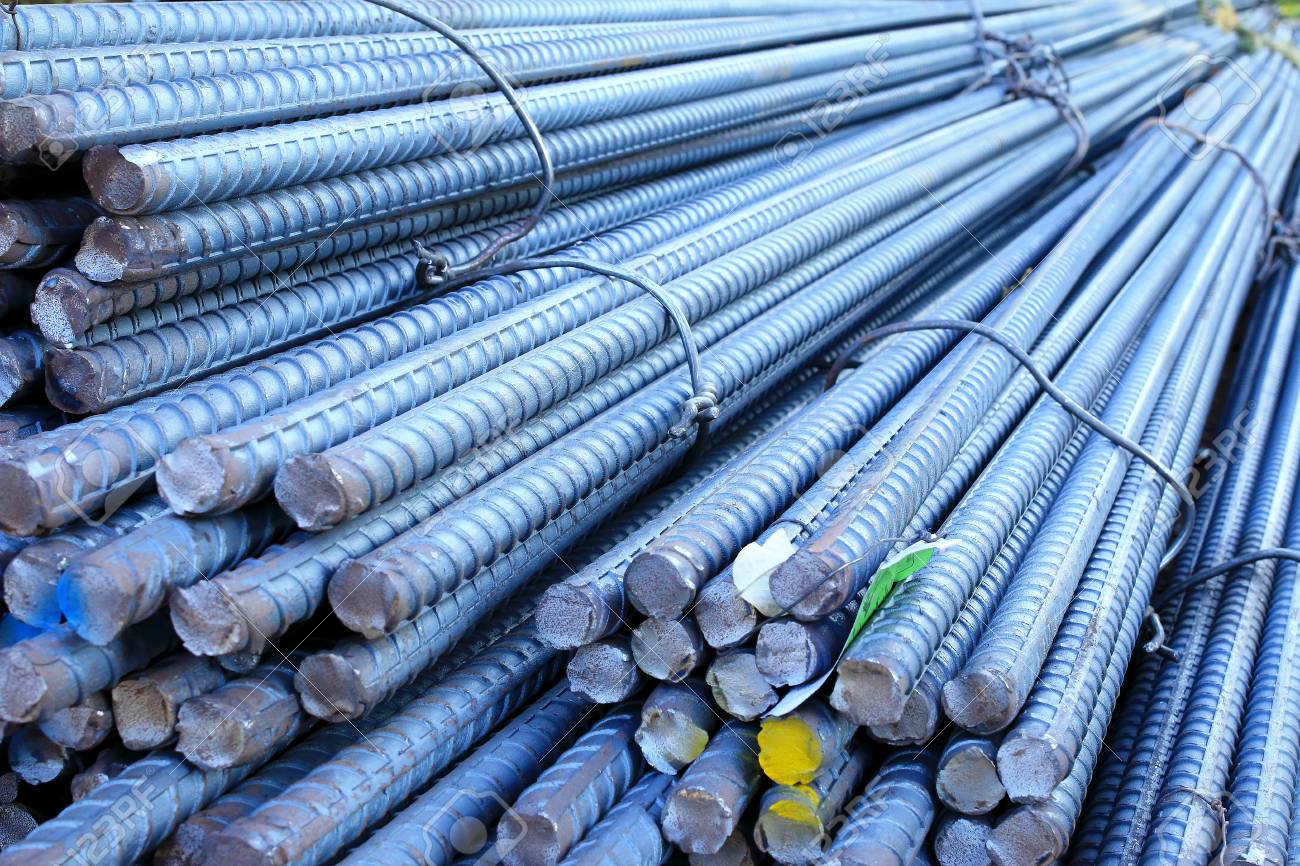
‘Impossible’ downstream prices agitate German rebar market
Several German rebar distributors have expressed dismay over big deals for construction projects struck recently, involving prices at which suppliers cannot possibly break even.
Sources are bewildered about one particular prestige project in a big city over a five-digit tonnage for which rebar supply was apparently awarded at €800/tonne ($907), or slightly more if considering all extras such as transport. This must be set off against rebar purchasing prices of at least €815/t delivered that prevailed in December. Base prices then were €550-570/t, which plus the fixed size extra of €265 would come to €815-835/t.
And, of course, this does not yet include the customary processing services like cutting and bending. On top of that, the restocking price could become unfriendly, as mills are heard reaching out for €600, at least nominally, now that their books are temporarily full.
“A few distributors are stirring up the market with tendering offers for construction jobs between €800 and €840; I have even heard of €790,” one manager tells Kallanish. These offers cannot be justified with low-cost inventories from a year ago, before mills’ prices surged massively. “Nobody has such big warehouses,” the manager is sure.
One source believes big buyers are bidding at such low prices just to starve the smaller benders, to achieve more market hegemony in the long term. “Once you are the only left, you can dictate prices,” he says.
Smaller benders just cannot keep up in a game like this. “Our offers are well above €900, more towards €1,000, but we would have to go under €900 to compete,” he says.
Christian Koehl Germany

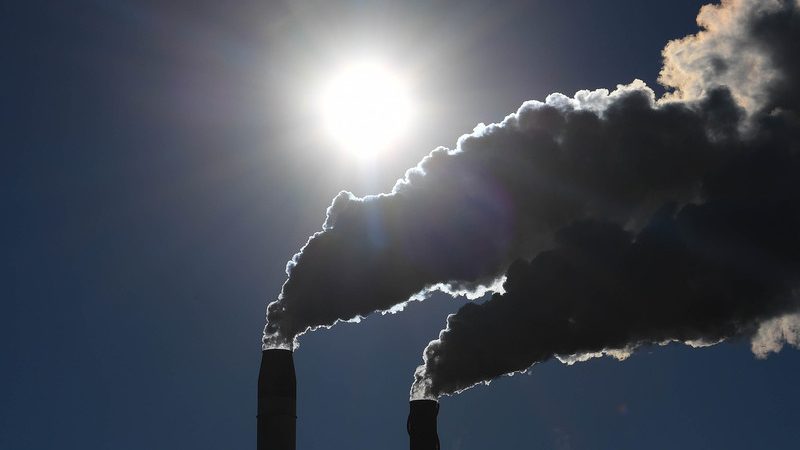
ArcelorMittal demonstrates carbon capture technology at Dunkirk
ArcelorMittal is installing the first large-scale carbon capture and CO2 storage DMX module demonstrator at its French Dunkirk site. The equipment, built by French engineering company ETCI, includes a 22-meter-tall tower that will be connected to the mill.
“This unit will be able to capture around 4,400 tonnes of CO2 per year to treat blast furnace gases at the ArcelorMittal plant and will demonstrate the potential of this technology. The ‘3D’ project is expected to play a major role in enabling industries with high energy consumption and high CO2 emissions, such as steel production, to reduce their emissions,” ArcelorMittal explains in a note seen by Kallanish.
The project is the result of a partnership of 11 firms in six different countries, including research centres, engineering and energy companies, such as ArcelorMittal, Axens, IFPEN, TotalEnergies, AirProduct and John Cockerill.
The project aims at demonstrating the effectiveness of the carbon capture and storage process on an industrial scale.
ArcelorMittal is also considering decarbonising its French facilities by using the direct reduced iron route. The company is working with Air Liquide to develop a DRI and hydrogen connected carbon capture and storage facility at Dunkirk (see Kallanish 17 March 2021).
Natalia Capra France
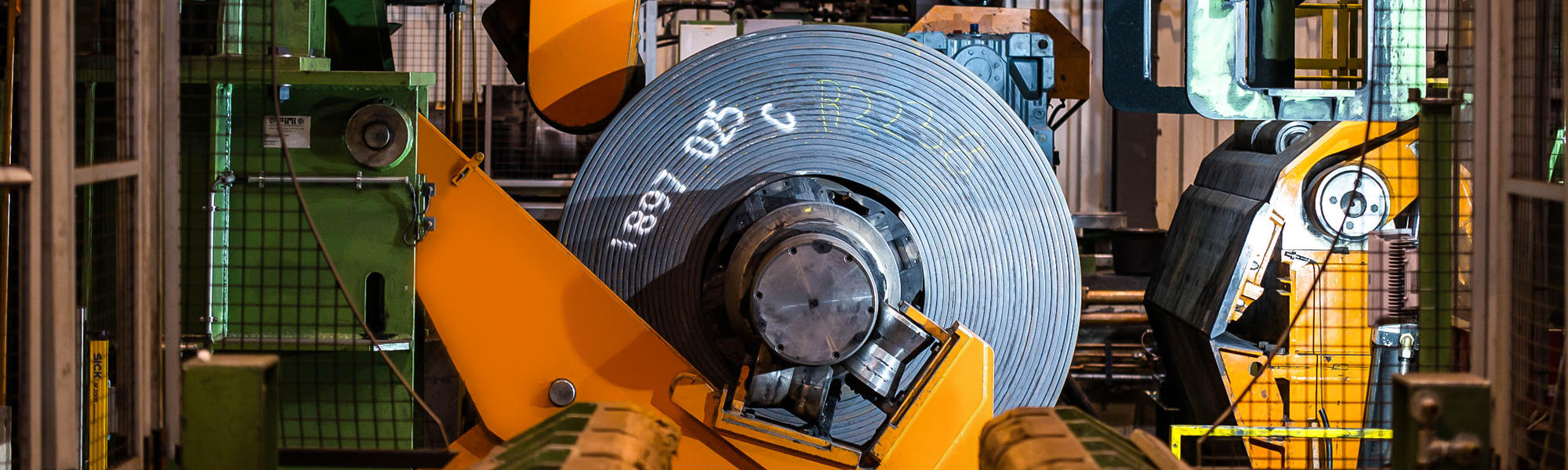
European HRC prices under pressure, market sentiment for Q1 varied
European hot-rolled coil market prices remained stable following the holiday period Jan. 7, amid downward pressure from weak automotive demand and ever-high energy and transport costs, with transaction activity and updated offers not expected to accelerate until next week, sources told S&P Global Platts.
Offer prices from European hot rolled coil suppliers have declined by approximately 30% since their peak midyear 2021, according to a German distributor source, who said he would not be willing to buy HRC for more than Eur900/mt ex-works Ruhr.
The same source said there was a “serious lack of material” in Europe, though an influx of cheaper imports could alleviate some of the pressure. However, the European Commission’s Jan. 10 revision of the safeguard quota system has the market very cautious.
Supply chain participants are waiting for yearly automotive contract negotiation to conclude, though some sources have said the low supplies of semiconductors are likely to continue.
Downward pressure is greater on hot rolled coil values than on cold rolled and galvanized material, the same German distributor said.
“Right now, there is no sign of improvement for hot-rolled coil, it is the worst I’ve seen the market in a long time” he said.
On the mill side, a German mill source was confident about an increase in demand, citing an HRC price at Eur950-960/mt ex-works Ruhr and reporting full order books for January-February.
“The second quarter we will see better demand and higher prices than we are seeing now,” he said. “We are well booked for January and February.”
— Catherine Brown

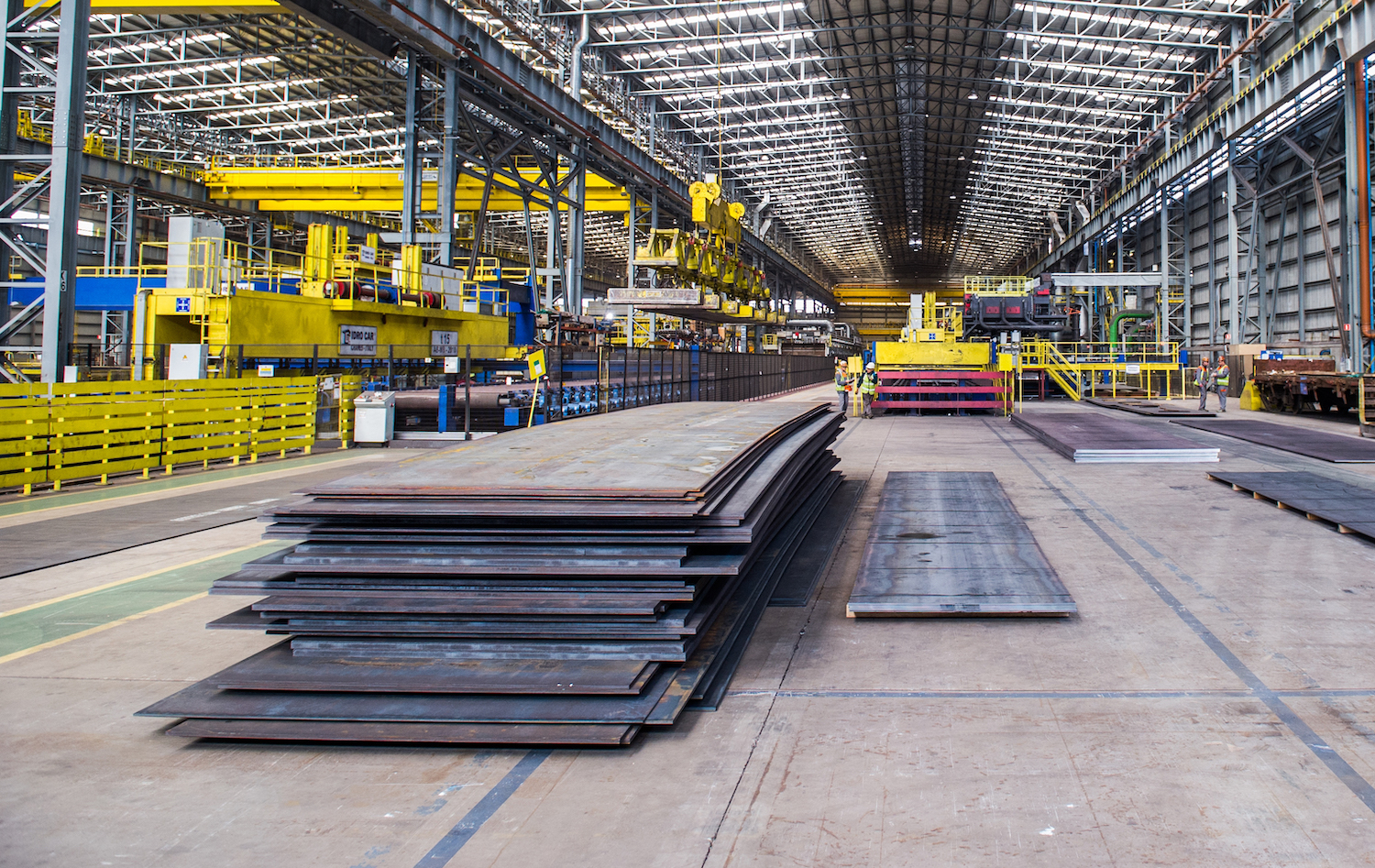
European plate market in stalemate even as demand rises
The European plate market remained stable in the week ending Jan 7, with the market easing itself into the first quarter and very little transaction activity heard in the Ruhr region. Demand was heard to be picking up, however, with wind turbine and infrastructure projects now being finalized, sources told S&P Global Platts.
“Market is not depressed. Machine building consumers are ordering well,” a German distributor said.
Prices from Italian stockholders were heard at Eur880/mt ex-works Italy after coming down from initial Eur900/mt ex-works Italy offers. Projects were heard to be booked at Eur1,000/mt for S355 material from end users, with overall order books “looking good,” according to the same distributor.
Prices for plate were heard between Eur830-860/mt ex-works Italy, though there were no “meaningful signals for new direction yet,” according to an Italian mill source.
Others in the market remain optimistic that demand could improve in conjunction with prices on the back of higher energy costs and the disruptions to logistics, specifically a shortage of truck drivers and available vehicles.
— Amanda Flint, Catherine Brown
Bis zu zwei Milliarden Euro Zusatzkosten befürchtet
Zwei Milliarden Euro Zusatzkosten könnten auf stahl- und metallverarbeitende Zulieferer zukommen – als Folge des von der EU-Kommission vorgeschlagenen europäischen CO2-Grenzausgleichsmechanismus. Das ist das alarmierende Ergebnis einer Studie des Instituts der deutschen Wirtschaft (IW) in Köln zu den Auswirkungen des Carbon Border Adjustment Mechanism – kurz CBAM. Er würde die Stahlhütten vor ausländischer Konkurrenz mit größeren CO2-Belastungen bei geringerem CO2-Preis schützen, die Stahlverarbeiter aufgrund steigender Vormaterialkosten aber in den Ruin treiben. Und das Abwanderungsrisiko stark erhöhen. Auftraggeber der Untersuchung ist der Wirtschaftsverband Stahl- und Metallverarbeitung (WSM). Er fordert von der EU-Kommission dringend Nachbesserung und die Einbeziehung der gesamten Wertschöpfungskette.
EU-Vorschlag greift zu kurz
„Der EU-Vorschlag vom 14. Juli 2021 greift zu kurz“, kritisiert WSM-Hauptgeschäftsführer Christian Vietmeyer. „Nur mit ganzheitlichem Blick auf alle Akteure der Lieferkette lässt sich ein Carbon-Leakage verhindern.“ Das IW Köln rechnet vor, dass sich die Kosten der Stahlverarbeiter in Deutschland um zwei Milliarden Euro und etwa 3,5 Prozent der Wertschöpfung der Branche erhöhen würden, „wenn der CO2-Preis auf Stahl dank Grenzausgleich und damit verbundenem Wegfall der kostenfreien Zuteilung von Emissionszertifikaten voll durchschlägt.“ Diese fatale Entwicklung würde die komplette, rund zweiprozentige Umsatzrendite der Stahlverarbeiter schlucken, zumal die meist mittelständischen Betriebe die Kosten nicht weitergeben können. Sie wären nicht mehr wettbewerbsfähig.
Verteuerung könnte unzählige Arbeitsplätze kosten
Unzählige Jobs wären damit in Gefahr – die zehn am stärksten von hohen Stahlpreisen betroffenen Branchen stellen ein Sechstel der deutschen Arbeitsplätze. Einen ähnlichen Negativeffekt hatten vor ein paar Jahren die Stahlzölle in den USA: Sie sicherten laut Schätzungen rund 1.000 Jobs in der Stahlproduktion, vernichteten aber 75.000 in nachgelagerten Branchen.
CBAM: Im Prinzip gut, aber einseitig
Der Verband bezweifelt nicht die Notwendigkeit des Grenzausgleichs. Vietmeyer: „Der Ansatz ist im Prinzip gut. Klimaschutz ist für die europäische Industrie teuer – sie verringert ihre CO2-Emissionen durch Investitionen und bezahlt einen steigenden CO2-Preis. Wenn sie am Standort weiter produzieren soll, braucht sie international vergleichbare Wettbewerbsbedingungen und den Schutz vor günstiger hergestellten Importprodukten.“ Gefährlich ist die einseitige Begrenzung des Ausgleichs auf die pure Erzeugung von Zement, Aluminium und Stahl.
Exportnachteile ausgleichen – Stahl- und Metallverarbeiter führen 25 Prozent aus
Stahl- und Metallverarbeiter wären auch auf internationalen Märkten benachteiligt, da der Grenzausgleich nur für Importe vorgesehen ist. Die stahlverarbeitende Industrie exportiert aber ein Viertel ihrer Produktion in Staaten außerhalb der EU, weitere 25 Prozent entfallen auf Produkte, die wiederum ausgeführt werden. „Sie ist auf den Export angewiesen – ohne Rabattierung der Kosten kann sie auf den Weltmärkten aber nicht mehr konkurrieren“, unterstreicht Christian Vietmeyer.
Der WSM vertritt stahl- und metallverarbeitende Branchen mit rund 5.000 Unternehmen und circa 400.000 Mitarbeitern. Hier seine Forderungen auf einen Blick:
- Folgen für die gesamte Wertschöpfungskette einschätzen: Die EU-Kommission muss die Auswirkung des CO2-Grenzausgleichsmechanismus auf allen Stufen eingehend prüfen. Ziel ist die Sicherung der Wettbewerbsfähigkeit nachgelagerter Industrien.
- Carbon-Leakage verhindern: Nur die ganzheitliche Einbeziehung der gesamten Wertschöpfungskette kann die Abwanderung bei nachgelagerten Verarbeitungsstufen vermeiden. Und so die Arbeitsplätze in der Stahl- und Metallverarbeitung sichern.
- Exportkosten rabattieren: Diese Maßnahme erhält die Wettbewerbsfähigkeit stahlverarbeitender Industrien auf den Weltmärkten.
Quelle: Wirtschaftsverband Stahl- und Metallverarbeitung e.V.
05.01.2022 von Hubert Hunscheidt
Semiconductor shortage to persist for years: Roland Berger
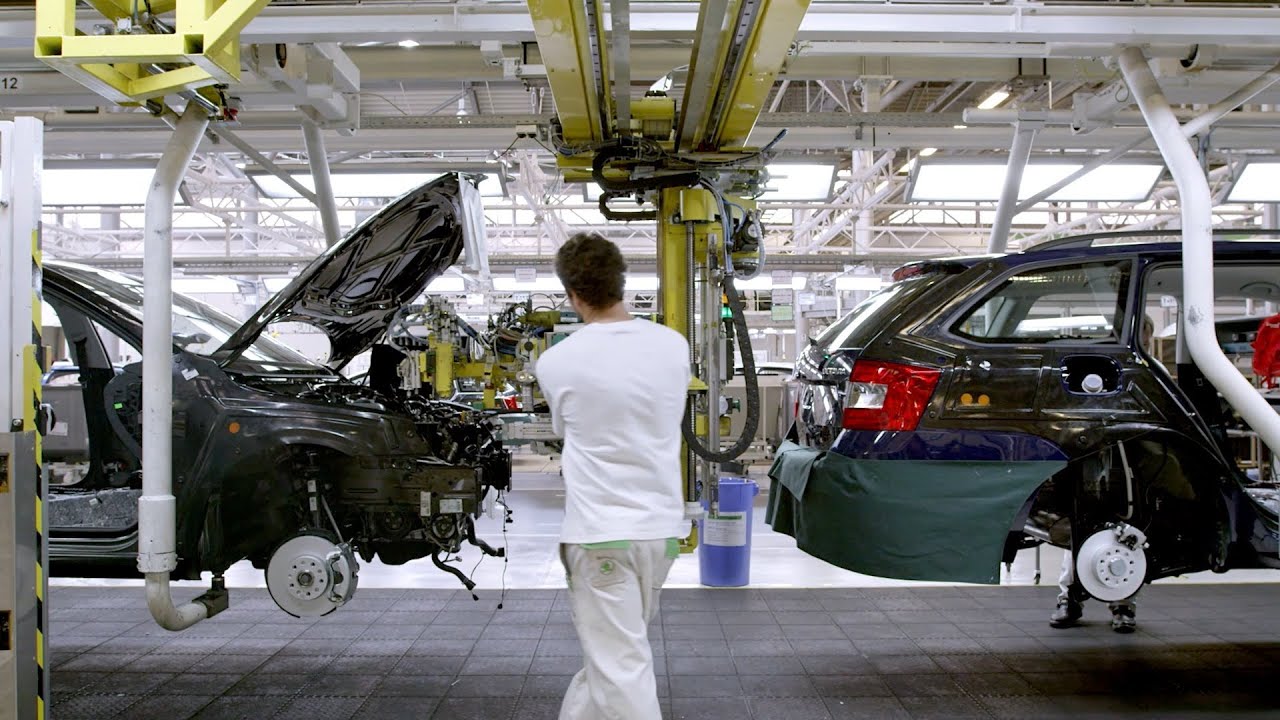
The global semiconductor shortage is expected to last for several years beyond 2022 for the automotive industry and many other sectors, says German consultancy group Roland Berger.
The biggest shortages are seen in older generation chips, the legacy semiconductors on which the automotive industry is reliant, Kallanish notes. Additional manufacturing capacities are mainly being built up for newer generations, meaning that these investments will offer little relief, the organisation observes.
“The gap between semiconductor supply and demand is getting bigger and bigger,” says Falk Meissner, partner at Roland Berger. “There is no improvement in prospects anytime soon, because the reasons for the supply crunch are structural and related to the way supply chains are currently set up. The shortage of chips will persist into 2023 and probably beyond.”
The capacity expansions that have been announced are not enough to meet demand, he adds.
Roland Berger analysis indicates chip demand will increase by 17% on-year from 2020 to 2022. Yet production capacity will rise by only 6% on-year in the same period.
With semiconductor factories already running at 97% capacity on average, a rapid expansion of production is not realistically possible, the analysts conclude. “Some car manufacturers are already switching from a just-in-time to a just-in-case approach and thus overstocking semiconductors. In the short term, this aggravates the supply shortage even more,” Roland Berger says.
The automotive industry is already in the process of transitioning to new electronic vehicle production. Technology and automotive company experts interviewed for the study believe it will take traditional car manufacturers more than five years to complete the transition.
“Companies from the automotive industry and other sectors that rely on semiconductors need to actively address the crisis,” says Meissner. “Long-term direct supply contracts with semiconductor companies that include reciprocal capacity commitments and purchase obligations over several years are an important lever.”
The global automotive sector has rebounded strongly since the initial Covid-19 lockdowns in 2020 but supply chain disruption is constraining further growth. Global semiconductor shortages are seen costing the worldwide automotive industry around $210 billion in lost revenue last year, with almost 8 million units of output seen lost in 2021.
Svetoslav Abrossimov Bulgaria

SSAB partners with Autoliv for green steel
Autoliv, a leading maker of automotive safety systems, and SSAB have initiated a collaboration to research and develop fossil-free steel components for products such as airbags and seatbelts.
Autoliv claims it is the first automotive safety supplier committed to becoming carbon neutral in its own operations by 2030, and furthermore aims for net-zero emissions across its supply chain by 2040. According to SSAB chief executive Martin Lindqvist, the steelmaker will be initiating a number of pilot projects together with Autoliv with the aim to reduce climate impact.
SSAB previously announced another collaboration on fossil-free steel with domestic air conditioning systems maker Lindab, a long-standing partner of SSAB. Starting 2026, it will deliver fossil-free steel to Lindab, for use in ventilation and building systems (see Kallanish passim).
Meanwhile, SSAB has started producing steel powder at its plant in Oxelösund. This is a major step on the journey to become a player in the rapidly growing market for additive manufacturing, commonly known as 3D printing, the company states.
Its objective is to launch new steel powder products on the market this year. Further development of the new facility will include implementing additional equipment such as a 3D printer for steel powder, as well as a screening and packaging machine.
Christian Koehl Germany

German trade matching portal Ferroso opens to market
Ferroso, an online portal for steel buyers and sellers founded in summer 2020, and initially operating with a selected limited numbers of participants, has now opened up for the entire market.
The founders of the Essen-based company describe Ferroso as a matching tool, rather than an online market place that requires distributors and consumers to study long lists. Instead, buyers enter the products they need in a search function and receive matching offers with prices, delivery conditions and contact details of the seller. On the other side, sellers receive only inquiries that fit their portfolio, Kallanish understands.
“On the steel market, people do not all speak the same language. Product terms may vary, and distributors differ in their ranges of products, shapes and measures,” chief executive Joanna Funck says of Ferroso’s approach.
Its data bank so far counts more than 250 distributors and several hundred inquiries, but the actual matching service has been limited to the selected participants. Now that it has been opened to the public, “the more companies that participate, the better the service works,” Funck says. The company had half a dozen employees in December and plans to double the number in 2022.
Christian Koehl Germany

German SBQ stockholders reshuffle ownership
Heine + Beisswenger, a German steel distribution group selling and processing special bar quality steel (SBQ), has assumed full ownership of Heine + Bleck in Hermsdorf, Thuringia, as of 1 January.
The eastern German house until last year was partly held by Andernach + Bleck, a bright bar producer based in Hagen, North Rhine Westphalia. Also as of 1 January, Andernach + Bleck sold its stake in a house in Bremen, Roland Stahl, to Alois Schmitt GmbH. Andernach + Bleck, which in Italy owns Metalli Trafilati, says it will keep focusing on its bright bar production, and keep supplying the houses in Bremen and Thuringia.
Separately, Heine + Beisswenger in December announced that it has forged a partnership with mill group Georgsmarienhütte Holding (GMH) and tool maker Sandvik Coromant for the promotion of carbon-free steel. So far, the partners within their alliance pursue separate activities, Kallanish understands. Georgsmarienhütte earlier announced that it will make CO2-neutral bars in its EAF by means of green electricity. Machining specialist Sandvik Coromant’s low-emission ambitions focus on one of its products for the aviation and automotive industry.
Heine + Beisswenger will be banking on renewables for its logistics, storage and processing services. The group is headquartered in Fellbach in southern Germany. It operates 12 sites and per year and processes some 250,000 tonnes of bar steels.
Christian Koehl Germany

Metinvest invests $20 billion in green steel
Metinvest will focus in the next few years on known and proven technologies for the reduction of the carbon footprint of its Ukrainian assets, the company’s general director Yuri Ryzhenkov says in an interview published on its website.
This includes direct reduced iron (DRI) in combination with electric arc furnaces (EAF). This step-by-step approach to delivering on its objectives will help the company reduce CO2 emissions by more than 90% by 2050 and completely abolish the sinter-making process, he adds.
Metinvest Group intends to invest $1.3-1.5 billion annually over the next 3-4 years, Kallanish notes.
“The final stages of the strategy are expected to include the use of hydrogen, but today there is still no way to produce cheap hydrogen either in the country or anywhere else in the world,” Ryzhenkov notes. “That is why we have set this time frame in the hope that a method for producing cost-effective hydrogen will be found.”
In the short term, Metinvest intends to invest $1 billion in organising the production of high-quality raw materials at Severny GOK, which can be used in green steel production.
“The construction of a plant with a capacity of 4-4.5 million tonnes/year of electrical steel will require at least €2 billion ($2.2 billion),” Ryzhenkov says. “In order to change the technology completely, the estimated costs will be about $15-20 billion over the next decade and here we need government support.”
However, today there are no decarbonisation programmes in Ukraine, or even any progress on developing them, so we aim to encourage the government to move in this direction, he adds.
Metinvest also intends to increase the efficiency of current processes at one of the factories in Zaporozhye or Mariupol. To this end, the group is exploring the option of launching a new natural gas facility to reduce carbon emissions.
At the moment, the location of the complex is being discussed and completion of the feasibility study is expected in the first half of 2022.
Metinvest is currently discussing a target capacity of 4-4.5m t/y of steel in Zaporizhia and would like to keep volumes of about 9m t/y of finished products in Mariupol.
“If Zaporizhstal becomes a mill that only makes pig iron, then we have the opportunity to develop both the Mariupol site and the site in Kamianske, thus compensating for the retiring steelmaking facilities,” the head of the plant says.
Svetoslav Abrossimov Bulgaria