


Gestamp obtains Aenor`s Zero Waste approval for components
Spain’s Gestamp has received accreditation for its products from the national standards association Asociación Española de Normalización y Certificación (Aenor), the major supplier of components to the global automotive sector tells Kallanish.
Gestmap thus becomes the first company in the automotive sector to receive the Zero Waste certification, which recognises its circular economy model, capable of reusing the waste it generates in production processes.
“Aenor verified that 63% of the group’s plants systems meet the requirements of complete traceability waste, from its generation to its delivery, and is in line with all legal requirements associated with this process,” Gestamp explains. From all verified plants, 15% have obtained the Zero Waste certification, while the remaining 48% meet the requirements.
The company applies environmental criteria in all stages of its production, from the selection of suppliers and optimisation of raw materials and natural resources to the management of consumption of energy and water resources necessary for the manufacture of components, waste management and reducing greenhouse gas emissions in the product use phase.
Todor Kirkov Bulgaria


UK 2021 auto sales still below pre-COVID levels, EV sales peak
New car registrations in the UK were steady year on year in 2021 at 1.65 million units, according to data released Jan. 6 by the Society of Motor Manufacturers and Traders.
The annual volume was 28% below 2019’s pre-pandemic levels, due to a number of challenges, including the ongoing semiconductor shortage.
SMMT CEO Makes Hawes said it had been “another desperately disappointing year” for the industry as the pandemic continued to hinder recovery and manufacturers battled with tougher trading arrangements, accelerating technology shifts and the global semiconductor shortage, which was “decimating supply.”
“Despite the challenges, the undeniable bright spot is the growth in electric car uptake… The models are there, with two of every five new car models now able to be plugged in, drivers have the widest choice ever and industry is working hard to overcome COVID-related supply constraints,” Hawes said.
Plug-in vehicles reached a record high in 2021, accounting for more than one in six registrations, according to the SMMT, while pure battery electric vehicle sales rose to one in nine registrations, which was more than the combined volume registered over the 2016-2020 period.
The UK was the third-largest European market for new car registrations in 2021, the second-largest by volume for plug-in vehicles and the second-largest for BEVs, it said.
“It is only in ninth position overall, however, in Europe for BEVs by market share, underlining the progress still to be made, despite the UK having among the most ambitious targets of all major markets with the end of sale of new petrol and diesel cars scheduled for 2030,” SMMT said.
According to the data, BEV sales in 2021 totaled 190,727 units, up 76% year on year to take a 11.6% overall market share, which was up from 6.6% in 2020.
Plug-in hybrid vehicle sales also rose 71% on the year in 2021 to 114,554 units, with the market share at 7%, up from the previous 4.1%.
Sales of hybrid EV for the year also climbed 34% on the year to 147,246 units, a 8.9% share of total sales, up from 6.7% in 2020.
“Following billions of pounds of investment into new technology by manufacturers, more than 40% of models are now available as plug-ins,” SMMT said.
Meanwhile, gasoline cars continued to hold the largest market share at 46.3% or 762,103 units, although the share was down from 55.4% the previous year, while the volume also dropped 15.7% year on year, according to SMMT.
Diesel vehicles’ market share almost halved from 16% in 2020 to 8.2% in 2021, with 135,773 units sold in 2021, down 48% on the year, the data showed.
Risk to net zero ambitions
SMMT said that, while the UK government aimed to end all sales of internal combustion engine cars by 2030, this goal was also being hampered by cuts to purchase incentives and grants for home chargers, which was a risk to the motor industry’s and government’s net zero ambitions.
In March, the government updated its grant scheme for electric cars, vans and trucks, reducing grants for EVs priced under GBP35,000 from GBP3,000 ($4,060) to maximum GBP2,500.
It also removed grants for higher-priced vehicles, as these were “typically bought by drivers who can afford to switch without a subsidy from taxpayers.”
“Furthermore, the slow pace of growth in on-street public charging — where, on average, 16 cars potentially share one standard on-street charger — could put the brake on EV demand and undermine the UK’s attractiveness as a place to sell electric cars,” it said.
SMMT called for incentive extension and mandated charge point targets to accelerate consumer uptake and increase the industry’s competitiveness globally.
In November, the government did introduce new legislation to compel news homes and building, including supermarkets and workplaces, to install electric vehicle charge points from 2022, which would also apply to any building undergoing major renovations that will leave the site with over 10 parking spaces.
The new legislation is expected to result in up to 145,000 extra charge points being installed in England per year.
— Jacqueline Holman

European coils market cautious about cheap imports as auto a ‘bright spot’
European hot-rolled coil steel prices were stable Jan. 6 after the holiday period amid high energy and transport costs, causing great pricing uncertainty for Q1. Sentiment remained mixed about how quickly automotive demand will return, with some buyers still cautious about a price decrease in the face of cheaper import prices, sources told S&P Global Platts.
An HRC import offer price was heard before Christmas at Eur800/mt CIF Antwerp ex-Asia, now updated to HRC Eur750-780/mt CIF Antwerp ex-Korea. A cold-rolled coil import offer stood at Eur880-890/mt CIF Antwerp ex-Asia.
“Domestic players don’t have a choice but to react to cheap import prices,” a German trader said.
The source was still pessimistic about a potential price increase despite a surge in automotive demand, with some original equipment manufacturers now restarting after a production slump.
“Auto is definitely a bright spot, but I’m more pessimistic because prices are sliding down every week — drops are more than Eur20/mt,” the trader said regarding the import market.
On the mill side, a European producer was confident about an uptick in demand from the manufacturing industry, with the Benelux region struggling amid shortened workforces.
“It’s a sign that business is rolling — they’re actively seeking people,” the mill source said.
He added that European car dealerships had reported full order books and were simply waiting for more stock from factories.
“It’s a sign that as long as automotive has cars to deliver, they will sell,” the mill source said.
The EU Commission’s revision of the import safeguards system Jan. 10 could spell further trouble for European players, with the same trading source expecting protectionism to tighten.
Mills looking to export sufficient steel quantities could also face a shortage of available ships, the source warned.
— Amanda Flint
USCommerce says duties on HRC from 7 countries should continue
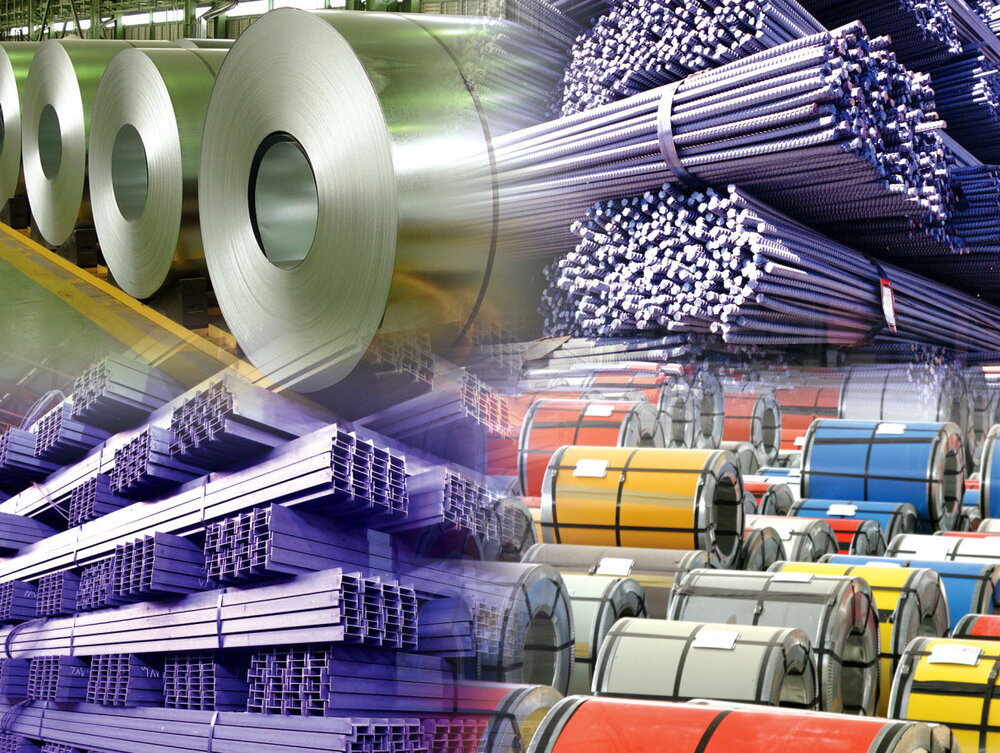
Removing the US antidumping duty orders on imports of certain hot-rolled flat steel from seven countries would likely lead to the continuation or recurrence of dumping, the US Commerce Department said in a final determination.
The decision follows an expedited five-year sunset review of the antidumping duty orders on hot-rolled coil from Australia, Brazil, Japan, South Korea, the Netherlands, Turkey and UK, according to a Federal Register notice Jan. 5.
Should the duties be removed, Commerce found dumping would likely occur at margins of up to 29.58% for Australia, 34.28% for Brazil, 11.7% for Japan, 11.1% for South Korea, 3.73% for the Netherlands, 24.32% for Turkey and 33.06% for the UK.
This was the first sunset review of the antidumping duty orders, which were put in place in September 2016.
Commerce also issued a final determination that removing the existing countervailing duty order on HRC imports from Brazil would be likely to lead to the continuation or recurrence of subsidies at up to 11.3%. This decision also follows an expedited five-year sunset review.
— Justine Coyne

European stainless coil prices feel Asian decline
European stainless steel hot and cold rolled coil prices remain high this month due to increasing alloy surcharges. However, the effect of declining Chinese and other Asian countries’ prices is beginning to reflect on European coils. EU coil prices are reported to have stopped rising for the first time in months, Kallanish hears from market sources.
While current high values are forecast to continue through 2022, European stainless CRC levels that started from €4,000/tonne ($4,521) delivered in Europe in December are now starting at €3,900. They go up to €4,200/t delivered depending on month of delivery.
Producers are now quoting lead times for the second quarter of 2022, depending on customer and contract, and some are only supplying their own customers and refusing new clients. European mills are said to have full order books.
However, the Asian price decline is being felt on European HRC, which is now sold at €3,700-3,800/t delivered on average. HRC can be found at €3,100/t cfr from Asia, while Chinese prices for both CRC and HRC are said by importers to be around €500/t lower compared to European producers. Italy is a net importer of HRC from Asia and Italian prices are usually lower compared to northern European values.
While sheet and flats prices have increased steadily in all Western Europe, in line with coil hikes, re-rollers are now pushing up values of stainless tube, for which demand has been weaker than stainless flats, Kallanish notes.
Natalia Capra France


Turkey already exhausts various EU first-quarter product quotas
The number of requests awaiting allocation for certain product category imports into the EU already exceeds the permitted first-quarter safeguard quota for those products, indicating the quota is already exhausted. Among the products in this situation is Turkish rebar, Kallanish notes.
As of close on 5 January, 63,555 tonnes of Turkish-origin rebar imports were awaiting allocation by the European Commission, compared to the Q1 quota of 60,592t, according to the Commission’s tariff quota consultation portal.
Merchant bars and light sections imports from Turkey awaiting allocation meanwhile were 87,228t versus the quota of 64,157t. Hollow sections imports from Turkey awaiting allocation were 86,910t versus the quota of 68,575t. Turkish-origin hot rolled coil had 280,741t awaiting allocation versus the quota of 323,205t, suggesting it could be exhausted soon.
Various Indian-origin products have also already exhausted or are about to exhaust EU quotas. Cold rolled coil imports from this destination awaiting allocation were 163,795t versus their Q1 quota of 147,656t. Category 4A coated sheet imports from India awaiting allocation were 76,141t versus the quota of 48,560t. Organic coated sheet imports from India awaiting allocation were 125,255t versus the quota of 71,152t.
Category 4B coated sheet imports from China awaiting allocation meanwhile were 181,830t versus the quota of 116,083t.
Adam Smith Germany
Aperam increases alloy surcharges again
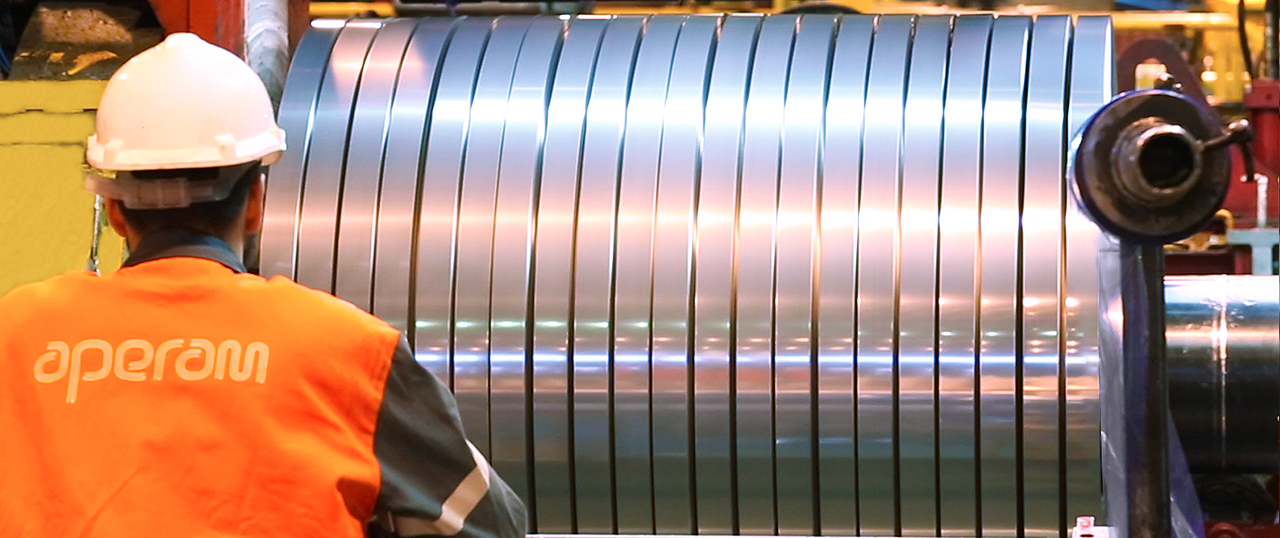
French stainless steel producer Aperam has increased its January alloy surcharges for its austenitic range of flat stainless steels for Europe by €100/tonne ($113) on average versus December. This comes on top of the €100/t increase announced last month, Kallanish notes.
The surcharge for grade 304 (1.4301) has gone up from €2,361/t last month to €2,427/t effective 1 January. For grade 316 it has increased from €3,563/t to €3,643/t. Grade 309S, a heat-resistant stainless steel used in high-temperature applications, has seen its surcharge remain stable this month at €3,267/t. The surcharge for the most popular ferritic grade, 409, however, has gone down for the first time in months, from €1,002/t in December to €922/t in January, the company reveals.
Offers for nickel cash buyers reached $20,925/t on 31 December, Kallanish notes.
Natalia Capra France
Iron ore firms into the new year
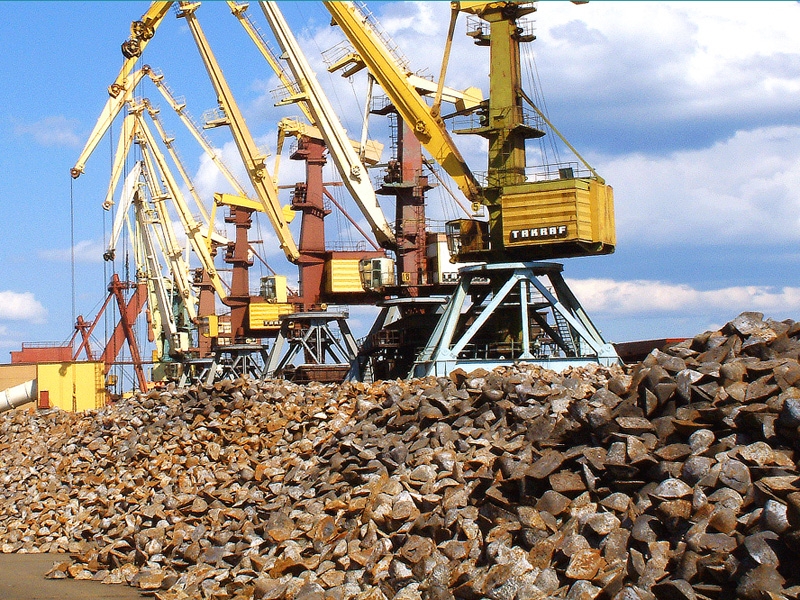
Seaborne iron ore prices continued to tick higher on Tuesday amid a round of spot purchasing following the New Year holiday. Steel markets however remain quiet in the run up to the Chinese New Year next month.
The Kallanish KORE 62% Fe index gained $1.04/t to $121.83/dry metric tonne cfr Qingdao. The Kallanish KORE 65% Fe index increased $2.97/t to $144.98/dmt cfr, and the KORE 58% Fe index was up $0.53/t to $94.63/dmt cfr. 170,000 tonnes of PB Fines sold at $121.75/t with a laycan in 29 January-7 February. 170,000t of Brazilian Blend also sold at $124.55/t with a laycan in 7-16 February, while 80,000t of Jimblebar Fines sold at a floating price.
On the Dalian Commodity Exchange May iron ore settled up CNY 5.5/t at CNY 679.5/t ($106.62/t), while on the Singapore Exchange February 62% Fe futures settled down $0.12/t at $122.25/t. The same contract for 65% Fe and 58% Fe futures settled up $1.12/t at $145.42/t, and up $0.24/t at $95.01/t respectively.
Chinese scrap prices have also increased, but billet remains weighed down by heavier steel prices. 6mm+ heavy scrap delivered to mills in the Yangtze River Delta increased CNY 9/t on Tuesday to CNY 3,581/t. Tangshan billet prices meanwhile were flat at CNY 4,240/t.
Iron ore prices have been supported by other rising commodity prices, as well as expected higher steel output. Weak steel markets however mean that the room for further increases in the short term may be limited. Short-term pollution-triggered production restrictions are expected to be common in northern China over the current quarter, and building steel and iron ore inventories may put further pressure on prices.
China’s wider economy is also a saw of potential volatility as a number of issues could trigger either crises or strong policy responses. The real estate debt crisis in particular could see either mounting bankruptcies or significant support for steel demand from the state.
EU quotas pull down Turkey’s 11-month HRC exports by 11.5%
Turkish mills’ overall HRC exports during January-November declined by 11.5% year on year to 2.4 million mt, mostly due to the trade barriers by the European Union, which is traditionally Turkey’s top HRC export destination.
Quotas and the European Commission’s definitive anti-dumping duties on imports of HRC from Turkey which came into force on July 5, notably restricted Turkish mills’ exports to the region in 2021.
According to the latest monthly Turkish Statistical Institute (TUIK) data sent to S&P Global Platts Dec. 31, exports to Italy, which was Turkey’s traditionally top HRC export destination fell sharply by 30% on the year to 578,600 mt in January-November 2021, while exports to another South European country, Spain, totaled 339,000 mt in that period, up 6.6%.
Turkish mills’ HRC exports to Belgium remained notably above last year at 163,300 mt in the first eleven months, up 85% on the year, while exports to other European countries remained notably lower on the year due to quotas and AD duty.
Despite the decline seen in exports to the EU, Turkish mills managed to increase their HRC shipments to the US as prices there stood notably above other market prices, especially in the first half of the year. Turkish mills’ eleven-months HRC exports to the US totaled 343,000 mt, sharply up from 11,200 mt exported in January-November 2020.
Turkish mills also raised their HRC exports to another North America country, Canada, in January-November by shipping 135,500 mt, versus zero in the same period the previous year.
As the decline in export volumes to the EU region continued in December, and demand remained low in the domestic market due to ongoing exchange rate fluctuations in the country, the pressure on Turkish mills’ HRC prices has been ongoing, amid sharply increased mills’ energy costs with the latest hikes on Jan. 1, sources said.
— Cenk Can
Electrical steel bottlenecks seen throttling e-car production
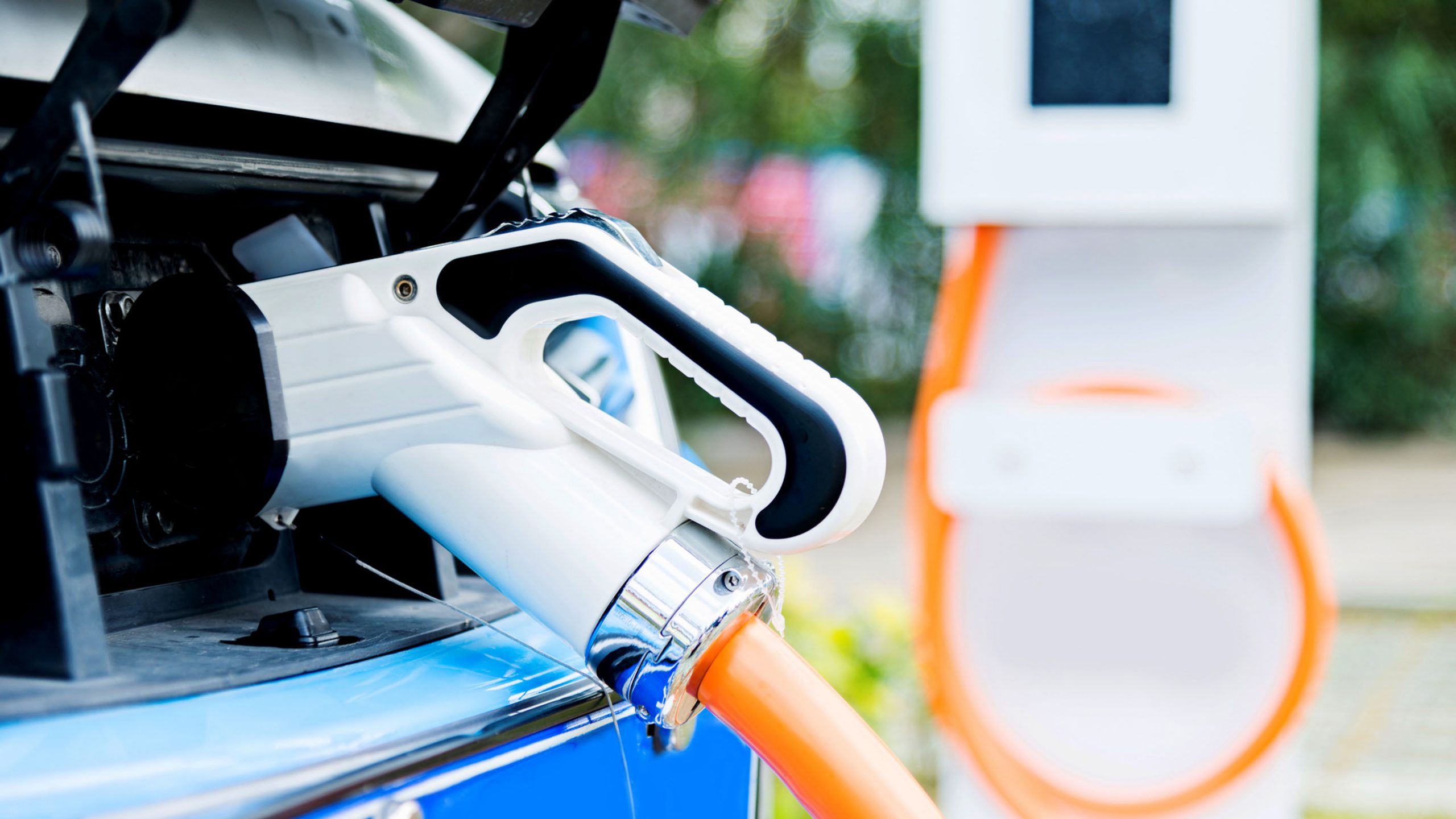
While global car production is suffering from the shortage of semiconductor chips, the production of electric vehicles faces the additional obstacle of insufficient capacity of electrical steel, according to analytics agency IHS Markit.
Manufacturers of diverse machineries are struggling to negotiate supply contracts with steel mills for 2022, particularly for electrical steel, says John Anton, director of pricing and purchasing at IHS Markit. Carmakers have been notified by steel mills that they will be on allocation for electrical steel for all of next year. Most carmakers expect to get only 80 to 90% of their requirements, Kallanish hears from the agency.
“The impact of the electrical steel shortage could potentially be as damaging to the global economy in 2022 and 2023 as the semiconductor shortage [was in 2021],” Anton states. “If electrical machinery companies do not get the electrical steel they need, buyers will have to deal with much longer lead times and higher prices.”
Electrical steel is used in electrical engines for multiple purposes. Given the growth ambitions of carmakers for e-vehicles, this will be the largest affected sector. The automotive industry in Germany, for instance, plans investments of around €45 billion ($51 billion) per year, largely for research into and production of e-cars (see separate story).
Christian Koehl Germany