

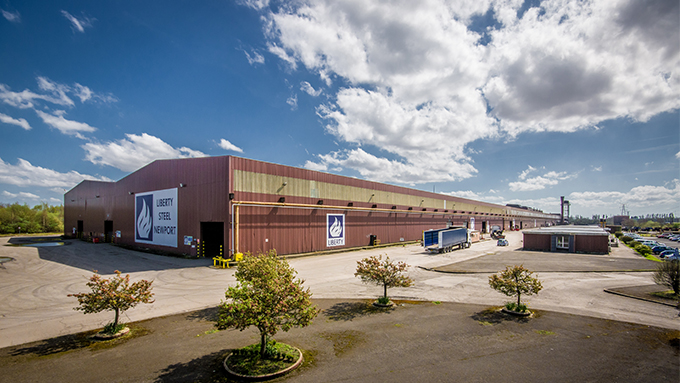
Liberty Steel Ostrava to boost hot strip mill capacity to over 1 million mt
Czech steelmaker Liberty Steel Ostrava said Dec. 21 that it will invest almost Koruna 1 billion ($44.7 million) in a revamp of its hot strip mill to boost its capacity to over 1 million mt/year from the current 0.75 million mt/year.
Replacement of many parts at the current mill by the end of 2023 “will improve the reliability and sustainability of the operation of the plant’s Steckel mill, ensure the desired quality of its products and increase its capacity utilization to more than 1 million mt a year,” the company said.
The Ostrava strip mill, which began operation in 1999, is the only producer of hot rolled strip steel in the country. Its product offer includes structural steels, cold forming steels, micro-alloyed steels, weathering steels, carbon steels and steels for pressure vessel applications.
Director of the hot strip mill, Jan Pudich, said the modernization will improve the quality of the final flat rolled product. “The implementation of the range of individual upgrades will improve the mechanical properties of the hot rolled strip, remove surface defects and ensure precise adherence to its geometic shape,” he said in the statement.
A shutdown of at least two weeks at the mill will be required in the spring and fall of 2023, while key stages of the modernization are taking place, the company added.
Liberty Steel Ostrava is the biggest steelmaker in the Czech Republic, with annual steel production capacity of around 3.6 million mt.
The company said in its latest financial statement Aug. 26 that it shipped 684,000 mt of steel products in the second quarter of the year, a rise of almost 80% on the same period a year earlier and 26% higher than the first quarter of 2021.
Strong demand for flat products from the hot strip mill over the previous six-month period was one of the main causes of the rebound in production and sales, the steelmaker said.
— Chris Johnstone


European HRC market muted as sources don’t expect collapse in new year
The European hot-rolled coil market was stable Dec. 21 with only a few more days until Christmas, and the market was still relatively quiet in terms of transactions. Mills were heard to be making discounts here and there to maximize orders for Q1, while buyers were looking to resist in anticipation of potentially lower steel prices, sources told S&P Global Platts.
An Italy-based service center source said he had no difficulty with selling, though he was waiting until January to make additional orders. Italian mill offers for HRC were heard at Eur890/mt ex-works Italy and a tradable value at Eur845/mt ex-works Italy. Prices for hot-dipped galvanized were heard at Eur1,095/mt ex-works Italy and cold-rolled coil at Eur1,000/mt ex-works Italy.
A German service center source said he didn’t see a collapse in prices after the hefty declines seen over the last few weeks and added that it was natural to see a come-down after the market “overheated” over the summer.
“Demand is still strong, end-users are still running; COVID-19 won’t be a problem — nothing will happen dramatically as prices already corrected to a normal price,” the source said. “Mills have good margins. They have better margins than they did in the last 10 years, so they should be happy.”
The period of high European prices over the summer was good news for mills that struggled to recoup substantial profits since the height of the financial crisis in 2008-09. The transition toward carbon-free steel production had been the impetus for keeping prices elevated, but as Q4 now winds to a close, those price levels have started to slip away.
“Producers made the mistake of increasing prices without any reason, not sustainable and not coming from a cost perspective — it was just to increase own profit,” the same source said. “It lasted too long.”
The added pressure from cheaper imports waiting to be customs cleared before the start of the new year has also had domestic players fearing a further collapse in price, with the eventual exhaustion of the “other countries” quota in Q2 expected to be a significant deciding factor in Italian pricing direction.
— Amanda Flint
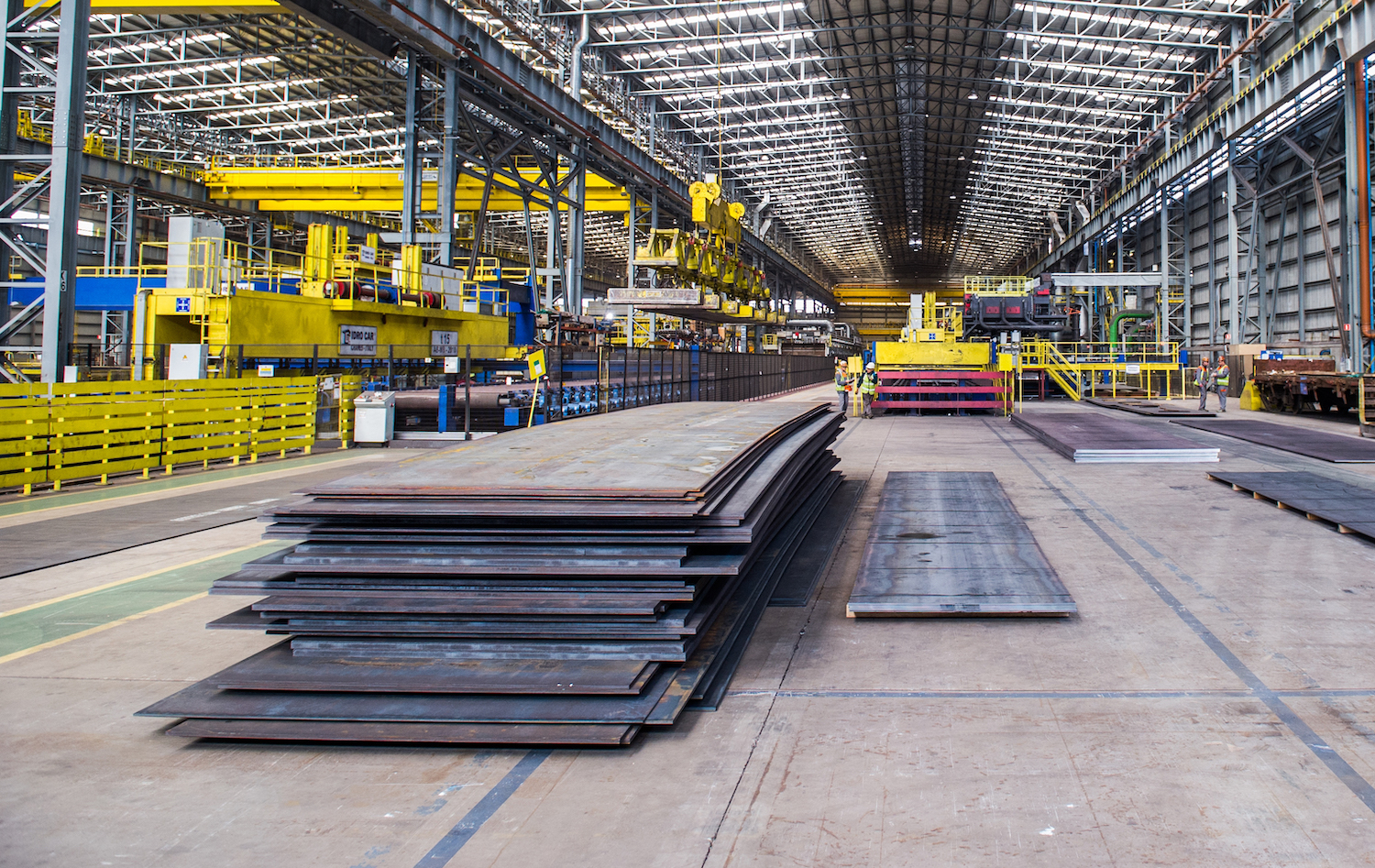
Russia’s Rosneft to build steel plate and pipe mill
Russian oil company Rosneft said Dec. 21 it will build a 1.5 million mt/year steel plate and pipe mill that will cater to major Russian shipyard Zvezda and help balance the country’s large diameter pipe and wide plate capacities.
Rosneft, which heads the consortium of investors developing the Zvezda shipyard, is about to break ground on the Primorsky Metallurgical Plant (PMZ) in Sukhodol Bay near Bolshoy Kamen in the south of Primorsky Krai, Russia’s Far East.
The steel rolling plant project is owed to Russian President Vladimir Putin’s instruction to provide Zvezda with large steel plates. In 2024, the shipyard will require 350,000 mt of steel. Rosneft said it has completed a feasibility study of the project and is working on the optimal plant layout.
The project will be developed in two stages. The first provides for the installation of 5,000 mm wide plate rolling mill. A large diameter pipe (LDP) welding line will be added in the second stage.
Plates up to 4.2 meters wide and up to 24 meters long made of cold-resistant steel grades will make up the bulk of the output of the mill. Some 200,000-220,000 mt/year will be made up of LDPs. A part of its output will be distributed in Russia’s Far Eastern district, with excess expected to be exported.
Reductions in costs
Steel could absorb up to 20% of the manufacturing cost of a tanker. Having captive plate (although this will be made from outsourced slab), along with minor transportation expenses will significantly reduce overall shipbuilding costs and through that the price of the final product, according to Rosneft.
Also, using 24-meter-long plates means fewer welds in vessel bodies, ensuring a more robust structure and faster construction.
Zvezda carries out large-block assembly and employs Goliath cranes with 1,200 mt carrying capacity. Using plates of large dimensions is key to its technological process, Rosneft said, explaining how the shipyard benefits from having an affiliated plate mill.
To enable the mill’s operation, Rosneft will need to build a sea berth, a road and a rail link, and it will have to invest in housing for employees, building water and energy supply networks, power lines and gas pipelines. The plant’s total electricity demand is estimated at 120 MW. It will employ 1,500 people.
Rosneft will then become Russia’s sixth LDP manufacturer and fourth 5,000 mm wide plate producer.
Russia’s plate capacity
The project, if realized, will take Russia’s wide plate capacity to 5 million mt/year and LDP capacity to 5.4 million mt/year, which would be the equivalent to just over half of the global LDP market envisaged at 10 million mt/year by 2024-25, according to a forecast by Russian steelmaker Severstal.
Today, Russia’s LDP capacity stands at 5.9 million mt/year, representing the combined total of five market players, including Severstal, OMK and Zagorsk Tube.
The usable capacity is therefore 5.2 million mt/year, but even this figure does not represent the maximum possible output – the latter is limited by a third as the combined capacity for wide plate (LDP feed) of its domestic producers MMK, OMK and Severstal is only 3.5 million mt/year, but even more limited by demand.
According to Severstal, the world’s LDP production is likely to grow only marginally this year, to 7 million mt, but the steelmaker expects it to jump to 9 million mt/year in 2022-23.
The growth in demand is expected to be driven by:
- A recovery to 2 million mt/year in Russia, up from 1.4-1.5 million mt/year in 2020-2021.
- An increase to 1.4 million mt in 2022, up from this year’s 1.1 million mt in Europe.
- An uptick to 350,000-400,000 mt/year in 2022-23 in South America.
- And an increase to 1 million mt/year in 2022-23 in the US.
— Ekaterina Bouckley
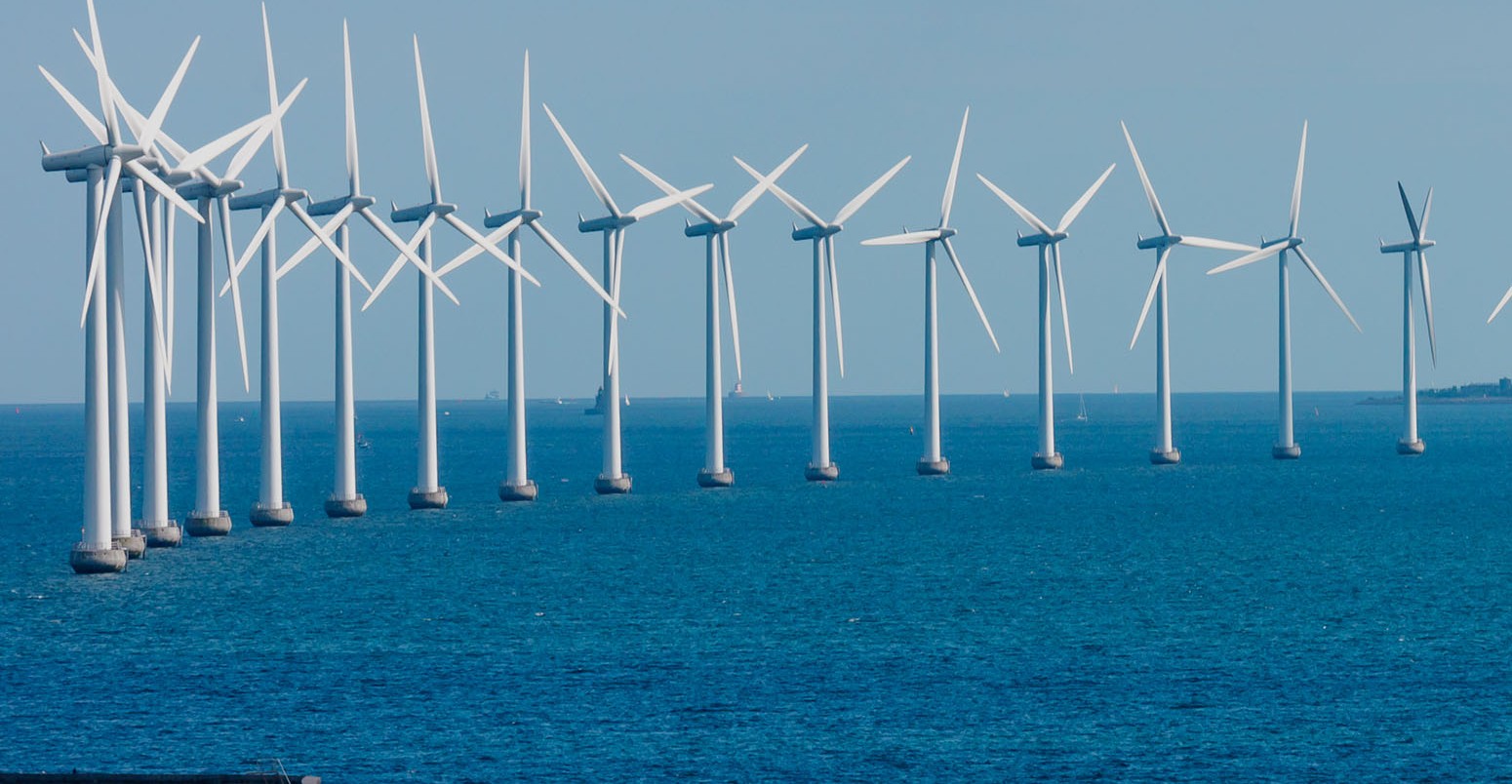
EU imposes duties on Chinese steel wind towers
The European Commission has imposed definitive anti-dumping duties on Chinese steel wind towers. The measure will benefit European producers of steel wind towers and is set to be welcomed by the European steelmaking industry, Kallanish notes.
The duties imposed are of 7.2-19.2%. “The investigation has confirmed that imports of steel wind towers from China at an annual value of €300 million were taking place at dumped prices, causing economic damage to EU producers. Steel wind towers are an important component of wind turbines, which are essential for wind energy production and for the transition to green energy,” says the official statement from the European Commission.
The investigation was launched in October 2020 and was welcomed by Eurofer, the European steelmakers association. “Maintaining and developing the steel-based industrial value chain in Europe is key to both the survival and sustainability of the European steel industry, but also of the sectors downstream of it,” Eurofer director general Axel Eggert said at the time of the investigation being opened.
Chinese imports of steel wind towers during July 2019-June 2020 represented some 34% of the total market share in Europe, up from the 25% market share registered in 2017.
Emanuele Norsa Italy


European Commission starts new safeguard measures review
The European Commission (EC) says it is starting a fresh review of existing steel safeguard measures. The review will be concluded by June 2022 and aims at ensuring measures are still “adapted to market evolution and in line with the interest of all stakeholders”.
In the review, the Commission will look into a number of factors, including allocations of quotas and the current, 3% level of annual liberalisation of the safeguard quotas.
The review will also focus on the new trade agreement between the EU and the US for steel products. “The Commission will examine whether any changes to the US Section 232 measures have a significant impact on the unduly diverted trade flows generated by the US Section 232 measures,” the EC explains.
Additionally, the review will look into the existing exclusion from safeguard measures of certain developing economies. According to the measures in place, WTO developing countries are excluded from the measures, unless their import share for a specific product reaches 3%.
“In the review investigation, the Commission will thus review whether imports from a developing WTO Member exceeded the 3% threshold in the relevant period (namely, the year 2021) and, if needed, update the list of developing countries that are WTO Members and that should be included in, or excluded from, the scope of the measure,” the EC adds.
Vietnamese hot-dip galvanized coil, for example, could well be added to the list of products impacted by safeguard measures, sources tell Kallanish.
Emanuele Norsa Italy
German steel off a bit in November as EAF output continues to slide
German crude steel production in November fell 0.3% year on year to 3.4 million mt as electric arc furnace production continued to fall steeply, according to data published Dec. 20 by German steel federation WV Stahl.
The monthly volume was also down 7.9% from the 3.7 million mt crude steel produced in October.
Year-to-date output was up 13.5% to 36.9 million mt, as the industry continued to recover after pandemic-related shutdowns.
Electric arc furnace output continued to fall in November due to high energy costs and supply chain problems, with 30.1% of the total volume being produced by EAFs, down from 33.3% a year ago and 31.0% the previous month.
EAF output was down 9.8% on the year and slipped 10.6% from October to 1.01 million mt, although the year-to date EAF volume was still up 6.5% to 11.5 million mt.
German steel mills produced 2.35 million mt of crude steel in November using blast furnace-basic oxygen furnace, up 4.5% year on year but down 6.7% from October, with the January-November volume up 16.9% on the year to 25.4 million mt.
Pig iron production rose 5.1% on the year, but dropped 4% on the month in November to 2.2 million mt, while hot-rolled steel products increased 4.3% year on year to 2.8 million year on year, which was down 8.4% from the previous month.
Looking ahead, a Benelux service center source told S&P Global Platts: “Mill production will be stable, it’s risky if they will still produce when inventories are so high. Automotive demand optimism is returning, the market says they’re doing well and it will be better in first quarter — [production] is really dependent on this.”
The source added that the surge of COVID-19 cases in Europe could impact staffing at mills, leading to “big problems” for production.
A second Benelux service center source said that most mills were booked for January-February so he did not expect any production ramp-up in the new year.
“Imports are risky because of pending duties, quotas. People are not in a hurry to buy, mills are not increasing prices,” the second source said.
— Jacqueline Holman, Amanda Flint

Germany’s November steel sales drop 9% on year
German steel product sales fell for the third straight month in November, dropping 9% year on year to 887,448 mt, data from German steel stockholders’ association BDS showed Dec. 20.
Steel demand has faltered over the past few months, due to weak auto production and a slowdown in the run up to Christmas.
The monthly sales volume was, however, up 2.6% from October, when it reached a five-month low.
About 59.2% of November sales were of flat products at 524,989 mt, down 11.7% year on year, but up 2.8% month on month.
Sales of long products comprised 32.2% of the volume at 285,676 mt, down 2.1% on the year, but up 6.8% on the month.
Stocks hit four-month low
Stocks of German steel products in November reached the lowest level since July at 2.1 million, up 6.5% year on year, but down 3.5% compared with October, the BDS data showed.
Flat products made up 62.8% of total inventories in November at 1.3 million mt, up 11.4% on the year, but down 1.6% on the month.
Long products stocks were at 730,652 mt in November, or 34.6% of the total inventory, the lowest level since December 2020, down 1.5% year on year and 6.3% month on month.
German steel federation WV Stahl also released its production data Dec. 20 that showed that crude steel output dipped 0.3% year on year in November to 3.4 million mt, and was 7.9% lower than October’s volume.
Although production was relatively stable and inventories high due to the weakness at automakers, market sources were monitoring European mills’ ability to increase production if automotive demand rebounds in 2022. There was little buying urgency in Europe currently, with lead times as short as five-six weeks.
“Most of the downward pressure is from imports – inventories are very high. Most mills are booked for January-February, so no production ramp up is expected,” a Benelux service center source said.
“Stocks at warehouses are more than full, when we look at demand December is slowing down now,” a second Benelux service center source said. “Imports are available, but if I buy from any EU mill I can get material for February latest March.”
— Jacqueline Holman, Amanda Flint
EU flat steel service center shipments up 11.5% through October: EUROMETAL
Flat steel shipments from steel service centers in the 27 nations of the European Union, plus the UK, rose 11.5% on year in the January through October period, stockholder and distributors’ association EUROMETAL said in its November bulletin.
Long products shipments by distributors meanwhile rose 6.6% on the year in the same period, the association said.
Flat products
In October, strip mill products shipments fell 12% on the year, compared with a drop of 5.5% in the month of September, EUROMETAL said.
When expressed in days of shipments, stocks at steel service centers in the EU reached 63 days in October from 57 days in October 2020, it said.
The index of stock volumes stood at 87 in October, compared with 79 in October 2020 (average 2018 = index 100).
Long products
In the 10 months of 2021, total long and other products shipments from service centers in the region grew 6.6% on the year, with only rebars registering lower shipments than the year-ago period.
In the month of October, however, long and other products shipments fell 11.8% overall from the same month of 2020, the association said. All products had a negative trend, except plates, tubular products, stainless steel, and other alloy steels.
Stock volumes of long and other products stood at 79 days of shipments in October, compared with 66 days in October 2020.
The stock volumes index of long and other products was registered at 86 in October, higher than the index of 81 one year previously (average 2018 =Index 100).
— Diana Kinch

EC initiates review into steel import safeguards; assesses S.232 changes
The European Commission Dec. 17 has formally initiated a periodic review into its steel import safeguard measures, which will also assess how changes to be introduced Jan. 1 to the US Section 232 import tariffs may affect steel trade flows, the EC said in a document published in the Official Journal of the European Union.
According to Yuriy Rudyuk, the Brussels-based partner at law firm Van Bael & Bellis, the EC review has been brought forward from the initially expected February or March 2022.
The EC said in its Dec.17 document that respondents will have until Jan. 10, 2022, to submit opinions both on the existing safeguard measures and the Section 232 changes.
The review will cover 26 product categories, including hot-rolled sheets and strips, cold rolled sheets, metallic coated sheets, tin mill products, stainless hot and cold rolled sheets and strips, merchant bars, light and hollow sections, rebars, wire rod, railway material, and seamless and welded tubes.
The EC will analyze the evolution and patterns of the use of tariff-rate quotas to determine whether any adjustment resulting from changed circumstances may be warranted in the Union interest, for instance, due to the occurrence of so-called “crowding out” of access to residual TRQs in the last quarter of a period.
The EC had originally committed to concluding a functioning review investigation of the safeguard measure by June 30, 2022. The bringing forward is understood to be related to the changes to the US’ Section 232 tariffs.
The EC imposed definitive safeguard measures on imports of certain steel products Jan. 31, 2019, to help curb trade deviation arising as a result of the US’s imposition in March 2018 of Section 232 25% import tariffs on steel products from many nations. The EC safeguard measures were prolonged from July 2021.
The Section 232 tariffs will meanwhile be removed on imports from the EU by the US Jan. 1, 2022, as part of a new bilateral deal between the two parties, which will also involve the EU’s suspension of additional duties imposed on its imports of certain US goods.
The EU safeguards review now to take place will seek to update the list of developing World Trade Organization member countries excluded from the scope of the measures based on their most recent level of imports. According to an EU regulation from 2015, no safeguard measure may be applied to a product originating in a developing country member of the WTO as long as that country’s share of Union imports of the product concerned does not exceed 3%.
The commission will also assess, based on the evidence submitted by interested parties, whether any increase to the level of liberalization currently applicable in the safeguards measures, e.g. 3 % annually, is justified, it said.
— Diana Kinch
EC to announce results of HDG steel antidumping probe late Jan: sources
The European Commission will announce the results of its ongoing probe into dumping of hot-dip galvanized steel late January, Turkish industry sources told S&P Global Platts, adding there will be meetings between the EC and Turkish coated coil producers in the first weeks of the new year.
Turkish mills have submitted the required files to the EC, a manager of a Turkish coated coil producer told S&P Global Platts, adding that a meeting with the EC was set for mid-January. “We do not expect the EC will officially announce the result of the investigation before the end of January,” the manager said.
Another coated coil producer manager also confirmed a meeting with the EC, in the second week of January, saying the commission will also hold meetings with other coated coil producers.
The EC opened an investigation into dumping of HDG from Turkey and Russia on June 24 to determine whether the products under investigation were being dumped in 2020 and if those imports caused injury to EU producers.
In addition, the EC said the examination of trends relevant for the assessment of injury will cover the period from Jan. 1, 2017, to the end of the investigation period.
Provisional measures in the investigation, if any, will be imposed by the EC late January, while definitive measures are scheduled to be announced on July 20, according to a document seen by Platts.
Although demand from the EU, particularly from southern European member states, supported Turkish mills’ coated coil exports in the first 10 months of 2021,the investigation has begun to raise some concerns among buyers in recent weeks, sources said.
According to Turkish Statistical Institute (TUIK) data, Turkish mills exported 1.94 million mt of coated coil, mostly HDG coil, to global markets in widths of 600 mm and above over January-October, some 570,000 mt higher year on year, while EU countries remained Turkey’s top coated coil export destinations by far.
Spain was Turkey’s main coated coil buyer over January-October, importing 507,400 mt, 86% higher year on year, while Belgium imported 200,700 mt from Turkey, up 11%.
— Cenk Can