


UK revises merchant bar, light sections safeguard quotas
Effective 1 January, existing UK steel safeguard category 12 quotas can no longer be used, and the HS codes falling under this category will no longer be subject to the safeguard measure. They will be split and replaced by two new quota product categories for merchant bars and light sections, with revised quota amounts.
Category 12 A will be alloy merchant bars and light sections, comprising HS codes 7228 30 20 10, 7228 30 20 90, 7228 30 41 10, 7228 30 41 90, 7228 30 61 10, 7228 30 61 90, 7228 30 69 10, 7228 30 69 90, 7228 30 70 10, 7228 30 70 90, 7228 30 89 10, 7228 30 89 90, 7228 60 20 10, 7228 60 20 90 and 7228 70 10 00. A country specific quota will apply for China.
Category 12 B will be non-alloy merchant bars and light sections, comprising HS codes 7214 30 00 10, 7214 30 00 90, 7214 91 10 10, 7214 91 10 90, 7214 91 90 10, 7214 91 90 90, 7214 99 31 00, 7214 99 39 00, 7214 99 50 00, 7214 99 71 00, 7214 99 79 10, 7214 99 79 90, 7214 99 95 10, 7214 99 95 90, 7215 90 00 10, 7215 90 00 90, 7216 10 00 00, 7216 21 00 00, 7216 22 00 00, 7216 40 10 00, 7216 40 90 00, 7216 50 10 00, 7216 50 91 00, 7216 50 99 00, 7216 99 00 10 and 7216 99 00 90.
Non-alloy and other alloy merchant bar and light sections were among the five product categories the UK government extended safeguard measures for last June after passing emergency legislation (see Kallanish passim). The measures on these products had initially been slated for removal.
Adam Smith Germany

Megasa stops production over Christmas on costlier electricity
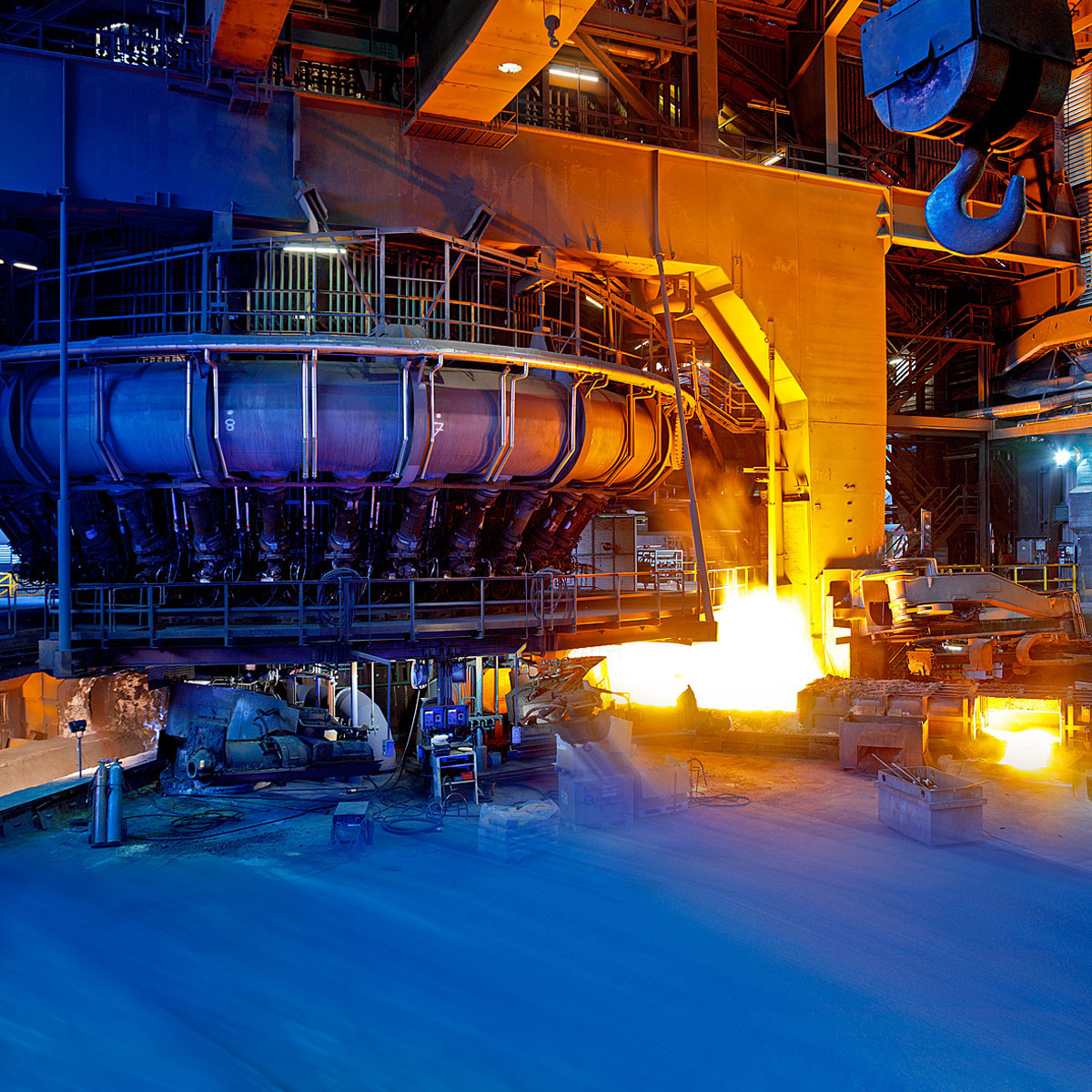
Spanish steelmaker Megasa has stopped operation at both electric arc furnace-based plants in Naron and Zaragosa due to high energy prices. The company already communicated its decision to the workers’ council last Friday and implemented it at the beginning of this week.
Kallanish understands the production shutdown should remain in place until 7 January and it should have no impact on the workforce for now.
While most employees are already on vacation after maintenance and training, Megasa management admits this is a temporary solution and decisions will be made depending on the energy price situation in early January.
It is not yet clear how much production will be lost due to these stoppages. Supply should not be affected in the short term due to the Christmas holiday period.
Since November Megasa has maintained limited operations at the Naron and Zaragosa plants, producing only during nights, weekends and holidays when electricity rates are lower.
Similarly, high energy and natural gas prices are continuing to impact steelmaking operations at the EAF-based mill of ArcelorMittal in Sestao. Production at the facility has been halted since 7 December due to maintenance and updating of equipment. The plant is expected to return to operation in February. The company is constantly monitoring electricity and gas costs, and these remain worrisome, ArcelorMittal comments.
It is thought other steelmaking operations in Spain could implement production adjustment schedules during the winter (see Kallanish 22 December).
Todor Kirkov Bulgaria
Danieli to supply two BFs to Vietnam’s Hoa Phat Dung Quat Steel
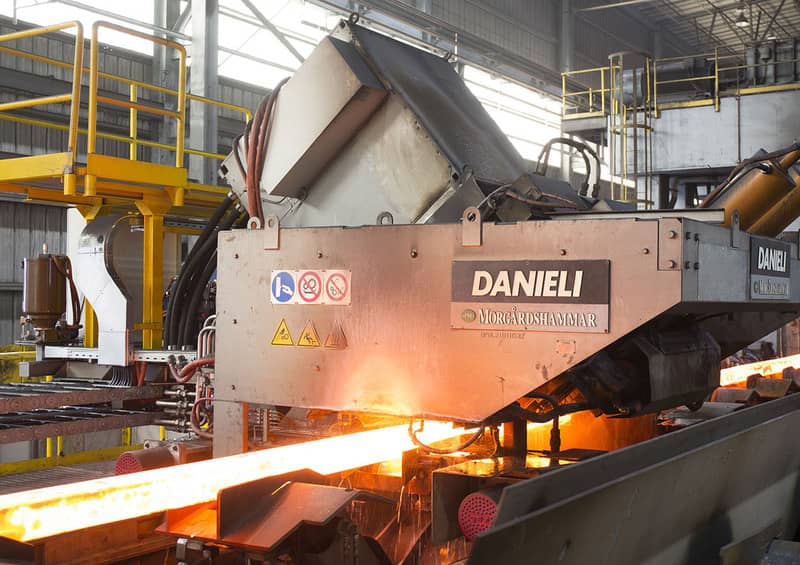
Italy-based engineering company and steel producer Danieli will design and supply two blast furnaces to Vietnamese steelmaker Hoa Phat Dung Quat Steel, adding 5.6 million mt/year of steel capacity to the Dung Quat steel complex, Danieli said Dec. 23.
The complex already has production capacity of 5 million mt/year.
Danieli said the two new BFs would each have a nominal hot metal production rate of 2.5-2.8 million mt/year and be equipped with the Danieli’s high-conductivity cooling and lining design based on copper-plate coolers and graphite refractories.
The contract also includes the supply of level-two process automation systems and pulverized-coal injection systems, with part of the hot-blast systems included.
Hoa Phat previously ordered four working-volume blast furnaces in 2017, which are all currently operating.
Earlier in December, Danieli said it would be supplying a new bar-in-coil line to India’s special steel producer Arjas Steel.
In September, the company upgraded two hot-dip galvanizing lines at MMK Metalurji in Dortyol and Istanbul, Turkey.
— Jacqueline Holman


Demand to drive steel prices in 2022: Colakoglu CEO
Demand, rather than supply, will be the main driver of steel price trends in 2022, Ugur Dalbeler, vice president of the Turkish Steel Exporters’ Union (CIB) and CEO of major Turkish steel producer Colakoglu, told S&P Global Platts, adding that his expectation for the coming year is positive.
“I am expecting growth-intended policies to continue in the first half of 2022. Although interest rate hikes could be seen in the second half of the year, particularly in the US, cheap money could continue to support demand for a while further,” Dalbeler said, adding that he is not expecting any change in policy by China.
Highlighting that supply issues drove the direction of prices in global markets in 2021, the CEO said demand would be the determining factor in price direction this year instead of supply, which will be the big difference compared to 2021.
S&P Global Platts’ daily Northern Europe hot-rolled coil assessment reached a record high of Eur1,190/mt EXW Ruhr in June, but prices have fallen since to Eur925/mt on Dec. 23.
“While steel production will return to pre-pandemic levels in 2022, energy bottleneck and input prices, however, could pull down mills’ profitability,” Dalbeler observed.
Significant increases in energy costs arising from the huge currency depreciation in Turkey have restricted Turkish mills’ competitiveness in domestic and export markets, especially in the second half of 2021, as energy is one of their major input costs. Turkey is largely dependent on imports of energy, particularly natural gas.
Turkey’s Energy and Natural Resources Ministry ordered some Turkish electric arc furnace steel mills to pause melt shop production temporarily for three days on Dec. 21, due to some energy supply issues arising from a natural gas shortage.
Protectionism rollback
Noting that protectionism has been prevalent in steel markets in recent years, Dalbeler said he is expecting this to be gradually rolled back.
“As the US and EU reached a deal on Section 232 duties, around 80% of the US steel imports became exempted. Negotiations with Japan and the UK are also ongoing. Only Turkey left in these circumstances,” the CEO said, highlighting that the EU also recently started the safeguard review period two months before the normal period.
The European Commission formally initiated a periodic review into its steel import safeguard measures on Dec. 17, which will also assess how changes to be introduced Jan. 1 to the US Section 232 import tariffs may affect steel trade flows, as reported.
“As the US and EU mills have made serious profits in recent years amid protection measures, there isn’t any strong base left for protectionist measures,” Dalbeler said.
— Cenk Can

Partanum Consulting joins EUROMETAL as associate member
Partanum Consulting GmbH will become an associate member of EUROMETAL as of January 2022.
CEO of Partanum Consulting is Friedhelm Wagner, a former Managing Director of Klöckner Global Sourcing GmbH (a subsidiary of Klöckner & Co SE) and former member of Management Board of ThyssenKrupp Schulte.
Friedhelm Wagner is since 45 years active in steel trading and steel distribution on national and international level:
- active since year 2013 in procurement and sales of specific raw materials for steel production;
- specialised in Steel Procurement & Sales of 2nd choice/declassified carbon steel flat & long products in cooperation with a German company responsible for purchase & sales;

- cooperation with a German company for the implementation of Energy Efficiency in the light of Co2 reduction processes for Steel Service centre, Steel mills & Steel – Distribution companies and a general and specific cost optimization program.
- cooperation with a German company for coaching of sales- people based on Total Quality Selling (TQS) which is the method hat considers the entire sales process from the receipt of an inquiry, or the first acquisition contact, up to the final sale including price negotiation & -adjustment processes.
Tata Steel UK supplies sections for Dogger Bank wind farm
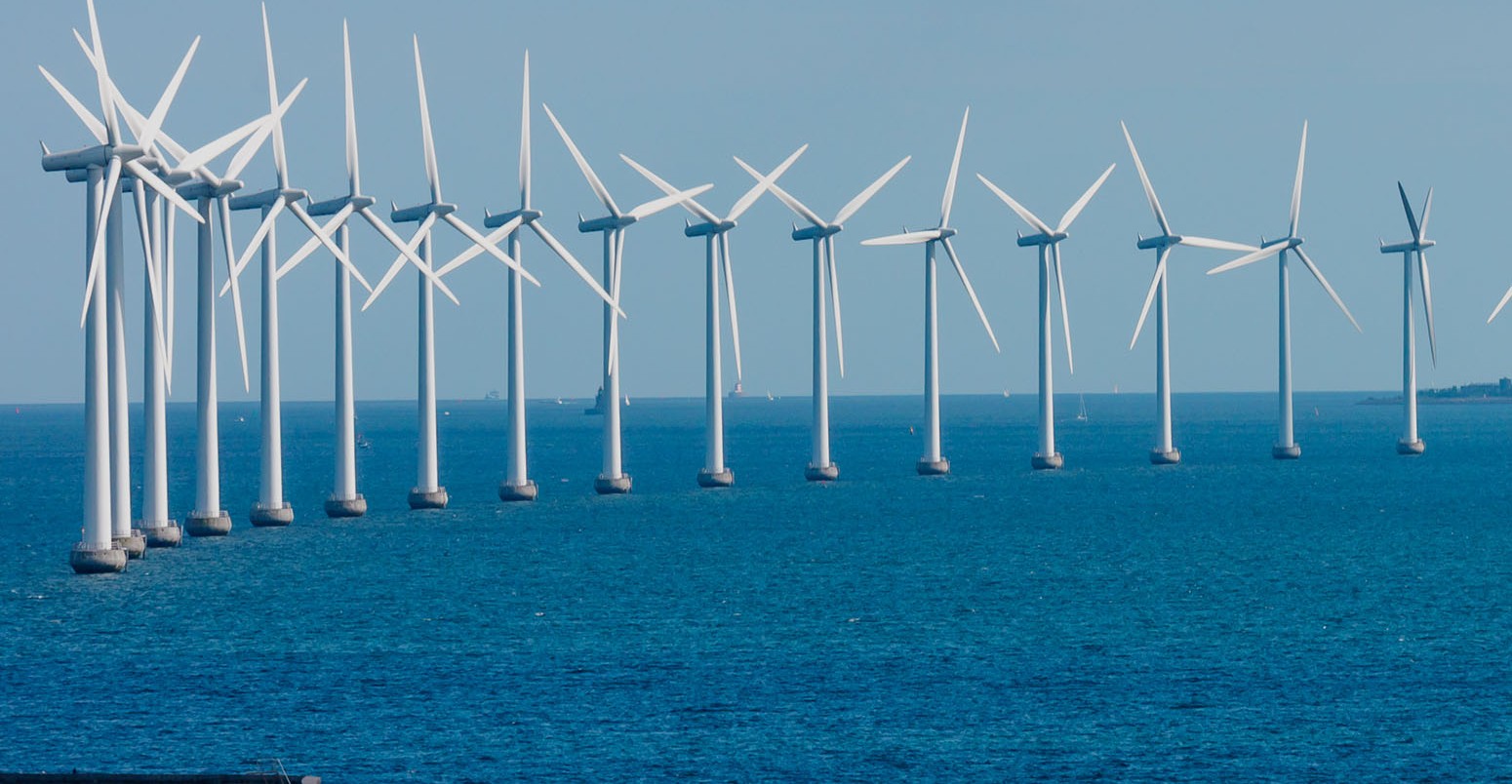
Tata Steel, which has steelmaking operations in the Netherlands and the UK and manufacturing plants across Europe, said Dec. 22 its UK-made steel is being used to create the world’s largest offshore wind farm, Dogger Bank, 130 km (81 miles) off the northeast coast of England in the North Sea.
Steel made in Tata Steel’s Port Talbot plant and processed into hollow sections at the company’s Corby and Hartlepool sites, all in the UK, is now being fabricated by one of the thousands of contract companies engaged building the first two phases of the Dogger Bank wind farm.
Tata Steel is supplying about 250 tons of steel per wind turbine. To endure the North Sea environment, this is made of the fully normalized hot finished hollow sections of EN 10210, designed to perform in the most arduous conditions. These hollow sections are going into the access platform and associated steelwork — the connection between the wind tower foundation and the jacket above.
Dogger Bank’s first two phases were reported to use 190 13MW offshore wind turbines, but the steelmaker has not specified whether its steel will be used in all of them.
“Huge amounts of steel will be needed to help the UK achieve its net-zero goals — to build everything from renewable energy and low-CO2 transportation to hydrogen production and distribution,” said Sandip Biswas, chairman of Tata Steel UK.
Based on the expected need for carbon capture, utilization and storage and hydrogen infrastructure, this additional demand for steel is likely to run into more than a million tons by 2050, according to industry estimates.
— Ekaterina Bouckley
HDG market participants uncertain about strong auto comeback in Q1
European hot-dipped galvanized steel prices softened Dec 22 as the market contended with hand-backs from automotive manufacturers amid the semiconductor shortage and the uncertainty of prices in the new year. Sentiment remained mixed about how quickly automotive demand would return in Q1, with some on the buy side still apprehensive to book if lower prices could be on the horizon, sources told S&P Global Platts.
A German distributor said mills were still trying to lock in key business by handing out discounts and added he did not consider the return of automotive demand to be a strong point for the new year.
“Mills are really under pressure to fill order books,” the distributor said. “For auto, it’s not the problem of microchips — it’s a problem of our future. Auto will never come back to their own strengths before this crisis because more countries are ruling that electric vehicles will be the future. They won’t need the same amount of steel; demand will go down.”
In the Italian market, a service center source was still skeptical about the strong return of the auto industry in Q1, despite chatter that major car manufacturer Stellantis was looking to restart production in the near term.
“No movement in automotive, no strong demand,” he said. “Stellantis are starting to allocate production, but not sure if this is the case.”
Others were more optimistic about a bounce-back, with some sources expecting a strong rebound in automotive demand and prices in Q1.
A European mill source said his forecast for Q1 was mostly focused on securing March orders with a “much better view” on automotive demand. The source confirmed that several OEMs had already announced more working shifts because of an easing in the shortage of auto components.
“Stellantis announced microchip and semiconductor issue is better for them,” the mill source said. “January is already better and am expecting peak demand.”
The source added that last week at a conference, a car manufacturer confirmed the restart of night shifts after Jan. 3 because of more availability of components.
“Auto has been low during the last quarter and it hit the mills — auto represents 20% of total production,” the same source said,
“Should they shut down completely or make discounts? That happened, but it’s over now,” the source said, highlighting bullish expectations for 2022.
— Amanda Flint

Vitkovice Steel appoints new chief executive
Vitkovice Steel has appointed chief financial officer Radek Strouhal as chairman and chief executive effective 1 January, replacing Dmitrij Ščuka who will leave the company after over ten years.
“The change in the company’s board of directors will not have any significant effect on the company’s day-to-day operations,” Strouhal says in a note seen by Kallanish. “We will continue to focus on our long-term priorities, in particular the quality of our products and services, and strengthening competitiveness.”
The Czech plate mill has bounced back into profit after several loss-making years, posting a CZK 25 million ($1.1m) net profit in the nine months through September. This was supported by strong steel demand and production efficiency improvement. The firm said the outlook was also positive despite rising utility prices.
Last year Vitkovice posted a CZK 267m loss. This was still better than previous years. The previous time the firm posted annual profit was in 2017 but this was due purely to high exchange rate profit from revaluation of shareholder loans. Before that, the firm last registered profit in 2008.
Vitkovice has a 755,000 tonnes/year capacity plate mill and seldom-used 170,000 t/y heavy sections mill. The firm switched to sourcing merchant slab when it shut down its 950,000 t/y electric arc furnace-based meltshop in 2015.
Adam Smith Germany
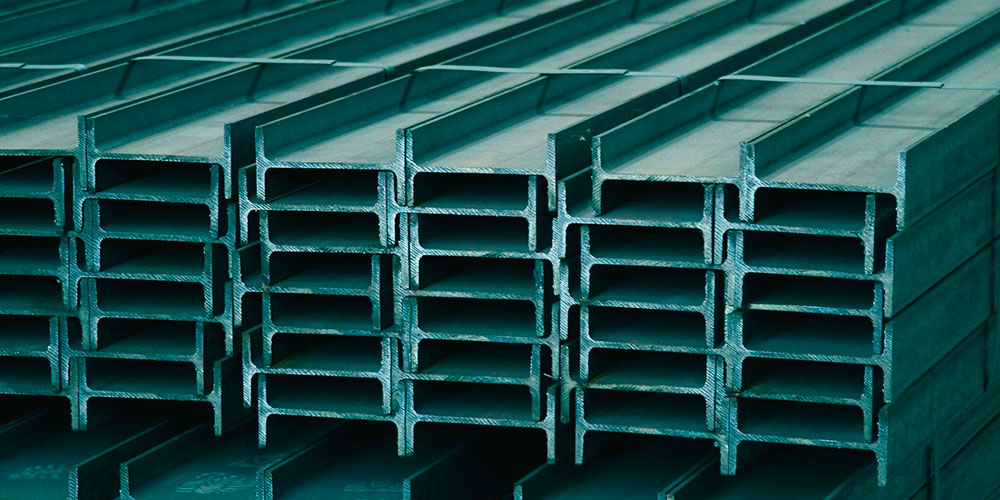
Global output slows further in November
Crude steel production in the 64 countries reporting to the World Steel Association (worldsteel) fell for a fourth consecutive month in November, by 9.9% on-year to 143.3 million tonnes. This was again the result of China, despite US and EU output growing, Kallanish notes.
On an on-month basis, global output was down 2%.
Chinese crude steel output slumped 22% on-year in November to 69.3mt. Indian, Japanese and South Korean production however rose 2.2%, 10.7% and 2.7% respectively to 9.83mt, 8.04mt and 5.92mt. Vietnamese output grew 6.7% to 1.91mt.
EU27 production grew 3.7% in November to 12.92mt, despite German output inching down 0.3% to 3.37mt. Italian output rose 6.3% to 2.18mt, while French growth was only 0.1% to 1.15mt, but Spanish production dropped 2.2% to 1.15mt.
Turkish production grew 6.1% to 3.42mt.
US production growth remained strong, rising 13.8% to 7.17mt in November, while Brazilian output grew 2.5% to 3.09mt.
CIS production is estimated to have risen 5.8% to 8.78mt, with Russian output estimated up 9% to 6.45mt and Ukrainian production confirmed down 0.2% to 1.73mt.
Global crude steel production in January-November nevertheless still rose 4.5% on-year to 1.75 billion tonnes, but slowed from 5.9% growth after ten months.
Adam Smith Germany
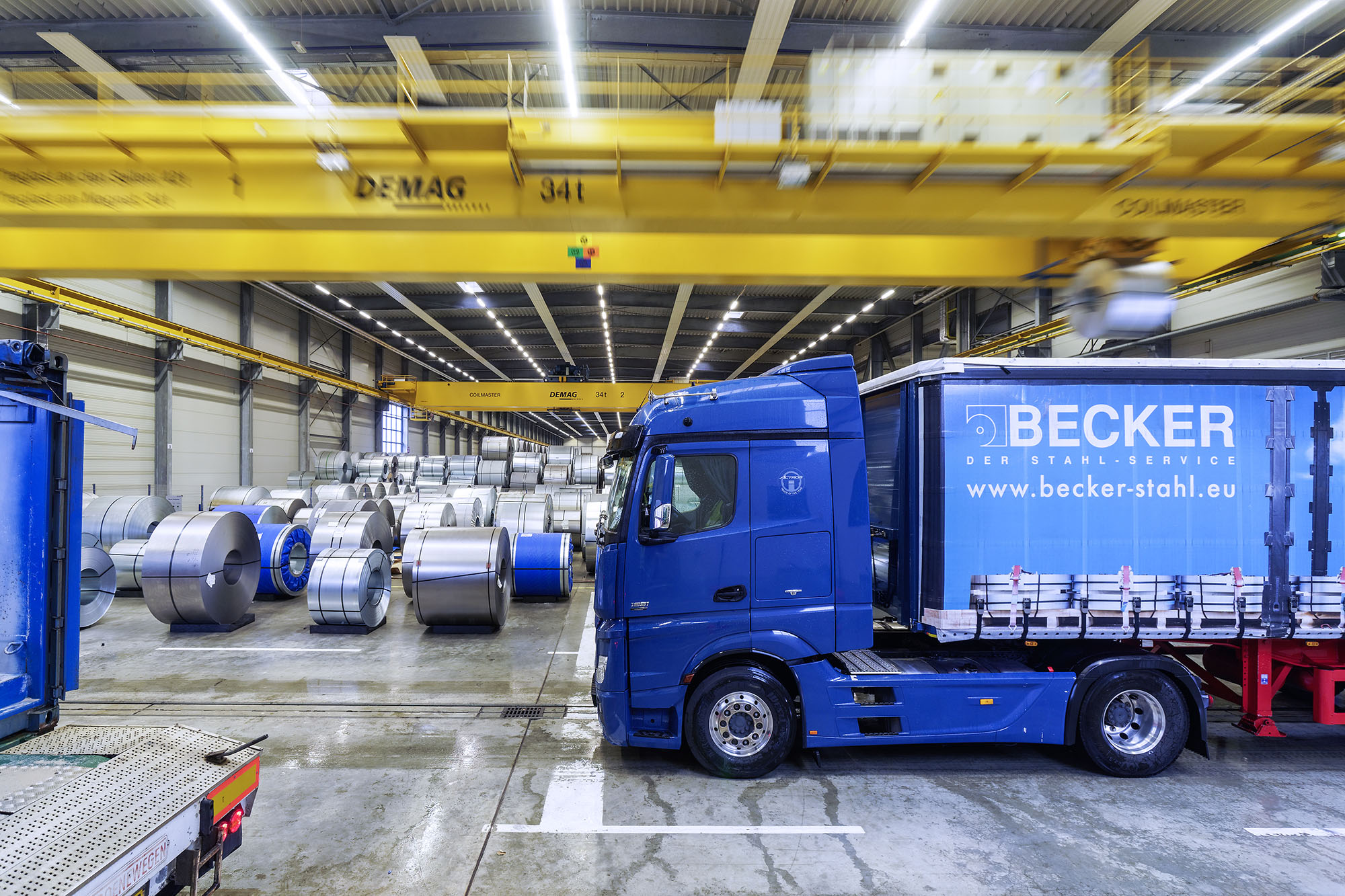
German stockholders return to ‘normality’ in third quarter
For Germany’s stockholding distributors, “normality kicked in” going towards September, their association, BDS, states in its review of the first nine months of the year.
By September, members had caught up from a low level of inventories throughout the entire first half-year, which was marked by good sales. A look at inventories suggests sales could have been even higher if supplies of steel had been too. This applies especially to all strip products, says BDS head of research Jörg Feger.
At the end of June, inventories totalled 1.92 million tonnes, 10% lower than one year earlier. September was then the first month in which the level was up on the corresponding time in 2020, by 3% at 2.16mt.
Sales in the third quarter came to 2.63mt, which was only slightly more than in Q3 2020. From January through September, sales totalled 8.24mt. Expressed in days of shipments, stocks during the first half were less than 60 days. By September, they stood at 72, which BDS considers still low.
Since then, the picture has apparently changed, with particularly high inventories observed at flat steel service centres, Kallanish hears from market sources. In the latest figures by EUROMETAL, the European stockholders association, strip mill products shipments fell 12% in October year-on-year. The same drop occurred in the long products segment. Stock volumes of long and other products stood at 79 days of shipments in October, compared with 66 days in October 2020, EUROMETAL says.
Christian Koehl Germany