

Liberty Czestochowa’s new strategy eyes 85,000t monthly shipments
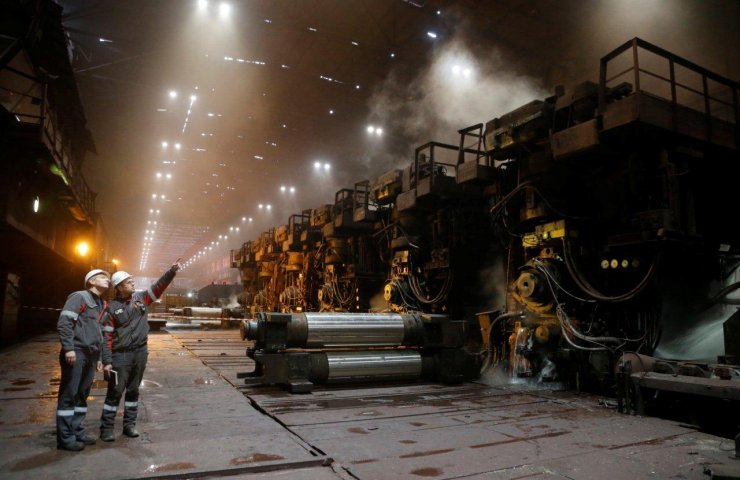
Liberty Czestochowa is aiming to reach 85,000 tonnes/month of plate shipments by end-2022, Liberty Steel Group’s new chief executive, Greensteel EMEA, Toker Ozcan, said during his first visit to the Polish plant this month.
The target is part of Czestochowa’s new “55-65-85” strategy, which will initially target shipments of 55,000 t/m by April 2022. This will be supported by a revamp of the plate mill in 2022, which will include upgrades to both cutting lines, as well as by streamlining logistics and improving the loading of plate. Also part of the new strategy will be the recruitment and training of new production workers.
“The goal of Liberty is to produce Greensteel, using modern technology, so that we can achieve carbon neutrality by 2030,” Ozcan said. “It is clear to me, having visited the Huta, that the team here are already working hard to achieve that goal. I believe Czestochowa has great potential if we can continue to improve our production.”
Last month Czestochowa resumed producing prefabricated steel products after a break of over a year due to the plant’s previous financial issues (see Kallanish passim). In August the firm said it plans to increase overall production to 1 million tonnes/year and boost its workforce after increasing output to the plant’s highest monthly levels since 2017.
Liberty took over the lease of the 700,000 t/y EAF and 1.2 million t/y heavy plate capacity Huta Czestochowa from Sunningwell International last December. It then completed the acquisition of the Polish plant at the end of May after being the only bidder in January’s sale tender.
Adam Smith Germany

Full inventories hurt northwest European service centres
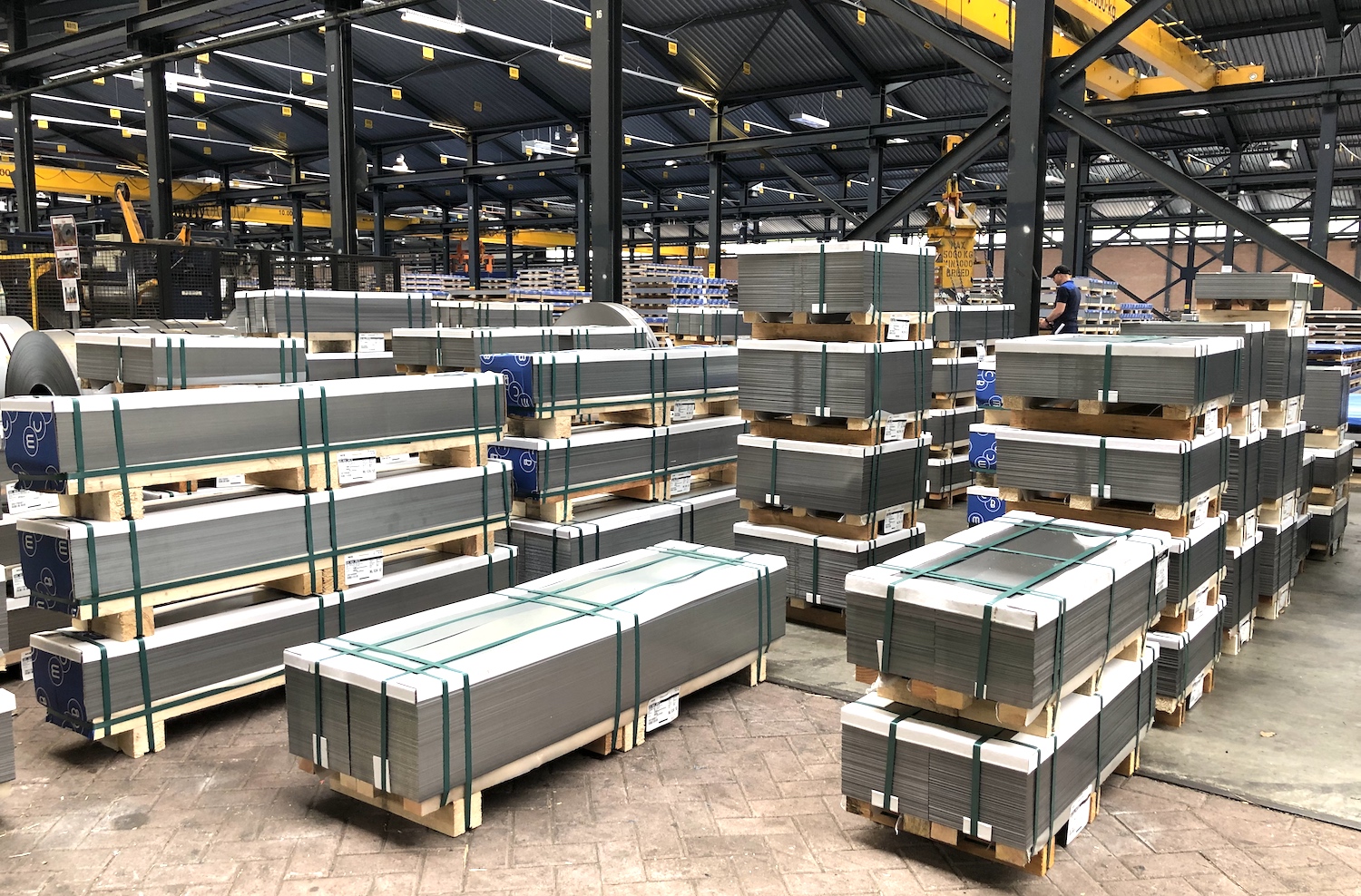
High stock levels are putting northwest European steel distributors, especially coil service centres (SSCs), in an awkward position on the intake as well as on the selling side.
They have little ambition to fill a full house with even more material, which makes them bad customers for mills upstream these days. If they do buy, it is only at low prices. But they are keeping discreet about it as they want to maintain the image of higher prices to their customers downstream.
“SSCs have plentiful material in their inventories which they bought at peak prices, so of course they try to get a good euro for it,” an observer from a regional mill tells Kallanish. According to European distributors’ association Eurometal, stocks at steel service centres in the EU expressed in days of shipments reached 63 days in October, up from 57 days in October 2020.
German SSCs have stood out from the crowd recently, citing relatively high prices from mills and denying that hot rolled coil can be had for less than €970/tonne ($1,097). This contrasts to transactions of €930 cited by a German multi-purpose distribution group. A Dutch service centre manager even sees the low end at €900, on the assumption that prices in the Benelux tend to be below those in Germany.
An explanation for this spread comes from a buyer of an automotive supplier, who doubts SSCs are all truthful with the figures they cite. “Their statements are diplomatic. They have their houses fuller than ever, and do not want to sell the expensive material too cheaply. For them, it is legitimate to make the market believe that mills’ prices are still close to their peaks,” he comments.
Christian Koehl Germany
Federacciai demands prime minister meeting to tackle energy
Federacciai has asked Italian Prime Minister Mario Draghi for an urgent meeting to address the issue of rising electricity and gas costs that are strongly impacting steel producers, the national steelmakers’ association confirms.
“The situation of our sector today is very critical, so much so that several companies are at risk of closure,” association president Alessandro Banzato says in a document sent to Kallanish. “If we do not intervene immediately to try to mitigate an energy cost that is now unsustainable, not only for families but also and above all for companies, the great risk is that many will stop producing and that we will not be able to achieve the recovery … It is therefore urgent that Draghi opens a discussion table to find effective and suitable solutions in the shortest possible time to solve or at least contain this problem.”
Italian steel trade association Assofermet previously asked the government to come up with urgent measures to combat the skyrocketing increases in costs of electricity and gas (see Kallanish passim). In a letter to authorities, it said there is an evident need to conceive structural measures to allow companies to plan for the future on a solid basis.
Natalia Capra France
Italian beam producers stop sales
Italian sections producers and their distribution branches are stopping sales this week, in line with other long products makers in Italy (see separate article). Sources believe steelmakers will return to quoting from 10 January after the Christmas holiday break, Kallanish hears.
The leading producer in the market is also idling production for three weeks starting this week.
Prices for the first category of sections remain stable compared to the beginning of the month in a market that seems to be already on holiday. Large service centres have this week continued to implement high discounts to get rid of stock. December purchases by distributors of long products are said to have been rather weak.
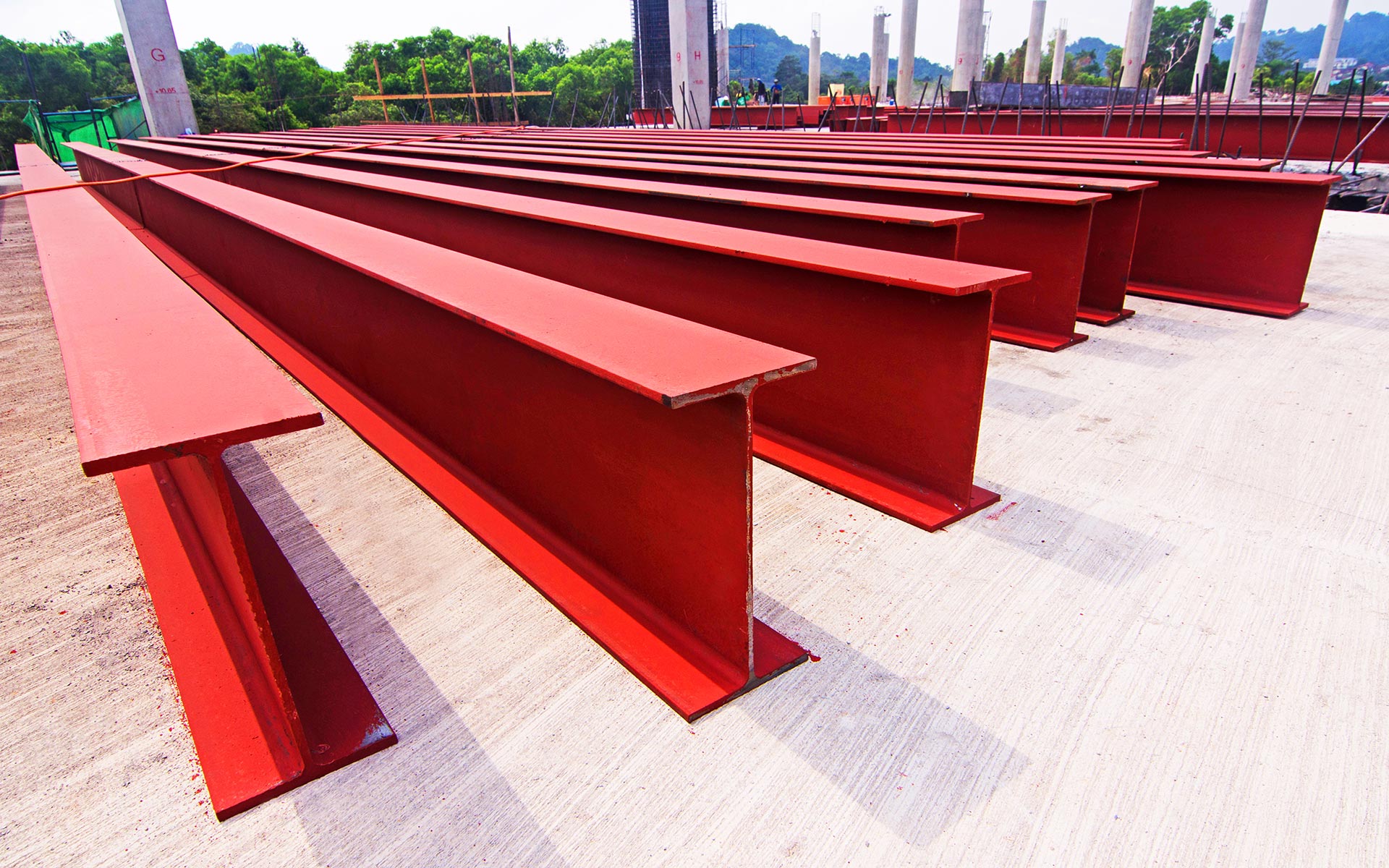
Prices for the first category of beam remain at €570-580/tonne ($642-653) base ex-works. Including €380-390/t average size extras, domestic beams start at €950-960/t ex-works. Values increase by €20/t for each subsequent category, sources suggest.
Meanwhile, merchant bar prices also remain stable at €470-500/t base ex-works. Including size extras, values stand at €890-910/t ex-works.
Natalia Capra France

Russian scrap export duty may rise further
The Russian government says it does not rule out another increase in ferrous scrap export duty in 2022, were new global scrap price increases to continue supporting scrap export sales.
According to deputy industry and trade minister Victor Yevtukhov, the government will be monitoring the situation after the minimal €100/tonne ($113/t) of the 5% export duty level comes into force on 1 January for 180 days. If prices and export volumes continue to rise, “we will propose another increase to the duty, as out task is to keep the essential feedstock in the country”, he says.
The 5% duty’s minimal level was hiked from the present €70/t to €100/t on the perceived shortage of the feedstock supplied to domestic mills, driven by petitioning from the steelmakers’ strong lobby and ignoring the position of recyclers.
Last weekend, the country’s scrap association, Ruslom, called on deputy economy minister Vladimir Ilyichev in a letter to prevent the rise, underlining the damage the preventative duty will have caused to the industry. It cited the lowest collection rates in the past decade after the minimal level of duty was increased to €70/t on 1 August.
At 9.7 million tonnes, scrap collection fell 11% on-year in August-November, despite firm prices, as exports fell sharply due to the duty rise, curbing liquidity. Russian scrap export volumes have already fallen 12% on-year in the first ten months of the year to 3.5mt, while Russian steel product export sales also declined amid new temporary duties, also from 1 August. These have curbed pricing flexibility and coincided with the descending dynamic in global demand and pricing (see Kallanish passim).
On 3 December, the Ukrainian government increased the scrap export duty to €180/t, which is more than three times the previous duty, after the country’s scrap exports rebounded to pre-duty levels during 2021. Most Russian and Ukrainian scrap is supplied to Turkey. At 1.5mt, Russian-origin scrap imports in January-October dropped 26% on-year. In January-November, Ukraine meanwhile supplied 550,000t to Turkey, 11 times up on-year.
Turkish scrap import prices peaked at $512.50/t cfr Turkey for premium HMS 1&2 80/20 on 24 May, and settled at $460/t cfr on Wednesday, according to Kallanish indices.
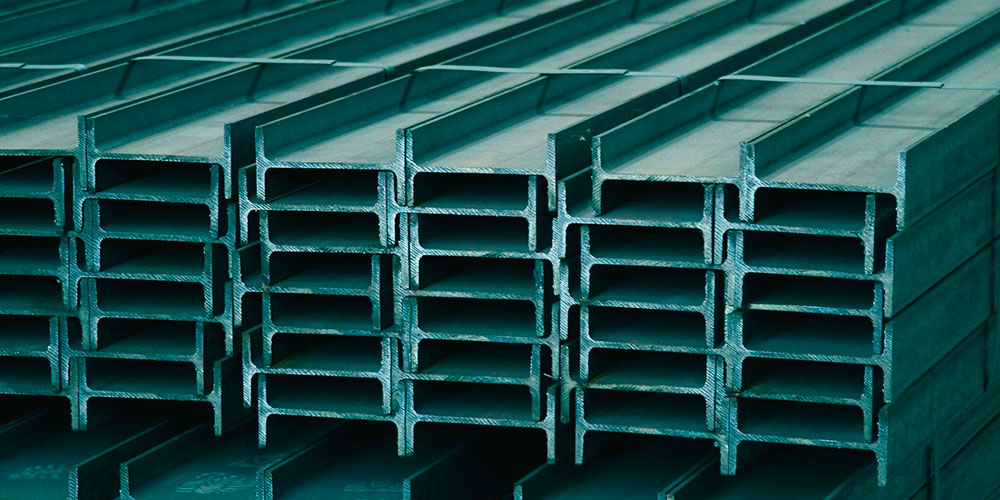
Italian steel output hikes again
Italian crude steel output increased again in November after rising in previous months, according to data issued by local steelmakers association Federacciai.
Last month, crude steel production rose by 6.3% year-on-year to 2.1 million tonnes, Kallanish notes. Output also hiked in the first 11 months of the year, by 22% on-year to 29.9mt.
Italian flat steel production rose by 14.5% to 1mt in November, and by 18.3% to 10.2mt in the first 11 months of the year.
Longs output also increased last month by 6.7% to 1.1mt, and rose by 23.8% to 12.7mt in January-November, Federacciai says.
Natalia Capra France
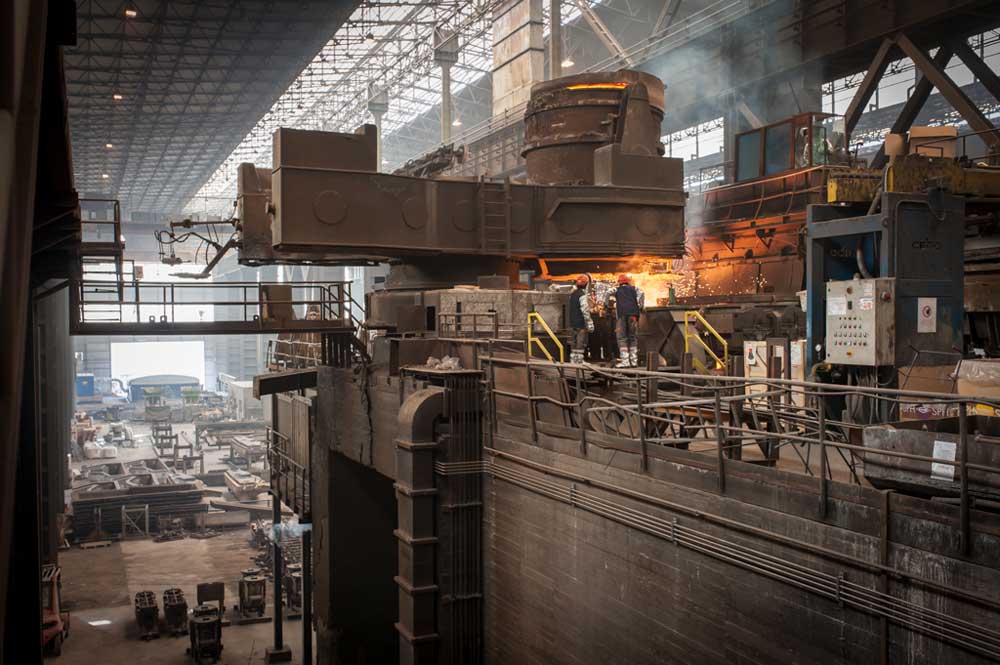
Galati hot strip mill automation boosts productivity
Liberty Galati has invested €5.5 million ($6.2m) into the automation of its hot strip mill’s roughing stand and pusher furnaces, which will increase the line’s productivity. It is also replacing all old transformers with modern ones to improve environmental footprint.
The investment will also better integrate technical and operational decisions, improve the quality of coil, and strengthen safety processes, the firm says.
“2021 is the first year we have been really able to see the impact of the modernisation and operational efficiency,” Galati executive director Prasanta Mishra says in a note seen by Kallanish. “The Hot Strip Mill team’s results prove their commitment to deliver both the quality and volumes demanded by customers.”
The Galati steelworks increased third-quarter production by 20% year-on-year. By the end of 2021 the firm will have hired almost 650 new employees this year, with 100 new roles created by increased production, as well as ‘greensteel’ transformation digitalisation and automation projects (see Kallanish passim). Production is expected to reach 3 million tonnes this year.
Adam Smith Germany
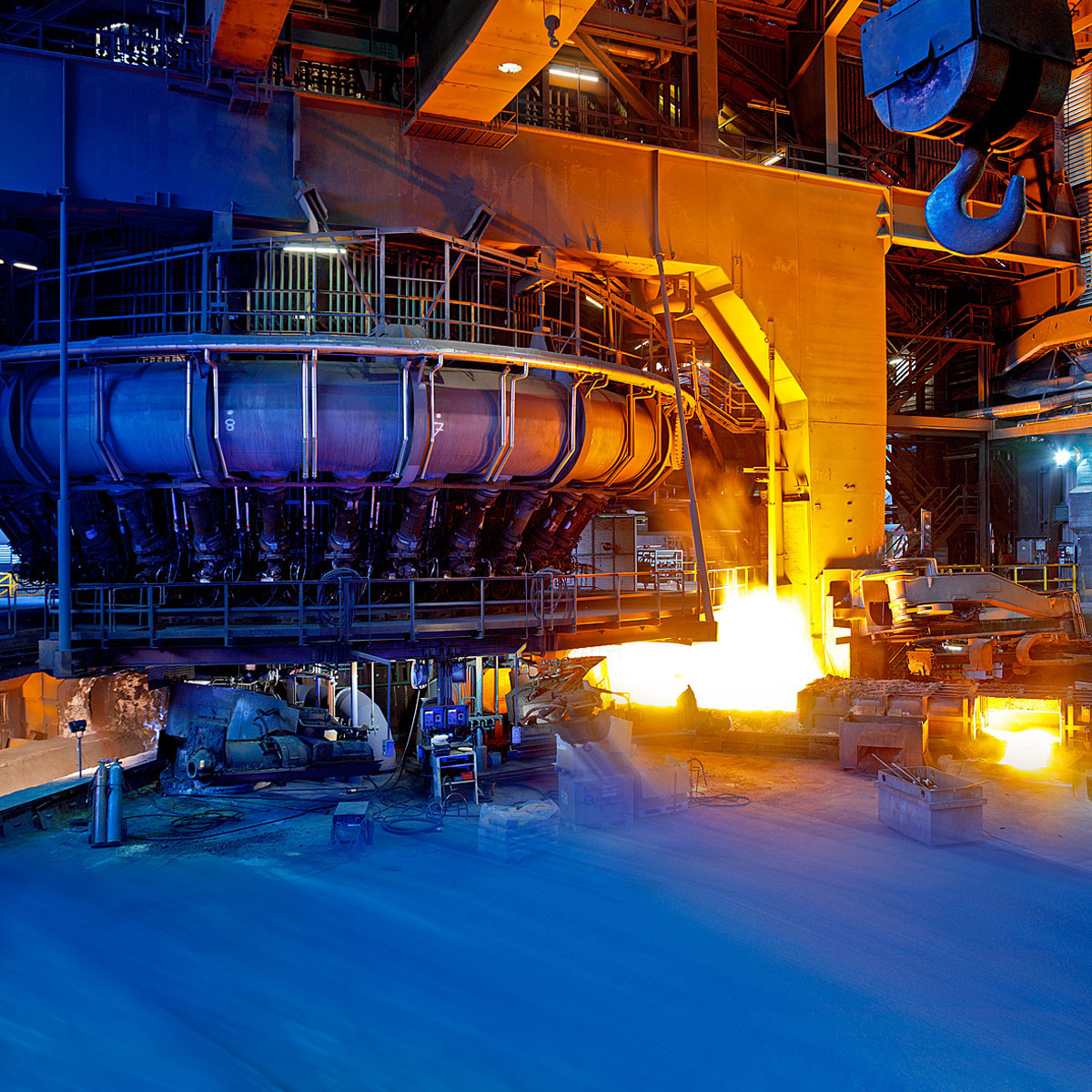
Assofermet seeks government intervention in rising electricity costs
Italian trade association Assofermet has asked the government to come up with urgent measures to combat the skyrocketing increases in costs of electricity and gas.
In a letter to authorities seen by Kallanish,the association voices its satisfaction over the government’s recent actions on the issue. However, there is an evident need to conceive structural measures to allow companies to plan for the future on a solid basis, Assofermet says. “The European Council failed to find an agreement on energy prices [in last week’s meeting]. We are confident that the executive led by Mario Draghi will succeed to implement measures as soon as possible that can permanently sort out the issue,” Assofermet says.
Italy is impacted by increased energy prices more harshly than other nations. The country’s energy price index, the so-called Prezzo Unico Nazionale PUN, stood on 20 December at €340/MWh ($384), up from €70/MWh only six months ago. The French value was €217/MWh on the same day, the Spanish figure was €200, the German index stood at €177, and the Scandinavian countries’ index was at €90.
Assofermet’s letter calls for a selective approach that avoids further increases that will compromise the steel value chain.
In a virtual presentation last week, Alfa Acciai chief executive Amato Stabiumi said he sees 2022 as “a question mark” due to the high cost of gas and electricity the company will have to face.
This year has been a better year compared to 2020 in terms of turnover and margins, but since October Italian steelmakers have had to pay an increase on electricity and gas prices of over 500% (see Kallanish 14 December). Italian longs producers and distributors have increased their prices significantly since electricity costs started to climb and forecast they will be strongly impacted in 2022.
Natalia Capra France
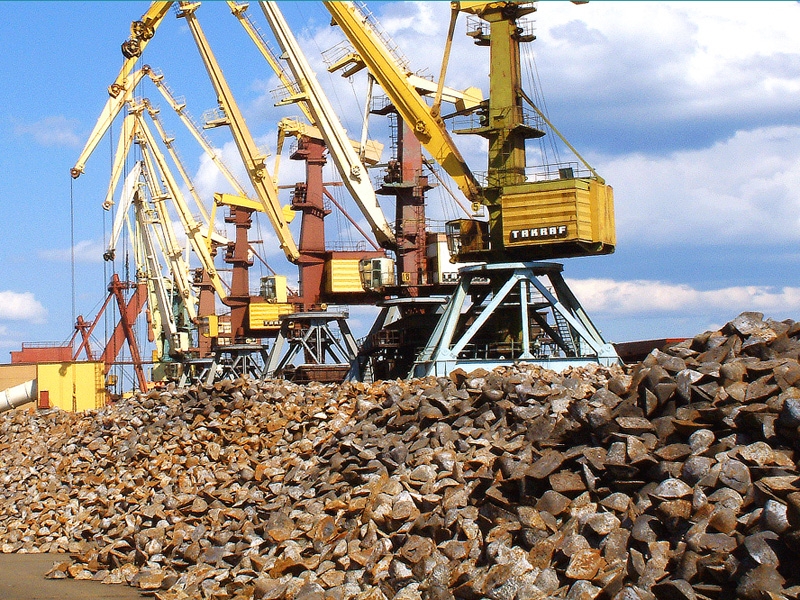
Iron ore marches on as output hikes
Seaborne iron ore prices have again charged higher on an expected recovery in steel output this month and in the first and second quarters next year. Early December output is already increasing, as predicted by Kallanish’s own data.
The Kallanish KORE 62% Fe index increased $3.47/t to $119.37/dry metric tonne cfr Qingdao. The Kallanish KORE 65% Fe index appreciated $3.93/t to $138.67/dmt cfr, and the KORE 58% Fe index went up $2.71/t to $89.42/dmt cfr.
On the Dalian Commodity Exchange May iron ore settled up CNY 2/t at CNY 684.5/t ($107.42/t), while on the Singapore Exchange January 62% Fe futures settled up $4.61/t at $124.49/t. The same contract for 65% Fe and 58% Fe futures settled up $4.84/t at $144.85/t, and up $4/t at $84.95/t respectively.
Chinese scrap and billet prices have also been moving higher. 6mm+ heavy scrap delivered to mills in the Yangtze River Delta gained CNY 41/t from Friday to CNY 3,534/t on Monday. Tangshan billet meanwhile increased CNY 60/t since Friday to CNY 4,420/t.
According to the China Iron and Steel Association (CISA), daily crude steel output at its member mills was up 12.66% from late November in the first ten days of December at 1.934 million tonnes/day. That was the highest output since mid-September. As noted in Kallanish China Steel Intelligence, satellite data monitoring of blast furnaces around Tangshan and elsewhere already began to show the recovery in output at some mills since the end of November.
Steelmakers have hit their production reduction targets and many, though by no means all, are ramping up output to cash in on strong steel margins before the end of the year.
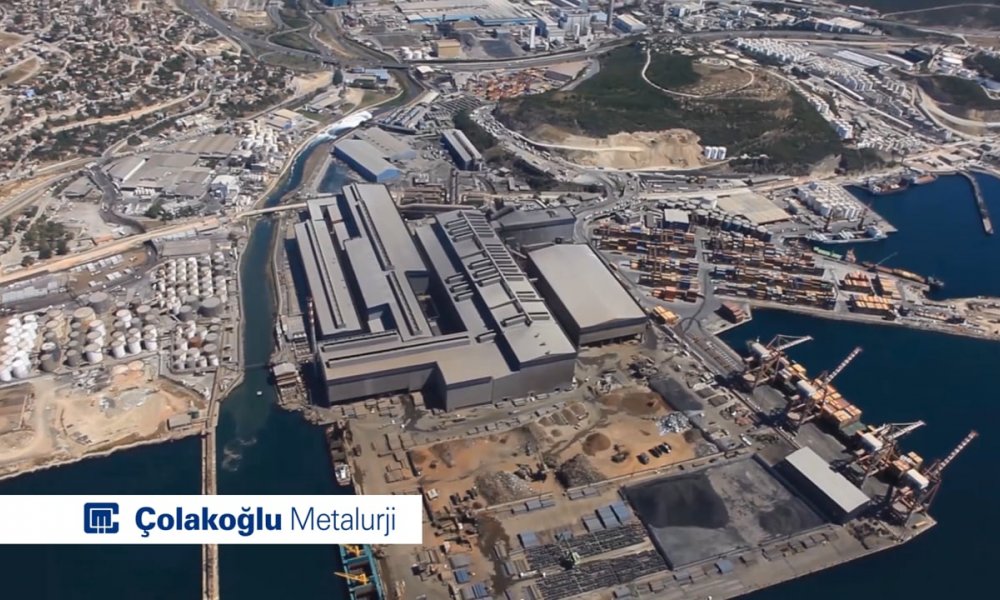
Turkish steelmaker Colakoglu aims to raise capacity by 50% by end-2022
Major Turkish steelmaker Colakoglu is to raise its output capacity by 50% to 4.5 million mt by the end of 2022, CEO Ugur Dalbeler told S&P Global Platts Dec. 20, adding that the company has already started investment in the project.
Colakoglu is also aiming to cut its CO2-emissions and costs with a new technology supplied by Smart Steel Technologies (SST).
“In doing so, we are convinced of the importance and necessity of using new technologies in the future-proof steel production process. Thanks to the use of SST software, Colakoglu will be able to achieve maximum cost savings and take an indispensable step to-wards the digitalized and CO2-neutral future in steel production,” the CEO said.
Colakoglu started production of special grades of stainless sheet in October 2020, in line with the company’s target of focusing more on value-added steel.
With the rise in Colakoglu’s HRC production capacity and a new 3.5 million mt HRC mill project by another major Turkish steelmaker, Tosyali Demir Celik, installed HRC output capacity in Turkey is expected to exceed 23 million mt in the coming years, which is set to limit the country’s HRC import volumes.
Russian steel giant Magnitogorsk Iron & Steel Works also resumed operation of its 2.3 million mt/year hot mill at MMK Metalurji in Turkey in July this year.
— Staff, Cenk Can
