


Turkish HDG exports soar on EU demand, dumping probe raises concerns
Demand from European countries, particularly from southern Europe, continued to support Turkish mills’ coated coil exports, however the EU’s dumping probe on Turkish HDG has begun to raise some concerns among European buyers in recent weeks, sources told S&P Global Platts.
The European Commission (EC) opened an investigation into hot-dip galvanized coil imports from Turkey and Russia on June 24, alleging imports of certain corrosion-resistant steels originating from these countries were being dumped, as Platts has reported.
Pre-disclosure of the investigation is expected on Dec. 24, while provisional measures, if any, will be imposed by the EC until Jan. 24, 2022, informed industry sources told Platts. Definitive measures could be announced on July 20, 2022.
EU customers have begun to ask in recent weeks if they can share any dumping duty amount with Turkish sellers, if provisional duties will be imposed in the New year, according to a Turkish source. Turkish mills have been offering for late-December, January.
Turkish mills exported 1.43 million mt of coated coil to global markets in widths of 600 mm and above in January-August, 300,000 mt higher on year, according to the latest monthly Turkish Statistical Institute (TUIK) data observed by Platts.
EU countries remained Turkey’s top coated coil export destinations by far in that period, despite the dumping investigation opened in June.
Spain was Turkey’s main coated coil buyer in January-August, importing 365,800 mt, while Turkish mills’ coated coil exports to Italy reached 117,700 mt, both, 67% higher on year.
Portugal imported 124,200 mt of coated coil from Turkey in the eight-month period, more than double on year, while Belgium was Turkey’s other main coated coil buyer importing 116,400 mt, down 32% on year.
Turkish mills’ other coated coil export destinations in January-August were: Romania (82,400 mt), Greece (77,900 mt), UK (63,500 mt), US (51,600 mt), Ukraine (52,400 mt), Bulgaria (45,800 mt) and Canada (43,200 mt), the latest data showed.
— Cenk Can


European HRC in stalemate, demand improves further in South
European HRC prices remained stable Oct 21, with some slight increases in Italy after a deal was confirmed at Eur930/mt ex-works Italy. One Benelux-based source said it was likely we would see an increase in Q1 dependent on the viability of demand. Demand was still rather tepid, with more availability seen on hot-rolled coil versus cold-rolled coil and hot-dip galvanized, sources told S&P Global Platts.
Platts assessed North European HRC prices stable at Eur1025/mt ex-works Ruhr and in southern Europe, the price was assessed up Eur2/mt to Eur927/mt ex-works Italy Oct. 21.
“Everyone that is quiet is searching for demand and orders,” the same source said. “Demand is rather slow, but there is more material of every coil comparable to a month ago.”
On imports, the same source had heard of production problems in China and India due to energy costs, with the likelihood they would close some production lines for a several days.
Several mills across Europe have also been contending with returned orders initially promised to the automotive sector, leading to a glut of material in Italy.
Prices for HRC were heard between Eur1000-1025/mt ex-works Ruhr, and for CRC and HDG prices were heard between Eur1160-1200/mt ex-works Ruhr.
As productivity is set to increase in Q1, the market remains mixed about pricing direction, with some expecting stability, and some seeing the availability situation translating to lower prices.
As energy costs continue to rise, there has been a spark of bullish pricing sentiment from those who expect the cost of producing steel to increase, with uncertainty about how mills will be able to manage the cost of electric arc furnace (EAF) production for the future.
— Amanda Flint

EU skips India/Indonesia stainless duty, imposes electrode duty
The EU has decided not to impose anti-subsidy duties on imports of stainless steel cold-rolled flat products originating in India and Indonesia. This goes against the expectations of European steelmakers’ association Eurofer.
In May, the EU imposed 13.6-34.6% anti-dumping duties on imports of stainless steel cold-rolled flat products from India and Indonesia, a move which Eurofer welcomed, adding that it expects anti-subsidy measures to follow (see Kallanish passim).
Separately, the EU has imposed a provisional anti-dumping duty on imports from China of graphite electrodes used for electric furnaces falling under HS code 8545 11 00. The duty rates applicable to the net, free-at-Union-frontier price, before duty, are 17.5-66.5%, depending on company (see table).
| Company | Duty rate |
| Fangda group composed of four producers: Fangda Carbon New Material Co., Ltd; Fushun Carbon Co., Ltd; Chengdu Rongguang Carbon Co., Ltd; Hefei Carbon Co., Ltd | 24.5% |
| Liaoning Dantan Technology Group Co., Ltd. | 17.5% |
| Nantong Yangzi Carbon Co., Ltd. | 24.5% |
| Other cooperating companies | 21.6% |
| All other companies | 66.5% |
Adam Smith Germany

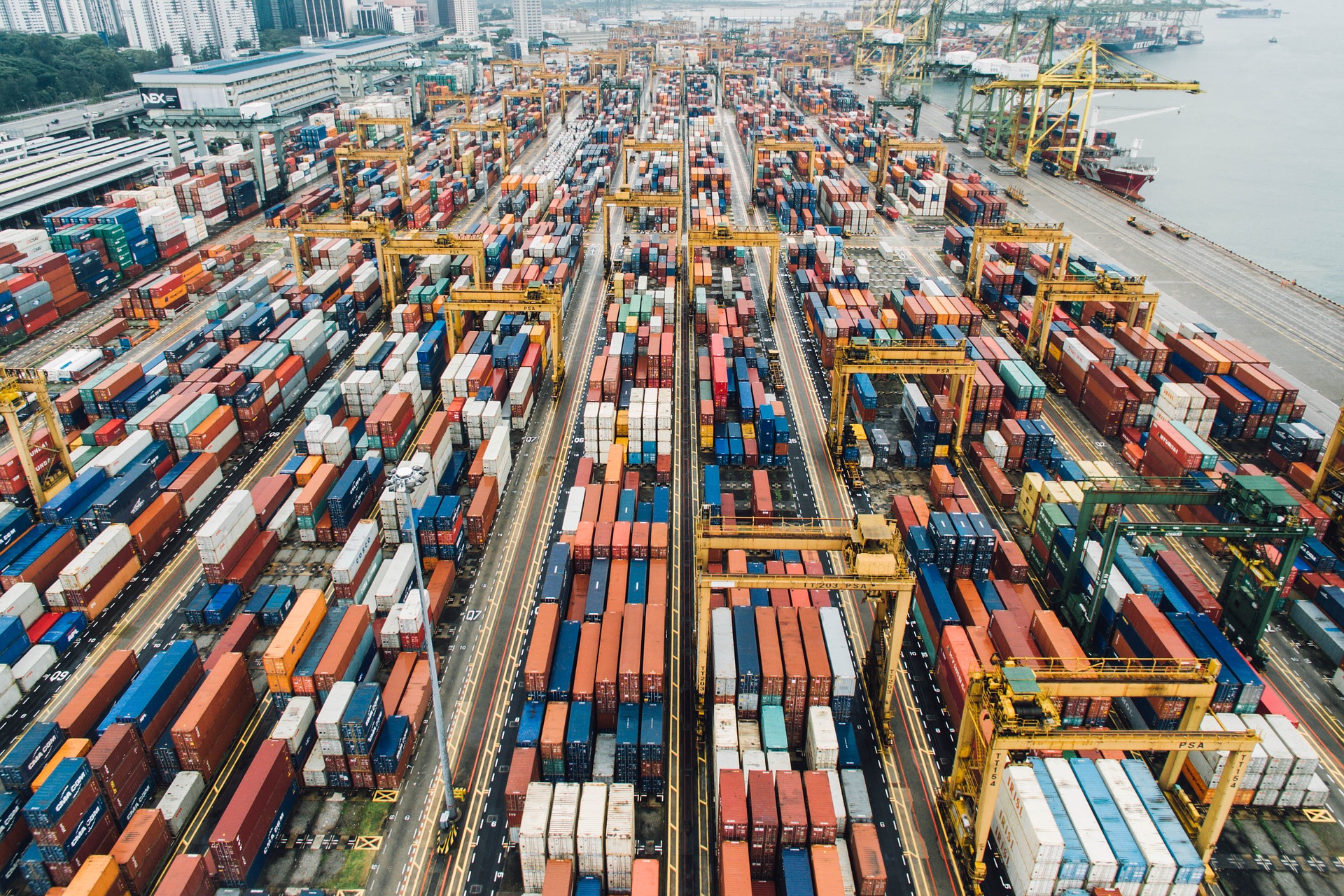
China’s steel production to sustain, exports will decline
China’s steel production could remain at around 1 billion tonnes/year for the next ten years, but large volumes of steel exports will no longer be allowed, according to China Iron & Steel Association chief economist Wang Yingsheng.
At a conference held earlier this week, Wang Yingsheng said he believed the industrial foundation of the domestic steel industry will remain basically unchanged in the next ten years. The dual limitation on Chinese output that comes from energy consumption and peaking carbon, as well as the move towards carbon neutrality mean China’s steel industry no longer attaches great importance to exports, he added.
Under the requirements of industrial upgrading, China hopes to end low-end steel exports, Kallanish notes. The export peak for China’s steel industry was in 2015, when steel export volumes exceeded 110 million tonnes for the year.
Meanwhile, the economist also said that crude steel production needs to be controlled within 2.5 million tonnes/day for the remainder of this year, in order to meet the target of stabilising steel output on-year. China’s National Statistics Bureau data show crude steel output increased by 2% year-on-year to 805.88 million tonnes by end-September.
In order to match the 1.065 billion tonnes of output seen in 2020, production in October-December needs to be limited to within 259mt, which means 86.3m t/month on average. Based on September output of 73.75mt, China should not only easily reach the goal of not increasing crude steel output, but may even see a decrease in output. Winter output restrictions and power shortages are expected to continue, but pressure to meet China’s annual target is easing.
By Kallanish Team
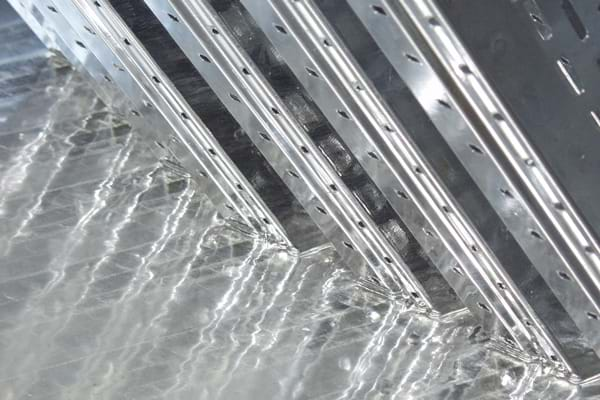
EU HDG market faces auto cancellations, mills finalize contracts
North Europe hot-dip galvanized sheet prices remained relatively stable over the week to Oct. 20 as ambiguity remains rife in the market. There was little change in the automotive demand situation as more mills and distributors face further cancellations from automobile manufacturers, sources told S&P Global Platts.
A European mill source said producers were starting to offer for automotive contracts around Eur1300-1400/mt ex-works Italy, while an Italian trader said a major European carmaker was able to achieve Eur1250/mt for a long-term HDG contract, given the evident decrease seen in spot prices.
“Automotive continues the same, we are getting cancellations one day to another. People are pushing for improving delivery times, now you have to cancel delivery because of cancelled production,” the mill source said.
Recently, distributors and stockholders have been concerned about a sudden increase in demand, with little material to go around.
As more material becomes available due to untaken automotive volumes, however, recent plans for production ramp-ups have come into question.
“The productivity decision was given some months ago before summer, so it’s delayed,” the mill source said. “I don’t know what the reality will be. Volatility is huge – energy costs and the supply chain are so under pressure.”
Import pressure continues to add to the ambiguity on HDG prices, as well as the nascent presence of gas and carbon surcharges from mills, which have become huge talking points around the long-term viability of prices.
A second Italian trader said as of Oct. 18, Russian producers have used 50% of their quota balance, with Turkey extremely close to exhausting its own allocation for Q4, and India’s quota balance also filled.
— Amanda Flint, Laura Varriale
Italian steel prices to rise on economy, energy and COVID-19 protests
Italian steel coil prices have likely reached a floor, with prices expected to move up thanks to the country’s economic recovery, higher energy costs and protests against the introduction of national COVID-19 mandates, market sources said Oct. 19.
Demand had returned to the market with buyers needing to increase stocks, although high costs, logistic problems and COVID-19 safeguard rules were decreasing access to products, sources said.
The government is implementing a “Green Pass” requirement to work in the country. This would show whether a person has been vaccinated against COVID-19, has recovered from the virus in the last six months or has tested negative in the past few days. The move has led to anti-Green Pass protesters striking at ports, impacting some capacity, as well as trucks transporting steel.
“In Italy about 13% of workers are not vaccinated, which corresponds to about 3 million workers,” an executive from Assofermet, the association of Italian service centers, told S&P Global Platts. “It is estimated that about 2 million workers, equal to 9% of workers, do not have the possibility of obtaining the Green Pass due to an insufficient number of COVID tests available”
One market source was optimistic about prices, noting that Italy’s economy was already starting to improve due to the vaccination rollout, but added “the Green Pass in Italy will make things difficult.”
Another market source said he had heard about some trucks being unable to enter at port at Ravena due to the protestors.
Sources said the real impact was less than seemed based on domestic headlines, but added there were real issues linked to the Green Pass.
One of these is that some drivers had been vaccinated with the Russian Sputnik COVID-19 vaccine, which had not been approved by the European Medicines Agency, meaning they could not receive the Green Pass.
With protestors having started to occupy key areas such as ports and city centers in Italy on Oct. 15, the country had started to experience a shortage of drivers of large trucks.
“The costs for unloading and for the handling of goods at ports have increased significantly compared to last year,” the Assofermet executive said. “The storage costs have remained substantially unchanged but we must consider that, due to the increase in the quantities in storage at the ports, the storage periods necessary for the disposal of the quantities consequently increase, thus increasing the overall cost.”
HRC ex-Italy slid Oct. 19 by Eur5/mt week on week,, to Eur932/mt base.
— Annalisa Villa, Amanda Flint
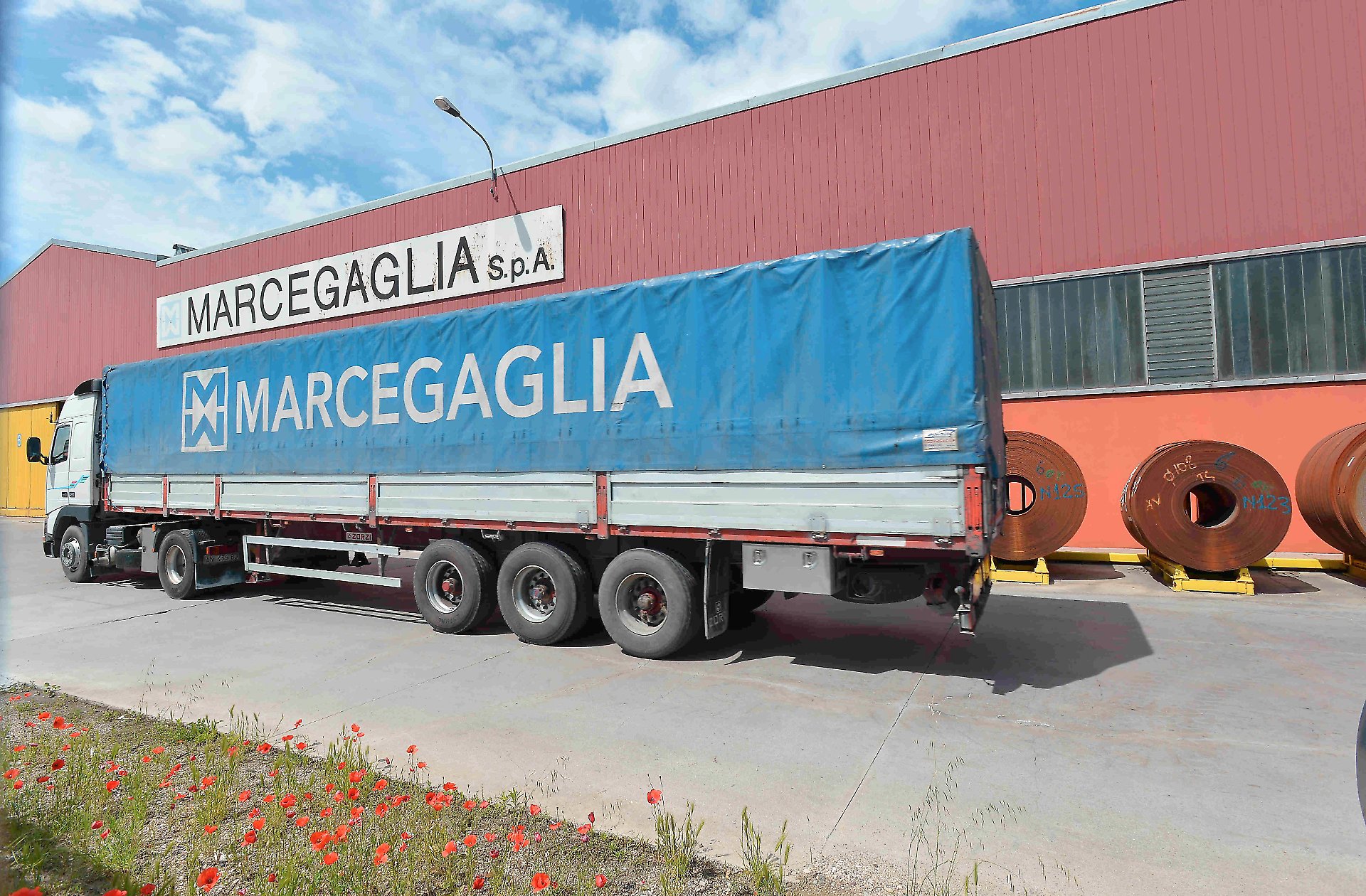
Zaporizhstal starts new CRC production for Marcegaglia Poland
Ukrainian flat steel producer Zaporizhstal, partially owned by Metinvest, has begun production of a new DC01 grade cold rolled coil in widths of 1,500mm with cut edges for key client Marcegaglia Poland.
The development of this product lasted three months.
This is the fourth new product type for Zaporizhstal in 2021, the plant claims. Earlier, it expanded the size range of DC01 CRC, and began production of hot rolled coil with boron microalloying, as well as SAE 1006 HRC.
In 2020, Zaporizhstal produced eight new types of HR and CR steel. In 2021 it plans to offer seven new types of products.
The plant increased steel output in January-September to 2.93 million tonnes of crude steel, up by 5.6% on-year (see Kallanish passim). Pig iron production was down 0.6% to 3.3mt but rolled products output rose 4% to 2.46mt.
In September alone, Zaporizhstal reduced pig iron production by 13.9% on-year to 332,900 tonnes, after it completed the overhaul of blast furnace No.4. Crude steel output decreased by 12.9% to 284,500t and production of rolled products declined 22.7% to 213,700t.
In 2020, Zaporizhstal increased pig iron production but steel output decreased.
Metinvest is exploring the possibility of building an electric arc furnace mill in Ukraine for an investment estimated at $3.5-4 billion. The new complex will include two direct reduction iron modules, two EAFs and two casters. Zaporizhstal’s steel plant could also switch to EAF steelmaking in future.
Svetoslav Abrossimov Bulgaria

BMW to source green steel from Swedish producer
BMW Group has reached an agreement to source steel from Swedish start-up H2 Green Steel, which uses hydrogen and only green power from renewable energies for steel production.
In addition to the delivery of “green” steel, BMW and H2 Green Steel have also agreed to create a closed-loop material cycle. The Swedish company will take back sheet metal remnants, such as those produced at press plants when doors are punched out, and will process them in such a way that they can be shipped back to the plants as steel coils, the carmaker claims.
BMW is already using between 20% and 100% secondary steel in its vehicles and will continue to increase this percentage in the future. Its press plants in Europe process more than 500,000 tonnes/year of steel, Kallanish notes.
From 2025 onwards, the carmaker plans to purchase steel that is produced with up to 95% less CO2 emissions and without requiring fossil resources such as coal.
“Our goal is to reduce CO2 emissions in our steel supply chain by about 2 million tonnes by 2030,” says BMW board member Andreas Wendt. “Sourcing steel produced using hydrogen and green power can make a vital contribution to this.”
H2 Green Steel is building its steel production site in Norrbotten Province in northern Sweden, close to the Arctic Circle. The region provides access to high-quality iron ore, plentiful energy from renewable sources such as hydroelectric and wind power, a major seaport and generations of steel production know-how.
Unlike conventional processes that rely on coke for making steel, the company employs hydrogen produced using green power to remove the oxygen from the iron oxide. The specially built hydrogen power plant, which uses water and green power from across the region, will be directly integrated into the steel production plant.
Svetoslav Abrossimov Bulgaria
Gestamp products to carry ArcelorMittal XCarb certificates
Spain’s Gestamp has signed an agreement with ArcelorMittal to start using the so-called XCarb green steel certificates for the production of automotive components, the steelmaker tells Kallanish.
These are issued thanks to the CO2 savings realised by several ArcelorMittal decarbonisation initiatives, including the capturing of hydrogen-rich waste gas and re-injecting it into the blast furnace.
“Gestamp becomes the first Tier 1 supplier in the sector to offer products with a low carbon footprint,” the steelmaker observes.
The agreement allows the global automotive supplier to reduce the impact of emissions by contributing towards the decarbonisation of its supply chain aligned with the group’s sustainability strategy.
“We have an ambitious plan to make our activity as sustainable and environmentally responsible as possible reducing the carbon footprint by 2030,” says Gestamp director of procurement and investment Javier Imaz. “The commitment also includes the supply chain and customers by using our products.”
Todor Kirkov Bulgaria
Thyssenkrupp Materials eyes climate neutrality by 2030
Thyssenkrupp Materials Services is reaffirming its own sustainability ambitions, now aiming to operate on a climate-neutral basis worldwide as early as 2030 – around 20 years earlier than originally set.
“As the biggest mill-independent materials distribution and service provider in the western world, we can exert an influence in over 40 countries around the world,” chief executive Martin Stillger says in a statement.
All direct emissions at the more than 400 locations worldwide and all the company’s own indirect emissions from energy consumption are being reduced as far as possible. This would mean a reduction in CO2 emissions of more than 100,000 tonnes/year by 2030, around 60% less than in fiscal year 2017/2018 (187,220t). Energy efficiency programmes, the switch to green electricity, investments in photovoltaics and the switch to LED lighting, for example, all serve to achieve this goal.
The company says it also wants to support customers in this challenge, by increasingly offering CO2-reduced products in the future – the first batches of CO2-reduced steel are already available to customers.
At Kallanish Europe Steel Markets in June, Stillger said the discussion about low-carbon steels “has gained a speed which we had not expected”. He observed that many consumers have started factoring a “shadow price” in to their calculations, an additional cost for avoiding CO2, “and this will soon turn into real pricing”. Such ambitions originate on the side of the consumer – not least carmakers – “and this will be the game changer of the next three years”, he added.
Christian Koehl Germany