

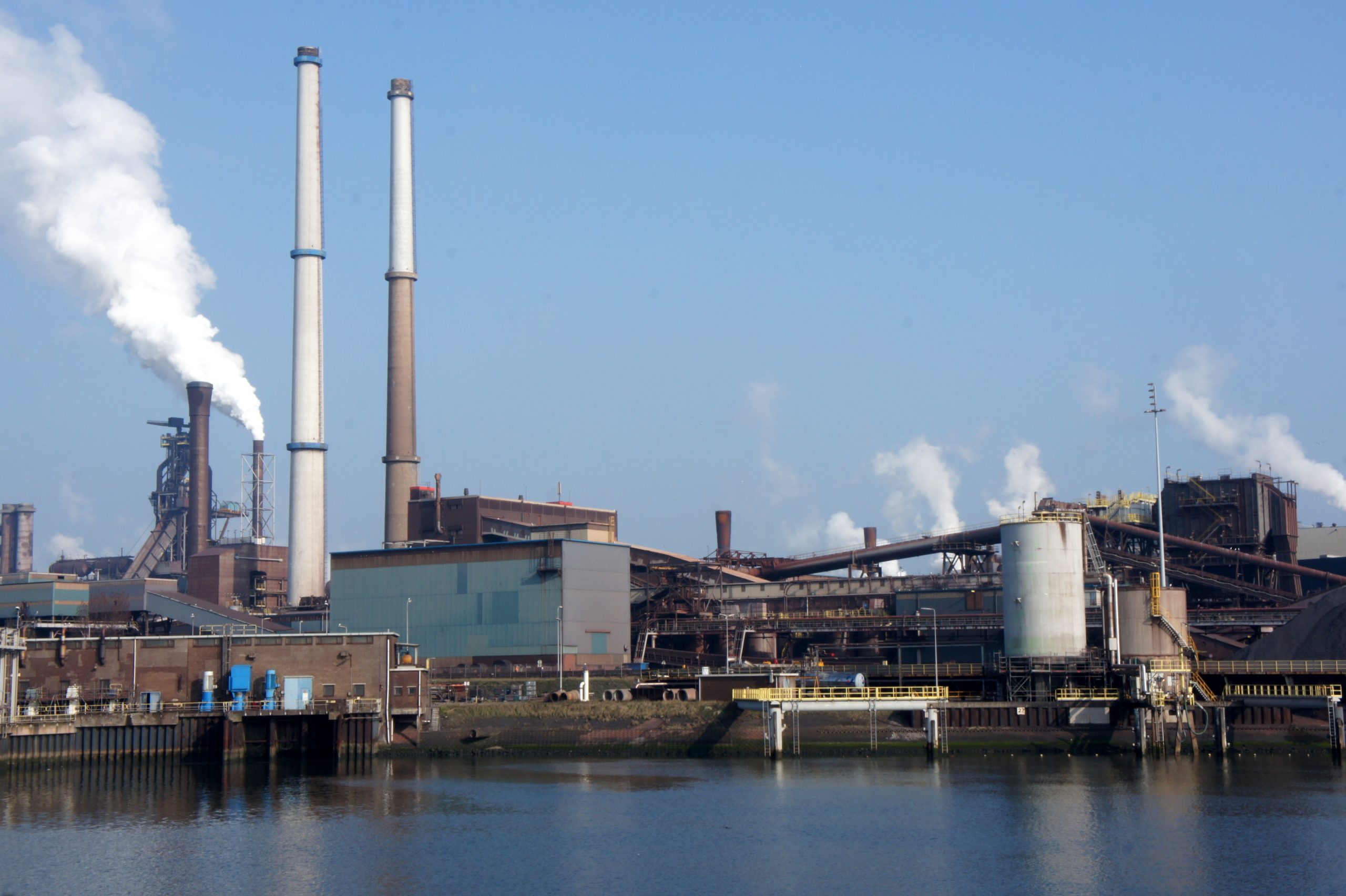
EC’s initial carbon tax rules set to shift trends, raise steel, aluminum costs
The European Commission’s planned July 14 announcement of a proposal for its Carbon Border Adjustment Mechanism is set to direct future trends in steel and aluminum sectors, which account for 8% and 2% of global carbon emissions, respectively.
According to draft proposals seen by market sources, the CBAM will replace the current system of free carbon allowances for metals sectors, and tighten allowances in the European Emissions Trading System generally, a bone of contention for some.
The mechanism, or tax, is expected to be fine-tuned before introduction in 2023 on imports into the EU of metals, electricity, cement and fertilizers.
While some call the initiative ambitious, the mechanism will certainly push up prices of both carbon and decarbonized metals.
“We expect some big announcements, given that the EU agreed in April-21 to cut the bloc’s emissions by 55% of 1990-levels by 2030, and that its economy’s arguably not yet able to achieve this ambitious goal,” Tom Price, analyst with merchant bank Liberum, said in a July 6 note, referring to the EC’s so-called Fit for 55 package.
The biggest changes will relate to the Emissions Trading System, “the EU’s primary agent of industrial change”, the analyst said. Carbon prices are up 260% since March 2020, to a record Eur58/mt but there is “much more upside,” according to Liberum, forecasting a Eur80/mt price by 2025. This increase will be a result of rising coal and gas prices, ETS allowance constraints and speculative positioning ahead of market restructuring.
“Operating since 2005, the EU ETS is now proactively testing the EU industry’s sensitivity to higher prices,” Price said. A 55% cut in carbon emissions needs a much higher carbon price and even more emitters to be regulated, following the recent inclusion of shipping, housing and transport in the list, he said.
Europe’s steelmakers, wishing to protect the value of their investments in EU steel decarbonization, tend to favor the idea of CBAM as a pathway to achieving Paris Agreement goals and to keep out steel produced in jurisdictions with less stringent environmental legislation.
EU steelmakers have calculated that to be “Fit for 55” by 2030, and achieve net-zero carbon production by 2050, they may need to invest as much as Eur144 billion, including in breakthrough technologies which could increase steel production costs and prices by between 35% and 100% above current levels. Some aluminum makers, meanwhile, do not believe the tax will halt carbon leakage and fear the global nature of their traditional supply chains may be comprised.
Steel – looking forward
“The Fit for 55 package is one of the most significant – and largest – groups of measures the EU has ever released in one go,” said a spokesman for European Steelmakers’ Association Eurofer. “It will completely revise the basis of EU climate policy in attempt to bring it into line with the EU’s political ambition to reduce emissions by 55% compared to 1990 levels. So there is a lot to look forward to, with potential opportunities and challenges across many of the dossiers.”
Steel prices worldwide recently hit record highs on supply tightness amid a stimulus-led market recovery from the impact of coronavirus pandemic. Consumers fear CBAM will bring more volatility. Distributors’ and importers’ association Euranimi’s executive board member Christophe Lagrange in the week starting July 4 labeled the CBAM “an ecological excuse for what in reality will become another common import tax, in the same line as anti-dumping duties,” and advocates a producer by producer approach.
Many producers, including in third world countries, have already bought and installed the most modern technology in the interest of sustainability, Brussels-based Lagrange argued.
“We believe that a system based on individual incentives/penalties would be much more effective to promote individual investments in more sustainable production than to create yet another general ‘green import tax’ on steel and aluminum.”
Fernando Espada, EUROMETAL president and managing director of Layde Steel, a service center and distributor subsidiary of Tata Steel, Europe’s second-largest steelmaker, said CBAM’s principle should be to “help implement new, more ecological technology, not give privileges to some players against others based on location or local influence…… we believe that the targets of CO2 reduction should be in line with available technologies, which sometimes looks very difficult to be achieved. Price of CO2 rights (ETS) should be monitored by the authorities and align with the objective of reductions, not on financial returns.”
Aluminum: carbon measurement snags
Gerd Gotz, director general of European Aluminium, a producers’ group, admitted July 5 that extending carbon pricing beyond Europe by obliging product carbon content declaration could have beneficial effects on the climate and industrial competitiveness.
However, the electro-intensive nature of aluminum, with significant exposure to indirect emissions from electricity production, complicates measurements. “Today there is no method that can verify aluminum’s actual carbon content in complex products from more than one plant and different countries,” partly due to the lack of transparency of electricity sourcing in third countries, Gotz wrote in an article published on Euractiv, a media website.
If the CBAM does not cover the entire value chain, there will always be carbon leakage, he claimed.
“CBAM could lead to additional costs for European producers of semi-finished aluminum products, sourcing primary aluminum from outside the EU, of more than 5% of the total value of products ranging from window frames to car parts.”
Even before the CBAM initial announcement, London Metal Exchange cash aluminum prices stood at more than a three-year high of $2,487/mt July 7.
— Diana Kinch, William Healy and Annalisa Villa

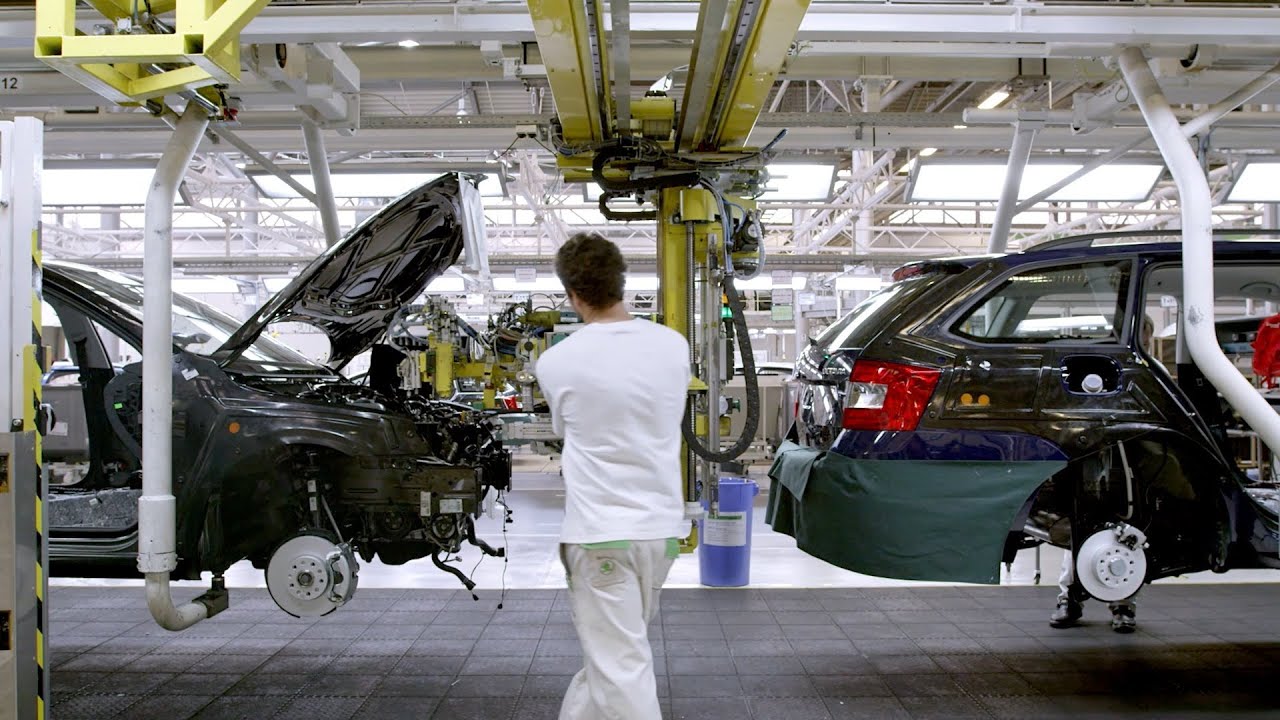
German car production keeps lagging in first half
Passenger car production at German assembly lines is clearly not achieving the recovery projected earlier by the country’s automotive industry federation, VDA.
In January-June, 1.7 million passenger cars came out of German factories, 16% more than in the first half 2020, which was much hurt by production halts. The increase however does not mean a return to pre-pandemic levels, VDA says. However, it notes that in terms of new registrations – 1.4 million units in the first six months 2021 – the figure is 25% lower than it was in the first half of 2019.
While VDA does not go into details about factors throttling production, it cites the supply bottlenecks for semi-conductors as a main factor. This may be the main cause for the extreme turn of trend Kallanish observes for June. The month’s output was 19% below that of June 2020, whereas May still saw a year-on-year increase of 58%.
The federation has therefore adjusted its output forecast for the full year. While it originally predicted a y-o-y increase of 13% to 4 million units, it now expects an increase of 3% to 3.6m units.
New registrations in the first half rose by 15% to 1.7m units. VDA highlights the registration of e-cars, which in the month of June rose 243% to 64,760 units, so that now the mark of 1 million e-cars on German roads has been reached.
Christian Koehl Germany


European coils stock levels to rise over summer on incoming imports
The European HRC market continued to fluctuate July 6, with prices heard slightly higher as limited supply and an absence of spot mill offers left prices hanging in the balance.
The market is looking to determine the outcome of prices following cheaper import offers, with the impact of lower prices mostly felt in Italy, sources told S&P Global Platts.
Buyers were heard to be using imports as leverage in their negotiations with mills. HRC import prices were heard in the vicinity of Eur1,070-1,080/mt CIF Antwerp.
A European service center source noted there was a lack of CRC domestically and from imports, with Q3 booked up and Q4 orders nearing their close. If buyers booked material today, they could expect delivery of orders for October-November.
“Backlogs are gone, people are telling me stock levels are huge. All mills are catching up,” the source said.
Meanwhile, a German distributor source said to expect EU prices to remain stable, with HRC import offers softening slightly. Stock levels were expected to rise during the summer with incoming import material awaiting customs clearance.
“We need to see what happens after material cleared by customs, that should be done in 2-3 days, [stock levels] might be higher because of customs cleared import tonnage,” distributor said.
The source said he did not expect prices to soften due to the extended lead times and ongoing production issues experienced at several European mills.
“I have doubts that we’ll see a price decrease. Everyone will try to negotiate, but [with difficulty] given the current state on the worldwide market and reduction of steel exports from China, high US prices and Russian tax on steel exports,” the distributor said.
In the Italian market, a distributor said that although several mills were accepting prices in the range of Eur1,080-1,100/mt ex-works Italy, he said buyers should remain cautious due to antidumping investigations and limited quota allowances.
— Amanda Flint
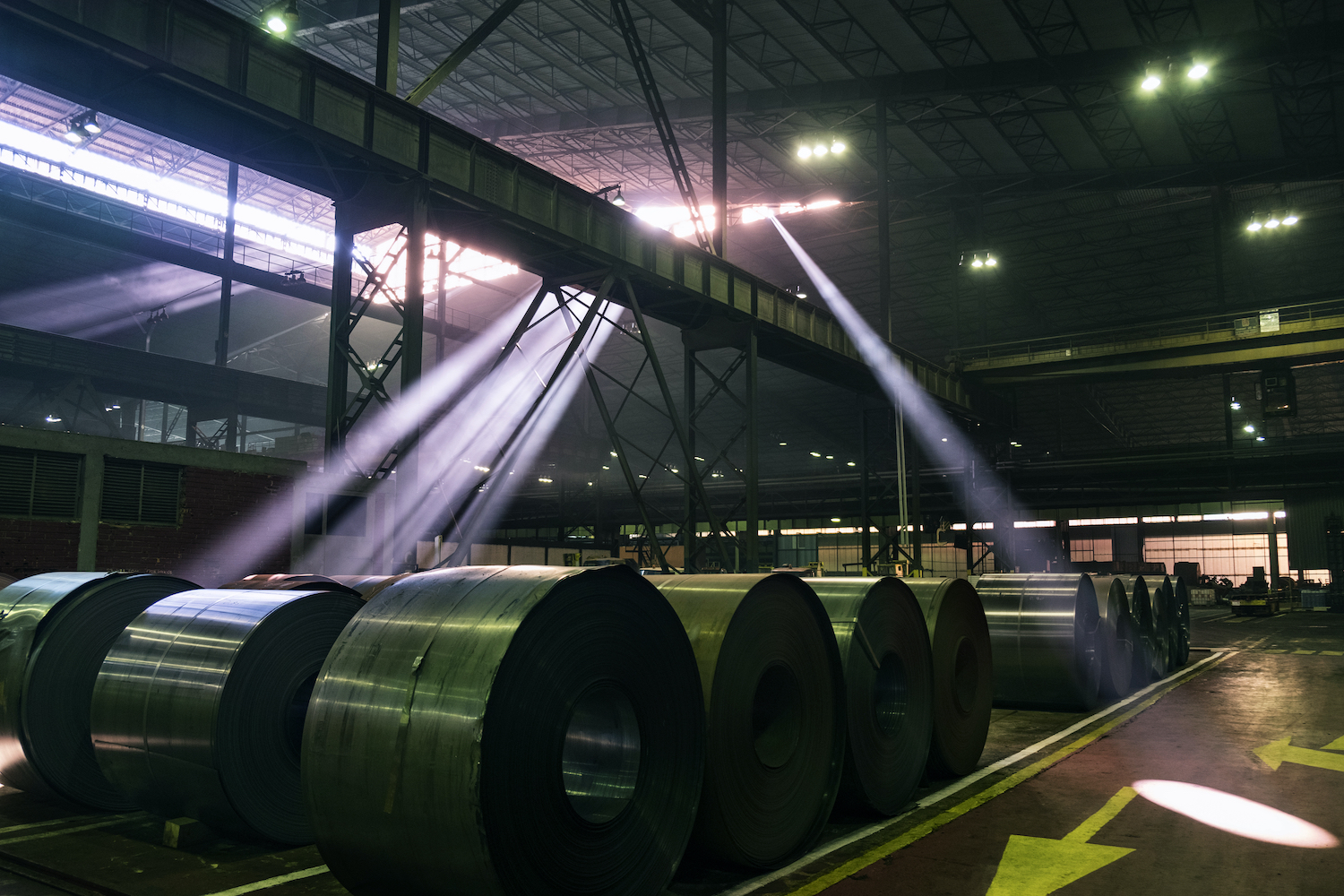
Weekly US steel mill capability utilization rises to 83%: AISI
US raw steel production moved higher the week ended July 3, the American Iron and Steel Institute reported July 6.
The raw steel capability utilization increased to 83%, up slightly from 82.7% the previous week, according to the AISI.
Production rose by 0.4% to 1.842 million st during the week ending July 3, up from 1.835 million st the previous week.
Last week’s production was up 41% compared to the same week a year earlier, when capability utilization was at 58.3% and production totaled 1.306 million st.
Adjusted year-to-date production through July 3 totaled 46.896 million st, with a capability utilization rate of 79%. The total is 16% higher than the 40.415 million st produced during the same period last year, when the utilization rate was 67.7%.
Last week’s production totaled 144,000 st in the Northeast, 648,000 st in the Great Lakes region, 202,000 st in the Midwest, 772,000 st in the Southern district and 76,000 st in the Western region.
The tonnage data is estimated, compiled from weekly production data provided by 50% of domestic producers, combined with monthly production data for the remainder.
— Kevin Salmon
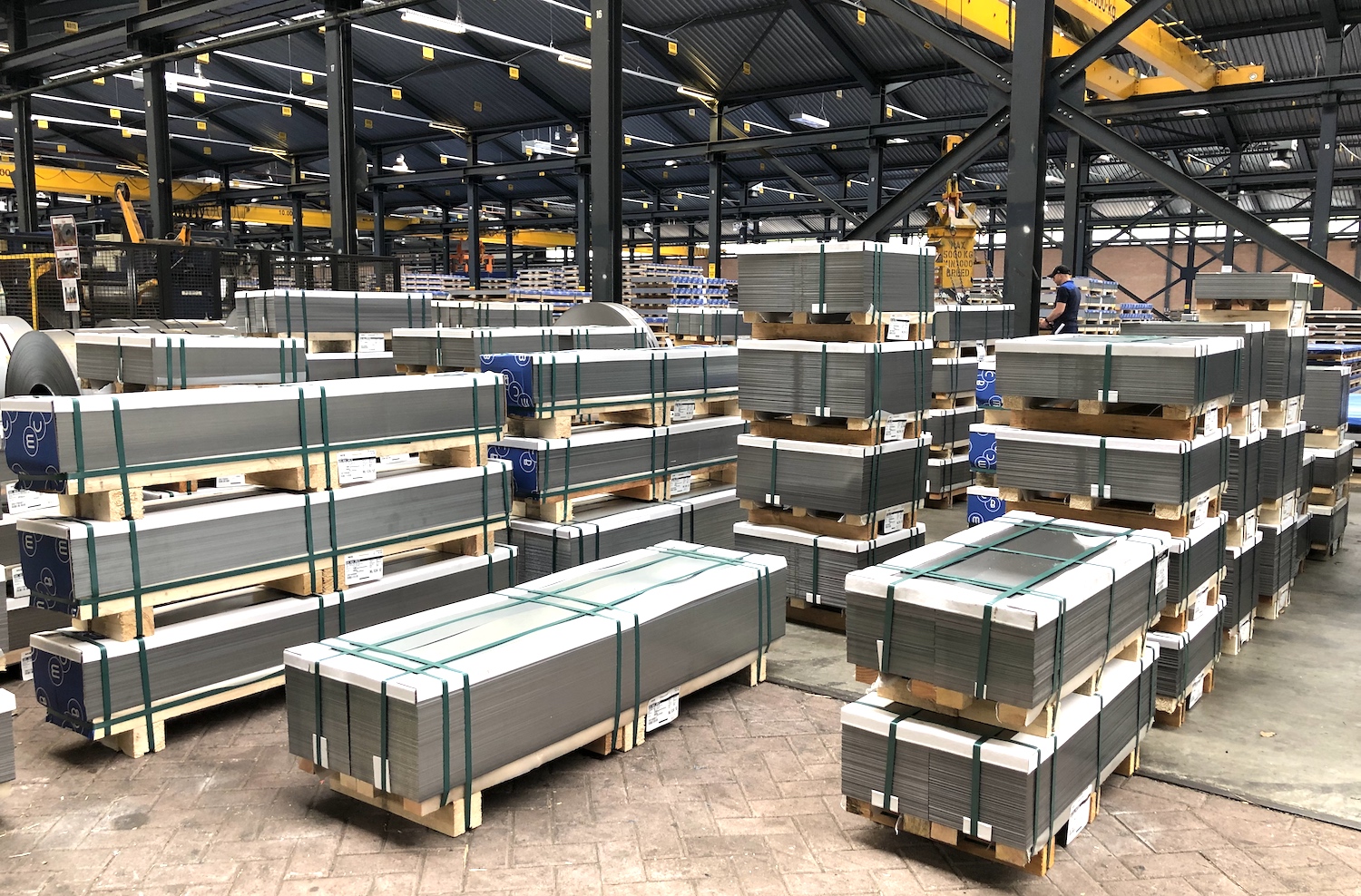
EU service centres seek safeguard revision in 2022
European service centres and distributors of steel confirm their disappointment over the decision of the European Commission to extend safeguard measures for a further three years. They are now hoping for a favourable revision in 2022.
During a webinar organised by Siderweb on Tuesday, Andrea Gabrielli, chairman of the Gabrielli Group, a large network of Italian service centres, voiced his concern. “We are confident that a revision will be done during the next year, even more so as Europe negotiates further with the US towards the cancellation of Section 232,” he said at the event attended by Kallanish.
The official European Commission document confirming the extension of safeguard measures included the possibility of launching an annual review.
Gabrielli stressed that the demand recovery ongoing in Europe risks being put under pressure by the lack of volumes, particularly within the coil segment, exacerbated by safeguard limitations. “So far, we have calculated that we have recorded sales volumes in 2021 of 10% above the levels of 2019. We have had strong demand and have used up our stocks to meet the demand,” Gabrielli observed.
Gabrielli expects the market to normalise somewhat in the coming months and prices to stabilise. “For the future, much depends on how quickly the supply chain will be able to refill stocks after the destocking period, as well as the problems created by safeguard quotas, which are blocking some volumes at ports for long periods,” he explained.
European mills are likely to take advantage of the summer period to catch up on some still existing production backlogs, as demand in European markets cools down for the summer break, Gabrielli concluded.
Emanuele Norsa Italy
Sheet passes $1,800 in US
In a pattern that has become all-too familiar since late 2020, US sheet pricing has reached another record high, Kallanish reports.
Kallanish puts hot rolled coil at $1,800-1,820/short ton, with cold rolled at $2,000-2,050/st. All prices are ex-works, domestic mill.
Market players reacted with shock and awe at current pricing levels – and there is still more growth to come, many opine.
“We have heard lately that mills expect hot rolled coil to continue to increase, passing the $2,000/st figure through the summer,” says a Gulf Coast tubular buyer. “Ouch. Remember – the higher the climb, the bigger the fall.”
There’s little-to-no relief in sight from the traditionally lower mini-mill sector, as both integrated mills and minis are sticking to the $1,800/st price point, says a Midwest buyer.
Even on the West Coast – which is forced to contend with import pressure from Asia – prices are wildly elevated. A buyer there puts local prices at $1,820/st, “which is crazy, but true”.
Dan Hilliard USA

European Commission corrects safeguard volumes allocation error
The European Commission issued on Monday a statement explaining that there was a “clerical error” in the document confirming safeguard measures beyond 30 June.
The original mistake was related to the allocation of tariff-free volumes for metallic coated sheets, both for the 4A and 4B sub-groups.
“Whereas the total tariff rate quotas (‘TRQs’) for category 4 was correct, the splits between categories 4A and 4B, as well as, between country-specific and residual TRQs were not correct,” the Commission says in a note seen by Kallanish. The issue has now been solved with the publication of an amended document.
EU steel safeguard measures were confirmed for a further three years from 1 July. The metallic coated sheet TRQ continues to be divided into two categories, with 4B volumes specifically allocated for material imported to be used in the automotive sector.
Emanuele Norsa Italy
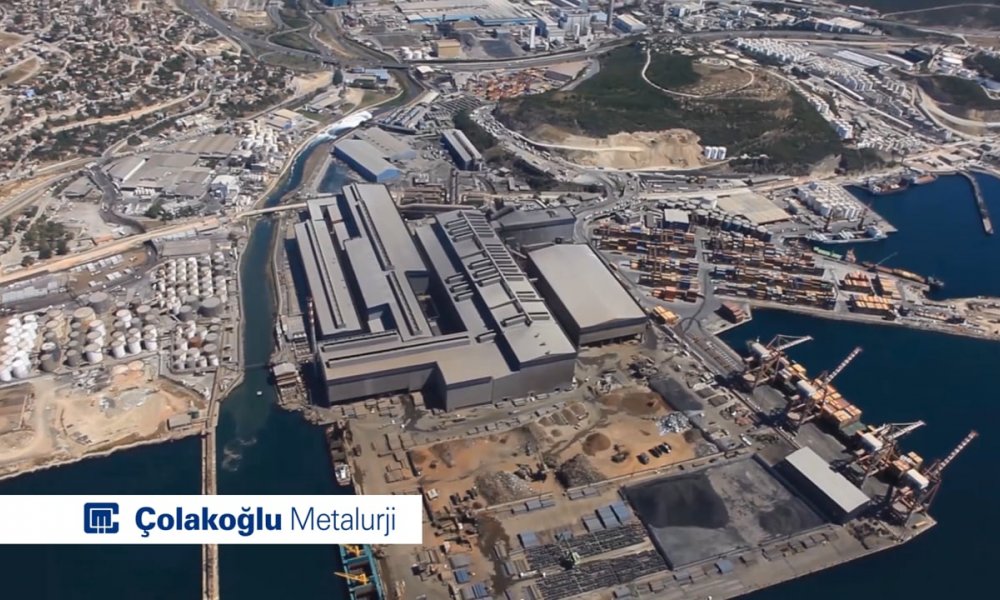
Turkey becomes net steel importer over Jan-May; new capacities on the way: TCUD
Turkey was a net steel importer in the first five months of 2021, though new steel capacities likely to start within the next 2-3 years are expected to limit import volumes.
According to the latest Turkish Steel Producers’ Association (TCUD) data sent to S&P Global Platts July 3, Turkish mills’ steel exports totaled 7.5 million mt in January-May, up 17.4% on the year, mostly on base effect, while the revenue generated from these exports rose by 58.4% to $5.2 billion, amid higher steel pricing globally.
Turkey’s overall steel imports in the first five months of the year saw a sharper rise, by 49.4% on the year to 7 million mt, while the cost of these imports reached $5.5 billion, up by 88.1% on the year.
Turkey’s steel export/import ratio in January-May, thus fell to 94:100, from 112:100 in the same period of the previous year, according to TCUD data.
TCUD said global protection measures, particularly by the EU and the US, were affecting global trade activities and Turkish mills’ steel export volumes.
“For to avert the foreign trade deficit, Turkish steel industry accelerated the works to create new steel capacities,” TCUD said.
Turkish steel producers have announced new steel mill and capacity increase projects one after another in recent months, especially in flat steel production.
Flat steel production capacity in Turkey is expected to rise 6 million-8 million mt in the coming 2-3 years with new investments, which are expected to ease shortages in the Turkish market and to decrease import volumes.
Major Turkish steelmaker, Tosyali Demir Celik, has been continuing construction works on its new 3.5 million mt/year integrated hot-rolled coil mill investment. The new mill is scheduled to be commissioned by the end of 2022.
Turkey’s other major steelmakers, Colakoglu and Habas, are also continuing technical works at their projects to increase capacity.
Russian steel company MMK, which decided to restart the hot end of its Turkish coil making subsidiary MMK Metalurji, is expected to produce its first hot-rolled coil by end-July. The company, which is targeting entering the market gradually, is continuing commissioning works successfully, Platts learned from an informed source at the end of last week.
MMK Metalurji’s casting and rolling module comprises an electric arc furnace and a compact hot strip mill with an overall capacity of 2.3 million mt/year, which has been idle since November 2012.
Some Turkish long steel producers also have started investing to raise their capacities and to expand their product ranges, which are expected to support Turkey’s export volumes and unit prices in the coming few years.
— Cenk Can

Blast furnace restarts boost iron ore, scrap lags
Seaborne iron ore prices rebounded on Monday as blast furnaces have been resuming production following recent restrictions. Scrap prices, however, were weaker as mills are under less pressure to maximise output amid weak demand.
The Kallanish KORE 62% Fe index gained $2.65/t to $217.52/dry metric tonne cfr Qingdao, the highest level since 15 June. The Kallanish KORE 65% Fe index increased $2.96/t to $249.73/dmt cfr, and the KORE 58% Fe index inched $0.54/t higher to $184.10/dmt cfr.
On the Dalian Commodity Exchange September iron ore settled up CNY 36/t at CNY 1,197/t ($185.22/t), while on the Singapore Exchange August 62% Fe futures settled up $5.02/t at $208.73/t. The same contract for 65% Fe and 58% Fe futures settled up $5.53/t at $240.64/t, and up $0.94/t at $174.03/t respectively.
Scrap prices however have not been supported by the upturn. 6mm+ heavy scrap delivered to mills in the Yangtze River Delta slipped CNY 5/t over the weekend to CNY 3,728/t. In Tangshan, billet prices increase CNY 20/t on Monday to CNY 4,890/t.
Blast furnaces which had been banked for the 100th anniversary of the Communist Party of China have begun to resume production. The end of restrictions on movement in and out of port stocks also prompted restocking on portside markets.
Weak summer steel demand however means that mills are not aiming to maximise crude steel output with additional scrap purchases. As hot metal output is less constricted, there is less need to top up volumes with higher scrap use.
EU hollow sections quotas come under pressure
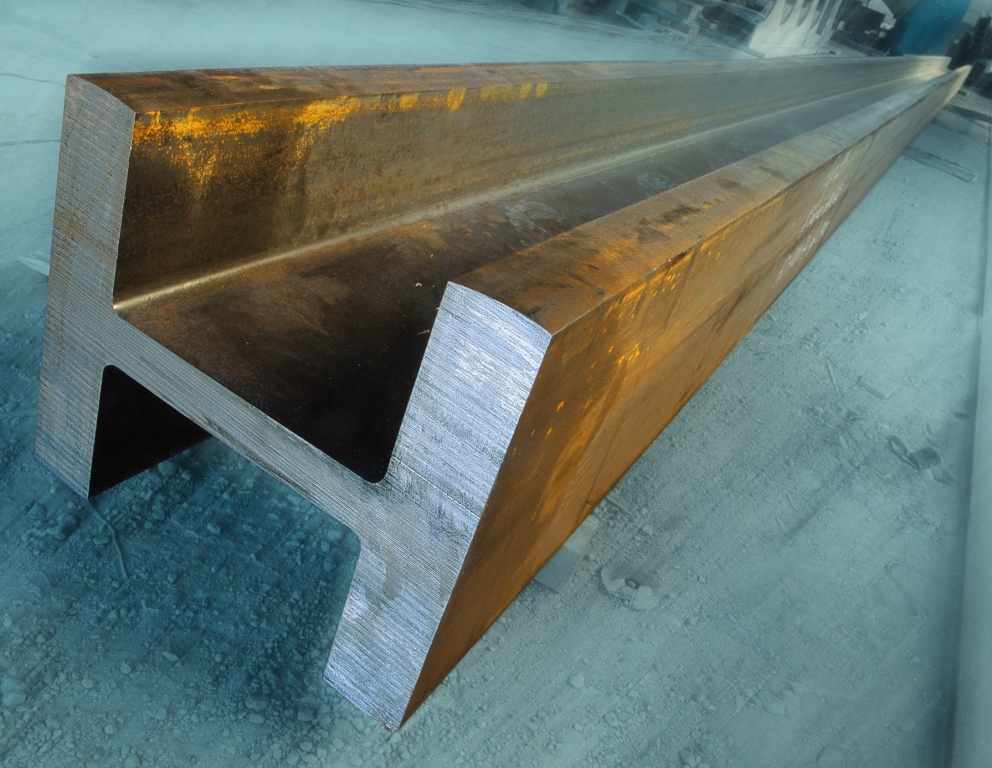
EU hollow sections tariff-free quotas for the third quarter have come under pressure in a matter of days from their becoming available, Kallanish learns from the official system of the European Commission.
Russian quotas were fully exhausted as they became available on 1 July. For Turkey the volumes of products waiting at the docks were 162% of the allocated 70,000 tonnes, meaning importers will now be forced to pay a share of the 25% import tax applicable beyond the tariff-free allowance.
Overall, over 70% of the hollow sections tariff-free quotas have been used, the highest percentage of all categories.
Emanuele Norsa Italy