


European buyers avoid HRC deals on sufficient stocks
European domestic hot-rolled coil prices remained fairly stable on Feb. 2 as buyers limited purchase volumes due to high inventory levels.
“A lot of import has arrived in Europe and volumes booked earlier from European mills have also arrived,” a service center source said. “As stocks have gone up, the buyers are not willing to accept higher prices.”
Market participants also remained hesitant about near-term price trend due to lack of real demand and improved supplies as steelmakers restart idled blast furnaces.
Deals have been reported at Eur750-760/mt ex-works Ruhr. Tradable values were reported at Eur730-770/mt ex-works Ruhr.
Platts assessed the price of domestic hot-rolled coil in Northwest Europe down Eur5/mt on the day at Eur755/mt ex-works Ruhr Feb. 2.
Interest in imported material remained muted, which aided domestic sentiment.
“Nobody is keen to buy import due to long lead times,” a trader said. “Further delays caused by the geopolitical issues at the Black Sea and concerns regarding safeguard quotas are also decreasing demand for imports.”
Offers for imported HRC were heard at Eur710/mt CIF Antwerp from Asia.
Platts assessed the price of imported HRC in Northwest Europe down Eur20/mt on the day to Eur660/mt CIF Antwerp Feb. 2.
In South Europe, deals for HRC were heard at Eur750/mt ex-works Italy and offers were heard at Eur750/mt ex-works Italy. Tradable values were estimated at Eur750-770/mt delivered Italy.
Platts assessed the price of domestic HRC in South Europe stable on the day at Eur750/mt ex-works Italy Feb. 2.
Imported HRC offers were heard at Eur630-680/mt CIF Italy from Asian mills. Turkish mills made offers at above Eur700/mt ex-works Italy, including anti-dumping duties.
Platts assessed the price of imported HRC in South Europe stable on the day at Eur675/mt CIF Italy Feb. 2.


EU carbon values under pressure on recession, demand worries
Sentiment in the European carbon price market remained bearish in the week to Feb. 2 amid muted demand. Traders and analysts have said they expect prices to remain around Eur60-65/mtCO2e in the coming week, with macroeconomic concerns and reduced power generation dominating headlines.
EU Allowances under the bloc’s Emissions Trading System were trading at Eur63.22/mtCO2e at 1038 GMT on Feb. 2 compared with Eur63.58/mtCO2e on Jan. 26.
Platts, part of S&P Global Commodity Insights, assessed EUA contracts for December delivery at Eur62.19/mtCO2e on Feb. 1.
Many analysts have downwardly revised their EUA price forecast for 2024 due to recession concerns and reduced emissions from the power and industrial sectors.
Analysts at S&P Global expect 2024 average prices to plunge to Eur63.90/mtCO2e compared with Eur85.30/mtCO2e in 2023 and Eur81.50/mtCO2e in 2022.
“EUA prices are expected to decline further due to the expectation of a technical recession despite a resilient labor market,” they said in a recent note. “The slowdown is broad-based affecting sectors like construction, manufacturing, and services. We expect prices to hit the high Eur50/mt mark threshold in February.”
Climate reforms
On Feb. 6, the European Commission is likely to recommend that the EU commit to a 90% reduction in emissions by 2040, which could provide some relief to declining prices.
This target is being backed by several EU countries, but climate policies have become heavily politicized recently, with farmers across Europe currently protesting against costly clean energy regulations.
But many policymakers, analysts and climate scientists insist that the EU must commit to this if it has any realistic chance of reaching net zero by 2050.
The European Council has set a goal for the EU to cut its greenhouse gas emissions by at least 55% by 2030, compared with 1990, and become climate neutral by 2050.
Meanwhile, the inclusion of the maritime sector in the EU ETS, opens up a new set of buyers for EUAs.
The European Commission published a document Jan. 31 attributing each shipping company to an EU member state to help these companies register for EU ETS compliance.
Shipping companies can now open holding accounts to trade EUAs and manage their ETS exposure.
Under the EU ETS guidelines, shipping companies must surrender their first ETS allowances by Sept. 30, 2025, for emissions reported in 2024.
The EU has also agreed on a phase-in period to give the industry some preparation time, with the ETS covering 40% of the emissions in 2024, 70% in 2025 and 100% from 2026 onward.
The shipping sector’s inclusion is projected to add emissions of 90 million mtCO2e this year, which is around two-thirds of the sector’s emissions.
CBAM extension
Meanwhile, the European Commission extended has the period for declarants to submit their quarterly reports under the Carbon Border Adjustment Mechanism by 30 days from the original deadline, after a significant number of importers experienced technical issues that led to some businesses being unable to make submissions.
The new carbon border tax entered into application in a transitional phase Oct. 1, with the first reporting period for importers originally set to end Jan. 31.
CBAM essentially levies a tax on imports of selected carbon intensive materials and products (including aluminum, cement, electricity, fertilizers, hydrogen, iron and steel) into the EU, removing the gap between the EU ETS carbon price and the export country of origin’s carbon price.
The main purpose of the tax is to reduce the risk of carbon leakage — as a result of EU industries locating abroad — and encourage importer nations to introduce their own carbon markets and, so, limit CBAM impacts on their traded goods.
No penalties will be imposed on reporting declarants experiencing difficulties in submitting their first CBAM report, the commission said.
“While the system has been working well in previous days with data and many reports being submitted successfully, technical teams are working around the clock to rectify remaining issues,” the EC said.
The commission has encouraged those reporting declarants that do not encounter any major technical issues to submit their CBAM report by the end of the reporting period.
Author: Eklavya Gupte, eklavya.gupte@spglobal.com

European HRC buyers continue to postpone restocking amid slow end-user demand
Quiet trading conditions prevailed in the European HRC market on Thursday, with buyers continuing to refrain from restocking, citing “sufficient” inventories and poor demand from the end-user side.
“Like 80% of buyers are keeping quiet, sitting on inventory and focused on destocking. Additionally, people are worried about a potential downtrend in the second quarter and are trying to minimize their purchases [of HRC],” a mill source said.
In spite of the subdued activity, domestic HRC prices have held firm, rising throughout January, on support from reduced supply.
“There is no pressure to drop prices – there’s no oversupply and import options are limited due to safeguards and Red Sea shipping issues,” a second mill source said.
Recent steelmaking capacity restarts in the market during January have triggered concerns among buyers that increased supply might hamper the uptrend in prices toward the end of the first quarter or beginning of the second quarter.
“That’s one of the reasons why buyers are waiting, they are unsure about the uptrend’s sustainability,” a steel service center source said.
Deals were reported at €760-770 ($823-834) per tonne ex-works in Germany and Benelux area for April-delivery HRC.
Buyers’ estimations of achievable prices were around a similar level, at €750-770 per tonne ex-works.
Offers were reported at €780-820 per tonne ex-works from integrated mills in the region, mainly for cargoes with lead times in April.
As a result, Fastmarkets calculated its daily steel hot-rolled coil index, domestic, exw Northern Europe at €762.00 per tonne on February 1, up by €1.37 per tonne from €760.63 per tonne on January 31.
The index was also up by €14.50 per tonne week on week and by €67.17 per tonne month on month.
In Italy, market conditions were similar to that in Northern Europe. In fact, market sources pointed out that the traditional €15-20 per tonne gap between Italian and Northern European HRC prices was no longer in place, with prices in both regions moving closer together.
In Italy, offers from local suppliers were heard at around €780 per tonne delivered (€765-770 per tonne ex-works) for coil delivered in March-April.
Market participants estimated the tradable market level to be in the range of €750-755 per tonne ex-works.
“Trading has been on pause in Italy for about two weeks now, only sporadic sales here and there. Buyers are trying to push the stock down, so there are really very few sales,” a trading source said.
Import offers were broadly unmoved on Thursday, with Asia-origin coil with March-April shipment offered to Italy at €655-680 per tonne CFR from Asia.
Several sources reported new offers from India coming in closer to €690-700 per tonne CFR, in contrast with offers of €660-665 per tonne CFR heard earlier in January. Indian suppliers were said to be offering material for shipment at the end of March or early April.
Buyers in Europe were cautious with making overseas HRC bookings, with the shipping crisis in the Red Sea and EU safeguard quotas seen as the major risk factors.
Published by: Julia Bolotova

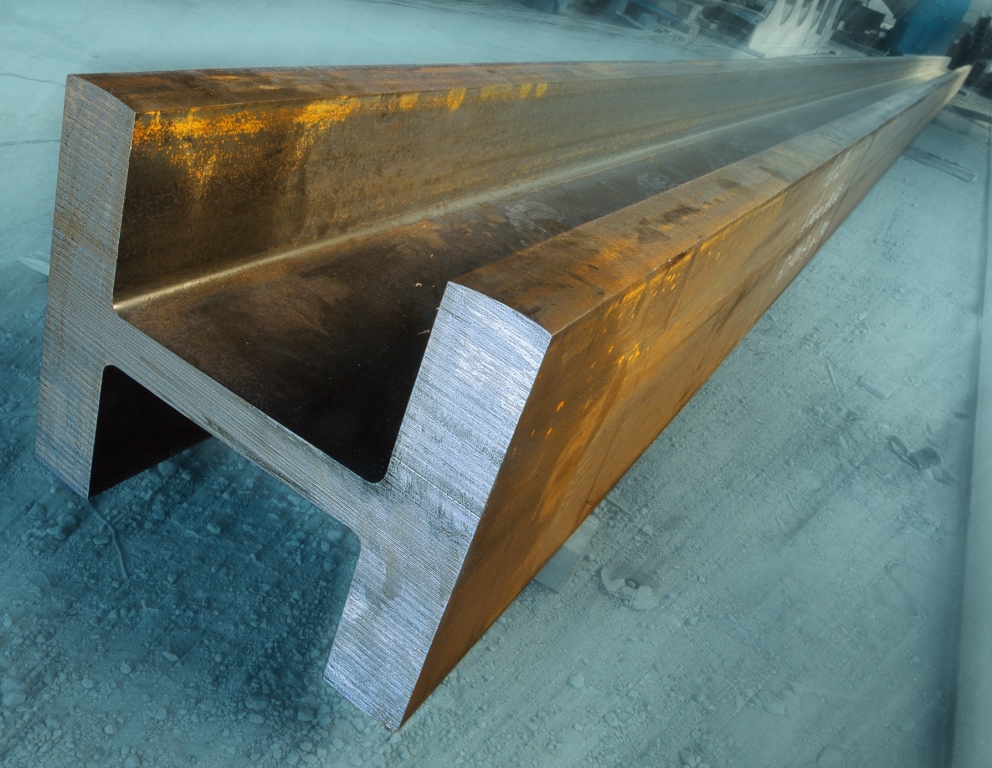
Limited trading in Europe’s steel beams market, prices widen downward slightly
Fastmarkets’ weekly price assessment for steel beams, domestic, delivered Northern Europe, was €760-790 ($823-856) per tonne on Wednesday, widening downward by €10 per tonne from €770-790 per tonne a week earlier.
Similarly, Fastmarkets’ weekly price assessment for steel beams, domestic, delivered Southern Europe, was also €760-790 per tonne on Wednesday, also widening downward by €10 per tonne from €770-790 per tonne a week earlier.
Offers by major producers to the German market were heard at €760 per tonne, while higher prices were estimated in other parts of Europe.
Consumption by the construction sector has been weak across Europe, but Germany has been significantly affected by weak end-user demand and high energy prices. The country’s steel output last year was at its lowest volume since the financial crisis of 2009, according to national steel industry association WV Stahl.
Meanwhile, scrap costs in Turkey’s bellwether market remained firm, following price rises in November and December last year.
Fastmarkets’ calculation of its daily index for steel scrap, HMS 1&2 (80:20 mix), North Europe origin, cfr Turkey, was $413.47 per tonne on Wednesday, up by $5.85 per tonne week on week from $407.62 per tonne.
Published by: Holly Chant

CPL develops ecoke 100%, trials in blast furnaces
CPL Industries has started supplying ecoke 100% and also carried out trials with blast furnace-based steelmakers, the firm informs Kallanish.
The firm’s ecoke 30% product, biocoke that contains a minimum of 30% of renewable biomass, was successfully trialled by Liberty Steel UK in 2022 to replace anthracite as its main source of charge carbon in the Rotherham electric arc furnace.
Since then, “we’ve been on journey to increase the biomass”, CPL chief executive Jason Sutton tells Kallanish. Liberty’s Rotherham plant is now sourcing 100% biomass-containing ecoke. This enables a carbon emissions reduction at that operation of about 30%. The high level of biomass works well for some steelmakers, while others need a higher level of carbon and so have stuck with the 30% product, Sutton explains.
Spanish steelmaker Sidenor, which also trialled ecoke 30% in 2022, has since moved on to commercial use of the product.
CPL successfully completed trials with blast furnace-based steelmakers to replace the nut coke in their burden with ecoke. Although it is not supplying commercially into those facilities, the trials proved ecoke technically succeeded as a nut coke replacement.
The firm is also in talks to agree commercial terms for ecoke supply to a number of stainless steelmakers in Scandinavia as a metallurgical coke replacement.
CPL anticipates increased demand for ecoke will take it to its full capacity of 500,000 tonnes/year and is considering expanding in future.
As for its feedstock, the firm sources biomass products from agricultural residues and a biocarbon element that principally comes from Africa. It does not foresee any supply constraints, but intends to work with partners to ensure sufficient volumes and logistics capabilities, Sutton concludes.
Adam Smith Poland


Hydnum Steel’s Spanish green steel mill project advances
Spain’s Hydnum Steel (HS) says it is advancing with its plan to build the first green steel mill on the Iberian Peninsula, Kallanish notes. The project, a partnership consisting of the Helvella investment company, Siemens, ABEI Energy and Russula Corporation, will be located in Puertollano, in the Castilla-La Mancha region.
“Our priority project application for the plant has been submitted to the Castilla-La Mancha regional government,” the company confirms. “The procedure confirms the justification of its social and economic interest at the regional level, as well as its public utility and strategic nature.”
The recognition of the Puertollano project as a priority guarantees preferential administrative processing and fast-tracks project implementation, especially in matters of land and urban planning. Among other advantages, it implies economic and financial incentive measures.
The green steel plant is designed to use fossil-free energy throughout the manufacturing process and will gradually incorporate green hydrogen into the production process to substantially reduce CO2 emissions.
“Production will be in line with the sustainable development objectives in the steel sector and the circular economy, recycling scrap as raw material, minimising the use of water and valuing the waste and by-products generated during the manufacturing processes,” HS confirms.
The facility will occupy an area of 1.3 million square metres. The project is valued at €1.65 billion ($1.73 billion) and will create more than 1,000 direct jobs. The plant is expected to be operational in 2026.
Todor Kirkov Bulgaria

365 Days of Steel: exploring the endless tapestry of Steel in Construction, Design and Art
The book ‘365 days of steel’ takes readers through the fascinating history of steel in construction, design & art.
Over the past 140 years, architects, engineers, designers and sculptors have exploited the qualities of this unique material in their projects. Strong yet light, sometimes imposing but just as often light-footed, steel offers a designer endless possibilities. From Richard Serra’s sculptures and Charlotte Perriand’s furniture to Daniel Burnham’s first skyscrapers and Calatrava’s elegant bridges: all are wonderful examples of the versatility of steel.
This richly illustrated book invites you on a 365-day journey full of inspiring examples and interesting anecdotes about well-known and lesser-known projects. This book is an asset for anyone who would like to know more about the many reasons why designers have enthusiastically embraced and applied steel.


‘365 days of steel’
Author: Bruno Dursin
The book is the logical consequence of 365 posts on LinkedIn shared from 9 April 2022 to 8 April 2023.
For a year, every day one page on the application of steel in construction, design & art. Each of those examples show the versatility of this wonderful material that offers endless possibilities. I hope readers will be equally fascinated and amazed by how architects, engineers, designers and artists have gone about working with steel.
The book will be out on 8 March 2024 and costs €49 (incl. VAT) + €9.50 postage (within Europe).
where to buy?

CBAM complications, safeguard hinder steel activity: Assofermet
The normative framework of the EU Carbon Border Adjustment Mechanism (CBAM) and safeguards on steel imports is hindering the daily activity of Italian and European steel companies, says Italian steel trade association Assofermet.
The challenges in filling CBAM reports, the economic repercussions expected from the mechanism starting in 2026, as well the safeguard measures in force from 2018 are a deep concern for Assofermet’s many members.
The European Commission (EC)’s Directorate General for Trade and the Directorate General for Taxation and Customs Union asked the association to highlight the critical issues of the mechanism to help with drafting the final version. “It has been assured that our perspective will be taken into account, especially for the future evolution of CBAM … Agreeing that CBAM will also generate increased costs for downstream end-users in the steel supply chain, it was pointed out to the Commission that if certain finished products … are not included in the mechanism, the European industry will lose competitiveness, given its global role,” Assofermet warns in a note sent to Kallanish.
The association notes an open-minded attitude from Italian authorities to listen to the problems of the entire steel supply chain stemming from regulations and willingness to continue dialogue on the regulatory framework. While the first quarterly report deadline for CBAM has passed, the safeguard on steel imports is currently set to expire at the end of June 2024. “There are no official updates yet on a possible extension after the first half of this year,” Assofermet concludes.
31 January was the deadline for importers to submit their first report detailing emissions as part of CBAM. The European Commission nevertheless announced this week that due to a technical incident, it is offering the possibility to request for a 30-day delay for submission (see Kallanish passim).
During the ongoing transitional phase of CBAM, European importers of steel need to file quarterly reports in the European Commission system, starting from those for the fourth quarter of 2023. During the transitional period, importers are required to report on the quantity of imported goods and resulting direct and indirect emissions. No payments will be due. The transitional phase is planned to conclude at the end of 2025.
Natalia Capra France