

Emission target easing hurts Europe EV industry: T&E
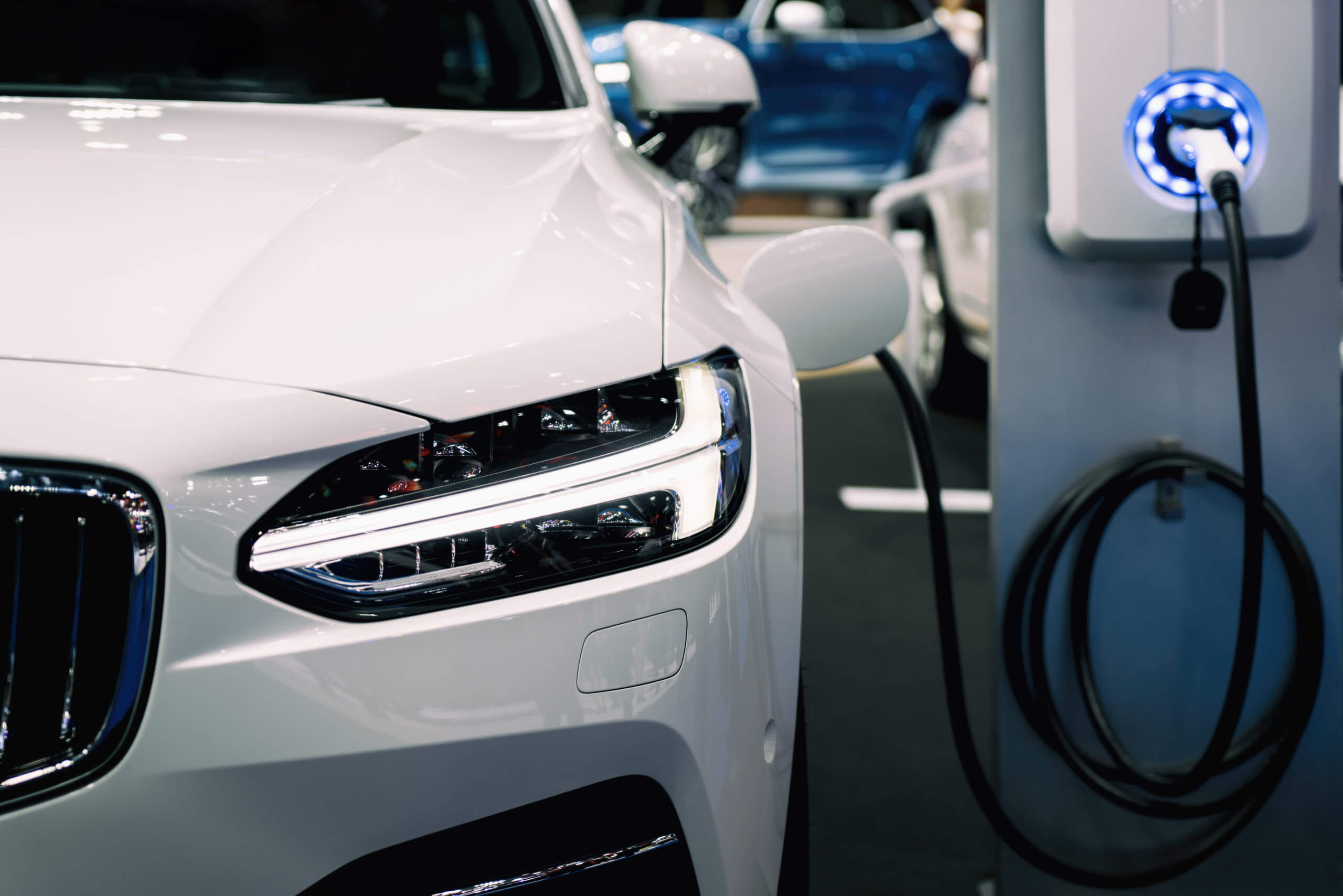
Electric car sales in the EU are expected to number 2 million tonnes lower than previous forecasts between 2025 and 2027 due to the European Commission easing 2025 CO2 targets, averaging them over 2025-2027, the European Federation for Transport and Environment (T&E) points out.
This is despite positive market dynamics which are pushing electric sales. Battery costs are set to fall by 27% between 2022 and the end of this year, and are set to decrease by another 28% by 2027 compared to 2025 levels, T&E forecasts. Charging infrastructure has been deployed on 77% of the EU core highway network and all Member States have already met or surpassed the number of public charging points required by the EU’s 2025 target.
The EU is under pressure from carmakers to weaken their 2030 and 2035 emissions targets. Earlier this year, the Commission said compliance would be measured over a three-year period from 2025 to 2027, rather than a single-year threshold.
“OEMs are painting a terrible picture because they want their targets weakened. But the reality is that electric car sales are surging and emissions rules are key to that equation,” T&E says in a note seen by Kallanish. “By sticking to the agreed rules, Europe can give its automotive industry a fighting chance in the global EV [electric vehicle] race. But weakening the targets could see other manufacturers go the way of Mercedes which is falling behind on electrification and must buy credits from its competitors.”
“While the EU is discussing further relaxing of its emission rules, global markers are going electric fast,” T&E notes. India, Mexico, Indonesia and Thailand have EV market shares of 5%, 5%, 13% and 24% respectively. In the world’s largest car market, China, battery electric vehicle (BEV) sales share will surpass 30% by the end of 2025, it concludes.
Adam Smith Austria

Higher July production pressures Italian long prices
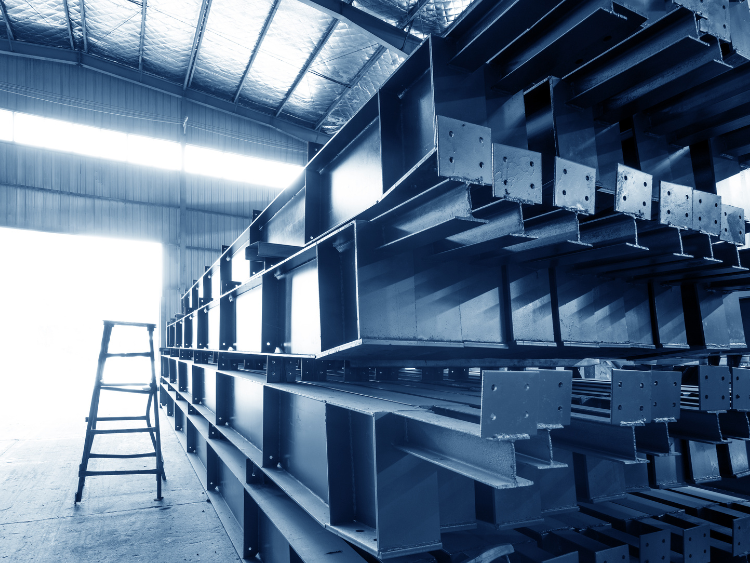
Italian crude steel production increased in July following a decline in the previous month, industry association Federacciai says in a note obtained by Kallanish.
According to long product sellers, the July increase in production came at the expense of prices. Rebar saw significant declines, while attempts by producers to raise other longs such as merchant bar and wire rod prices were largely unsuccessful.
Rebar values are now gradually recovering from the July downturn, but sources warn that September production data may again show higher output, leading to greater availability and downward pressure on prices by mid-September.
One source notes that, despite widespread talk of mill stoppages in July, only a limited number of long product producers actually reduced output.
Federacciai says July production increased by 2.2% on-year to just over 1.7 million tonnes. Output in the first seven months of the year also increased, by 2.8% on-year, to 12.8mt.
“The breakdown of hot rolled production shows … a diverging trend between the two product families [flats and longs],” Federacciai states. Flat steel production decreased by 1.2% to 732,000t in July but increased by 6.7% to 5.6mt in January-July. Longs output, meanwhile, increased both in July and in the first seven months. Production increased by as much as 11.9% in July to 1.1mt and rose 2% to 7.7mt in January-July.
Italian output has declined over recent years, falling by 5% on-year in 2024 to 19.9mt, by 2.5% on-year in 2023 to 21mt, and by 11.5% y-o-y in 2022 to 21.6mt.
Natalia Capra France

Hydnum Steel launches AI spin-off ‘Sbayt’ in Puertollano
Hydnum Steel has announced the launch of its artificial intelligence company, Sbayt, which will be headquartered in Puertollano, Spain. The new tech-focused subsidiary aims to drive digital transformation in the steel industry, offering advanced AI and big data solutions for steelmaking operations.
The announcement was made by Hydnum Steel CEO Eva Maneiro during the presentation of the company’s Citizen Participation Plan results. With a score of 4.8 out of 5 from 150 local stakeholders, the plan highlighted the strong community backing for Hydnum’s clean steel project.
“This is a decisive step in our commitment to industrial transformation and to this region,” said Maneiro. “Sbayt will be the engine of the intelligent steel industry of the future — and it starts here in Puertollano.”
In addition to the launch of Sbayt, Hydnum Steel unveiled the Agustín Escobar Excellence Scholarship, designed to support students from Puertollano and neighbouring areas in sustainability studies.
The President of Castilla-La Mancha, Emiliano García-Page, confirmed that the steel plant will be declared a Project of Singular Interest, accelerating its regulatory timeline. Other dignitaries present included regional ministers and the Mayor of Puertollano, all reaffirming support for the steel plant as a catalyst for regional development, employment, and industrial innovation.
Hydnum Steel is a 100% renewable-energy-powered steel facility and one of the most innovative decarbonisation projects in Europe. The company is backed by the Spanish Government’s PERTE programme and recognised by the World Economic Forum.
Puertollano (Spain) to Host Sbayt, Hydnum Steel Group’s AI Company

Friedrich Merz to call steel summit
German chancellor Friedrich Merz says he will schedule summits for the steel and automotive industries, which are both suffering from economic recession.
His announcement last week was in reaction to requests from numerous mills that have expressed the need for a high level meeting of industry with policymakers.
“I will very soon invite steelmaking companies as well as unions and [governments of] the states with steel production,” he said in a televised address. The aim is to retain a steel industry in Germany, he added.
The move has been welcomed by steel federation Wirtschaftsvereinigung Stahl. “Steel is not only the backbone of virtually all value chains, but also a cornerstone of our democracy and freedom,” says managing director Kerstin Maria Rippel.
In a statement sent to Kallanish upon request, she underlines that Europe’s future defence capabilities, competitive strength, and economic stability are at stake. “Securing the steel industry is therefore not only an economic policy task, but also a core component of the country’s security and resilience,” she notes.
Christian Koehl Germany

UNESID urges stronger European steel trade measures
Spanish steelmakers association UNESID has warned that current trade tensions between the European Union and the United States are putting the steel industry at risk. In a letter to trade minister Carlos Cuerpo, the association stressed that the US decision to impose a 50 percent tariff has effectively shut its market to European steel, forcing trade flows from third countries into the EU.
This has created what UNESID describes as a “high-risk scenario” for both producers and consumers in Spain and across Europe, undermining the competitiveness and long-term viability of the sector.
Failures of current safeguards
Despite multiple revisions, UNESID argues that the EU’s safeguard measures have been ineffective. Key data highlight the problems:
Since 2018, EU steel consumption has fallen by 16 percent.
At the same time, import quotas rose by 23 percent, often being exhausted instantly.
Imports of processed steel-intensive products – including metal structures, electrical components and metal furniture – have sharply increased.
Carola Hermoso, UNESID’s director general, issued a stark warning:
“Europe cannot afford a weak trade defense instrument. Without decisive action, unfair imports will flood the market and threaten the entire steel value chain.”
UNESID’s proposed trade defense measures
To address the shortcomings of current safeguards, UNESID is urging the Spanish government to defend the following proposals at the European Commission:
Reduce imports to 2012/2013 levels.
Apply a 50 percent out-of-quota tariff (similar to the US), with no country exemptions.
Adopt the “melted & poured” rule to ensure steel traceability.
Expand tariff coverage to processed products at risk, with no quotas.
Steel industry’s strategic role
UNESID emphasized that steel remains a strategic industry for Spain and Europe, contributing to:
Decarbonization goals through sustainable production.
Quality employment and industrial innovation.
Circular economy leadership within the EU.
The association urges Spain to take a decisive role in Brussels, ensuring Europe maintains a fair and balanced framework that protects both producers and users of steel against unfair trade practices.


Germany’s SHS Group advances Power4Steel with hydrogen supply deal
The German SHS Group (Stahl-Holding-Saar), together with its subsidiaries Dillinger, Saarstahl and ROGESA, has taken a major step in steel decarbonization by signing a long-term contract with French energy company Verso Energy, according to media reports. Under the agreement, SHS Group will receive at least 6,000 mt of certified green hydrogen annually.
Advancing its Power4Steel project, SHS Group ultimately plans to use up to 120,000 mt of hydrogen per year in its final expansion phase, positioning itself as the largest hydrogen customer in the region.
Hydrogen supply to start in 2029
SHS Group initiated a closed tender process in March 2024 to secure regionally produced green hydrogen, as previously reported by SteelOrbis. Verso Energy won the tender and will supply hydrogen over a ten-year period starting in 2029, with an annual minimum of 6,000 mt.
The hydrogen will be certified as Renewable Fuels of Non-Biological Origin (RFNBO), ensuring it is produced exclusively with renewable electricity.
Impact on steel production and carbon reduction
With the integration of hydrogen, recycled steel scrap and advanced technologies – including a new direct reduction plant and electric arc furnaces at Dillingen and Völklingen – SHS Group expects to cut its carbon emissions by up to 55 percent by the early 2030s, aligning with EU decarbonization funding requirements.
Verso Energy’s investment in electrolyzer infrastructure
To support this supply, Verso Energy will construct an electrolyzer worth more than €100 million, powered entirely by renewable energy. The hydrogen produced will flow through the Moselle-Saar Hydrogen Conversion (mosaHYc) pipeline network to SHS Group’s Dillingen plant, where it will be used in CO2-reduced steelmaking.

EU HRC market stalls as demand lags, imports curbed by CBAM risks
The standstill in the European hot-rolled market continued on Monday September 8, with prices holding steady due to an offer-bid mismatch keeping trading quiet, sources told Fastmarkets.
Fastmarkets’ calculation of the daily steel HRC index, domestic, exw Northern Europe was €577.08 ($676.04) per tonne on Monday, down by €1.25 per tonne from €578.33 per tonne on Friday September 5.
The Northern European index was down by €2.09 per tonne week on week, but up by €1.45 per tonne month on month.
Buyers in Germany and the Benelux region estimated tradeable values at €570-580 per tonne ex-works, with transactions reported within the range.
Suppliers reported HRC offers for October-November delivery at €600-630 per tonne ex-works.
Buyer sources remained cautious about higher offers, claiming that the current price recovery was “fragile” and lacking support from the demand recovery so was therefore unsustainable.
“[HRC] prices are fragile; up to now there is no intention to restock,” one German buyer told Fastmarkets.
Another buyer source suggested there was a room for domestic prices to increase slightly during the fourth quarter, given looming uncertainty around the Carbon Border Adjustment Mechanism (CBAM) and new safeguard measures, which was limiting appetite for new imports.
“European mills will have a window of opportunity to increase domestic prices, if they don’t aim too high; in which case buyers might still weigh the risks and opt for imports,” a second buyer said.
Consultations on CBAM will run until September 25, with the final document expected to be published during the fourth quarter 2025, Fastmarkets reported.
Meanwhile, in Southern Europe, Fastmarkets’ daily steel HRC index, domestic, exw Italy was calculated at €550.42 per tonne on Monday, down by €0.31 per tonne from €550.73 per tonne on Friday.
The index was up by €6.67 per tonne week on week, but down by €0.83 per tonne month on month.
The Italian HRC market was still quiet after holidays, with minimal trading reported.
Local buyers purchased sufficient amounts of coil from overseas and local suppliers in end July/early August and therefore were in no hurry to restock
Buyers estimated achievable values at €540-550 per tonne ex-works. Some buyers gave lower estimations of €530-540 per tonne ex-works, but suppliers claimed they were not ready to sell below €540 per tonne ex-works.
Import offers were limited, with European buyers hesitant to commit to Asian cargoes given long lead times (arrivals as late as January 2026 ) and the associated CBAM risks.
Turkish suppliers, who were able to offer late-November delivery, have already sold out their July–September 2025 allocation. A new allocation will open on October 1, but sources expect it to be consumed quickly within the month.
Offers from Turkey remained around €520-540 per tonne CFR, including the EU anti-dumping duty.
From India, offers were reported at €520-530 per tonne CFR for October-November shipment of HRC.


Polish rebar prices continue to fall amid limited demand
Polish rebar prices fell further in the week to Friday September 5, with a continuing lack of demand pushing mills to lower their offer prices again, sources told Fastmarkets.
Market participants reported offers for rebar at around 2,370-2,420 zloty ($653-667) per tonne CFR in the week to Friday, compared with 2,400-2,430 zloty per tonne CFR the previous week.
Mills are struggling to keep prices stable due to the “weak demand levels” and uncertainty around September scrap prices, Fastmarkets understands.
Some sources said that a slowdown in the construction sector as Autumn approaches was another reason for the lower prices.
Fastmarkets’ weekly price assessment for steel reinforcing bar (rebar) domestic, cpt Poland was 2,370-2,420 zloty per tonne on Friday, down by 10-30 zloty per tonne from 2,400-2,430 zloty per tonne on August 29.
Regarding imports, some German mills were reported offering rebar at €560 ($656) per tonne, delivered.
Polish wire rod prices, meanwhile, remained stable in the week to Friday.
Fastmarkets’ weekly price assessment for steel wire rod (drawing quality), domestic, delivered Poland was unchanged at 2,580-2,650 zloty per tonne on Friday, unchanged.

France’s steel product export value down 5.1 percent in H1 2025
According to the statistics released by the French Ministry of Economy, Finance and Industry, in the January-June period this year, France’s basic steel product and ferroalloy exports amounted to a value of €4.91 billion, decreasing by 5.1 percent year on year and imports amounted to a value of €4.65 billion, decreasing by 12.7 percent year on year.
In the given period, France exported €643.35 million of steel pipes and tubes – down 7.2 percent, €228.62 million of cold rolled steel bars – down by one percent, €326.05 million of cold rolled steel strip – down 17.9 percent, €150.21 million of cold drawn wire – decreasing by 14.6 percent, and €456.91 million of metal structures and parts – rising by 1.8 percent, all compared to the same month of 2024.
France imported €1.02 billion of steel pipes and tubes – down 4.4 percent, €273.65 million of cold rolled steel bars – up by 5.9 percent, €341.47 million of cold rolled steel strip – dropping by 8.9 percent, €251.99 million of cold drawn wire – falling by 4.6 percent, and €1.32 billion of metal structures and parts – decreasing by 6.8 percent, all compared to the same period of 2024.

ArcelorMittal to trial electric heating and thermal energy storage technology in steelmaking
ArcelorMittal has announced that it has invested in US-based Electrified Thermal Solutions (ETS) through its XCarb® Innovation Fund, a vehicle launched in 2021 to support disruptive technologies for steel decarbonization.
Joule Hive™ thermal battery in steelmaking
ETS has developed the Joule Hive™ Thermal Battery (JHTB), a system made of electrically and thermally conductive firebricks contained within an insulated steel unit. It charges by passing renewable electricity directly through the firebricks, storing low-cost, carbon-free thermal energy at temperatures of up to 1,700°C. The stored heat is released by circulating air or gas through channels, delivering high-temperature energy for industrial processes.
High-temperature heat is widely required in steelmaking, including in blast furnace hot stoves, slab reheating before rolling, and finishing processes such as quenching and annealing. At present, these processes typically rely on fossil fuels such as steel plant gases or natural gas. The JHTB therefore offers potential to decarbonize critical stages of the steel production chain.
Demonstration plant under construction
A 5MWh demonstration plant is currently under construction at the Southwest Research Institute in Texas, with commissioning scheduled for late 2025.
Alongside the investment, ArcelorMittal has signed an MoU with ETS to conduct validation tests at its GasLab facility in Asturias, Spain, and explore pilot-scale deployment across its global operations.
Strategic importance for decarbonization
ArcelorMittal stressed that electrifying high-temperature heating is essential to reducing fossil fuel dependence.
ETS added that collaboration with ArcelorMittal could accelerate commercialization, offering a low-disruption, cost-effective route to decarbonizing one of the hardest-to-abate industries.