


Global hydrogen investment to jump 70% in 2025 despite project delays
Global investment in clean hydrogen technologies is set to surge by 70% in 2025 to almost $8 billion despite a wave of high-profile project cancellations, as governments maintain policy support and developers push ahead with projects that have reached final investment decision, the International Energy Agency said June 5.
Hydrogen investment rose by 60% in 2024, despite significant headwinds and delays, and developing all projects that have reached FID would require a further major boost in spending, the IEA said in its World Energy Investment 2025 report.
“Successfully developing all hydrogen projects that have received FID would require investment to rise by a further 70% in 2025 to almost $8 billion,” it said.
This would increase capacity to around 7.5 million mt/year by 2035, representing a near 15-fold increase on current levels.
The hydrogen sector experienced a significant consolidation in 2024, with electrolyzer investment jumping 90% to $2.5 billion even as several major projects were cancelled or delayed.
“Some hydrogen projects have been cancelled or delayed in the past 12 months, but there remains a pipeline of approved projects that requires around $8 billion of investment in 2025, almost double the level seen in 2024,” the IEA said.
The investment in low-emissions hydrogen is part of a broader 30% increase in spending on liquid biofuels, biogases and low-carbon hydrogen to a record high of almost $25 billion.
Sector headwinds
Major setbacks included Air Products’ exit from a 13,000 mt/year electrolyzer project and the pause on development of a 600,000 mt/year complex in Louisiana until offtake agreements can be secured, despite the project reaching FID in 2023.
Orsted’s cancellation of its 50,000 mt/year FlagshipONE e-methanol project in Sweden that was in construction, two years after reaching FID, also highlighted the challenges facing the sector.
However, construction activity is accelerating on approved projects, and electrolyzer investment is set to rise by 150% in 2025, according to the IEA.
This growth reflects both the scaling up of manufacturing capacity and the construction phase of projects that secured financing in previous years.
“An increasing number of electrolyzer projects are under construction, including a project in Kakinada, India, that reached FID in mid-2024 and is set to produce 1 million mt/year of low-emissions ammonia by 2026, largely for export to Europe,” the IEA said.
Around one-third of investment in carbon capture, utilization and storage (CCUS)-based hydrogen is concentrated in North America, though some planned projects in the region have recently been cancelled.
Government backing remains crucial for sector development, with policy support continuing globally in 2025.
The report notes that hydrogen projects “remain heavily dependent on policy and regulatory support,” given current cost structures.
Platts, part of S&P Global Commodity Insights, assessed the cost of renewable hydrogen production via alkaline electrolysis in the Netherlands, backed by renewable power purchase agreements, at Eur7.77/kg ($8.80/kg) on June 5, compared with Eur2.72/kg for unabated fossil fuel-based production.
Low-emissions steel
The IEA flagged steel production as a key area where hydrogen technology is being deployed to decarbonize industry, but highlighted declining investment in the sector.
Steel producers are switching to electric arc furnaces and hydrogen-fed direct reduction iron plants, though these plans are progressing more slowly than previously expected.
“Projections for the coming years indicate a significant decline in the volume of low-emissions steel capacity expected to come online, with around $9 billion worth of projects scheduled to become operational in 2026, a drop of over 60% from the previous year,” the IEA said. “This points to a substantial preceding underinvestment in these technologies, reversing the upward trend observed until now.”
Europe, though, was an exception.
“While global investment in hydrogen-based steelmaking dropped nearly threefold in 2024, Europe continues to dominate, accounting for more than 70% of new investment in this area,” the IEA said. “Overall, Europe invested nearly $15 billion in clean industrial technologies in 2024, with 80% of this funding directed towards steel decarbonization projects.”
The IEA noted that these technologies, and hydrogen-based steel production in particular, were still in their early stages and expensive to implement.
The EU has implemented several supportive measures as a result, including tightening carbon pricing, phasing out free allowances by 2026 and the carbon border adjustment mechanism.


EUROMETAL at EU stakeholder consultation on Steel Label
The European Commission is engaging with the steel sector on the development of a voluntary low-carbon steel label — a crucial step toward making decarbonisation efforts more visible and valued in the marketplace. While the idea may seem straightforward, the discussion around the label’s design and implementation is complex and carries important implications, notably for the Carbon Border Adjustment Mechanism (CBAM).
On 5 June 2025, the Commission’s Directorate-Generals for CLIMA and GROW hosted a targeted stakeholder consultation workshop in Brussels, as part of the preparatory work for the upcoming Industrial Decarbonisation Accelerator Act (IDAA). The IDAA aims to accelerate the transition to competitive, sustainable, and resilient production in energy-intensive industries.
EUROMETAL was represented in Brussels by Vice President Fernando Espada, joining 25 key participants from across the industry and associations.
We welcomed the opportunity to contribute to this important debate and used the platform to underscore a key concern: “If the goal is to reward decarbonisation and ensure fair competition, the same rules must apply not only to primary steel products, but also to so-called ‘steel derivatives’ — processed and transformed steel goods. We cannot allow a situation where European steel consumption is penalised and final customers are driven toward finished imported parts.” — Fernando Espada, Vice President, EUROMETAL.
Fair treatment across the entire value chain is essential to ensure that Europe’s decarbonisation policies strengthen — not undermine — its industrial competitiveness. As the European Commission advances the IDAA and the voluntary steel label, EUROMETAL will continue to advocate for a balanced and inclusive approach that reflects the realities of the full steel supply and processing ecosystem.

Romania’s Liberty Galati resumes production
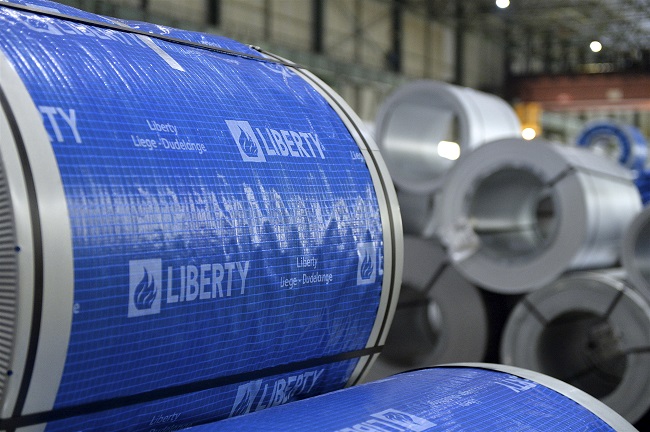
Romania’s sole flat steel producer Liberty Galati has successfully restarted its steel production operations by reactivating its blast furnace No. 5, marking a major milestone for Romania’s leading steel producer after nearly a year of idle production.
The producer is initially targeting approximately 4,300 mt of daily steel production in the first one to two weeks, before gradually scaling up to 6,500 mt per day to reach break-even levels. Parallel to the production restart, negotiations will continue with the approximately 1,200 creditors for the approval of the restructuring plan of the company.
General manager Radu Ionescu emphasized the company’s strategic importance to Romania’s economy, noting that LIBERTY Galați contributes around €100 million annually in taxes and serves as a key supplier for the defense, infrastructure, and construction sectors. With the restart of blast furnace No. 5, Liberty Galati will continue to provide high-quality steel and a significant number of jobs.


Limited trading in European HRC market as buyer confidence remains low
The European hot rolled coil (HRC) market has seen little activity this week, as buyers across northern and southern Europe have largely held back from making purchases. Persistent weak demand, coupled with expectations of a further short-term price erosion, has kept trading limited. As the summer slowdown approaches, mills are eager to secure fresh orders, but tepid interest in HRC continues to strain order books.
More specifically, although most local HRC prices from mills in northern Europe, mainly for July deliveries, have been voiced at €630-640/mt ex-works, down by €5/mt week on week, tradable prices in northern Europe have been estimated at €615-630/mt ex-works, versus €620-640/mt ex-works last week.
Meanwhile, in Italy, most offers from mills have been estimated at €620/mt ex-works, the same as last week. However, workable prices have dropped to €580-600/mt ex-works, against €590-600/mt ex-works last week.
In the meantime, import trading activity has remained subdued this week, with most offers for import HRC in southern Europe voiced at €520-550/mt CFR, depending on the supplier, down by €20/mt on the higher end of the range week on week. HRC offers from one of Indonesian mills have been reported at the lower end of the range or around €510-520/mt CFR, the same as last week. However, according to sources, higher offers from other Indonesian producers have also been reported, at €550/mt CFR and slightly above. Besides, offers from other Asian suppliers, including those from India, have been reported at €535-550/mt CFR, depending on the material grade, compared to €555/mt CFR last week.
Meanwhile, official starting price offers from Turkey have been reported at relatively the same levels as last week – €540-550/mt CFR duty paid, though, according to sources, a number of customers are still estimating workable prices at an even lower level – €525-530/mt CFR, duty paid. Furthermore, offers for ex-Saudi Arabia HRC have been heard at €540/mt CFR.
Besides, according to sources, offers from Chinese HRC suppliers have been reported at $620/mt CFR, which translates to around €543/mt CFR.
$1 = €0.88
Spain’s Grupo Industrial CL closes Corrugados Getafe plant
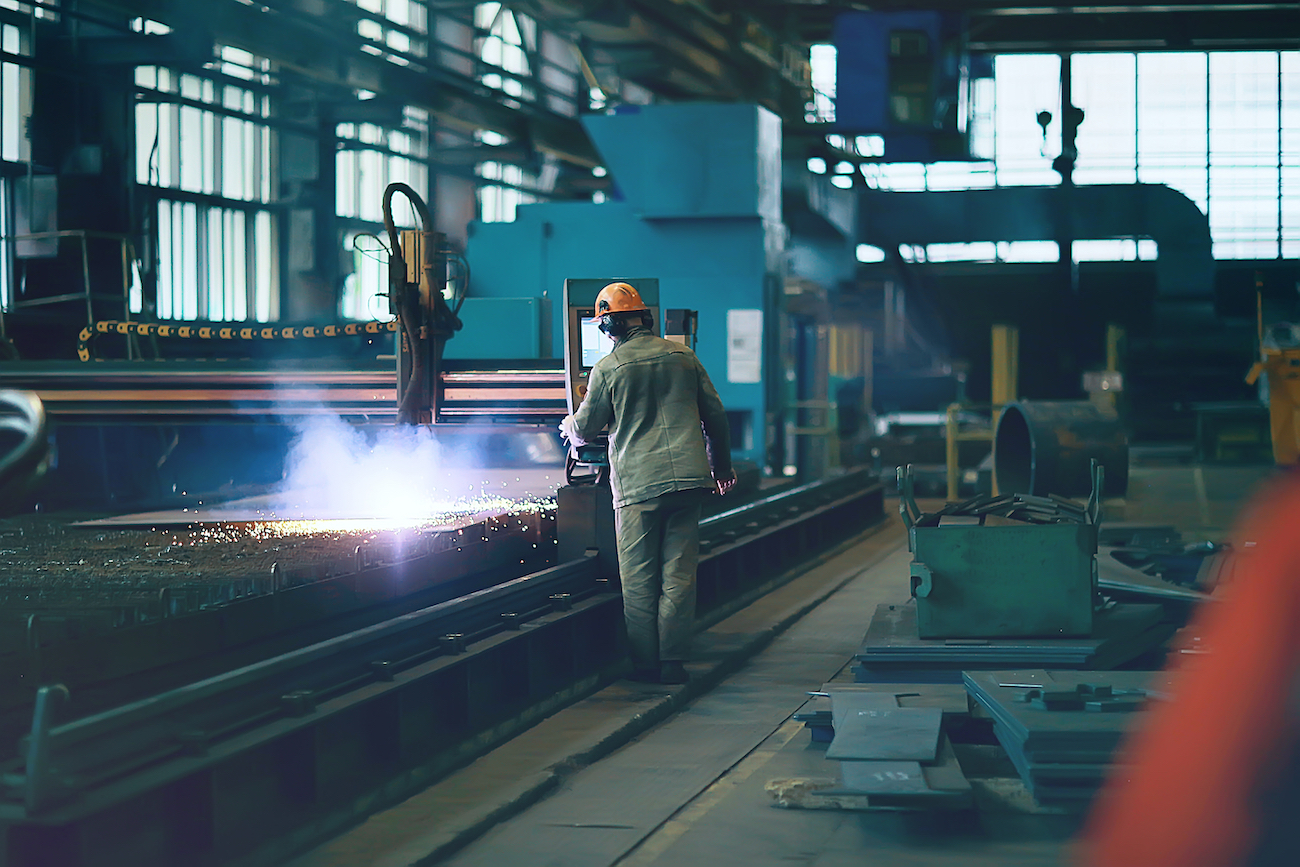
Spain’s Grupo Industrial Cristian Lay (CL) has announced the closure of its rebar plant Corrugados Getafe (CG) in Madrid, bringing an end to over 75 years of operations, Kallanish notes.
The company has initiated a redundancy plan (ERE) affecting 152 employees.
The closure is due to increasing pressure from residents in recent years, stemming from Getafe’s population growth, which has brought housing developments to within just a few hundred metres of the factory, the group stated. The plant is also facing stricter environmental regulations from the Community of Madrid, particularly concerning the renewal of its Environmental Authorisation, which now prohibits night-time operations.
“These regulations present a serious obstacle to continuing operations, as night shifts are the most suitable for this sector due to lower electricity costs, making them essential for economic viability,” the company states.
Another reason cited by the company for the closure is the impact of US tariff policies, which have “altered global steel trade flows and created competitive pressures that further undermine the viability of the Getafe plant.”
Grupo Industrial CL has proposed relocation options for the 152 CG workers to other facilities across Spain. For those unable to relocate, the company will implement professional transition support programmes in collaboration with public and private agencies in Getafe and the Community of Madrid.
Todor Kirkov Bulgaria


Unesid condemns doubling US steel tariffs
Spanish steel association Unesid has expressed deep concern over the US government’s recent decision to double tariffs on mosts steel imports, increasing them from 25% to 50% as of this Wednesday. The organisation states that the move is a drastic escalation in trade protectionism and a rupture of cooperative principles between strategic partners, Kallanish notes.
“We are deeply surprised, and consider this decision both unexpected and alarming. Raising tariffs on European steel to 50% effectively shuts the US market to European steel products,” comments Unesid’s general director, Carola Hermoso. The association notes that while the previous 25% tariff posed challenges, it still allowed costs to be partially shared with clients. The new rate, however, has led to the cancellation of ongoing orders and the imposition of the increased tariff on goods already in transit. “The economic impact is enormous, amounting to billions of euros in losses for the European steel industry,” warns Hermoso.
Beyond Europe, Unesid pointed out that the measure is already having negative effects on the US market itself. “Prices are rising, investments are being halted, and all signs indicate the country is entering a period of severe inflation. This decision is not only unfair but also harmful to both economies [US and Europe]. We need responsibility, long-term thinking, and cooperation,” Hermoso observes.
The United States currently imports 27 million tonnes of steel annually, representing 28% of its consumption. “Raising tariffs to such a level not only jeopardises our exports, but also causes a worrying side effect such as the diversion of global trade flows towards the European market,” according to the general director. Unesid is concerned that Europe may be flooded with unsustainable steel from third countries that no longer have access to the US market.
Spain exported 250,000 tonnes of steel to the US in 2024, valued at over €400 million ($456.9m).
The association sees the loss of European steel’s competitiveness as a structural issue requiring urgent attention. Over the past two decades, the EU’s share of global steel production has plummeted from 21% to 6.5%, even though European steel consumption has remained stable.
This decline is attributed to a significant loss of competitiveness against countries whose products do not meet the environmental, labour, or safety standards required in Europe. According to Unesid, without swift action, Europe risks permanently losing a strategic industry that is vital for economic stability, the green transition, and the continent’s industrial autonomy.
Todor Kirkov Bulgaria
EU needs decarbonisation ‘reality check’ to support industry
Europe is historically the world’s most experienced trader, with the EU currently having free trade agreements with over 70 countries, the euro being the second reserve currency, and the rule of law assured to provide predictability for investments. It also has 450 million consumers to tap, Kerstin Jorna, European Commission director-general for internal market, industry, entrepreneurship and SMEs, said at the event attended by Kallanish.
However, there is much room for improvement.
The EU must stay competitive with China and the US, which means reducing the cost of doing business. Energy prices need to be reduced, but the substantial amount of EU regulation also needs to be simplified and better coordinated for industry to thrive in the bloc, observed European Automobile Manufacturers’ Association (ACEA) director general Sigrid de Vries.
Besides mandates, the bloc needs a market to ensure industrial success. However, for automotive, the market for electrification is not growing fast enough to reach targets. Enabling conditions are still missing – charging infrastructure and the electricity to supply it, she added.
Katja Scharpwinkel, member of the board of executive directors at chemicals giant BASF, meanwhile, said the process of decarbonisation is well underway. However, it is “costing a lot of money and not many customers are willing to pay for it.” She added: “The market is not yet there” for decarbonised products.
Dariusz Marzec, president of Polish public power company PGE Polska Grupa Energetyczna, pointed out energy prices are driven by regulatory costs, which are high especially in Poland, rather than production costs. He called it a “strange” situation that his firm cannot secure financing for natural gas-based energy production investment, despite this emitting 70% less CO2 than lignite-based power generation. This “creates a difficult climate to talk about cheaper energy prices”, he added.
A critical component for the EU investment case is cost of produciton, he continued. Companies will think, “okay, fine, the EU has some good points, but the US has the cheapest energy, so let’s go invest there. That will happen. That is happening,” he noted. Deindustrialisation is underway in the EU, with industry either moving capacity out of the EU or refusing to invest in new capacity because of production cost.
Jorna qualified her earlier EU sales pitch. “Is the best the enemy of good? Do we need to jump straight to the perfect solution? Or do we need to cater for taking it step by step improving along the way?” she asked. Analysing the business case is a crucial new approach in the current Commission mandate.
In terms of the business case, “there’s so much more we can do; it’s fragmented and not connected between countries. This makes it very unpredictable for investments,” she noted. Members states therefore need to align more.
This step by step approach to challenges is crucial, said Marzec. The world has changed and shown that “only real power counts” – military and economic. The EU wants to spend $1.5 trillion on decarbonising, but these funds could be better placed to serve European security and industrial capability, he added. “The world around us has changed dramatically but we have not changed our strategy,” he noted.
Taking a step back on decarbonisation policy means “taking a reality check”, said de Vries. In terms of China, the automotive sector “can vouch for what it means when China takes something seriously”, she noted. The EU needs to answer the question of whether it plans to produce vehicles in future, in the face of this competition.
The bloc can learn from China, which takes a holistic approach to economic growth, with all sectors and goals aligned, de Vries continued. “Regulation does not equal strategy. Strategy is holistic and synchronised,” she added. Having the vision to ensure simplification of regulation and improve competitiveness is good, but the measures need to be actually implemented, she concluded.

Italian coil market deadlock persists
The Italian coil market continues to see a lack of activity this week, as buyers are taking a cautious stance. The trend is expected to persist into next week, Kallanish hears.
Hot rolled coil prices are reporting a downtrend in Europe, alongside a further decline in import offers, making Italian buyers hesitant to make purchases. A prominent coil processor anticipates prices will hit their lowest point next week, while another company projects a continued decline over the next two weeks.
A third steel processor reports a decline in downstream demand. Customers of service centres are similarly in a waiting mode as they see prices declining; therefore, there is almost no apparent demand.
Rerollers and service centres are maintaining adequate stock levels. Their purchasing activity is expected to remain on hold until at least the final week of June. The outlook appears unfavourable as a result of subdued consumption in downstream markets.
Several sources indicate coil prices in Europe are expected to rebound starting in October, due to the implementation of the Carbon Border Adjustment Mechanism (CBAM) effective from 1 January 2026. Many customers say that starting in September and October, they will no longer purchase material from Asia and will only be able to rely on Mediterranean suppliers who can provide prompt delivery before year-end.
A steelmaking source estimates the CBAM tax will stabilise at approximately €100/tonne ($114), whereas a service centre anticipates it will be closer to €60/t.
Italy is seeing various low-cost HRC import offers from Turkey, North Africa, and the Far East. Current offers originating from Turkey are noted to be in the range of €530-540/t cfr including duties. A major buyer is confident these suppliers might be open to negotiations and reduce their proposals this week.
Offers from India and North Africa are resurfacing in the range of €530-540/t cfr, while offers from Indonesia and Malaysia are positioned at €475-480/t cfr.
Two traders state there is a lack of buyer interest as expectations lean towards lower rates in the week to come, resulting in no immediate demand for coil. Producers in the EU are also beginning to decrease their prices to the level of €600/t delivered, while officially asking for €610-640/t delivered, sources suggest.
Natalia Capra France

Rebar prices in Europe largely flat; improved demand observed in some countries
Fastmarkets’ price assessment for steel reinforcing bar (rebar), domestic, delivered Northern Europe, was €630-670 ($718-764) per tonne on Wednesday, widening downward from €635-670 per tonne on May 28.
The highest prices of around €670 per tonne delivered were seen in Netherlands, with a pick-up in buying activity reported. In Austria, prices were in a range of €630-640 per tonne delivered, while levels of up to €645 per tonne delivered were heard in Germany, according to sources.
Offers from most suppliers in Italy were within the range of €550-580 per tonne ex-works, with one supplier reporting €530-550 ex-works being available.
Sources told Fastmarkets that the lower prices were largely due to mills possibly using import billet from Iran, which is traditionally priced lower compared with other suppliers in the market, which gives it a cost advantage over other producers using billet from alternative sources or scarp.
Transactions were reported being concluded within €550-580 per tonne in the week to Wednesday, according to sources on the buy side.
Fastmarkets’ assessment for steel reinforcing bar (rebar), domestic, exw Italy, was €550-580 per tonne on Wednesday, narrowing from €540-585 per tonne in the previous week. But the average was only slightly changed to €562.5 per tonne, from €565 per tonne a week ago.
In Spain, tradeable rebar prices corrected slightly to €600 per tonne delivered on June 4, down from €605 per tonne delivered in the previous week.
There had been some improvement in demand, arising from consumption by the construction sector, which is typical for the summer months, sources said, adding that market participants were still cautiously optimistic.
Fastmarkets’ weekly price assessment for steel reinforcing bar (rebar), domestic, delivered Spain, was €600 per tonne on Wednesday, down by €5 per tonne from €605 per tonne on May 28.


Eurofer downgrades steel consumption outlook for Europe
At the beginning of the year, Eurofer predicted a recovery of apparent steel consumption in the EU27 by 2.2%, rising to 130 million tonnes in 2025.
There was a short-lived rebound of apparent demand in February-April 2025, related to restocking activity and expectations of tougher steel safeguards measures, and consequently lower import availability. But since May activity in the European flat steel market has been deteriorating, with prices under pressure.
For example, in April, Fastmarkets’ steel hot-rolled coil index, domestic, exw Northern Europe, averaged €652.74 ($746.03) per tonne.
Since then, the average monthly price of HRC has been decreasing step by step and, on June 4, the daily index was calculated at €612.50 per tonne – the lowest since February 20, 2025.
Short-term expectations remained quite bearish amid a lack of real demand and mounting import pressure, trade sources told Fastmarkets.
“Before this year’s end, we will see more price drops. Demand is just not there, the US imposes 50% [import] tariffs on steel, CBAM [the EU’s Carbon Border Adjustment Mechanism] is approaching – [there’s] no light at the end of the tunnel,” a buyer in Germany said.
Real steel consumption in the EU shrank by 3.8% in 2024 to around 132.7 million tonnes, from around 138 million tonnes in 2023. For 2025, Eurofer expected another 3.3% decline.
According to the association, apparent steel consumption in the EU in 2026 will increase by only 3.4% to 132 million tonnes, still below the pre-pandemic volume of 145 million tonnes in 2019. This figure was also revised downward from 133 million tonnes expected in February 2025.
“The overall evolution of steel demand remains subject to very high uncertainty,” Eurofer’s report said. “No improvement in apparent steel consumption is expected before the fourth quarter of 2025, and consumption volumes are expected to remain far below pre-pandemic levels.”
End-user outlook
Automotive
Against earlier expectations of a modest recovery in 2025 (+2.1% in the previous outlook published in February), output in the automotive sector was now set to suffer from increasing global uncertainty and very low confidence, resulting in another annual drop (-2.6%), before a projected recovery in 2026 (+1.9%) – although absolute output volumes will remain far below 2019 levels, Eurofer said.
“Demand is projected to remain weak until the macroeconomic picture and consumer disposable income substantially improve, given the rather unpredictable economic outlook and uncertain economic growth perspectives,” the Eurofer report said.
The association pointed out that full recovery in global trade and external demand from major markets, notably the US and China, seemed unlikely, given escalating global trade tensions, especially in light of recently announced US tariffs.
Major challenges were expected to persist, notably concerning Chinese electric vehicle (EV) export volumes to EU markets but also as regards the US, where the Inflation Reduction Act (IRA) was expected to further stimulate domestic EV production.
The automotive industry was faced with 25% tariffs, announced by the US on all imported vehicles in March. On top of that, on June 4, the US doubled its tariffs on steel and aluminium to 50%, as part of President Donald Trump’s broader trade policy.
“Due to US tariffs – both announced and implemented – economic uncertainty is likely to intensify, weighing on growth in the coming quarters,” Euorfer’s report said.
The automotive sector accounts for around 20% of total steel consumption in the EU, according to Eurofer.
The US is the second-largest market for EU vehicle exports after the UK. In terms of value, the US accounts for about one-fifth of the EU export market, according to European Automobile Manufacturers Association (ACEA). In 2024, a total of 757,654 new vehicles were exported from the EU to the US, worth €38.9 billion ($44.5 billion).
ACEA highlighted that European manufacturers export 50-60% of the vehicles they make to the US.
Meanwhile, total carbon steel exports from the EU in 2024 amounted to 15.8 million tonnes, with the US share being around 16%, 2.5 million tonnes.
Construction
Output in construction, the largest steel-using sector, representing 35% of total consumption, fell by 2% in 2024.
In fact, construction output in the EU has been under pressure since the third quarter of 2022. This was due to several factors, including rising construction material prices, labor shortages in some EU countries, and increasing economic uncertainty, Eurofer said.
“Construction confidence has been declining since March 2022 and has remained in negative territory ever since, as confirmed by the latest available data [April 2025],” Eurofer said.
The sector was expected to grow only modestly, by 1.1% in 2025, due to persistently weak housing demand. In 2026, construction output in the EU was expected to recover by 0.8% year on year, primarily driven by the effects of monetary easing.
Fastmarkets’ price assessment for steel reinforcing bar (rebar), domestic, delivered Northern Europe, averaged €663.00 per tonne at the midpoint in April 2025, up month on month by €18.00 per tonne from €645.00 per tonne in March.