


Polish domestic long steel market stable amid seasonal slowdown
“No sufficient activity has been observed in the market this week,” one seller source told Fastmarkets, adding that the market remained stable.
Last week, Polish mills were heard offering rebar at 2,550 zloty ($674) per tonne CPT, compared with 2,580-2,600 zloty per tonne CPT in mid-May.
Most market participants estimated the tradable market price for rebar at 2,550-2,560 zloty per tonne CPT.
Fastmarkets’ weekly price assessment for steel reinforcing bar (rebar), domestic, cpt Poland was 2,550-2,560 zloty per tonne on Friday, unchanged week on week.
Wire rod
Prices for Polish domestic low-carbon drawing-quality wire rod were also stable in the week to Friday, sources told Fastmarkets.
Most market participants indicated the tradable market price for wire rod at 2,700-2,800 zloty per tonne CPT last week, compared with 2,750-2,850 zloty per tonne CPT in mid-May.
Fastmarkets’ price assessment for steel wire rod (drawing quality), domestic, delivered Poland was 2,700-2,800 zloty per tonne on Friday, also unchanged week on week.


HRC market quiet in Northern Europe due to holidays; softens in Italy
Fastmarkets’ daily steel HRC index, domestic, exw Northern Europe was €606.38 ($691.02) per tonne on Monday, stable compared with Friday June 6.
The most recent booking was reported done at €610 per tonne ex-works last week. Estimates of workable prices varied within the range of €605-610 per tonne ex-works, while bids were heard at €590 per tonne ex-works and lower.
In Italy, prices edged lower due to cautious demand caused by expectations of a continuation of the downtrend as well as pressure from imports.
Offers varied within the range of €580-600 per tonne ex-works with prices at the lower end of the range reported as workable by several sources. After the index was filed, bids at €550-570 per tonne came to light.
Fastmarkets’ daily steel HRC index, domestic, exw Italy was calculated at €587.92 per tonne on Monday, down €2.08 per tonne from €590 per tonne on Friday.
Import HRC from Indonesia was available at €490-500 per tonne CFR. Indian material was offered at €530-540 per tonne CFR. Turkish coil was heard offered at €530-545 per tonne delivered, with the lower end possible to achieve for mid-size cargoes, September delivery.

EU launches surveillance tool to monitor trade diversion
The European Commission has set up a new surveillance tool to help protect the EU against sudden and potentially disruptive surges in imports. This comes amid concerns over redirection of trade flows for products like steel following the implementation of US tariffs, Kallanish notes.
The system aims to prevent harmful trade diversion, which occurs when a significant amount of goods that cannot enter other markets due to high tariffs and other restrictions are redirected into the EU, the Commission notes. By providing fact-based information building on customs data, the surveillance tool will enable the Commission to swifty identify any such import surges and take early and effective action to protect the EU market from adverse impacts.
The Commission is inviting industry associations and member states to review the import trends available on the tool website and provide further market intelligence and data on the industry’s economic situation. This will help it identify specific products that may be at risk.
The new tool builds on Commission President Ursula von der Leyen’s initiative to set up an import surveillance task force to address the challenges posed by trade diversion, in the wake of recent global trading system turbulence.
Additionally, the Commission is setting up a dialogue with China to track possible trade diversion and ensure that any notable developments are duly addressed.
The move comes in direct response to a call to action by Eurometal in April, when the European distributors’ association urged EU institutions to implement faster and more transparent mechanisms to monitor import surges, Eurometal notes. These could threaten the competitiveness of European steel distribution and service centres.
Adam Smith Poland

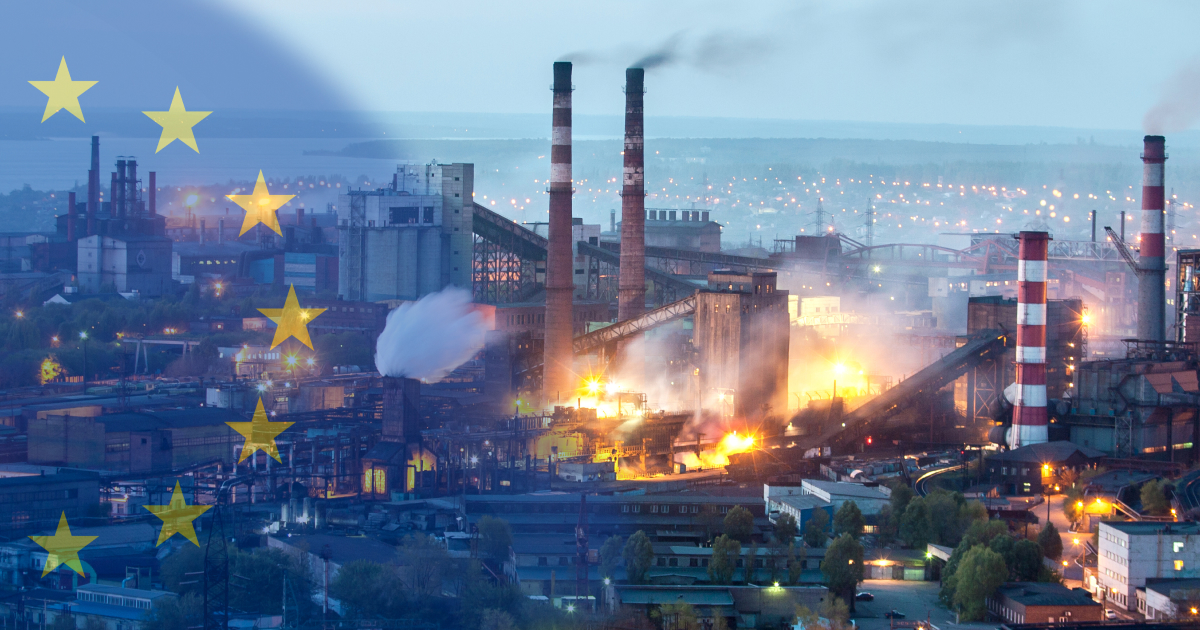
EU approves Ukraine’s steel safeguard measures exemption for 3 years
The regulation came into effect on Friday June 6 and will run until June 5, 2028.
The announcement marks the first time that the annual renewal of the exemption has been granted a three-year shelf life since it was first implemented in June 2022.
The latest extension, which removes restrictions and additional tariffs on steel imports from Ukraine, aims to “ease the challenges” faced by the country’s “producers and exporters as a result of the war [with Russia],” the Council said in the press release.
But the European Commission reserves the right to suspend the regulation for a period not exceeding 12 months, if steel imports from Ukraine increase to volumes that “contribute significantly to the serious injury or threat of serious injury to [European] Union producers,” the statement reads.
The extension follows US President Trump’s decision to raise tariffs on steel and aluminium imports from its trade partners to 50% on Wednesday June 4.
The US suspended its Section 232 import tariffs on steel from Ukraine in May 2022, under the administration of then-President Joe Biden, following the Russian invasion earlier in the year. But tariff exclusions expired on March 12, 2025.
Market brief
Europe remained Ukraine’s largest trading partner in 2024, with Poland, Bulgaria, Italy, Romania, Greece and Moldova being the major destinations for Ukrainian steel exports, Global Trade Tracker (GTT) data showed. In 2024, steel deliveries from Ukraine to these six countries amounted to 3.38 million tonnes, 58% of Ukraine’s total steel exports of 5.84 million tonnes.
The trend continued in 2025 with a total of over 1 million tonnes of Ukrainian iron and steel delivered to EU states in the first quarter of the year.

European heavy plate round-up
European heavy plate prices softened in the week to 6 June due to limited demand and lower import slab costs.
Distributors have been avoiding restocking due to both subdued end-user demand and bearish sentiment in the market. Plate demand from projects, in the meantime, has remained healthy, but the volumes are smaller compared to distribution and orders were mainly made for longer lead times.
“Plate prices are under pressure from low demand from distribution, but projects are doing just fine,” a German distributor said.
McCloskey’s weekly marker for domestic heavy plate prices (s275jr) in Italy dropped by €15/t on the week to €615/t ex-works.
Italian re-rollers have been selling heavy plate at €600-630/t ex-works Italy.
The decline of import slab prices allowed the Italian re-rollers to give discounts.
“Slab from Asia moved down allowing the re-rollers to accept lower prices for heavy plate,” a mill source said.
Prices for slab from Asia have been reported at $490/t CFR, down by $10/t on the week.
In Germany, domestic prices have also declined over the week due to lack of demand and competition amongst the European mills.
McCloskey’s weekly marker for domestic heavy plate (s235jr) prices in Northwest Europe decreased by €5/t on the week to €665/t ex-works.
German mills have been offering the material at €650-700/t ex-works. The mills offering at the higher end of the range continued to avoid sales of commodity grades plate in the spot market as they have long-term agreements and deals with projects.
A Northwest European re-roller has been offering s355jr-grade heavy plate to Germany at 690/t delivered.
A Czech Republic-based mill has been offering s235jr plate at €640-650/t ex-works. The price was achievable only in Central Europe or in the east of Germany due to transportation costs. The Czech steelmaker was reported to be struggling to fill its order books due to competition with Huta Czestochowa in Poland which has been aiming to increase production from current levels of 30,000 t per month.
Domestic heavy plate supply is expected to further increase after Liberty Galatin in Romania resumed production.
The negative pressure on European mills from overseas offers has decreased, with only some deals reported in Northwest Europe and Spain. Buyers have not been interested in imports due to long lead times and uncompetitive prices.
In Italy, import offers from Asia have been heard at €600/t CFR, while prices in Spain and Northwest Europe have been higher at around €630-640/t CFR.
Maria Tanatar / Benjamin Steven


EUROMETAL participates in European Parliament Roundtable on Energy-Intensive Industries
On 3 June 2025, EUROMETAL took part in a high-level Stakeholder Roundtable on Energy-Intensive Industries, hosted at the European Parliament in Brussels.
The event, part of the Renew Europe Draghi campaign, aimed to foster dialogue between policymakers and key industrial actors on the future of European competitiveness in the context of the green transition.
EUROMETAL was represented by Dominique Laurent, Managing Director of BELMETAL, who delivered an elevator pitch highlighting the challenges and opportunities faced by steel distribution, stockholding, and service centres as Europe moves towards decarbonisation.
During his intervention, Dominique Laurent underlined five core messages:
- the need for clear, stable, and harmonised regulation, especially around CBAM, CSRD, and ESPR, to support investment planning and compliance;
- the importance of demand-side incentives to accelerate the uptake of low-carbon steel;
- the urgency of targeted reskilling and training programmes that reach downstream value chain actors, including SMEs;
- the recognition of steel reuse in ESG frameworks and green public procurement policies;
- and the need for supportive logistics infrastructure and cost-effective, low-emission transport solutions.
The roundtable was chaired by MEP João Cotrim de Figueiredo and featured contributions from MEP Brigitte Van Den Berg, along with several other members of the European Parliament and senior Commission representatives.
In the open discussion that followed, several recurring themes emerged, including:
- the urgent need for faster and more predictable legislation;
- calls to streamline EU regulatory frameworks and reduce the number of delegated acts;
- the need to lower energy costs for industry, particularly electricity;
- and the importance of preserving Europe’s industrial competitiveness, especially in the face of unfair global competition.
The European Commission acknowledged the concerns raised by stakeholders and committed to improving dialogue with SMEs, particularly around training programmes and the integration of reuse practices in sustainability policies.


EUROMETAL remains committed to representing the voice of European steel distribution and service centres in key EU policy dialogues. We thank the Renew Europe Group and participating MEPs for the opportunity to contribute and look forward to further collaboration on advancing a fair, inclusive, and competitive industrial transition.

CBAM-prompted imports may deepen oversupply in EU
Some European stainless steel buyers expect an influx of material into EU ports towards the end of 2025 as importers attempt to avoid the added administrative and cost burden of CBAM.
The European Commission’s emissions-based Carbon Border Adjustment Mechanism is currently scheduled for a full rollout from January 1, 2026. Under the current plans, registered declarants – those approved by the Commission to import material – will have to report all imports and their carbon content from that date.
They will also have to buy and submit CBAM certificates to reflect the greenhouse gas emissions generated during the production of the goods they bring into the EU. This means they will effectively pay a charge based on the quantity of carbon emitted during the manufacturing process in the country of origin.
Under changes proposed by the Commission in February, the purchase of CBAM certificates would be delayed until February 1, 2027, however. This is part of a package of measures which aim to simplify the process and further smooth a transition period which started in October 2023. Approval of the amendment was expected as the Stainless Steel Review was published.
The need to report stainless steel imports and their emissions will remain, regardless of the amendments’ approval. Consequently, some MEPS respondents anticipate that import volumes will grow in quarter four. However, others highlight that weak demand may mitigate any upturn in imports.
Any increase in third-country shipments would be an unwelcome development for European mills. MEPS respondents say that the use of Indonesian-origin slabs as a basis for coil production, and a reduction of scrap prices, may be helping to preserve certain producers’ profit margins. Nonetheless, low selling prices are challenging their profitability.
Inventories are rising, meanwhile, due to a combination of low demand and the loss of export business in the United States, following the implementation of 25% Section 232 import tariffs on March 12. Changes to the EU’s import safeguard measures have done little to reduce imports in recent weeks.
The UK plans to roll out its own CBAM scheme in 2027. The EU and UK have agreed to work towards linking their Emissions Trading Systems, effectively exempting shipments between the two from CBAM’s associated cost and administrative burdens.
Mills under price pressure
The quarter one financial results of Europe’s largest stainless producers indicate that oversupply will continue to apply downward pressure to stainless steel prices.
Acerinox reported a 29% quarter-on-quarter increase in melt shop production, to 512,000 tonnes, from its consolidated operations in Europe and the United States. This came despite an acknowledgement that inventories had increased amid pressure from imports, which have increased their share of the European market to 22%.
Acerinox expects US tariffs to improve the profitability of its US operations. However, chief executive Bernado Velázquez raised concerns that many of the exports that previously ended up in the US, and that have lost competitiveness as a result of the tariffs – including European exports – may now end up in the EU.
Outokumpu’s stainless steel deliveries, in Europe, rose by 10.8% quarter-on-quarter and 5% year-on-year, to 318,000 tonnes, in quarter one. The value of the steelmaker’s sales rose by a lesser 9.8% quarter-on-quarter and 3.4% year-on-year due to reduced selling prices.
Shipments from Aperam’s stainless and electrical steels division rose from 401,000 tonnes to 421,000 tonnes quarter-on-quarter. Nonetheless, its earnings before interest and tax declined by 30% quarter-on-quarter and 67% year-on-year, to EUR34m. The decrease was attributed to “intensive pricing pressure in Europe”.
All three producers forecast a more profitable quarter two. However, Aperam chief executive Timoteo Di Maulo said that reliable projections for the remainder of the year are “challenging in the current volatile environment”.

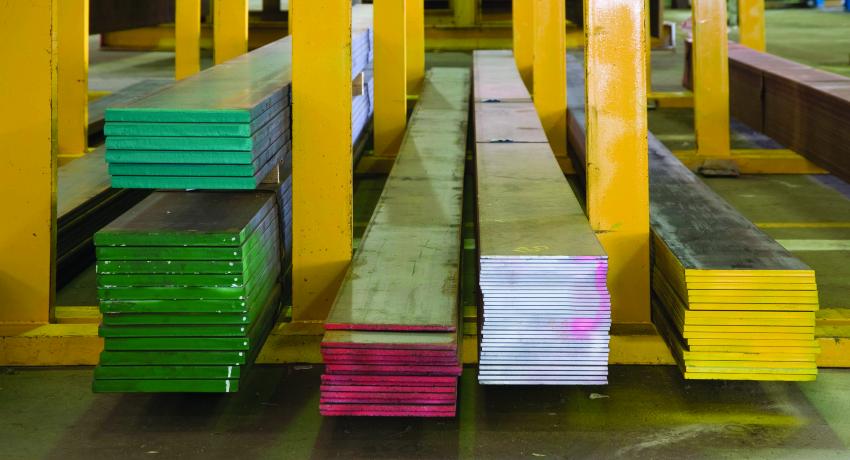
European long steel market remains subdued amid summer slowdown, CBAM uncertainty
The European domestic long steel market remained subdued in the week to June 4, as demand failed to recover following recent holidays, with participants citing seasonal slowdown and regulatory uncertainties – particularly around the Carbon Border Adjustment Mechanism – as key overhangs.
Tradable values for rebar were largely unchanged week over week, reported at Eur650-660/mt delivered to Germany, and Eur625-630/mt delivered to Belgium. One trader noted ex-works levels around Eur615-620/mt in Benelux, reflecting limited transactional movement and persistent buyer caution.
“Mills are struggling to keep the price — it’s not brilliant,” said a trading source. “Demand is weak for many reasons; the economy is what it is, and there’s still no clarity on CBAM implementation. We still don’t have benchmark values to work with.”
Medium sections were heard traded at Eur785/mt delivered Benelux for volumes around 2,000 mt, with broader tradable values seen at Eur785-790/mt delivered.
Across the long segment, participants noted the combination of May holidays and the early onset of the summer slowdown had stalled buying appetite. “It takes more time for spending approvals to come through, and activity is slower than expected,” one distributor noted.
Carbon-accounted offers continued to face resistance, with reported premiums between Eur30-65/mt deemed unworkable in the current market. “It’s a good idea, but it’s not working,” one source said. “People are paying for certificates, but the product is still the same.”
Platts assessed rebar at Eur620/mt ex-works Benelux, down Eur5/mt on the week. Platts assessed medium sections at Eur780/mt delivered Benelux, stable on the week.
Meanwhile, Platts assessed both carbon accounted rebar and carbon accounted medium sections at Eur30/mt, stable on the week.

Romania’s largest steel mill Liberty Galati resumes operations after year-long stoppage
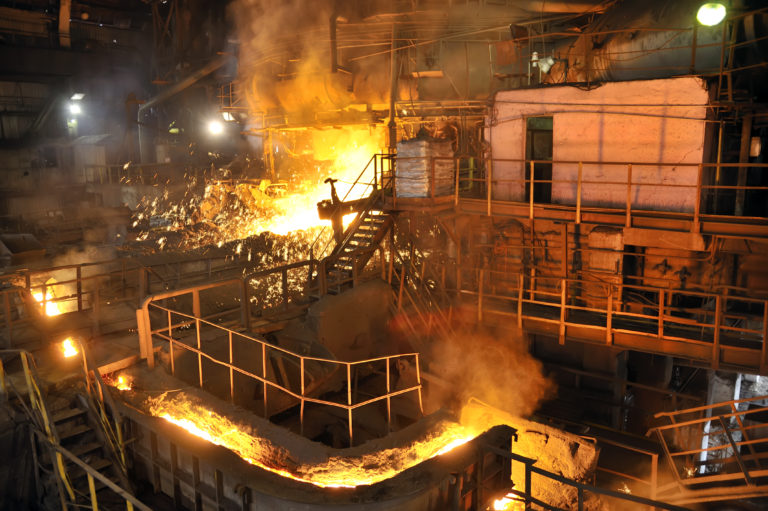
Romania’s largest integrated iron and steel works Liberty Galați has restarted production by reactivating Blast Furnace No. 5, the company, part of Liberty Steel, said on its website June 4.
The restart of operations at the Galați plant nearly a year after the production was idled follows a period of optimizing raw material costs and restoring supply chains.
The first batch of liquid iron was expected on June 5 with steel production set to begin in three to four days. Casting of steel will begin during the June 9-15 week, followed by the reactivation of the rolling mills for the production of plates, galvanized and organic-coated coils and pipes.
The resumption of operations was made possible through the support of Exim Banca Romaneasca and national and local authorities, according to the steelworks’ general manager Radu Ionescu, who also thanked experts from insolvency and business consultancies Euro Insol and Sierra Quadrant “who are helping Liberty Galați continue as a strategic pillar of Romania’s economy and the Galați community.”
In the first two weeks, production is expected to average 3,800 mt/day of liquid iron, equivalent to approximately 4,300 mt/day of steel. This will gradually increase to 5,500 mt/day of liquid iron, equivalent to 6,500 mt/day of steel, which it sees as the break-even point.
Action plan
Parallel to the production restart, negotiations will continue with the company’s 1,200 creditors for the approval of a restructuring plan, which is expected to be validated by the Galați Court by July 5.
Liberty Galați’s action plan aims to achieve a positive EBITDA over the next two years, expand the order portfolio in strategic industries such as defense, infrastructure, construction and shipbuilding, and improve operating costs. The company is also implementing initiatives to preserve the value of Romanian assets, monetize non-core assets, and identify new funding sources, according to Euro Insol’s president, Remus Borza.
“Our business plan includes … a strong energy strategy, considering that energy prices have been the main challenge for steel companies in Romania, which have not benefited from subsidies like most steel producers in Europe,” said Ionescu.
In March, the Galati Court began a court-supervised process for Liberty Galati and its creditors aimed at preventing the mill’s insolvency by restructuring its debts. A consortium formed by Euro Insol and Sierra Quadrant was appointed as the administrator.
Steel demand has started to stabilize, supported by EU trade measures and the incoming CBAM (carbon border adjustment mechanism). It is expected that new EU quotas limiting imports and the future reconstruction of Ukraine will positively influence steel demand, and Liberty Galati’s management expects to be one the main beneficiaries of this. In addition, the EU’s greater focus on the defense industry should further stimulate demand in the medium to long term.
With a nameplate capacity of 3 million mt/year, Liberty Galați is the largest integrated steel producer in Romania and a pillar of the country’s economy, but its highest output in the last 10 years — 2.35 million mt of steel – was last achieved in 2021.
Platts, part of S&P Global Commodity Insights, assessed European domestic plate prices at Eur685 ($784)/mt EXW Ruhr and at Eur625/mt EXW Italy; both came off by Eur15 on the week and by Eur35/mt from their mid-April peaks amid weakening sentiment, lackluster demand and mounting competition. The assessments are now only Eur10/mt above their early January levels.

European HRC prices under pressure as buyer pessimism deepens
European hot-rolled coil prices continued to face sustained downward pressure June 5, as weak apparent demand, aggressive import offers, and persistent buyer caution weighed on market sentiment.
“There’s clear pressure on prices — most mills are still aiming for Eur620-630/mt ex-works, but it’s hard to find a workable number. Buyers are expecting prices to keep falling into summer before any Q4 rebound,” a European distributor said.
Despite stable real consumption, several sources cited low apparent demand, as buyers continued to delay procurement in the hope of lower pricing. The mood among market participants remained pessimistic, though some noted that similar bearishness in 2024 reversed faster than expected.
“Buyers are very downbeat, but I don’t share that view entirely. Last summer was the same, yet prices still fell through October. It’s always hard to call the bottom,” a stockholder said.
Offers from mills remained higher in the Eur620–630/mt ex-works range, though some market participants pointed to unconfirmed sales from a major producer around Eur580/mt ex-works Ruhr.
Platts assessed domestic HRC in Northwest Europe at Eur600/mt ex-works Ruhr, down Eur10 day over day, and in Southern Europe at Eur585/mt ex-works Italy, down Eur5 day over day.
Import offers remained highly competitive. Indonesian-origin HRC was heard offered below Eur500/mt CFR Southern Europe, however, buyers remained cautious amid the risk of antidumping measures and upcoming changes from the EU’s Carbon Border Adjustment Mechanism.
“Imports are tempting, especially with a strong euro, but many are holding back due to CBAM uncertainty. The big question now is what to buy before the system starts to bite,” a trader said.
Platts assessed imported HRC in Northwest Europe at Eur520/mt CIF Antwerp, and in Southern Europe at Eur510/mt CIF Italy, both stable day over day.