

Severstal, Schneider, Air Liquide sign low-carbon agreement
Russian steelmaker Severstal has developed a climate memorandum titled “Together Towards a Low-Carbon Future” in support of global efforts to prevent further climate change, the company says.
Schneider Electric and Air Liquide are the first partners to join the initiative, Kallanish notes.
Severstal created the memorandum to commit members of its supply chain to measures that will support a reduction in their carbon footprint, as part of its focus on collaboration for decarbonisation.
The memorandum contains five guidelines as well as recommendations for their implementation. Among them is implementing the climate agenda in the practice of corporate governance; assessing greenhouse gas emissions and setting targets for their reduction; managing climate risks and adapting to climate change; supporting the development and implementation of low-carbon technologies; and building climate-responsible interaction with stakeholders.
“Agreements between manufacturers and suppliers of goods and services that declare a common commitment to decarbonisation are becoming common practice in the global business community,” says Severstal ceo Alexander Shevelev.
“Schneider Electric has consistently advocated the adoption of global measures to combat climate change and we are pleased that more and more companies are realising the need to transition to a low–carbon economy and are taking concrete actions to support an accelerated transition to a zero-carbon footprint,” notes the president of the company in Russia and CIS Johan Vanderplaetse.
“As an industrial company, Air Liquide is committed not only to reaching carbon neutrality by 2050, but also to providing its customers with a wide range of solutions and expertise to decarbonise their own activities,” says Air Liquide Russia’s general director Marilene Turcottte. “We are happy to be part of the climate memorandum and to explore with our long-term partner Severstal ways to decarbonise the steelmaking industry.”
Svetoslav Abrossimov Bulgaria


EC’s waste shipment regulations worry global scrap industry
Free and fair trade is absolutely needed when it comes to raw materials from recycling that are meeting international industrial specifications and for which the market is both European and global, said Emmanuel Katrakis, secretary general of the European Recycling Industries’ Confederation in a Bureau of International Recycling (BIR) webinar this week.
Extending restrictions to materials from recycling which are “unlikely to pose any problem” if exported beyond the EU would be akin to “throwing the baby out with the bath water,” he says. “Recycling is intrinsically resource-efficient and climate-efficient,” adds Katrakis.
The webinar was hosted under a cloud of apprehension ahead of the imminent release of the European Commission’s proposed revision of EU waste shipment regulations, Kallanish notes.
The draft proposal scheduled for publication on 17 November appears to demand much tighter rules for EU exports of green-listed waste, covering a number of raw materials from recycling (RMR), except in cases where the conditions applied in the receiving country are “broadly equivalent” to those within the EU itself.
“The circular economy exists already – it’s just that it’s not local,” declares IEC chairman Olivier François of Galloo in Belgium/France. “It’s a circular economy at a global level. This circular economy is working.” EU export restrictions could well lead to retaliatory action by other countries, he warns.
The Institute of Scrap Recycling Industries is “very, very worried” about the likely content of the European Commission’s draft proposal, confirms Adina Adler, the US body’s vice president of international affairs. “Free and fair trade of recycled commodities works,” she says, adding that export restrictions would negatively impact jobs, local economies and tax revenues, as well as potentially compromising recycled content and circular economy requirements.
Concern was expressed by BIR trade & environment director Ross Bartley that the impact of an EU export ban or restrictions “may well be felt very quickly.” During the financial crisis in 2008-2009, he recalls, markets collapsed but collections continued largely as before, resulting almost immediately in storage problems.
Rather than export restrictions, the EU should be concentrating on rewarding benefits accrued from recycling so as to “level the playing field with virgin materials,” argues Katrakis. “When it comes to market- and fiscal-based incentives, there is absolutely nothing.”
Burcak Alpman Turkey
GFG improves labour dialogue in Europe
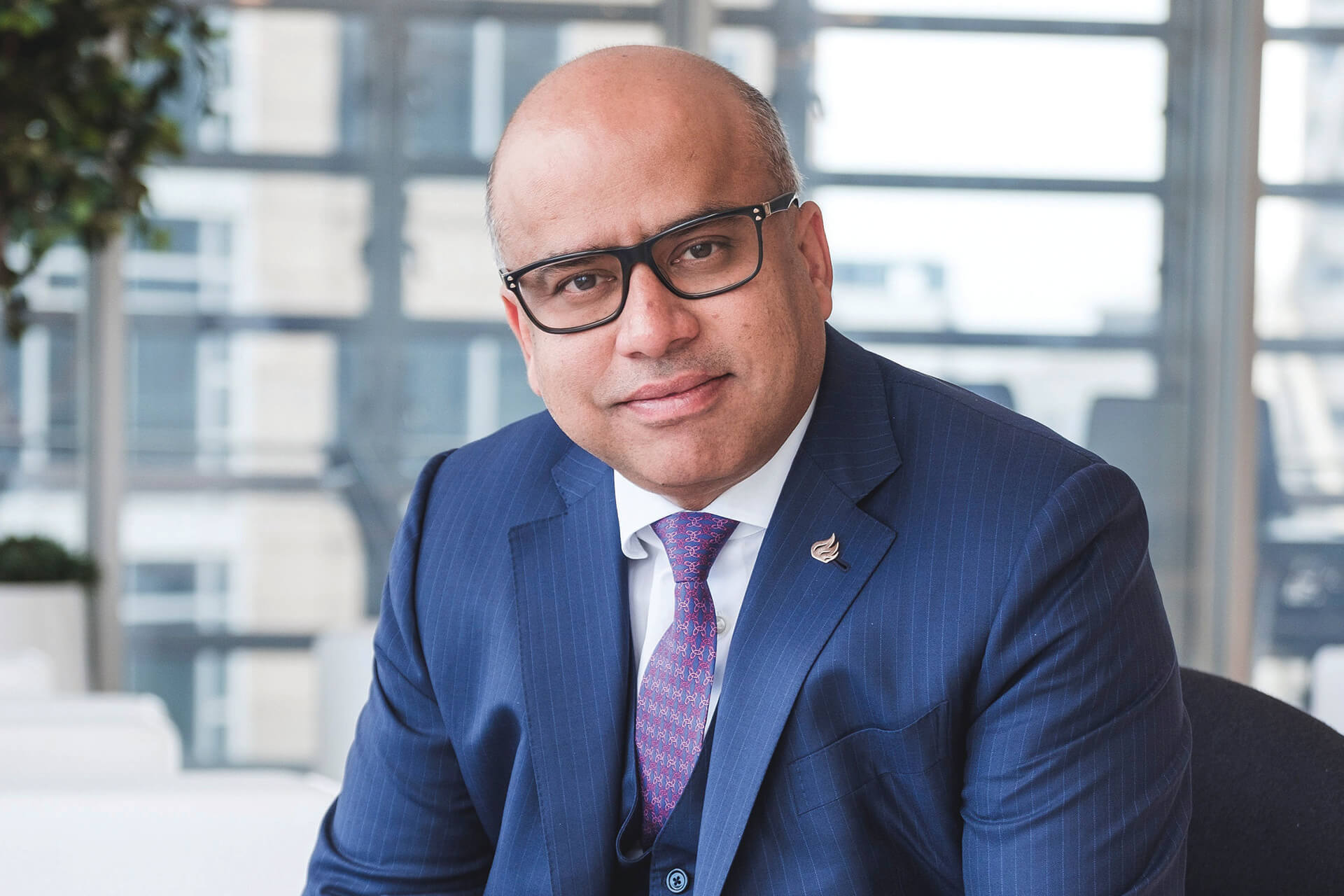
GFG Alliance has created a European Works Council (EWC) in an effort to improve its social dialogue with trade unions across Europe, Kallanish learns from the company.
After negotiations with European employee representatives, executive chairman Sanjeev Gupta and GFG’s chief HR officer Denise Timns signed the GFG Alliance European Works Council Agreement. The EWC Council will be composed by representatives of more than 18,000 GFG Alliance employees in 10 European countries, including the UK and North Macedonia, and will meet twice per year.
“The agreement has been developed, facilitated by IndustriAll Europe, to be in line with the European Directive 2009/38/EC of the European Parliament and its transposition into Czech Labour Code nb 262/2006 CL. It is also in the spirit of the European Commission’s Community Charter of the Fundamental Rights of Workers. It will be available in eight languages (Czech, Dutch, English, French, Italian, North Macedonian, Polish and Romanian) to ensure it is accessible to employees across all of GFG’s European businesses,” the steelmaker says in a note.
The company is undergoing financial scrutiny in France and the UK. While the Paris tribunal is investigating the company for misuse of corporate assets and money laundry, in the UK MPs have issued a damning report on GFG governance. The Energy and Industrial Strategy Committee report says a number of high-risk financial practices were used by GFG Alliance and Greensill Capital that are at odds with the requirements of any future steel sector deal. An audit performed on Liberty Steel UK by King & King also found risks to the businesses including a lack of capacity to complete audits effectively (see Kallanish passim).
Natalia Capra France

EU market avoids HRC imports, mills look to export as stocks rise
North European HRC prices continued to be stable Nov. 11 as demand remains stable to low, with buy-side participants choosing to wait until automotive contracts are agreed, which will set the precedent for long-term pricing development.
As inventories rise due to untaken automotive volume, mills are desperate for spare warehouse space, with some actively exporting to neighboring Turkey and Egypt. Buyers have lost interest in higher import prices amid shorter lead times from domestic mills, sources told S&P Global Platts.
The market has reached the bottom, and expectations of higher prices lie ahead, though it was difficult to determine the actual market level for Q4, sources said.
“It is difficult to know what the real price is. From the lower side, Eur900/mt, but when you do business for Q1 it’s above Eur1,000/mt,” a European mill source said. “For those who need to sell for Q4, it is easiest to export to the US, where mills will have a higher priced market. For this reason, I expect a more positive trend.”
All market signals were pointing toward the outcome of automotive contracts, with additional positive signs from automotive maker Skoda, which returned to production two weeks prior.
“If this is clearer for everybody, mills won’t lower prices and movement will start. Contracts will be in favor of mills – they are in a stronger position because of the prices this year,” the mill source said.
Expected contract prices were between Eur1,000-1,050/mt delivered Europe for HRC, a potential Eur600/mt increase from the previous year’s contracts.
Meanwhile, a Benelux buyer source was skeptical about higher prices in Q1, and said it was all based on the demand situation from auto and other industries.
“I think it’s fairly quiet, if demand is not good, they (mills) have to lower prices,” the buyer said. “Depends on demand from auto but also 50%-60% of the rest of the market, which is the other industry.”
The buyer said stock positions in the Benelux were manageable and not “increasing badly” due to logistical problems in discharging material from the port and delivering it to the warehouse.
— Amanda Flint

Automotive order cancellations hit ArcelorMittal Europe shipments
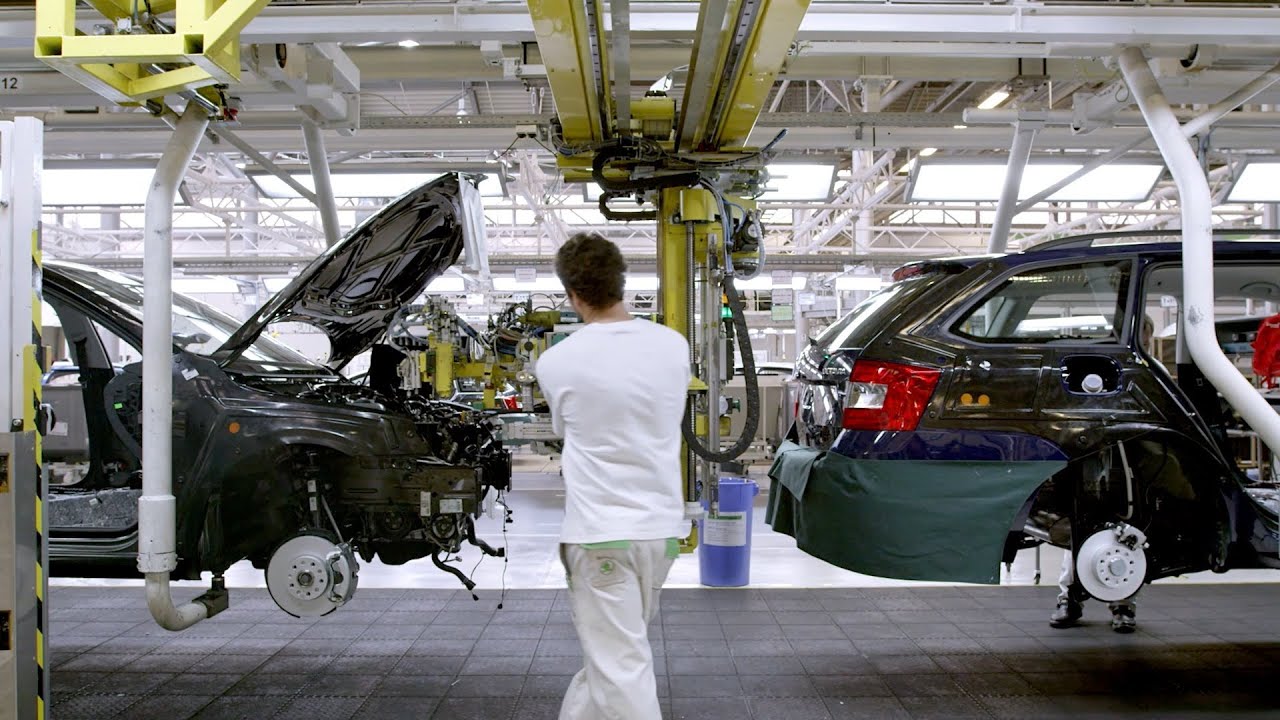
ArcelorMittal Europe saw steel shipments fall 8% on-year and 9% on-quarter in the third quarter to 7.55 million tonnes as a result of weaker demand amid late cancellations of orders by the automotive sector. Moreover, logistic constraints linked to severe floods in July also curbed shipments.
Crude steel production was up 15% on the previous year at 9.09mt, but this was down 3% on-quarter. Sales rose 60% on-year and 5% on-quarter to $11.2 billion and operating income was $1.9 billion, versus a loss of $341 million a year earlier and up 60% on Q2. Average sales price was $1,098/tonne versus $948/t in Q2 and $651/t a year earlier.
Steel shipments in the nine months through September were up 2% on-year to 24.86 million tonnes, while crude steel output rose 13% to 28.17mt. Sales surged 73% to $31.26 billion and operating income was $3.79 billion versus a year-earlier loss of $995m.
Strong steel prices helped ArcelorMittal post in Q3 its highest consolidated net income and lowest net debt since 2008 (see separate Kallanish story). Steel shipments however dropped 17% on-year and 9% on-quarter to 14.6mt.
Adam Smith Germany
Automotive semiconductor shortages to ease in 2022: voestalpine
The automotive industry continues to suffer from semiconductor supply chain difficulties, with supply unlikely to ease before the middle of the next business year, says vostalpine chief executive Herbert Eibensteiner.
“However, it is important to note in this regard that the decrease in automotive production does not stem from a weakness in demand,” Eibensteiner told Kallanish during an online conference on Wednesday.
According to him, it is to expected that due to chip supply problems some areas will see a time lag in order call-ups for voestalpine’s products. “Our North American and Asian facilities were affected much less by the lack of semiconductors than the European ones,” Eibensteiner added.
Demand from the construction, mechanical engineering and consumer goods industries for voestalpine group’s products remains high. The company expects the railways segment to continue delivering good performance despite the usual seasonal weakening.
The energy sector has rebounded substantially of late, and this trend should continue throughout the second half of the business year 2021/22, the enterprise claims. Aerospace, too, is showing signs of a recovery.
Voestalpine also highlighted its efforts for future research into green hydrogen, in projects such as H2FUTURE at the site in Linz, and SuSteel in Leoben-Donawitz. The enterprise is also developing its “greentec steel” programme to decarbonise steel production from coal-based blast furnace production to EAFs.
Svetoslav Abrossimov Bulgaria
AMKR turns to Czech coal to maintain production
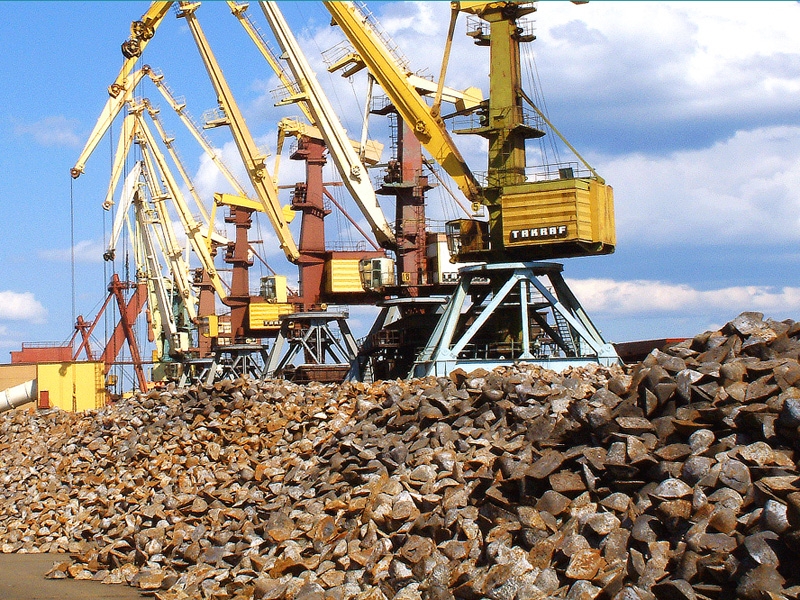
ArcelorMittal Kryvyi Rih (AMKR) is experiencing difficulties in providing coking coal for coke production and pulverized coal preparation, the company tells Kallanish.
“The situation is not easy, but in general, we are coping with supplies, and this situation did not affect the production of iron and steel,” confirms the firm’s press office. “Since November, we have started purchasing coal from the Czech Republic, which will also allow us to diversify our risks. We hope that logistics tensions will subside from this month.”
AMKR did not specify the volumes of coking coal shipments from the Czech Republic.
In January-October, the Ukrainian steelmaker increased coke output by 13.4% on-year to 2.45 million tonnes, the company says. In October alone it produced 230,000t.
According to AMKR, it is difficult to assess how much the company will be affected by suspended supplies from Kazakhstan, following the deadly incident at its ArcelorMittal Temirtau sister company. Kazakh authorities will inspect all of Temirtau’s mines after the death of six miners at its Abayskaya coking coal mine due to a methane explosion.
Earlier, another Ukrainian steelmaker, Metinvest, also reported difficulties with the supply of coal and the production of coke at its enterprises. The company’s third-quarter coke production fell 9% on-quarter to 1.09mt and 3% on-year in the nine months to 3.46mt, mainly due to a decrease in production at Avdiivka Coke.
Merchant coke production decreased 15% on-quarter to 400,000t and 8% on-year in the nine months to 1.39mt.
Svetoslav Abrossimov Bulgaria

German steel software solutions firms SST, PSI unite
The provider of artificial intelligence solutions for steel mills Smart Steel Technologies (SST) has entered a partnership with PSI, supplier of production management solutions in the metals industry.
According to SST, three AI-based software solutions will be launched jointly in the areas of product-to-order reallocation, slab and coil classification, as well as to optimise liquid steel quality, and in particular temperature control. This cooperative effort will digitise applications at every stage of the steelmaking process – from the liquid phase to strip finishing, Kallanish hears from the Berlin-based firm.
“Our partnership with PSI Metals was established to maximise efficiency gains and associated cost savings in steel companies. The combination of PSI’s extensive production management know-how and SST’s profound AI expertise lifts evident synergies for everyone involved,” says chief executive Falk-Florian Henrich.
SST has designed AI solutions for the German mills of ArcelorMittal, and only in October announced it had opened an affiliate in the USA.
Christian Koehl Germany

European stainless coil prices rise
European stainless steel hot and cold rolled coil supply remains under pressure this month, with prices increasing due to higher month-on-month alloy surcharges for November and increasing base prices from European mills, sources tell Kallanish.
Final demand and consumption remain strong. All European coil producers are now quoting lead times between April and June 2022, depending on customer and contract. European stainless HRC is offered at €3,900-4,000/tonne ($4,520-4,636) delivered on average for March and April delivery. Stainless CRC contracts for European material are hovering at €4,100/t delivered on average, including alloy surcharges, depending on material quality and volumes.
Imported stainless coil from Asian countries is said to be waiting at Italian ports to be discharged on 1 January when quotas are renewed. The entire European value chain is slowed by long lead times at European mills, but margins remain high for both coil and flat products, with good profits both upstream and downstream. Stocks of flats and tubes are reported to remain relatively low in Western European countries.
The short supply and increasing prices are forecast to last through the end of the year and first quarter of 2022, sources believe.
Natalia Capra France
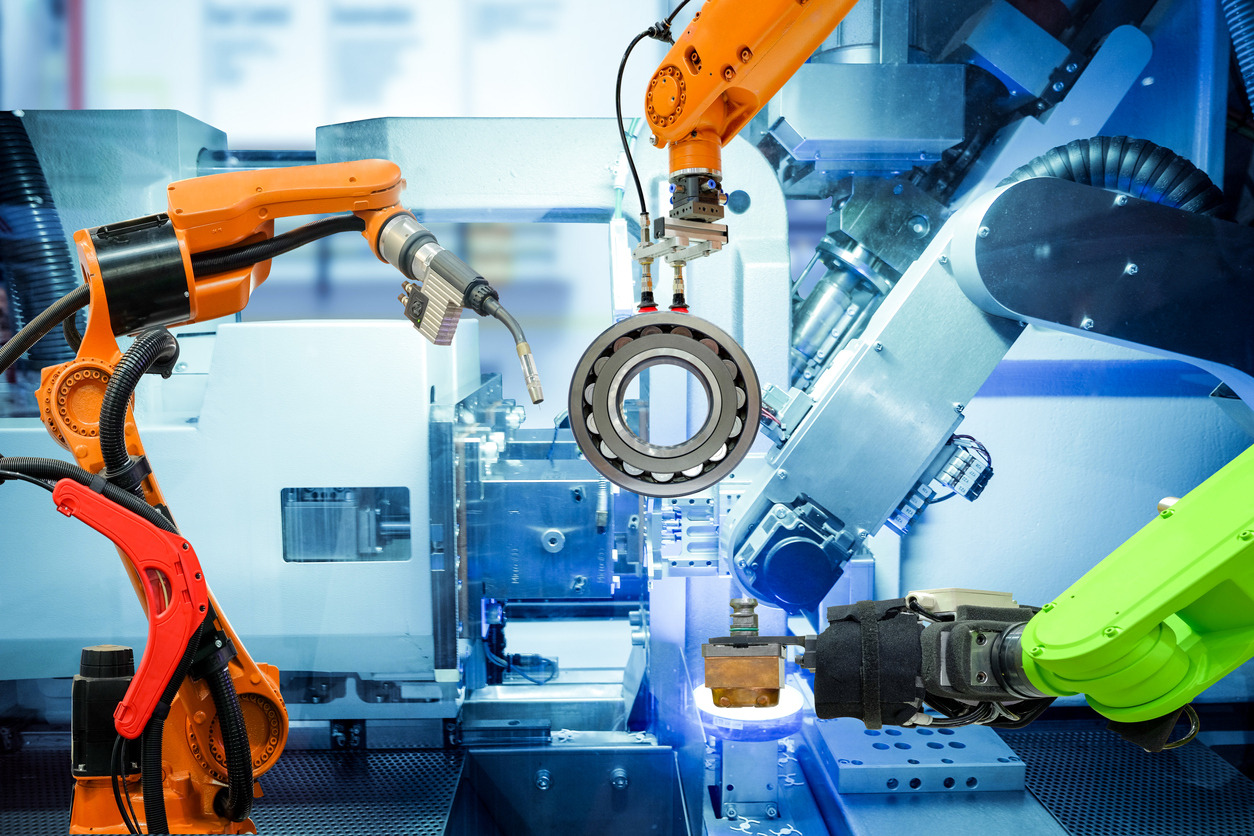
Bottlenecks curb growth for German machinery makers
Germany’s mechanical engineering sector is upbeat about its performance in 2021 so far and about the prospects for 2022. Large-scale plant builders, especially, have recently secured major orders. However, companies are concerned about a shortage of steel and other materials for their purposes, Kallanish hears from their federation, VDMA.
For the current full-year 2021, the association confirms its forecast of real production growth of 10% compared to the previous year. “Without the material shortages, even higher growth would be possible,” says VDMA president Karl Haeusgen. “As is the case in all industries, the supply chain difficulties for some preliminary products will continue to be felt for some time. But order books are still well filled, and we expect sales from these orders to be booked with some delay.” For 2022, VDMA expects a further increase in production of 5% in real terms.
An exceptionally high contribution from large-scale plant business filled the order books of the machinery engineering industry in September. Orders in this month increased by 65% in real terms year-on-year. Orders from abroad almost doubled. VDMA does not specify if this includes orders for metallurgical plant builders, which are represented in its division for large-scale plant building, AGAB (ArbeitsGemeinschaft GrossAnlagenbau).
While a singular month could be an outlier in this business, an upward trend has indeed been seen throughout the year. In the first nine months of 2021, plantbuilders recorded a real increase in incoming orders of 36% y-o-y. In the three-month period from July to September, the order increase was up to 50% y-o-y.
One development addressed with concern by VDMA is the drifting apart of the two economic powers USA and China. Almost half of German mechanical engineering companies source components from China or the USA that are critical for their own production. These are primarily electronic components and parts, but also raw materials such as steel and castings. “There is a risk here of being pressured by China or the USA in the event of trade disputes,” Haeusgen observes. “Companies therefore know they have to act.”
In a survey, one third of the companies polled say they intend to opt for a “forward strategy”, meaning they will increase their own investments in the USA and China, for example, by setting up or expanding local production.
Christian Koehl Germany