


Acciaierie d’Italia stops disputed coke battery for revamp
Coke battery no.12 at Acciaierie d’Italia’s steelworks in Taranto, formerly known as ArcelorMittal Italia and previously Ilva, has been idled due to environmental upgrade works, the company confirms to Kallanish.
Production stopped on 1 September and work will last for a few months. The coke battery will be put back into operation by the end of the year.
The Lazio region administrative court, Tribunale Amministrativo Regionale (TAR) Lazio, ordered in July the shutdown of coke battery no.12 at the Taranto steelworks by 31 August due to excess emissions (see Kallanish passim). It ordered the steelmaker to perform a revamp of the equipment, keeping the threshold of fine dusts to 25 grams per tonne of coke.
The company will have to improve ventilation and install filters for chimney E428, Kallanish hears from a source close to the steelmaker.
Earlier this year, Italy’s ecological transition ministry ordered Acciaierie d’Italia by ministerial decree to reduce emissions of the coke plant by 30 June. Acciaierie d’Italia appealed to extend the deadline to January 2022 but the Lazio court refused.
Natalia Capra France


Russia’s stainless output rebounds in July
Russia’s production of stainless steel decreased in January-July, show national statistical service Rosstat data monitored by Kallanish.
Output amounted to 118,900 tonnes, down by 2.9% on-year. However, in July alone Russian steelmakers produced 18,100t of stainless steel, up by 9.1% on-year and up 2.5% on-month.
In June, Russia produced 17,600t of stainless steel, less by 7.6% on-year (see Kallanish passim).
Russia’s production of stainless steel in full-year 2020 increased by 1.3% on-year to 204,260t.
Production at Russia’s Krasny Oktyabr (Red October) decreased in July compared with the previous month (see Kallanish passim). It amounted to 16,691t of stainless steel, down by 24.8% on-month. In June, production was 24,900t.
Russian stainless steel imports increased in January-July and the main supplier was again China, national special steel association USSA said earlier. Russian stainless intake was up 5.4% on-year to 241,520t. However, in July alone Russian stainless intake decreased by 18.5% compared to June to 34,700t.
“Rising prices in the foreign markets and problems with the formation of orders for the imported stainless steel limits the supply for domestic customers,” USSA said. “An increase in the key rate and a further increase in prices in the foreign market will contribute to the growth of prices in the Russian market.”
Russia’s additional export duties will meanwhile impact only a part of Russian exports of stainless products, because most of them are delivered to Eurasian Economic Union (EAEU) countries, according to USSA.
Svetoslav Abrossimov Bulgaria
Thyssenkrupp quantifies iron loss from blast furnace interruption
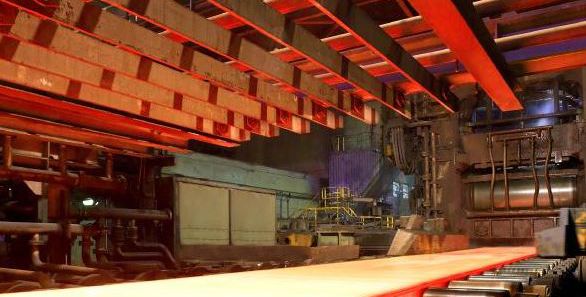
The reline of blast furnace No.1 at thyssenkrupp Steel’s mill complex in Duisburg will result in a production loss of 700,000 tonnes of pig iron, Kallanish is told by the company. The outage for the purpose of a reline lasts some 70 days, and the restart is scheduled for this month.
This major maintenance has been repeatedly questioned as it comes during a period of shortages, high demand and high prices the mill could achieve. Executives previously maintained that the measure could not be postponed as it has become technically unavoidable. Its preparation has taken nearly a year, and could not reasonably be stooped even when it became obvious that the economy is surging.
Still, a spokesman from the works council of tk Steel tells Kallanish that the measure comes late by about one year. It could have been carried out altogether earlier, but the investment was postponed by parent company thyssenkrupp AG. “We wanted to have it sooner, and eventually it could not be pushed back any more, so now it comes at an inadequate time,” he says.
Tk AG was hesitant with lining up investments into Steel for a long time, given that it was pondering spinning off the unit. Eventually, however, it decided on the campaign “2030” with billions of euros to be invested in the future of steelmaking in Duisburg. “We at tk Steel have fought for this, and it was implemented, even despite Covid-19,” the spokesman says.
Meanwhile, some defect was recently heard to have occurred at one of the other blast furnaces. This, however, was only a leak of gas without causing any noteworthy hazard, damage or production loss, he says.
Christian Koehl Germany
Asian stainless CRC prices rise with higher nickel
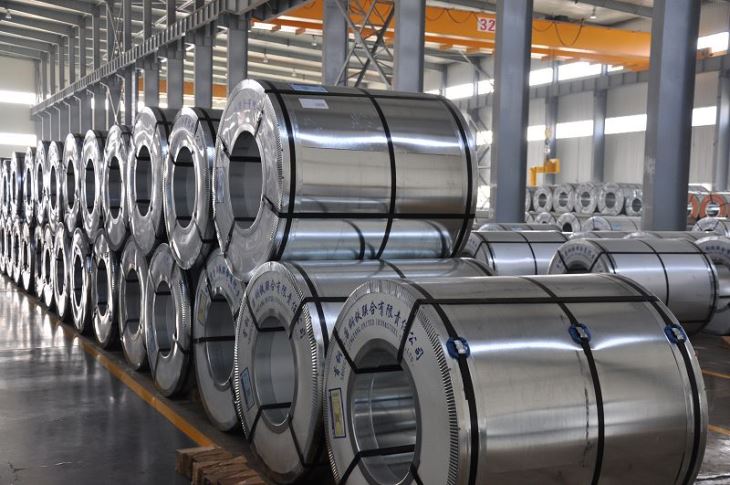
Asian stainless cold-rolled coil prices increased in the week to Sept. 3, in line with further gains in nickel and improved market sentiment in the China domestic market.
S&P Global Platts assessed 304 grade 2 mm 2B stainless CRC at $3,120/mt CFR East and Southeast Asian ports on Sept. 3, up $50/mt on the week.
Nickel prices strengthened, rising above the $19,000/mt mark during the week, with the official nickel cash price on the London Metal Exchange settled at $19,365/mt on Sept. 2, up $497/mt on the week.
In Chinese domestic market, sentiment was boosted towards the end of the week on news of output cuts at mills, stronger nickel and stainless futures. Some major export mills hadn’t announced their new offers for November shipment.
Previously, a major mill offered late-August in the range of $3,250-$3,300/mt FOB for end-December shipment. Offering level for immediate delivery cargoes were about $3,000-$3,100/mt FOB, according to traders.
Inquiries were more healthy as most market participants don’t expect export duty to be announced in September. But higher costs for freight remained a major issue, said a Chinese trader.
Some Taiwanese mills were not so keen in adjusting their offers and preferred to wait and see, as they have secured some bookings for October shipment. Their offer level of around $3,350/mt CIF met resistance from buyers, according to a regional trader.
The most actively-traded October stainless steel contract on the Shanghai Futures Exchange was at Yuan 18,715/mt ($2,893/mt) on Sept. 3, up Yuan 1,170/mt, or 6.7%, on the week.

German mills bullish on steel prices, buyers’ see stability
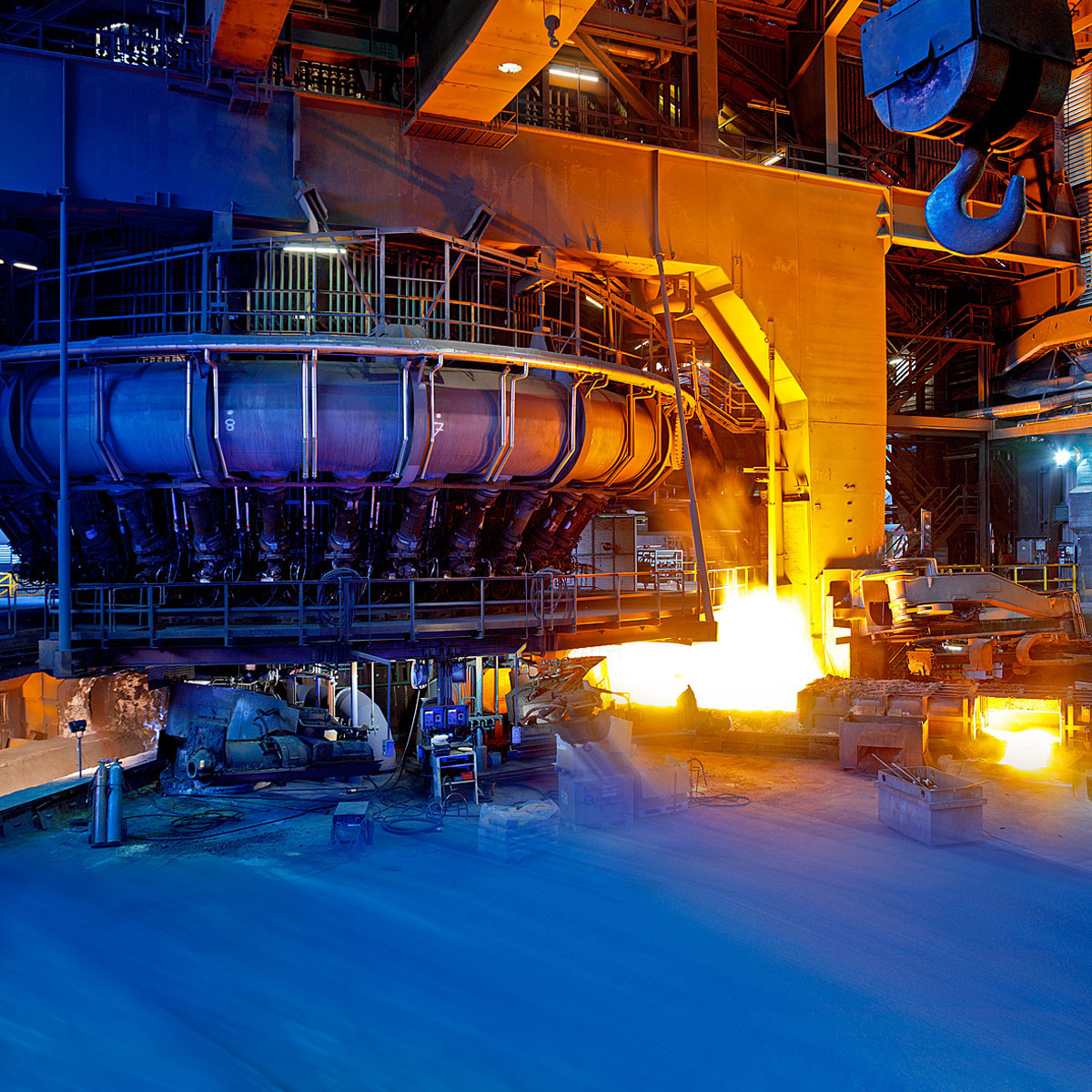
German steel producers are expecting a slight rise in steel prices over the coming weeks, while traders and end-buyers expect a stable pricing environment amid concerns over automotive demand and high volumes of imported material, according to Platts’ monthly German steel sentiment survey.
The survey, conducted at end of August and the beginning of September, showed the overall expectation for steel prices at 56, with producers the most bullish at 67. Traders and distributors as well as end-buyers expect a stable development at 50 (50 denotes stability).
The sentiment for steel price development turned gradually from extremely bullish at 96 in May to a more stable expectation over the summer as the summer slowdown took hold of the market. Over the last two weeks, however, market sources told S&P Global Platts that the takeing of volumes at steel mills by the automotive industry would be less certain amid the semiconductor shortage that forces carmakers to have intermittent production.
Market participants are now mostly back from the holidays and one European mill was heard starting to offer hot-dipped galvanized coil for October – which was one of the most sought-after products during this year’s material shortage. The mill was previously officially booked until year-end.
Sources said that the material will be helping to clear backlogs and opinions were mixed on whether the volumes that are appearing now on the spot market were big enough to have an effect on spot pricing.
Steel prices weaken over summer
Prices for flat steel have overall decreased over the past few months. The daily Platts hot-rolled coil assessment stood at Eur1120/mt EXW Ruhr on Sept 3, down Eur65/mt from its peak June 25 at Eur1190/mt EXW Ruhr, a record high.
European rebar prices have recently shown some weakness as well, though less pronounced. The weekly Platts rebar assessment started to drop on summer lull and lower scrap prices in August to Eur835/mt EXW Northwest Europe on Sept. 1, but sources say fundamentals remain good.
The increase in import material being offered and arriving in Europe over the recent months has led to more pricing pressure on domestic mills, though mills have not been changing pricing officially. Producers are currently in long-term contract negotiations and sources said mills would want to keep spot prices up.
Ahead of the holidays, buyers booked volumes when the opportunity arose amid rapid steel price rises and tight material availability. This has led to an increase in stock levels, which is also reflected in the latest figures from German steel stockholder’s association BDS.
According to the latest BDS data, flat steel stocks increased 8.5% from June to 1.2 million mt in July, stock levels for long steel products grew 2.6% on the month to 791,193 mt.
For September, market participants expect stocks to slightly grow with the survey index at 57, the index for production expectation stood at 74, indicating a pick-up in steel production from the summer.
— Laura Varriale
Chinese steelmakers halt production in September
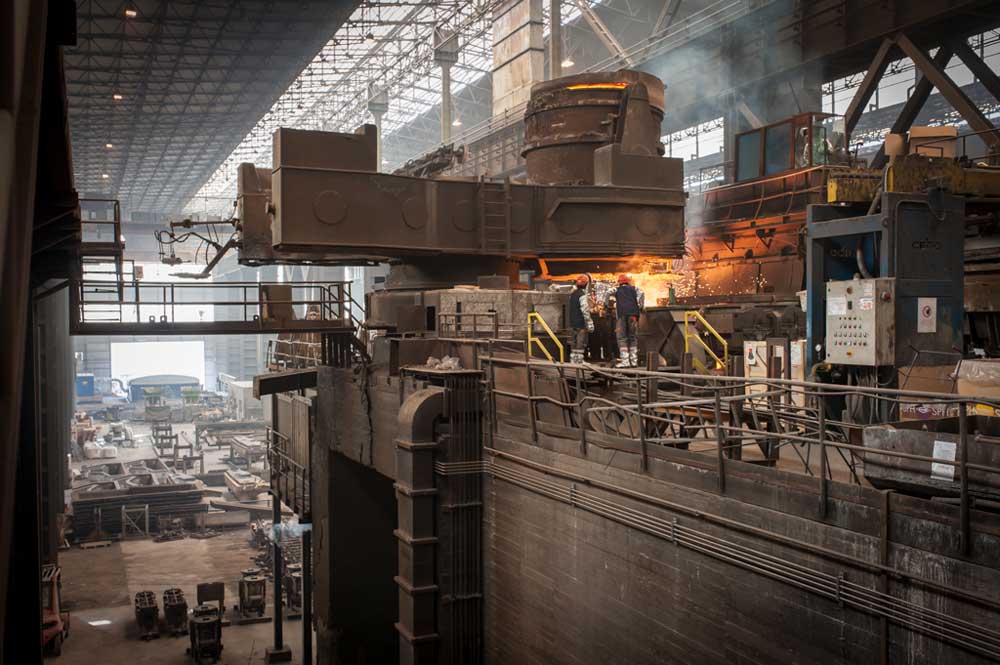
Under pressure from output reduction policies, Chinese steel producers have chosen to conduct overhauls of equipment in order to achieve their set output targets. Most steel mills are being required to limit this year’s output below last year’s level, Kallanish notes.
Guangdong Shaogang announced on Wednesday that in the second half of the year, two blast furnaces at the steel plant will be overhauled, reducing supply of pig iron by 400,000 tonnes in total. On the same day, Juneng Special Steel started the overhaul of its 1,250 cubic-metre blast furnace for 70 days, cutting 220,000 t/y of iron output in total. In addition, another seven steelmakers have announced plans that will reduce around 1.1 million tonnes of iron output in September.
In terms of the finished steel products, 17 producers including Tiangang, Benggang, Angang and Yonggang will reduce a combined 830,000t of long steel and 980,000t of flat steel output.
According to market rumours, Baowu Group has been notified that it must also keep this year’s output at the same level as last year. Sources estimate Baowu’s steel subsidiaries would need to reduce steel output by approximately 14-19mt from September to November to meet this goal.
By Kallanish
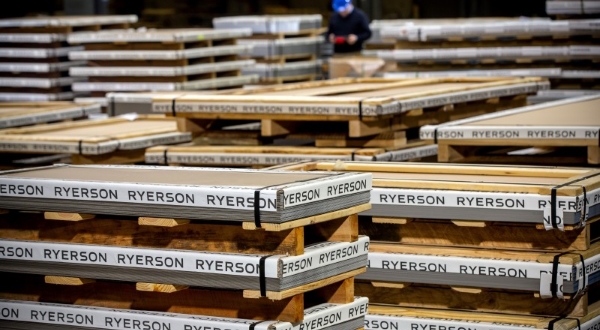
Ryerson expands in the Pacific Northwest
Chicago-based service centre chain Ryerson is building a new greenfield facility in Centralia, Washington, Kallanish learns.
Start-up is slated for the second quarter of 2022, Ryerson says. The 214,000 square-foot facility will serve the Pacific Northwest market – specifically Washington and Oregon. It will have advanced plate, bar, and tube processing equipment.
Financial details were not disclosed.
“Our investment in a new state-of-the-art service center in Centralia, Washington underscores our commitment to modernising our network of intelligently connected manufacturing metals service centers creating great customer experiences at speed, scale, and consistency,” says ceo Eddie Lehner. “I would like to thank the city of Centralia and their leadership team for working diligently with Ryerson to bring this advanced distribution and manufacturing facility to fruition that will create excellent jobs in the Centralia area for many years to come.”
Dan Hilliard USA
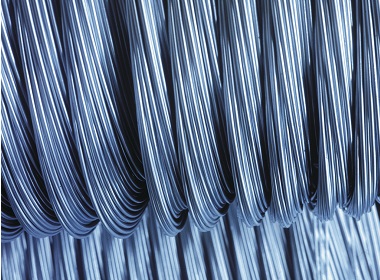
EU confirms duties on Chinese PSC wire
The European Commission (EC) has concluded the expiry review launched in 2020 on existing duties on Chinese pre-stressed concrete (PSC) wires and strands, Kallanish notes.
The review was launched after a request from the European Stress Information Service, representing more than 25% of EU production of such products.
This week, the Commission confirmed duties will remain in place, at a level of 31.10-46.20% depending on supplier. Kiswire Qingdao’s material will not be subject to any duty.
Emanuele Norsa Italy
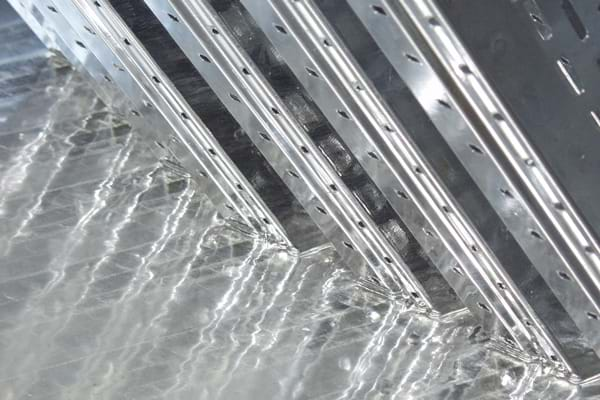
EU market may see greater HDG volumes as auto demand retreats
European hot-rolled coil prices were stable Sept. 2, with pricing uncertainty still rife in a market waiting on the outcome of the potential removal of US Section 232 tariffs come November, and what this could mean for the domestic market, sources told S&P Global Platts.
As mills look to fund carbon-free steel production, and with market chatter around the removal of Section 232 tariffs, prices were expected to increase in the near term.
“Export prices for EU steelmakers will be very good and US prices will decrease for [the removal of] Section 232,” an Italian service center source said. “There is only one loser and that is the European steel industry, which will have less material. It’s important that Brussels understand that the situation is critical – they need to revisit the quota system.”
Buy-side sources were more optimistic about HDG availability, due to the expected lack of demand from automotive manufacturers during September.
Mills were relieved about this unlikely outcome, as it would alleviate the pressure to produce more HDG.
“We have too much in the pipeline to be able to produce anything, so we’re happy automotive haven’t ordered all those [HDG] quantities,” A European mill source said. “It means that we still don’t have a lot of quantities to sell, but we’re not so much in pressure in our production.”
Exporting countries like India were also discontent with the European Commission’s July decision to limit quota allowances, and this was exacerbating the supply pressure felt in the Italian market.
“The Indians want to extend their quotas, and in the past month they discussed with the European Commission, but they didn’t succeed,” the same service center source said. “India is the most important supplier to Italy.”
— Amanda Flint
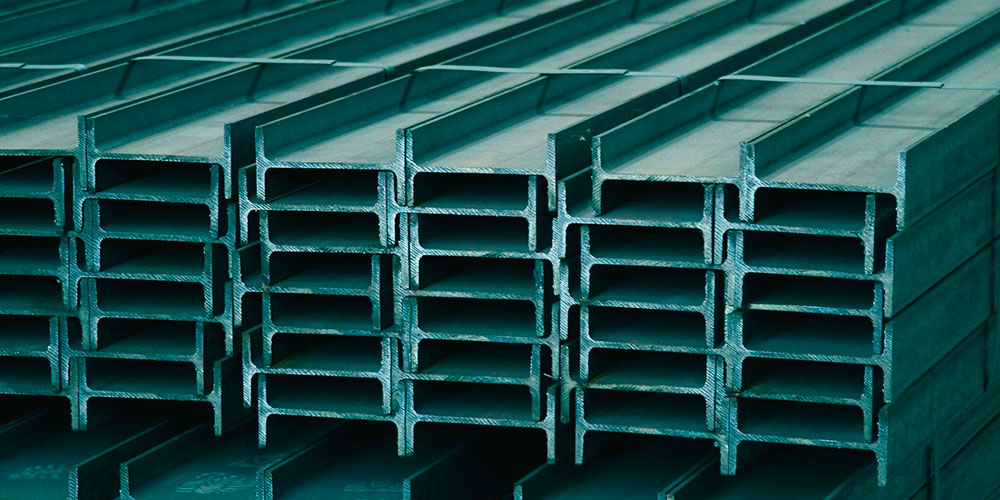
India proposes retaliatory duties on EU-origin steel imports
India has proposed to impose an additional €292 million ($346m) worth of import duties on products coming from the EU. The proposed duties will be in retaliation against quota restrictions put in place by the EU on steel imports from India.
India has submitted the request to the World Trade Organisation (WTO), Kallanish notes. The nation will shortly provide details of the measures it plans to put in place, says an official tracking the matter.
“India estimated that the safeguard measures have resulted in the decline of exports to the tune of €1.168 billion, on which the duty collection would be €292.01 million,” the Indian WTO delegation says. “Accordingly, India’s proposed suspension of concessions would result in an equivalent amount of duty collected from products originating in the EU.”
“The suspension of concessions and other obligations will continue to apply until the safeguard measures of the EU are lifted,” it adds in the WTO application.
The EU implemented tariff rate quotas (TRQ) on steel imports, following the US decision to impose additional import duties on steel from several countries including Russia, India and Turkey. It fixed specific quotas for steel imports for exporting countries beyond which the items attracted additional import duties of 25%. The main reason behind the TRQs was to avoid the diversion of exports from the US market to the EU market.
“Subsequently, the EU came up with some changes in the TRQ administration that made the situation tougher for Indian exporters as they had tailored their exports as per the initial measures announced,” the official adds.
“Since the EU did not roll back the measure after discussions with India on the matter, India decided that it was justified to suspend concessions to the EU by increasing duties on imports from the region equivalent to the duties calculated on the affected Indian exports,” the official concludes.
In April-May, Indian hot-rolled flat exports to Italy clocked at 247,074 tonnes. Other major importers in the EU were Belgium (105,999t), and Spain (75,660t).
Sayed Aameer India