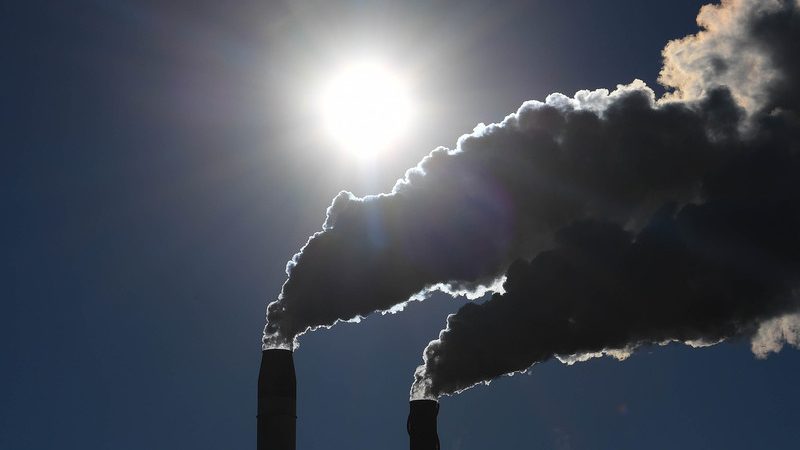
ArcelorMittal to invest over Eur1 billion to speed up CO2 reduction
Steelmaker ArcelorMittal has announced a long-term project to propel its sites at Bremen and Eisenhüttenstadt in Germany towards sustainability, involving capital expenditure of between Eur1 billion and Eur 1.5 billion.
“With our concept for the transformation of the plants in Bremen and Eisenhüttenstadt, we are accelerating the implementation of carbon-neutral steel production,” ArcelorMittal Flachstahl Deutschland CEO Reiner Blaschek said in a statement. “These projects have the potential to have a significant impact in reducing CO2 emissions, in line with the European Union’s climate commitments. We are now asking for the necessary support and access to funding, to make the implementation of our plans happen.”
ArcelorMittal plans to build a direct reduction iron ore plant and electric arc furnace at Bremen and in Eisenhüttenstadt. As well as the need for funding, ArcelorMittal will also need to access the national hydrogen grid. Using green hydrogen, up to 3.5 million mt of steel could be produced by the two sites by 2030 with significantly lower CO2 emissions, by about 5 million mt of CO2/year and would result in production costs that are around 60% higher than they are now.
Overall, ArcelorMittal aims to reduce its CO2 emissions in Europe by 30% by 2030 and produce carbon-neutral steel by 2050.
The company has two blast furnaces at Bremen, with a combined annual capacity of 3.8 million mt. It has another blast furnace at Eisenhüttenstadt with an annual capacity of 1.7 million mt.
As a first step, one blast furnace at Bremen and one at Eisenhuttenstadt will be converted from coal to natural gas inection, which will already reduce emissions significantly.
A subsequent step will be to build the new DRI-EAF plants, with the largest one to be installed at Bremen.
The sponge iron produced at the Bremen DRI unit will initially also supply Eisenhüttenstadt.
Switching from natural gas to decarbonized hydrogen will depend on market developments, with Germany focusing on kick-starting a green hydrogen economy through domestic production of decarbonized hydrogen as well as imports.
In Bremen as in Hamburg, where ArcelorMittal already operates a DRI-EAF plant, hydrogen could be supplied from a regional initiative involving Germany’s five coastal states.
In Eisenhuettenstadt, east of Berlin on the Polish border, this could ultimately be provided by the East Brandenburg hydrogen cluster, although few details are known as yet.
In the meantime, a pyrolysis pilot plant is planned at Eisenhuettenstadt with the process using natural gas and resulting in only solid carbon as well as hydrogen. This relatively new process, also known as turquoise hydrogen, is also supported by Germany’s hydrogen strategy.
Germany in June 2020 published a hydrogen strategy with some Eur9 billion support for electrolyzers that can convert electricity into hydrogen, seen as key to achieving its 2030 climate targets.
In addition to capex for electrolyzers, the strategy also envisages support through so-called carbon contracts for difference for the steel sector.
In the long term, supply of sufficient amounts of hydrogen would require the facilities to be integrated into regional, national and European hydrogen networks with regulation and infrastructure details only slowly emerging.
In Germany, ArcelorMittal already has Europe’s sole DRI-EAF plant at its site in Hamburg, where the switch to using hydrogen instead of natural gas in the iron ore reduction process is being prepared.
— Annalisa Villa, Andreas Franke

Commission imposes anti-dumping duties on imports of aluminium extrusions from China
The Commission has published a regulation imposing definitive duties on imports of aluminium extrusions originating in the People’s Republic of China. The anti-dumping duties imposed range from 21.2% to 32.1%. This is another example of the EU’s commitment to ensure that EU industry can compete on a level playing field and to defend jobs – 40,000 across the Union in this €12 billion industry.
The Commission started the investigation on 14 February 2020 based on the complaint lodged by European Aluminium on behalf of producers representing over 50% of total EU production. The investigation found that unfair trade practices (dumping) by Chinese exporters caused significant damage to EU industry, and that measures to tackle such practices are necessary and in the interest of the EU. All parties concerned had full opportunities to defend their interests.
This sector suffers from many distortions caused by Chinese overcapacity and other State-induced practices, undermining fair competition and endangering EU companies and jobs. Given indications that certain operators are ready to circumvent the measures, the Commission will monitor this market closely and react swiftly to any attempts to avoid duties.
For more information
Regulation
Case AD664 – Aluminium extrusions
EU trade defence policy
Australia expects record iron ore exports
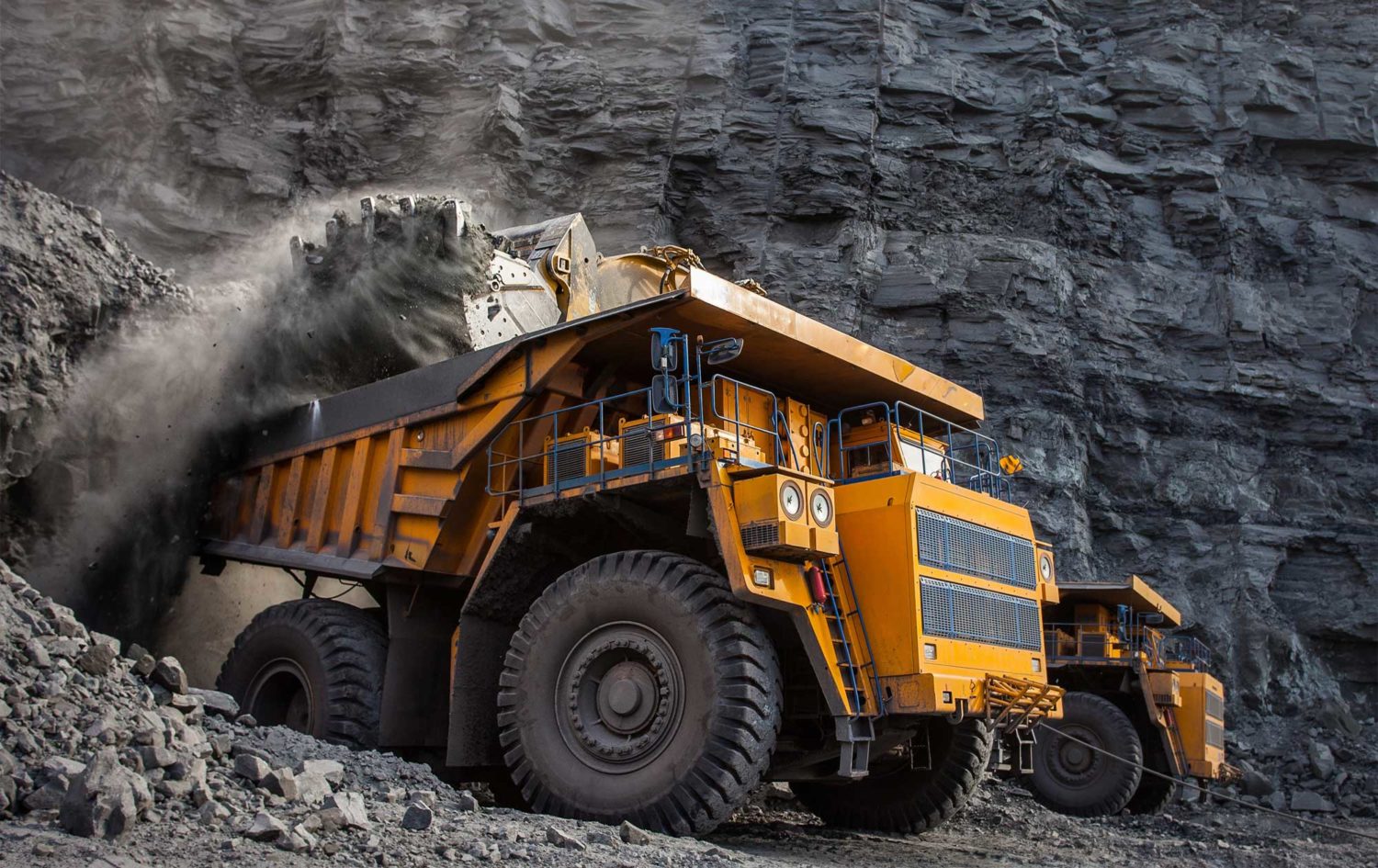
Australia expects its iron ore exports to hit a record high of AUD 136 billion ($104 billion) this financial year, supported by a global demand recovery after the long stagnation caused by Covid-19. This is according to the Resources and Energy Quarterly report released by the Department of Industry, Science, Energy and Resources.
Over the coming years, Australia’s iron ore exports are expected to earn around AUD 100 billion annually. But the expected earnings of AUD 136 billion this year should be a peak, Kallanish notes.
Australia also wants to retain its market share over Brazil, so will ensure its iron ore shipments rise from 900 million tonnes in 2020-2021 to 1.1 billion tonnes five years later. Prices are expected to keep above $100/tonne until late 2021, and finally reach $72/t by the end of 2026. In its previous report, authorities had expected prices to stay above $100/t only until the second half of this year.
The report also predicts global steel output could rise by 3% in 2021, and 2.8% in 2022.
China is advancing the development of overseas iron ore mines, such as in Guinea, and aims to reduce dependence on Australian iron ore. In 2019-2020, China purchased 87% of Australia’s iron ore exports.
By Kallanish Team

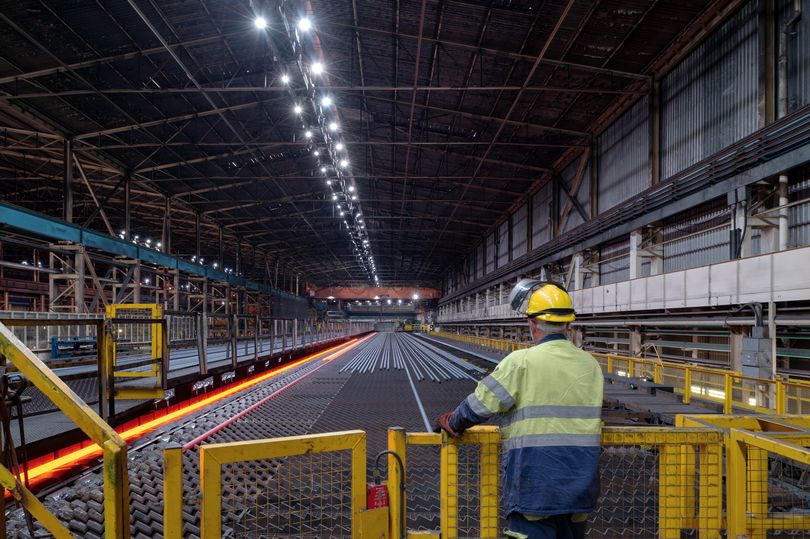
Liberty to restart steelmaking April 6, says customers ‘paying upfront’
Liberty Steel UK plans to restart steelmaking around April 6, a spokesperson for parent group GFG Alliance said March 29.
The restart is understood to refer to electric arc furnace steelmaking at Liberty Steel’s Speciality Steels site in Rotherham, northern UK, Liberty’s sole crude steel production site in the UK. On March 10, after the collapse of its financier Greensill Capital, GFG Alliance had announced that some of its UK sites were working “intermittently.”
Market sources told S&P Global Platts at that time that Liberty’s Speciality Steels unit had stopped production March 8 and furloughed its employees until the end of March. The operation failed to buy any ferrous scrap, the principal raw material for its EAF, the sources said. The company is understood typically to buy 40,000 mt-45,000 mt of scrap per month.
Liberty did not release full details of the restart nor the expected production level at the site. It is believed the restart will be at partial capacity, due to recent slack demand for aerospace products manufactured at the Rotherham and Stocksbridge Speciality Steel sites.
“Parts of LIBERTY Steel UK have been negatively impacted by COVID-19 with demand for some aerospace products down by 60%,” the GFG Alliance spokesperson said in a statement. “This has been compounded by a poor operating environment in the UK for electro-intensive steel makers which suffer from energy costs that are up to two thirds higher than in mainland Europe.”
Finding customer support
Liberty Steel UK is undertaking significant self help measures to reduce steel stocks, matching stocks to customer orders, and working with customers to achieve terms that will bring in cash earlier, yielding tens of millions of pounds in savings, the spokesperson said.
“LIBERTY Steel UK has been supported by major customers placing significant orders and paying upfront,” the statement said.
UK steel union GMB, which earlier this month professed its support for magnate Sanjeev Gupta’s GFG Alliance, on March 29 put out a statement effectively calling for the UK government to consider nationalizing Liberty’s UK steel operations. This followed reports that the government had in recent days refused to grant Liberty a GBP 170 million ($235 million) loan to prop up its UK steelmaking activities.
Liberty Steel UK is the third largest steelmaker in the country, with nine sites across England, Scotland and Wales, producing both flat and long products. Its UK rolled products capacity is around 3 million mt/year, with some 3,000 employees.
UK business ‘standalone’
The GFG Alliance spokesperson noted that Liberty’s UK businesses are standalone and that any issues in the UK do not affect other parts of the group’s global portfolio.
“Most of GFG Alliance’s businesses across its global portfolio are performing well and generating positive cash flow, supported by the operational improvements we’ve made and strong steel, aluminum and iron ore markets,” the spokesperson said. “Our Primary Steel and Mining operations in Europe and Australia are booking record profits and we have adequate funding for our current needs. We are taking prudent steps across our global portfolio to manage resources while we try to negotiate a formal standstill agreement with Greensill’s administrators and refinance the businesses.”
— Diana Kinch
JSW Steel concludes takeover of BPSL; boosts output to 22 mil mt/year
India’s JSW Steel has completed its takeover of debt-ridden Bhushan Power and Steel Ltd., boosting to the former’s overall output to 21.5 million mt/year, the steelmaker said March 26.
“This is an important milestone as its is the largest acquisition in the history of JSW Steel,” Sajjan Jindal, JSW Steel’s chairman said March 26 in a welcome note to employees of BPSL. “As a valued member of the JSW family, your contribution will be key in bolstering our ambitious growth plans of achieving 45 million mt/year capacity well ahead of the 2030 timeline.”
JSW Steel’s has 18 million mt/year of capacity, which will hit more than 26 million mt/year with the addition of BPSL and a doubling of the production capacity at JSW Steel’s Dolvi steel mill to 10 million mt/year.
Dolvi’s expansion is expected to be completed in the first quarter of fiscal year 2022 which ends March 31, 2022, postponed from Q4 FY 2021 due to the COVID-19 pandemic.
The takeover of BPSL, effective March 26, brings an end to JSW Steel’s plan to take over BPSL that was approved by the approved by the National Company Law Tribunal in September 2019 and by National Company Law Appellate Tribunal in February 2020.
The NCLT was created under the Companies Act of 2013 to handle corporate civil disputes arising under the act, whereas the NCLAT hears appeals against decisions of the NCLT.
Challenges to the tribunals’ approvals had delayed the implementation of JSW Steel’s resolution plan for BPSL, which ended when JSW Steel said it paid Rupees 193.5 billion ($2.66 billion) to financial creditors on March 26.
— Clement Choo, Ashima Tyagi
UK urged to nationalize Liberty Steel after loan request refused
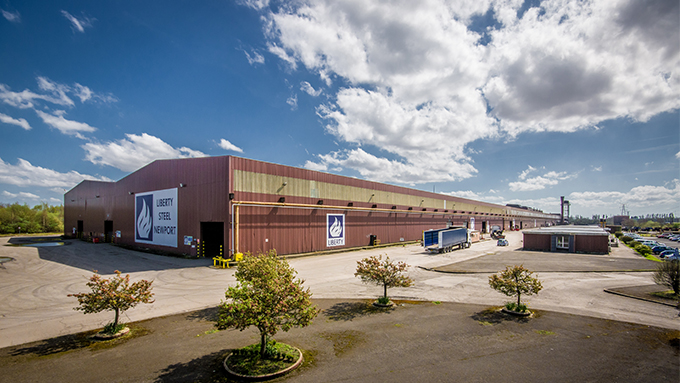
UK steel union GMB said March 29 a “Plan B” should be developed for Liberty Steel, including the option of taking the UK business into public ownership.
The UK government has rejected Liberty Steel’s request for financial support of GDP170 million ($235 million), according to news reports over the weekend.
“Now that the Government has stated it will not provide the bailout sought by Sanjeev Gupta, GMB will seek an urgent meeting with Kwasi Kwarteng, Secretary of State for BEIS to discuss ‘Plan B’. This must include all options, including taking the UK business into public ownership,” Ross Murdoch, GMB National Officer, said in a statement.
There are growing concerns in UK and in the rest of Europe where Liberty also has steel assets that the company has cash issues after its financier, Greensill Capital, entered administration March 8.
Liberty Steel is part of UK-based steel, metals and energy group GFG Alliance, owned by magnate Gupta and his family. It has grown rapidly in recent years, including by acquisition of troubled assets, to become Europe’s fourth largest steelmaker with a 6 million mt crude steel capacity in the region.
Of the group’s overall steel rolling capacity of around 18 million mt/year, some 10 million mt/year is in Europe, including 3 million mt/year in the UK, where Liberty employs around 3,000 people. The group employs some 35,000 staff worldwide.
GFG ‘operationally strong’
A GFG Alliance spokesman told S&P Global Platts the group as a whole continues operationally strong and benefiting from strong markets in steel, aluminum and iron ore.
“While Greensill’s difficulties have created a challenging situation, we have adequate funding for our current needs,” the spokesman said in an emailed statement. “Discussions to secure alternative long-term funding continue to make good progress and while this takes place we have asked all of our businesses to manage cash carefully. Combined with the efficiency drive we’ve implemented over the past year this has ensured that most of our major businesses generating positive cashflows.”
GFG had said March 10 that some of its UK sites were operating intermittently. Market sources had expressed concerns over payment of supplies to some of its sites, particularly the niche steels units in northern UK.
“In the UK speciality steel business, where weakness in the aerospace market has cut demand for some products by 60%, we have been taking specific actions to stabilise the business and improve cash flow,” the GFG spokesman said March 29. “Activities on the sites include reducing steel stocks, matching stock to customer orders, and working with customers to achieve terms that will bring in cash as early as possible.”
Insurers back out
Since Greensill’s collapse, larger companies are reported to have struggled to acquire suitable insurance and stepped back from supplying Liberty Speciality Steels UK, including with steel scrap for its electric arc furnace. One major Asian supplier of steel feedstock and ferroalloys to Liberty’s UK and European works, including the Ostrava mill, told Platts last week its insurance company was withdrawing its credit limit on sales to Liberty from the start of April so it would be more difficult to continue to supply the works after that.
The UK government’s Department for Business, Energy & Industrial Strategy (BEIS) told Platts March 29 it is closely “monitoring developments around Liberty Steel and continues to engage closely with the company, the broader UK steel industry and trade unions”.
A BEIS spokesperson underscored that the government has supported the steel sector extensively, providing GDP500million in recent years to help with the costs of energy.
“Our unprecedented package of COVID support is still available to the sector to protect jobs and ensure that producers have the right support during this challenging time,” the spokesperson said in a statement.
BEIS added that: “If approached for support, the government looks at the case for each company on its merits, to ensure that any decisions taken are in the best interests of the taxpayer. The Government is working with the sector, the unions and devolved administrations to support the UK steel sector to develop a long-term viable solution for the UK steel industry.”
Liberty Steel UK is the third largest steelmaker in the country — with nine sites across England, Scotland and Wales — producing both flat and long products.
European steel producers are currently enjoying historically-high prices due to market tightness. Supply and demand have been off balance since Q3 2020 as a demand pick-up after pandemic-related closures outpaced mills’ ramp ups, with mills battling technical problems and growing order backlogs.
Platts’ northern Europe hot rolled coils benchmark rose to Eur830/mt EXW-Ruhr March 26. In the UK market, prices increased to Eur790/mt DDP West Midlands UK, with availability limited.
The GFG Alliance spokesman declined to comment on discussions with government.
— Annalisa Villa and Diana Kinch
Rapid steel market rebound improves ArcelorMittal outlook: Fitch
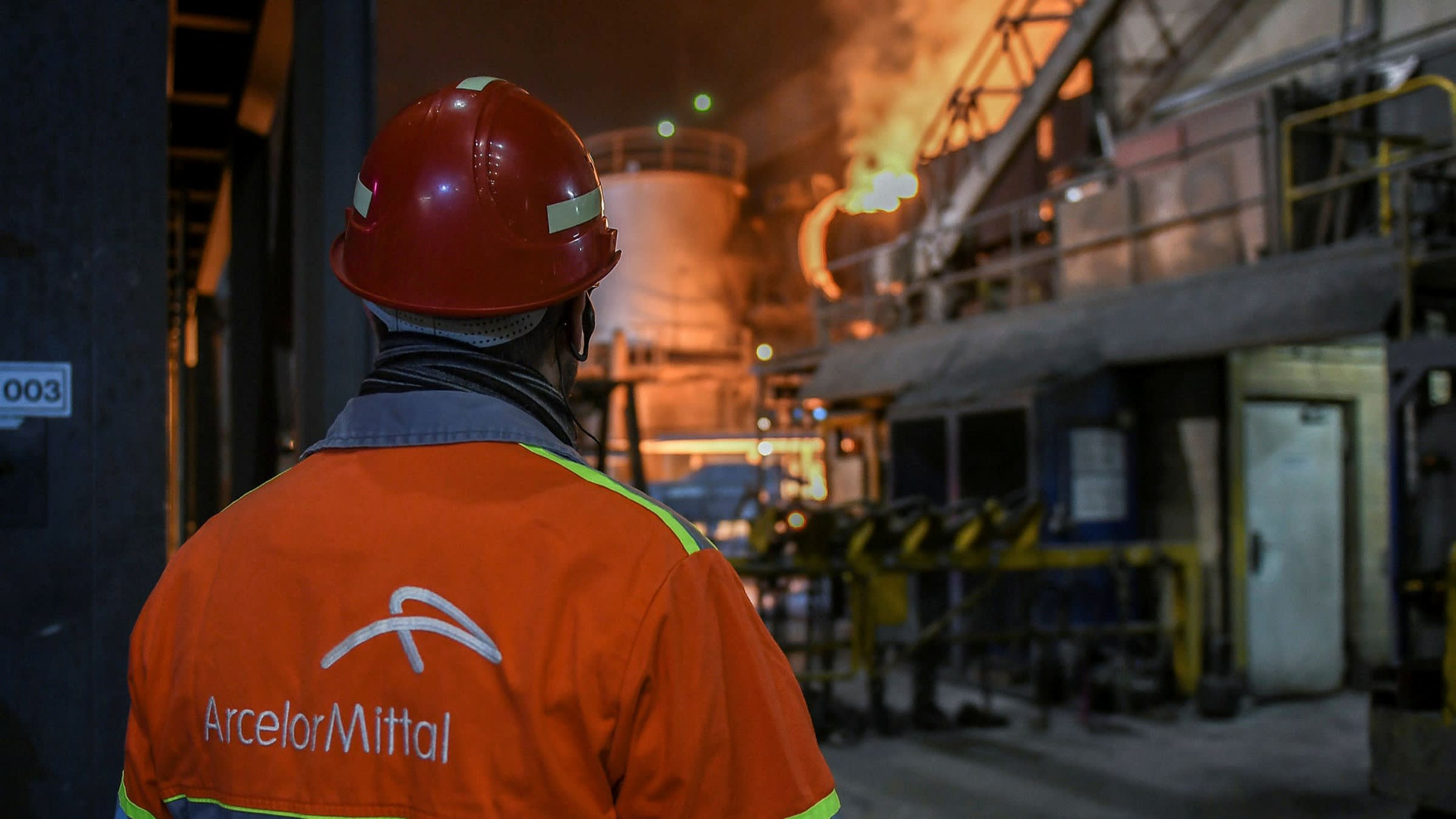
A faster-than-expected rebound in steel markets is a major factor behind Fitch Ratings’ revision of ArcelorMittal’s Outlook to Positive from Negative. The steelmaker’s measures to optimise costs and gains from realisation of organic growth projects have also contributed.
The credit rating agency has also affirmed ArcelorMittal’s Long-Term Issuer Default Rating (IDR) and senior unsecured ratings at ‘BB+’.
Since last year’s initial Covid-19 lockdowns were eased, steel capacity restarts have been lagging demand recovery and, along with low inventories, led to a shortage in the value chain, Fitch says. This has translated into a price rally and high margins.
“We expect the current price gains to be short-lived, but they will support 1H21 results, given European steelmakers’ full order books,” the credit rating agency comments in a note seen by Kallanish. “We forecast AM’s reported Ebitda at close to USD9.5 billion in 2021 with possible upside depending on the pace of price moderation.”
The new arrangement between ArcelorMittal and Invitalia to form a public-private partnership to recapitalise Ilva will allow ArcelorMittal to deconsolidate the loss-making entity, Fitch says.
The sale of ArcelorMittal’s US assets and the new agreement on Ilva streamline ArcelorMittal’s asset portfolio and allow more focused investments in strategic projects, the firm adds. Key investment projects with a total budget of $1.5 billion include two projects in Brazil and Mexico, and recommencement of expansion in Liberia that will add 10 million tonnes/year of iron ore production by 2024. These projects are expected to add $600 million Ebitda by 2024.
ArcelorMittal’s crude steel output fell 20% on-year in 2020 to 71.5 million tonnes. Revenue fell 25% to $53.3 billion but net loss narrowed 70% to $733m. Ebitda dropped 17% to $4.3 billion.
Adam Smith Germany

US GDP rises 4.3% in fourth quarter
US real gross domestic product (GDP) increased at a 4.3% annualised rate during the fourth quarter of 2020, according to a third revised estimate by the US Bureau of Economic Analysis, Kallanish reports.
The latest estimate indicates a revision on 0.2% from the Bureau’s second revised estimate in early March. The third revision is up 0.3% from the Bureau’s first early estimate in January.
According to the Bureau, the upward revision indicates an increasing revision for US private inventory investment which was partially offset by a declining revision for non-residential fixed investment.
The increased investment in private goods-producing industries is reflecting increased spending in construction and durable goods manufacturing, the Bureau adds. Meanwhile, the rise in durable goods manufacturing has primarily been driven by the computer, electronics, and fabricated metal products sub-sectors.
In an on-year analysis, US GDP is down -3.3% in 2020 from the year prior. Over the past 20 years, the only yearly declines in GDP growth were from 2007 to 2008 (-0.1%) and from 2008 to 2009 (-2.5%).
Zach Johnson USA

German wage talks end with compromise
Steel employers and union IG Metall have agreed terms in the periodical wage negotiations for the northwest German steel industry, which started only a few weeks earlier.
The agreement came comparably fast, with only very few short token strikes occurring at some downstream plants. The union originally launched talks with a wage increase claim of 4%, which the employers’ side immediately dismissed. The figure and the initial exchange of blows that follows is quite common in every round.
The agreement struck on Saturday contains no nominal percentage increase. Instead, all workers will be entitled to a uniform one-off “Covid-19 bonus” of €1,000 ($1,118), paid in three tranches between June and February next year. Alternatively, it may not be paid out at all, but transformed into time off.
This measure is relatively new and must be seen against the background of crisis periods, due to the pandemic or economic downturns, Kallanish learns from the union. Workers are asked to take time off during times of low utilisation, which in the long run helps to avoid lay-offs. During times of regular work-load, the bonus is meant to be paid out, though.
Prior to the negotiations, the union stated that it is fully aware of the tension the industry faces because of the pandemic, despite the recent surge in steel prices, However, it noted that purchasing power for consumers must be supported, too, to avoid an economic downward spiral. At an early stage already, it brought up the option of cutting back on working hours to preserve jobs.
The agreement struck now applies to 70,000 staff at major mills in western and northern Germany. This week, negotiations will be held for the eastern German mills. Normally, other regions adopt the agreement struck for the northwest.
Christian Koehl Germany
Revista InfoAcero Marzo 2021
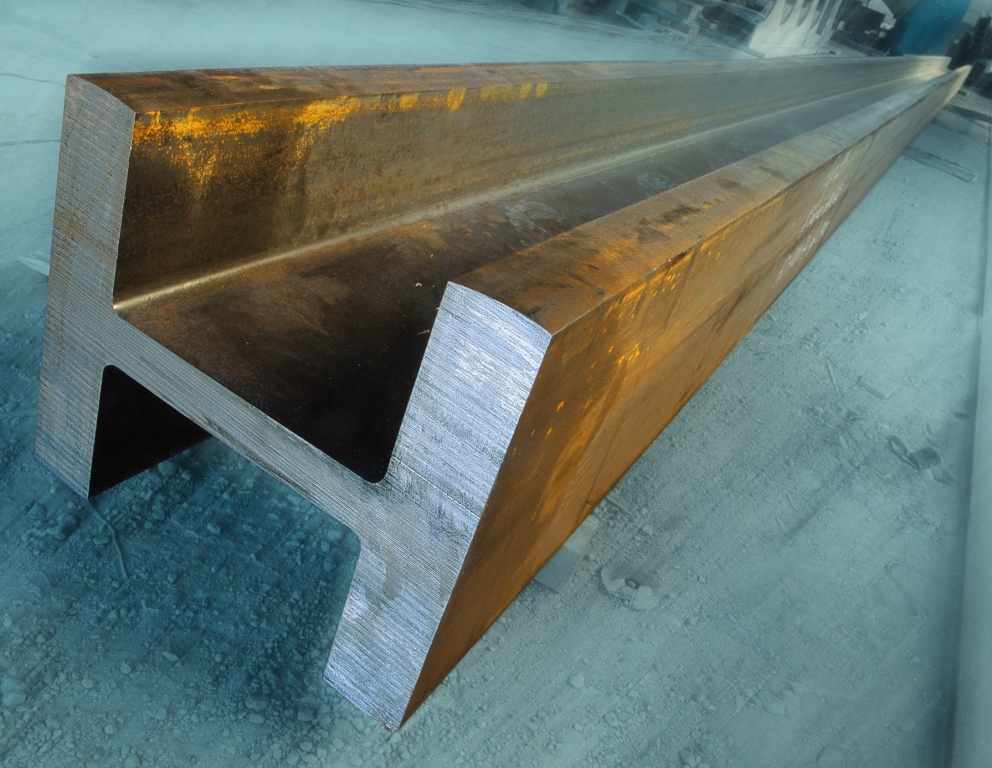
En el siguiente enlace pueden acceder a la edición de marzo de nuestra revista: INFOACERO MARZO 2021
A continuación destacamos algunos de sus contenidos:
- Opinión – D. Sergio Cobos – Junta Directiva de la UAHE.
- Evolución del Índice de Precios de Productos Siderúrgicos – UAHE
- Formación UAHE: Curso Gestión del Riesgo de Crédito Comercial
- Asesoría Legal UAHE: Recuperación del IVA en caso de Impagos – D. Javier Edo
- Próximos Eventos: Digital Enterprise Show y Steel Tech 2021.