

Thyssenkrupp CEO reiterates it will keep all options for steel open
Thyssenkrupp will not be giving an update on the sale of its steel unit until March, while the — now “firmed up” — offer by Liberty Steel is being examined. The German industrial group will also continue to consider a spin-off of the steel unit as a possibility, Thyssenkrupp CEO Martina Merz said in a speech released Feb. 1.
In the speech, made public ahead of the company’s annual general meeting Feb. 5., the CEO said Thyssenkrupp is examining Liberty’s non-binding offer but reiterated it will keep the “dual-track approach”, meaning the company keeps investigating other possibilities for the steel unit.
“Last week, Liberty Steel sent us an updated offer, which we are currently examining very carefully. As agreed, this offer is still not binding and contains a number of complex aspects that require further clarification. We are in discussions with Liberty Steel to this end,” said Merz.
A Liberty spokesman said last week the new bid is based on the results of a comprehensive due diligence process including multiple site visits, which Liberty has been carrying out at Thyssenkrupp Steel Europe. The initial offer was made in October 2020.
Thyssenkrupp however is adamant that not ruling out other options for the steel unit remain a focus as well, as this strategy worked for the sale of the elevator unit.
“We do not intend to make ourselves dependent on any third party and are working hard on an alternative solution to make steel fit for the future by our own efforts. Here, there are two possible variants: continuing the steel business as part of the Group or a spin-off,” she said.
Thyssenkrupp will continue to further reduce costs and invest in modernizing facilities of the steel production.
Merz said that the plate mill will be closing by end-September as no buyer could be found. Sources told S&P Global Platts that the mill is phasing out production and is now only processing orders.
Thyssenkrupp is pledging to increase carbon neutral steelmaking and said trials with hydrogen-based production made progress in 2020 and is involved in several hydrogen procurement projects.
“If we succeed in using hydrogen to make current steel production at Thyssenkrupp climate-neutral, we will reduce Germany’s total CO2 emissions by 2.5%,” said Merz.
With four blast furnaces, Thyssenkrupp is the biggest German steelmaker.
— Laura Varriale

Slovakia’s US Steel Kosice restarts last of three blast furnaces

Slovakia’s US Steel Kosice restarted last month its blast furnace No.3 and is currently operating all three blast furnaces and other facilities, the mill’s spokesman told S&P Global Platts Feb. 1.
“We adjust our production and the range of our products to the current situation and demand of our customers,” said the spokesman. “We do not make any forecast. There are too many question marks around the European steel market.”
US Steel Kosice is now running all three blast furnaces and is watching the market closely, especially in light of resurgence in coronavirus cases.
“Safety and health of our employees will be the most significant criteria for taking any further decision,” elaborated the spokesman.
The plant is capable of making up to 4.5 million mt/year of steel, but its current capacity utilization rate has not been disclosed.
US Steel Kosice restarted the other two blast furnaces and the hot rolling mill in June 2020, after it had been suspended due to the pandemic’s impact on economies in the second quarter of 2020 to carry out maintenance works that had been initially scheduled for the thord quarter that year.
The US Steel-owned integrated steel and coke plant in Slovakia conducts its business mainly in Central and Western Europe. It produces and sells slabs, plate, sheet, tin products, spiral welded pipe, and refractory ceramic materials, and primarily serves customers in the transportation (including automotive), construction, container, appliance, electrical, service center, oil and gas conversion and petrochemical markets.
— Ekaterina Bouckley

ArcelorMittal confirms Ghent blast furnace B to restart production by mid-Feb
ArcelorMittal is expected to restart furnace B at its site in Ghent, Belgium by mid-February, ArcelorMittal spokesman confirmed to S&P Global Platts on Feb. 1 while is still working to restart any time soon its BF2 in its site in Taranto, Italy, at its ArcelorMittal Italia mill.
The 2.3 million metric tonnes of crude steel a year Furnace B in Ghent was idled in September 2020 for relining. In Ghent, the company has two blast furnaces with a total capacity of 5 million mt of crude steel a year.
ArcelorMittal Italia blast furnace N2 at Taranto was supposed to restart on Jan. 26 but unions confirmed to Platts that they are still working on the new software of a new machine that was installed. Last week, unions said that BF2 could have restart at the beginning of the week but “hopefully it will restart in days”. BF2 restart is important because it will boost the company’s crude steel output in 2021 to 5 million mt from 3.4 million mt produced in 2020. The company has already restarted melting shop 1 in the week started Jan. 24.
The restart of the two ArcelorMittal Blast Furnaces in Belgium and in Italy will be good news for the coils market, as demand is reported still very good while the availability of flat products in Europe is tight with buyers that are reporting significant delays in the deliveries across all steelmakers.
AM Italia Blast furnace 2 and melting shop 1 had been temporarily shut last March, as coronavirus lockdowns depressed demand for steel, and the company adapted the blast furnace to newer safety standards. Of the company’s five blast furnaces, only 1 and 4 are currently fully operational, producing 14,000 mt/d of crude steel. BF4 will be temporary idle in March this year for refurbishment. AM Italia blast furnace 5, the largest blast furnace in Europe with a production capacity of around 3.5 million mt/year, was idled in 2015. Blast furnace 3 has a capacity of around 2 million mt/year of crude steel but was idled in 1994 and is due to be dismantled.
Some good news for ArcelorMittal Italia arrived Jan. 29, as the EC Antitrust gave its green light for Invitalia, Italy’s agency for investment promotion and enterprise development, to form a public-private partnership for the former Ilva steel operations.
ArcelorMittal announced Dec. 10 that it had signed a binding agreement with Invitalia for the public-private partnership. The agreement will result in a recapitalization of AM InvestCo, an ArcelorMittal subsidiary that signed the lease and obligation to purchase Ilva’s business in 2018. The greenlight was largely expected by the market but it came earlier than expected, giving more hope for the new entity to start the industrial plan.
— Annalisa Villa
EU plate distributors hope customers will accept hikes
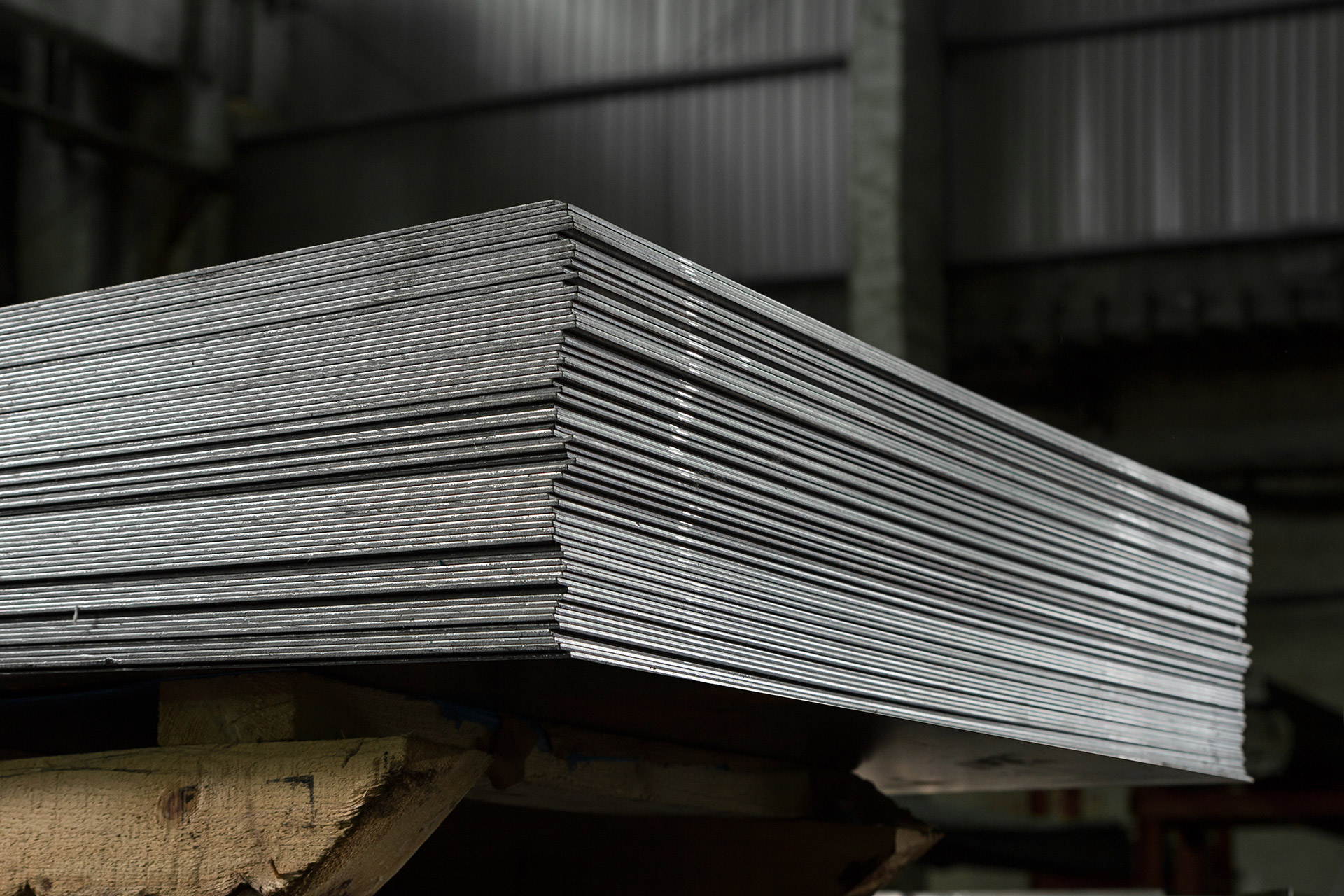
The enormous surge in European plate prices seen since December will in many cases still have to be brought home to consumers downstream.
Distributors believe they will largely be able to hand down prices. But they are aware this is not absolutely understood and plate customers could remain reserved. They therefore do not expect a run on plate to the degree seen on strip products.
Now that mills’ prices have surged by €200/tonne ($242) in not even two months, S235 grade plate is inching towards €700/t, and S355 is already there, or higher. “S355 in gauges of 10-40mm will fetch €720/t delivered for sure,” according to the owner of one German distributor. For thicknesses higher than that, one will easily have to add €30, he says. “Our customers have not yet reflected those surges, but they will in the course of February and March,” he believes.
Another manager tells Kallanish that most colleagues at distributors these days work with daily prices which they can adjust flexibly. “Some also hold back volumes and sizes, speculating that prices will rise further in the coming weeks,” he believes.
However, he warns that “…many customers are not bedded softly these days, following losses of business Covid-19 has caused.” Customers have placed orders for projects on fixed calculations, and now face costs that are much higher. This will be a big hurdle, for distributors to hand down prices, he tells Kallanish. “Mind you, for 1,000 tonnes you planned in early December you will have to pay some €200,000 more now. That’s big,” he says.

Chinese steelmakers form new 60mt company
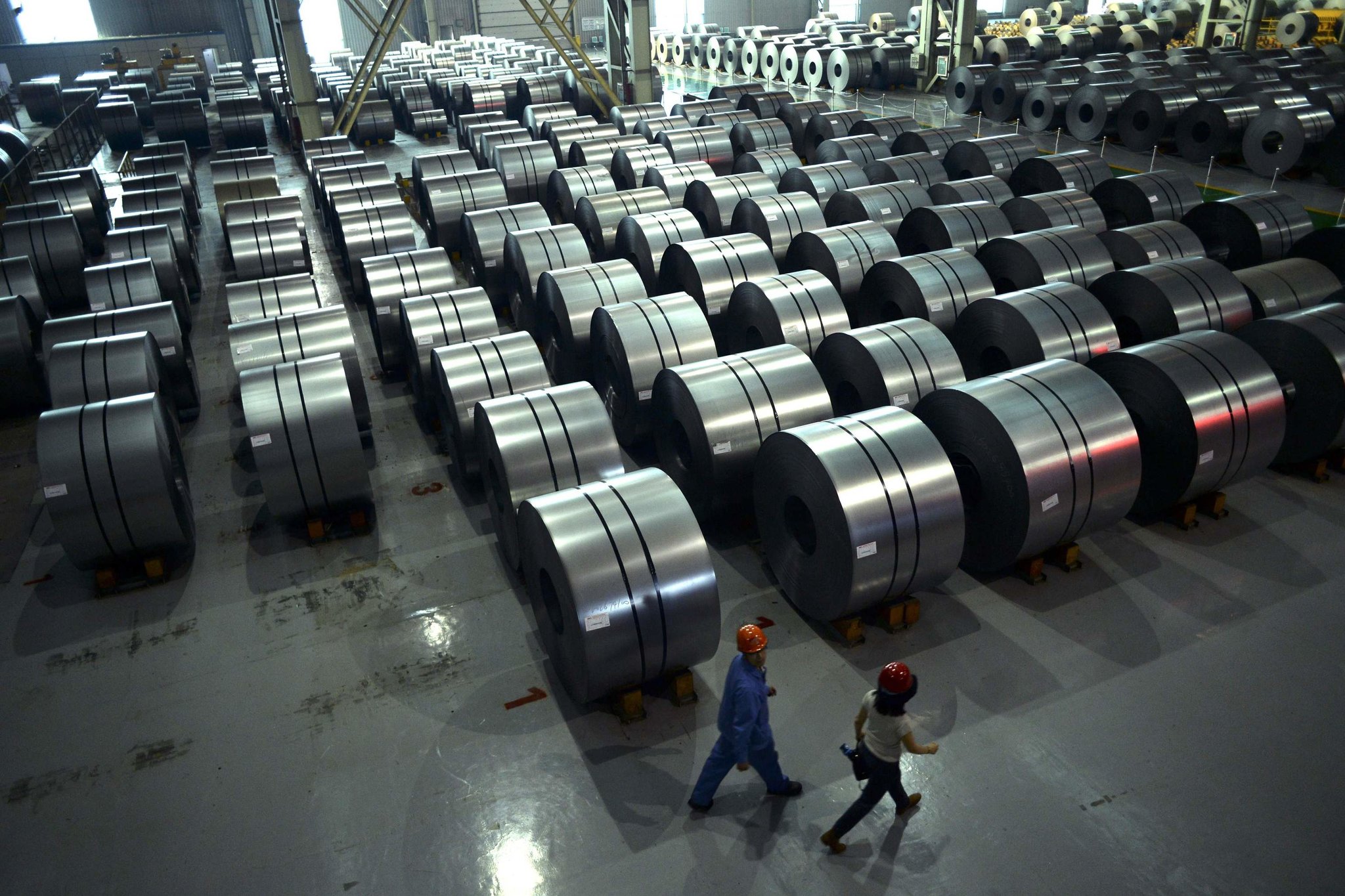
Northwest Union Iron & Steel Company was officially established in Xixian New Area in Shaanxi province on 28 January, with a registered capital of CNY 1 billion ($154.79 million). Six major steel enterprises in the region initiated the company, and now it contains nine steelmakers.
Kallanish notes that the six founders are Shaanxi Iron & Steel Group (Shaangang), Shanxi Jianlong, Shanxi Jinnan Steel Group, Shanxi Jingcheng Steel Holding Group (Jingang), Shanxi Gaoyi Iron & Steel, and Shanxi Jianbang Group.
The total iron and steel capacity of Northwest Union Steel currently reaches over 60 million tonnes/year. The company has both long and flat product capacity, but the majority is for long products.
The new company appears to be led by the local state-owned Shaangang, but also includes private investment through major players such as Jianlong Group. It is as yet uncertain how this impacts Jianlong Group’s goal of becoming a 50m t/y steelmaker.
Yang Haifeng, the chairman of Shaangang, was selected as the company’s chairman, and Zhang Tianfu, president of Jinnan Steel, will serve as the company’s general manager. Shanxi Jianlong deputy general manager Zhang Baodong will be vice chairman.
Coupled with Baowu’s accelerated merger of Shangang (see Kallanish passim), multiple signals indicate that China is speeding up the process of increasing steel industrial concentration.
Court rejects minority shareholder case against Swiss Steel
The district court of the Swiss city of Lucerne has rejected a request for provisional measures by Swiss Steel Holding’s minority stakeholder Liwet against a capital increase. The latter is owned by Russian billionaire Viktor Vekselberg.
The court decided so on the grounds that Liwet failed to present credibly valid reasons why the capital increase approved by shareholders on 22 December 2020 could be challenged. Amongst other things, the court held that Liwet had failed to credibly show that its minority rights would be violated by the planned capital increase, Kallanish learns from a statement by Swiss Steel.
The court further found that it was not credible that Liwet would be disadvantaged vis-à-vis majority stakeholder BigPoint Holding in the planned capital increase in any unjustified manner. Finally, the court recognised that Swiss Steel Holding had good reasons for executing the capital increase and rejected Liwet’s allegations claiming that shareholders had not been sufficiently informed.
In early January Liwet obtained a block on the registration of the capital increase with the commercial registry of the Canton of Lucerne (see Kallanish passim). For procedural reasons it is at present not entirely clear whether or when the block will be lifted to enable the company to start the execution of the capital increase, it says.
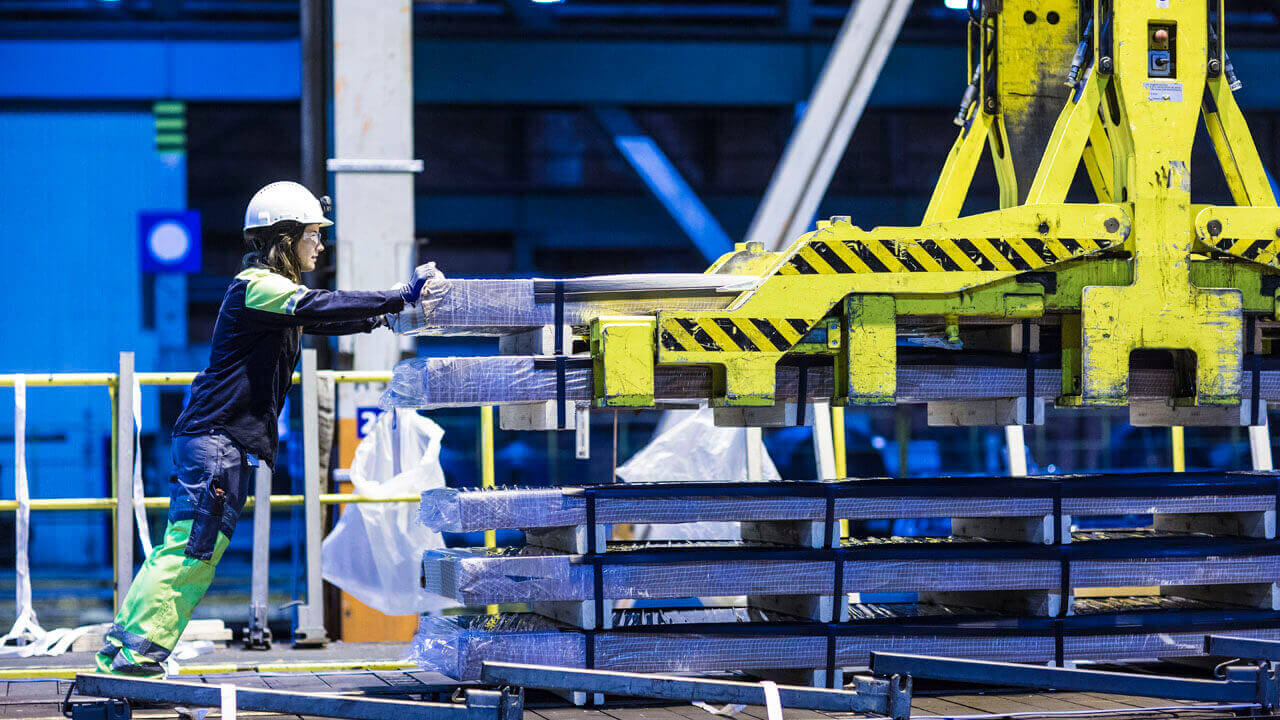
SSAB posts 2020 operating loss, sees market improving
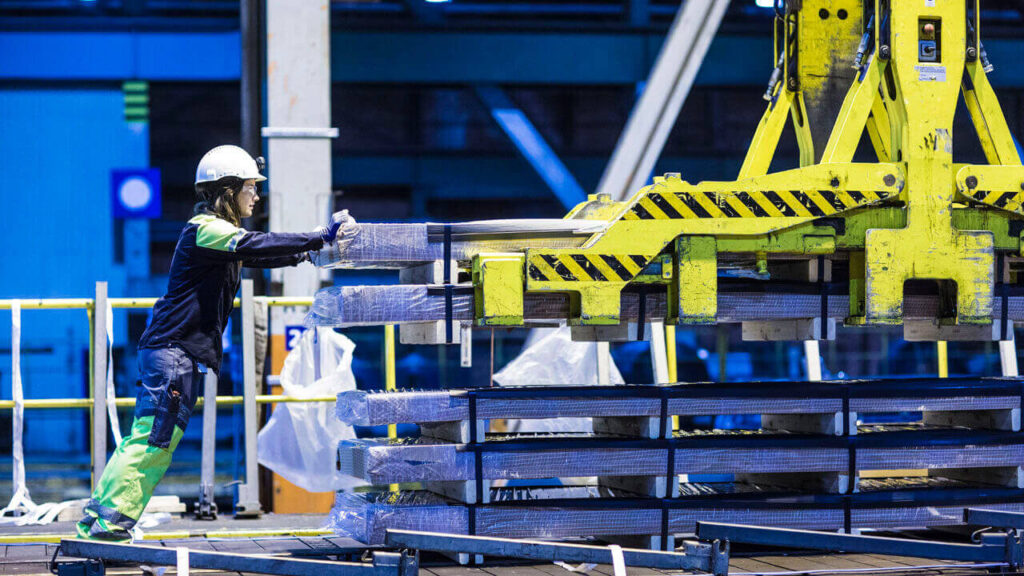
Integrated steelmaker SSAB posted an operating loss of SEK 325 million ($38.7m) in 2020, impacted by lower revenue and uncertainties created by the Covid-19 pandemic. Nevertheless, the outlook for the first part of 2021 remains positive, continuing the encouraging momentum seen during the fourth quarter of 2020.
“Demand for steel during the first quarter of 2021 is estimated to be good, driven both by underlying demand and by customer restocking,” SSAB says in its annual results statement. “Nevertheless, there is still uncertainty as to how the development of Covid-19 will affect demand. Global demand for high-strength steel is estimated to be good during the first quarter.”
In Q4 the company saw consolidated crude steel production grow over 40% quarter-on-quarter to over 2.1 million tonnes. This output, supported by the restart of an idled blast furnace at the Raahe site, was higher than output in any other quarter in 2018, 2019 and 2020. Shipments also jumped some 29% q-o-q in Q4, to return to pre-Covid-19 levels, Kallanish notes.
Going forward the company continues to focus on its target to become fossil free by 2045. “We continue work on being the first to market, in 2026, fossil-free steel. The world unique HYBRIT pilot plant was inaugurated during 2020 and it was decided to bring forward the start of the demonstration plant by three years,” says SSAB chief executive Martin Lidqvist.
The environmental transformation of its assets was also mentioned as one of the reasons for breaking off negotiations with Tata Steel last week over the possible acquisition of the latter’s Dutch unit.

247TailorSteel’s new chief warns of bottlenecks

247TailorSteel, a Dutch-German group of strip processing centres, has appointed Carl Berlo its new chief executive officer, Kallanish hears. For the last 15 years, Berlo was ceo at Dutch company Atag Heating.
247Tailorsteel has also notified its customers of supply shortages looming over all European steel distributors and service centres in the first and second quarters of the year. The shortage will continue to lead to price pressure along the value chain, so that prices are subject to short-notice changes, the company warns in a bulletin.
It claims it has covered its current demand on the basis of good contracts, but then warns that availability could be at risk in the second quarter. In the worst case, the company will be able to provide material via its proprietary online portal, Sophia, it says.
247TailorSteel is headquartered in Varsseveld in the Netherlands, with German sites in Oyten near Bremen, and a relatively new house in Hilden near Düsseldorf, which opened in September. On a total working area of 36,000m², the company operates 37 laser cutting machines and 20 edging presses.
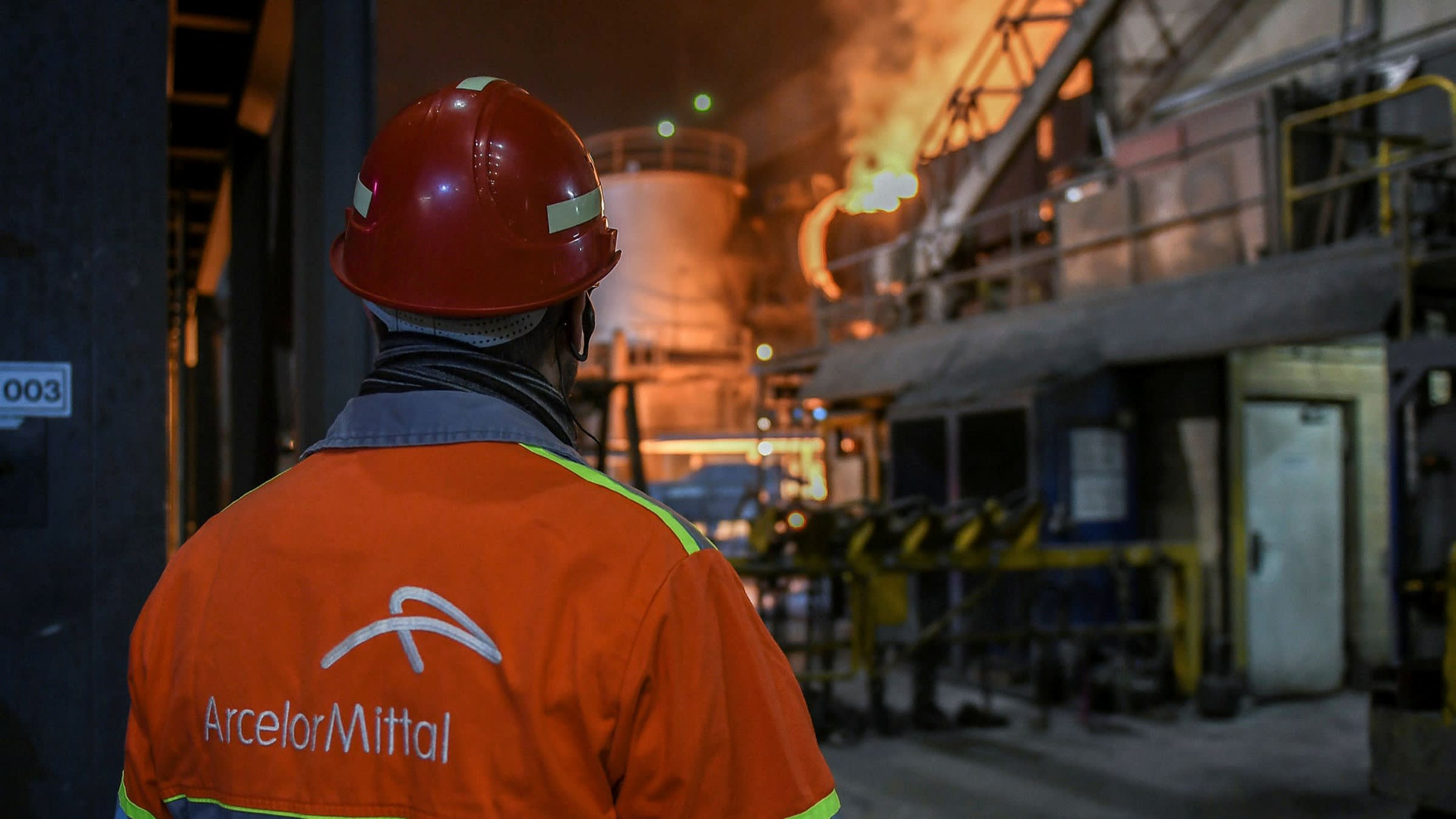
ArcelorMittal joins biogas project in Luxembourg
Vow ASA, a specialist provider of technology for decarbonising industries, has signed a memorandum of understanding with ArcelorMittal to build a biogas production plant that will reduce CO2 emissions from steelmaking.
Vow subsidiary ETIA and ArcelorMittal’s Europe – Long Products unit will work together to build what they claim is the first dedicated biogas plant for the steel industry, using ETIA’s pyrolysis technology. It will be built at ArcelorMittal Rodange in Luxembourg, which specialises in the production of grooved rail.
The partners aim to have the Rodange biogas plant operational in 2023. The biogas will be made using Vow’s patented “Biogreen” pyrolysis technology, which involves heating sustainable biomass at high temperatures. The gases emitted during this process are then captured and processed into biogas, which will directly replace the use of natural gas in the Rodange plant’s rolling mill reheating furnace, Kallanish understands.
By-products such as bio-coal will also be created during the process, and re-used within ArcelorMittal, directly replacing the use of coal, the steelmaker states.
Distributor demand boosts USSK sales, automotive outlook good
US Steel Kosice (USSK) reported an 11% on-year growth in steel shipments in the fourth quarter of 2020 to 840,000 net tons, helped by increased flat steel distributor shipments. The firm expects to ship 3.9-4.1 million nt of steel in 2021, and foresees a $115 million unfavourable change in CO2 credit costs versus 2020.
Fourth-quarter average sales price was down -3% on-year to €547/tonne. Raw steel production was up 25% to 966,000nt, giving capacity utilisation of 77% versus 61% a year earlier, Kallanish notes.
Net sales rose 18% to $564 million, while Ebitda was positive $61m versus negative $7m a year earlier. Earnings were boosted by lower costs for internally sourced iron ore and lower costs for coking coal, as well as cost control measures and lower maintenance costs.
The Slovakian plant sourced 506,000nt of iron ore pellet and fines from US Steel’s Flat-Rolled unit compared to zero in Q4 2019.
European automotive demand is accelerating into the new year, with USSK’s order book suggesting robust demand will continue through the first quarter, says parent US Steel. Appliance demand is also projected to improve in 2021. OEM production remains resilient as consumers have altered buying habits to facilitate more online appliance purchases. Construction demand is projected to improve in 2021 but remain below 2019 levels.
In 2020 USSK’s shipments fell -15% on-year to 3.04mnt and the firm more than trebled its pellet and fines sourcing from its parent company to 1.42mnt. Raw steel output fell -14% to 3.37mnt, meaning capacity utilisation was down to 67% from 78% a year earlier.
Net sales fell -19% in 2020 to $1.97 billion but Ebitda trebled to $35m.