

Severstal expects Russian steel demand to recover by 3%-4% in 2021
Russian mining and steelmaking company Severstal expects the Russian steel demand to recover 3%-4% in 2021, driven by improved construction activity and recovery in the oil and gas sector, the company said in its financial results statement Feb. 4.
Severstal saw a 3% dip in Russian steel consumption in 2020, which was less than originally anticipated.
The strong upside in steel prices, steel margin expansion and higher production volumes started in the fourth quarter of 2020 should continue to have a positive impact on its results in the first quarter, the company said.
Severstal added it was unclear whether the strong pricing would continue much longer.
Many raw materials and steel prices have recently softened but remain at an elevated level compared with 2020.
In the last quarter, Severstal’s revenues were at $1.72 billion, down 7% quarter on quarter, due to lower sales volumes. Multi-year high steel and iron ore prices partly offset the lower volumes.
Severstal continued to benefit from being a vertically integrated steel producer with $710 million EBITDA in Q4, up 8.2% on the quarter, driven by cost reductions.
In its full-year 2020 results report, Severstal highlighted that its integrated slab cash cost in Q4 declined by $13/mt on the quarter, to $160/mt. In contrast, the non-integrated slab production cost increased by $23/mt to $293/mt.
The company expects to reduce its cost further in 2021 by raising its overall steel and coke production. The steel output growth will be achieved by bringing the new blast furnace no. 3, launched at the end of December, to its design capacity.
Coke production will gradually increase by the second stage of the construction of coke oven battery no. 11, commissioned at the end of 2020, with the full capacity expected to be completed in 2022.
— Wojtek Laskowski

EU HRC import offers drop, India exhausts quotas
Hot rolled coil import offers into Europe have moved down somewhat during the last two weeks, as an immediate consequence of the global cooling of steel prices, Kallanish learns from sources.
The nominal reduction in prices, nevertheless, has not had an impact on the domestic European market. This is because of the anti-dumping measures in place as well as the safeguard system.
Indian suppliers are now offering HRC into southern Europe at some €665/tonne ($800) cfr, down almost €30/t since the beginning of January. A trader confirms the figure but adds these quotes are mainly coming from traders, shorting the market at a moment of uncertainty. “Similar offers have been seen from Taiwan, but the reality is no one is ordering in Europe at the moment,” the trader comments.
The new offers can nevertheless only be considered for second-quarter deliveries as Q1 quotas for Indian HRC have already been exhausted. According to the official EU quota system, India used up all of its over 160,000 tonnes of tariff-free quotas available.
Other countries, such as Turkey and Russia, still have ample quotas available. Indian-origin HRC imports will in Q2 also have the possibility to use up to 30% of the “other countries” sub-group, meaning a further 300,000t of tariff-free allowances from India will become available for the market.
“Prices are starting to turn in the international market, but domestic European prices are holding,” another trader notes. “India seems the only alternative to European supplies, but for deliveries from May onwards. Turkey is less competitive due to duties, and other suppliers like South Korea are not widely offering volumes.”
Sources contacted also add that no price reduction has been observed yet for cold rolled or hot-dip galvanized coil.


Turkish mills foresee further 2021 output growth
The Turkish Steel Producers’ Association (TCUD) anticipates Turkish crude steel production to increase in 2021, exceeding 2017 output and compensating for losses in 2018 and 2019. This comes after output rose 6% on-year in 2020 to 35.8 million tonnes, making Turkey the world’s seventh and Europe’s largest steel producer.
The 2020 growth was achieved despite global production cuts due to the Covid-19 pandemic, as well as protectionist measures limiting trade.
In December alone Turkey’s crude steel production increased 17.7% on-year to 3.4mt.
Production, which contracted -4.1% due to the pandemic in the first half of 2020, rose 16.6% and 16.2% in the third and fourth quarter respectively.
December finished steel consumption was 2.4mt, down -10.3% on-year. Finished steel consumption increased 42.7% in Q1 and then declined -16.9% in Q2. In Q3 and Q4 it again increased by 25.2% and 6.6% respectively. As a result, 2020 consumption was up 12.9% to 29.4mt.
Exports of flat and long steel products rose in December by 22.1% to 1.8mt. 2020 exports, however, declined -5.5% to 16.6mt and -10.9% in value terms to $8.6 billion, Kallanish notes.
The product shortage caused by the rapid increase in demand in international markets had a significant impact on imports in December. These fell -31.9% to 994,000t. 2020 imports, however, still grew 4.5% to 12.5mt.
The ratio of exports to imports in 2020 fell to 111:100 versus 121:100 last year due to the increase in imports and decrease in exports.
“Following the recovery in demand in the international market, the additional demand caused by steelmakers turning to the domestic market [due to import supply shortages] caused temporary disruptions in the supply of steel products,” says TCUD general secretary Veysel Yayan.
“The demand in question grew exponentially due to additional buying from consumers to strengthen their inventories, driven by the high rate of increase in input prices in international markets by more than 100%,” he adds.
The demand surge was met by Turkish mills postponing exports and increasing production, as they attempted to resolve the situation, Yayan says.
“The special effort of our producers to meet domestic demand was reflected in exports in January. In the first three weeks in January, exports of flat products shrank by 67% as producers gave priority to the domestic market,” he continues.
Yayan says Turkey’s share of imports from FTA countries and under the inward processing regime, which are subject to zero duty, reached 94.6% of all imports in 2020. “Still asking for zero duty for the rest [of imports] by ignoring Turkey’s current situation is unacceptable,” he adds. “On the contrary, in order to balance our exports, which protectionist measures try to prevent, we need to rapidly narrow imports with zero duty, to take measures to support domestic supply and to review the inward processing regime.”
Slackening iron ore and scrap prices in January did not reflect positively on the protected prices of the US and EU, which have been unaffected, Yayan says. This is in contrast to the $50/tonne finished steel price declines seen in Turkey and other markets.
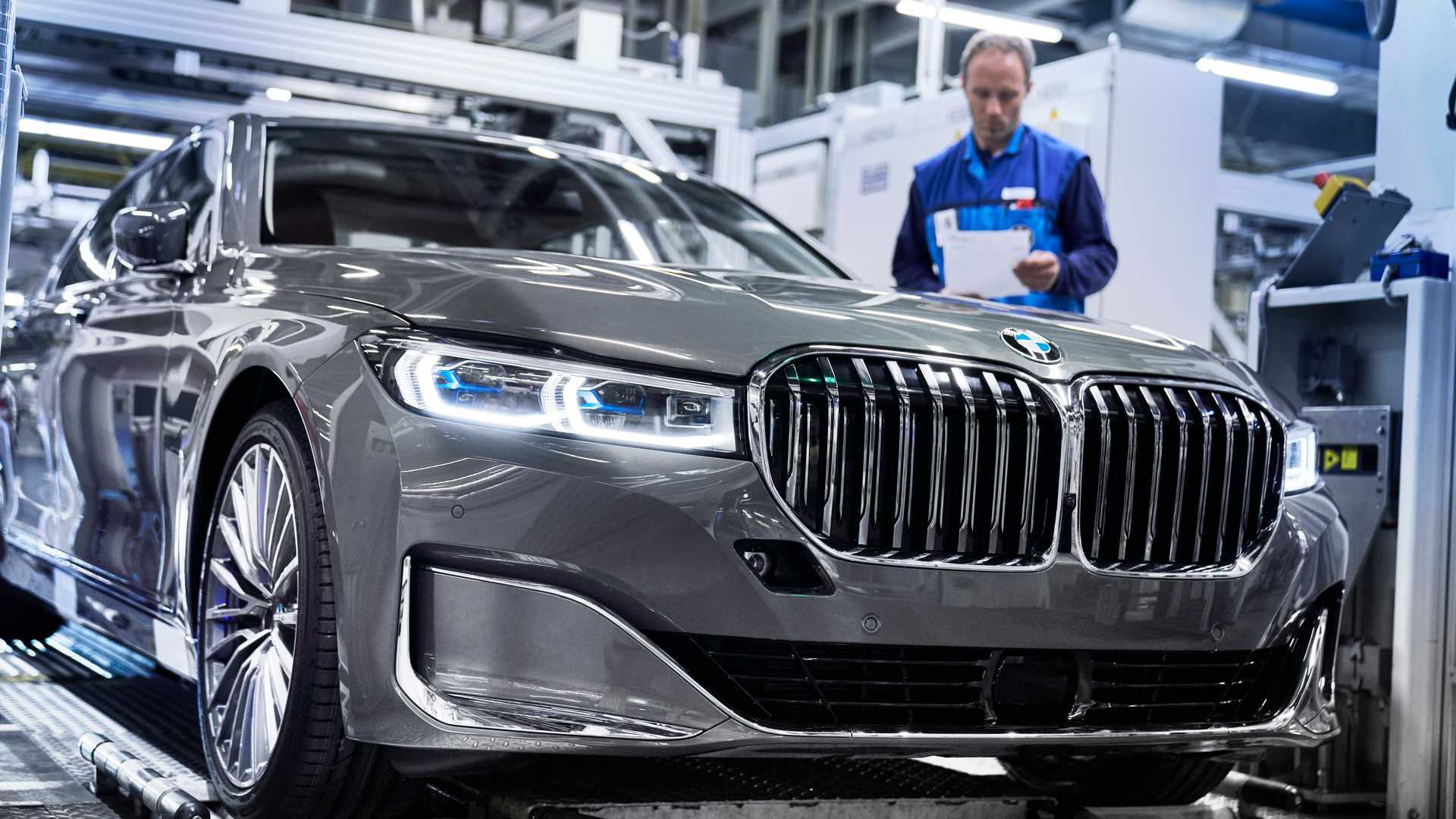
Domestic demand recovery to boost EU carmakers: ACEA
European carmakers association ACEA believes EU domestic car sales should recover swiftly, mainly during the second half of the year.
In a note seen by Kallanish, the association predicts that car sales should increase 10% on-year in 2021. “The fallout of COVID is expected to persist into the first quarter of 2021, but the car market should pick up in the second half of the year as vaccination programmes progress,” ACEA says.
Oliver Zipse, the association’s new president and BMW’s chief executive, notes that European carmakers were able to limit damages last year thanks to the recovery of demand seen in Asian markets. “Nevertheless, the sustainable economic recovery of the European Union and local demand is vital for our return to pre-crisis strength,” he adds.
In 2020 car sales fell by over -23% y-o-y to 9.9 million units in the EU, down some 3m units compared with 2019.

NLMK names new chief for European strip division
NLMK Europe has named Cornelius Lowrens as the new chief executive of its Strip division, replacing Renaud Moretti who is departing in April for Liberty Steel.
Lowrens will be leading the group that includes the strip and coil operations in La Louviere, Strasbourg and Manage. NLMK also controls a number of units specialised in the production and supply of plate, but these will not fall under the responsibility of Lowrens, Kallanish notes.
The executive previously held the position of chief technical officer of NLMK International and was earlier employed by Tata Steel and ArcelorMittal.
Auto steel suppliers welcome vehicle electrification
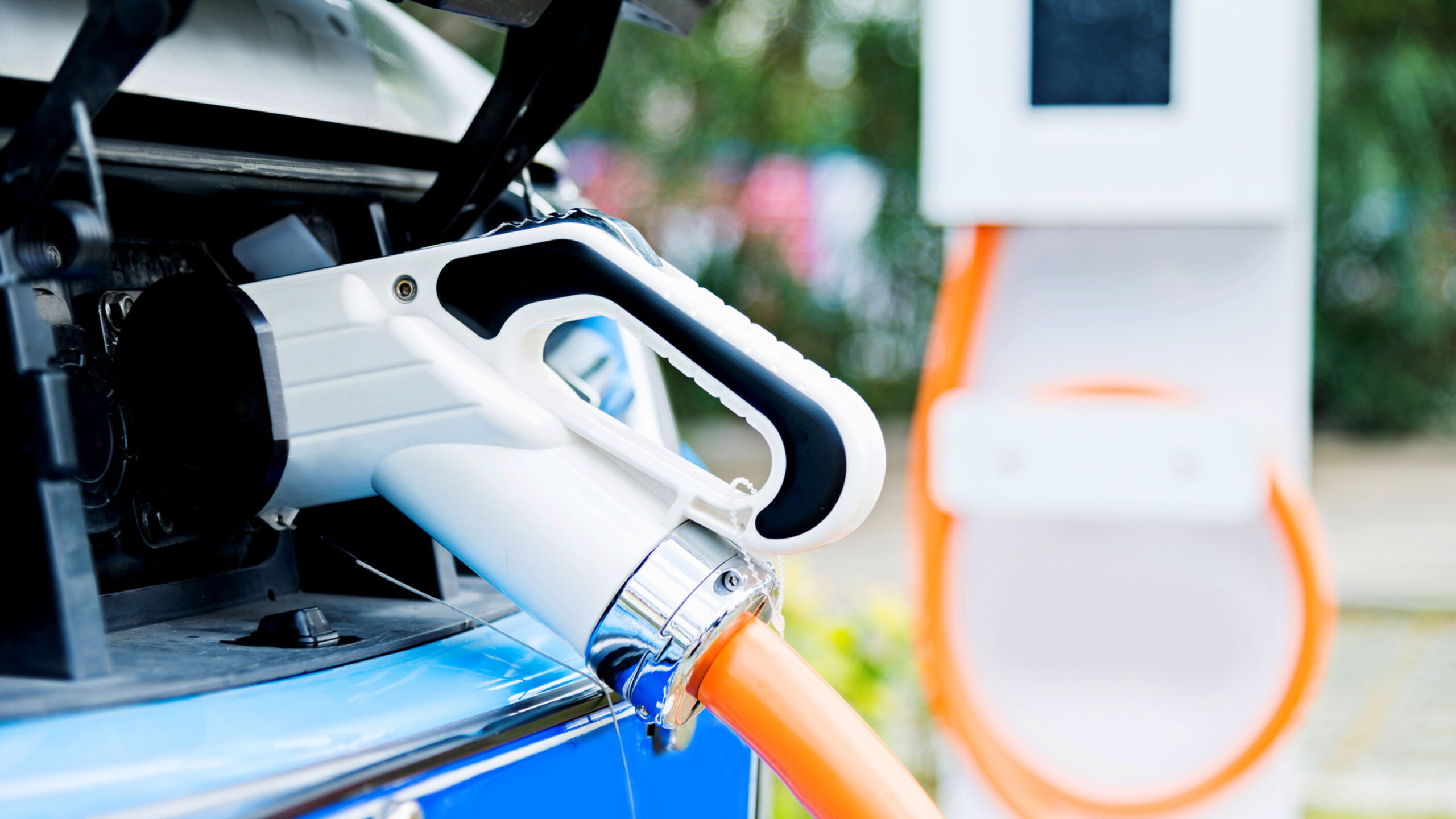
US steel players are seeing more opportunities than challenges in the growing electrification of the auto industry, Kallanish hears.
“Electrification actually plays really well for steel. Why? To make vehicles for the masses, they (auto producers) need to hit milestones of range and price,” says a source at one top-tier domestic mill. “We see these vehicle designs spending more money on the range side of the house, making batteries larger, etcetera. So, as that happens, they need to search for the most cost effective solution, which continues to be AHSS (advanced high-strength steel) material rather than alternate materials.”
The greater the range of electric vehicles increases, the greater the need for steel, he summarises.
“More range equals more steel,” he says.
A Midwest flats buyer points out that steel’s technological development is keeping pace with advances in the auto sector – as it has for some time.
“This will not be a problem,” he says. “Every time steel grades needed upgrading, a new generation of steel got developed.”
Third product category exhausts UK safeguard quota
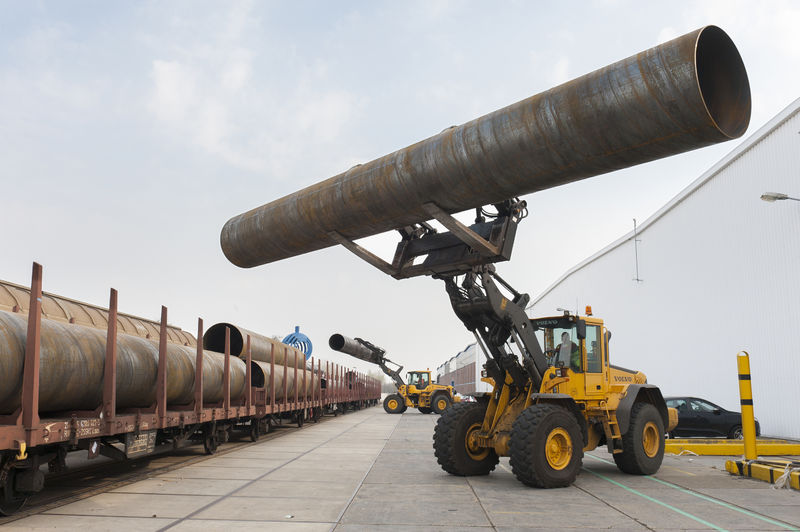
Large welded tubes are the third product category to exhaust their UK tariff rate quotas for the first quarter, after hollow sections from Turkey and other countries, UK steel distributors’ association NASS informs Kallanish.
No other quota categories are “critical”, although Tin Mill Products (6) from China is the nearest quota to become so. There is 667 tonnes remaining of this quota from the original 3,842t, according to the HMRC database.
In the EU, meanwhile, one month since new tariff-free quotas became available, long and tubular products have registered the largest uptake (see Kallanish passim).
As for Northern Ireland, HMRC continues to discuss with the European Commission the application of EU safeguards and the increase in quotas for UK exports into the EU single market to account for direct Great Britain to Northern Ireland movement.
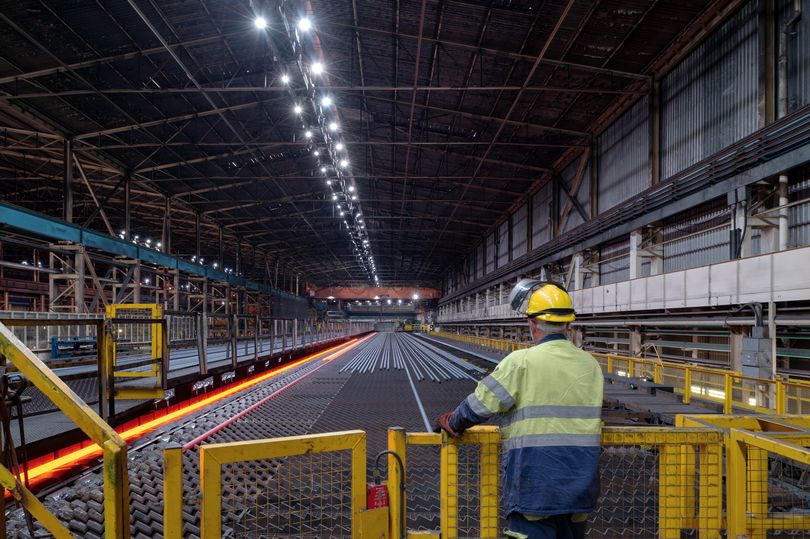
Liberty Steel Group appoints new CEOs at key European operations
Liberty Steel Group, part of GFG Alliance, has made two new senior management appointments to European team, the company said Feb. 2.
Liberty Steel said it has appointed Renaud Moretti as CEO of Liberty Downstream Synergies and Colin McGibbon as CEO of Liberty France.
Moretti, who has almost 20 years of experience within the steel industry and was most recently CEO of NLMK Europe Strip, will be responsible for the overall management of the company’s downstream steel mills in Europe, including the Liberty Magona plant in Italy and Liberty Liege-Dudelange’s three plants in Belgium and Luxembourg. He will join the company in April.
McGibbon will be responsible for the overall management of the company’s French GREENSTEEL businesses, as well as Liberty Ascoval and Liberty Rail Hayange. He joined the company on Feb. 1. McGibbon has more than 20 years’ experience in the metals industry, most recently as the CEO of SLN Nickel Company in New Caledonia.
— Annalisa Villa

Consumers urge opening, fine-tuning in EC steel safeguards review

European steel stockholders and distributors’ association EUROMETAL has urged European Trade Commissioner Valdis Dombrovskis to consider fair trade and open market principles in any revision of the European Union steel import safeguard measures, in order to protect steel consumers’ interests.
Pricing developments over the last 18 months, and port stock positions not cleared by customers at the end of each quarter, need to be taken into account in any review, Daniel Guinabert, managing director and Fernando Espada, president of EUROMETAL, said in a Jan. 29 letter to the Commissioner.
Analysis of these elements might help to assess whether measures taken to control imports are really achieving their target, according to the EUROMETAL officers.
The current safeguards system, which has governed imports into the EU since 2018, following an import surge, is due to expire on June 30, 2021 after three years in operation. Luxemburg-based EUROMETAL said it recognized that the EC introduced safeguards in response to the US imposition of Section 232 steel import tariffs in March 2018, which prompted trade flow deviation to other markets.
EUROMETAL argued nonetheless that an open market is in the interests of steel consumers, who have faced skyrocketing steel prices in Europe in the last few months as the market has recovered from the COVID-19 related slump in March-April 2020.
Supply fluctuations in a market where some mills have continued to limit capacity working levels following the slump, coupled with state stimulus that has boosted demand in some sectors, have led some EU steel prices, including hot-rolled coil, to hit 12-year highs in recent weeks.
While the recovery is good news, the price increases that have resulted in a protected market have generated market tensions and supply and demand imbalances, “both in terms of tension in the supply chain and in terms of pricing,” Guinabert and Espada wrote.
“We need the Commission to assist and care about the steel users and steel consuming industries. There will be no market for the steel production if there is not a market of consumers,” the EUROMETAL officers wrote. “There are thousands of small and medium size companies that look for free competition to defend their products and know-how. We are talking about employment in manufacturing across Europe, which depends very much on all these medium- and small-size companies. Let’s produce locally, let’s generate value in Europe.”
Steel distributors, service centers and traders supply some 80 million mt/year of products, accounting for more than 60% of steel and tubes supply to over 1 million end-users in EU manufacturing and construction-related sectors, according to EUROMETAL.
— Diana Kinch
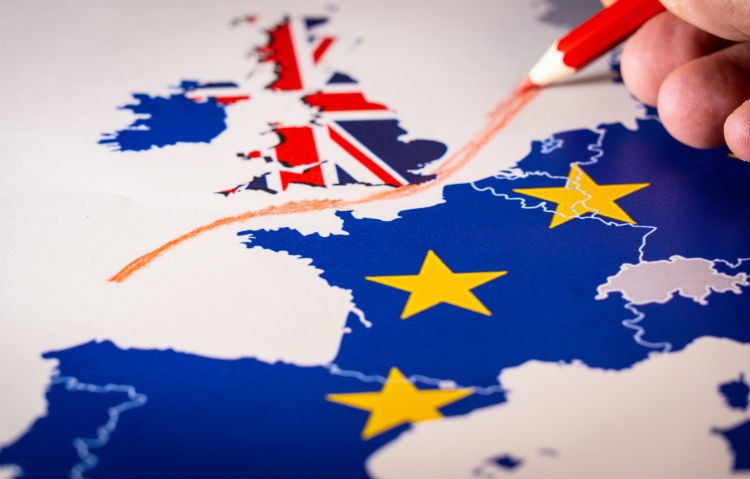
UK steel import quota system still under maintenance; 3 quotas now exhausted
The online monitoring system of UK steel quota allocation remains delayed due to ongoing technical issues, with traders unable to check import quota balances and the Category A quota for large welded pipes now exhausted in the Feb. 1 allocation, according to the UK tax department HMRC.
Since Jan. 6, the failed system has prevented traders from checking the quota balance for imports. Although buyers can still register quota claims for material – and the HMRC have reportedly been quick to respond to traders’ inquiries – there is still no way of determining if a quota has been filled.
The system failure has made trading challenging for many UK-based traders without any other means of monitoring exhausted quotas.
Addressing the filled large welded pipe quota, the HMRC said in a letter: “Any claims made to this quota today will be liable to 25% safeguard duty.”
This quota is now the third to exhaust along with hollow sections from Turkey and the ‘other countries’ category.
Excess volumes on quotas now exhausted will be prorated across all quota claims, with buyer’s liable for paying duties.
The letter also specified there were currently no UK quotas considered “critical,” although the quota for Category 6 Chinese tin mill was now said to be nearing critical status.
“There isn’t a shortcut,” a UK trader told S&P Global Platts. “Simply, they need to keep a reducing balance of tons per quota product so everyone can see what’s remaining and make informed decisions.”
A UK-based mill source said he was not worried about coils just yet as there was “enough quota to go around,” and said if it did turn critical, he would simply wait to clear the volumes in the next quota period in April.
“Not being able to check the coil quota balance is extremely inconvenient,” the source said. “All I can do is hope that something is put into place by the time my next vessel arrives.”
— Amanda Flint