

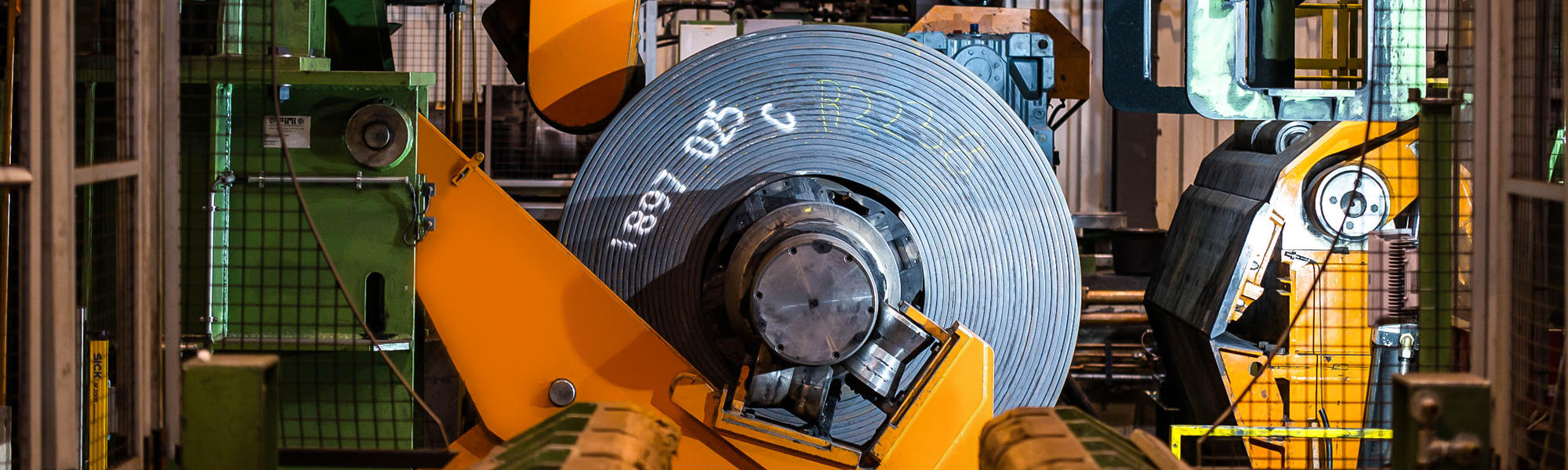
Voestalpine reports higher flats steel sales, postpones stainless plant
Austrian steelmaker Voestalpine benefitted from higher flat steel sales in the final quarter of last year due to a “rapid rebound” in demand in Europe, while the stainless steel plant opening in Kapfenberg has been delay until next year, the company said Feb 9.
During an earnings call on Voestalpine’s financial Q3 (October-December 2020) results, CEO Herbert Eibensteiner said the recovery in the automotive, construction and white goods sector is ongoing with orders just shy of pre-pandemic levels. However, the oil & gas and aerospace sectors are still lagging behind.
Voestalpine saw an increase in sales of flat steel products by 10% quarter-on-quarter but said that due to the structure of its customer contracts, the Steel Division benefited only in part from significantly higher spot market prices. Voestalpine focuses on long-term contracts with customers, which means that changes in market prices affect the company usually with a time-lag.
Although all blast furnaces at the Linz and Donawitz sites are back running, wire rod production is still not at full capacity utilization. Workers on reduced hours by year-end totaled 1,100 in Austria, down from 10,000 in early 2020 and will continue to go down, said Eibensteiner.
The opening of the new stainless steel plant in Kapfenberg, Austria, is behind of schedule because of delay in plant equipment supply. The plant is scheduled to start full production in early summer 2022. The initial production start was envisaged for the second half of this year.
Texas direct reduction plant ‘short of expectation’
The steel production cutbacks in both North America and Europe in 2020 hampered the company’s US direct reduction plant in Texas, which is also supplying Voestalpine’s steel production in Europe. The operating results of the Texas DRI plant still fall “short of expectations despite the revenue gains in the third quarter of the business year.”
“The company’s success in acquiring new customers in the Far East succeeded in offsetting this market weakness only in part,” said Voestalpine in the earnings report.
“Thanks to stronger demand for steel in North America and the associated increase in the prices for steel scrap, the market environment improved considerably toward the end of the reporting period,” it said.
Voestalpine noted that raw material prices continued to rise during fiscal Q3 despite global market distortions arising from the COVID-19 pandemic.
Although the market improved considerably in the quarter on the whole, the revenue of the Steel Division fell by 13.5% year on year in the first three quarters of the business year 2020/21 to EUR2.96 billion. Deliveries of flat steel products decreased by about 5% during the nine-month period and the division’s prices dropped whereas raw material prices remained high.
— Laura Varriale

Turkey’s Tosyali focuses on low-emission steel production
One of Turkey’s largest steel producers, Tosyali Holding, which has exceeded 6 million mt of annual steel production capacity at its mills in three continents, has focused on low-emission steel production, said CEO Fuat Tosyali, adding that they have already started to produce the world’s most environmentally benign steel at their mill in Algeria with the support of DRI technology supplied by Midrex.
Tosyali Algerie, produced more than 2.23 million mt of direct reduced iron (DRI) in 2020, a world record for a single direct reduction module.
“We have been producing steel with lowest carbon footprint in the world at our Algeria mill with the support DRI technology and we are determined to sustain that in the coming years,” the CEO told local news agency Dunya.
The company’s DRI plant began using hot DRI (HDRI) at the electric arc furnace (EAF) melt shop in February 2019. HDRI made up almost 72% of total production in 2020 (1.6 million mt), with average metallization of about 94% and carbon averaging around 2.2%.
Iron ore pellets feeding the DRI plant were supplied mainly by Tosyali Algerie’s own 4.0 million mt/year pellet plant on site. The Tosyali Algérie DRI plant has a design capacity of 2.5 million mt/year.
Tosyali has also focused on sustainable low-emission steel production at its mills in Turkey. The company is investing on renewable energy resources and metal recovery services in this regard.
The company installed a solar energy plant on the roof of the ERW pipe profile production facility in Osmaniye, southern Turkey. At 200,000 square meters it is the largest roof energy project in Europe.
Tosyali and US-based Harsco Corp. also signed a joint venture agreement in 2017 for metal recovery services and slag sales at the Toscelik Osmaniye flats mill. About 1.2 million mt of slag waste is handled at the plant annually.
An Environmental Impact Assessment (EIA) process has recently started for one of Turkey’s largest steel producers, Tosyali Demir Celik’s new 3.5 million mt HRC mill project in Turkey, as Platts has reported.
The company’s new $1 billion integrated flats mill, scheduled to be commissioned by the end of 2022, will produce steel from scrap in the first phase but will later produce steel from iron ore.
The company has placed an order with plant maker Primetals Technologies to supply an EAF Quantum electric arc furnace, a twin vacuum-degassing plant with oxygen blowing and a two-strand slab caster for this project.
The EAF Quantum is designed to handle metallic scrap and materials such as HBI and pig iron in different compositions and qualities. The electrical energy requirement of the electric arc furnace is extremely low, reducing both operating costs and the CO2 emissions.
— Cenk Can
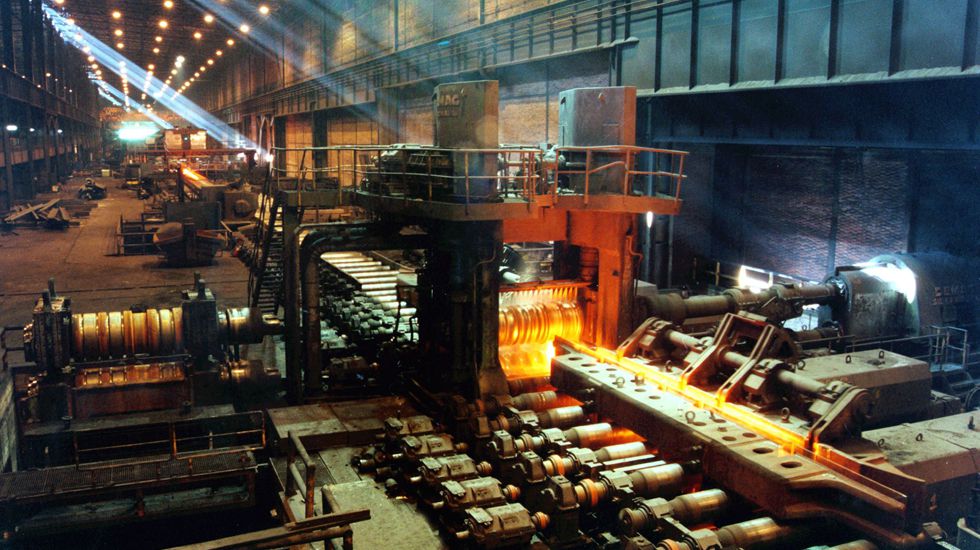
Severstal’s new mill to increase output, quality
Russian steelmaker and miner Severstal will invest in 2021 about RUB 54.3 billion ($733 million) for the development of its Cherepovets Steelworks and other production assets of the Russian Steel Division, the company says.
Severstal will start this year the construction of the new wire mill-170. The RUB 2.6 billion project will enable production of new types of products of higher quality and at a lower cost, the enterprise claims.
More than RUB 500 million will be directed to a large-scale programme for the reconstruction of pipe production. These funds will be used to build a second batch furnace and a controlled cooling unit, along with a sheet-straightening machine at the Kolpino site. These and several other projects are aimed at improving the quality of pipe products, Kallanish notes.
About RUB 2.1 billion will be spent on the construction of electric arc furnace No.1 (EAF No.1) and a second steam injection pump (PN No.2). The design capacity of the new EAF will be 1.3 million tonnes/year of steel.
“Despite the difficult situation caused by the Covid-19 pandemic, our goals for the development and modernisation of production facilities remain unchanged,” says Severstal general director Evgeny Vinogradov. “In 2021, about 90% of investments, or RUB 48.97 billion, will be directed to the development of industrial facilities located in the Vologda region.”
Severstal’s 2020 crude steel output and consolidated product sales each declined -4% on-year to 11.85mt and 11.2mt, respectively (see Kallanish passim). Consolidated full-year revenue was down -15.8% on-year to $6.87 billion due to the Covid-19 pandemic impact.

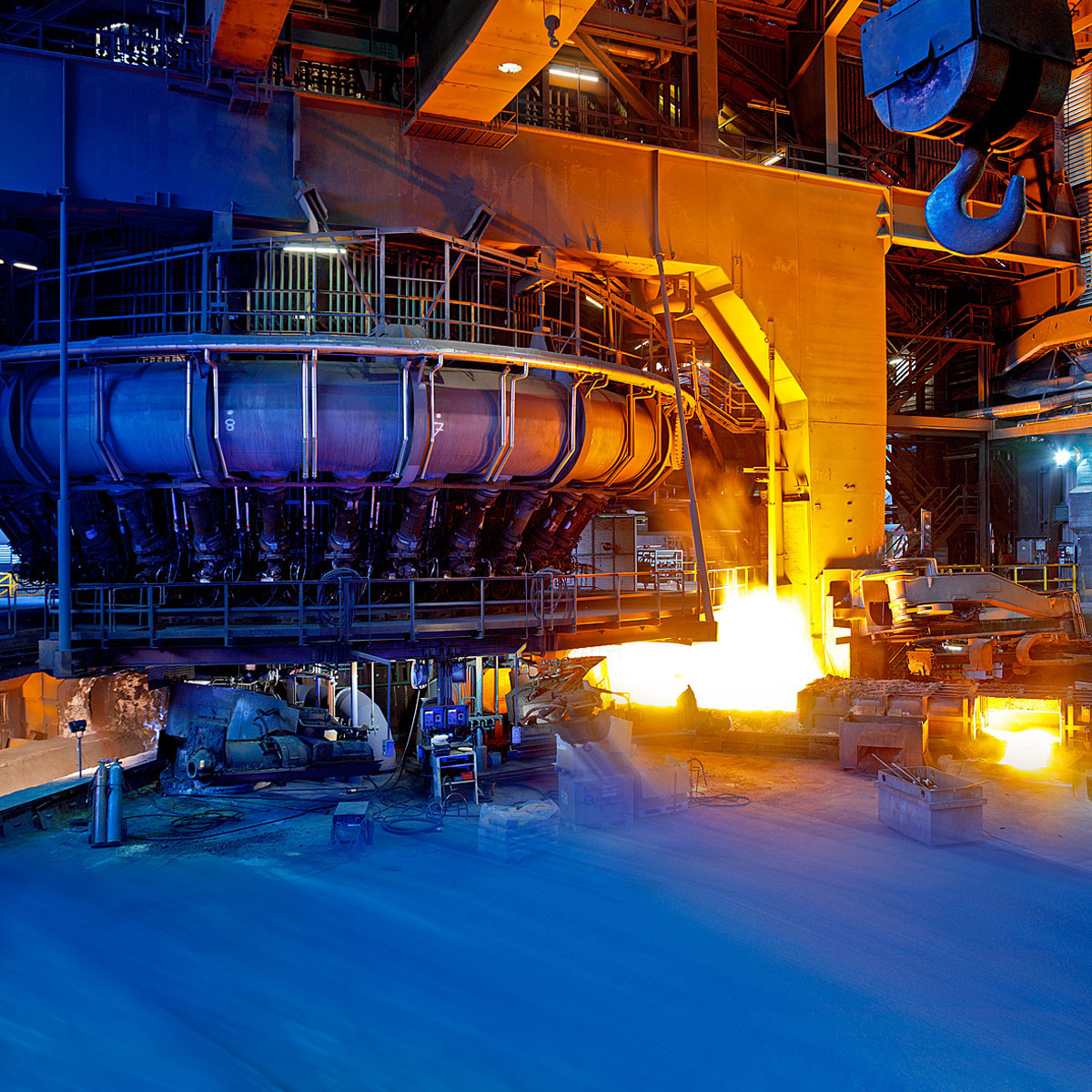
Eurofer warns against ending carbon free allocations
Eurofer issued a note last week to warn of the risks the European steel industry would face if carbon free allocations were to be phased out in the near future.
The European Parliament’s environment committee voted in favour of a Carbon Border Adjustment Mechanism (CBAM). This is likely to lead to a measure to encourage other countries to implement their rules on decarbonisation. In parallel with this border adjustment, though, there is a proposal to rapidly phase out free allocations.
“At today’s carbon price of €38/tonne of CO2, production costs of EU primary steel would increase by around €75/t,” Eurofer notes. “This would have a disruptive impact on the EU steel industry and the related value chains, as it would expose EU steel producers and downstream sectors to such high costs, undermining the financial ability to invest in low carbon technologies and jeopardising the competitiveness of 20 million EU exports to third countries.”
In the note seen by Kallanish, the association notes that cancelling free allocations would be a “…death sentence” for the European steel sector. “We urge the parliament to rethink this during the plenary stage, as CBAM is not a substitute for free allocation under the EU ETS – it is a necessary complement,” it observes.
“The European steel industry is committed to contributing to the EU’s climate and energy goals and European companies have been launching several projects to reduce emissions deeply. Yet, the successful implementation of such projects requires a comprehensive and supportive regulatory framework, including funding support, access to low carbon energy sources at internationally competitive prices and de-risking instruments such as contracts for difference,” Eurofer concludes.
Klöckner forecasts exceptionally strong first quarter
Klöckner & Co says it can benefit particularly strongly from the positive development of the steel market, and therefore expects a pre-tax result that is “…very considerably” above the prior-year quarter.
Against this background, the company expects an operating income – Ebitda – before material special effects of €110-130 million ($133-157m) in the first quarter of 2021, Kallanish learns from an ad-hoc announcement.
The recovery in steel demand has continued strongly, and price levels in Europe and the USA, the main markets of the German-based distributor, have risen significantly, it states. It also cites the successful implementation of its “Surtsey Project” for digitalisation and restructuring effects. Previously, operating income before material special effects was expected to improve only “…considerably” compared with the prior-year quarter, which was €21m.
In December, the group reported an unexpectedly strong performance in Q4. It then forecast an Ebitda before material special effects of €105-115m for full year 2020, contrary to previous expectations of €75-95m. The guidance for the fiscal year 2021 will be announced, together with the results for 2020, on 10 March.
European Commission on cusp of steel safeguard review
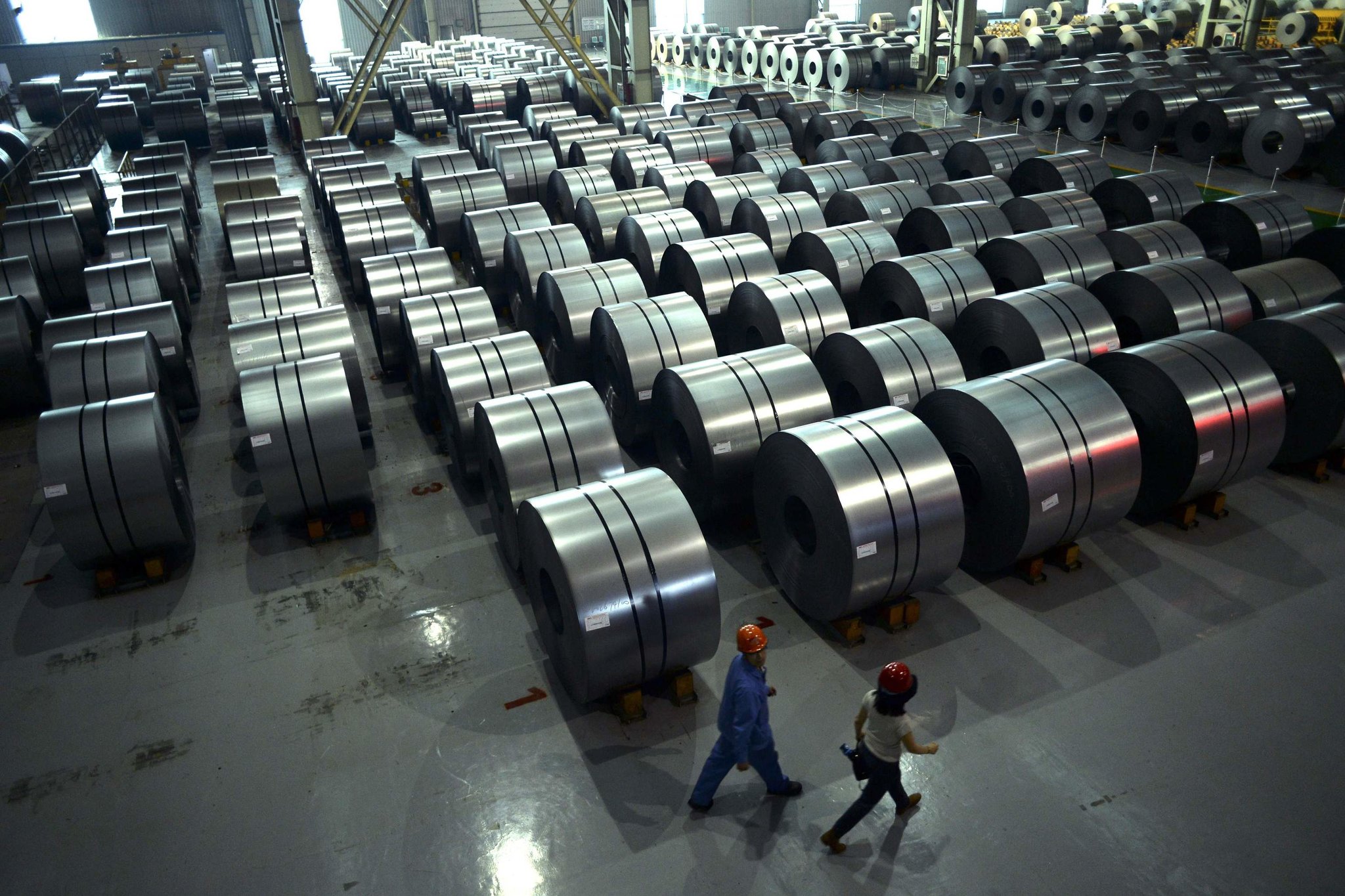
The European Commission is likely to launch a review into its tariff-rate quota steel safeguard in the coming weeks.
Member states representing the bulk of the EU’s steel production — Netherlands and Sweden aside — requested the review with a view to the safeguard being extended, as has European steel association Eurofer. The safeguard will lapse at the end of June, as it stands.
The review does not mean the safeguard will be extended, it could still lapse, be extended or modified for certain products.
Producers suggested nothing has changed since the safeguards were implemented, with Section 232 tariffs still in place in the US. Should the quotas be removed, material would be diverted into Europe, they said.
But some still expect the measures not to be extended, as the commission looks for more World Trade Organisation compliant methods of maintaining traditional import flows. Buyers point to massive mill margins and constrained import supply — with Turkey now subject to provisional dumping duties and Russia’s Severstal having its duty reviewed. Given the struggle buyers had securing the requisite material this year, they said extending the safeguard would be unfair.
Mill sources point out that the safeguard was not designed to deal with the impact of the pandemic, but ensure material is not diverted from other regions with their own import protections in place.
By Colin Richardson

Germany faces more reinforcing steels shortages
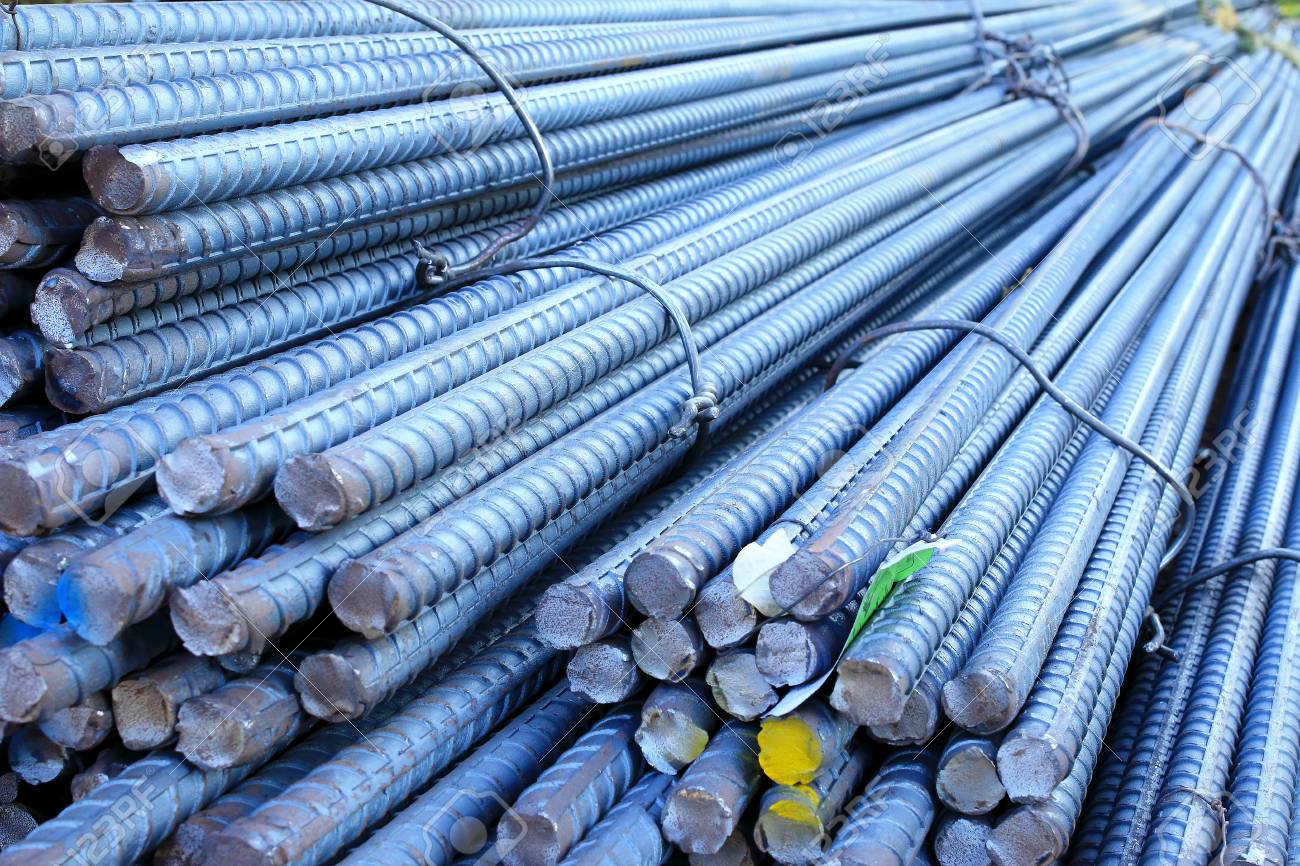
Observers of the German reinforcing steel market warn that a prevailing supply bottleneck could be aggravated by a shortage of transportation capacity and high water levels.
This would mostly affect material made of wire rod, like wire mesh, rebar in coil and also certain sizes of straightened rebar, Kallanish hears from one distributor. Shortages have prevailed for some time, partly because of high demand and partly due to the notorious shortage of wire rod on the European market.
This trend could deteriorate in view of the high water on German rivers, he fears. “Scrap and wire rod, to a large extent, are forwarded on waterways, and we can already feel bottlenecks from it,” he writes in a note to customers.
He also points to the impact from overseas transports, because freight costs have surged as a consequence of the demand boom in Asia. “Wire rod processing works have communicated that a lack of incoming tonnages is forcing them to stretch delivery times for rebar coils and mesh. Also, they are signalling that they won’t take new orders which maybe cannot be fulfilled because of that insecurity,” he says.
According to various sources, the base price for rebar is at or above €400/tonne ($482), with wire mesh normally €100 more; but an ongoing shortage could widen that spread. Benders are already under massive cost pressure now that they must pay €200 more for rebar than in November still. “They are certainly not rejoicing over the contracts they have signed with construction firms for the year before that surge came,” a Ruhr-based manager says.
Further products near UK first-quarter quota exhaustion
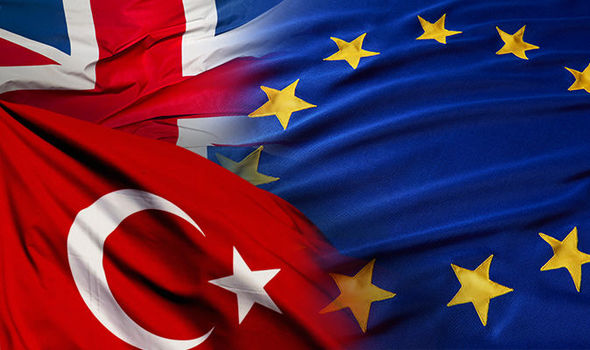
UK tariff rate quotas for the first quarter for stainless wire rod from Taiwan and tinplate from China have reached a “critical” level, UK steel distributors’ association NASS informs Kallanish.
This follows three product categories that have already exhausted their Q1 quotas – large welded tubes, and hollow sections from Turkey and other countries.
The HMRC monitoring system is still, however, experiencing delays in updating of around two working days.
Products that have used up over 60% of the Q1 quota so far include organic coated sheets from South Korea, 86%, other welded tube from Turkey, 71%, merchant bar and light sections from Turkey, 67%, and category 4A metallic coated sheet from South Korea, 62%.
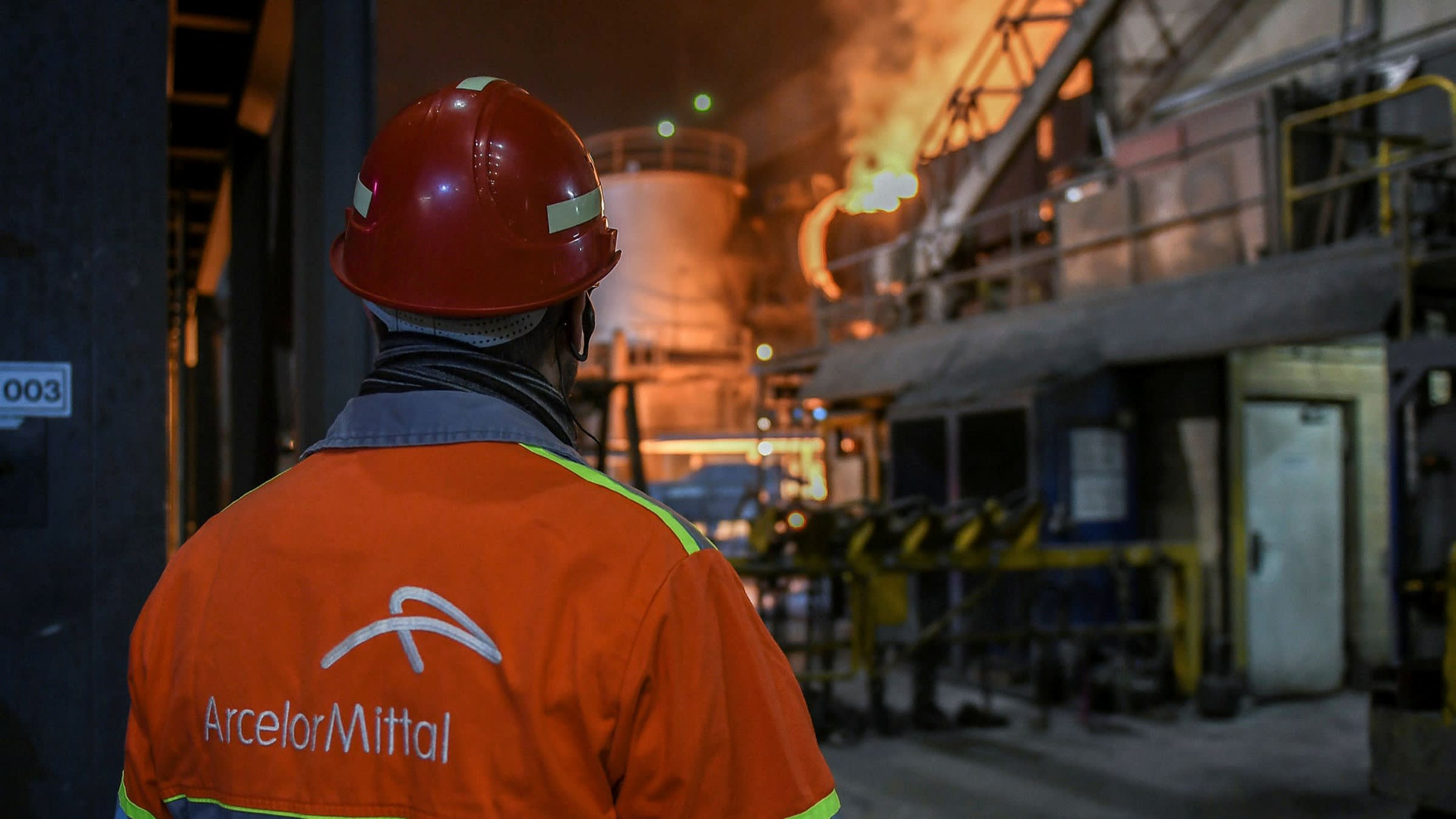
ArcelorMittal completes CO2 reduction project at Spanish Gijon steel plant
ArcelorMittal has completed a project at its steel plant in Gijon, northwest Spain to inject coking gases into its B furnace, which will allow the steel plant to reduce its CO2 emissions and reduce costs, the company’s Spanish subsidiary said Feb. 5.
The new unit will save 125,000 mt/year of CO2 emissions and also reduce the amount of coke that is consumed.
By injecting coking gases, with a high hydrogen content, the carbon content can be significantly reduced, it said. The coking gas is effectively recycled from its own coking batteries into the furnace.
In the next few weeks the same method will be used to supply the furnaces for its semi-finished products such as the thick sheet and rail mills, enabling them to reduce their natural gas consumption and CO2 generation.
Arcelor Mittal operates two furnaces at Gijon with a combined capacity of 5 million mt/year, which are integrated with the sheet steel production site at Aviles and the coking batteries.
The company is targeting a 30% reduction in CO2 emissions across its European operations by 2030 and to be net carbon neutral by 2050.
The company is also working on using hydrogen to directly reduce iron ore feed into its furnaces, it said.
— Gianluca Baratti
Turkish HRC sells to US, more expected
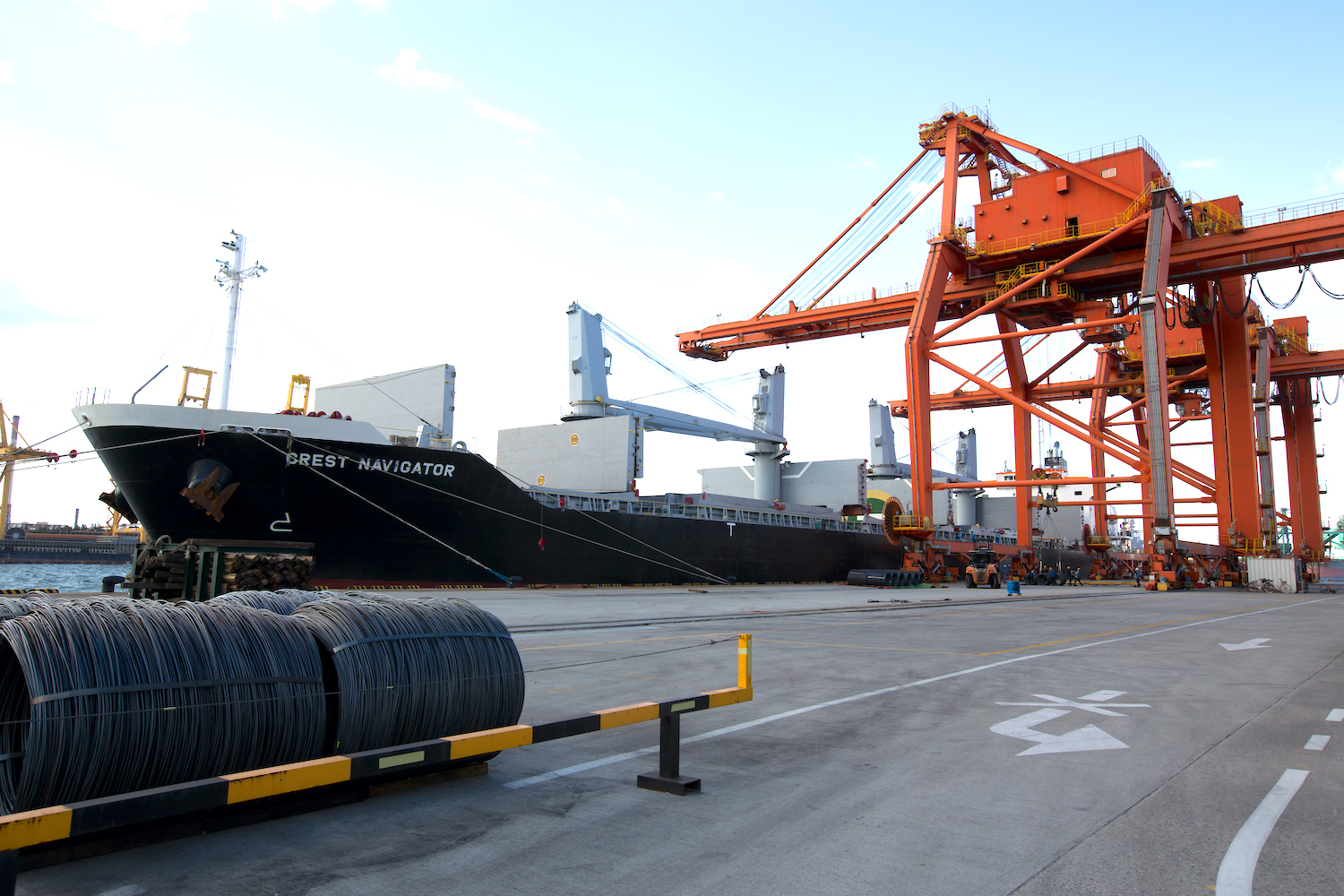
Turkey’s hot rolled coil export market livened up last week with small sales to Europe and a larger one to the US, which has finally re-opened for Turkish sellers following multiple price increases.
A mill sold a 15,000-tonne May-loading consignment to the US through its trading arm at a netback price of around $785/tonne fob Turkey, a close source confirms, and expects to sell more this week. Smaller lots were contracted to Europe and North Africa, all below 3,000t, However, with grade and quantity extras the price was unrepresentative of the spot market, Kallanish notes.
Although demand remains lacklustre, Turkish mills are not reducing offers below $760/t fob, which is offered by just one mill, with others indicating $20-30/t higher prices. The material is mainly for mid-May loading, with only some tonnages available a couple of weeks earlier. With anti-dumping duty added, and long lead times, however, offers should be at $730-740/t fob to woo European customers, according to one trader, while others calculate a much lower price, as compared to Asian imports.
Non-European bids are also down, to the equivalent of $700-720/t fob Turkey, as competing CIS and Asian material, and the ongoing price downtrend are repelling buyers. CIS material is offered at $710/t fob Black Sea minimum, but buyers are expected to haggle. Sales to Egypt are expected, as these levels are below domestic offers and deemed workable by observers.