

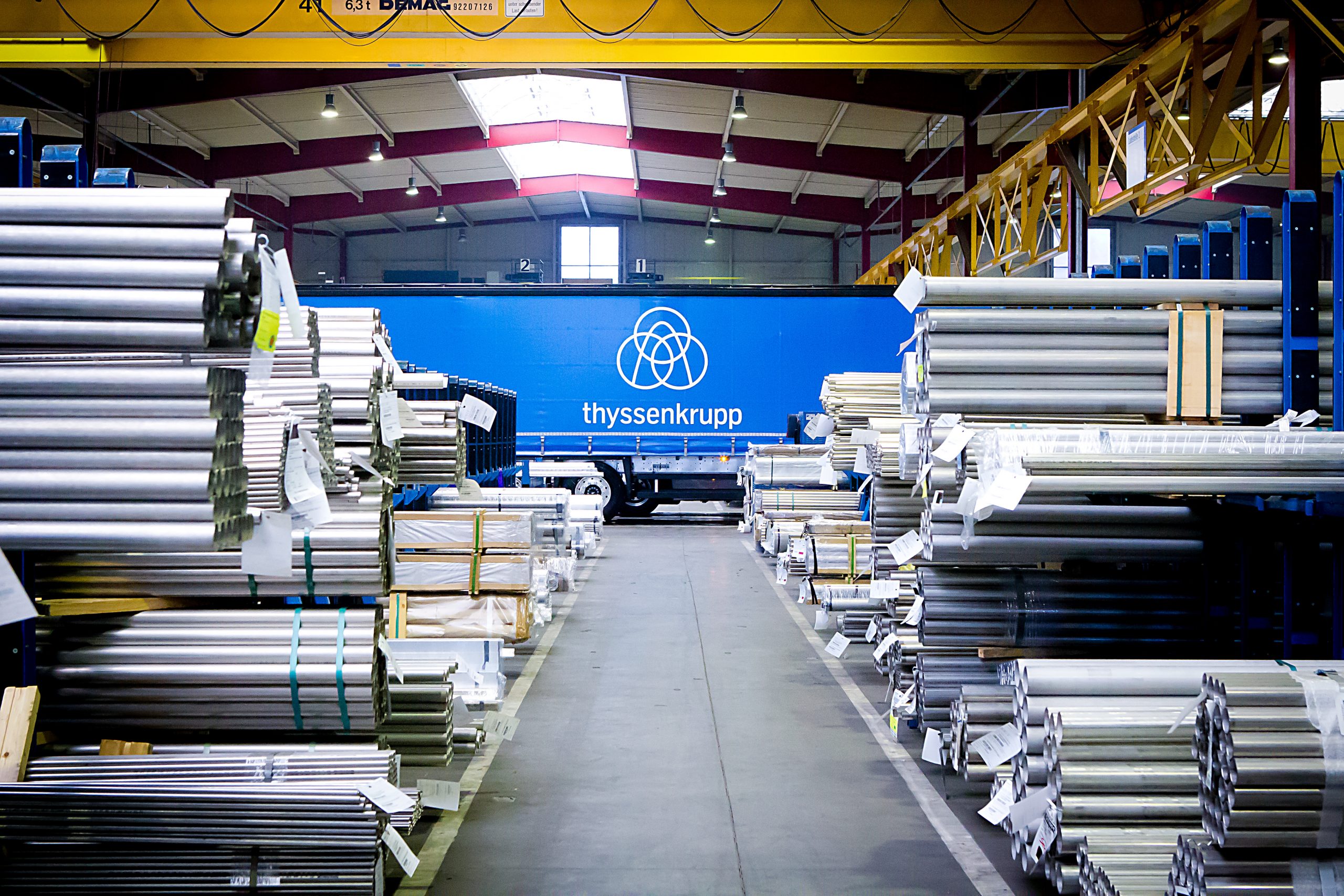
Thyssenkrupp sells Italian stainless plant AST to Arvedi
Thyssenkrupp (tk) has agreed to sell its Italian stainless steel mill, Acciai Speciali Terni (AST), to Italy’s Arvedi. The deal includes the associated sales organisation in Germany, Italy and Turkey.
AST currently employs around 2,700 people and generated sales of around €1.7 billion ($2 billion) in fiscal year 2019/2020.
The parties have agreed not to disclose the purchase price, and the closing of the transaction is expected in the first half of 2022, Kallanish learns from thyssenkrupp. The German company notes it is examining a possible minority shareholding in AST.
“We are pleased to have found a new owner for AST in the Arvedi Group, which will drive the development of the company with investments and innovations,” says thyssenkrupp’s Volkmar Dinstuhl, the current chairman of AST.
“This transaction is strategic for the whole Italian economy and represents an initial step towards new exciting developments,” says founder and president of Arvedi, Cavaliere Giovanni Arvedi. He adds that “we are very pleased that tk is considering a potential minority shareholding in AST”, which he says is proof of tk’s trust in the company.
For thyssenkrupp, the sale means the end of a process lasting many years, after it decided to part with its tradition of making stainless steel, and divested most activities to Outokumpu.
Earlier this summer, four companies were reported shortlisted for acquiring AST. Apart from Arvedi, these were Marcegaglia, Posco and Baosteel, according to union sources.

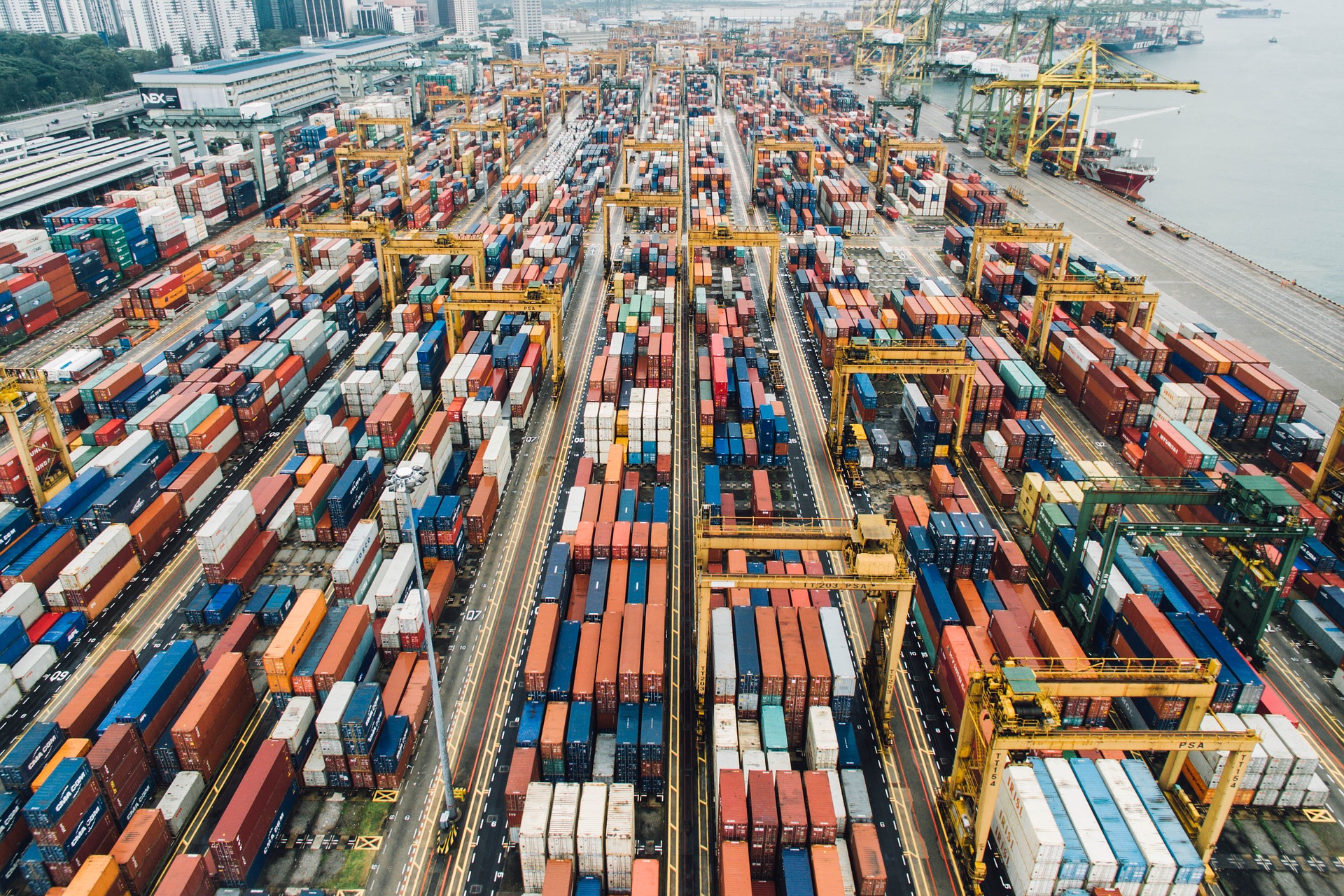
China’s steel output cuts continue to gather pace in September
China’s steel output cuts have gathered pace in September and are expected to widen further in the coming weeks as the country looks to cap 2021 crude steel output and emphasizes on lowering energy usage, sources said.
A few mill sources expected China’s steel output cuts to widen further in late-September or October, mainly as the overall cuts by mid-September have remained insufficient to keep the country’s 2021 crude steel output within 2020 levels. During January-July, China’s crude steel output was 8%, or 48 million mt, higher on the year.
More output cuts are expected to be seen in eastern and southern China in the coming weeks, also because Jiangsu, Zhejiang, Yunnan, Guangxi and Guangdong are still lagging behind their reduction targets of energy consumption.
In tandem with the accelerated steel output cuts, Chinese domestic hot rolled coil sales margins rose 41% to $165/mt on Sept. 13 from $117/mt on Sept. 1. The S&P Global Platts IODEX 62% Fe index dropped 15% to $123/mt over the same period from $144/mt.
Output cuts speed up
Hebei, the largest steelmaking province in China, has so far still been the only province on track to its annual steel output target, led by strict cuts carried out in Tangshan city from March. Consequently, the province has also been on track to lower its energy consumption target.
Steel mills in Jiangsu, Shandong and Liaoning — the second, third and fourth largest steelmaking provinces in China, respectively — have gradually launched steel output cuts since the start of September.
As a result, the crude steel output in both Jiangsu and Shandong are likely to drop more than 1 million mt on the year in September. In Liaoning, it may fall about 600,000 mt on the year, showed Platts estimates based on data from mill sources and traders.
Yunnan province is at risk of exceeding its 2021 energy consumption target, and has ordered local steelmakers to reduce crude steel output by 30% in September. This is expected to decrease its crude steel output in September by about 500,000 mt on the year.
Major mills in Guangxi province have planned to trim crude steel output cuts from late-September while electric arc furnace steel production in Guangdong and Zhejiang provinces might be dented in September due to energy consumption controls, market sources in southern and eastern China said.
Price uptick limited
China’s crude steel output is expected to trend downward in the remainder of 2021, as output cuts are political missions for steelmakers, some mill sources said.
However, even if the cuts are widened further in the fourth quarter, steel prices are unlikely to increase significantly, partly as falling iron ore prices have eased production costs, and partly because the impact from a slowing property market could be felt by the steel market in Q4, a few sources said.
The slowdown in property construction as a result of tightened credit to this sector may lead property steel demand to a year-on-year decline in the second half, and also dent the manufacturing of engineering machineries.
By mid-September, the recovery of infrastructure construction has remained milder than a year earlier, some steel traders said. China will accelerate the issuance of local government special bonds in Q4, but the support generated by the bonds to infrastructure may not take effect until early 2022.
| Steel output cuts in China: | |||
| Crude steel output target in 2021 | Crude steel output year-on-year growth Jan-Jul | Platts estimates of actual crude steel output cuts in Sep | |
| Hebei | Down 21.7 million mt on year to 228.07 million mt | -5.6 million mt | -0.4 million mt on month;null -4.5 million mt on year |
| Jiangsu | Within 2020 level of 121.08 million mt | +6.5 million mt | -0.5 million mt on month;null -1.1 million mt on year |
| Shandong | Down 3.44 million mt to 76.5 million mt | +5.8 million mt | -0.5 million mt on month;null -1.2 million mt on year |
| Liaoning | Within 2020 level of 76.1 million mt | +3.5 million mt | -0.5 million mt on month;null -0.6 million mt on year |
| Yunnan | — | +2.8 million mt | -0.6 million mt on month;null -0.5 million mt on year |
| Crude steel output targets and output cuts are based on state-owned media reports, mill sources and traders | |||
| Unit: million mt |

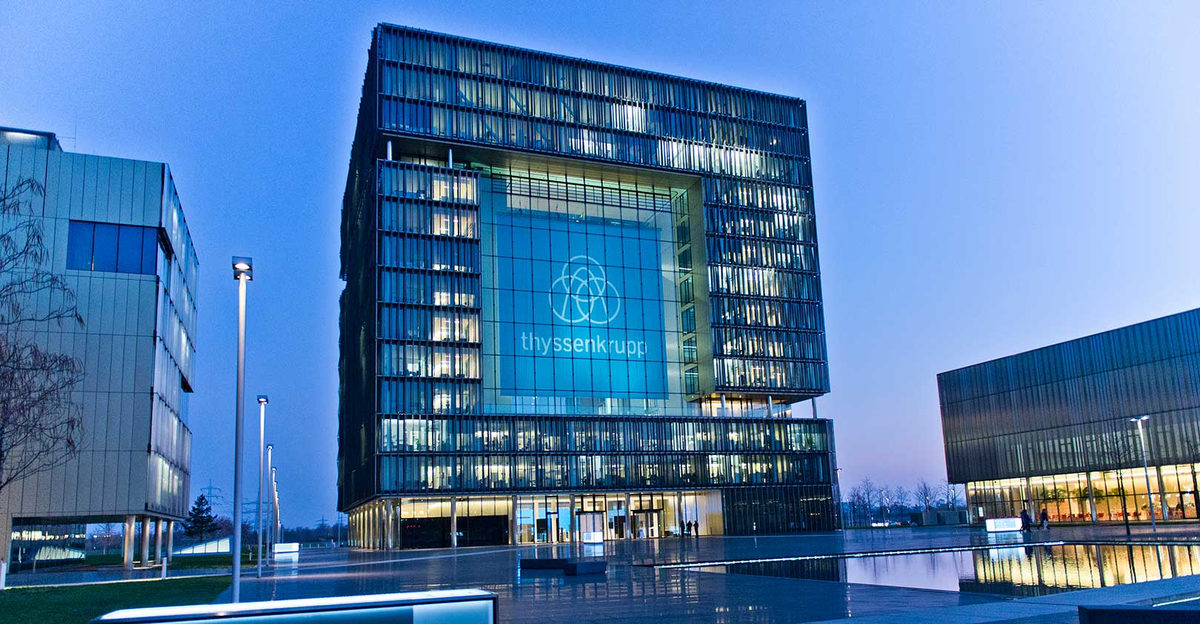
Sale of TK’s Italian AST mill imminent, Marcegaglia and Arvedi favored
Thyssenkrupp’s sale of its Italian unit Acciai Speciali Terni, or AST, could go through in the next couple of weeks, with two Italian bidders – flat producer Arvedi and re-roller Marcegaglia – very much in pole position according to industry sources.
Marcegaglia has in the past confirmed its interest, and while Arvedi has not, nor has it denied interest. When contacted by S&P Global Platts both declined to comment.
AST, the only integrated stainless mill in Italy, is a strategic asset for the Italian industry so the government is watching very closely what is happening. Last week economic development minister Giancarlo Giorgetti said that “the sale of AST could be completed even before the end of the month.”
China’s Baosteel and South Korea’s Posco had been talked about as potential bidders for AST, although neither had confirmed their interest.
The possibility of the Italian government using its “golden power”, the power to limit or stop foreign direct investments and corporate transactions involving Italian strategic assets, is believed to have discouraged foreign buyers.
Closing of a deal is not expected to happen before the end of Q4 although it is unlikely that either Arvedi or Marcegaglia would have any antitrust problems, so the greenlight from the European Commission should come relatively quickly if they are the ultimate winners.
AST, which has a capacity to produce around 1.3 million of crude steel, of which 70% is stainless and the rest carbon steel, is seen as good a match for both the Italian companies.
Marcegaglia is the largest European steel re-roller and largest worldwide tube producer. Marcegaglia produces around 550,000 mt/year of stainless steel products and buys around 30% of its stainless black steel feedstock from AST.
If Marcegaglia were to buy AST, the company would not only acquire primary production but would also increase its stainless market production.
Arvedi, on the other hand, is also a buyer of Terni stainless hot and cold rolled coils, buying around 15% of its feedstock from Terni, according to industry sources.
Arvedi could also being interested in electrical steel, which it used to purchase from AST.
Sources close to the matter said that as the steel market had improved so much recently the deal’s value could rise to around Eur600-800 million.
Thyssenkrupp put AST up for sale in May 2020 as part of a wider restructuring.
Both the Italian government and Thyssenkrupp declined to comment when contacted by Platts.
Union sources told Platts that AST is expected to achieve its 2021 production target of 1 million mt.
— Annalisa Villa
European HDG availability improves, market sees lower prices
European mills are finding their negotiations with automobile manufacturers more challenging for 2021, as chronic shortages of semiconductors and chips minimize the number of volumes taken, in turn hindering the automobile production process, sources said.
On the import side, HRC and HDG third quarter quotas are set to be exhausted by Oct. 1, with the possibility of buyers incurring a 25% duty on the material.
“The market is not as lucrative because of the automotive stoppages. The chip problem will impact the home appliance segment, so there will be problems with this sector,” an Italy-based trader said, though he did not expect prices to drop. “I don’t see why prices should go down anytime soon, because we don’t have a lot of quota [allowances], so availability is still tight.”
The lack of automotive demand was a sign of relief for mills with productivity and delivery issues. The freeing up of HDG on the market has meant that mills can afford to focus on processing late deliveries by reallocating volumes initially promised to automotive customers.
“We are normally fully booked until end of the year, but we have possibilities for small HDG projects,” a European mill source said. “Customers already have booking for Q1.”
The same source said they were able to sell CRC material for a lot more than HDG, with little competition on CRC due to tight market availability.
Prices for HDG were heard as low as Eur1,270-1,280/mt ex-works Ruhr, with deals secured at Eur1,290/mt ex-works Ruhr.
Automotive contract negotiations for 2021 were still at early stages, but current offers from mills have given clearer insight to the future of domestic spot pricing, with prices heard at Eur1,100/mt, nearly double the proposed contract prices intended for this year.
“Automotive negotiations will show us how prices will go, people won’t want to pay more than this,” a German distributor said. Italy is still feeling effects of import prices, so we are sitting back – our management is fearful of bigger stocks.”
— Amanda Flint
EU steel sections prices soften amid low demand
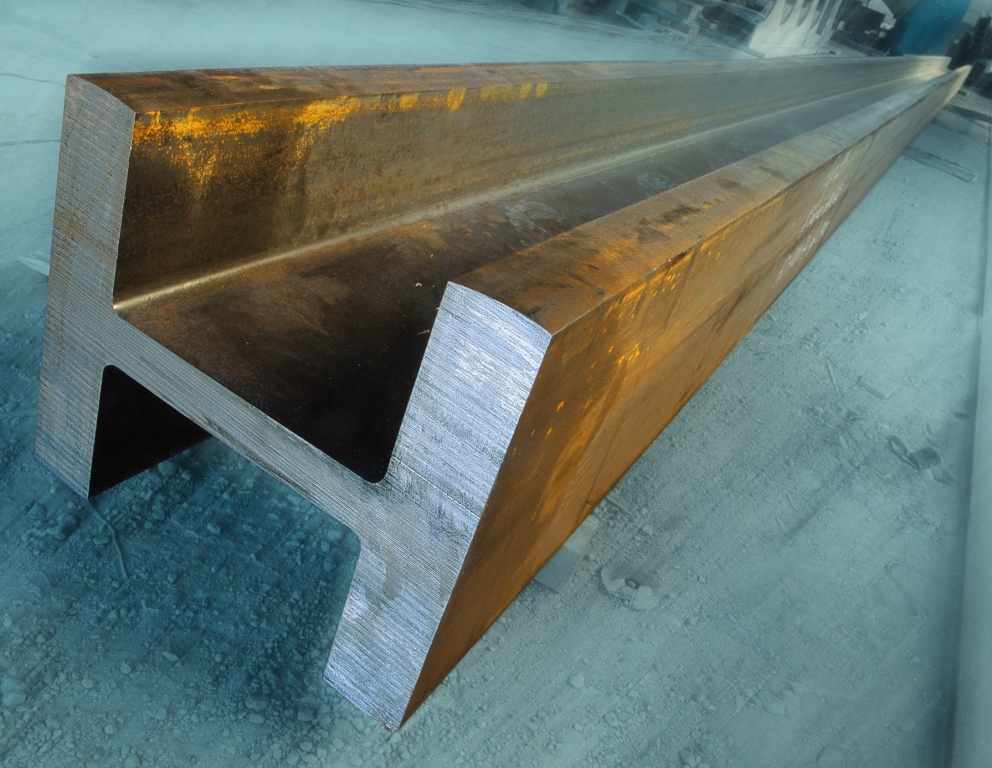
European domestic steel sections prices weakened the week to Sept. 15, as sources cited weak demand in the market amid softening scrap prices.
S&P Global Platts’ European medium sections price (category 1, S235 JR) was assessed at Eur1,030/mt delivered Sept. 15, down Eur20/mt on week.
One distributor in the Benelux region cited a deal for 1,000 mt of beams at Eur1,040/mt delivered, noting that the demand for medium sections seemed to be picking up amid a return from holidays across Europe.
Waiting for a drop
Another Benelux-based distributor source, however, noted that customers are waiting for prices for long steel products to move lower since scrap prices are down on month. But mills are highlighting high energy and transportation costs and are reluctant to lower prices significantly.
“Transportation is difficult, costs are high, and deliveries are still an issue,” he told Platts. “But mills are starting to get a bit nervous because I hear that in Europe everyone is waiting.”
The source noted that demand will recover in the near term as different projects were progressing.
“People are speculating that prices will go down, but demand is still there, so after a certain point people will have to buy,” he told Platts, adding current tradable levels for medium sections category 1 were at Eur990/mt delivered Benelux.
“The port of Antwerp is full of material to be declared on Oct. 1,” he said. “I am still getting offers from Turkish mills for beams and merchant bars, but lead times are very long. They are offering November shipment or later, which is not suitable.”
The EU import quota for non-alloy and other alloy merchant bar and light sections of Turkish origin for the third quarter totaled 65,582.60 mt and was already exhausted by July 13. The fourth-quarter quota has the same tariff-free volume.
One European mill source noted that tradable values for category 1 medium sections in Germany were Eur10-Eur15/mt higher than in Southern Europe and cited tradable levels for Germany at Eur1,020-Eur1,040/mt delivered.
Beyond scrap costs
Although demand is low at the moment and scrap prices are softening, but it is a “common mistake” to just look at scrap costs, the source told Platts, citing elevated energy costs.
“OK, scrap has moved down, but there are other costs that are extremely high,” he said. “So, there needs to be a balance between all costs. Demand is quiet because customers are looking at raw material and thinking that scrap is down. So, it’s like a circle.”
Platts’ assessment for Southern European shredded scrap was at Eur432.50/mt delivered for September contracts, down sharply from Eur480/mt from August.
In Northern Europe, Platts’ September assessment for domestic shredded scrap was at Eur397.50/mt delivered, down from Eur440/mt in August.
European gas hit all-time record highs amid a tight global market and Russian supply concerns for the winter in case of a delayed commissioning of the Nord Stream 2 gas pipeline, Platts reported.
Platts assessed the benchmark TTF day-ahead contract Sept. 14 at a record high of Eur66.05/MWh, up from Eur10.43/MWh a year ago.
— Rabia Arif, Staff
Northwest European coil mills seek earlier annual contracts
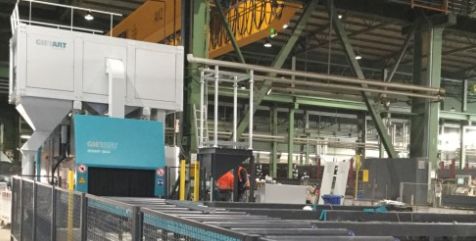
Negotiations this year on long-term supply contracts for coil products to carmakers and other big customers for 2022 could ripen much earlier than in other years.
Normally, the partners wait for the big German sheet trade fairs to occur in late October to get serious about deals. This year, it will be the Stuttgart Blechexpo, which takes turns annually with Hanover Euroblech. However, it appears mills are striving to make negotiations and come to conclusions earlier, partly because of the long lead times that need to be taken into consideration at present.
A value that sounds like a possible target for hot rolled coil is €1,100/tonne ($1300) ex-works, which was heard quoted last month by Salzgitter to a conference of analysts. The value sounds low in the current market environment. Several sources tell Kallanish that the likes of Salzgitter keep targeting €1,200 for spot deals, although many transactions have undercut €1,150 by now.
The explicit figure of €1,100 is thus likely to apply for long-term contracts, negotiated in an environment of softening prices. This explains why mills maintain €1,200 for spot deals on the higher end. “They will keep that up until the [annual] contracts have been closed,” the manager of one German service centre believes.
However, factors such as dropping raw materials prices and cheap imports could easily put pressure on the figures targeted in the negotiations, especially if they keep dragging on.
Christian Koehl Germany
French construction confidence holds up
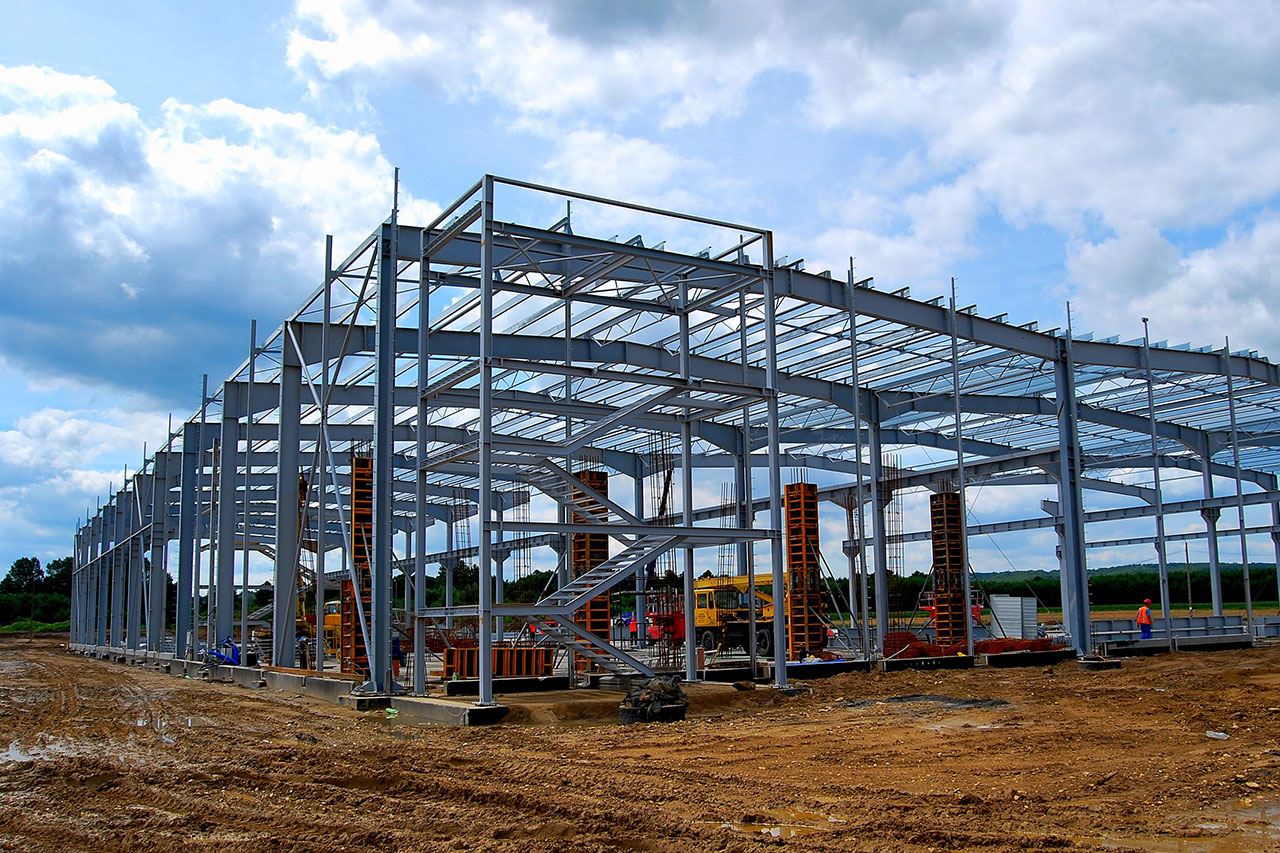
French construction industry managers’ confidence over future activity held up in August as it did the previous month, according to a l’Institut National de la Statistique et des Études Économiques (Insee) report monitored by Kallanish.
French construction companies’ general outlook for the sector remained optimistic regarding their activity over the next three months. However, fewer business managers in August than in the previous month considered that the level of their order books is higher than normal. Order books provided 8.7 months of work, above the long-term average of 5.8 months.
The capacity utilisation rate last month remained stable on July but production bottlenecks increased. “A quarter of business managers consider that they are unable to increase their production due to a lack of staff, a share virtually stable, at a high level,” Insee reports.
In August almost as many business managers as in the previous month eported an increase in their prices for the next three months.
French rebar and other reinforcing steel prices remain stable despite the current significant scrap falls in the country.
Natalia Capra France

UK exhausts further CRC quota
The UK has exhausted numerous further third-quarter steel safeguard quotas, including cold rolled coil from Vietnam and metallic coated sheet from Taiwan, UK steel distributors’ association NASS informs Kallanish.
This follows the exhaustion last month of the CRC from “other countries” quota.
Also exhausted are merchant bars and light sections from the EU, and gas pipe from India.
Meanwhile, over 90% of quotas have been exhausted for hot rolled coil from Russia, organic coated sheet from South Korea, quarto plate from Ukraine, merchant bars and light sections from Turkey, rebar from Russia and gas pipe from Turkey.
Last week the Trade Remedy Authority (TRA) launched a review of its previous recommendation to terminate safeguard measures on the imports of nine steel products.
Adam Smith Germany
EU service centre, distribution July shipments grow further
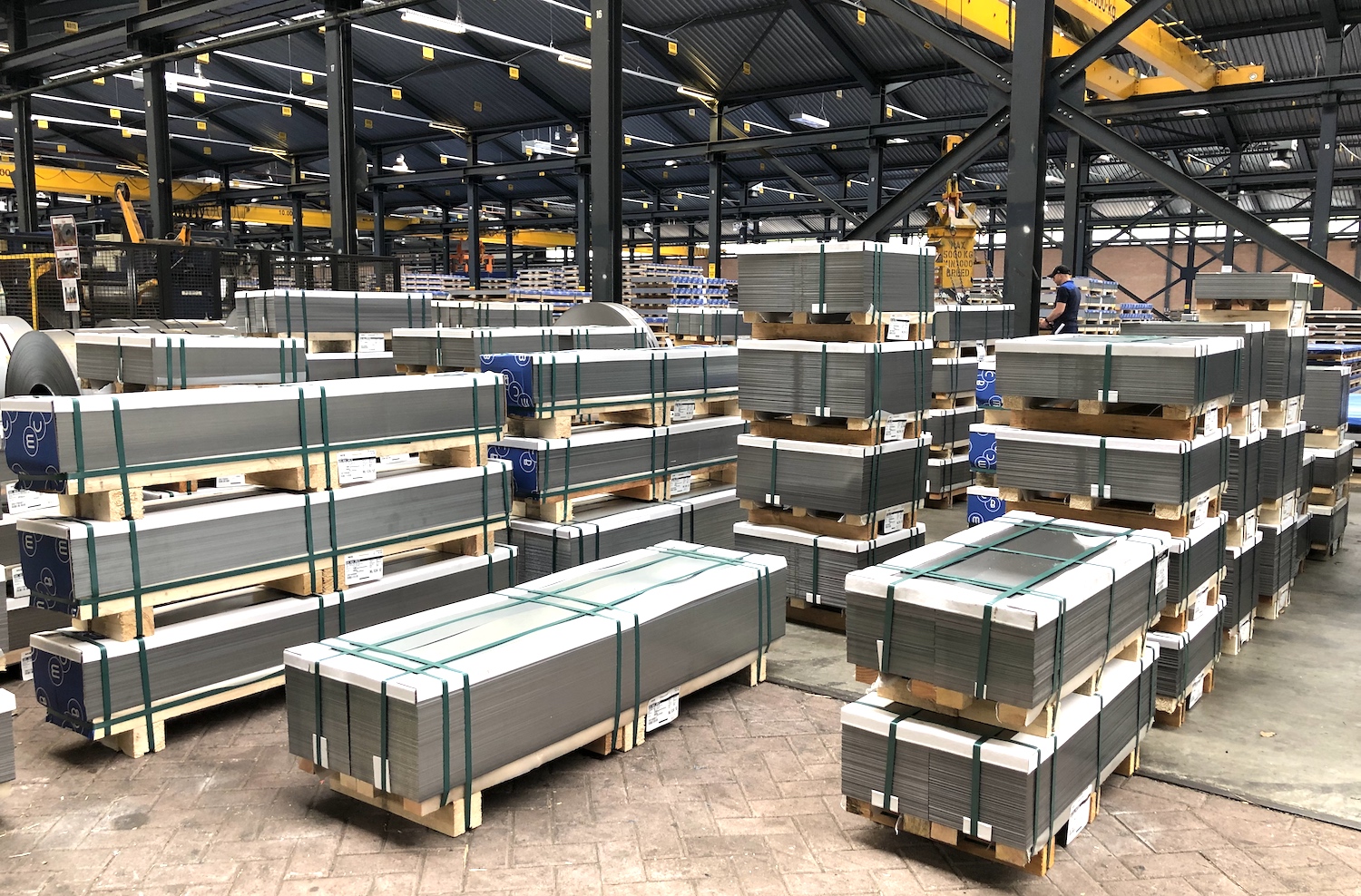
The January-July shipments of EU27+UK service centres (SSC) rose 20.2% year-on-year, EUROMETAL tells Kallanish.
In July alone, strip mill products shipments increased 3.4% on-year and 24.3% versus June.
When expressed in days of shipments, stocks at SSC reached 53 days in July, compared to 70 days in July 2020. The index of stock volumes in July dropped to 71, versus 88 in July 2020. The index of 100 is based on the 2018 average.
EU27+UK Multi-Product & Proximity Steel Stockholding Distribution saw lower seven-month shipments only for rebar, meanwhile. Other longs, strip mill products, tubular products and stainless steel registered higher shipments. Total shipments increased by 12.3% on-year.
In July alone, total shipments rose 3% on-year.
The stock volumes index of Multi-Product & Proximity Steel Stockholding Distribution registered at 81 in July versus 84 one year before. When expressed in days of shipments, stock volumes in July were at 69 days compared to 76 days in July 2020.
Adam Smith Germany
Island Steel eyes toll processing services following agreement
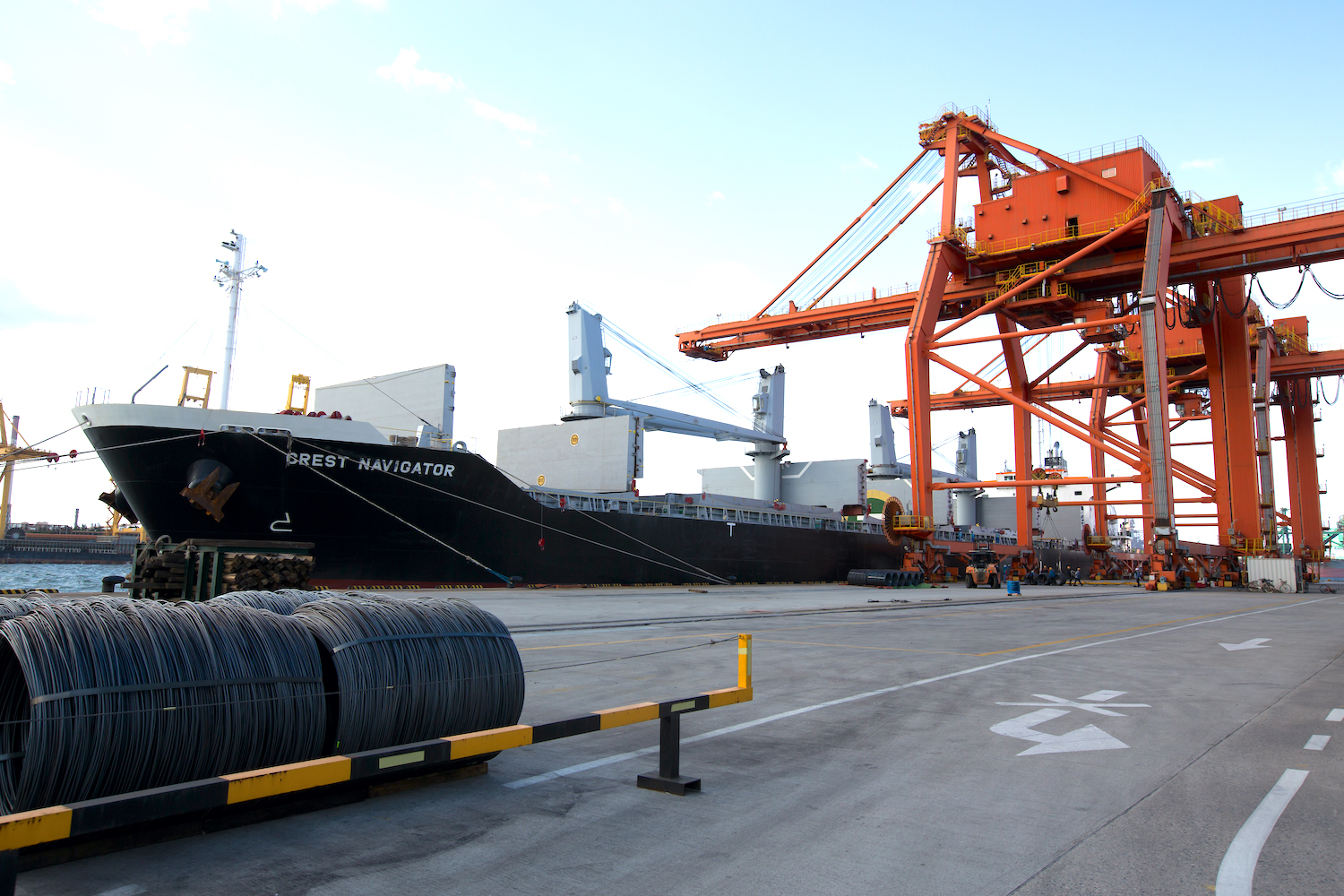
Associated British Ports (ABP) has signed a new ten-year agreement with Island Steel allowing the Port of Newport-based service centre to expand its site by an extra 1.2 acres. Island Steel will thereby start offering toll processing services, which will enable further carbon footprint reduction and reduce the effect of shortages within the haulage industry, ABP says.
Island Steel currently occupies a purpose-built 100,000-square-foot facility, which is entirely powered by solar energy, produced on-site, Kallanish notes.
Wales Short Sea Ports head of property Helen Thomas says: “Across its ports, ABP handles almost 2 million tonnes of steel a year, with Newport handling nearly 500,000 a year. Island Steel has been a long-standing customer at Newport, and we are delighted they have chosen to continue our partnership for a further ten years, helping reaffirm South Wales’ position in the UK’s steel industry.”
Last year ABP signed a ten-year agreement with Tata Steel’s Port Talbot plant in Wales. This sees it ship raw materials into the plant’s integrated dock and ship finished products for export further along the Welsh coast (see Kallanish passim).
Adam Smith Germany