

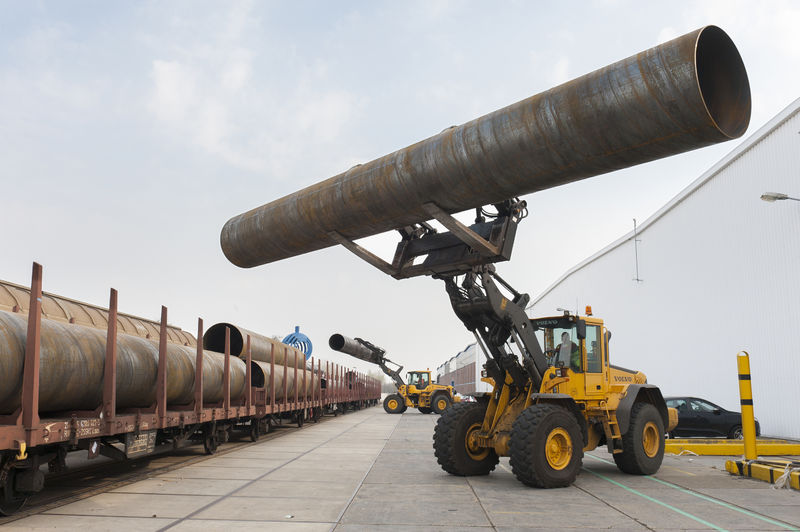
Hoberg & Driesch invests in pipe services
German pipe distributor Hoberg & Driesch has lined up a €1 million ($1.18m) investment at its subsidiary for processing services.
Last year, the company took over the former RSC Röhrenhandel in Wesseling near Cologne (see Kallanish 6 August 2020), which it has since renamed to Hoberg & Driesch Processing. The acquisition was part of a diversification strategy towards more downstream services the group has pursued since 2015.
The unit’s processing services include sawing, stamping, bending, laser cutting, several types of end-forming and surface treatment. While the company does not specify the target segments of the investment, it notes that it recently introduced linear sawing with shot blasting. This creates surfaces that are immediately enabled for coating, a service which targets application in utility vehicles, it says.
Christian Koehl Germany

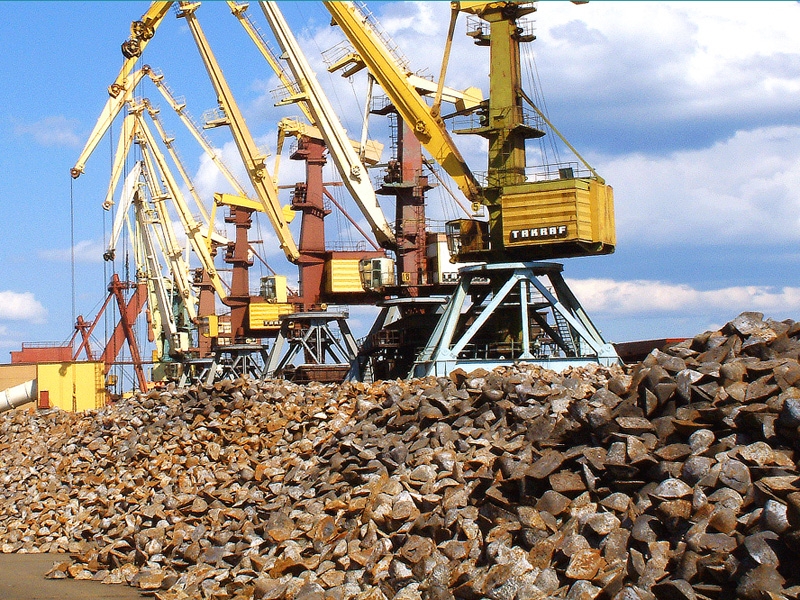
India fears rising coking coal prices, increases imports
Rising coking coal prices have prompted Indian steelmakers to dramatically increase imports of the feedstock. India’s coking coal imports surged 114% on-year to 5.76 million tonnes in July, Kallanish notes.
Offers for Australian premium mid-volatile hard coking coal have grown significantly, by $45-50/tonne on-week to $350-355/t fob Australia, against $300-305/t fob last week for November deliveries, says a market source.
“While steel production [in India] has improved, domestic steel mills had postponed procurements due to higher coking coal prices,” says India Ratings & Research (Ind-Ra). “However, lower inventories prompted steel producers to import higher volumes in July 2021.”
“Australian coking coal prices are receiving support from strong demand from Asian countries, ex-China,” it adds. “The limited availability of prompt coking coal cargoes for near-term deliveries due to logistical issues, including freight and container unavailability and high freight rates, could support coking coal prices over the near term.”
Indian steel companies have increased their production on the back of high demand in international markets. The nation is largely dependent on Australia for its coking coal requirement, and rising coal prices will impact Indian steelmakers’ gross margins.
Coking coal prices are expected to rise further on the back of increasing global steel demand. “Key international benchmark coal prices will remain above our medium-term sensitivity ranges in the near term, but will taper with the resolution of supply problems and geopolitical disputes,” says Moody’s. “We expect that met coal prices will remain robust in 2022 on the strength of the global steel industry.”
India’s finished steel consumption rose 4.8% on-year to 7.66mt in July. However, domestic consumption was down over June-July, on low demand from end-use industries such as construction and infrastructure due to the impact of the monsoon.
Sayed Aameer India
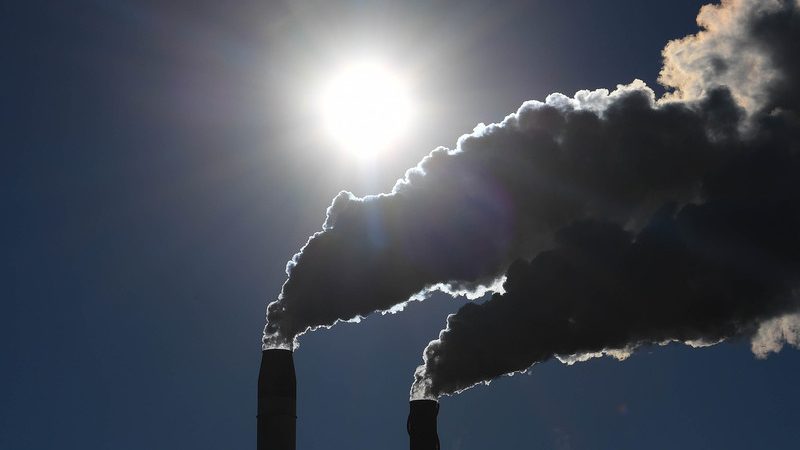
EU steel mills need to deploy green technologies soon: Industry Tracker
The European steel industry has less than 26% (12%-35%) of its carbon budget remaining and companies must rapidly shift their business models to reach net zero, Industry Tracker, a climate research house for investors, said Sept. 14
Steelmakers have until 2033 to stop using current production methods and invest in new steelmaking technologies, with the cost of transitioning that is estimated between $4 billion and $34 billion for companies, depending on the size of their current asset base, Industry Tracker said in a statement about its “Steeling for Net Zero” report.
The current balance sheets and cash flows of steel companies are not enough to support the cost of the transition, mills must have also partnerships, direct public funding and investment capital, Industry Tracker said.
“Steel is used across many products and sectors that are integral to the way we live. However, with a large carbon footprint and a growing emissions profile, steel remains a problem child in the path to net-zero,’ Carole Ferguson, managing director of Industry Tracker, said in the statement. “With momentum starting to build for new technologies, particularly green hydrogen, steel companies have the opportunity to break out of their current capital intensive business models. I am optimistic that with public support, cross sector partnerships and investment capital seeking to solve the climate crisis, steel companies have the potential to lead the way in the transition and drive the green hydrogen economy.”
The largest emissions from the steelmaking process comes from the blast furnace route, that is still the main method to make crude steel and as the research underlined has been in use since the 14th Century, Industry Tracker said.
“With this carbon intensive method, there is no way of achieving the required reduction in emissions to meet the EU’s 2050 net-zero target,” Industry Tracker said. “Reductions from efficiency improvements have all but plateaued – over the last two decades, the companies analyzed have only reduced their emissions intensity by an average of 1% per year.”
The report studied 10 of the largest and most important EU steel companies, accounting for 68% of primary steel production in Europe, including ArcelorMittal, Tata Steel, Thyssenkrupp and SSAB, Eight out of 10 of the companies have emissions reduction targets, with ArcelorMittal, Voestalpine, Tata Steel and Salzgitter all making commitments to become net-zero, climate or carbon neutral by 2050, while SSAB aims to achieve this by 2045.
“However, most of the emissions cuts outlined in these targets come after 2030, when they are at high risk of missing the window for investing in vital new technologies,” Industry Tracker stressed.
Some of the steel companies, such as SSAB, ArcelorMittal and Tata Steel, are starting to develop low-carbon innovations required to significantly reduce their footprint, it said. This includes hydrogen-based steel production that can reduce emissions to near zero, as well as carbon capture utilization and storage, which could cut emissions from traditional steelmaking routes in the mid-term.
Seventy percent of the companies in the report, including ArcelorMittal, Thyssenkrupp and SSAB, are involved in projects developing “blue” or “green” hydrogen production, Industry Tracker said.
“This is encouraging as it indicates they are not just investing in hydrogen-based steel production technologies, but are also getting involved in developing supply chains to ensure they have access to the large volumes of hydrogen needed to scale up this type of sustainable steelmaking,” it said.
— Annalisa Villa


Commission takes action against circumvention of anti-dumping duties on Chinese aluminium foil
Based on evidence of circumvention, the Commission has today extended the anti-dumping duties on aluminium household foils from China to apply also to imports from Thailand.
This follows a thorough investigation which revealed a significant increase of imports into the EU of aluminium household foil from Thailand. The investigation confirmed that Chinese aluminium foil producers were exporting parts of the product subject to EU anti-dumping duties to Thailand where it was subject to minor assembly operations before the final product was re-exported to the EU. By using another country to export from, the exporting Chinese companies evaded the up to 35 % anti-dumping duty on aluminium foil imported. The duties on imports from Thailand will apply from 21 December 2020 onwards and will be collected retroactively.
This aluminium product is an important consumer good in the EU market with a market value of €550 million, and EU production of aluminium foil is spread over 12 Member States. The anti-dumping duties in force on the import of aluminium foil from China into the EU serve to offset the price advantage caused by the unfair trading practice of dumping. The extension of the anti-dumping duties to imports from Thailand demonstrates that the Commission is fighting unfair trade in all of its forms, including circumvention of duties.
For more information on both regulations
Aluminium foil jumbo rolls definitive measures extension (OJ L325)
Aluminium foil small rolls definitive measures extension (OJ L325)

Italian car output falls
Italian passenger car output decreased significantly year-on-year in July, by 29.1%, and also went down compared to the same month in 2019, Kallanish notes from preliminary data released by local carmakers’ association Associazione Nazionale Filiera Industria Automobilistica (Anfia).
Passenger car output stood at 37,200 units in July. Production in July 2020 was 52,445 units, while 50,523 units were assembled in July 2019, Anfia says.
Over the first seven months of 2021, however, the country’s passenger car output increased strongly compared to the same period in 2020. It stood at 285,763 units versus 190,377 units last year.
In January-June, meanwhile, the county produced 178,990 light commercial vehicles, a 55.4% y-o-y increase, and 33,590 trucks, up 76.9%. Data for these categories is published with a month’s delay.
In full-year 2020 Italy’s passenger car production stood at 451,826 units, versus 542,472 cars in 2019.
Italy has 23 production plants. By comparison, Spain has 17 plants, France 31 and Germany 42.
Natalia Capra France
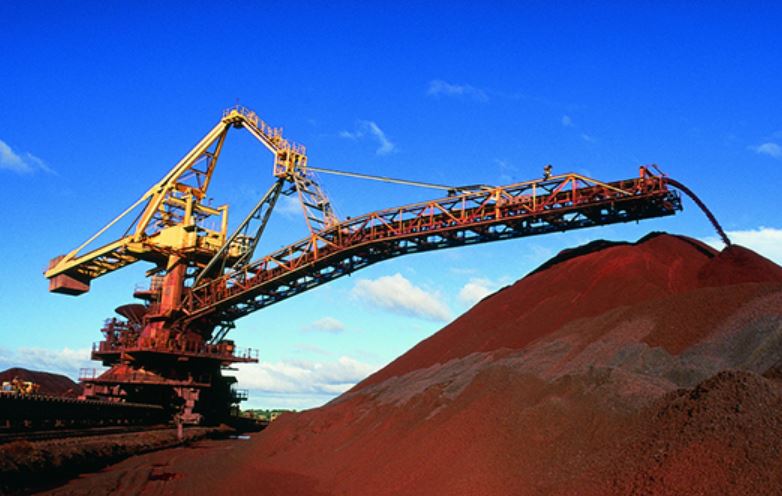
ArcelorMittal, Liberia agree iron ore project expansion
ArcelorMittal and the Liberian government have signed an amendment to the Mineral Development Agreement (MDA) which will enable ArcelorMittal to expand its mining and logistics operations in Liberia.
After the amendment comes into effect, ArcelorMittal Liberia says it will significantly ramp up production of premium iron ore and generate nearly 2,000 new jobs. The expansion project includes the construction of a new concentration plant, substantial expansion of mining operations, and rail and port facilities. The capital required to finalise the project is expected to be approximately $0.8 billion.
The first concentrate is expected in late 2023, ramping up overall production to 15 million tonnes/year. The agreement will allow ArcelorMittal to reserve the right to expand output to 30mt.
Liberia president George Manneh Weah says: “This agreement demonstrates to the world that Liberia welcomes foreign direct investment and is a key emerging destination for capital. The further investment by ArcelorMittal in Liberia bears testament to the company’s confidence in the future of this country.”
ArcelorMittal chairman Lakshmi Mittal observes: “The expansion of mine, processing, rail and port facilities is the largest iron ore project in West Africa and will draw international attention to Liberia as an attractive country to invest in.”
ArcelorMittal adds it has invested over $1.7 billion in the country over the past 15 years.
ArcelorMittal Liberia has been running its first-phase 5m t/y direct shipping ore (DSO) operation since 2011. It utilises a 243km rail line that transports ore to the Port of Buchanan for export.
Concentration plant construction was initially started in 2013 but suspended due to the onset of Ebola in West Africa and the subsequent force-majeure declaration by the onsite contracting companies (see Kallanish passim).
Burak Odabasi Turkey
Construction lifts German stockholders’ rebar sales amid Covid-19
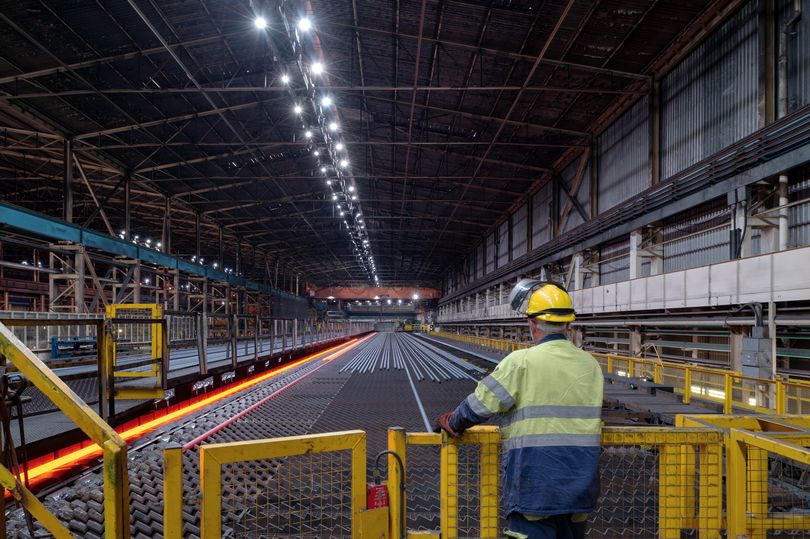
While sales of most steel products from stockholding distributors went down in the crisis year 2020, deliveries of rebar to the construction industry in fact rose in absolute terms.
Compared with 2019, rebar sales went up by 8.4% to 1.42 million tonnes, continuing a long-term upward trend on the back of flourishing construction activity, Kallanish learns from the annual review of distributors’ federation BDS.
The trend worked the other way for all other bar products taken together. Tonnage here declined over the past decade, with the latest year-on-year dip bringing the total tonnage in 2020 to 923,000t. The problem with this figure is that it covers merchant bar as well as special bar qualities (SBQ) – two main groups with considerably different application and customer sectors. While merchant bar goes to construction and mechanical engineering at equal shares of about 29%, nearly 50% of SBQ, like engineering or tool steels, is sold to mechanical engineering.
BDS previously announced plans to give SBQ separate statistics. The federation points out that the share of SBQ in total steel sales has risen considerably, from 16% at the beginning of the 1990s to some 40% now.
Sections and wide flange beams, another product group typically used in construction, reported a dip, albeit a small one, of 1.7% to 1.02mt. Here, figures have declined slightly but gradually over the past year. BDS suspects that imports have gone up quite a bit, and taken share from German distributors. A similar explanation applies to most flat products (see separate story).
Christian Koehl Germany
Imports, mills usurp German distributors’ market share
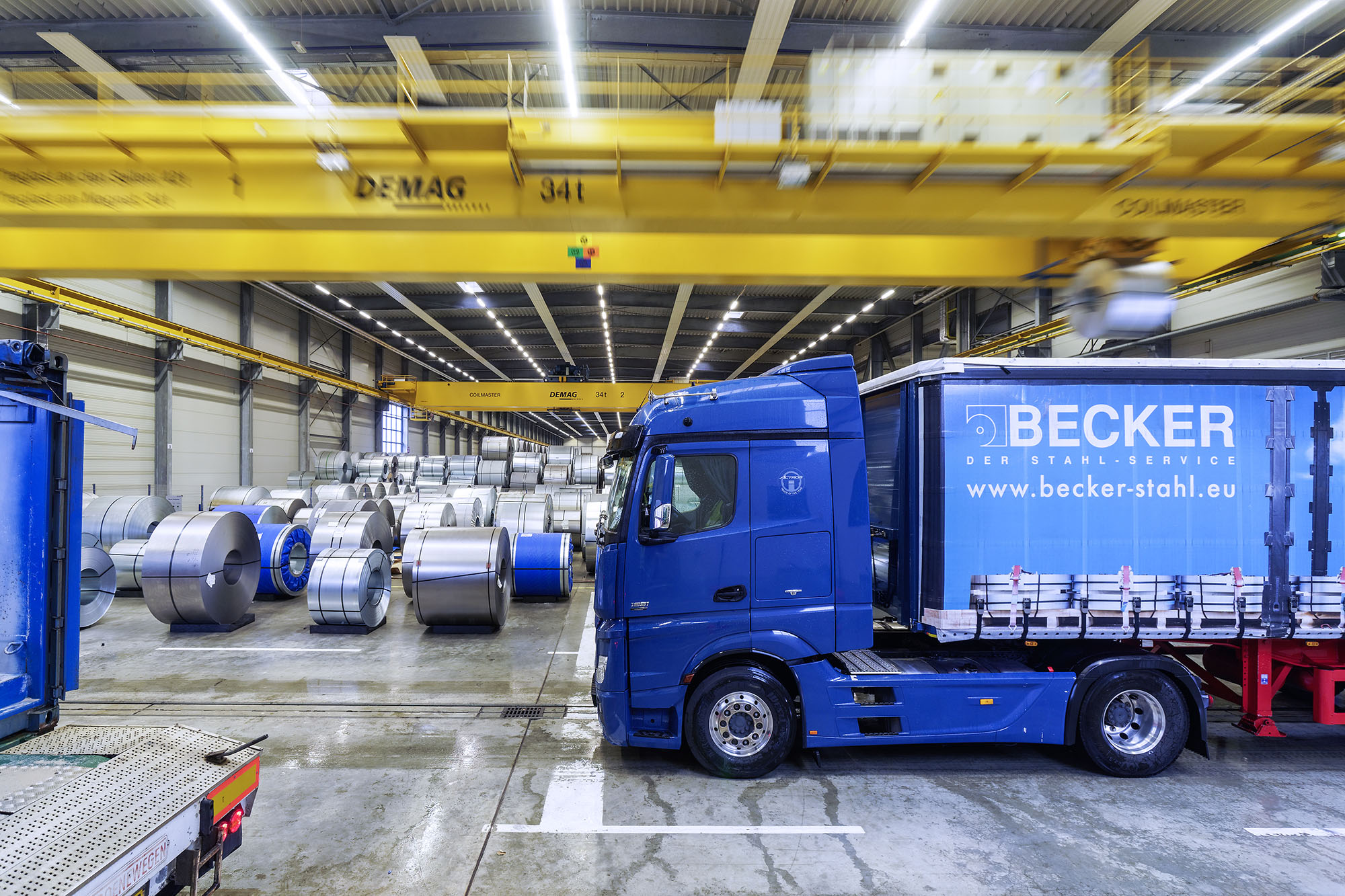
Although the Covid-19 shock throttled business at Germany’s stockholding distributors in 2020, the year-on-year drop in sales turned out relatively moderate, at 3.4% to 10.3 million tonnes, according to distributors federation BDS.
Jörg Feger, head of research at BDS, notes that 2019 had already been a weak year, and that in 2020 the first and last quarters saw higher sales than the respective 2019 quarters. Many distributors had filled their inventories before the lockdowns came, and in Q4 benefitted from industrial business catching up, he explains. During the year, member companies kept inventories cautiously low. By 31 December, they stood at 2.17mt, which was 5.3% below the end of 2019, Kallanish understands.
The product group that saw the steepest fall was plate, reaching 813,000t, around 11% less than in 2019. Given that demand for plate has not changed much recently, Feger suspects more consumers are supplied directly from the mills, or from port warehouses outside Germany.
The same explanation applies to coil products. Here, cold rolled coil saw the most pronounced dip, by 8% y-o-y to 1.17mt. The difference was much narrower for hot rolled coil, which dropped 2% to 1.09mt, and for hot-dip galvanized coil, which fell 1.3% to 2.86mt. HDG therefore stands out as the best-sold product, and Feger notes that last year’s tonnage was higher than in any of the years from 2010 to 2017.
Christian Koehl Germany

European mills offer for Q1; HRC pricing sentiment mostly bearish
North European HRC prices were stable Sept. 13 amid limited transaction activity as buyers remain cautious to book ahead, and mills were in no hurry to seek orders for the rest of the year, with most fully booked, sources told S&P Global Platts.
A German trader said his clients were awaiting further decreases and chose to wait before purchasing, though mills were now fully booked until the end of the year, making the demand story less severe.
One mill source said orders were already being finalized for Q1, with HRC deals closing at Eur1,180/mt ex-works Ruhr, and CRC and HDG bought at Eur1,310/mt ex-works Ruhr, inclusive of carbon surcharge fees.
Overall, sentiment from the buying and trading side was more bearish, with chatter of lower prices and threatening import volumes spilling into the next quota period.
“The signs are pointing toward decreases for the foreseeable future, my money is on constant decreasing prices until the end of October,” a UK-based mill source said. “Despite the proposed production cuts in China, I think there’s still an appetite from Asian rerollers to export to Europe.”
In Italy, a mill source said limited import quota balances were applying pressure on domestic prices.
“I see pressure on HRC but just from imports. I see European mills were stable. Moreover, quota is an issue,” he said.
Imports into Italy were mainly heard from Russia, India, and Turkey at around Eur920-940/mt CIF Italy Ports, duty-paid.
“To buy from Turkey and India now is risky for quota and logistics,” an Italy-based trader said.
Pricing expectations in the market were still mixed, however, with doubts of further price decreases supported by long order books and delivery delays from mills, as well as strong service center demand and import duties.
“The quota for the third quarter is full, so there will be a delay, and the question is regarding automotive … when will they restart?” a European service center source said.
— Amanda Flint, Laura Varriale

Steel shipments EU + UK rise 20.2% on year in January-July
In first seven months of 2021, steel shipments of EU 27 + UK SSC rose 20.2% on the year, while shipments of EU 27 + UK multi-product & proximity steel stockholding distribution went up by 12.3%, the EUROMETAL steel stockholders and distributors association said Sept. 14.
From January to July, EU27 + UK Multi-Product & Proximity Steel Stockholding Distribution registered higher shipments on the year across all categories with the exception of rebars, which saw fewer shipments. Other longs, strip mill products, tubular products and stainless steel registered higher shipments.
In July, shipments of strip mill products rose 3.4% on the year and 24.3% on the month.
Stock levels at EU SSC reached 53 days of shipments in July 2021, compared with 70 days in July 2020.
According to the press note, in July 2021, the stock volumes index for flat steel service centers fell to 71 from 88 registered in July 2020 (average 2018 = index 100).
In July, total steel products shipments increased 3% on the year. All products under the segment saw a year-on-year rise, with the exception of sections and rebars.
Stock volumes index of EU27 + UK Multi-Product & Proximity Steel Stockholding Distribution fell to 81 index points in 2021, compared with 84 in July, 2020 (average 2018 =Index 100).
Stock volumes of EU27 + UK stood at 69 days of shipments in July, compared with 76 days in July 2020.
— Annalisa Villa