

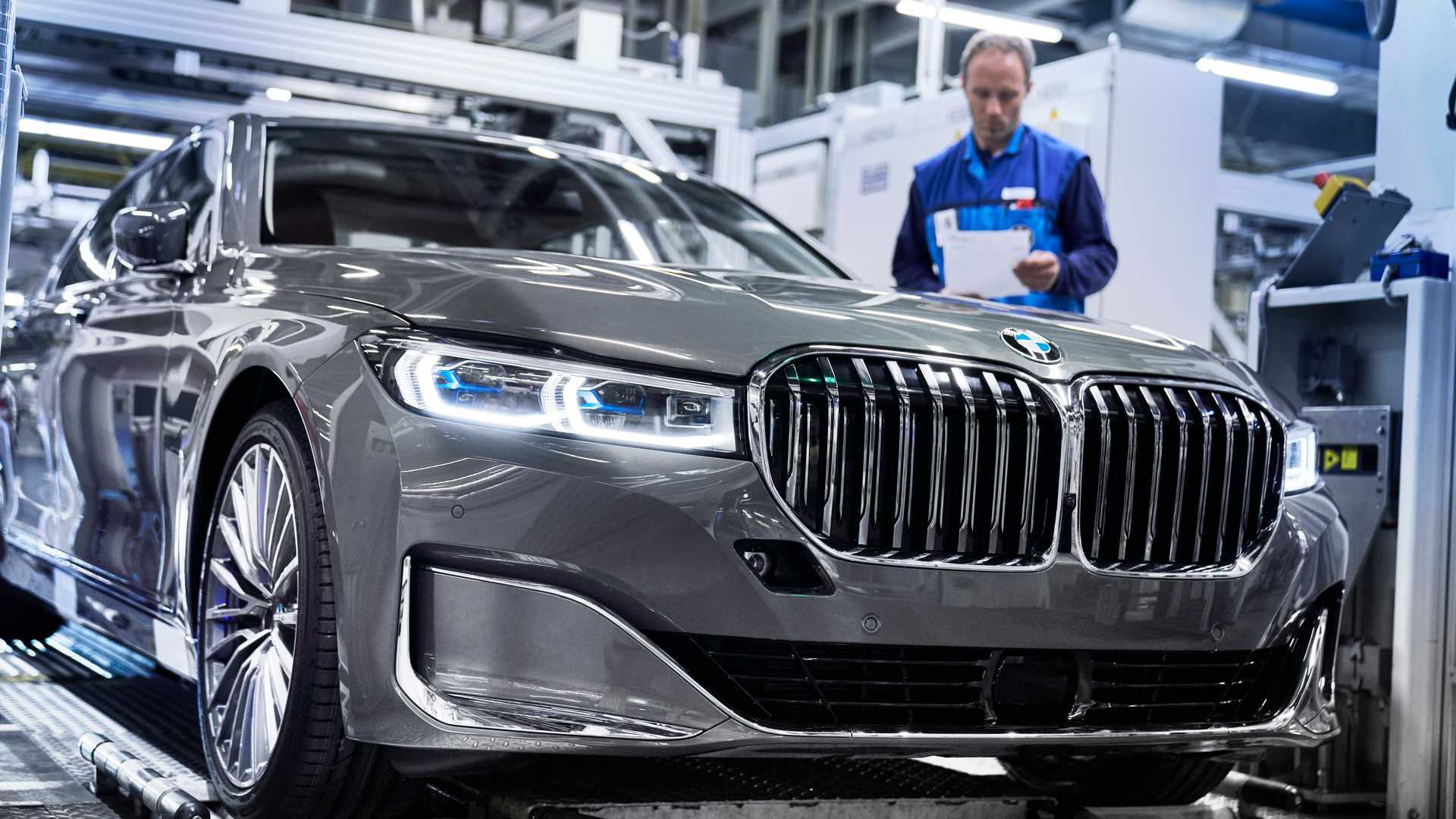
European steel users call on EC to end import safeguard measures in June
Leading associations representing downstream users of steel had teamed up to call for the European Commission not to extend its import safeguards beyond their June 1 expiry date, the European Automobile Manufacturers’ Association said in a statement late Feb. 26, but steel producer body Eurofer is pushing to keep the measures.
The EC opened Feb. 26 an investigation to determine whether the current system of EU steel import safeguards should continue after its expiry on June 30 following requests from EU steelmaking nations.
Interested parties are being invited to submit their views to the EC within 15 days. A decision on whether the safeguards, based on a tariff-rate-quota system, may or not be continued will be made by June 30, the commission said.
The possibility of extending the safeguard measures beyond June 2021 added “to the uncertainty and adverse market conditions that steel users are currently facing,” steel consumers associations said in the statement, asking that they be allowed to expire “as foreseen.”
Companies are under pressures due to price rises for steel products and long delivery times because of insufficient domestic supply, they said.
“Due to the safeguard measures currently in place, reduced competition from third countries means that import alternatives aimed at easing cost and lead-time pressures on European manufacturers have been limited,” the statement said.
“It is in the interest of downstream users to rely on a strong and competitive EU domestic steel industry. Excessive protection will only result in an uncompetitive European steel industry, to the detriment of downstream users and final consumers.”
The European Commission introduced the initial safeguard measures on steel imports in July 2018 to prevent economic damage for European steel producers in the wake of the US putting trade restrictions on steel and aluminum products. The Commission confirmed the initial temporary measures in early 2019 for a period until end of June 2021.
European steel producer body Eurofer said March 1 that it had been calling for the safeguard to be extended.
“The EU steel safeguard, while not perfect, has served as a signal that the EU cannot be used as a dumping ground for global overcapacity in steel. It acts in a more generalized and broader way than anti-dumping measures, which are relatively slow to deploy and only act on one product and one country at a time.”
The current safeguard is a zero-rate tariff quota that rises to a 25% tariff if the quota is exceeded, Eurofer said, adding that traditional steel exporters to the EU had protected, transferable tariff-free quotas, which had risen by between 3-5% every half year regardless of the performance of the market.
“During the downturn in 2019 and 2020 the quota was raised without regard to the performance of the steel market. As growth is returning to the market, a robust safeguard will be more important than ever,” it said.
The coalition of EU trade associations representing the interests of downstream buyers of steel consists of ACEA, the European Automobile Manufacturers’ Association, APPLiA, the European home appliance industry, CECE, the Committee for European Construction Equipment, CEMA, the European Agricultural Machinery Association, CEMEP, the European Committee of Manufacturers of Electrical Machines and Power Electronics, CLEPA, the European association of automotive suppliers, Orgalim, the association that represents Europe’s technology industries, and WindEurope, the voice of the European wind industry.
— Annalisa Villa

Turkey extends lead in seaborne scrap market
Turkey extended its lead significantly in 2020 over second- and third-largest scrap importers India and South Korea, both of which saw intake decline versus 2019.
Turkish scrap imports surged 19% on-year in 2020 to 22.48 million tonnes, according to Turkish Statistical Institute (TUIK) data (see Kallanish passim).
Turkish crude steel output last year rose 6% on-year to 35.76mt, to support a 13% rise in finished steel consumption to 29.4mt, although imports also increased their share in steel use. Turkish steel demand started 2020 strongly before being curbed severely in the second quarter due to the Covid-19 outbreak. However, it recovered impressively in the second half of the year.
Electric arc furnace-based crude steel output grew much faster than oxygen converter output in 2020, by 8.3% to 24.78mt, supporting scrap imports.
Indian scrap imports meanwhile fell 22% in 2020 to 5.48mt, following their 11% growth in 2019, according to Indian commerce ministry data. They thus fell back to 2017 levels.
Indian crude steel output dropped 11% last year to 99.57mt, as demand in India was slashed by Covid-19-related restrictions in Q2 and has been slower-than-expected to rebound thereafter. According to the latest Joint Plant Committee data, Indian finished steel consumption in April-December 2020 fell 15% to 64.61mt. Production was to a large extent propped up by exports of hot rolled coil and billet in Q2 and Q3, especially to China.
South Korean scrap imports fell 32% in 2020 to 4.39mt, according to South Korea Customs data. This was a disproportionate drop compared to crude steel output which fell only 6% to 67.12mt, as EAF mills carried out stoppages due to weak demand.
The main beneficiary from Turkey’s growth in seaborne scrap procurement in 2020 was top supplier US, which upped its supply by 13% to 4.35mt. This was followed by the Netherlands and Russia which supplied 23% and 20% more respectively at 3.13mt and 2.26mt.


Stalprofil founder and chief executive passes away
The founder and chief executive of Polish steel distributor Stalprofil, Jerzy Bernhard, has died aged 69 of natural causes, the company informs.
For many years Bernhard “changed the landscape and created new trends in the steel and infrastructure investment industries”, Stalprofil observes. The firm is yet to announce who will replace him as ceo.
Despite being a buyer of steel, Bernhard championed the need for measures to protect EU mills from lower-priced imports, arguing that steel is a strategic industry for economic development.
At last September’s European Economic Congress he said it was in distributors’ interests to support local mills as they are a “stabilising factor” in the market (see Kallanish passim). The impact of imports on the EU’s domestic industry will be even greater now that Covid-19 has curbed demand and the safeguard quota was recently increased, he added then.
Stalprofil’s revenue in the nine months through September 2020 rose 8% on-year to PLN 1.16 billion ($308.5 million), while net profit surged 23% to PLN 19.9m. Lower demand on account of the pandemic led to reduced steel prices, forcing the firm to recognise a PLN 926,500 impairment loss on inventory.

Thyssenkrupp relaunches automotive business unit
Thyssenkrupp has launched the Automotive Body Solution business unit, which specialises in body assembly solutions and the production of lightweight body components for automotive customers.
The new unit has been created from the splitting up of the former System Engineering business unit, which previously combined four automotive engineering businesses at thyssenkrupp under one roof. Two of those have been lined up for sale, one dealing with drive and engine technology, the other with battery production. The two dealing with car bodies have been retained to form the new unit, a spokesman explains to Kallanish.
Of the two now merged units, one is classical engineering of machinery used in car body construction, while the other is actually a producer of body components. To this purpose, it uses the strip products typically made by thyssenkrupp Steel, but also from other suppliers.
The combination is unusual but makes sense, the spokesman maintains. According to the unit’s ceo, Falk Nüssle, “our order books are full and we are also benefitting from the trend toward e-mobility”. Its customers include Mercedes-AMG, BMW, Porsche, Audi, Lamborghini, Jaguar Land Rover, Bentley, Aston Martin and Tesla.
In its new structure the company has five development and production locations in Germany and a further six in other countries, in total employing 2,300 people. In the last fiscal year, the activities accounted for a revenue of €4.1 billion ($4.9 billion).
Acerinox foresees improved profitability after 2020 output drop
Acerinox’s production, net sales and profitability were lower year-on-year in 2020 as a result of the Covid-19 pandemic impact, the Spain-headquartered stainless steel producer tells Kallanish.
“The sharp reaction to the Covid-19 crisis with cost control along with the good performance of the American subsidiary, NAS, and the integration of VDM have offset the effects of the coronavirus crisis,” the company comments. “The recovery of the stainless steel market, which began in the middle of the fourth quarter, continues. The backlog in all our factories has improved. In the high-performance alloys sector, an increase is perceived and will materialise towards the end of the current quarter.”
Acerinox foresees Q1 Ebitda being slightly higher on-quarter.
Acerinox produced 2.19 million tonnes of crude steel in 2020, down 2% y-o-y. In Q4 alone, output was 614,000t, up 14% on Q3 and 25% more y-o-y. The company explains its better performance in the quarter with the recovery of the global economy, together with the improvement in raw materials prices and lower levels of inventories throughout the supply chain.
2020 cold rolled coil output fell by 13.9% to 1.38mt. Long products output, meanwhile, decreased by 4.2% compared to the previous year to 210,000t.
Acerinox net sales were 2% lower y-o-y at €4.66 billion ($5.62 billion), while the group’s Ebitda was also down 2% to €398m.

EU safeguard extension clouds already ‘perturbed’ market
The European Commission’s opening of an investigation into the possible extension of EU safeguard measures beyond June this year is adding “further layers of uncertainty and volatility in an already nervous and perturbed market”, says Georges Kirps, a Steel Business Consultant.
The senior industry observer and now steel consultant tells Kallanish the Commission should take into consideration the risk of other countries retaliating to the measures being extended, which could hurt European steel exports in future.
Moreover, in the US, more and more voices are being raised against Section 232 tariffs, which were the original justification for EU safeguard measures. More importantly, though, the market is currently suffering from a severe lack of supply and safeguard measures are exacerbating the problem, Kirps says.
“The fact is that the latest market data confirm that EU steel producers have not been in a position to comply with steel demand in the EU in a way to at least compensate for much lower steel imports in the wake of EU steel safeguards and EU anti-dumping steel trade measures,” Kirps explains.
“Between 2018 and 2020, more than 9 million tonnes of steel imports disappeared from EU steel supply chains, meaning a downside of EU imports by 27%, in fact bringing the share of imports in EU steel market supply down from 22.5% in 2018 to 19.7% in 2020,” he adds.
A side effect of the slump in imports has also been the price rally in the market. “This mismatch [in supply and demand] has fatally resulted in significantly higher price levels,” Kirps notes. He is thereby voicing the concerns of a number of steel end user associations across Europe.
The European Commission has said a decision on the possible extension of measures will be taken by June.

EUROMETAL met the National Federations online
EUROMETAL organized an online meeting between National Federations of steel distribution on Thursday, the 25th February, via Zoom.
This National Federations Meeting attended by 12 Federations and 13 Delegates was opened by Roberto Gonzalez, Chairman of EUROMETAL Coordination Work Group of National Federations.
Daniel Guinabert, Director General of EUROMETAL, summarized and presented the National Federations expectations according to an EUROMETAL survey sent early in January 2021.
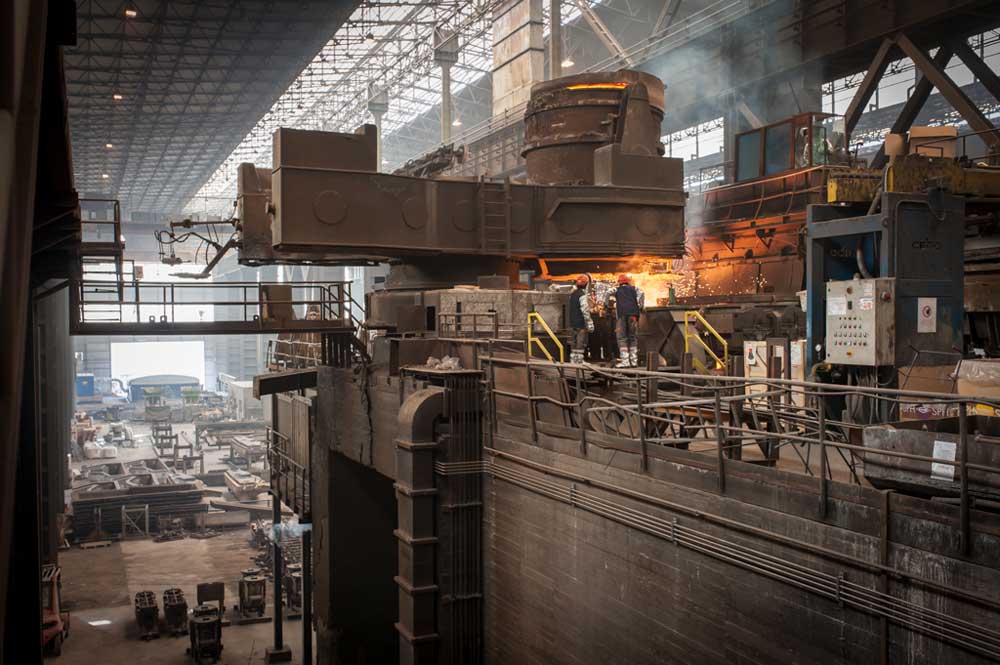
LatAm crude steel output grows in January
South American crude steel production rose in January, as did Mexico’s, according to the latest worldsteel data monitored by Kallanish.
South American crude steel output totalled 3.75 million tonnes in January, up by 11.4% year-on-year and 2.9% more over the 3.65mt in December 2020. From this total, Brazil’s production was 3mt, up 10.8% y-o-y and 4.1% on-month.
Argentina, the region’s second-largest producer, saw its crude steel output rise by 24.3% on-year in January to 371,000t. This volume, however, was 4.4% down on-month.
Third-largest producer Colombia saw an estimated output of 115,000t, up 10.2% y-o-y and 4.5% over December. The country also saw improved long steel output in 2020 (see separate article).
Peruvian and Chilean estimated production reached 110,000t and 95,000t, respectively. Peru increased output by 8.2%, while Chile registered a drop of 1.9%.
Further north, Mexico’s crude steel production was 9.8% higher in January versus the same period in 2020 at 1.65mt. This volume was also 9.6% more on-month, according to worldsteel data.
Tight supply, demand rebound keep ore elevated: Fitch
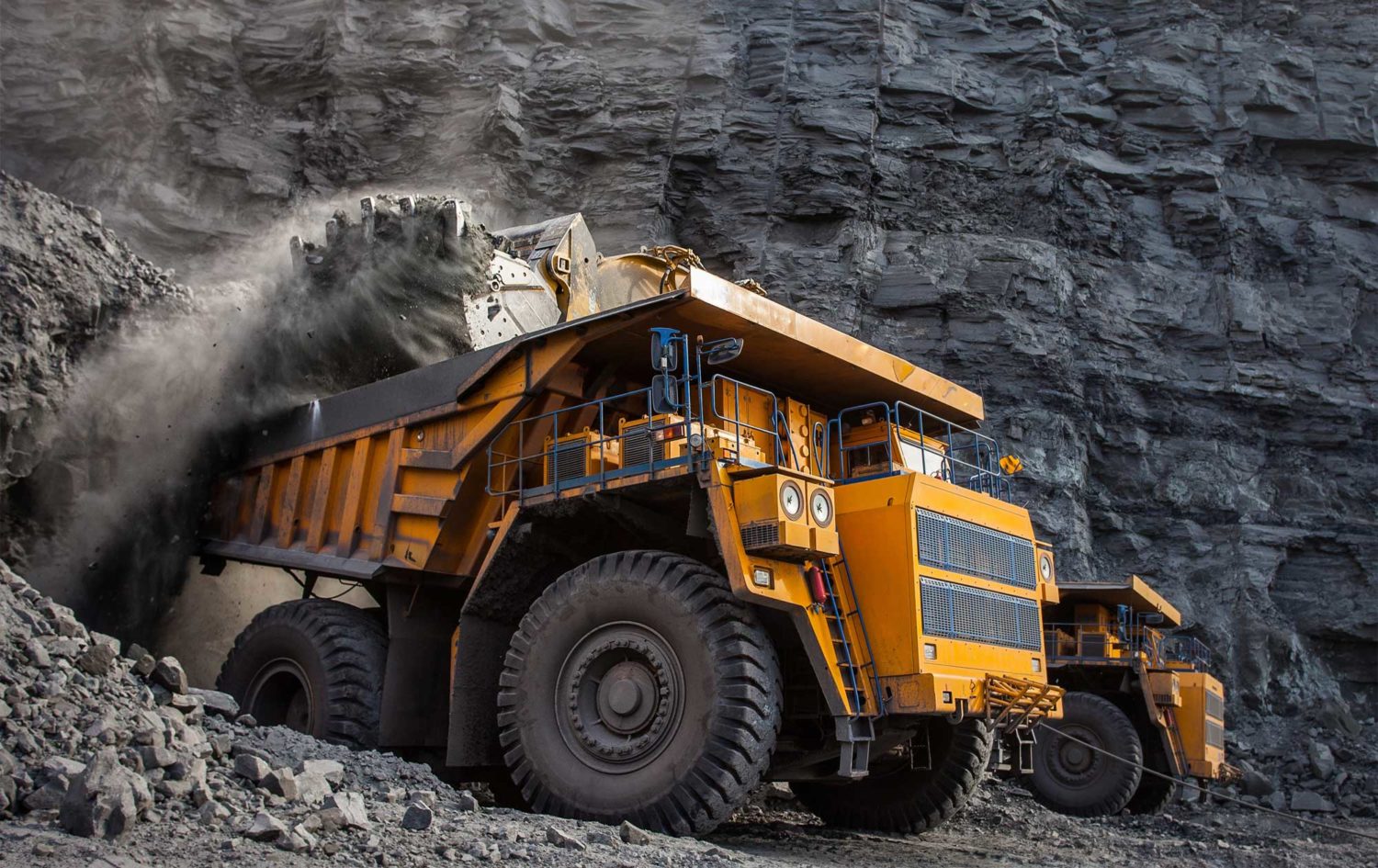
Fitch Ratings has revised up its 2021 iron ore price assumption significantly due to tight market supply that is expected to continue in the next couple of years.
Iron ore in 2021 is now seen averaging at $125/tonne cfr China for 62% Fe fines, versus the previous assumption of $75/t and the actual 2020 value of $108/t.
The firmer outlook is also driven by the absence of material new projects over a long period that could offset depleting mines, Fitch says. “Vale has cut its production guidance for 2021, resulting in no supply response to growing demand, with all large-scale iron ore producers operating at almost full capacity,” Fitch tells Kallanish. “Inventories are running low, while we expect additional demand linked to US and European economic stimulus packages.”
The credit rating agency’s assumption for hard coking coal prices has been revised up $5/t to $135/t fob Australia in 2021. This is versus the actual 2020 price of $123/t. The improvement is due to robust demand from the steel sector, supported by recovering steel production in India, Japan, South Korea and Europe. Another factor are rebalanced flows of seaborne coal despite ongoing restrictions on Australian coal supply into China.
The assumption for the LME spot nickel price has been raised to $15,000/t in 2021 from the previous $13,250/t and versus the actual 2020 price of $13,789/t. This is due to strong spot prices and the expectation of increasing demand in 2021 for stainless steel. The long-term price assumption has also been hiked as Fitch expects the increased use of nickel in batteries to lead to a market deficit from 2025.
Coronado Resources foresees coking coal price rise
Coal producer Coronado Global Resources believes it has passed the most severe period of weak coking coal prices. The company expects metallurgical coal demand and prices will increase, Kallanish notes.
The producer acknowledges the Australia-China trade dispute caused international metallurgical coal prices to fall sharply. However, as demand resumes in other markets, such as India, Pakistan and the Middle East, the price of Australian coal will rise, it adds. Countries such as Mongolia, Russia, and Indonesia will focus more on supplying China, which leaves other markets for Australia, it adds.
In 2020, Coronado produced 17 million tonnes of coal and sold about 18.2mt, down on 20.2mt and 19.9mt respectively in 2019. This is due to lower production stemming from the temporary suspension of mining activities at the Curragh mine and the idling of US operations in April and May 2020. Metallurgical coal and thermal coal represented approximately 79.9% and 20.1% respectively of sales volumes.
The company’s 2020 revenue was $1.462 billion, down 34% on-year as a result of lower sales volumes and a reduction in the average realised metallurgical coal price. Coronado’s realised metallurgical coal pricing reached $90.5/tonne, down 29.7%, as a result of soft market conditions.
The mining cost per tonne sold reached $55.6/t, 7.3% higher than 2019 as a result of lower production volumes. It expects to see mining cost per tonne sold increase again in 2021 to $57-59/t.
Coronado expects demand for seaborne metallurgical coal will be underpinned by the growth of India’s blast furnace production over the next decade. Metallurgical coal supply will increase from 300mt in 2021 to 340mt 2030, and Australia will continue to be the dominant producer in the supply of seaborne metallurgical coal with 175mt in 2020 and 190mt by 2030.