

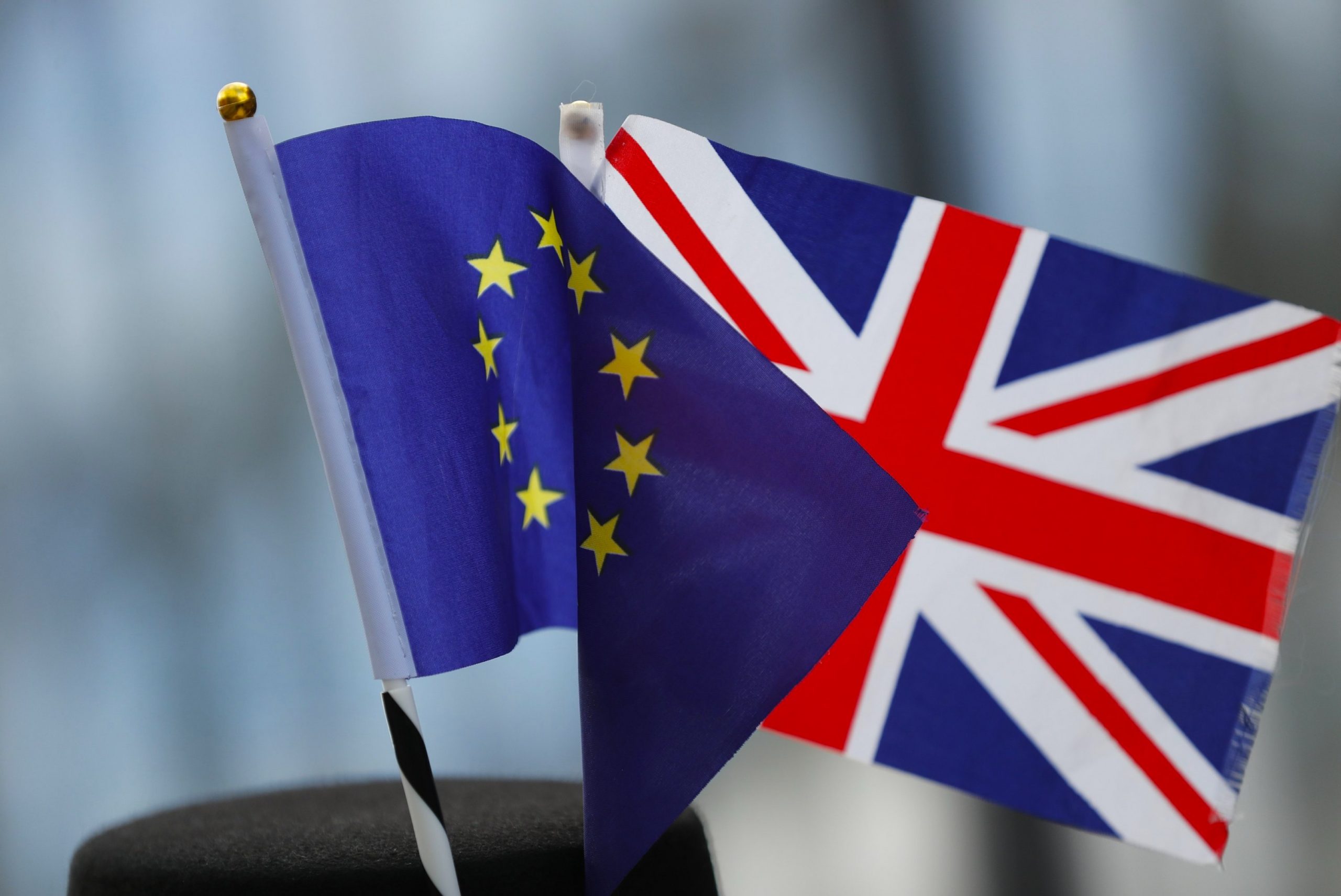
Britishvolt pledges to use UK-made steel for gigaplant
Britishvolt, which is aiming to build the UK’s first electric vehicle (EV) battery gigafactory, has signed the UK Steel Charter, pledging to source UK-manufactured steel for the planned gigaplant in Blythe, Northumberland.
UK Steel said in a Feb. 11 statement that Britishvolt’s pledge showed that the commercial sector was recognizing “the benefits of UK-sourced steel, strong and resilient domestic supply chains, and the numerous economic and social benefits of buying UK-made steel.”
The UK Steel Charter was launched by the industry in May 2019 and aims to promote the use of UK-produced steel in public projects.
Britishvolt aims to start construction of the GBP2.6 billion ($3.5 billion) gigaplant in summer 2021. It will be built on a 95-hectare site that formerly housed the Blyth Power Station.
The project, the largest auto-related investments in the UK since the 1980s, is expected to start producing batteries at scale by the end of 2023.
UK Steel Director General Gareth Stace said that Britishvolt using UK-made steel for the construction of the Blyth gigaplant did not just make business sense, but also made economic and social sense for the country and for environmental commitments to not import steel over vast distances when it could be made domestically.
“Britishvolt is a prime example of the UK’s Green Industrial Revolution, and it makes sense that has therefore chosen to embed its environmental ideals in every step of this project — using steel produced on its doorstep and to the highest environmental standards,” he said.
Britishvolt Chairman Peter Rolton said that using UK-sourced steel would further strengthen the company’s ambitions to minimize its carbon footprint and build world-class technologies in the UK.
“As we emerge from the pandemic, issues such as local supply chains have been thrust into the spotlight,” Rolton said. “We at Britishvolt have a mission to create some of the world’s must sustainable electric vehicle lithium-ion batteries. Being part of the charter further advances our Environmental, Social and Governance ambitions.”
The gigaplant will exclusively use renewable energy, including the potential to use hydro-electric power generated in Norway and transmitted 447 miles under the North Sea via the world’s longest inter-connector from the North Sea Link project.
— Jacqueline Holman

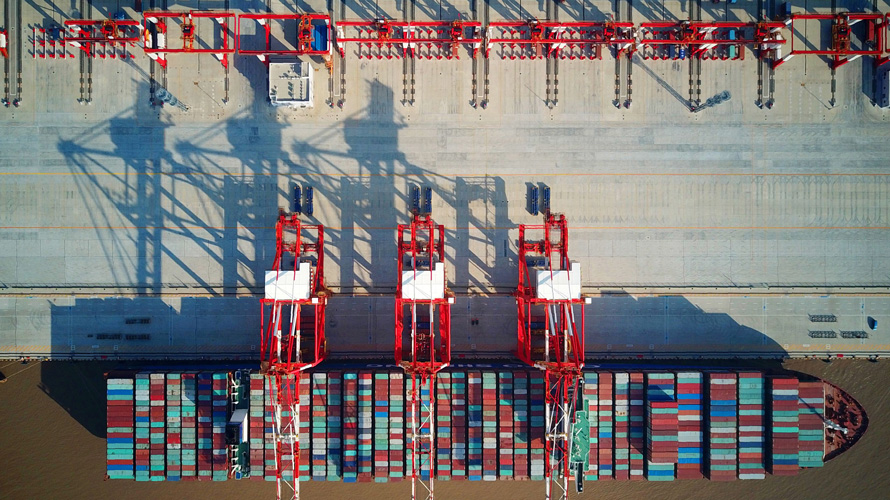
Eurasian Union puts antidumping duties on Chinese stainless-steel pipes
The Eurasian Economic Commission — the regulatory authority of the customs union between Russia, Belarus, Kazakhstan, Armenia and Kyrgyzstan — is introducing antidumping duties on imports into the union of Chinese stainless-steel welded tubes and profiles.
Antidumping duties of 14.62%-17.28% will be introduced by March 12 and remain in place for five years, the commission said Feb. 11.
The main applications for these products include production of bathroom equipment and heat exchangers, the automotive, food, petrochemical and nuclear industries, furniture manufacturing and infrastructure construction.
The antidumping investigation into imports of welded stainless steel pipes and profiles from China was launched in December 2019 and was prompted by a request from local suppliers of similar products — TMK, Marcegaglia RU and Baltinox.
The investigation findings confirmed the fact of dumping by Chinese producers and material damage to the economy of the Eurasian union member states.
— Ekaterina Bouckley
ArcelorMittal offers carbon savings certificates to steel sales
Steel group ArcelorMittal said Feb. 11 it expects to supply 600,000 mt of steel by 2022 sold including carbon reduction certificates, after the first of such sales was concluded in December.
ArcelorMittal, which targets a 30% CO2 reduction by 2030 in Europe, is offering flat steel products in Europe using carbon savings certificates audited by DNV-GL. The group in Europe sold 32.9 million mt of steel in 2020, 22% lower than in 2019. The company noted rising demand from customers for low-carbon steel in order to reduce indirect, Scope 3 emissions from materials, in its quarterly presentation.
“Customers increasingly understand that they need to reduce their company-level Scope 3 emissions coming from purchased materials, and many are asking for tonnes of low-carbon steel today.,” the presentation said.
Steel buyers can use the certificates to report an equivalent reduction in Scope 3 emissions, in accordance with the GHG Protocol Corporate Accounting and Reporting Standard, it said.
DNV-GL verifies CO2 savings in total as a direct result of the decarbonization projects being implemented across a number of the group’s European sites, it said.
ArcelorMittal is increasing its focus on a transition to low-emissions steelmaking as part of its 2050 net-zero carbon emissions goal.
“2020 was a year in which we saw further acceleration in the drive to decarbonize the global economy,” Lakshmi Mittal, ArcelorMittal’s executive chairman, said in a report. “We have identified two main routes to achieve net zero target by 2050, both leveraging one or more clean energy infrastructures — one that utilizes biomass/bioenergy with carbon capture utilization and storage and the other which harnesses green electricity to power a hydrogen-based direct reduced iron process.”
The group will continue to trial and pilot both routes while simultaneously promoting policies “that are a crucial component of success if these technologies are to be scaled up and commercially viable in the long term.”
The group is commissioning its first “Smart Carbon” steelmaking technologies at its Ghent blast furnace-based works next year, through the “Carbalyst” project, and expects to bring its Hamburg hydrogen direct reduction iron (DRI) project into production between 2023-2025, it said. ArcelorMittal already has a DRI plant in Hamburg running on natural gas and is developing a hydrogen pilot DRI plant with US-based technology supplier Midrex. Carbalyst is the company’s initiative to capture carbon-intensive gases from pig iron production and recycle into chemical with partner Lanzatech.
— Hector Forster
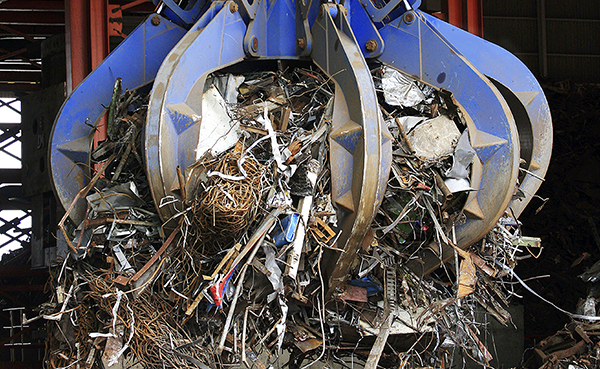
Netherlands becomes Turkey’s top scrap supplier in December
Turkish mills’ imports of ferrous scrap remained strong year on year in the last month of 2020, in line with the sharp rise seen in Turkish mills’ crude steel output in a bullish market.
Turkish mills’ crude steel production rose by 17.7% year on year in December to 3.4 million mt. Steel production in Turkey, thus exceeded the prior year’s performance in 2020, despite the pandemic, and reached 35.8 million mt, up 6% on year. Turkey became Europe’s largest and the world’s seventh largest steel producer in 2020.
According to the latest Turkish Statistical Institute (TUIK) data observed by S&P Global Platts, Turkish mills’ scrap imports reached 2.34 million mt in December, higher than 2.05 million mt imported in the same month the previous year. Turkish mills’ scrap bookings from their global suppliers thus hit 22.4 million mt total for 2020, increasing by 19% year on year.
As scrap imports from Turkey’s traditional largest scrap supplier, the US, fell on year by 20.7% to 381,300 mt in December, the Netherlands became Turkey’s top scrap supplier in that month at 402,300 mt, sharply higher than 253,200 mt imported from that country in the same month the previous year.
Turkish mills imported 207,500 mt of ferrous scrap from the UK in December, relatively flat on year, while imports from Russia totaled 200,000 mt in that month, up 32% on year.
Turkish mills’ scrap imports from Belgium totaled 168,200 mt in December, down 31% on year, while imports from Denmark rose to 132,800 mt, significantly up from 32,200 mt imported in the same month the previous year.
Other scrap suppliers to Turkey in December were: Romania (123,000 mt), France (108,900 mt) Lithuania (77,200 mt) and Venezuela (53,500 mt), the latest data showed.
— Cenk Can
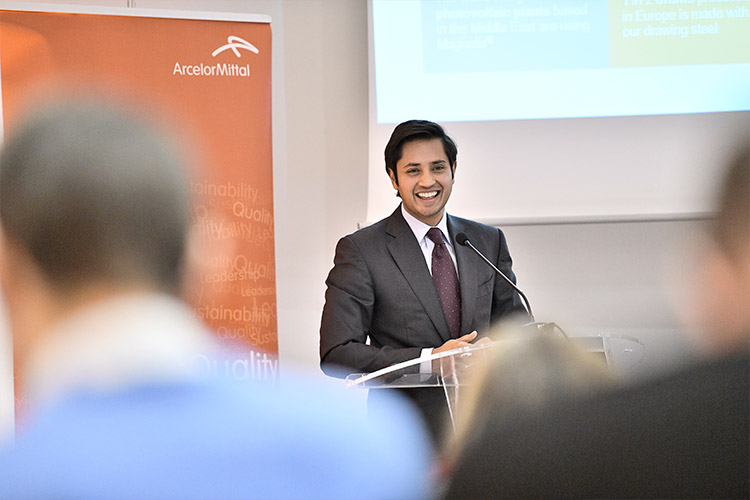
ArcelorMittal appoints Aditya Mittal new ceo
Aditya Mittal has been appointed ArcelorMittal chief executive, with Lakshmi Mittal to become executive chairman and continue to lead the board of directors and work with the new ceo, Kallanish notes.
“Having achieved some key strategic targets, this seems like the right moment to transition to Executive Chairman and the Board unanimously agree that Aditya Mittal is the natural and right choice to be the company’s Chief Executive,” Lakshmi Mittal says. “We have worked closely together since he joined the company in 1997, indeed in recent years we have effectively been managing the company together… He will be taking on the effective day to day running of the company, but we will continue to work very closely together.”
“The biggest challenge, but also the biggest opportunity, will be to demonstrate that steel can decarbonise and indeed is the perfect material for a circular economy,” Aditya Mittal observes. “This will undoubtedly be a critical driver of our strategy in the coming years and decades.”
Aditya Mittal is currently ArcelorMittal chief financial officer and president, as well as ArcelorMittal Europe ceo. Genuino Christino will replace him as group cfo. Christino has been ArcelorMittal head of finance since 2016 and has been working closely with Aditya Mittal on developing financial strategy.

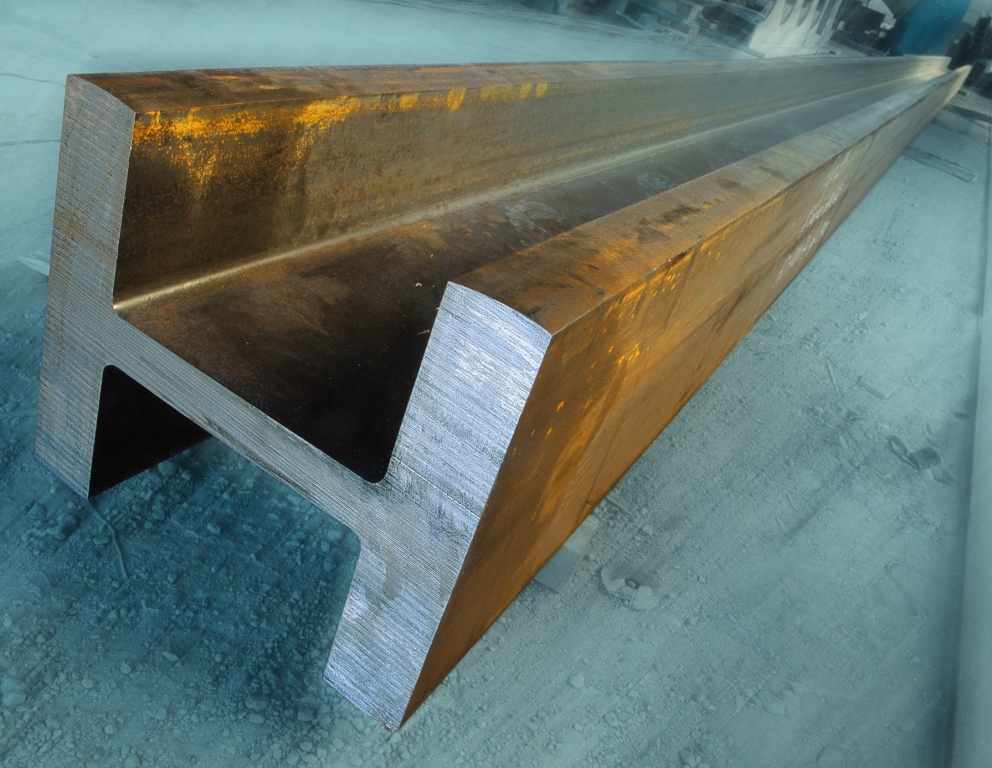
EU steel consumption to rise 13% in 2021 after weak 2020: Eurofer
Apparent EU steel consumption was expected to rebound by 13.3% in 2021 and then grow by a more moderate 3.4% in 2022, after one of the worst years years ever for the industry, European steel association Eurofer said in its Economic and Market Outlook report Feb. 10.
Eurofer adjusted its forecast 2020 decline in apparent steel consumption to 13%, from a previous 14.6% fall.
Economic growth and global trade would remain subdued and fragile until the second quarter of 2021, Eurofer said, with repercussions for export-oriented sectors, particularly the automotive industry. This would also affect EU investment via severely weakened business confidence levels.
The steel body said that a better performance in the construction sector could cushion negative trends in other steel-using sectors.
Total output for steel-using sectors will have fallen by 11% in 2020, Eurofer said, leaving its previous forecast of a 10.4% decline largely unchanged, and will recover by 7.4% in 2021 and then grow 4.1% in 2022.
After an unprecedented 25% year-on-year drop in Q2 2020, EU28 apparent steel consumption fell by 11.6% in Q3 — the eighth consecutive quarter of decline. Q2 last year was the quarter with the lowest steel demand on record, Alessandro Sciamarelli, Director of Market Analysis and Economic Studies at the European Steel Association told S&P Global Platts.
The “unprecedented deterioration” in steel demand due to disruption brought by the coronavirus pandemic continued in Q3, though at a lower rate of decline, the Eurofer report said.
The downturn in steel demand led to the eighth consecutive fall year-on-year in domestic deliveries in the EU in Q3 2020. Data for Q3 also showed the continued downturn in imports from third countries. After the severe 16.8% year-on-year drop in Q2 2020, imports from third countries dropped even more sharply in Q3, down 25.4% and the fourth consecutive quarterly drop of more than 10%.
“The third quarter of 2020 was a period between two waves of the pandemic. Some measures had been relaxed and a partial economic recovery occurred in the third quarter, but the fourth quarter was marred by the re-imposition of measures. 2020 is likely to be one of the worst years on record, even if we will see positive figures in the fourth quarter,” Axel Eggert, Director General of Eurofer, said.
“The EU should use this crisis as an opportunity to use the recovery fund to support industry in meeting its decarbonization ambitions starting with sectors, such as steel, that have already shown how they can help support the aim. Europe wants to come back from this crisis in a greener, more sustainable way,” Eggert added.
— Annalisa Villa
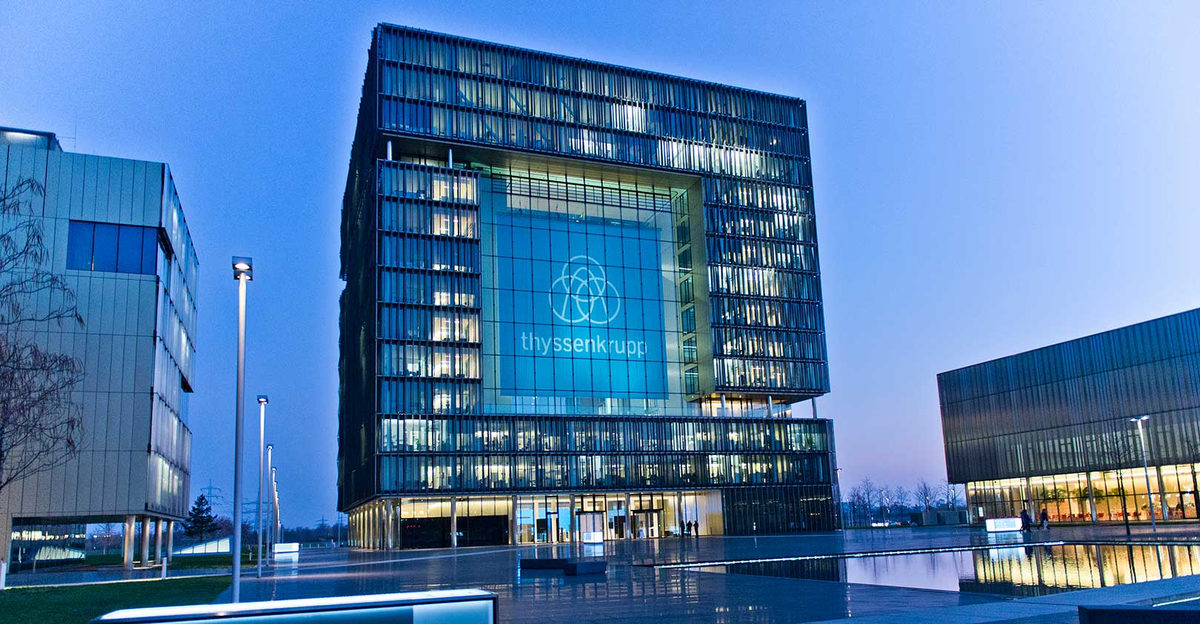
Thyssenkrupp Steel Europe focuses solely on Liberty bid as sale option
Germany’s Thyssenkrupp group is focusing solely on a bid placed by steelmaker Liberty as a sale option for Thyssenkrupp Steel Europe, Chief Financial Officer Klaus Keysberg said Feb. 10.
Liberty’s offer to take over all of Thyssenkrupp Steel Europe’s assets is now the only sale option being considered, Keysberg said during the group’s first-quarter (October-December 2020) earnings call.
The steel unit’s output in 2021 will be limited as a reline of blast furnace No. 1 will be carried out mid-year.
Other potential buyers such as Tata Steel, Salzgitter or SSAB have been ruled out. “Obviously we spoke to everyone but they are not on the table now,” Keysberg said, adding that Thyssenkrupp is also still looking at a “standalone” option. The company said it will provide further details in March.
Keysberg confirmed to S&P Global Platts that Thyssenkrupp will reline its blast furnace No. 1 starting mid-year and lasting for around six months, which will limit steel production. He said it was impossible to say whether the steel unit will reach pre-pandemic levels this year.
Crude steel production in the fiscal first quarter rose 1.5% year on year to 2.88 million mt, of which semis manufacturer HKM produced 743,000 mt (up 10.23% year on year) and the integrated Duisburg works 2.14 million mt (down 1.2%).
Cold-rolled steel shipments in the first quarter rose 11.14% year on year to 2.4 million mt, while hot-rolled shipments increased 13.8% to 783,000 mt.
Auto demand
Thyssenkrupp is also investing in the existing continuous casting line 3, which will be rebuilt to optimize slab production at Duisburg. There are also plans to build a new double reversing mill and an annealing and isolating line at Bochum. Completion of all projects is scheduled for the end of 2024.
Thyssenkrupp is seeing the effects of the semiconductor shortage in the automotive industry that has disrupted car manufacturing. “Automotive is supposed to catch up, but we have to see,” Keysberg said.
The auto industry has taken up fewer volumes from steel mills than planned, but by April they plan to request volumes not already taken, sources told Platts.
Thyssenkrupp expects the auto industry to return to pre-pandemic levels by 2023.
Keysberg drew a cautious outlook for 2021. While the end of 2020 was strong and driven by the automotive industry, there are still numerous unknown factors that could hamper demand, while early 2021 appears to have lost some of the dynamic from the end of last year.
Thyssenkrupp lifted its full-year guidance to breakeven on the back of market recovery.
— Laura Varriale
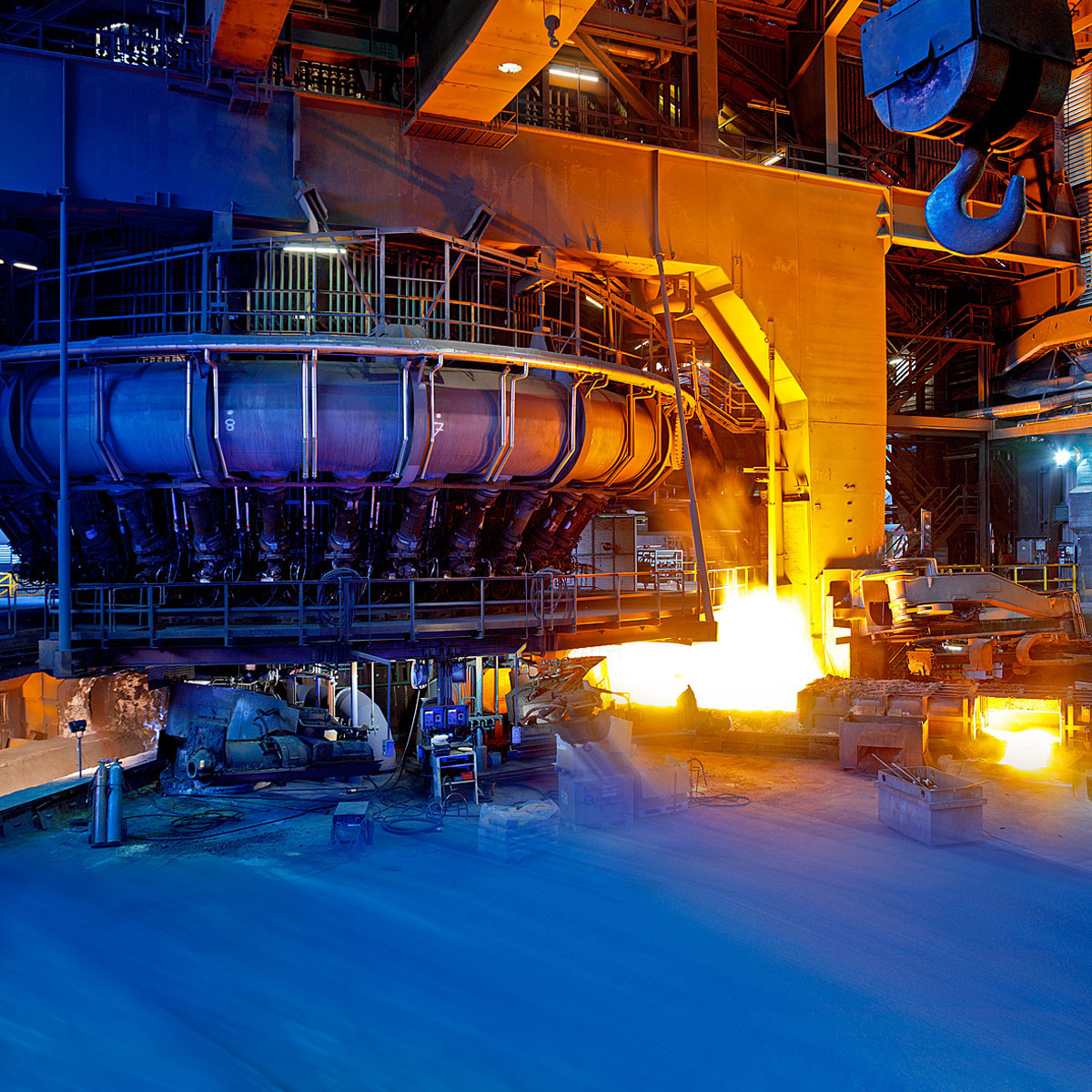
Weather delays ArcelorMittal Gent blast furnace restart
The restart of blast furnace B at ArcelorMittal Gent, Belgium, is expected to suffer a delay due to heavy snow in the area, Kallanish learns from sources close to the matter.
The 2.3 million tonnes/year of hot metal capacity furnace was idled last September for relining and was due to be restarted by mid-February.
The company did not issue a statement on the new timeline of the restart.
In 2020 Belgium produced some 6.1 million tonnes of crude steel, down -21.1% on-year. In December alone output in the country reached a record-low of below 360,000t, according to worldsteel data.
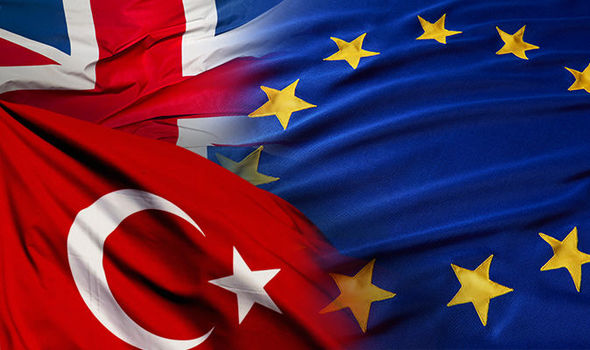
EU steel exports fall less than imports: Eurofer
EU imports of finished steel products during the first 11 months of 2020 dropped some -17% year-on-year, while exports of the same products were down -13% y-o-y.
European steelmakers’ association Eurofer says it remains concerned nonetheless as the bloc continued to have a total steel trade deficit of over 850,000 t/month in the period.
Imports of long products fell by some -20% during the 11 months, while flats imports decreased by some -16%.
“As far as the trade deficit with individual trade partners is concerned, the largest trade deficit in finished products was with Russia with 432,000t, followed by South Korea with a deficit of 212,000t. The trade position with Turkey has relatively improved in recent quarters as the trade deficit decreased from 428,000t in the fourth quarter of 2018 to 11,000t in the third quarter of 2020,” Eurofer notes.
Despite the relative improvement in trade balance, Eurofer remains concerned over future developments, especially as market demand is expected to improve. “It is worth noting that once normal business conditions are restored after the end of the Covid-19 pandemic and steel demand picks up again, the combination of still-volatile monthly steel imports and the increased capacity of major exporting third countries will continue to pose a serious risk for EU steel producers,” the association says.
Kallanish understands that a review into possibly extending EU safeguard measures beyond June 2021 is set to be initiated soon, though the outcome of it remains very much uncertain.
Thyssenkrupp goes for major investments in core units
As part of its “Steel Strategy 20-30” campaign, thyssenkrupp Steel has announced the construction of new core units at the Duisburg and Bochum sites, aimed at expanding the range of premium steels, it says.
According to a statement made on Wednesday, the plan is to convert the casting rolling line in Duisburg into a new continuous casting line with a downstream hot strip mill. Moreover, the existing continuous casting line 3, also in Duisburg, will be rebuilt to optimise slab production, Kallanish learns.
Investments are also envisaged at the Bochum site, where a new double reversing mill and an annealing and isolating line will be built. According to the company, the measures will strengthen the Bochum site’s position as a competence centre for steels for e-mobility. For this application, thinner and stronger sheet is needed to increase the performance of electric motors, thyssenkrupp explains. It notes that supplies to customers will be guaranteed during the conversion and construction work.
The projects involve an overall investment volume in the high three-digit million-euro range. Completion of all projects is scheduled for the end of 2024. This package is a clear statement by tk group for the steel business, as it marks the biggest investment since the construction of the Schwelgern coking plant in 2003. “This is a strong signal for the steel business and a strong mark of confidence in difficult times,” says tk Steel chief executive Bernhard Osburg.