


Approval has been granted for SSAB’s new electric arc furnace facility in Luleå
The Swedish Land and Environment Court of Appeal has issued its decision approving SSAB’s permit to build and operate a new steel plant in Luled. With this ruling, the legal uncertainties surrounding the construction of the electric arc furnace (EAF) facility-set to replace the company’s existing blast-furnace-based production site-have now been resolved.
In December 2024, SSAB received approval for the new facility from the Land and Environment Court at the Umeå District Court. The permit allowed the company to secure its long-term competitiveness and reduce carbon dioxide emissions from production by up to 90%. However, the decision was appealed, and the case was brought before the Land and Environment Court of Appeal.
The Court of Appeal reviewed the parties’ written submissions, issued its ruling, and upheld the original decision. This has cleared the way for SSAB to continue its work on the new facility without interruption, following the activation of part A of the permit in June. A formal groundbreaking ceremony was held in Luleå on 17 September, with Swedish Minister for Energy, Business and Industry Ebba Busch in attendance.
Carl Orrling, SSAB’s President, Chief Technology Officer and Head of the Transformation Office, welcomed the court’s decision, stating: “We are pleased that the Court of Appeal has addressed the unresolved issues relating to the permit for our new steel plant in Luleå. Eliminating this uncertainty provides clarity and stability for our transformation process. The new facility will offer a stronger cost position, a more attractive product range of premium steels, and greater flexibility to manage fluctuations in demand. Once we shut down the existing production, we will virtually eliminate carbon emissions from Luleå.”
In its ruling, the court also emphasized that the site is appropriate for the facility and that electric arc furnaces meet the criteria for “best available technology.” It further noted that emissions monitoring will not be left solely to the supervisory authority but will instead be regulated in detail under the permit. This framework defines not the method of monitoring, but the scope under which it is included in the permit.
Sara Arvidson, SSAB’s Head of Environment and Energy, said the decision gives the project additional momentum: “We are very pleased that the Court of Appeal has approved our permit and that the transformation project can proceed as planned. After commissioning, certain reviews will be carried out during a trial period. We will now continue our work to meet the specified conditions and ensure that the project is implemented responsibly.”

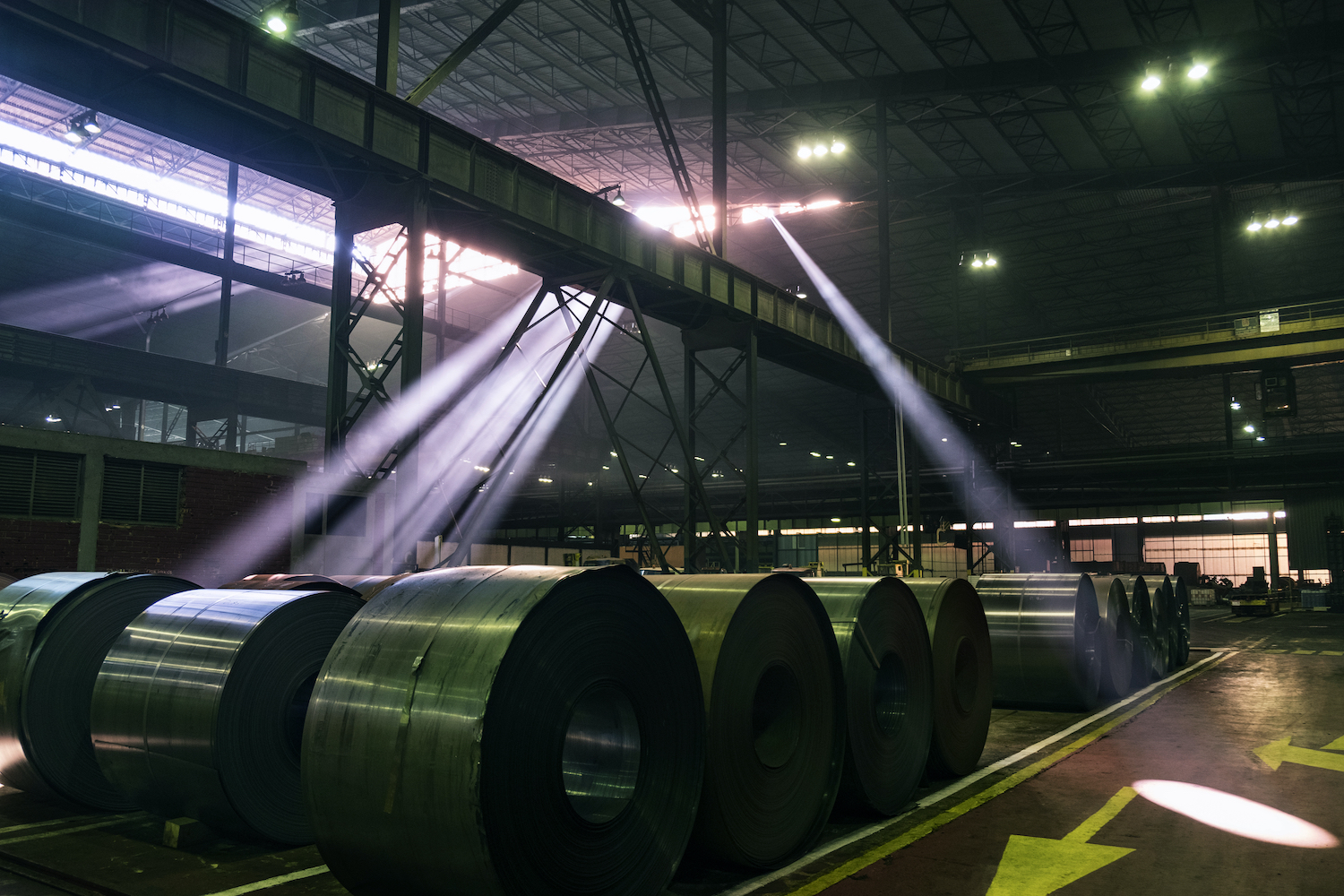
European coil and green steel round-up: Northwest European coil largely unchanged, buyers focused on CBAM
European coil prices moved sideways in the week to 21 November as market participants digested recently leaked benchmark values for calculating Carbon Border Adjustment Mechanism (CBAM) costs, to hit the market from January.
In Northwest Europe, coil prices were said to be largely stable. Mills have sold sufficient volumes to carry them into the new year, no longer pressured to give discounts in chasing what little demand is present in the market on high inventory levels, and subdued end-consumption dynamics.
Offers for hot-rolled coil (HRC) ex-works Northwest Europe were reported at around EUR620-650/t on an ex-works and delivered basis, though market participants on both sides of the market report volumes trading between EUR600-620/t ex-works.
Only the region’s re-roller was heard to be offering outside the above range, at EUR610-620/t delivered, the equivalent of around EUR580/t ex-works.
Volumes traded were said to be thin given the positioning of mills and buyers, both taking time to better understand this week’s clarifications to CBAM cost methodologies and potential impact.
Despite that, import offers were still reported for shipment to Northwest European ports, issued on a CBAM-inclusive basis.
McCloskey exclusively detailed leaked draft provisions informing the calculation on potential CBAM costs, which are generally not well understood by the market, both due to the complexity of relevant formulae, and the late stage at which calculation details have become more visible.
For example, a CBAM-inclusive offer for HRC ex-Indonesia, when calculated on the latest leaked benchmark and default values, could incur additional costs above EUR2.5m on a volume of 5,000 t. Additional cost calculations on said values generate a per ton value of over EUR550/t.
The majority of importers are very unhappy with both the high nature of some default values, and the massive increase it threatens for assumed risk profiles on imported material offered, and already on the water. One Northwest European trader estimated that at least 500,000 t of imported HRC would be customs cleared in December, to escape potential CBAM liabilities once the instrument enters its definitive stage from January.
Steelmakers are also criticizing the leaked default values, primarily as relates to China, which has a default emissions value of 1.75t CO2e/t for HRC, compared to the EU’s own 2.05t CO2e/t. If imported under the latest blast furnace route default benchmark, this would impose additional costs of just over EUR30/t, one of the lowest costs within the CBAM framework, potentially incentivizing rather than discouraging ex-China sourcing.
In Italy, similar dynamics were reported, with a static domestic market, and import offers ex-Turkey, and ex-Taiwan, China, heard at EUR620/t DDP.
“The market is basically at standstill,” said an Italian service center. “Buyers are avoiding imports unless offered on a DDP basis, and traders would rather hold the volumes they have until prices settle.”
Domestic price indications were reported by sources as ranging between EUR580-620/t ex-works, with transactional activity focused toward the bottom end of said range.
Green Steel
The green steel market remains focused on project applications while the value chain digests this week’s regulatory revelations, with spot HRC premiums at a stable EUR70-80/t to the distribution sector.
Low-carbon material for projects is offered at much higher premiums – as high as EUR300/t – though these prices remain unworkable for EU stockholders.
McCloskey’s reduced carbon market reflects this stability, currently standing at EUR44.48/t
| Weekly European steel coil | |||||
| EUR/t | Term | 21-Nov-25 | Change | ||
| Weekly Northwest Europe steel coil | |||||
| Northwest Europe ex-works HRC | EX-WORKS | 615.00 | -5.00 | ||
| Northwest Europe ex-works CRC | EX-WORKS | 710.00 | -5.00 | ||
| Northwest Europe ex-works HDG | EX-WORKS | 720.00 | 0.00 | ||
| Weekly South Europe steel coil | |||||
| Italy ex-works HRC | EX-WORKS | 585.00 | 5.00 | ||
| South Europe CIF HRC | CIF | 560.00 | 0.00 | ||
| Source: McCloskey by OPIS. | © 2025 Dow Jones Energy Limited. | ||||
| Weekly green steel | |||
| EUR/t | Term | 21-Nov-25 | Change |
| Green Northwest Europe HRC premium (scopes 1-3 CO2 under 0.8t) | 70.00 | 0.00 | |
| Green Northwest Europe ex-works HRC (scopes 1-3) | EX-WORKS | 685.00 | -5.00 |
| Green HRC premium (scopes 1-2 CO2 under 0.5t) | 70.00 | 0.00 | |
| Green Northwest Europe ex-works HRC (scopes 1-2) | EX-WORKS | 685.00 | -5.00 |
| Green HRC reduced carbon price (scopes 1-3) | 44.48 | 0.03 | |
Maria Tanatar Associate Director, Steel and Green Steel
Benjamin Steven Journalist, Steel


European heavy plate round-up: EU plate prices set to rise on CBAM impact, demand recovery
Bullish sentiment prevailed in the European heavy plate market in the week to 21 November supported by an expected increase in slab costs related to implementation of the Carbon Border Adjustment Mechanism (CBAM) and anticipated demand recovery in 2026.
The leaked draft provisional benchmarks for the CBAM show that the potential duties on imported slab can be much higher then originally anticipated. Re-rollers also might need to substitute some of the origins with alternatives as default values for some countries were higher then expected and the needed certification of emissions of exporters would take time.
Notably, some sources said that slab imports from Indonesia and Turkey might go down until the actual emission values for the mills are determined. A distributor also suggested that the market is discussing the possibility of Germany’s Hüttenwerke Krupp Mannesmann (HKM) taking over part of the market share of imported slab.
Adding pressure on re-rollers, supply of imported slab will be reduced following implementation of the 19th round of sanctions against Russia adopted in the EU in late October including measures against Evraz PLC, a UK-headquartered company with core steel manufacturing and mining assets in Russia.
Suppliers from Asia and Brazil have been offering slab at $500-520/t CFR Italy, not including CBAM duties.
Apart from pressure from the cost side, some price support is expected to come from anticipated demand improvement next year, particularly higher steel consumption from infrastructure projects.
“All market participants hope to see an increased demand, stimulated by German infrastructure and defence, which will require a lot of infrastructure as well as investments,” a German service center said, adding some hope to see this as soon as the second quarter, but most in the second half of 2026.
Some sources also suggested that the distributors do not have sufficient stocks to cover needs for the first quarter of next year, and that they will have to resume purchases soon.
Italian re-rollers, more exposed to the rise of export slab costs, have been aiming to get EUR650-680/t ex-works next year. Latest deals for December rolling plate, however, have been settled at EUR630-650/t ex-works. The Italian mills have closed December order books.
In Northwest Europe, German mills have been offering heavy plate at EUR700-750/t ex-works. But some of the country’s mills have been ready to accept prices of EUR670-680/t ex-works.
A Scandinavian integrated steelmaker has been offering plate at EUR720/t ex-works.
Offers from Poland and Czech Republic have been heard at EUR680-690/t ex-works, with mills able to give discounts of up to EUR30/t, according to some sources.
| Weekly European heavy plate, slab and green steel | |||||
| Unit | Term | 21-Nov-25 | Change | ||
| Weekly heavy plate | |||||
| Northwest Europe ex-works heavy plate | EUR/t | EX-WORKS | 700.00 | -10.00 | |
| Germany delivered heavy plate (Northwest Europe) | EUR/t | DEL | 730.00 | 0.00 | |
| Italy ex-works heavy plate | EUR/t | EX-WORKS | 645.00 | 0.00 | |
| Weekly steel slab | |||||
| Italy CFR slab | $/t | CFR | 510.00 | 0.00 | |
| Weekly green steel | |||||
| Green heavy plate premium (scopes 1-3 CO2 under 1t) | EUR/t | 25.00 | 0.00 | ||
Maria Tanatar Associate Director, Steel and Green Steel
Benjamin Steven Journalist, Steel
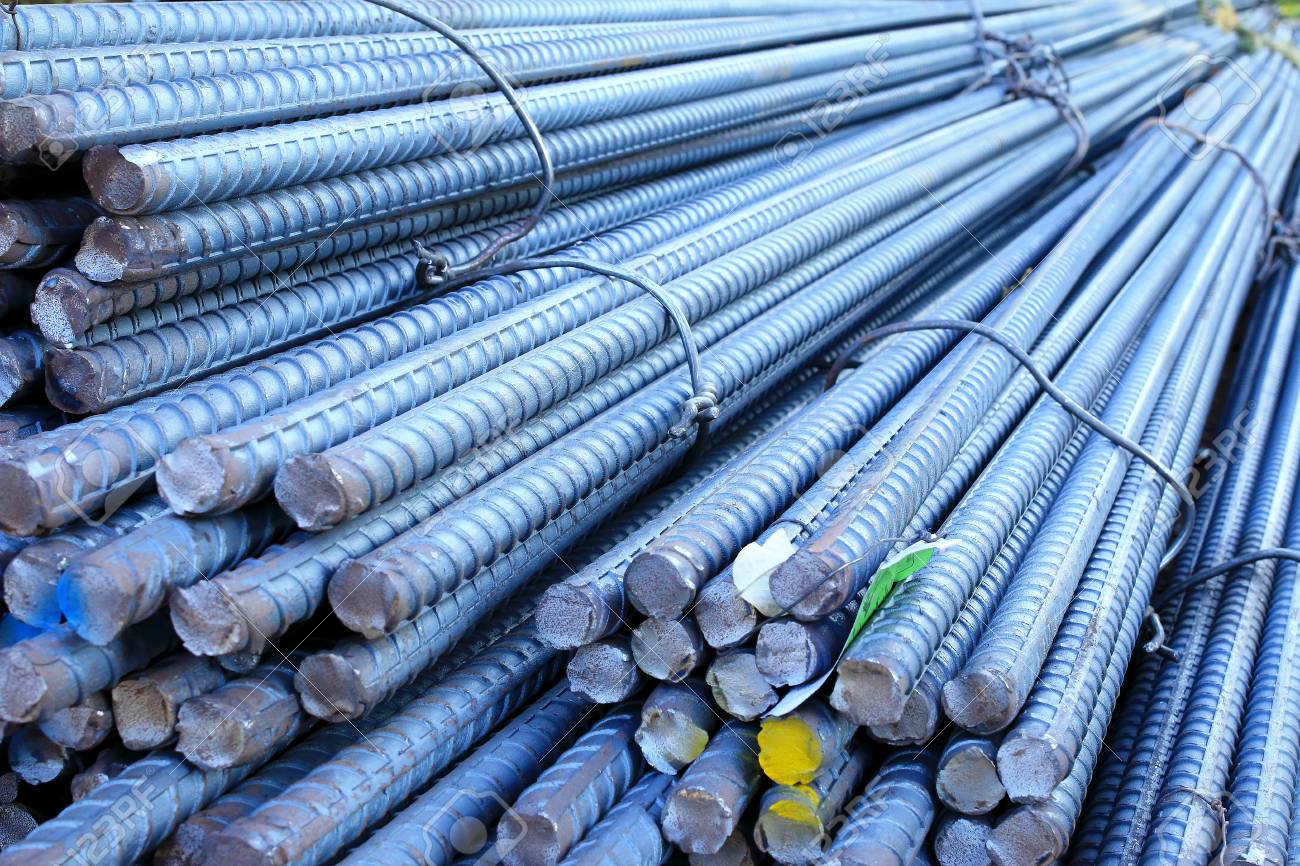
European longs prices show upward tension amid low orders
European long steel markets have shown a slight upward tension on prices in the past week, but no deals have actually been concluded at higher levels.
In the local rebar market in Italy, final customers are still buying at previous levels of around €260-280/mt ex-works base (€525-545/mt ex-works including regular extras). Although some producers are trying to ask for significant increases, even by about €50/mt higher than this level, the market seems to be responding coldly, and there are no confirmations of orders closed at higher prices. “Someone with a strong need to buy may have accepted €300mt [ex-works base], but not more,” an Italian source said. “Producers seem determined to maintain these prices [higher by €50/mt] while waiting to finish previous deliveries. They remain rigid, and customers are perplexed,” said another source, because rebar demand is not that brilliant at the moment. According to SteelOrbis’ assessment, some of the reasons behind these increase requests could lie in the fact that market players would have taken advantage of the partial absence of a competitor due to the accident that occurred at the end of October at one of its plants.
However, a source at that same manufacturer affirmed, “The consequences of this accident on the market have been minimal and repair works are proceeding. The plant should be fully operational again by next week.”
In the Italian wire rod market, November prices have consolidated at the levels previously mentioned by SteelOrbis, i.e., €565-580/mt delivered for drawing quality and €545-560/mt delivered for mesh grade, while the first expectations for December show attempts to increase prices by about €5/mt for both categories. In central and eastern Europe and in Germany, on the other hand, wire rod prices have consolidated at €565-580/mt delivered and €575-590/mt delivered, respectively, in November, whereas wire rod prices for mesh grade wire rod have been consolidated at €560-570/mt delivered and €550-565/mt delivered, respectively.
Rebar export prices from Spanish ports to Ireland and the United Kingdom have been reported by some sources at €570/mt FOB, up €30/mt compared to the last price recorded last week by SteelOrbis, when some discounts of €10-20/mt were also considered possible.
Finally, in the import segment, rebar and wire rod prices from Turkey have been reported at approximately €515/mt CFR and €525/mt CFR respectively, up by approximately €10/mt compared to last week due to the change in the euro-dollar exchange rate, which has moved to 1.15, and the increase of approximately $5/mt in FOB prices week on week.


ArcelorMittal France nationalization debate intensifies as assembly committee approves proposal
The finance committee of France’s National Assembly has approved a bill introduced by La France Insoumise (LFI) party to nationalize the French assets of ArcelorMittal, a significant step toward a potential reshaping of the French steel sector, according to local media reports. The bill will be debated in the plenary session scheduled for November 27, during the day reserved for LFI-led initiatives.
LFI MP Aurélie Trouvé, who championed the proposal argued that “France has allowed its steel production to decline for 40 years”, accusing ArcelorMittal of offshoring, underinvestment and failing to modernize operations despite receiving public subsidies. She stated that nationalization is necessary to accelerate decarbonization efforts, especially the transformation of blast furnaces, warning that the industry risks falling foul of future EU regulations. Based on parliamentary hearings and internal studies, Trouvé estimated the cost of nationalization at €3 billion.
Following the committee vote, ArcelorMittal France president Alain Le Grix de la Salle issued a strong rebuttal on LinkedIn. “I want to repeat it loud and clear if necessary: no, nationalizing ArcelorMittal France would obviously solve nothing,” he wrote.
According to De la Salle, the sector’s real challenges are declining demand and global overcapacity. He argued that changing the shareholder structure would not address these fundamental issues. On the contrary, he claimed that separating French operations from the wider international group would “drastically worsen their situation”.

ArcelorMittal calls for immediate enforcement of EU’s new tariff quota
ArcelorMittal has reiterated its call for the urgent implementation of the new tariff quota announced by the European Commission in October 2025.
The company emphasized that the regulation is critical for the survival of the European steel industry and the long-term security of the manufacturing sector. Record levels of steel imports into Europe are putting significant pressure on EU steel producers.
With the implementation of the new tariff quota, ArcelorMittal aims to assure producers and distributors of uninterrupted steel supply. The company is preparing to increase production at its facilities across Europe and anticipates demand shifts that the tariff quota regulation may create. Through these measures, ArcelorMittal will be able to respond swiftly to customer demand, maintain supply chain stability, and simultaneously contribute to employment and economic value in Europe.
Geert Van Poelvoorde, CEO of ArcelorMittal Europe, acknowledged that some steel users have concerns about the new trade tool’s potential effects, such as supply shortages, price volatility, and access to specialized products. Van Poelvoorde emphasized that steel produced in Europe is sufficient to meet demand, stating, “We are ready to increase production accordingly.”

Türkiye has fully used its quota capacity in 6 product categories under the EU safeguard system
Türkiye recorded full quota utilization in six product categories for its steel exports to the EU during the period of 1 October-31 December 2025. The highest usage was seen in HRC and hollow sections.
According to data compiled by SteelRadar from the European Commission, Türkiye fully used its quotas for 16,048 tons of organic coated sheets, 479,925 tons of HRC, 100,456 tons of hollow sections, 38,882 tons of welded pipes (other welded), 15,246 tons of large welded pipes and 96,390 tons of rebar.
In the final quota period of the year, Türkiye fully utilized most product quotas for the first time in recent periods.
With these products, Türkiye achieved 100% utilization in a total of five categories. Additionally, it used 99.9% of its 120,200-ton wire rod quota, 86.4% of its 111,166-ton merchant bars and light sections quota, 58.6% of its 22,184-ton stainless HR quarto plate quota, 50.4% of its 53,767-ton merchant bars and light sections quota (other category), and 44.3% of its 1,683-ton railway materials quota.
Among other countries, China fully used its quotas for 129,758 tons of 4B metallic coated sheets, 5,019 tons of stainless HR quarto plate, 143,225 tons of merchant bars and light sections, 7,148 tons of sheet piles, 39,196 tons of seamless pipes (other) and 8,243 tons of welded pipes (other). India fully utilized its quotas for 80,249 tons of organic coated sheets, 32,403 tons of stainless merchant bars and light sections, 6,004 tons of seamless stainless pipes and 304,720 tons of HRC. South Korea, also among the countries reaching full capacity, fully used its 37,973-ton quota for 4A metallic coated sheets and its 72,527-ton quota for organic coated sheets, while Taiwan fully used its quotas for 23,244 tons of organic coated sheets and 29,716 tons of hollow sections.


Ponant to build ships with ArcelorMittal low-carbon steel
France’s Ponant Explorations Group has signed a memorandum of understanding with ArcelorMittal that aims to integrate the steelmaker’s XCarb recycled and renewably produced low-carbon heavy plate, manufactured in Gijón, Spain, into Ponant’s shipbuilding. The long-term goal is to construct vessel hulls entirely with XCarb steel.
ArcelorMittal guarantees availability of XCarb low-carbon plate across a broad range of grades, dimensions and certifications, supported by independently verified environmental product declarations. Under the MoU, Bureau Veritas Marine & Offshore will certify XCarb materials and production processes to ensure compliance with marine standards. Ponant will also work with its shipyards worldwide to commit, where possible, to the use of XCarb plate.
The two companies will evaluate a steel traceability system that would enable the recovery and reuse of steel at the end of a vessel’s lifecycle, supporting a closed-loop circular model. The initiative aligns with the Hong Kong International Convention for the Safe and Environmentally Sound Recycling of Ships, which entered into force on 26 June 2025 and requires shipowners to maintain an Inventory of Hazardous Materials and use certified recycling facilities.
“This MoU reflects a shared commitment to accelerating the maritime industry’s transition to net-zero emissions. By combining Ponant Explorations Group’s pioneering sustainability goals with ArcelorMittal’s advanced steel solutions, the partnership sets a new benchmark for more responsible shipbuilding,” says a joint note from the partners obtained by Kallanish.
The partnership forms part of Ponant’s broader Swap2Zero programme, combining wind-assisted propulsion, solar panels and renewable fuels to develop what is described as the first near-zero-emission ocean-going cruise ship. The project is co-financed by the EU Innovation Fund and the France 2030 programme, marking a significant step for the company’s newbuilding and R&D teams.
Natalia Capra France


Europe and the UK steel markets face 2026 concerns: Demand weak, prices being tested
In the UK and EU markets, where cost pressures from CBAM are steadily increasing, the expected tightening of supply towards 2026 alongside shrinking imports points to faster price rises in the medium term. However, current order flow remains cautious.
While interest in green steel in the European steel sector is seen as a strategic focus for the coming years of increasing pressure, buyer interest remains low under present market conditions. Companies believe the green transition will accelerate only when free emission allowances are reduced, and most buyers are reluctant to bear additional costs in today’s weak demand environment. It is noted that only project-based users with special budgets may prefer to pay a premium, with a reasonable premium range for green HRC discussed between €50–80/ton.
In the UK market, imports are expected to contract significantly due to CBAM and new protectionist measures coming into effect in 2026. With additional tariffs of £30–130 per ton, a 50% reduction in quotas, and increased penalties for over-quota imports, the EU and UK could recover the 18–20 million tons of lost business volume. Prices are anticipated to have short-term upside potential of £80/ton and could exceed £200/ton by 2026.
Rising uncertainties around CBAM, a shift of buyers back to European sources, declining Asia-origin supply, and cautious behavior from importers indicate a serious supply tightening by 2026. Producers continue aggressive pricing in the short term, but rising domestic purchases could rapidly tighten the market. Service centers prefer to hold wide stocks and warn that pricing may be updated quickly in response to market movements.
Looking at prices, suppliers in European countries have recently made limited attempts to raise prices, but buyers remain very resistant to these efforts. Weak demand is creating an environment where prices are merely being tested.
In Germany, prices stand at €615/t EXW for hot-rolled coil (HRC), €710/t EXW for cold-rolled coil (CRC), €710–715/t EXW for galvanized products, €685/t EXW for plates, €600/t CPT for rebar, and €585–600/t CPT for wire rod. Despite small attempts by producers to increase prices, buyers have not backed down, showing that upward pressure is not sustained in the market.
A similar picture is seen in Italy, with HRC at €605/t EXW, CRC at €700–705/t EXW, galvanized products at €720/t EXW, plates at €625–630/t EXW, rebar at €530–550/t EXW, and wire rod at €580–600/t CPT. Suppliers try to push prices up, but low order activity mostly limits any increases.
In Poland, wire rod is at €600–615/t CPT and rebar at €570–575/t CPT. Although traders attempt price hikes, cautious buyer behavior keeps prices from moving above the current range.
On the slab side, offers from China at $520/t, Vietnam at $515/t, Indonesia at $510/t, and Libya at $490/t CFR Italy indicate that existing cost advantages remain strong, preventing successful price increase attempts.
In the January order cycle, buyers maintain a cautious stance. Adequate stock levels and uncertainty over whether any price rise will be sustained slow order momentum. Suppliers are trying to reduce spot sales pressure by pushing for long-term contracts, but no significant progress has been made yet. German buyers state that producers imposed a €100/t price hike on HRC, but the market did not accept this increase.
Imported HRC in Italy is very active. Including CBAM costs, a broad stock range is available for Q1 2026 deliveries at €560–600/t DDP. Some of these products are waiting at ports, some are in transit, and a significant portion has already been booked for Q1 delivery around €580/t DDP. Offers for January deliveries from India, Indonesia, and Türkiye at €580–600/t DDP confirm that CBAM-related cost increases are now fully reflected in prices.
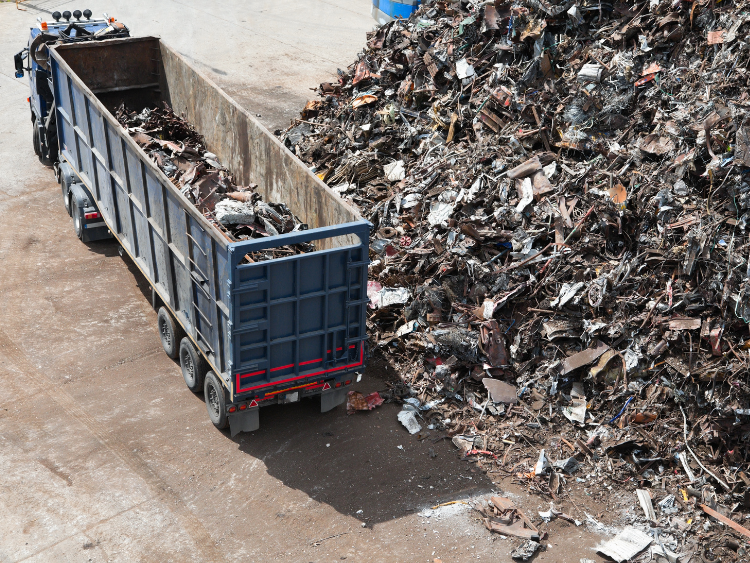
European EAFs, scrap suppliers seek low-emission labelling revision
Representatives of Europe’s scrap processing and electric arc furnace segments are urging the European Commission (EC) to reconsider emerging proposals for a green steel labelling methodology. They warn that current approaches risk disadvantaging recycling-based EAF production and undermining existing climate progress.
Recycling Europe – the former Euric association – EAF steelmakers including Aperam, Pittini, Sidenor, Ovako, Megasa, Duferco, Feralpi, and large scrap sellers such as Galloo and Derichebourg, have appealed to the EC in a letter.
They recommend the Commission avoid applying a single sliding-scale label across all steelmaking routes, arguing that such a system would fail to recognise the low CO2 profile of Europe’s EAF industry. The latter’s output accounts for roughly 45% of EU steel production and is already largely electrified, circular and low-emission.
Sliding-scale concepts were developed primarily for coal-based primary steelmaking. Applying the same metric to EAF production would be counterproductive and could distort competition by favouring higher-emission imports.
“We find it difficult to believe that the European Commission would pursue such an unbalanced and discriminatory policy and not realise the dire consequences it would have for half of the EU steel industry and its value chain. Nor do we believe that the Commission would overlook the political and legal challenges such a course would inevitably face,” reads the letter obtained by Kallanish.
The signatories warn that a “one-size-fits-all” label would fail to reflect the different challenges faced by the BF-BOF and EAF routes, and could lead to inconsistent policy outcomes across markets. They add that the initiatives shaping the sliding-scale methodology have so far consulted almost exclusively with primary producers, leaving the recycling segment under-represented.
The signatories warn that misaligned criteria could displace EU EAF production in favour of higher-carbon primary steel from abroad, increasing Europe’s dependence on imported raw materials and undermining decarbonisation targets.
They are calling for a more balanced approach aligned with existing carbon footprint methodologies that integrate both circularity and decarbonisation. They add they are ready to work with policymakers to ensure future frameworks support Europe’s climate ambitions while safeguarding the competitiveness of its recycling-based steel value chain.
Natalia Capra France