


TK to maintain quality with DRI process; uncertainty lingers for green steel
German steelmaker Thyssenkrupp will be able to produce the same steel qualities with the company’s low-carbon-emission steelmaking processes, but regulatory uncertainty in green steelmaking persists, the company said March 17.
Thyssenkrupp published the findings of an external study conducted by RWTH Aachen University on the company’s model for integrating the direct reduction process into the existing metallurgical network in Duisburg.
The study showed that the steel mill can be decarbonized while the entire portfolio of grades can be produced “climate neutrally, including all premium grades.” The adapted plant configuration will enable the company to reduce its CO2 emissions by 30% by 2030.
“We now have to dispel existing uncertainties in the framework conditions, especially with regard to funding and the regulatory framework,” Bernhard Osburg, CEO of Thyssenkrupp Steel, in a statement. “First of all, we need planning security to establish a robust and competitive business model for green steel.”
European mills have called for the need of more frameworks and regulation in green steel making, especially surrounding higher production costs as well as meeting the need for more hydrogen commercially available.
German steelmakers Dillinger and Saarstahl, both part of Stahl-Holding-Saar, also said March 17 that more time will be needed to ramp up the availability of green hydrogen for industrial use in green steel production and that more environmental measures such as dedusting will be enforced at the sites until the commercial availability of large-scale volumes of hydrogen.
Rogesa, the German pig iron producer co-owned by Saarland-based Dillinger and Saarstahl, installed a new dedusting system at its sinter plant No. 3 to curb carbon emissions, the steelmakers said in their own statement.
The heat recovery generates an additional energy benefit of 82,000 MWh, which equals a reduction of carbon emissions of 25,000 mt/year according to the steelmakers.
The investment value of the new dedusting system for the circular cooler with an integrated heat recovery system at the sinter located at the Dillingen site, is worth Eur28 million.
“The energy gained from heat extraction reduces carbon emissions and generates more electricity that does not need to be purchased,” said Martin Baues, chief technical officer of Dillinger and Saarstahl.
— Laura Varriale

Carbon border adjustment debate divides EC, steelmakers
European Union steelmakers may be at loggerheads with the European Commission on how a Carbon Border Adjustment Mechanism can be introduced in Europe, according to views expressed during a European Steelmakers’ Association March 17 webinar that focused on EU climate policy.
Introduction of a CBAM on top of the EU’s current Emissions Trading System would be an “overcompensation” in terms of ensuring a fair market for clean steel and risks not being compatible with World Trade Organization policies, Mette Koefoed Quinn, the European Commission’s head of unit, ETS Implementation and IT, DG Climate Action, told industry representatives on the Eurofer webinar. The ETS currently offers some free allocations to steelmakers to avoid carbon leakage.
Eurofer’s members are meanwhile pressing for the ETS to continue for a transition period of eight years after the CBAM is introduced, during which time free ETS allocations would continue to be made to EU steelmakers, the association’s director general Alex Eggert said.
This transition period should run until a sustainable market for “green” steel is fully formed in 2030, according to the association.
“We’ve had intense discussions with trade lawyers who all confirm that carbon border measures are absolutely compatible with WTO….. and even a combination of the two (CBAM and the ETS) to cover the delta between free allocations and carbon costs at the border is compatible,” Eggert said. Europe’s steel industry has already suffered a competitive disadvantage – estimated to have cost the sector some Eur3 billion in 2018 at current prices – due to the ETS system, where the shortage of free ETS allocation to the sector is currently put at around 20%, he said.
The EU is extremely exposed to international competition, with a high cost susceptibility because the EU imports around 30 million mt of steel a year and exports some 20 million mt/year, according to Eurofer data.
CBAM may be implemented in 2023
The European Parliament March 10 approved the principle of setting up a CBAM and the EC is expected to move ahead with a legislative proposal for its introduction in June, for possible implementation in 2023. Andrei Marcu, founder and executive director, European Roundtable and Climate Change and Sustainable Transition, said that so far the only place that a CBAM has been applied is in California. However, US President Biden is understood to be considering one at national level.
WTO Deputy Director-General Alan Wolff said last month that cooperation between nations will be essential to avoid disputes around carbon border taxes. On March 5 the WTO launched a Trade and Environmental Sustainability joint initiative group with 53 member countries, which is expected to be a forum for the discussion of carbon border taxes.
Under the European Green Deal, the EU steel industry needs to reduce its carbon emissions by 55% from 1990 levels by 2030, and achieve net-zero carbon production by 2050. According to Eurofer’s climate and energy director, Adolfo Aiello, this may involve investments of Eur144 billion including in breakthrough technologies which could increase steel production costs and prices by between 35% and 100% above current levels, as a well as supplies of up to 400 TWh of climate-neutral electricity, seven times more than what the sector purchases from the grid today .
The investments required are expected to come from steel sector companies themselves, public sector bodies such as the EU Innovation Fund, and ETS revenues, around 80% of which are currently being used for “green” actions, according to the EC.
“We support climate ambition but it needs to be achieved in the most cost-efficient way: higher climate ambition means and needs better carbon leakage protection, and more support for low carbon technologies,” Aiello said. Carbon is currently priced in the EU at around Eur40/mt, having risen dramatically over the past three years after hovering around Eur7/mt for several years. This decade carbon prices might even rise to “three-digit” levels, he said.
“Fair burden-sharing is needed between ETS and non-ETS sectors,” he said, adding the commission needs to redirect more of the ETS revenues to industry.
EC considering six options
The EC is looking at six different options to decarbonize, but does not consider that a CBAM could be complementary to the ETS system, Quinn said. It would be an alternative, she said.
Phase 3 of the EC’s ETS allocation system has just finished, without carbon leakage having been seen, she said. In Phase 4 of the ETS, designed to cover the January 2021 to 2030 period, free allocations to companies are now being calculated.
The overall structure of the ETS is being reviewed: there will be sufficient free allocation, to the benefit of steelmakers, Quinn said. “The current system foresees the sufficient allocation of free allowances until 2029-30: giving adequate carbon leakage protection. However, we’re now looking at whether to introduce CBAM… the commission says it’s either CBAM or free allocation, you can’t have both because that’s a risk of double compensation…. but a transition period might be needed and that’s one of the alternatives we’re looking at,” she told the webinar.
While ETS free allocations are currently giving adequate carbon leakage protection, they are reducing the incentive to go for quick decarbonization: “The pricing is not coming through as it should into the products and this is a problem,” Quinn said. CBAM could provide a useful incentive to the steel industry to decarbonize within Europe and externally, she said.
— Diana Kinch
Made in Steel 2021 will be held in October
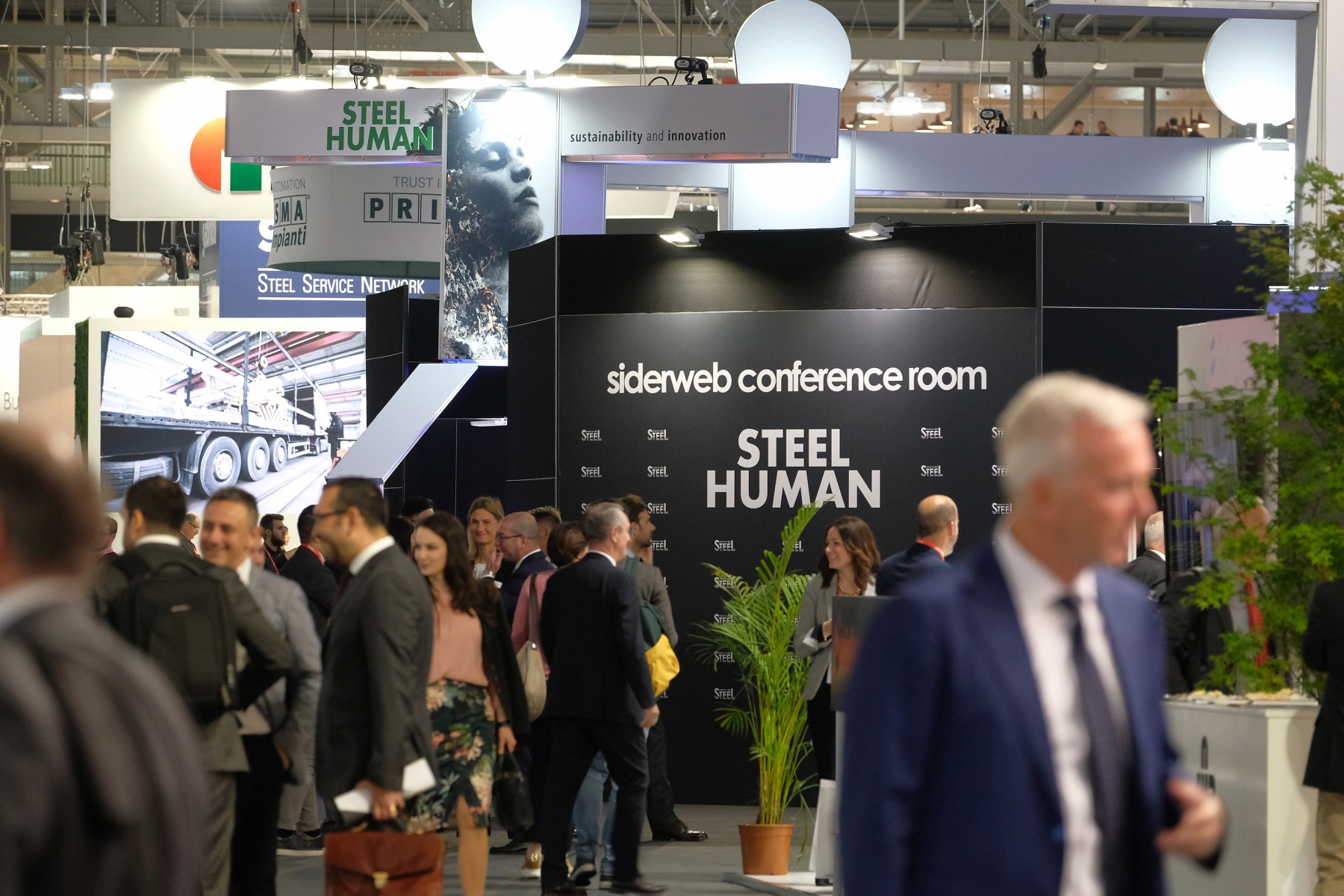
The ninth edition of Made in Steel will take place from 5 to 7 October 2021. The decision, shared with the steel community, has received full support by the stakeholders.
Due to the ongoing health emergency and in response to the solicitudes and requests received from numerous exhibitors, we announce that Made in Steel 2021 will be postponed to 5, 6, 7 October, still at fieramilano, Rho (Milan, Italy).
This decision has received the full support of the Italian and European steel players who will participate in the three-day event, or who have expressed the intention to do so. It is anticipated that in the third quarter of the year the Covid-19 pandemic will be under control, thanks to the vaccination campaign and the measures adopted to curb contagion.
XCarb™ towards carbon-neutral steel
We are launching a new brand, XCarb™ – to bring together all our initiatives which fall under our ongoing programme of steelmaking innovation targeting carbon-neutral steel by 2050 under a single global umbrella brand.
The XCarb™ brand is launched in response to customer interest in buying lower carbon steel. XCarb™ will allow us to send a clearer signal of our intent to our customers, inviting them to support us on our collective journey to zero carbon by buying our lower emissions products that enable them to reduce their own carbon impact. And it also highlights our direction of travel as we seek to move a higher portion of our production under the XCarb™ brand.
The XCarb™ brand is very much a global brand and has been discussed in depth with the CEOs of each segment. I appreciate that each segment is at a different stage of its decarbonisation journey but this brand will be available for you to use as and when you are ready. A technical team headed by Brad Davey will be responsible for ensuring products meet the XCarb™ criteria of truly being on the road to carbon neutral steel.
The launch today focuses on the first two XCarb™ ‘products’ ready for market – the XCarb™ green steel certificates and the XCarb™ recycled and renewably produced. The XCarb™ green steel certificates represent real savings in our CO2 emissions through targeted investment that can be attached to steel shipments. XCarb™ recycled and renewably produced describes steel made via the EAF route that plugs into renewable electricity, either directly or through verified certificates, with as low a carbon footprint as 300kg/tonne.
Furthermore, we are launching a XCarb™ innovation fund to invest in companies developing breakthrough technologies that will accelerate the transition to net zero steelmaking. This is a recognition on our part that we will be able to achieve our goals faster with further innovative breakthroughs. We are committing $100 million a year towards this fund.
Sustainable development is one of our four strategic priorities and decarbonising our footprint is arguably our biggest sustainable development challenge but also the biggest sustainable development opportunity. We know we have a big challenge to decarbonise but steel already has a lower carbon footprint than competing materials. Furthermore, no other material offers steel’s circular credentials.
That’s why we are confident steel will remain a vital material in the application of new industrial technologies and the transition of the energy, transport and packaging industries, and the future construction sector. Steel is central to the further development of the renewable energy sector, while our Steligence® initiative demonstrates the sustainable benefits of using steel in construction.
No other company is as well placed to play a leadership role in this transition as ArcelorMittal. No one else has the combination of industrial scale, geographic reach, technology prowess and innovative capability. We must make the most of this opportunity.
The focus is now moving from making commitments to taking concrete actions. The initiatives we have launched today are a progressive step in this direction.
Best regards, Aditya Mittal
Section 232 stays, EU safeguard outcome open: Irepas
The outcome of the EU’s steel safeguard review remains very open, while in the US, Section 232 tariffs are here to stay, said International Rebar Exporters and Producers Association (Irepas) committee members at the association’s virtual meeting this week.
Safeguard measures have resulted in serious shortages of some products in the EU, putting pressure on end users. Even if the measures are revoked after June, the market will normalise only in the first quarter of 2022 as it will take this long for orders to be placed, and steel to be produced and shipped to buyers, traders committee member Wilhelm Alff said at the meeting attended by Kallanish. This means downstream players will in any case suffer for the rest of 2021, he added.
If safeguards are extended, this will be bad for the EU’s trade negotiation position going forward. “Brussels needs to satisfy diverse lobbying interests,” Alff said. “The outcome is very, very open.”
In the US, Section 232 measures will remain in place as they provide a tax windfall to the government, observed traders committee member F.D. Baysal. Moreover, “Biden has continued if not increased the ‘Buy America’ policy,” he continued. “If every country followed this doctrine, we’d return to the days before the WTO.”
On the other hand, the Biden administration is talking about supporting the WTO, in contrast to predecessor Donald Trump’s combative stance towards the organisation. This is a positive, Baysal commented.
Huge US infrastructure investment has meanwhile been spoken about since the Obama administration but was never implemented. Baysal is hopeful this will materialise but said only US mills are likely to benefit due to infrastructure projects coming with a “Buy America” clause. This could further inflate US domestic steel prices.
As for potential EU scrap export restrictions, these are unlikely, said Irepas raw materials suppliers committee chairman Jens Björkman. “The amount of excess scrap [in the EU] is substantial, so the possibility to restrict exports from Europe or the US is challenging because there is the need to move material out of these regions,” he commented. The EU will increase the bureaucracy and paperwork required to export scrap in future, but exports will continue. “The fair trade mandate is strong,” Björkman added.
A number of solutions are being discussed, meanwhile, to the container shortage that has seen freight prices skyrocket. These include switching from container to bulk freight, which is “the opposite of what we did in 2003”, Baysal observed. India is planning to manufacture more containers to ease the shortage, while cargoes could also be moved from congested ports like Los Angeles to other regional ports to relieve congestion, he added.
Adam Smith Germany


US metals end users urge Commerce secretary to drop Section 232 tariffs
US metal manufacturers and users have sent a letter to newly appointed Commerce Secretary Gina Raimondo arguing that the Section 232 tariffs on steel and aluminum are continuing to cause damage to downstream manufacturing and should be eliminated, following public comments from Raimondo calling the tariffs effective.
Data has shown that the tariffs of 25% on steel and 10% on aluminum, first introduced by former President Donald Trump in March 2018, have been “effective,” Raimondo said in an interview with MSNBC March 4, a day after she was sworn in to lead the department. However, as President Joe Biden has stated in the past, the new administration will be doing a full review of the tariff program, she said.
The Coalition of American Metal Manufacturers and Users said it was surprised by Raimondo’s comments on the effectiveness of the tariffs, according to the group’s letter dated March 15.
“As we wrote to President Biden on February 10, 2021, there is, in fact, scant evidence that the Trump steel and aluminum tariffs have helped the domestic steel industry, as the sector continues to close plants and shed jobs, but numerous published studies provide evidence of the damage caused by these tariffs to our nation’s economy, its small manufacturing businesses, employment in the manufacturing sector, and to carefully constructed supply chains,” the group said.
Among the issues raised, CAMMU said many of the steel products targeted by the tariffs are not readily available in the US.
“Companies cannot manufacture products out of raw materials that they cannot procure,” CAMMU said. “US manufacturers increasingly report that the quality of the steel and the availability of specialty materials is a significant concern … our member companies report not only record steel prices, but also delivery times stretching 12-16 weeks, causing significant disruptions.”
CAMMU, which represents more than 30,000 companies in the manufacturing sector and downstream supply chains, was set up in the wake of the Section 232 metals tariffs to oppose the trade measure.
— Justine Coyne
EU coil importers evaluate offers on domestic shortage
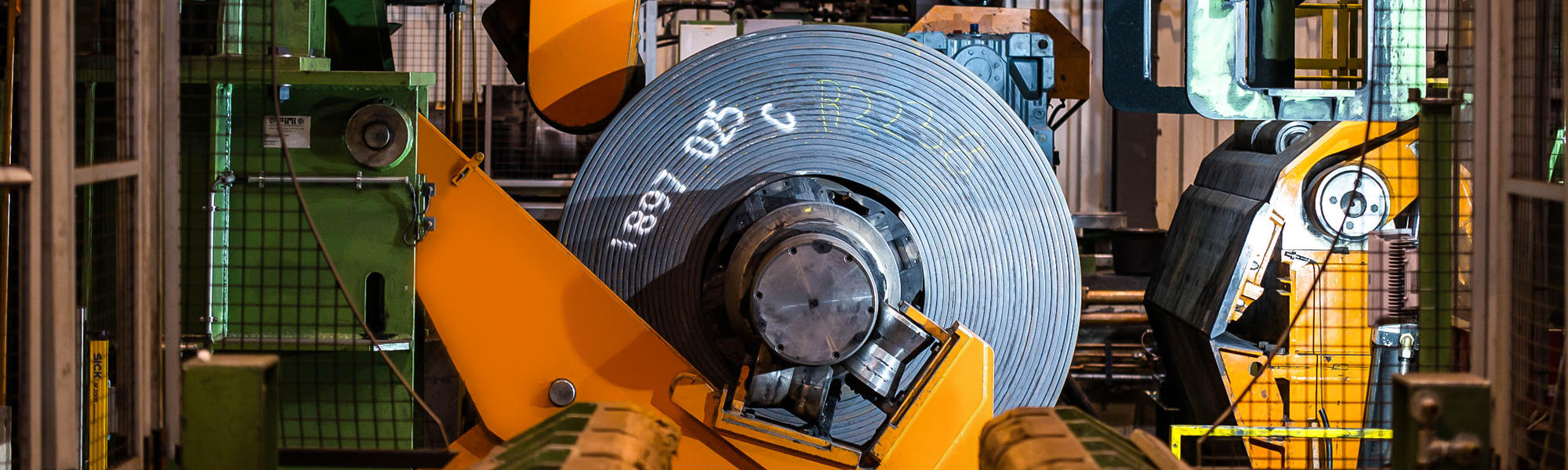
EU coil importers have upped their activity since the beginning of March due to persistent domestic supply shortages and rallying prices in the bloc, Kallanish learns from sources.
For hot rolled coil, the latest most competitive offers have been reported from India, at some €750/t ($892) cfr Italy and €765/t cfr northern Spain. Traders note this level is attracting orders from clients.
Some deliveries of these new Indian HRC orders could arrive before the end of June, meaning they will need to be calculated in the second-quarter safeguard quota allowance. India rapidly exhausted its HRC quota of some 170,000 tonnes in Q1. From Q2 it will be able to make use of its country specific quotas, plus a maximum of 30% of the residual other countries quotas, which have remained almost unused so far.
While Indian offers are attracting interest, Turkish mills are reported to be uncompetitive for HRC, with offers, including duties, reported at above €800/t cfr southern Europe.
Buyers in Europe are also looking for further opportunities, but these remain scarce. Algerian mill Sider El Hadjar has informed the market it is preparing a shipment of 15,000 tonnes of HRC to Italy, representing a new potential procurement option for tubemakers or low-grade HRC buyers.
Traders also note that CRC is the most difficult to find at competitive prices in Europe. Hot-dip galvanized coil offers are meanwhile still being considered from Turkey, though offer levels remain at some €40-50/t above domestic European prices.
Emanuele Norsa Italy
French construction sector recovers confidence
French construction industry managers’ confidence over future activity held up in February, according to a l’Institut National de la Statistique et des Études Économiques (Insee) report monitored by Kallanish.
More companies in the construction industry than in the previous month reported that their recent activity increased over the past three months.
While employment prospects were more favourable than in January, last month fewer construction companies than in January considered their order book to be below normal for this period of the year. Given their present staff size, current order books provide 8.3 months of work, a slight increase compared to January.
Capacity utilisation rate last month also increased after a sharp rebound in January, and stands above its long-term average. At the same time, 40% of business managers interviewed reported production bottlenecks, a share higher than January and significantly higher than its long-term average.
The balance of opinion of business manager on the future development in their prices has fallen back slightly but remains above its long-term average, the report concludes.
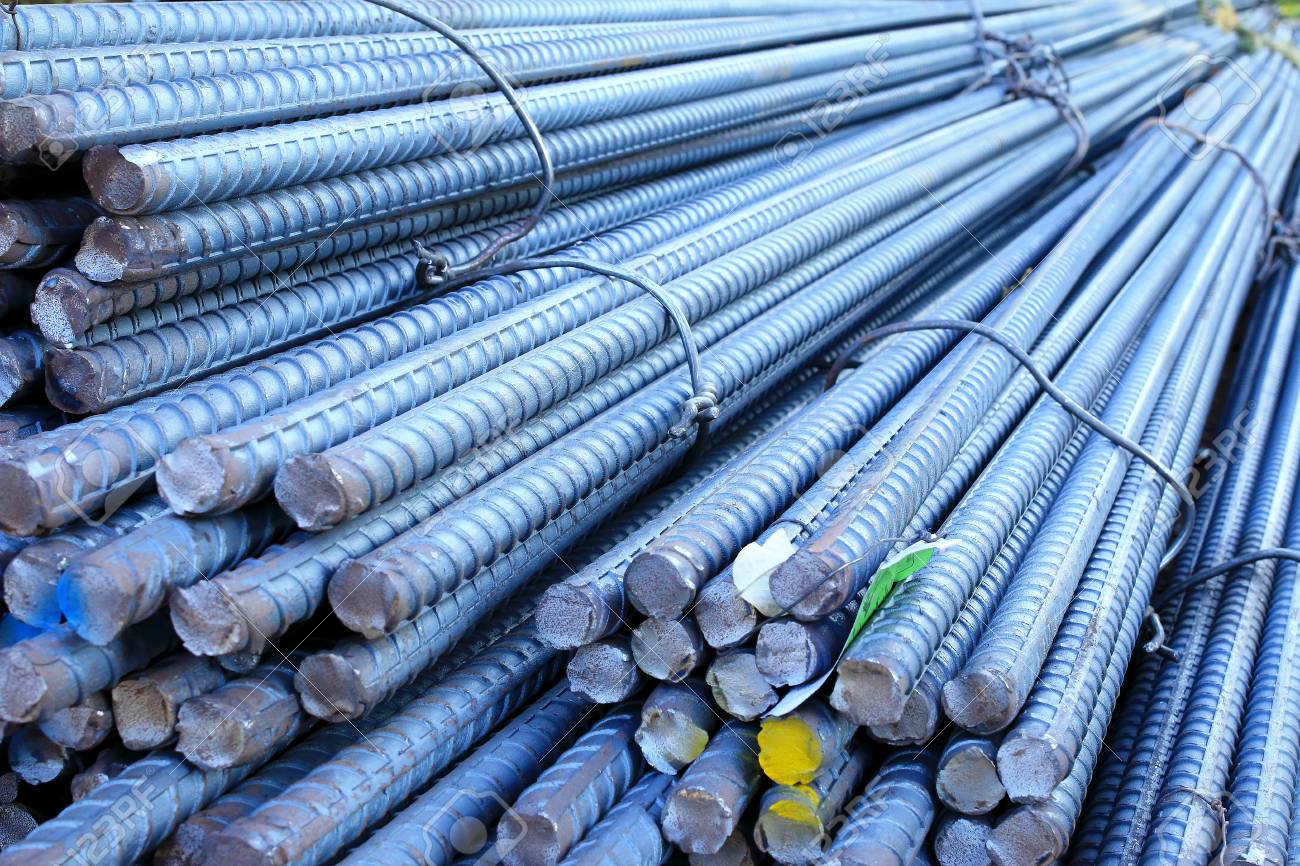
Domestic demand for rebar has been particularly weak in France over recent weeks. Demand from the local construction sector is said to be moody and unreliable, undermining the possibility of price increases in March, Kallanish notes.
Natalia Capra France
Danieli remains positive over technology demand
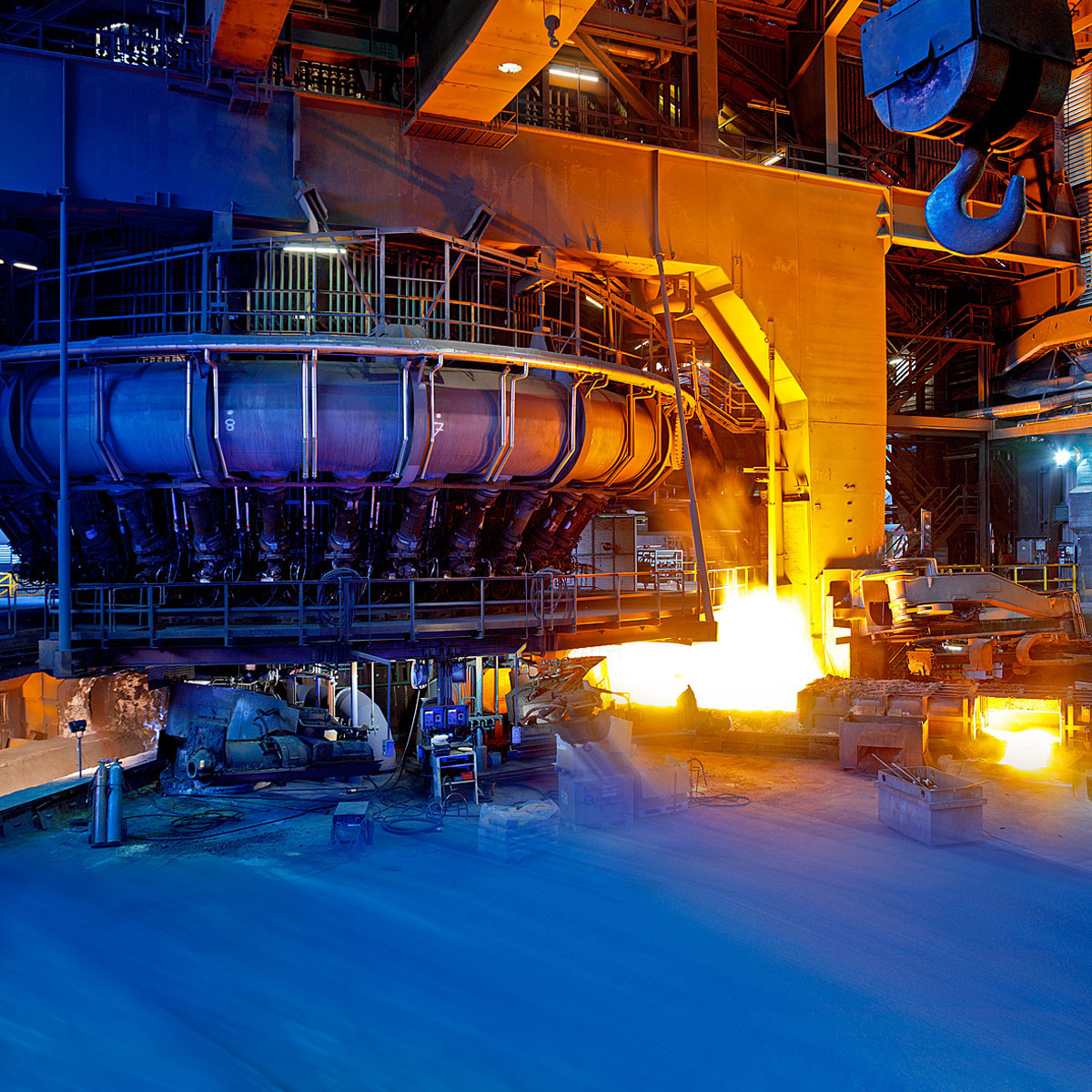
Italian equipment supplier Danieli says its plant-making division is set to continue benefitting from increasing demand for technologically-advanced and greener plants.
The company is currently seeing a good order intake, Kallanish notes, but believes the trend will “strengthen even further”.
“In the plant-making segment the demand for digitalised, high-tech plants for the production of steel and aluminium with competitive OpEx, enhanced quality and flexibility, which are environment-friendly, is contributing to the good order intake for Danieli’s plant-making division,” the company notes.
After the Covid-19 crisis, Danieli believes that actions to mitigate carbon emissions and cut greenhouse emissions will accelerate in the EU, US and China.
“The now possible combination of direct reduction plants that use gas and hydrogen as an iron ore reducing agent together with digital, high-efficiency electric arc furnaces fed with renewable energy and rolling mills with induction heating furnaces leads, basically speaking, to green steel production with zero environmental impact without GHG emissions, thus reducing the average generated CO2 volumes from 1,800kg to 300-400kg per tonne of steel produced,” Danieli adds.
Danieli’s plant-making segment in 2020 saw revenue drop 13% year-on-year to €925 million ($1.1 billion). Despite the turnover drop, operating income increased 118% to €53.3m. Meanwhile, the steelmaking segment saw revenue increase 9% to €352.8m.
Emanuele Norsa Italy
Salzgitter ends difficult year on bright note
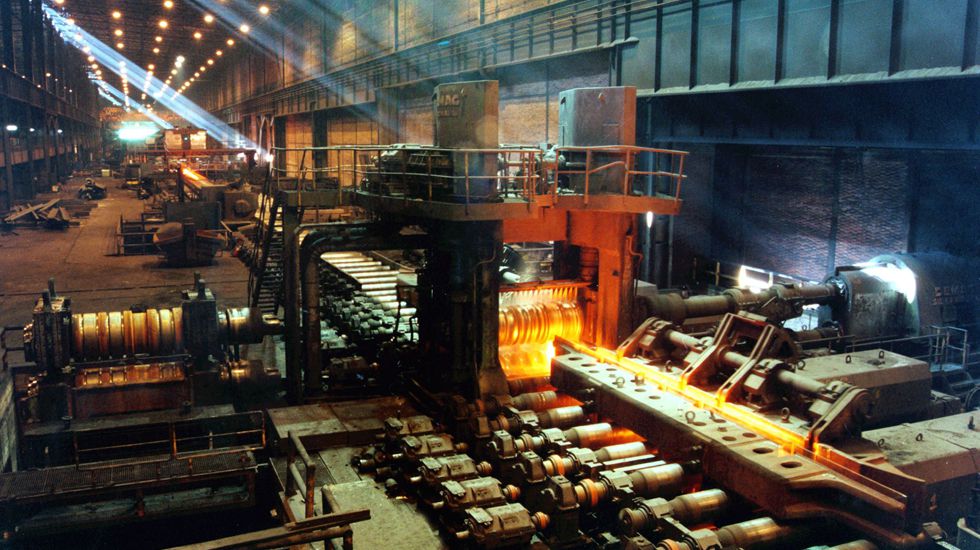
German steelmaker Salzgitter says its strip steel and other activities showed strong signs of recovery in the final quarter of 2020, and this has held steady since.
The group’s 2020 revenue declined by 16% on-year to €7.1 billion ($8.5 billion) due above all to the drop in average selling prices for rolled steel products and lower shipment volumes. Crude steel production came to 6 million tonnes, versus 6.6mt in 2019.
Pre-tax loss was limited to €196 million, thanks to rigorous crisis management and the recent uptrend in performance, the group emphasises. Net loss was €274m, which comprise €71m in additional tax expenses against which the company has lodged an appeal.
At a press conference attended by Kallanish, Salzgitter chief executive Heinz Jörg Fuhrman emphasised that “the financial year 2020 was not a lost year”, thanks to various new activities. In terms of equipment investment, the company is working on the third hot-dip galvanizing line at strip mill in Salzgitter and the new heat treatment line at the plate mill in Ilsenburg. It is also pushing ahead with its decarbonisation offensive by implementing the “Wind Hydrogen Salzgitter”, “Green Industrial Hydrogen 2.0” and “Green Strip Steel” projects.
With explicit reference to the virtually unquantifiable risk of the coronavirus, Salzgitter expects in 2021 an increase in revenue to more than €8.5 billion, and a pre-tax profit of €150-200m.
Christian Koehl Germany