


Joe Biden ends Nippon Steel’s $15 billion bid for US Steel
In a statement released early on Friday January 3, President Biden cited national security concerns for his decision, despite US Steel’s own objections and an inconclusive Committee on Foreign Investment in the United States report.
“It is my solemn responsibility as president to ensure that, now and long into the future, America has a strong domestically owned and operated steel industry that can continue to power our national sources of strength at home and abroad; and it is a fulfillment of that responsibility to block foreign ownership of this vital American company,” President Biden said. “US Steel will remain a proud American company — one that’s American-owned, American-operated, by American union steelworkers — the best in the world.”
US Steel, which has been entertaining buyers for the past year, did not respond to requests for comment at the time of publication. Nor did Nippon Steel.
Contentious from the start
The national security concerns have been met with skepticism, because Japan is a long-time ally of the United States and foreign investment isn’t a new phenomenon in the steel industry.
The possibility of US Steel moving production from its older, legacy facilities in the union North to its state-of-the-art — but non-union — Big River facility in Arkansas, however, has appeared alongside the national security concerns.
US Steel has answered these concerns in the past by noting that Nippon Steel has pledged to invest in its legacy facilities, something the company cannot do on its own. Blocking the deal, the company has said, may mean closure of legacy facilities and the company’s exit from its headquarters in Pittsburgh, Pennsylvania.
The day before President Biden’s decision, US Steel offered Fastmarkets a statement in response to another letter from the United Steelworkers (USW) — one of many parties opposed to the proposed sale.
That coalition included President Biden, President-elect Donald Trump, the USW and a smattering of steel-interested lawmakers, plus potential buyer and integrated competitor Cleveland-Cliffs.
“But the bottom line remains: Nippon Steel’s plans threaten the long-term security of our facilities,” the USW wrote on Thursday January 2. “During all of our meetings with Nippon Steel, including those in the past few weeks, we brought our pressing concerns to the table, namely Nippon Steel’s stated intention to ultimately transfer production from our facilities to Big River, reducing blast furnace capacity/capability and endangering national security.”
US Steel countered with its bottom-up view of union member desires.
“The voices of our USW represented workers continue to call for President Biden to approve the proposed merger in order to protect and preserve the livelihoods of union workers across the country,” US Steel said in direct response. “The truth remains that this transaction is the best way to ensure that US Steel, including its employees, communities and customers, will thrive well into the future, and Nippon Steel has made extraordinary commitments, including over $2.7 billion of investments in our USW facilities, that will be in a binding legal agreement enforceable by the US government, to ensure these virtues are realized.”
Cleveland-Cliffs did not immediately respond to requests for comment. Chief executive officer Lourenco Goncalves hinted at his renewed plans for the company should the deal fall through in September — and should US Steel follow through on its plans to scale back operations.
“So if they go ahead and shut down the [Northern legacy] assets, so do it,” he said during a CNBC interview on September 5. “Because that will make for an easy transaction.”

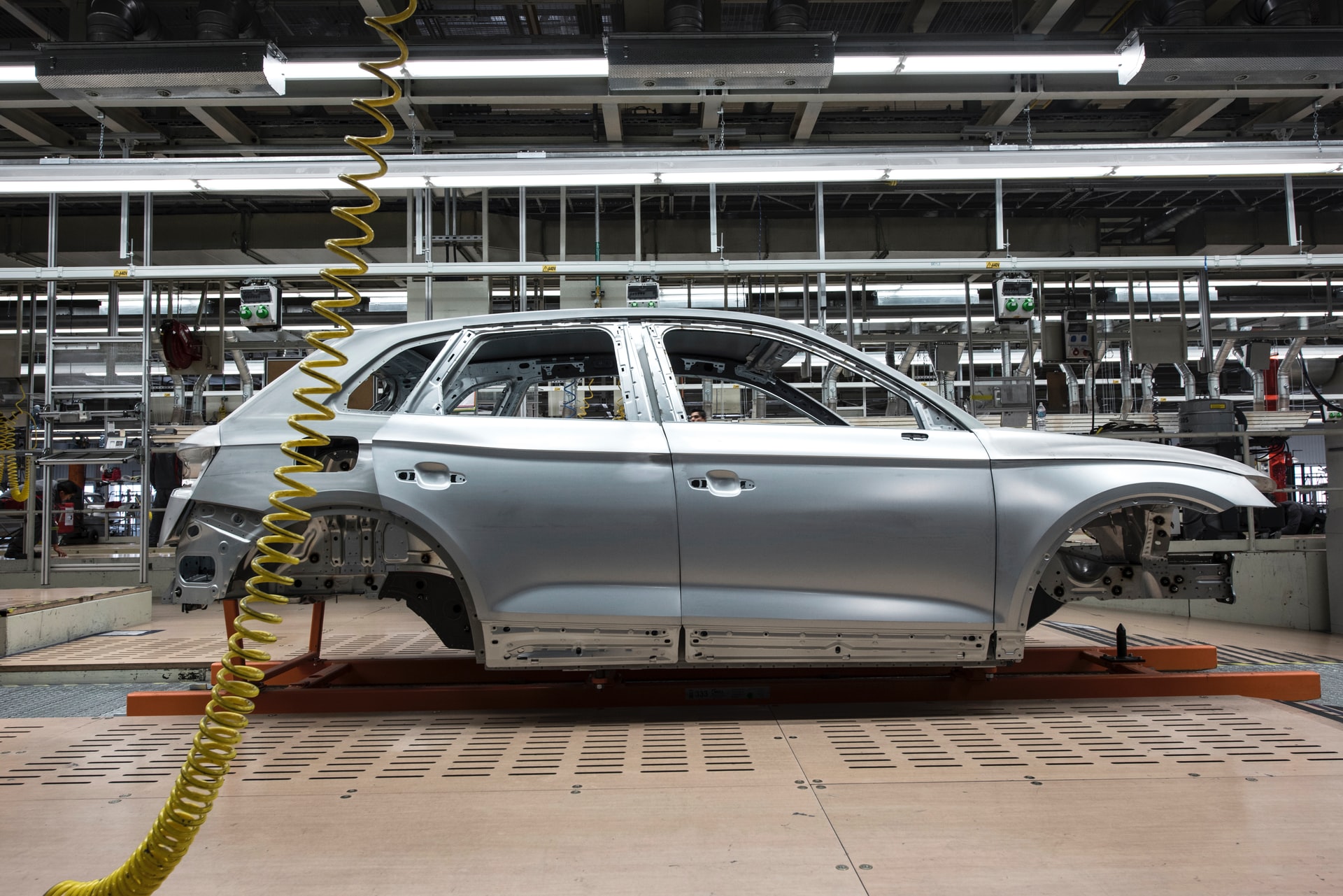
Turkey automaker Tofas pauses output for two weeks for maintenance
Major Turkish automaker, Tofas, a joint venture between Koc Holding and Stellantis, has announced two weeks of production stoppage as of Jan. 2.
“Due to the end-of-year stock taking and programmed maintenance activities, manufacturing activities at our Bursa factory will be suspended from Jan. 2 to Jan. 14,” the company said in a regulatory filing.
The plant would restart manufacturing operations from Jan. 15, Tofas said.
The producer previously announced Dec. 9 it laid off 13% of its workers after deciding in September to continue production with one shift after suspending production for more than a month from July 16 amid low demand.
Tofas has a vehicle production capacity of 450,000 units/year.
Turkey’s vehicle production declined 8.9% year over year to 1.36 million units over January-November 2024, while vehicle exports fell 1.2% to 1 million units, according to the latest Turkish Automotive Manufacturers’ Association data.
Platts, part of S&P Global Commodity Insights, assessed Turkish HRC at $565/mt ex-works Dec. 27, down 20% since the start of 2024.

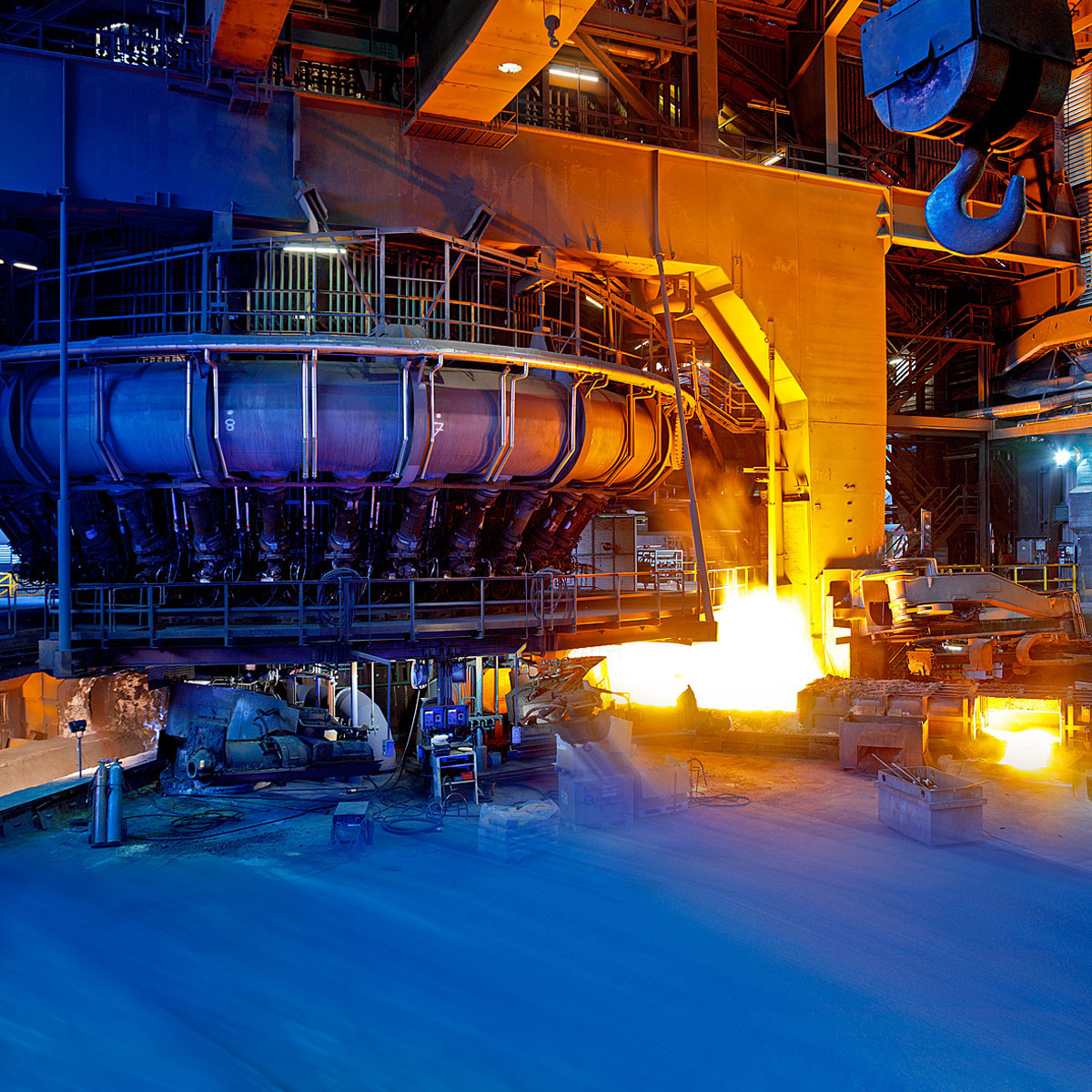
Austria continues to increase steel production in November
Austria’s steelmakers increased crude steel production in November compared with the previous month, according to worldsteel data.
Output amounted to 562,260 tonnes, up by 4.5% from October but flat year-on-year, Kallanish notes.
Austria remained in 23rd place in the ranking of top global steel producers, the data show.
In January-November, the country produced 6.57 million tonnes of steel, flat on-year.
Overall EU output in November was 1.7% more on-year at 10.68mt.
In the first 11 months of the year, steel production was 4.6% higher on-year versus the same period in 2023 at 119.9mt.
Austrian steelmaker voestalpine recently said it performed well in the first half of its business year through March 2025 despite the difficult economic environment in Europe. Demand remained strong from the railway infrastructure and aerospace sectors, and for high-bay warehousing systems made from advanced steel profiles.
The group’s revenue in H1 reached €8 billion ($8.3 billion), which is 5.5% or around €500 million below the comparative period in the first half of 2023/24. Ebitda decreased by 20.5% y-o-y to €718m and was influenced by negative one-off effects including the sale of its Buderus Edelstahl subsidiary and closure of automotive operations in Germany.
The decline in volumes was partly offset by a better product mix with higher profits, while lower sales prices were partly compensated by reduced raw materials values.
Svetoslav Abrossimov Bulgaria
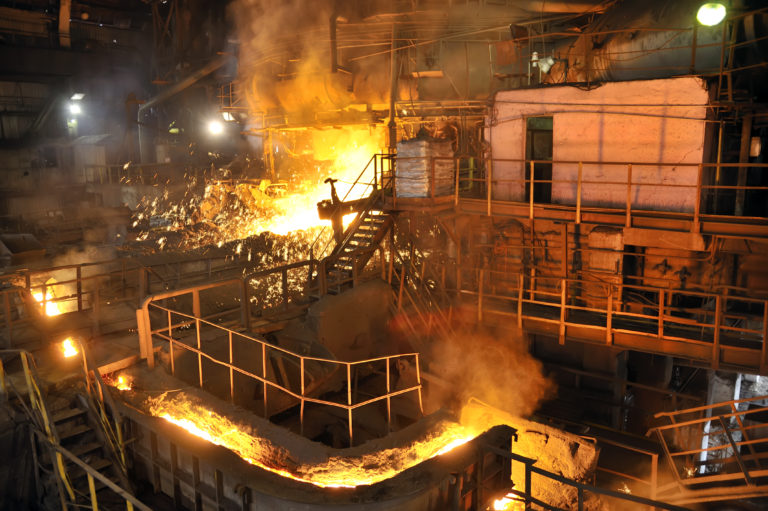
Germany posts strongest output growth rate among top-10 steel-producing countries
Global crude steel production increased by just 0.8% to 146.8 million tonnes in November compared with the same month in 2023, but output fell by 1.4% year on year from January to November, worldsteel said on Monday December 23.
Germany
Crude steel production in Germany was up by 8.6% year on year to 2.9 million tonnes in November, according to worldsteel, with the output of Europe’s largest steel producer also up by 5.3% in the year to November compared to the same period in 2023 (see chart below).
Sources said the was probably mostly due to the decline in October and November 2023, when production cuts were introduced to balance supply and demand in the European steel market.
The increase could also be partially driven by the increase in the production of semi-finished steel products for export as a substitute for sanctioned Russian material.
The European Union’s 27 member states also reported a combined increase in crude steel production in November compared with the same month in 2023, with output up by 3.9% to 10.7 million tonnes. The year-on-year rise from January to November was 2.2%, with output reaching 119.9 million tonnes.
But despite the increased output, sources said that demand for finished flat and long steel products remained sluggish across Europe, with oversupply frequently cited as one of the main reasons hindering a stronger price rebound.
India
India was the second top-10 steel-producing country to record a significant increase in crude steel production in November, with output up by 4.5% to 12.4 million tonnes compared with the same month in 2023.
Output for the year to November was also up, increasing by 5.9% compared to the same period in 2023.
And larger steel mills in India recently tried to increase domestic finished steel prices.
A slight price rebound was achieved on expectations that the Indian government might impose provisional duties on steel imports before the completion of a safeguard investigation announced on December 19.
Earlier in December, India’s Ministry of Steel proposed a 25% safeguard duty on imports of all major flat steel from other Asian countries, such as Japan, South Korea, and Vietnam.
But the higher prices for HRC struggled to gain tractions, with demand for steel failing to match the increase in supplies following the capacity additions by all major steel mills in India since March, Fastmarkets understands.
China
In China, crude steel production moved up 2.5% year on year in November to reach 78.4 million tonnes, but output was down by 2.7% from January to November compared with the same period in 2023 and slow domestic consumption in the world’s largest steel-producing country remained a major concern.
To compensate for the sluggish domestic consumption, China has focused on exports in recent months, sources told Fastmarkets, and despite exports falling month on month in November, compared with the same month in 2023, volumes shipped out of the country increased, according to preliminary data ffrom the General Administration of Customs.
Steel exports amounted to 9.28 million tonnes in November, which was down by 17% from 11.18 million tonnes in October, but up by 16% from 8.01 million tonnes in November 2023.
But competitive Chinese steel prices in overseas markets resulted in an increase in trade protectionism around the world.
Russia
Estimated crude steel production in Russia fell by 9.2% year on year in November, to 5.5 million tonnes, worldsteel said, with output also down by 7% in the year to November, compared to the same period of 2023.
Key steel consuming industries in Russia were unable to generate sufficient demand to maintain high production rates in the country.
Russian iron and steel export volumes fell to 15.5 million tonnes in January-October 2024, according to data from Global Trade Tracker – 23,9% lower than the same period in 2023, due to international sanctions imposed following Russia’s attempted invasion of Ukraine.
In addition to countries and companies rejecting Russian steel exports, the prices achievable in the few countries still willing to do business with Russia have continued to fall.

European HRC prices unchanged amid holiday inactivity
Most market participants were still on leave, planning to return after Monday January 6, Fastmarkets understands.
Fastmarkets calculated its daily steel hot-rolled coil index domestic, exw Northern Europe at €565.00 ($588.48) per tonne on Tuesday, unchanged since December 20.
The index was up by €5.00 per tonne month on month.
It is unclear whether new, higher offers of HRC across Europe will be accepted by buyers after the market restarts in the first days of January.
Shortly before the Christmas and New Year holidays, ArcelorMittal announced an increase of €30 per tonne for offers of HRC with February/March delivery across Europe.
Another integrated mill in Northern Europe was heard to have followed the move, Fastmarkets understands.
Thus, the latest official offers for February/March-delivery HRC from Northern European mills were heard at €600-630 per tonne ex-works or delivered. But tradable levels just before the winter holiday break were heard at €560-580 per tonne ex-works.
Fastmarkets calculated its daily steel hot-rolled coil index domestic, exw Italy at €562.50 per tonne on Tuesday, unchanged since December 23.
The index was up by €4.17 per tonne month on month.
Local suppliers’ latest official offers for HRC with delivery in February and March were heard at €580-620 per tonne delivered, which would net back to €570-610 per tonne ex-works.
Buyers’ estimations of the workable market level for such material were at €570-580 per tonne delivered, which is equivalent to €560-570 per tonne ex-works.
The market for imported HRC also remained quiet during the winter holiday slowdown.
Industry sources expected that the appetite for import bookings would remain low due to recent developments with safeguards and a pending anti-dumping probe against Egypt, India, Japan and Vietnam.
The latest import offers of February-shipment HRC from Turkey to Italy were heard at $590 per tonne CFR including the anti-dumping duty.
Just before the holiday break across Europe, South Korea-origin coil was on offer to Italy at €580 per tonne CFR, industry sources told Fastmarkets.
In mid-December, a transaction for Ukrainian HRC to Italy was heard at €530 per tonne CFR.

Thyssenkrupp sells Spain’s Galmed plant to Network Steel
Spanish coil processing company Network Steel (NS) has acquired ThyssenKrupp’s Galmed (FBA9) plant in Sagunto, Valencia, Kallanish notes. The facility can produce 450,000 tonnes/year of hot-dip galvanized coil. The material is mainly supplied to the automotive sector.
Thyssenkrupp could not be reached for comment. NS indicated in a brief note that it is growing its business but did not comment on the financial terms of the deal. Spanish government and trade union representatives also have confirmed the sale.
“The management of Thyssenkrupp Galmed informed us that the negotiations were successfully completed last week and that the transfer of shares is expected by the end of December,” the union CCOO says. The workers’ representatives have had no contact with NS yet, but, pending the industrial plan for the coming years, CCOO assures that employment and working conditions will be maintained.
“From the first moment, the Valencian government has been in dialogue with both companies providing the maximum support so that this operation could be carried out,” says Spain’s Minister of Industry, Marián Cano.
The German steelmaker closed the facility in November 2023 due to the significant worsening of the European automobile market and the consequent reduction in demand for galvanized steel products in Spain and southern Europe. Thyssenkrupp carried out a detailed analysis of the profitability of its ten lines and the result showed the closure of FBA9 was inevitable from an economic standpoint.
Todor Kirkov Bulgaria


EU Steel Distribution: cautious optimism amid stable market conditions as 2024 ends
The European Steel Distribution sector remains cautious and prepares for the challenges of early 2025.
The EUROMETAL Sentiment Survey for December 2024 reveals a largely neutral to mildly optimistic market sentiment, with respondents expecting stable stock levels, steady current activity, and modest improvements in future activity and prices. This suggests the steel and metals distribution sector is ending the year on a positive yet stable note, with confidence in the market’s trajectory heading into 2025.
Assessment of Current Activity
Responses for December 2024 reflect a continuation of trends observed in previous months, with activity levels remaining below the neutral line. This suggests that the sector continues to operate cautiously, with no signs of significant improvement.
However, compared to October and November, responses indicate a slight stabilization, suggesting that the current activity level has settled into a consistent, albeit subdued, pattern.
Future Activity Forecast
The sentiment for December 2024 is above the neutral line, suggesting cautious optimism for the next quarter.
In contrast to the months of August, September and October, where responses dipped below neutral, indicating some concerns or market uncertainties, December reflects greater confidence in upcoming activity.
Bubble size in December is moderate, suggesting a mix of opinions, but with the majority leaning toward a positive outlook.
Stock Position Forecast
Stock position responses for December show little change, reflecting a continued conservative inventory approach. Respondents indicate no significant plans for aggressive restocking, preferring to align stock levels with lower demand expectations. This reflects distributors’ cautious stance as they enter 2025 amid uncertain market conditions.
Price Development Expectations
December 2024 exhibits a clear upward tilt above neutrality, signaling expectations for moderate price increases in the coming months. The upward trajectory in December sentiment could reflect improving market conditions, such as stronger demand, reduced supply chain pressures, or other positive economic signals.
—
This analysis is based on the EUROMETAL Sentiment Survey, reflecting the opinions of 210 participants for December 2024. Interested in our Sentiment Tool? Contact us.
Europe’s crude steel production increased
The European Union produced 11.3 million tons of crude steel in October, an increase of 5.5% compared to the same month last year.
The European Union produced 11.3 million tons of crude steel in October, an increase of 5.5% compared to the same month last year. In the January-October 2024 period, total crude steel production reached 109.3 million tons, an increase of 2.1% compared to the same period last year.
Other European countries produced 3.4 million tons in October 2024, a decrease of 6.2% compared to October last year. In the first ten-month period of the year, total crude steel production amounted to 36.5 million tons, an increase of 6.3% compared to the same period last year.
Germany, Europe’s largest economy, continued to play a leading role in the sector. Germany produced 3.2 million tons in October, an increase of 14.7% compared to the same month last year. In the January-October 2024 period, production totaled 31.6 million tons, an increase of 5% compared to the previous year.


Sidenor buys recycling company to support decarbonization efforts
Spain-based steel producer Sidenor Group has announced that it has acquired industrial scrap and waste recycling company Eplus based in Barcelona as part of its decarbonization and sustainability efforts.
Having facilities extending over 2,000 square meters, Eplus processes materials such as ferrous and nonferrous metals, paper, cardboard and plastics in order for steel and other industries to reuse them in their operations.
Earlier this year, Sidenor completed the acquisition of Miguel Martin to secure scrap supply, as SteelOrbis reported previously. Also, the company had purchased Aguilar Metal Recycling in 2022.


Fitch Ratings expects apparent steel consumption to increase in 2025
International credit ratings agency Fitch Ratings has issued its latest global steel sector outlook report for 2025.
Accordingly, Fitch has revised its global steel sector outlook for 2025 to neutral in line with its expectations of a slight improvement in the steel industry following sluggishness in 2024, largely based on a balance in the Chinese steel market, decreasing costs and a mild increase in steel prices and producers’ margins. Also, in 2025, apparent steel consumption is expected to rise by single digits with the support of growth in India, stable demand from China and a recovery in both the US and the EU.
In the meantime, the agency predicts that steel production in China will keep declining by single digits next year, with demand expected to be almost stable. However, margins of Brazilian, Turkish, European and Indian steelmakers are likely to recover amid a decrease in steel imports from China.
Looking at other markets, India is forecast to maintain its position as major growth market owing to increases in its production and consumption, while Brazilian steel industry should improve due to a decrease in imports and positive demand growth. Furthermore, the European steel industry is expected to show a slight recovery following several years of downturn, while the US steelmakers’ margins will continue getting back to normal levels.
Fitch also added that possible trade measures hinted by the new US administration and an increase in protectionism in other regions will likely affect the global economy. Additionally, the US increasing tariffs on goods from China will increase pressure on steel consumption in China and have negative impact on global markets.